Reptiles have been running the planet far longer than we have, and for most of that time, they’ve been very good at killing things.

From giant prehistoric hunters that ruled entire ecosystems to modern species that can still end a life in minutes, reptiles have always been masters of survival, ambush, and raw efficiency. They don’t need speed, noise, or spectacle to be deadly. They rely on patience, venom, armour, and timing.
What makes reptiles especially fascinating is how little many of them have had to change. Some modern species operate using the same basic tactics their ancient ancestors perfected millions of years ago. Whether it’s crushing jaws, paralysing venom, or sheer size alone, the methods may vary, but the result is the same. These animals weren’t built to intimidate, they were built to win.
This journey runs from the age of dinosaurs right through to the reptiles still sharing the planet with us today. Some are long gone, some are critically endangered, and some live closer to humans than we’d like to admit. All of them earned their reputation the hard way.
The saltwater crocodile is the closest thing we have to a living dinosaur.
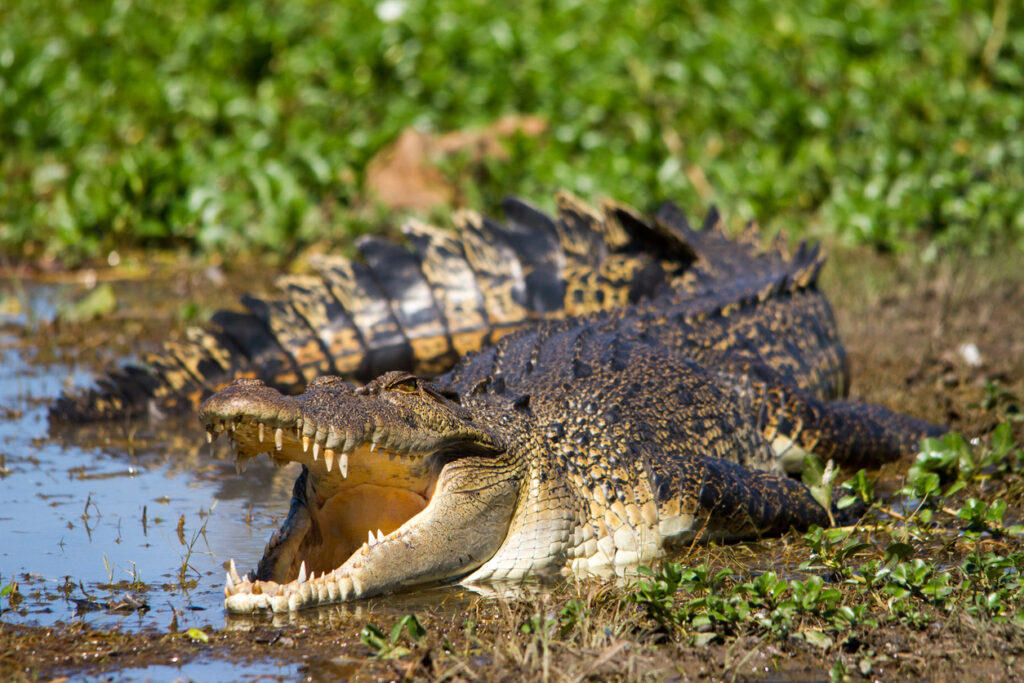
Saltwater crocodiles haven’t changed much in millions of years because they’ve never needed to. Their bite force is stronger than any living animal, and they can launch themselves out of the water with shocking speed. Once they lock onto prey, escape is almost impossible. Their patience is what makes them so dangerous. They wait silently for the perfect moment, then strike with power that catches almost everything off guard, including humans who get too close to their territory.
Komodo dragons kill with bacteria and venom working together.
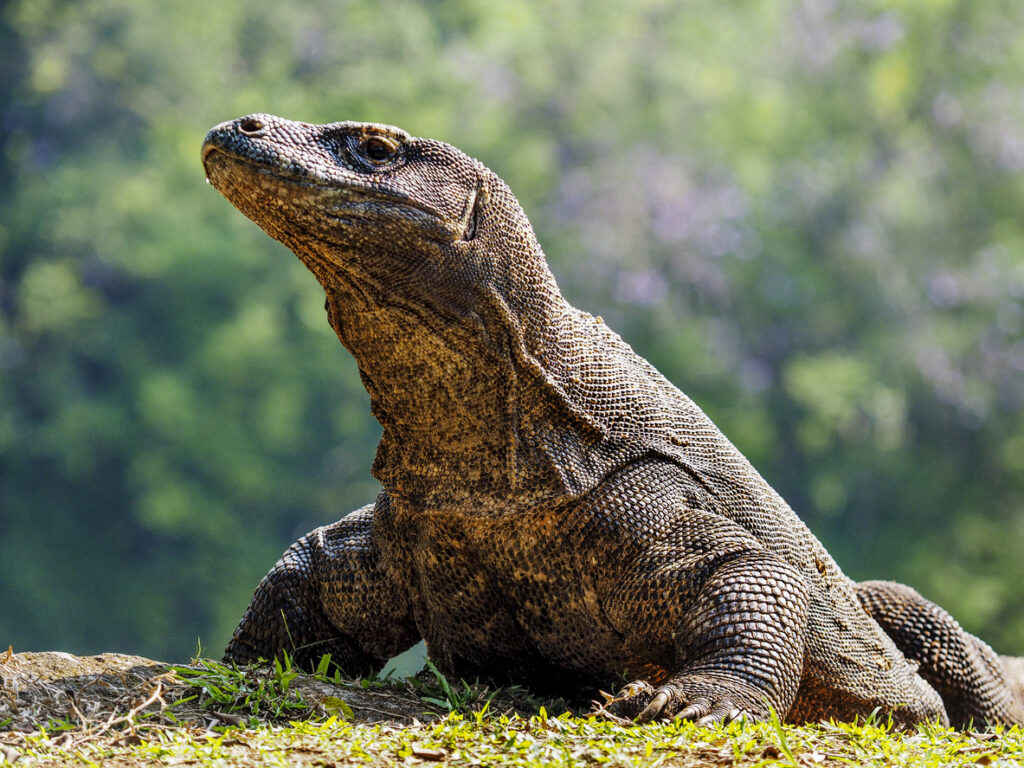
Komodo dragons look slow, but they’re strong, fast and vicious hunters. Their saliva carries harmful bacteria, and their venom lowers blood pressure and stops blood clotting, making even a single bite deadly. Prey often collapses from shock before it can run far. Once the dragon bites, it follows the weakened animal until it can no longer fight. This hunting style makes Komodos one of the most efficient killers in the reptile world.
Black mambas move faster than most people can react.

The black mamba’s speed is what makes it so feared. It can reach up to 12 miles per hour, which is terrifying when you consider its venom can shut down the nervous system in minutes. Encounters turn dangerous quickly, simply because the snake moves before people realise it’s there. Even though mambas avoid conflict when they can, their speed and deadly venom make them one of the most capable predators in Africa. Staying still and backing away slowly is often the safest option if one appears.
King cobras can deliver enough venom to kill an elephant.
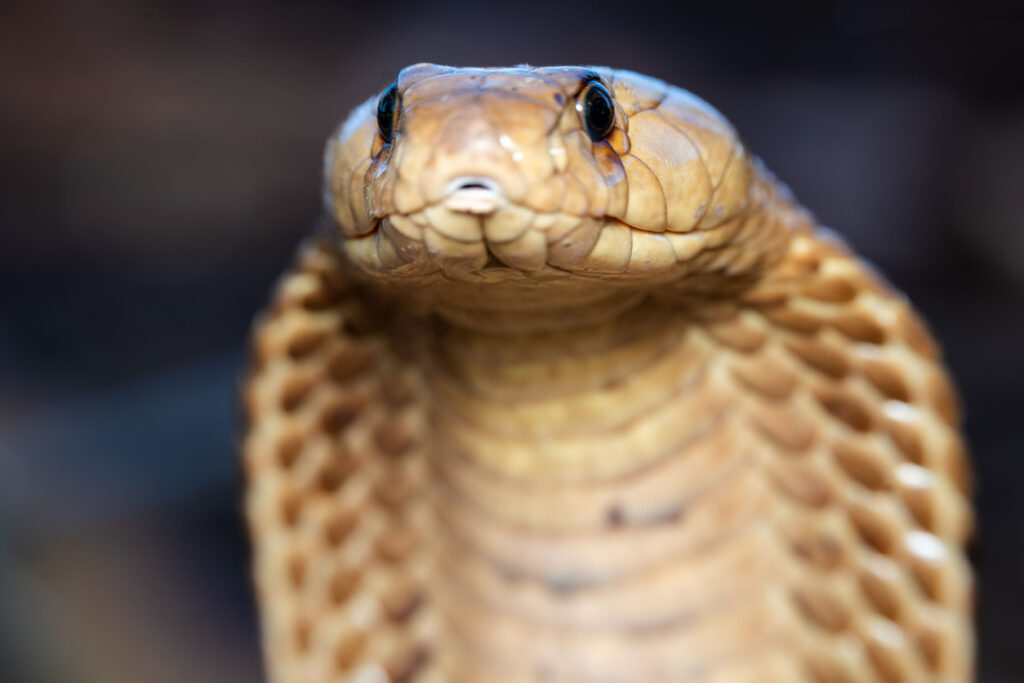
King cobras don’t usually attack unless threatened, but when they do, the amount of venom they inject is enormous. Their bites can cause paralysis, respiratory failure and death faster than most people expect. Their size and standout hood make them intimidating before they even strike. These snakes are powerful because they combine intelligence with strength. They watch their surroundings carefully and respond quickly to any threat, which is why people treat them with serious caution.
The gharial’s jaws may look thin, but they’re perfect for catching fast prey.
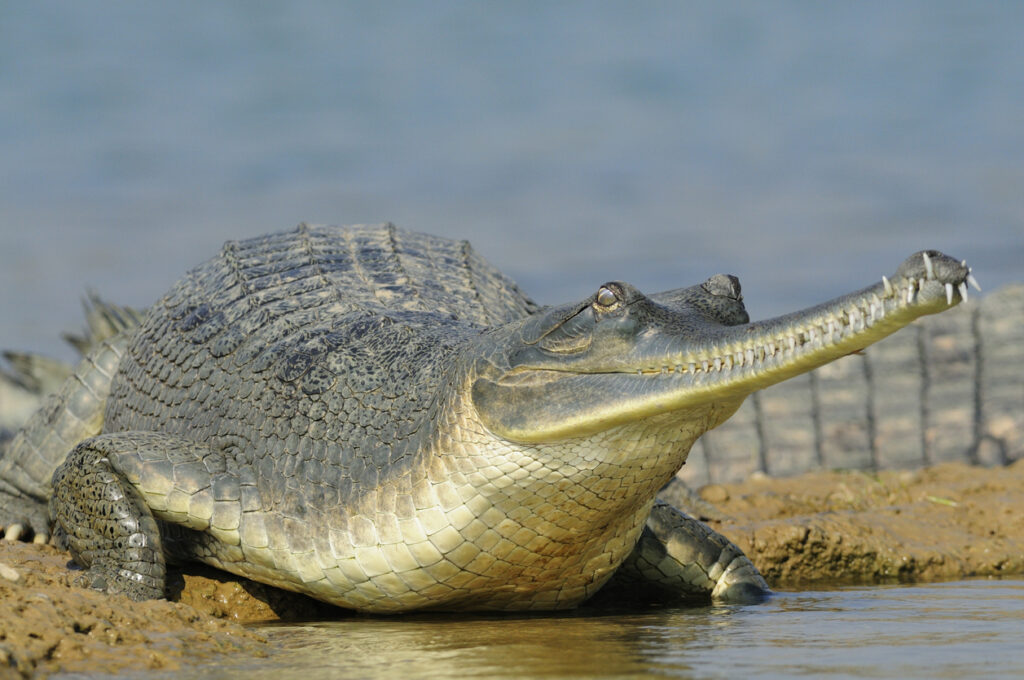
The gharial seems harmless because of its narrow snout, but that design helps it snap up fish with unbelievable speed. Its jaws close quickly enough to trap slippery prey easily, making it one of the most precise hunters in freshwater environments. Even though they rarely attack humans, they’re still skilled predators with a hunting method that’s barely changed since ancient times. They show how specialised features can make a reptile incredibly effective.
The green anaconda uses strength instead of venom.
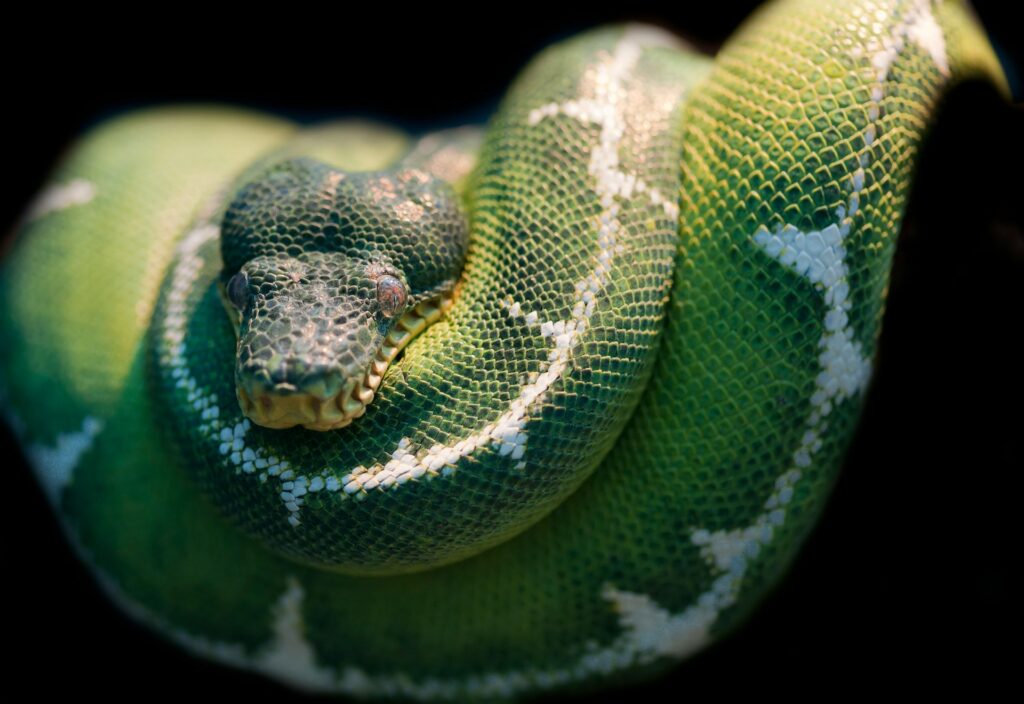
Green anacondas kill by wrapping their powerful bodies around prey and squeezing until the animal can’t breathe. Their size alone makes them dangerous, with some growing longer than a car and heavier than many grown adults. They hide in muddy water where they’re almost impossible to see. When animals approach, the anaconda strikes fast, making it one of the top predators in South American rivers.
The inland taipan has the most toxic venom of any snake.
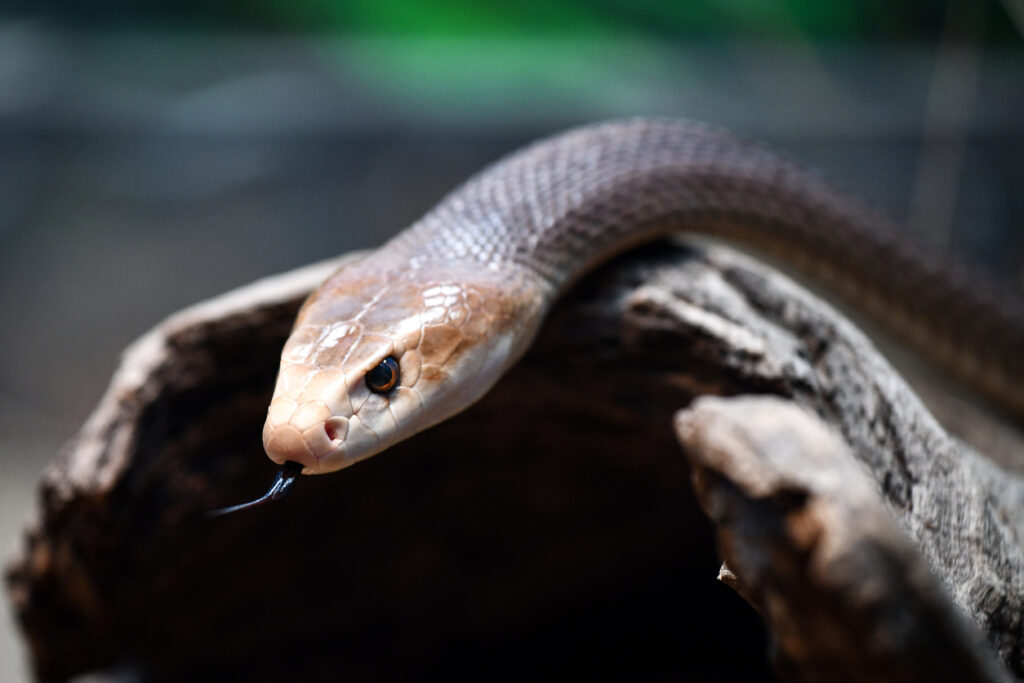
The inland taipan’s venom is so strong that a single bite contains enough toxin to kill dozens of people. Luckily, it lives far from busy areas, which is why encounters are rare. People fear it because its venom acts quickly and aggressively once it enters the body. Taipans tend to avoid humans, but their sheer toxicity earns them a place among Earth’s deadliest reptiles. They’re proof that size doesn’t matter when the chemistry is this powerful.
The alligator snapping turtle bites with bone-crushing force.
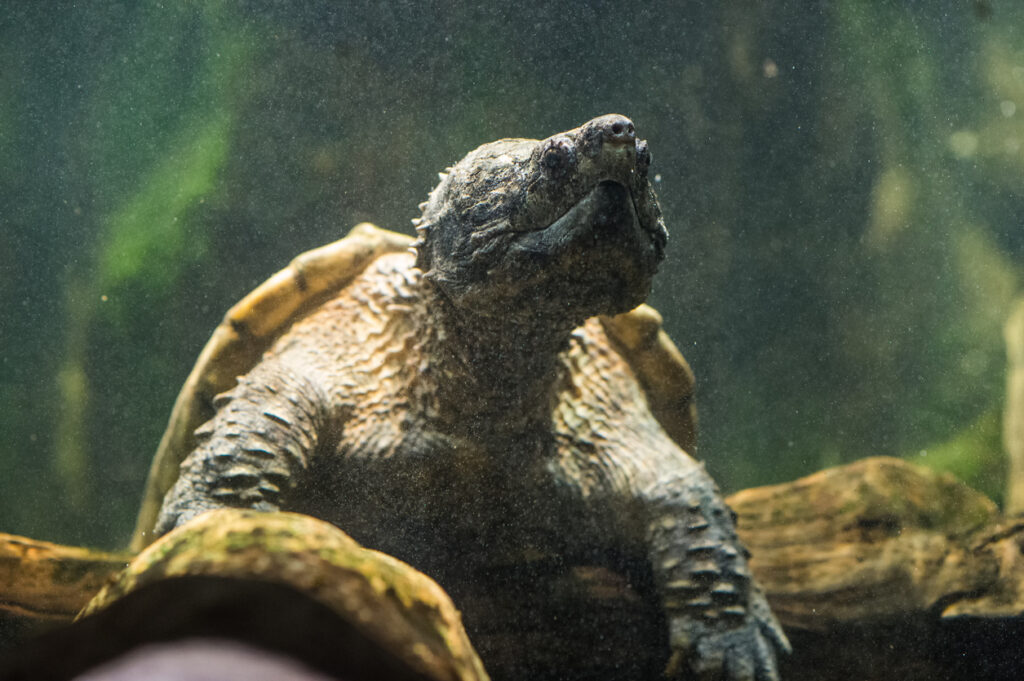
This turtle may look slow, but its jaws close with incredible strength. It lures fish by wiggling a worm-like part of its tongue, then snaps shut so fast that prey barely sees the movement. Its bite can break bone and tear through almost anything it catches. The turtle spends most of its life still and hidden, which makes it even more dangerous. Prey swim close without realising what’s waiting in the mud beneath them.
The leatherback sea turtle’s survival is built on ancient power.
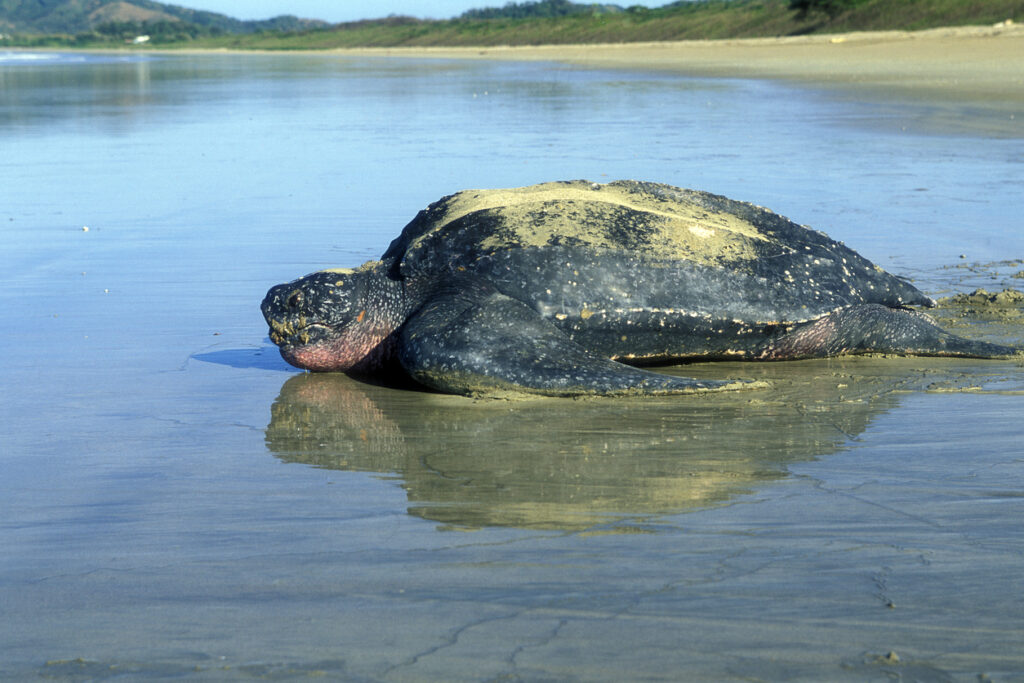
Leatherback turtles aren’t predators, but they’ve survived for millions of years thanks to size, strength, and endurance. They swim across entire oceans and dive deeper than most marine animals, reaching depths where pressure would crush other creatures. Their thick, flexible shells protect them from many threats, showing how ancient adaptations keep working today. They prove that being “deadly” doesn’t always mean violence, sometimes it means unbeatable resilience.
Modern crocodiles remind us how terrifying their ancestors were.
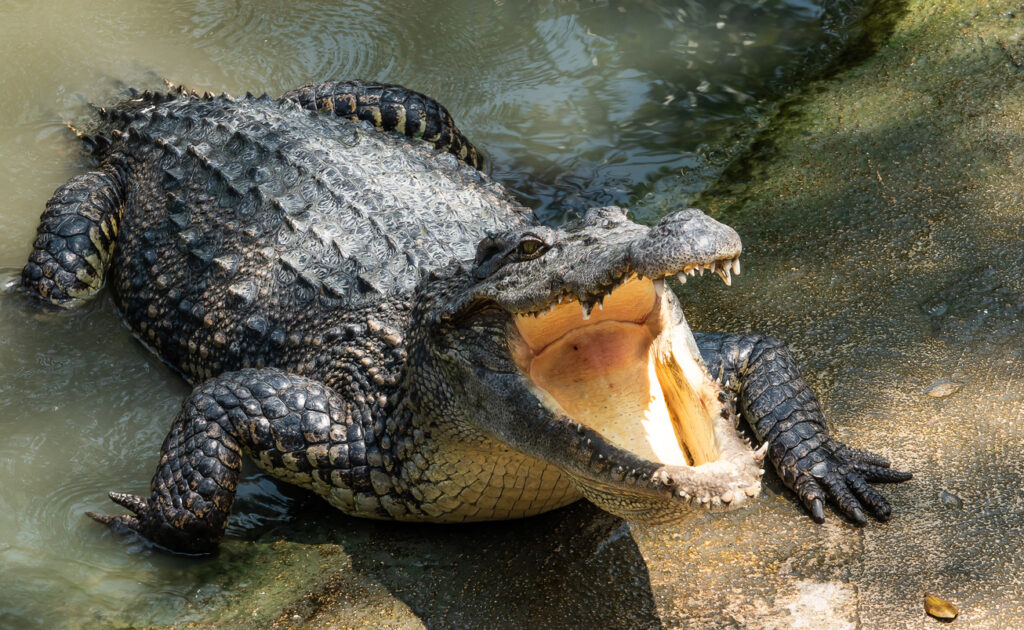
Today’s crocodiles are already powerful enough to dominate rivers, but their prehistoric relatives were even bigger. Ancient species like Deinosuchus could challenge dinosaurs and tear apart massive prey with ease, reminding us how far reptile power can go. Modern crocs keep that legacy alive. Their strength, patience and hunting ability make them some of the most fearsome animals on Earth, showing a direct line from dinosaur-age killers to the rivers we see today.