Deadly nightshade has one of those names that sounds exaggerated until you realise it’s actually underselling the problem.
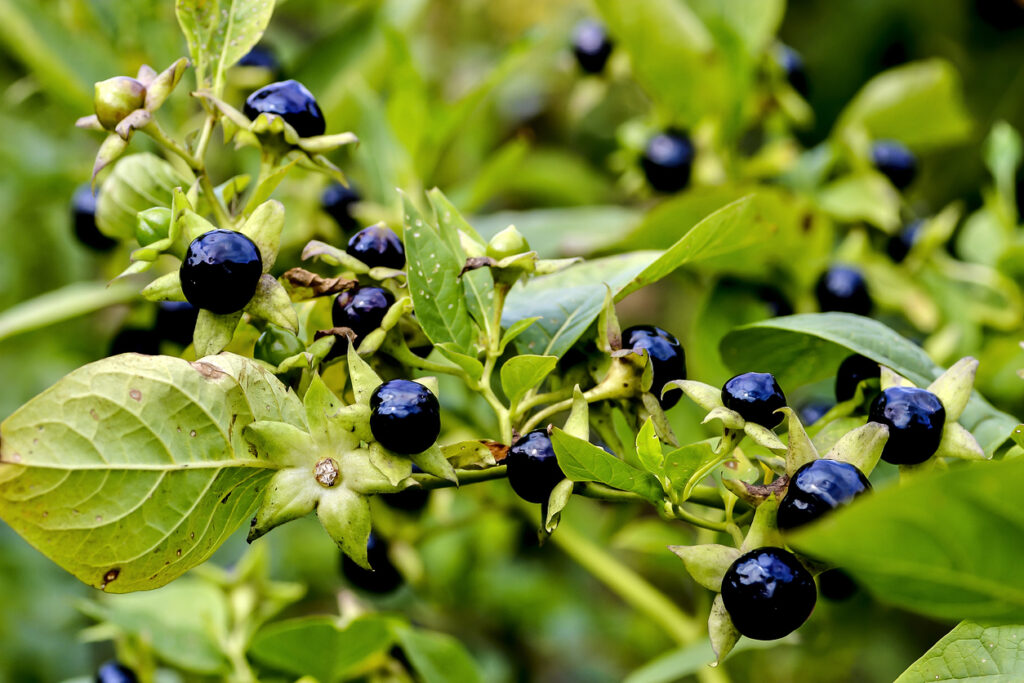
This is a plant that looks harmless, even tempting, with glossy black berries that wouldn’t look out of place in a hedgerow or a garden. That’s exactly what makes it so dangerous. People have been poisoned by it for centuries, often because they didn’t realise what they were dealing with until it was far too late.
What sets deadly nightshade apart isn’t just how toxic it is, but how little it takes to cause serious harm. A small handful of berries can be enough to kill an adult, and far less for a child. It doesn’t rely on thorns, sap, or anything that screams danger. It relies on deception, blending in, and the fact that nature doesn’t always advertise its most lethal creations.
Its berries look inviting to children and animals.
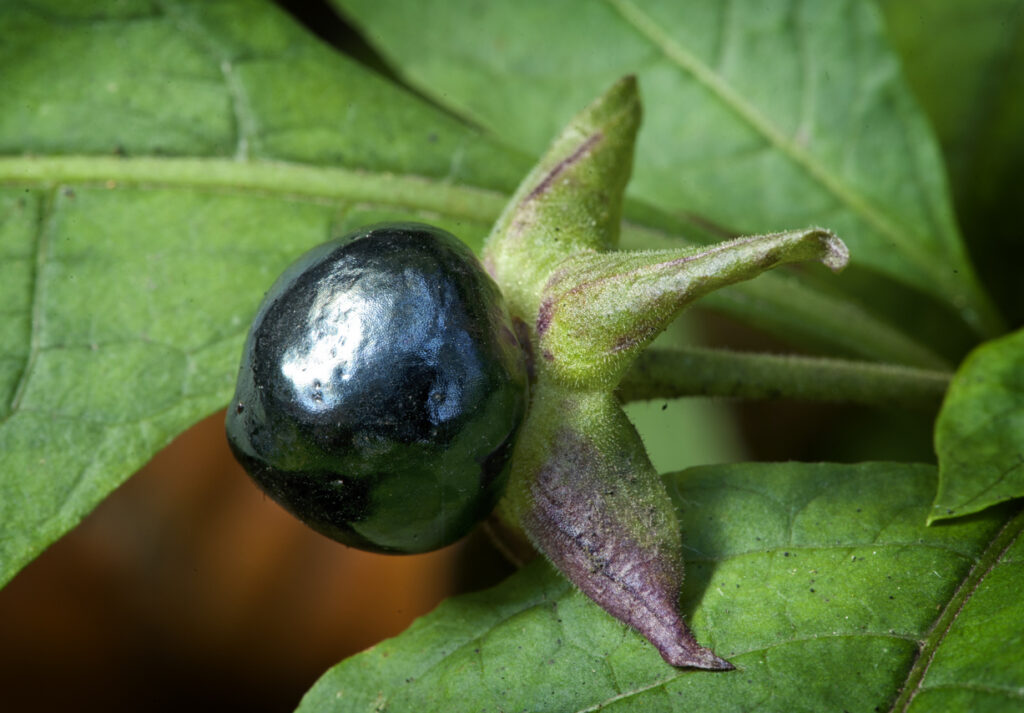
One of the biggest dangers comes from how appealing the berries look. They’re shiny, dark and sweet-looking, which makes them easy to mistake for something edible. Many poisonous plants look unpleasant, but nightshade blends in, and that makes accidental ingestion more likely. The risk is even higher in late summer, when the berries ripen. Children, pets, and even some wildlife can be drawn to them, and a single taste is enough to cause serious harm. The plant’s beauty is part of what makes it so deadly.
A tiny amount can cause severe poisoning.
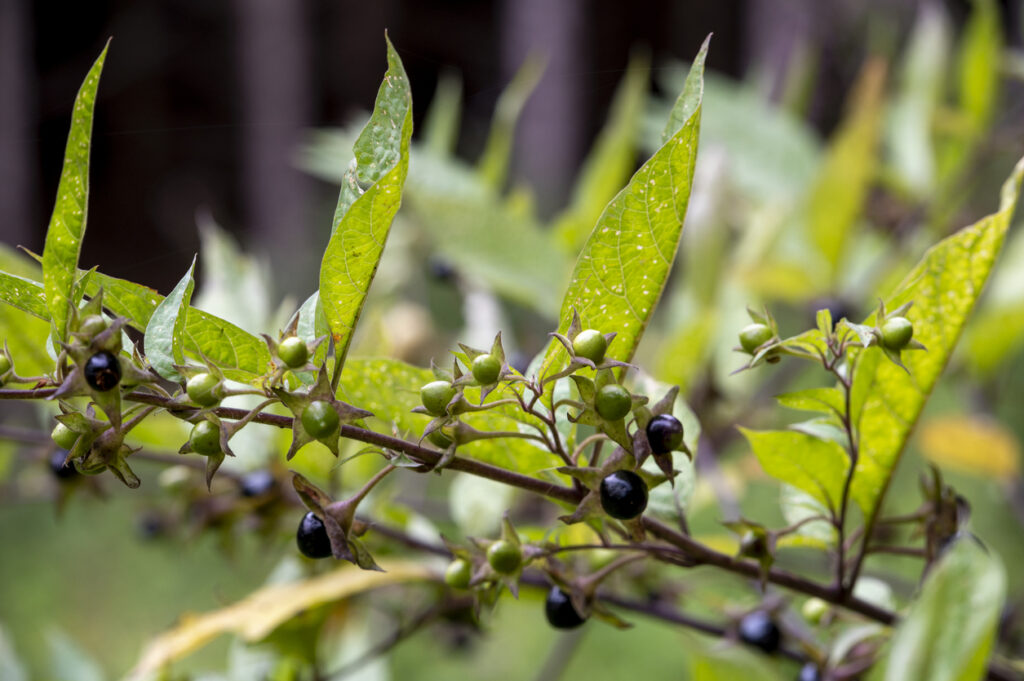
Deadly nightshade contains potent toxins that affect the nervous system quickly. Even a small number of berries can lead to symptoms like confusion, hallucinations, rapid heartbeat and difficulty breathing. The plant doesn’t need large quantities to be dangerous, which is why it’s one of the most feared toxic berries in Europe.
Because the dose needed for poisoning is so low, the risk is high in any place where the plant grows. People often underestimate it, which adds to the danger, especially when they don’t realise how fast symptoms can escalate.
The toxins affect the body in multiple ways.
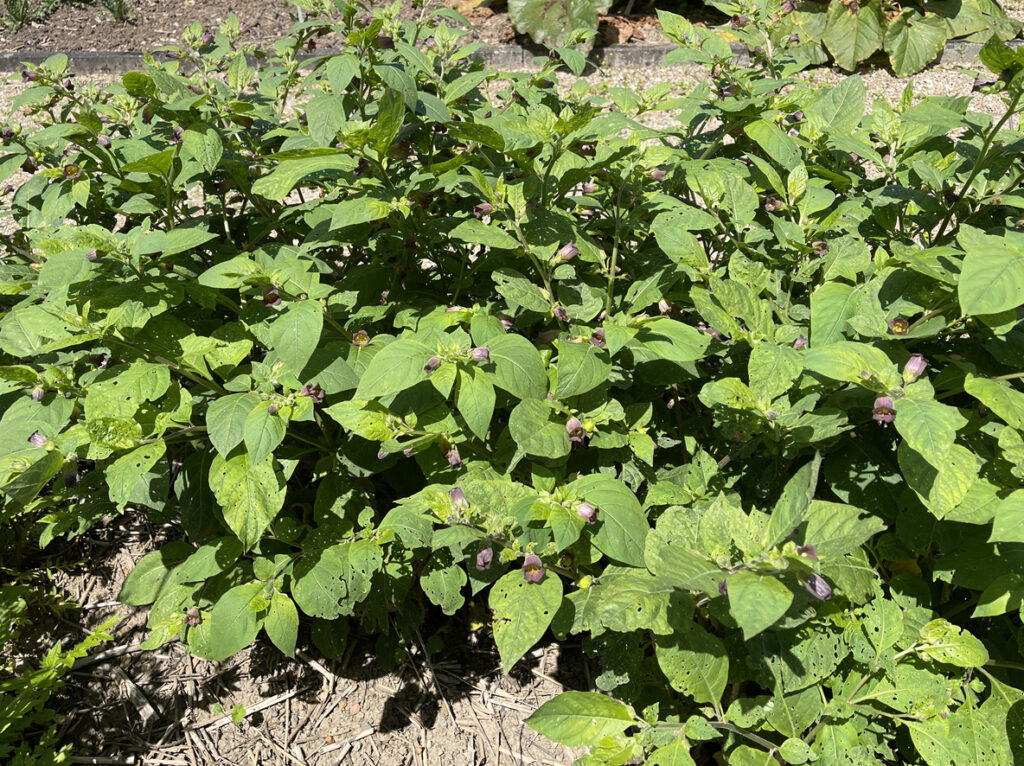
Nightshade contains chemicals that interfere with signals between the brain and the rest of the body. That disruption can lead to disorientation, muscle problems and severe changes in heart rate. The reaction spreads quickly because the toxins move through the system fast. The widespread impact means treatment must happen urgently. Many poisonous plants cause stomach upset, but nightshade affects core functions, making it one of the most dangerous plants found in the wild.
Every part of the plant is poisonous.
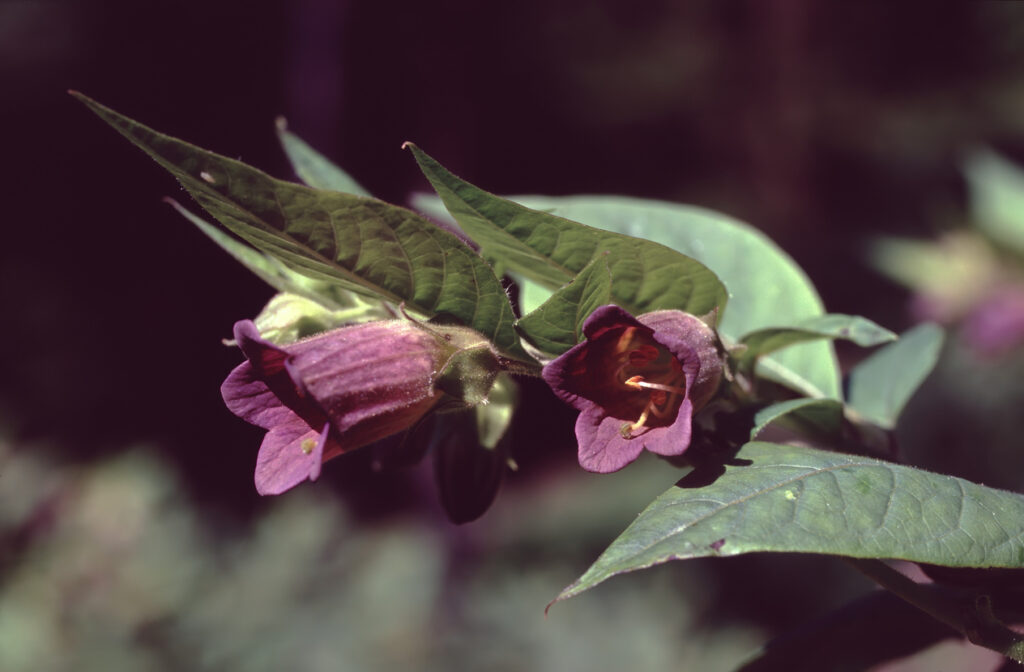
While some plants have toxic berries but safe leaves, nightshade is dangerous from root to tip. The leaves, stems and flowers all contain harmful chemicals, which means the risk isn’t limited to eating the berries. Simply handling the plant without washing hands properly can be enough to cause mild symptoms in some people. Its full-body toxicity makes it harder to manage or remove safely. Anyone dealing with the plant needs to be cautious, especially in gardens or woodland areas where it might spread unnoticed.
It grows in places people don’t expect.
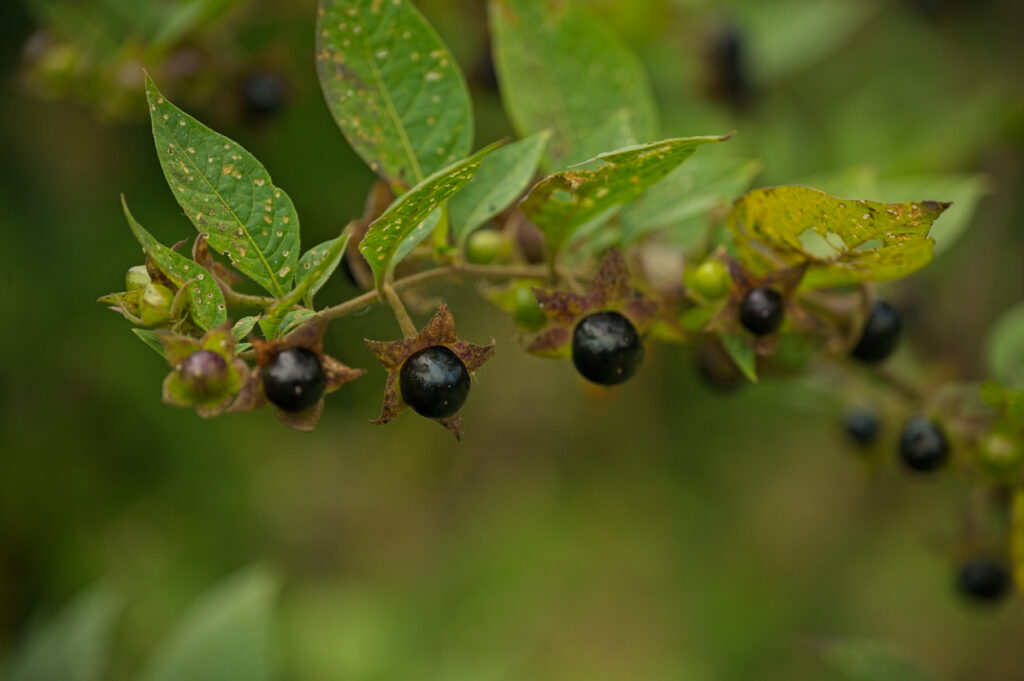
Deadly nightshade doesn’t just grow deep in forests. It can appear near footpaths, hedges, open grassland and even abandoned gardens. Its ability to pop up in accessible areas increases the chance of accidental contact, especially in rural parts of Britain. People often walk past the plant without realising what it is. The lack of awareness gives it more opportunities to cause harm, and many don’t recognise it until it’s already been touched or picked.
The early symptoms can be confusing.
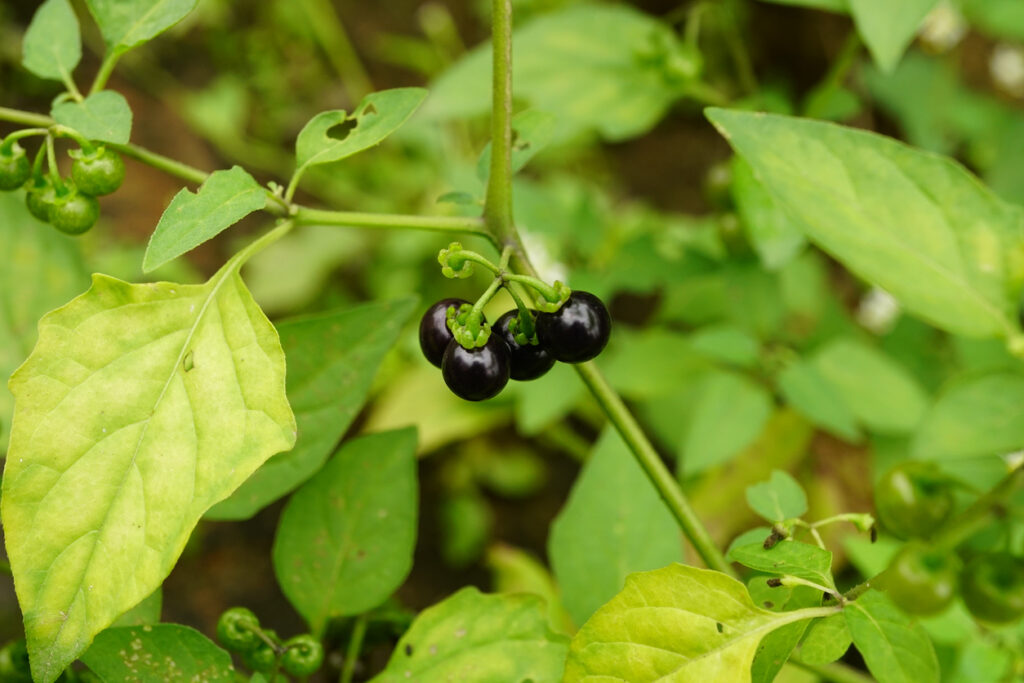
The first signs of poisoning can seem harmless at a glance; dry mouth, dilated pupils and restlessness may not immediately suggest a toxic plant, which delays the response. As the condition worsens, symptoms turn frightening fast. The confusion is part of what makes nightshade so dangerous. Delayed recognition means delayed treatment, and that increases the severity of the effects. Knowing the signs makes a huge difference in protecting people and pets.
Historically, it caused more poisonings than almost any other plant.
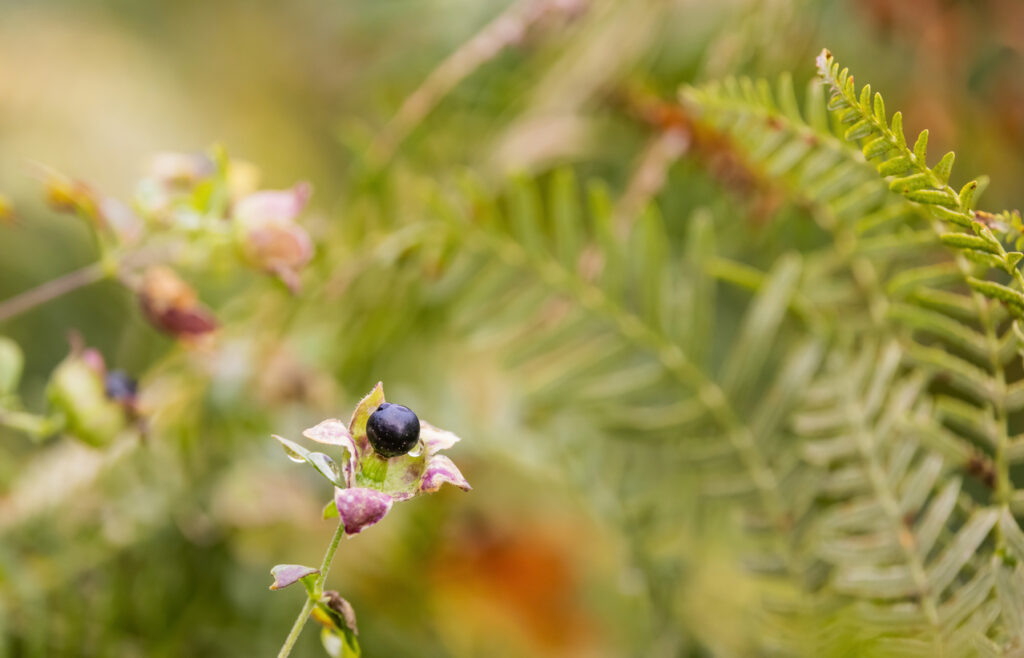
Nightshade has a long and notorious history across Europe because it was commonly mistaken for edible berries. Before plant identification became widespread, many accidental poisonings happened simply because people didn’t recognise it. These historical incidents helped cement its reputation as one of the deadliest plants in the UK. Even today, the stories serve as a warning about how easily the plant can mislead the untrained eye.
Animals aren’t always good at avoiding it.
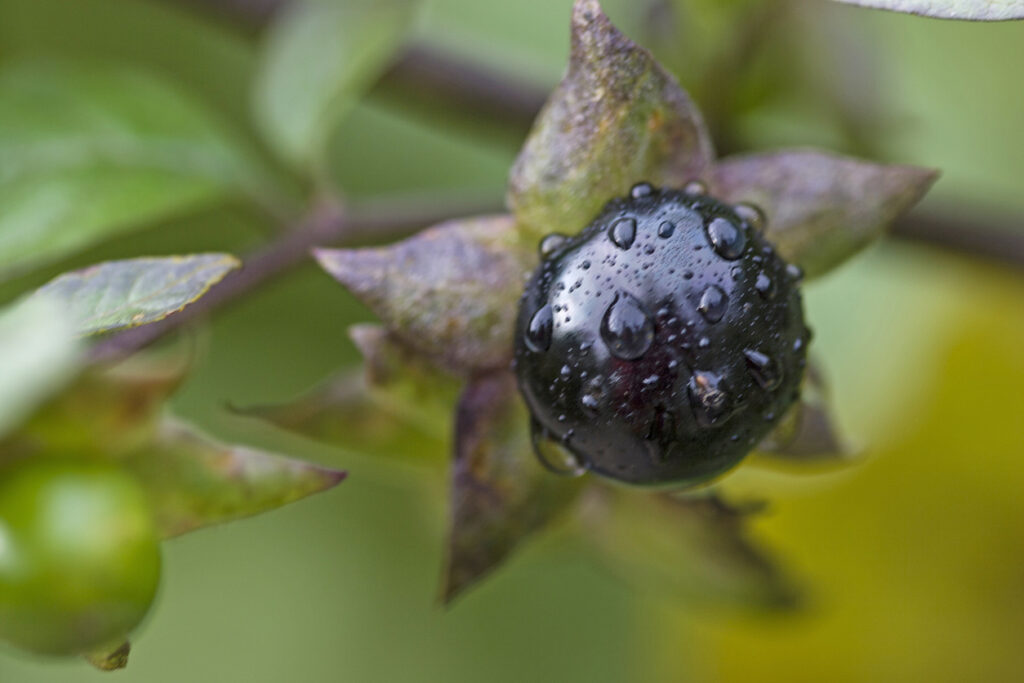
Many people assume wildlife can sense what’s poisonous, but that’s not always true. Some animals may nibble the leaves or berries without recognising the danger, which can lead to poisoning. Pets are especially vulnerable because they explore with their mouths.
That risk means owners need to be aware of what grows in local walking spots. A simple stroll can become hazardous if a dog eats something unfamiliar, so knowing where nightshade grows is an important part of keeping animals safe.
It spreads quietly if the conditions are right.
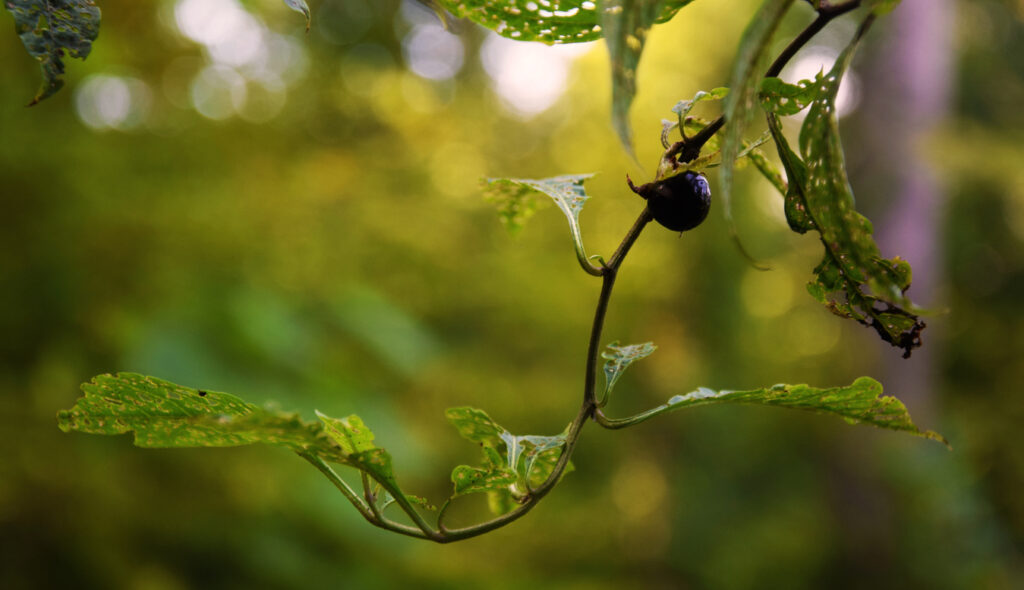
Nightshade doesn’t spread aggressively like some weeds, but once established, it can settle into an area and return every year. The berries fall and create new plants, and the roots stay strong enough to survive seasonal changes. Its persistence makes control difficult. A plant left untouched can produce new growth each season, increasing the risk to anyone using the land around it. Consistent removal is often the only way to keep it under control.
Many people misidentify it for harmless plants.
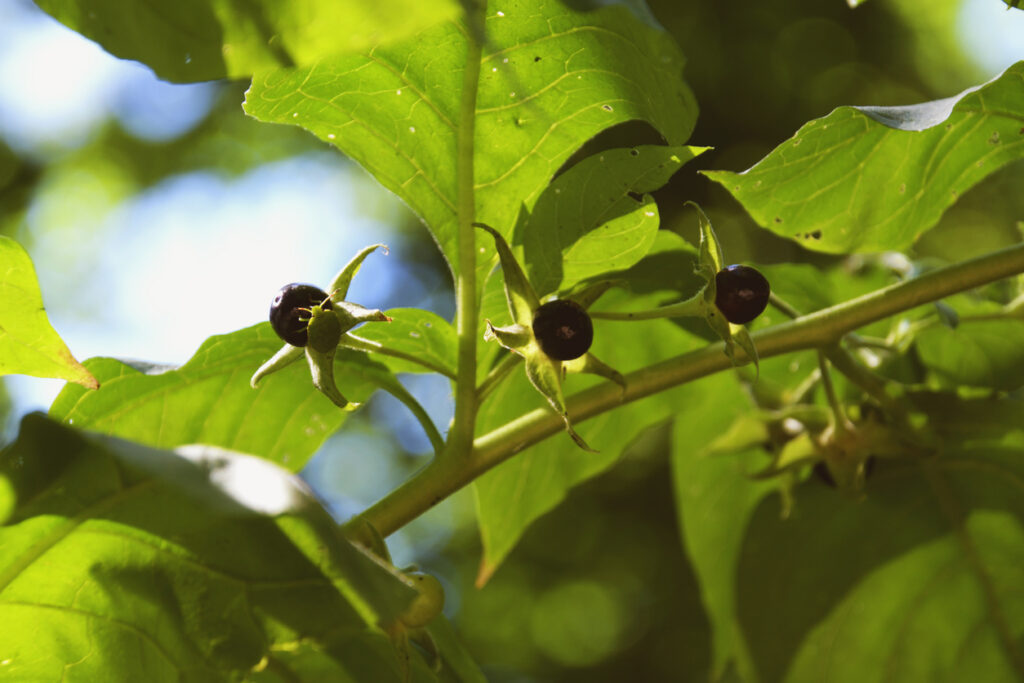
From a distance, nightshade can resemble other berry plants. Its leaves don’t immediately look threatening, and its flowers are small enough to blend into the background. Mistaking it for something edible is one of the most common causes of accidental exposure. Learning the small differences in shape and colour helps reduce this risk. Once you know what you’re looking at, it becomes easier to avoid the plant entirely.
The berries ripen at a tempting time of year.
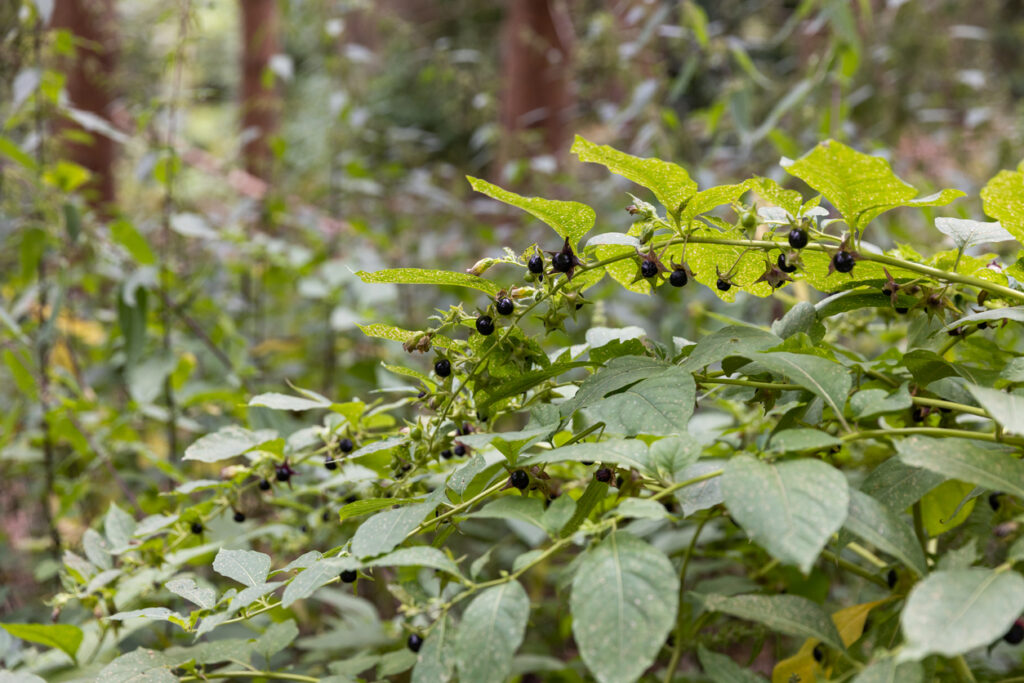
Nightshade berries appear during the late summer and early autumn when many safe fruits are ready to eat. This overlap increases the chance someone might pick them without realising their danger, especially children exploring outdoors. The seasonal timing adds a layer of risk that other poisonous plants don’t have. Knowing this helps people stay careful during months when foraging instincts are strongest.
Removing the plant must be done carefully.
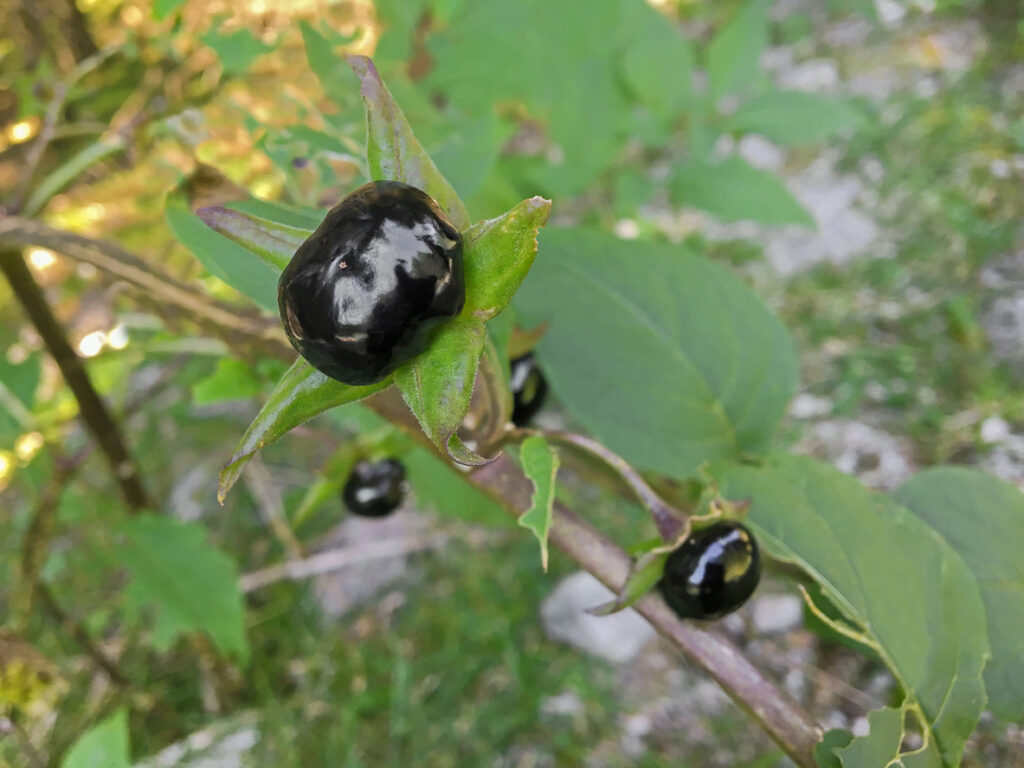
Because every part of nightshade is toxic, people need to wear gloves and wash tools thoroughly when removing it. Breaking stems releases sap, and the roots can be strong enough to pull up soil with them. Poor removal can leave parts behind that regrow later. Safe disposal is important too. Leaving the plant where children or animals can reach it only adds to the danger. Proper handling ensures the risk doesn’t continue after the plant has been uprooted.
Its toxins act faster than many people expect.
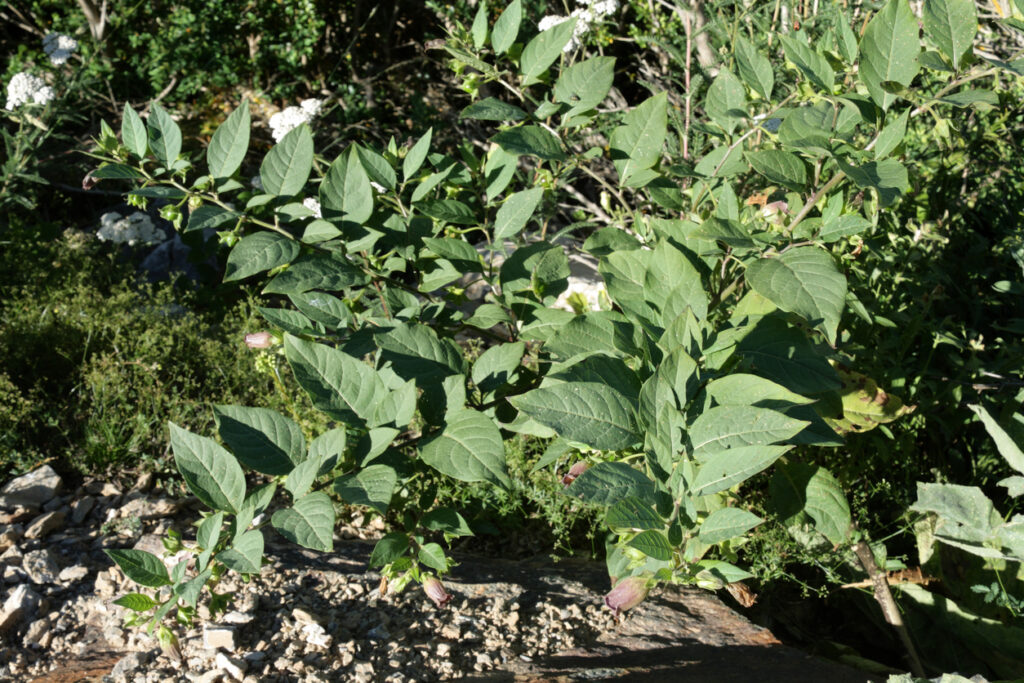
The chemicals in nightshade affect the body quickly, and symptoms can escalate within a short time. Such a rapid reaction makes the plant far more dangerous than those that cause gradual illness. Understanding this speed helps people respond quickly if someone comes into contact with the plant. It’s one of the reasons nightshade remains such a feared species in Britain’s countryside.
It remains common despite public warnings.
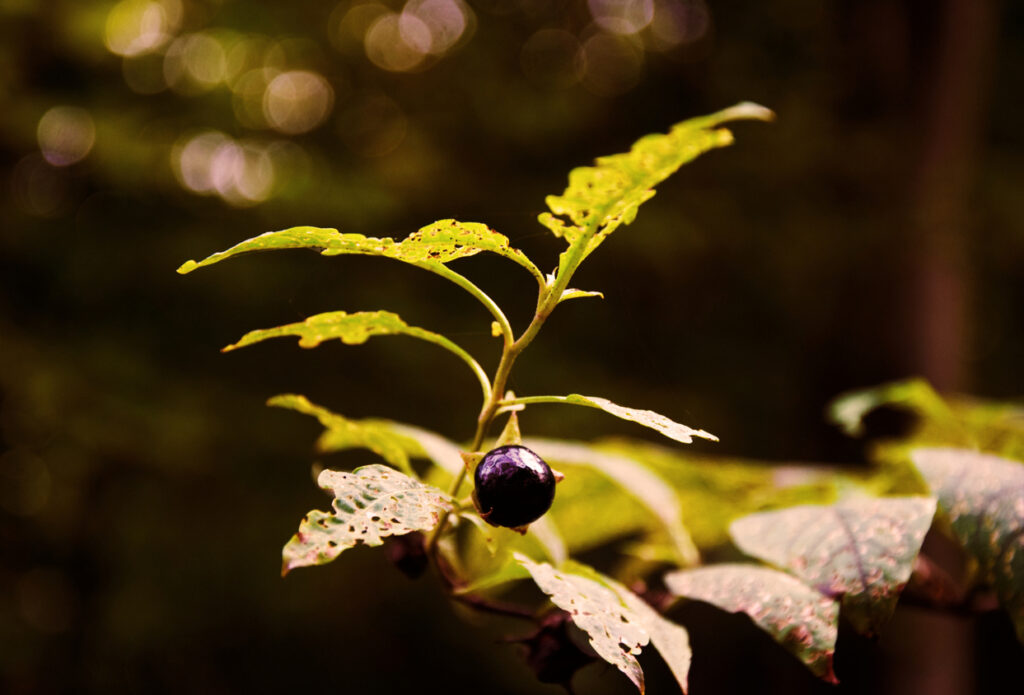
Even with its deadly reputation, nightshade still appears in many parts of the UK. The combination of suitable habitats and lack of awareness means it continues to grow where people least expect it. Its continued presence shows why education matters. Recognising this plant can prevent accidents and protect people and animals who might unknowingly come across it.