Sadly, rising sea levels and stronger storm surges aren’t some far-off problem anymore.
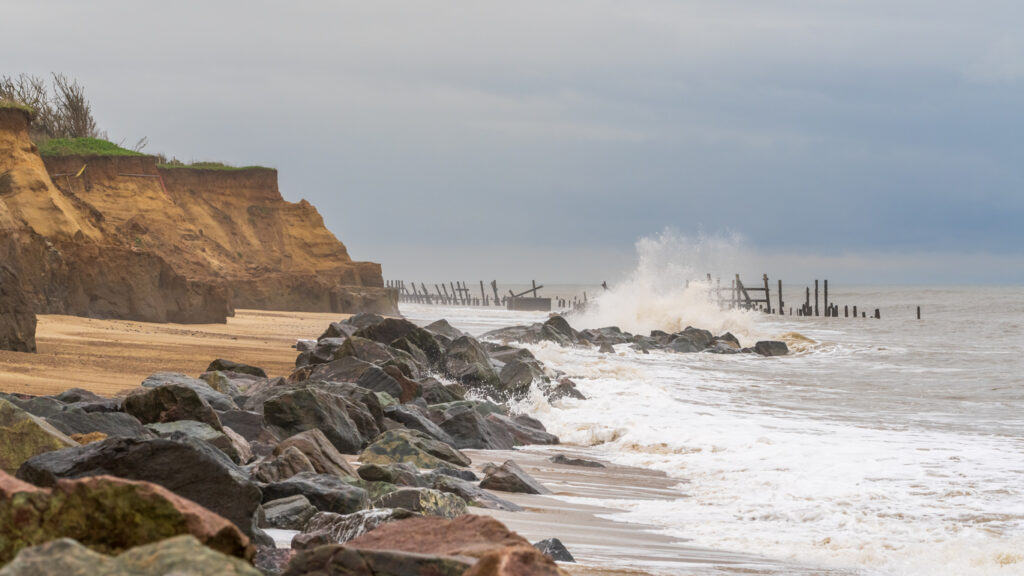
They’re already changing parts of Britain in ways that are hard to ignore if you live near the coast. Flood warnings are more common, erosion is eating away at shorelines faster than councils can react, and places that used to flood once in a generation are now dealing with it every few years.
This doesn’t mean seaside towns are about to disappear overnight. What it does mean is that certain places are becoming harder to protect, more expensive to maintain, and increasingly difficult to insure. For some communities, the question isn’t if things will change, but how much, how often, and who ends up paying for it. These are the UK coastal towns that experts say could face the biggest challenges if current projections stay on track.
1. Fairbourne, Gwynedd
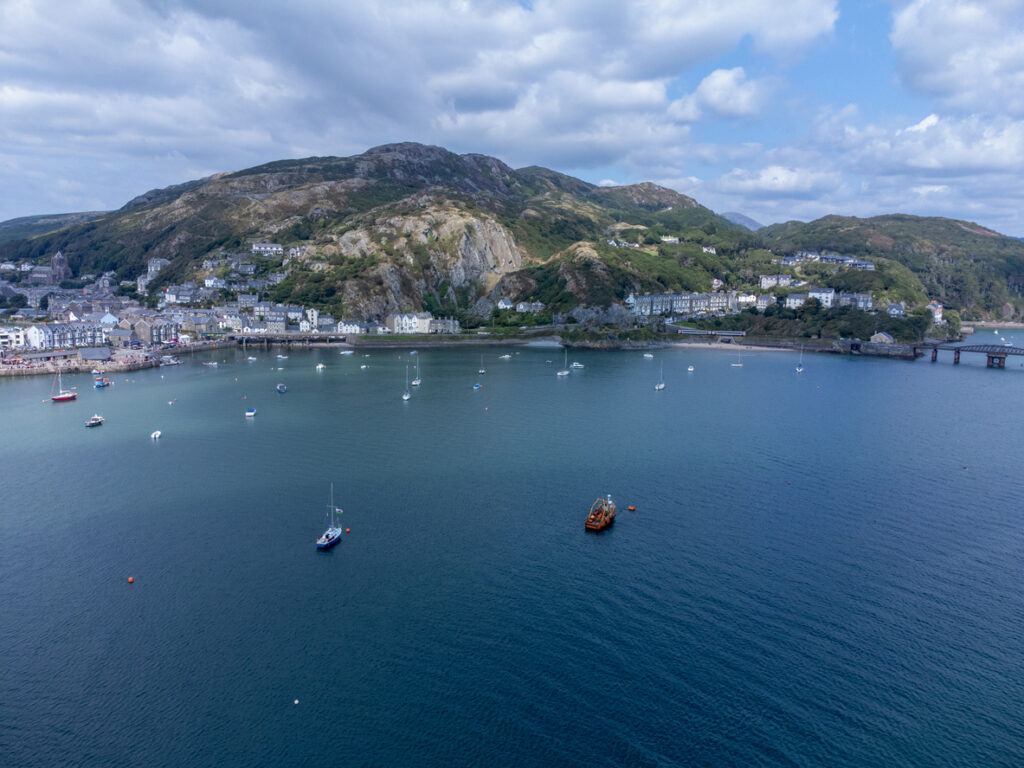
Fairbourne has become the clearest example of what happens when defending a coastline stops making long-term sense. The village sits on very low ground, backed by a railway line, mountains, and the sea, which leaves little room to retreat inland. Flooding has already caused repeated disruption, and maintaining defences is becoming more difficult and costly.
Local authorities have been open about the reality that permanent protection may not be possible here forever. If sea levels keep rising as expected, large parts of Fairbourne could flood regularly within the next couple of decades. That brings tough decisions about homes, services, and whether the village can function in its current form. It’s a situation many other towns are watching closely because Fairbourne may not be the last to face this kind of future.
2. Happisburgh, Norfolk
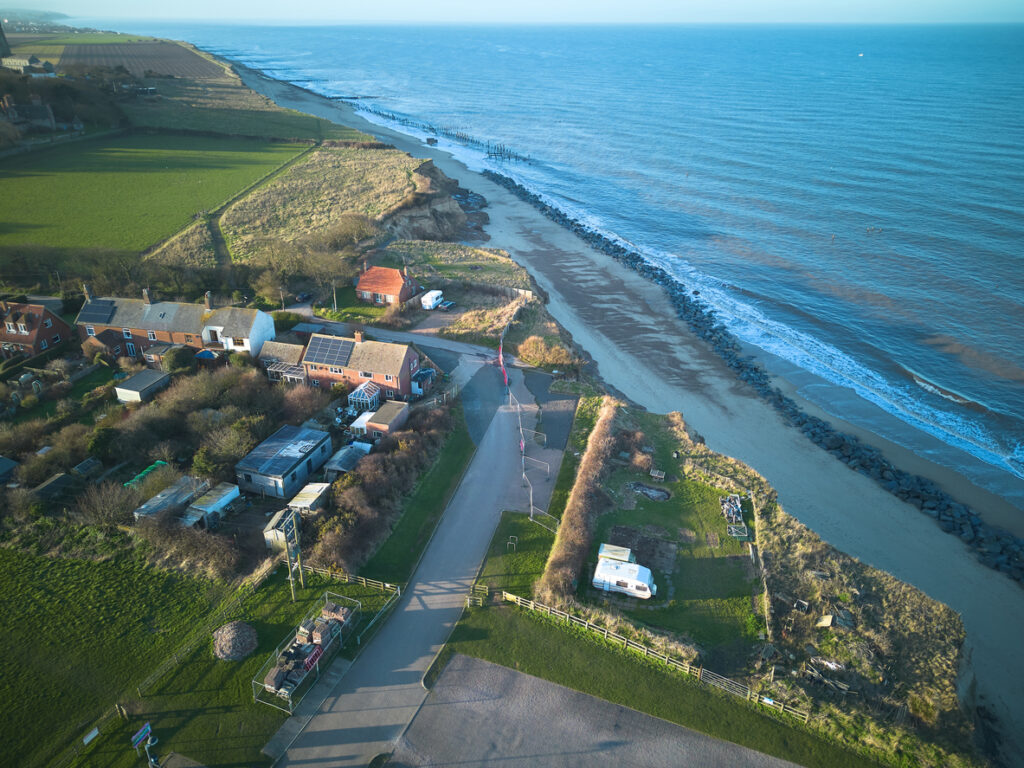
Happisburgh’s story is already visible in photographs. Entire houses that once stood along the cliff edge are gone, lost to erosion that has accelerated over recent decades. The soft cliffs along this stretch of the Norfolk coast crumble quickly, especially during storms, and there’s little natural protection.
What worries experts is how quickly the land is disappearing. As the sea moves inland, flood risk increases further, especially during high tides combined with strong winds. By 2040, parts of the village could be unrecognisable, with more homes and infrastructure at risk. For residents, this isn’t theoretical. It’s something they’ve been watching happen in real time.
3. Newbiggin by the Sea, Northumberland
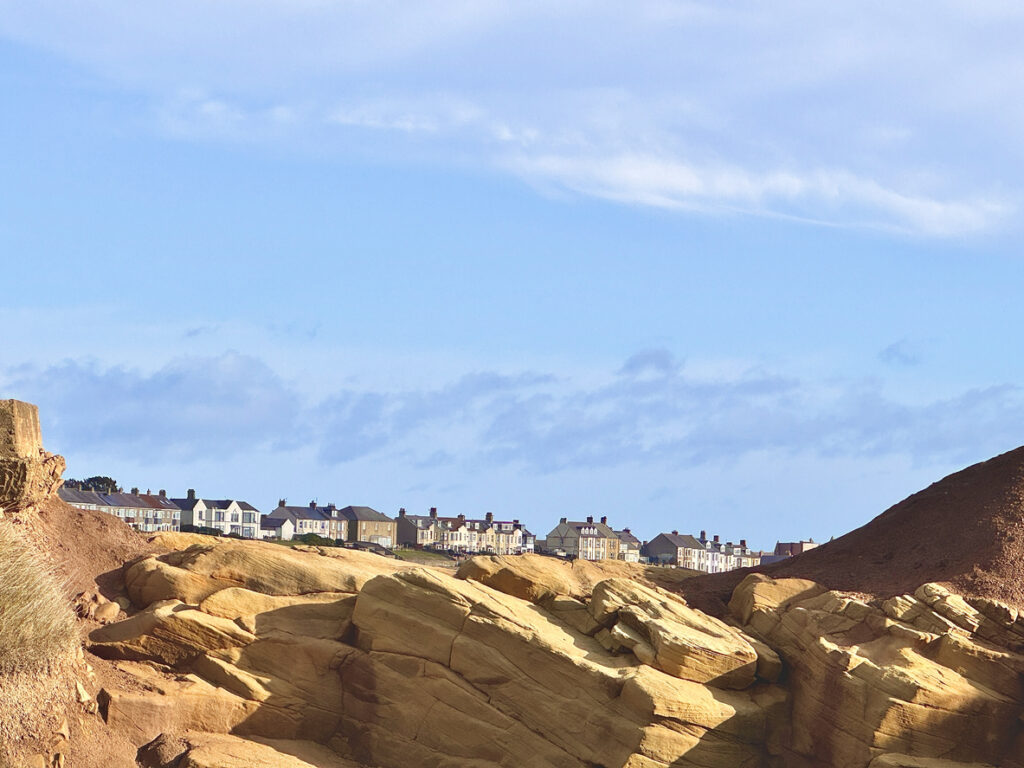
Newbiggin has already needed large-scale intervention to slow erosion, including beach nourishment to replace sand lost to the sea. These measures buy time, but they don’t offer a permanent fix. The North Sea can be unforgiving, particularly during winter storms that push water higher up the coast.
Without ongoing work, the risk of flooding increases steadily. Some parts of the town sit low enough that even moderate surges could cause problems more often. Keeping defences effective requires regular investment, and that raises questions about how long this level of protection can be sustained.
4. Shoreham by Sea, West Sussex
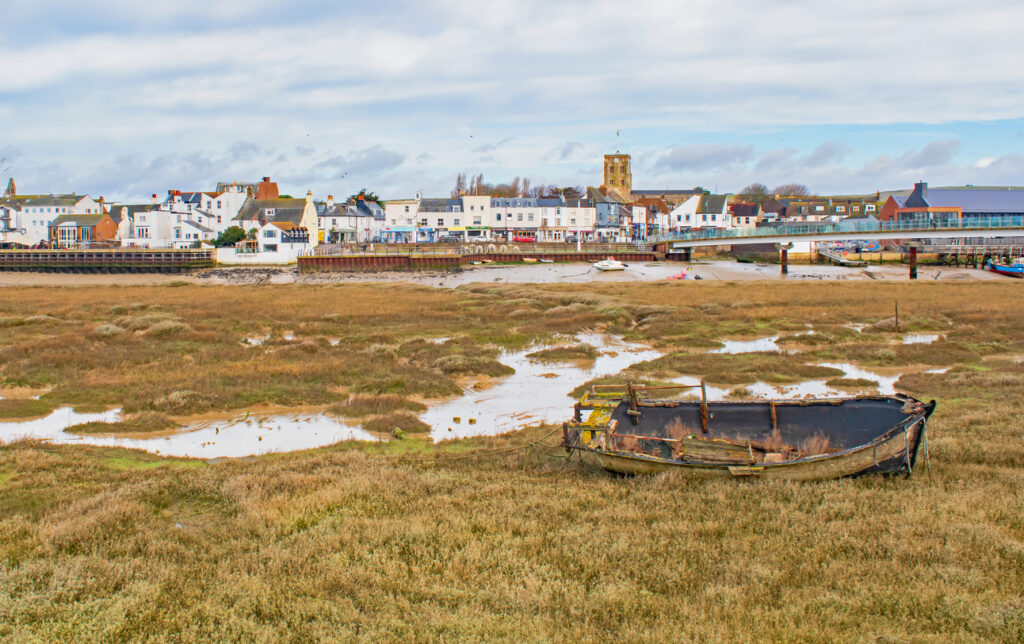
Shoreham’s location makes it particularly vulnerable. Sitting between the sea and the River Adur, it faces threats from both directions. Rising sea levels increase pressure on coastal defences, while heavier rainfall raises river levels at the same time.
Climate projections for the South East suggest higher sea levels than many other parts of the UK, which puts Shoreham in a tricky position. Flooding events that were once rare could become routine, especially around the harbour and riverside areas. Without significant upgrades, even smaller storms could cause widespread disruption.
5. Sandwich, Kent
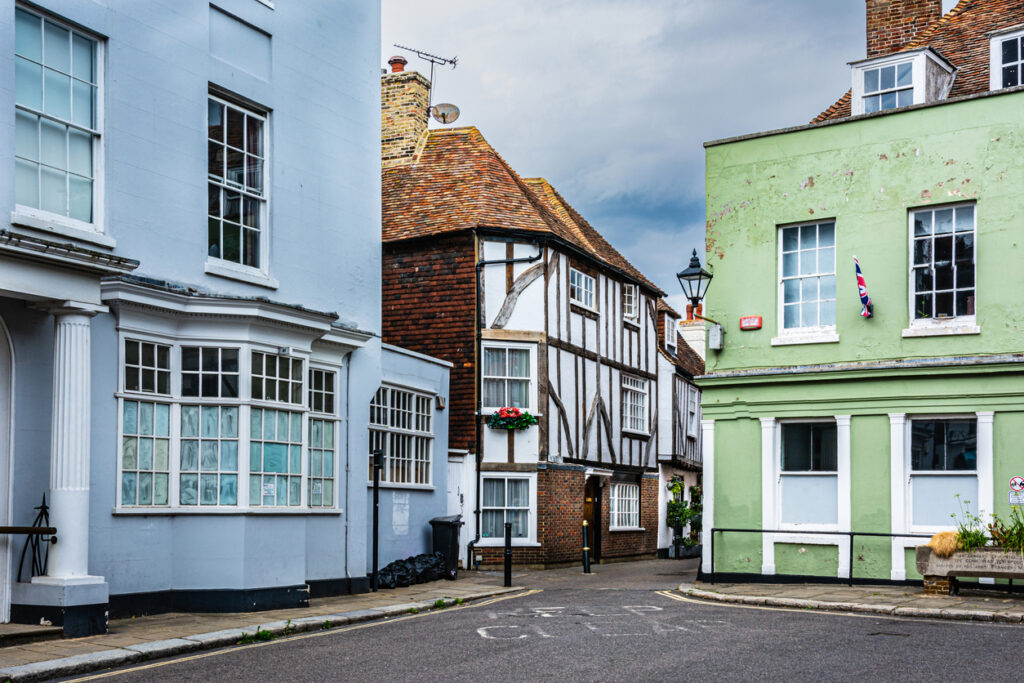
Sandwich is steeped in history, but much of it lies close to sea level. The town relies on a combination of flood walls, drainage systems, and careful water management to stay dry. As sea levels rise, those systems face more strain and need constant improvement to remain effective.
The concern isn’t a single catastrophic flood, but repeated incidents that slowly make parts of the town harder to live in. Roads, homes, and local businesses could face more frequent closures during high tides and storms. Over time, that kind of disruption affects property values and whether people choose to stay.
6. Great Yarmouth, Norfolk
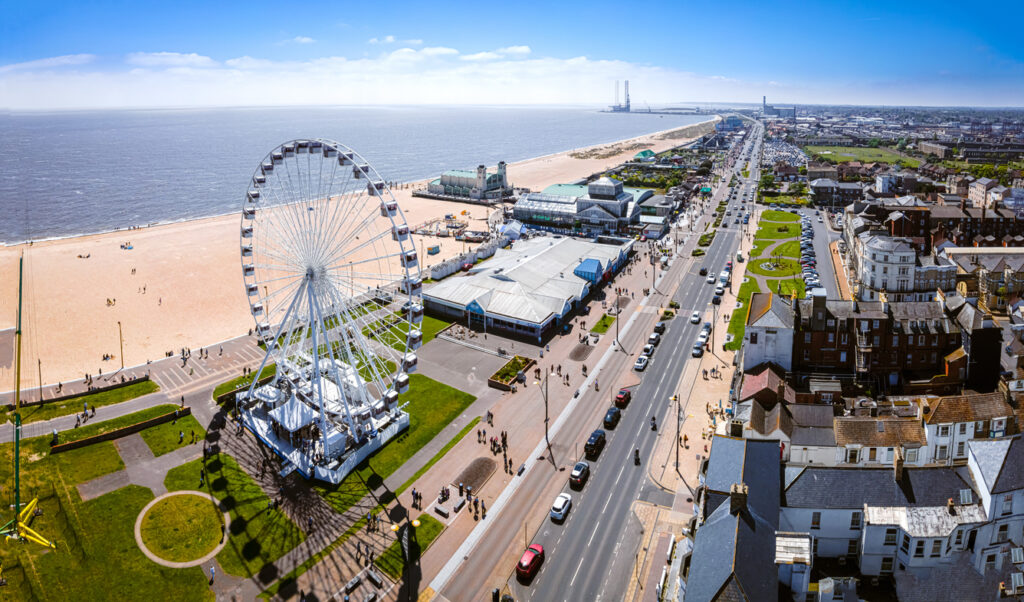
Great Yarmouth sits on one of the most exposed sections of Britain’s coastline. The East Coast is already seeing faster sea level rise than many other areas, and erosion here happens quickly. Flooding has hit the town multiple times in recent years, offering a glimpse of what may become more common.
Low-lying neighbourhoods are particularly at risk, especially during winter storms that combine high tides with strong winds. Strengthening defences is possible, but it requires long-term commitment and funding. Without that, routine flooding could become part of life for many residents.
7. Southsea, Portsmouth
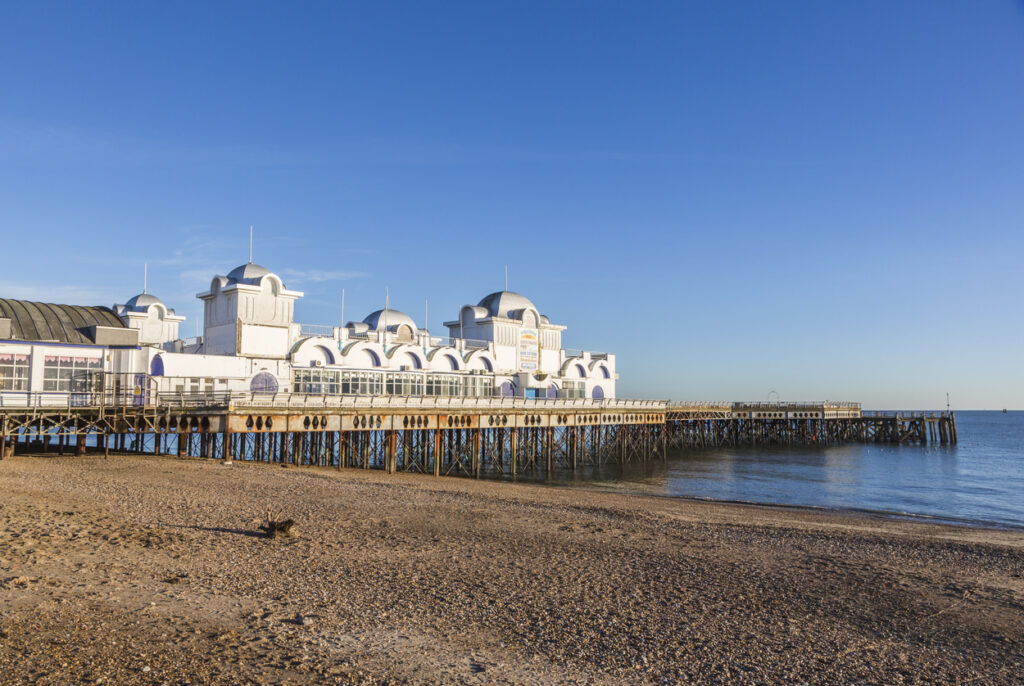
Southsea depends heavily on sea walls to protect homes, roads, and businesses along the waterfront. Those defences have worked so far, but rising sea levels are putting them under increasing pressure. The South Coast is expected to experience some of the highest sea level increases in the country.
Keeping pace means constant upgrades, repairs, and reinforcement. If that doesn’t happen, sections of the seafront and surrounding streets could flood more often during storms. For a densely populated area like Portsmouth, even short-term flooding can cause widespread disruption.
8. Mablethorpe, Lincolnshire
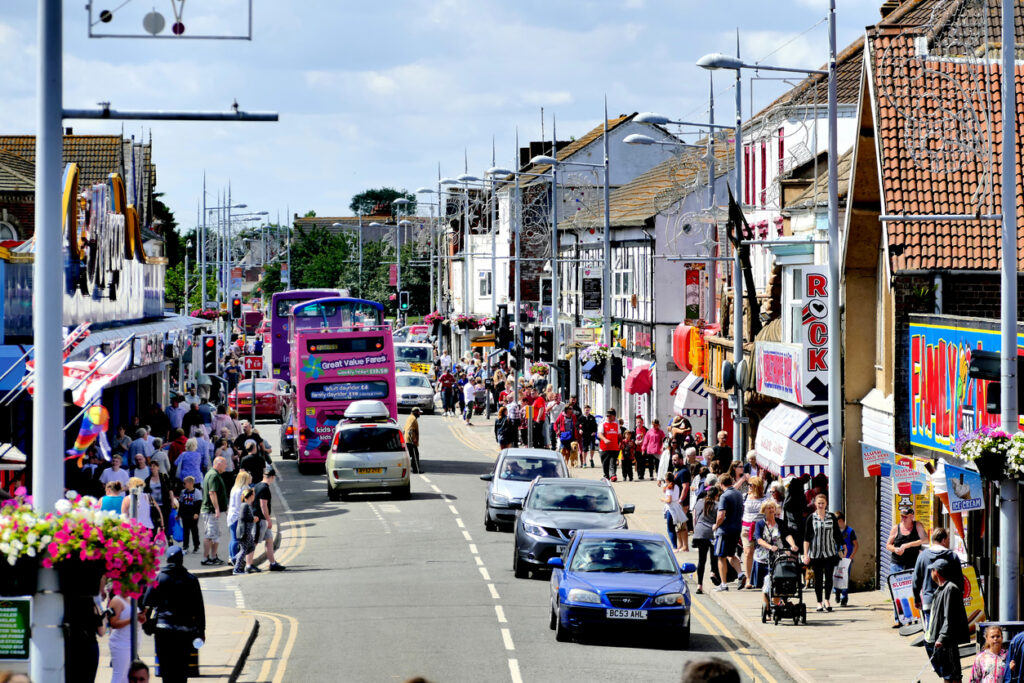
Mablethorpe sits on flat, low-lying land where even small changes in sea level can have big consequences. Flooding has always been a concern here, but higher sea levels mean existing defences may not be enough in the long run.
Tourist areas, caravan parks, and residential streets could all be affected if protection isn’t improved. By 2040, parts of the coastline could dip below high tide levels, making regular flooding more likely. That has knock-on effects for the local economy as well as everyday life.
9. Lytham St Annes, Lancashire
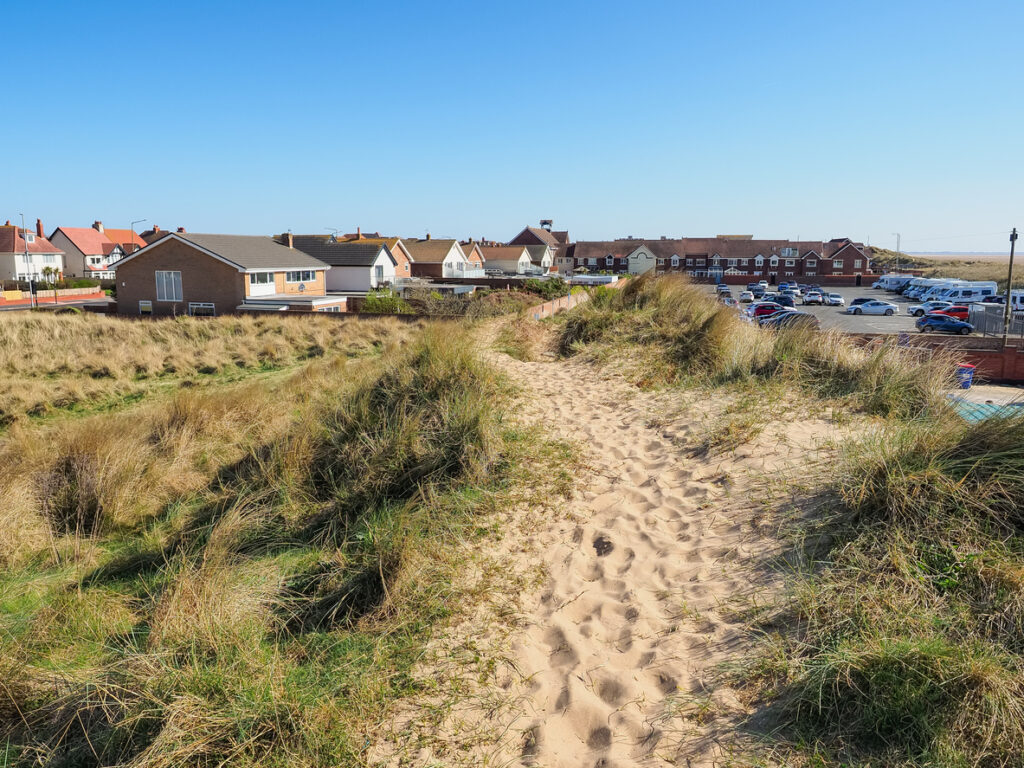
The Fylde coast doesn’t always get the same attention as the East Coast, but it faces its own challenges. Much of the area sits close to sea level, and strong storms from the Irish Sea can push water inland quickly.
As sea levels rise, flood alerts could become more frequent, especially in lower-lying areas. While defences exist, they may need strengthening to cope with future conditions. Winter storms are likely to pose the biggest threat, particularly when tides are already high.
10. Bognor Regis, West Sussex

Bognor’s coastline is open and exposed, leaving it vulnerable to waves and storm surges. Flood defences are in place, but experts warn they’ll need serious upgrades as sea levels continue rising in the South East.
By 2040, parts of the seafront could experience flooding far more often than they do now. That affects not just homes, but roads, shops, and the tourist trade the town relies on. Long-term planning will be key if Bognor is to remain viable without constant disruption.