Most people bring houseplants home without a second thought.
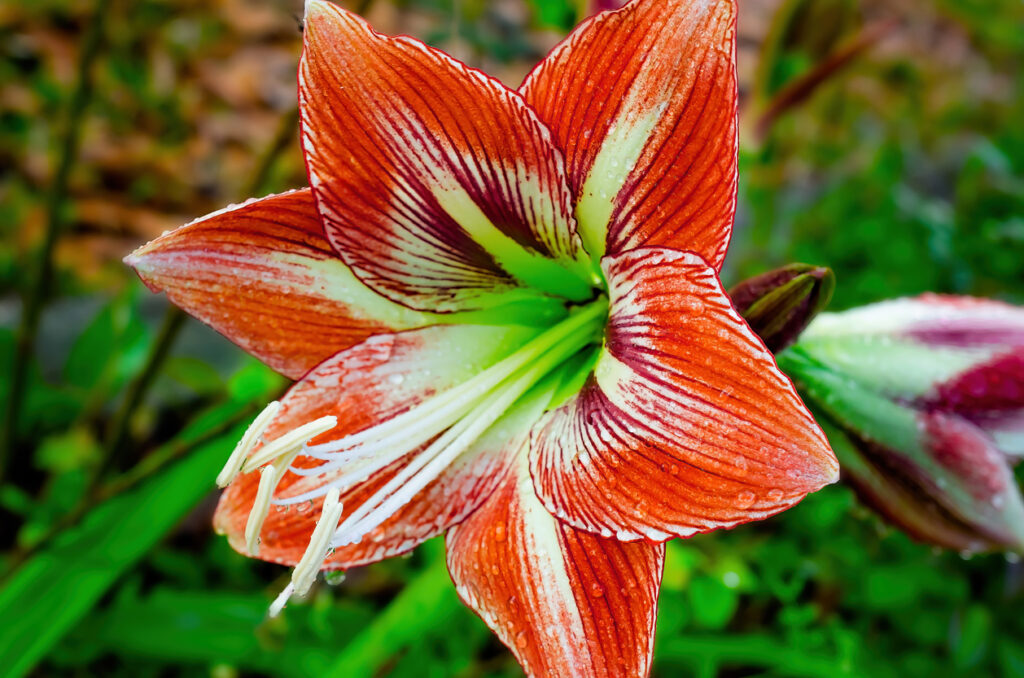
They’re sold everywhere, labelled as low-maintenance, and usually framed as harmless bits of greenery. If you live with a cat, though, that assumption can turn into a serious problem very quickly. Some of the most common plants found in British homes can cause rapid, severe reactions if a cat chews a leaf or brushes against the pollen.
What catches people out is how ordinary these plants are. They’re not exotic imports or rare species you’d expect to come with warnings. They’re gifts, impulse buys, or things you’ve had for years without issue. Knowing which plants pose real danger shouldn’t cause panic. The most imporant thing is making sure something decorative doesn’t turn into an emergency before you’ve even realised what’s happened.
1. Lilies destroy kidneys before symptoms even show.
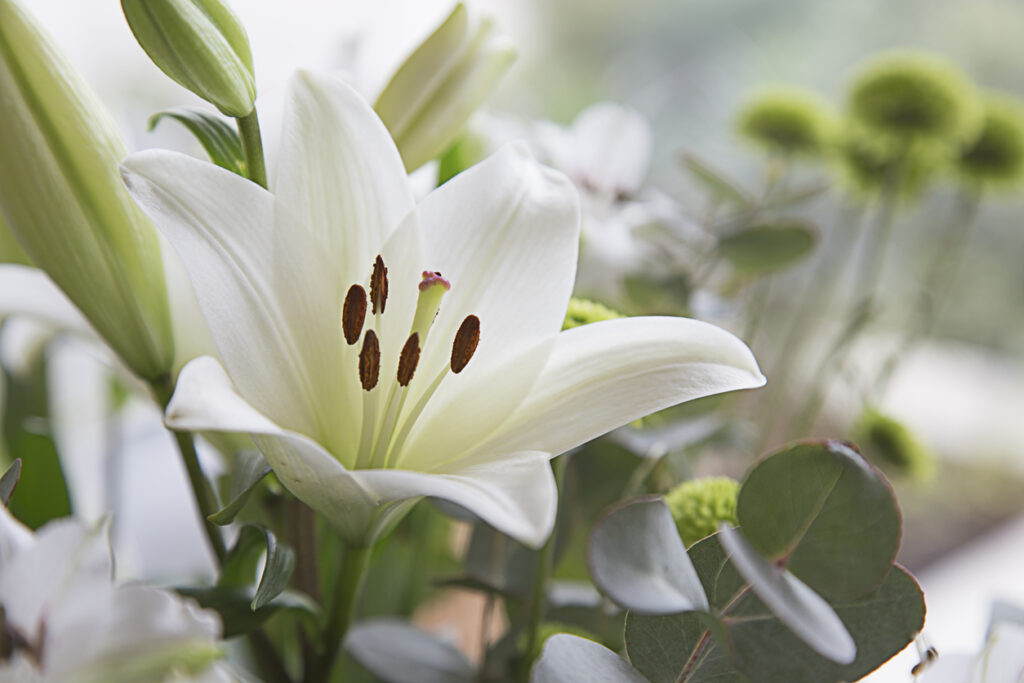
All parts of a lily plant are deadly to cats, and even a small amount of pollen can cause complete kidney failure. Your cat might brush past a vase of lilies and lick the pollen off its fur later, which starts the damage immediately, even though you won’t see any signs for hours.
The kidneys begin shutting down within six to 12 hours, but your cat might seem completely normal at first. By the time vomiting or weakness appears, the damage is often too severe to reverse, which is why lily poisoning kills so many cats every year despite treatment attempts.
2. Sago palms attack the liver within 15 minutes.
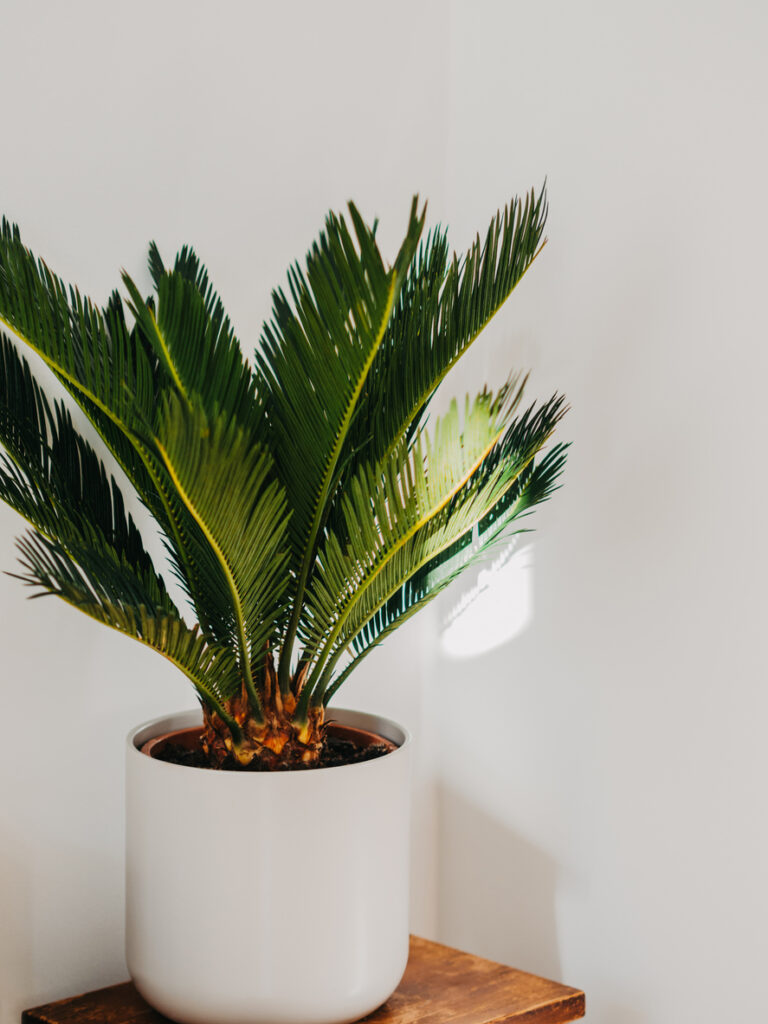
This popular indoor plant contains cycasin in every part, but the seeds hold the highest concentration of toxin. Cats who chew on sago palm leaves or knock over the pot and nibble the roots can develop liver failure incredibly fast, often before owners even realise the plant has been touched.
Vomiting usually starts within 15 minutes of ingestion and the toxin moves straight to the liver where it causes irreversible damage. Even with aggressive veterinary care, the survival rate sits below 50% because the poison works faster than most treatments can counteract it.
3. Autumn crocus causes organ failure across multiple systems.
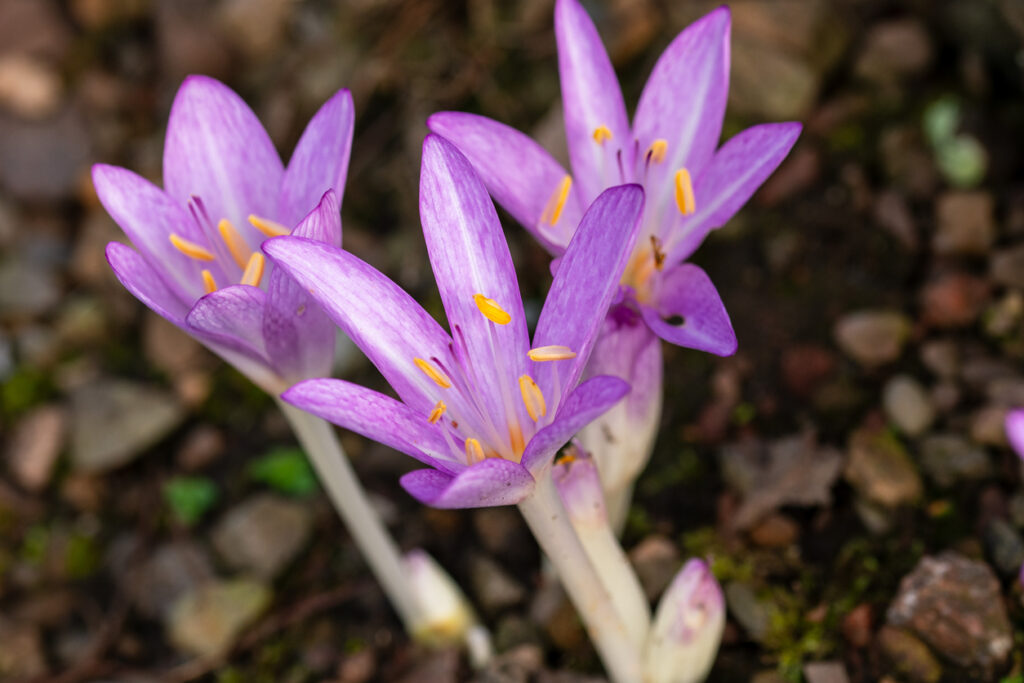
People often confuse autumn crocus with spring crocus, but autumn crocus contains colchicine, which is extremely toxic to cats. This compound doesn’t just target one organ but instead attacks the bone marrow, kidneys, liver and gastrointestinal tract all at once, making it one of the most dangerous plants you can keep indoors.
Symptoms might not appear for several hours after your cat eats the plant, which delays treatment and worsens the outcome. Once signs do show, they include severe vomiting, bloody diarrhoea, shock and multi-organ failure that progresses rapidly even with emergency intervention.
4. Dieffenbachia burns tissue on contact and blocks airways.
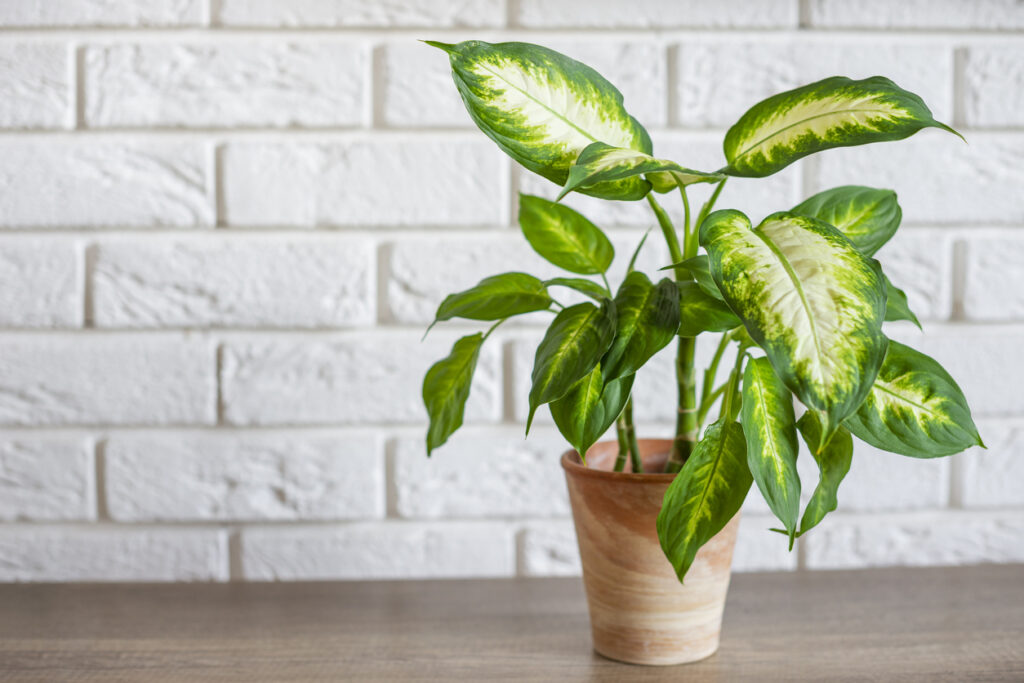
This common houseplant with large patterned leaves contains calcium oxalate crystals that feel like tiny needles piercing tissue. When a cat bites into dieffenbachia, the crystals release immediately and cause intense burning pain in the mouth, tongue and throat, which makes cats drool excessively and paw at their faces.
The swelling can progress so quickly that it blocks the airway and makes breathing difficult or impossible. Cats who eat enough of this plant can suffocate before you get them to help, and even smaller amounts cause throat swelling that needs urgent veterinary attention to prevent respiratory distress.
5. Kalanchoe attacks the heart rhythm directly.
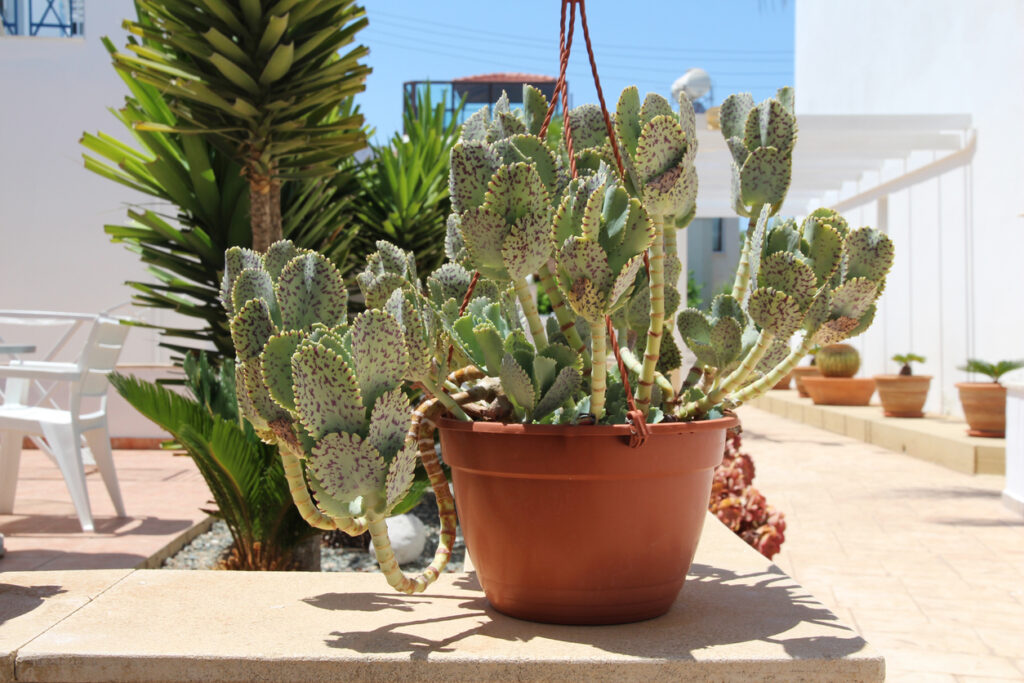
These succulent plants with colourful flowers contain cardiac glycosides that interfere with how your cat’s heart beats. The toxins cause irregular heart rhythms that can turn fatal within hours, and the plant is so toxic that even small amounts create dangerous symptoms.
Your cat might seem fine at first, but then suddenly collapse as the heart rhythm becomes more erratic. Vomiting and diarrhoea usually appear before the cardiac symptoms kick in, but once the heart is affected, the situation becomes critical and requires immediate emergency care.
6. Oleander stops the heart completely if eaten.
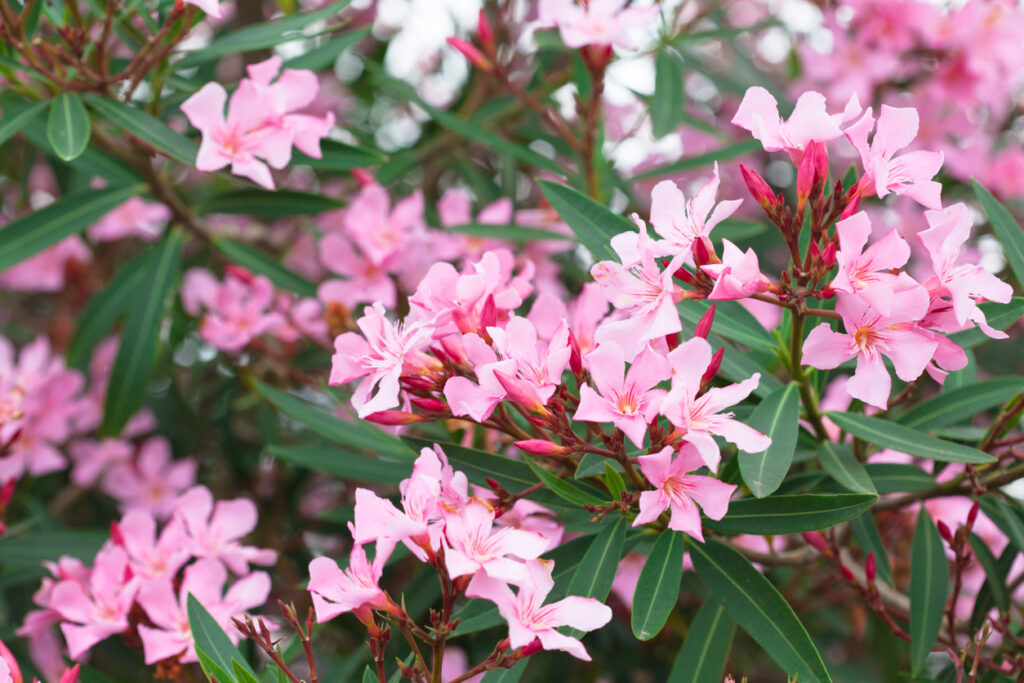
Every part of oleander contains multiple toxins that all affect heart function, making it one of the most poisonous plants commonly kept as a houseplant. Even the water from a vase holding oleander cuttings can poison a cat who drinks from it, and the toxins work incredibly fast once ingested.
Symptoms include drooling, vomiting and abnormal heart rate within hours of exposure. The heart can stop beating entirely if enough toxin enters the system, and there’s no specific antidote available, which means treatment focuses on supporting the cat through the crisis and hoping the heart keeps working.
7. Azaleas and rhododendrons cause collapse within hours.
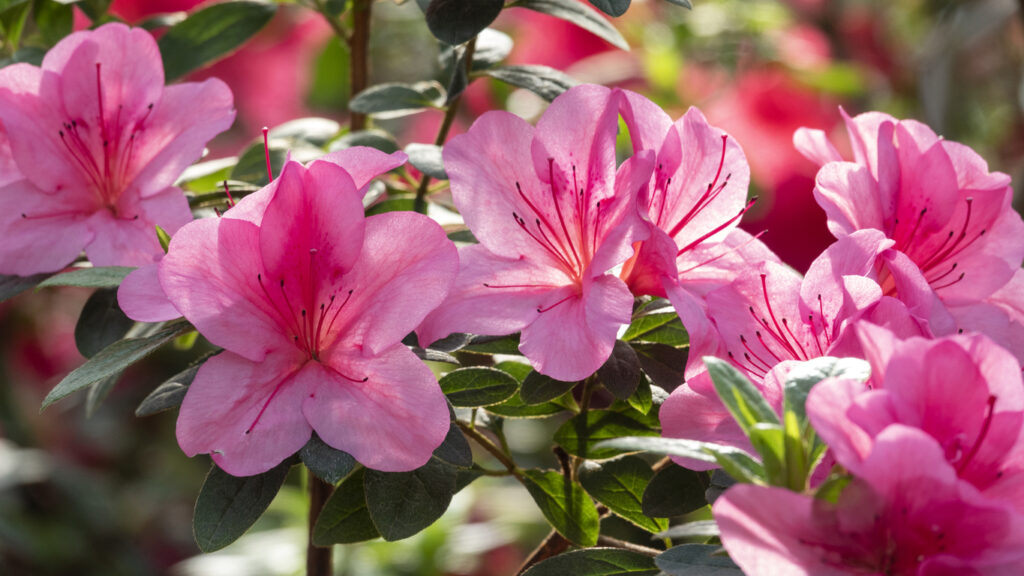
These flowering plants contain grayanotoxins that affect sodium channels throughout the body, which disrupts normal cell function everywhere from the heart to the digestive system. Cats usually need to eat only a few leaves before they start showing signs of poisoning, and the symptoms appear quickly.
Vomiting is often the first sign followed by drooling, diarrhoea and weakness that gets worse as time passes. The toxin can cause dangerously low blood pressure, coma, and death if the cat eats enough, and even with treatment some cats don’t recover because the damage happens so fast.
8. Cyclamen roots contain the highest poison concentration.

Most of the cyclamen plant causes stomach upset, but the tubers underground hold enough toxin to cause serious problems, including abnormal heart rhythms and seizures. Cats who dig in pots or knock them over might chew on the exposed roots, which puts them at risk for the most severe symptoms.
Vomiting and diarrhoea usually start within a few hours, but if your cat ate part of the tuber, the symptoms can progress to heart problems and seizures. The saponins in the roots irritate the stomach so badly that some cats need hospitalisation just to manage the gastrointestinal damage.
9. Yew plants poison through every single part.
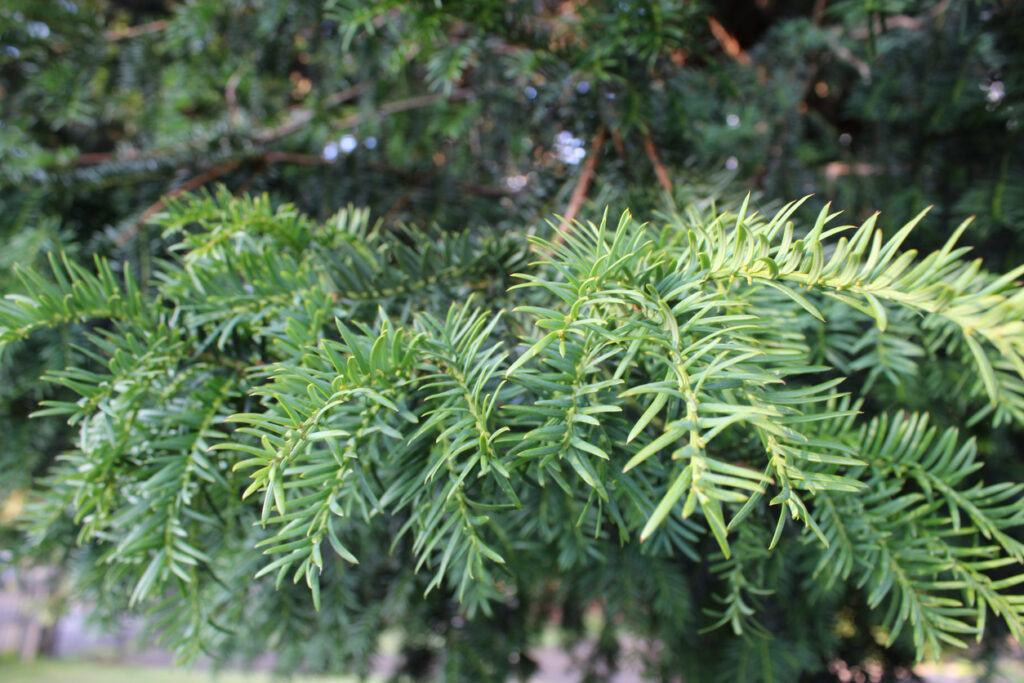
Yew contains taxine alkaloids in the needles, bark, seeds and even the wood, making it impossible to have safely around cats. The toxins affect the heart’s electrical system and can cause sudden cardiac arrest with very little warning, which is why yew poisoning often kills before treatment can begin.
Cats might seem fine one moment and collapse the next because the heart stops working properly so quickly. There’s usually no vomiting or other warning signs before the cardiac symptoms appear, which makes yew especially dangerous compared to plants that at least give you time to react.
10. Castor bean plants contain ricin throughout.
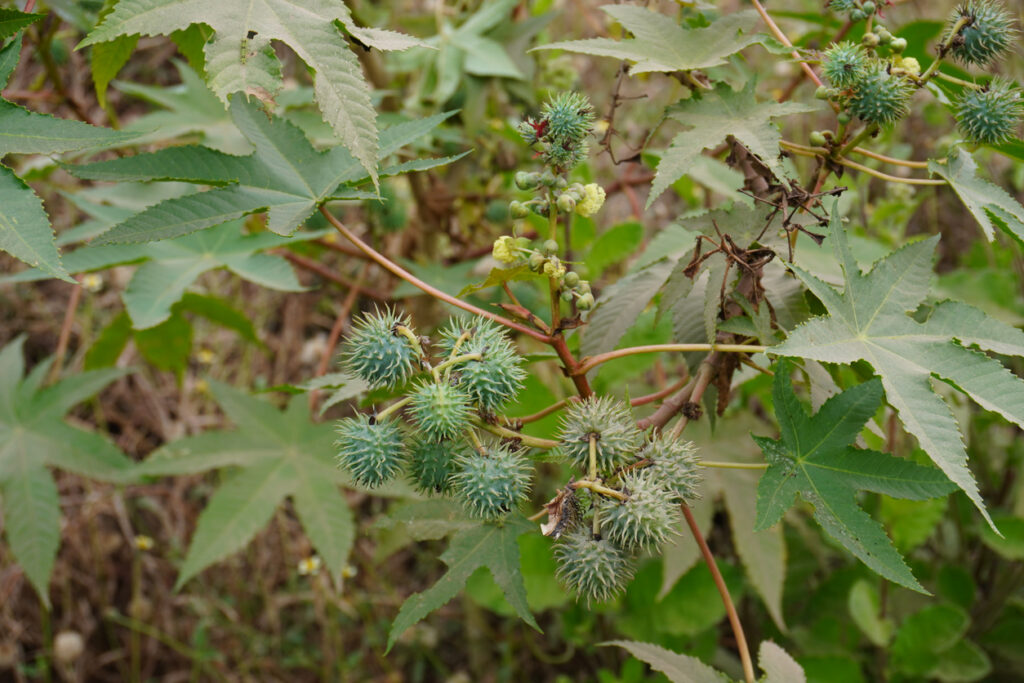
The seeds of castor bean plants hold ricin, which is one of the most toxic substances found in nature. Even a tiny amount can cause severe poisoning in cats, and the symptoms include vomiting, diarrhoea, seizures and complete organ failure that happens within hours.
There’s no antidote for ricin poisoning, so treatment involves supporting the cat through the crisis and hoping the body can eliminate the toxin fast enough. Most cats who eat castor beans don’t survive because the poison damages multiple organs simultaneously and works faster than medical intervention can counteract it.
11. Schefflera causes swelling that blocks breathing passages.

This common houseplant with umbrella-like leaf clusters contains calcium oxalate crystals similar to dieffenbachia. When cats bite the leaves, their mouths fill with intense burning pain and swelling starts immediately in the tongue, lips and throat.
The swelling can progress quickly enough to interfere with breathing and eating, which creates a medical emergency. Cats might drool heavily, paw at their mouths and show obvious distress as their airways narrow, and without quick treatment the swelling can become life-threatening.
12. Chrysanthemums cause neurological symptoms fast.
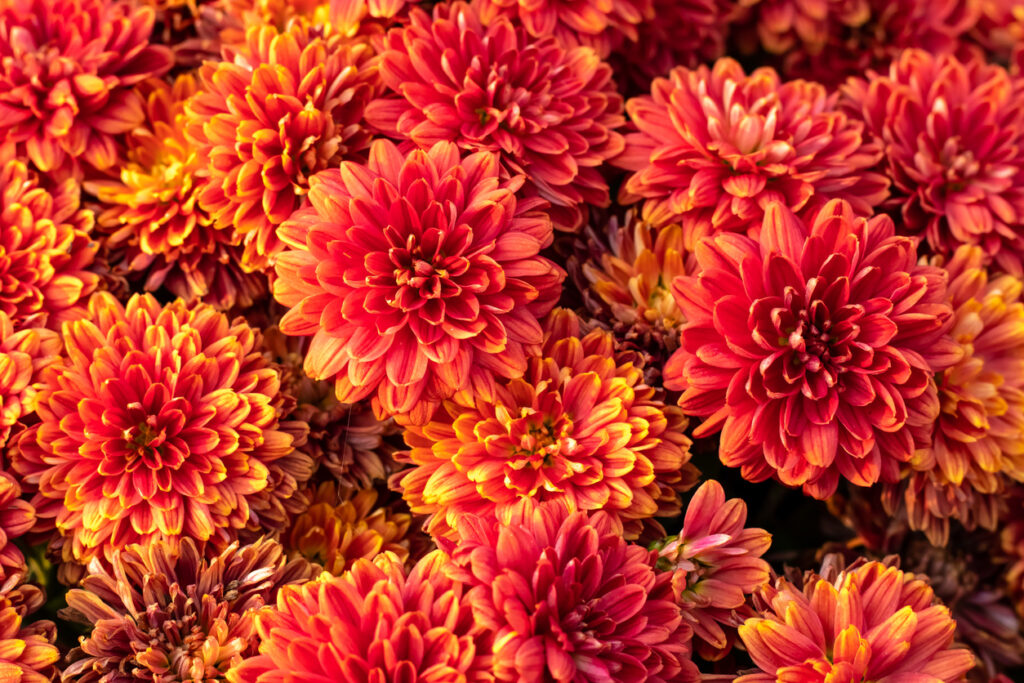
These popular flowering plants contain pyrethrins that affect the nervous system when cats eat the leaves or flowers. The toxins cause drooling, vomiting and diarrhoea at first but can progress to tremors, seizures, and difficulty walking if your cat consumed enough plant material.
The neurological symptoms appear within hours and can become severe enough to require hospitalisation. Most cats recover with treatment, but the initial hours are critical because the tremors and coordination problems can lead to injuries if your cat falls or can’t control its movements properly.
13. Pothos creates intense mouth pain that lasts for days.
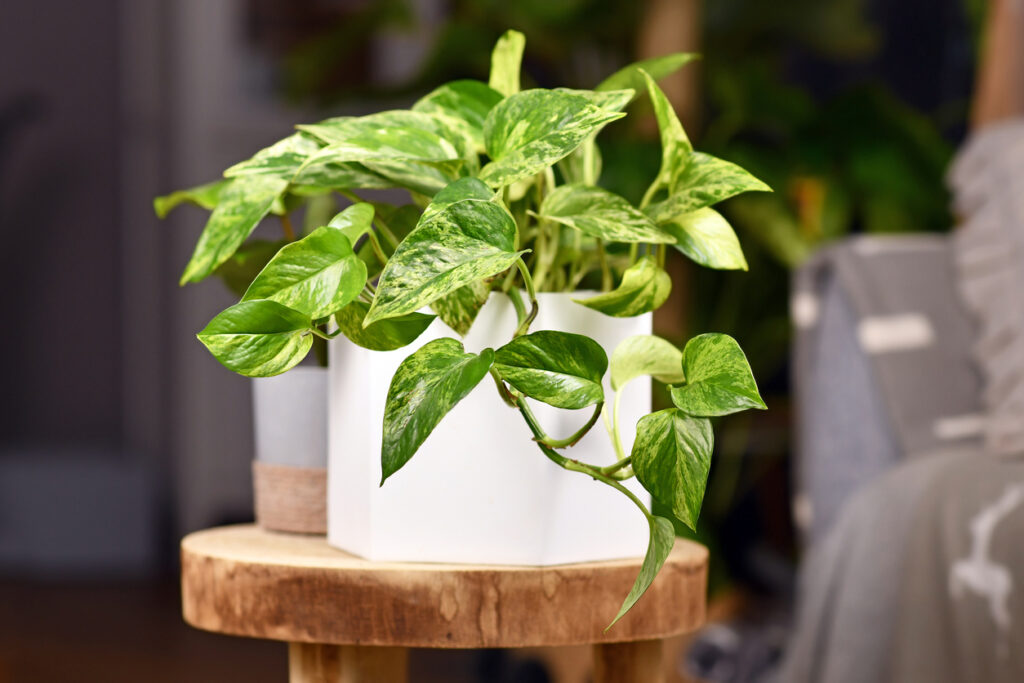
This trailing vine with heart-shaped leaves grows in nearly every home, but it’s packed with calcium oxalate crystals. Cats who chew on pothos immediately experience burning pain so intense they often refuse to eat or drink for hours afterward, which can lead to dehydration.
The mouth swelling usually subsides within twelve to twenty-four hours, but some cats develop ongoing pain that makes them reluctant to eat for several days. The crystals can also irritate the stomach if swollen bits get swallowed, which adds vomiting and diarrhoea to the already miserable experience.
14. Tulip and hyacinth bulbs cause the worst symptoms.
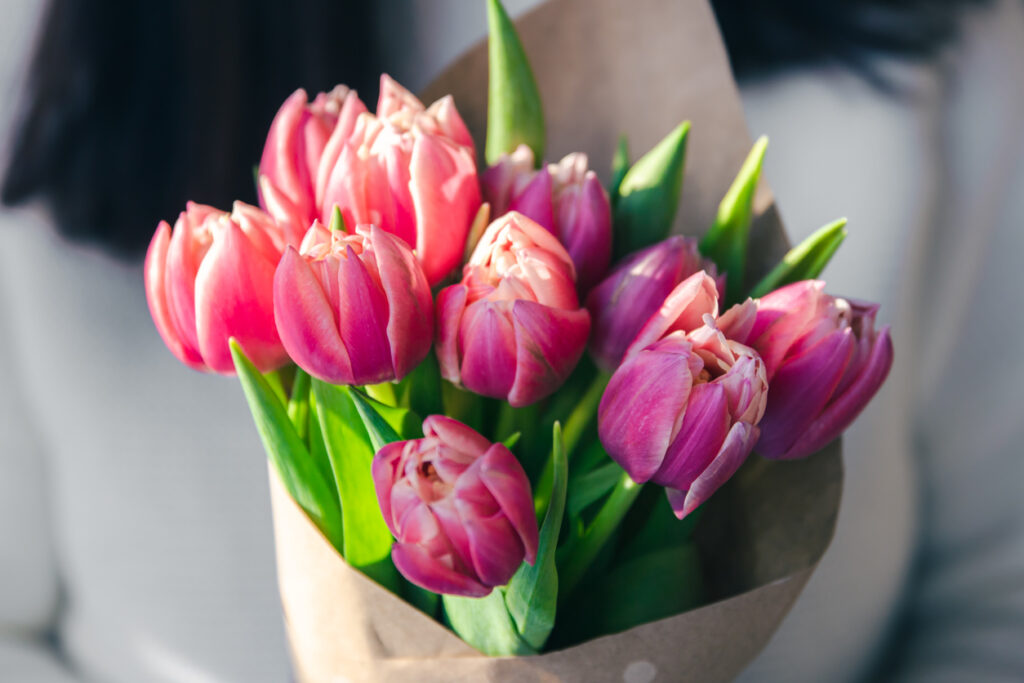
The flowers and leaves of these plants cause mild stomach upset, but the bulbs contain concentrated toxins that create severe problems. Cats who dig up bulbs stored for planting or knock over pots with exposed bulbs might chew on them, which leads to intense vomiting, diarrhoea, drooling and even heart problems.
The gastrointestinal symptoms appear quickly and can be so severe that cats become dehydrated and weak within hours. Some cats also develop breathing difficulties or irregular heartbeats if they ate enough bulb material, which turns a stomach problem into a life-threatening emergency.
15. Peace lilies cause immediate throat swelling.
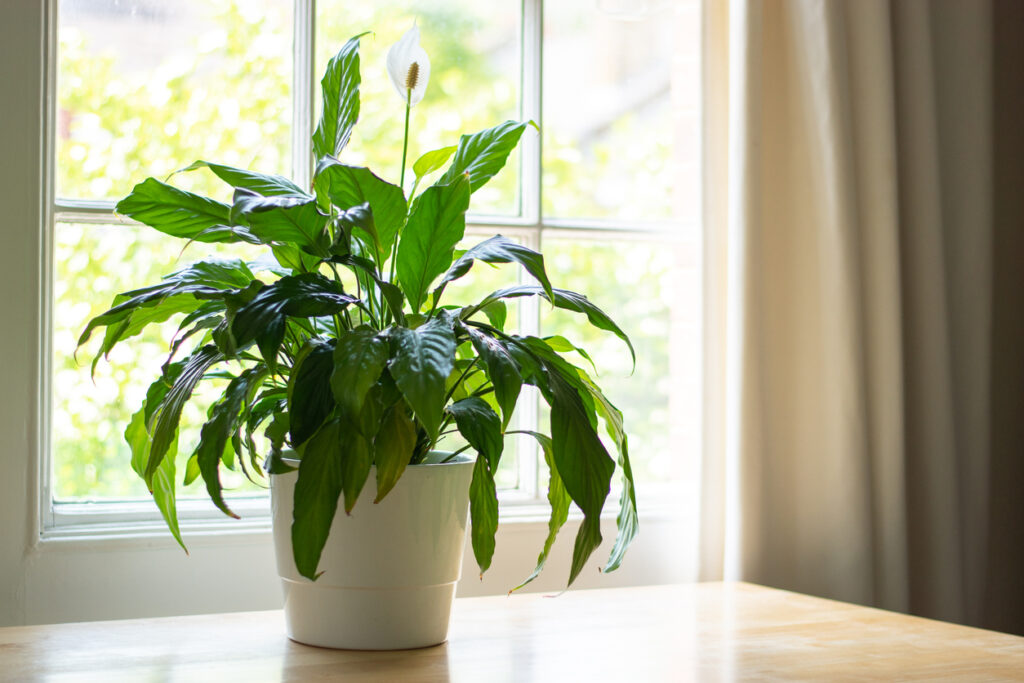
Despite the name, peace lilies aren’t true lilies, but they’re still toxic because of calcium oxalate crystals in every part. Cats who bite the leaves or flowers experience instant burning pain and their mouths start swelling within minutes, which causes excessive drooling and obvious distress.
The swelling can spread to the throat and make swallowing difficult or painful, which stops cats from eating or drinking. Most peace lily poisonings aren’t fatal, but the discomfort is severe, and some cats need veterinary pain relief and fluids to get through the worst of the symptoms.