Weirdly, plenty of animals beginning with O do far more for the planet than most people realise.
They’re not the big names you see on documentaries every week, but take them out of the picture and entire environments would start falling apart. Some of them keep rivers steady, some keep forests alive, and some keep pests under control in a way no tool or human strategy ever could. The more you look into how each creature fits into its surroundings, the more obvious it becomes that nature relies on them far more than we give them credit for.
Otters keep rivers balanced.

Otters might look playful and cute, but they’re busy keeping freshwater ecosystems running properly. Fish numbers spike quickly when there aren’t enough predators around, and once one species dominates, everything else starts struggling. Otters step in by hunting fish, frogs and crustaceans, keeping numbers in check, so no single species overpowers the rest.
When you’ve got healthy otter populations, rivers have better variety, cleaner water and a much steadier rhythm. Their presence helps prevent overcrowding, stops disease spreading through fish groups, and keeps the entire river system in far better shape.
Owls control rodent numbers.
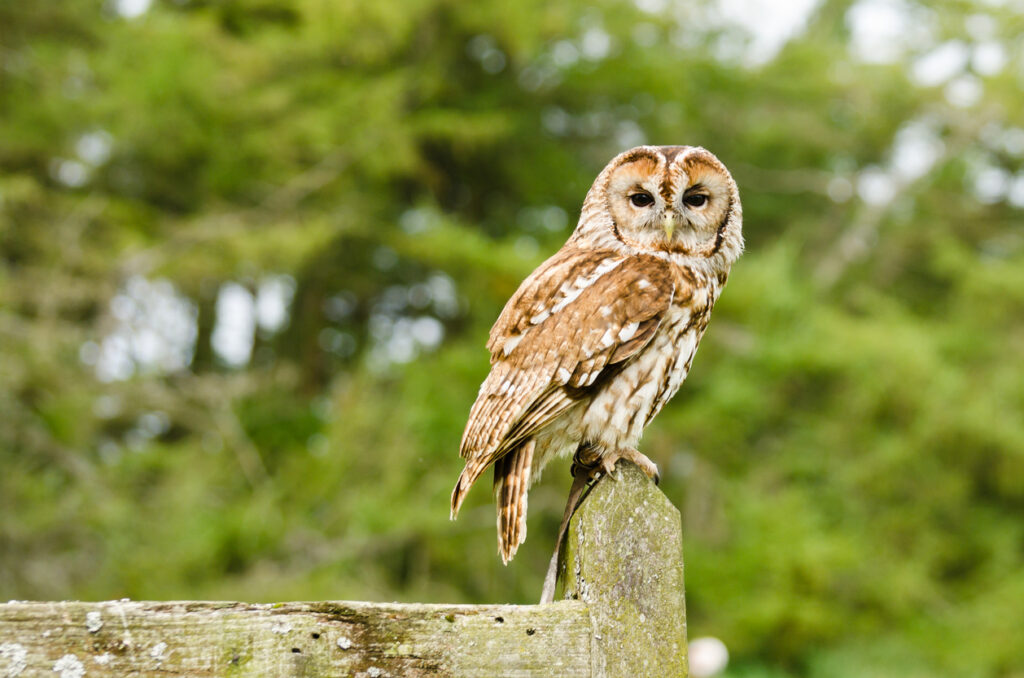
Owls quietly save crops, protect food stores and keep disease down, and most people never think about the work they do overnight. Rodents breed fast, especially in fields and barns, and it takes very little for numbers to jump. Without predators swooping in, that growth can get out of hand.
Owls keep things balanced by hunting rodents through the night, removing enough to stop the population exploding while still leaving plenty in the ecosystem. When owls are encouraged to nest in rural areas, farmers rely less on traps or poisons, and everything from soil quality to ground-nesting birds benefits.
Octopuses shape ocean food webs.
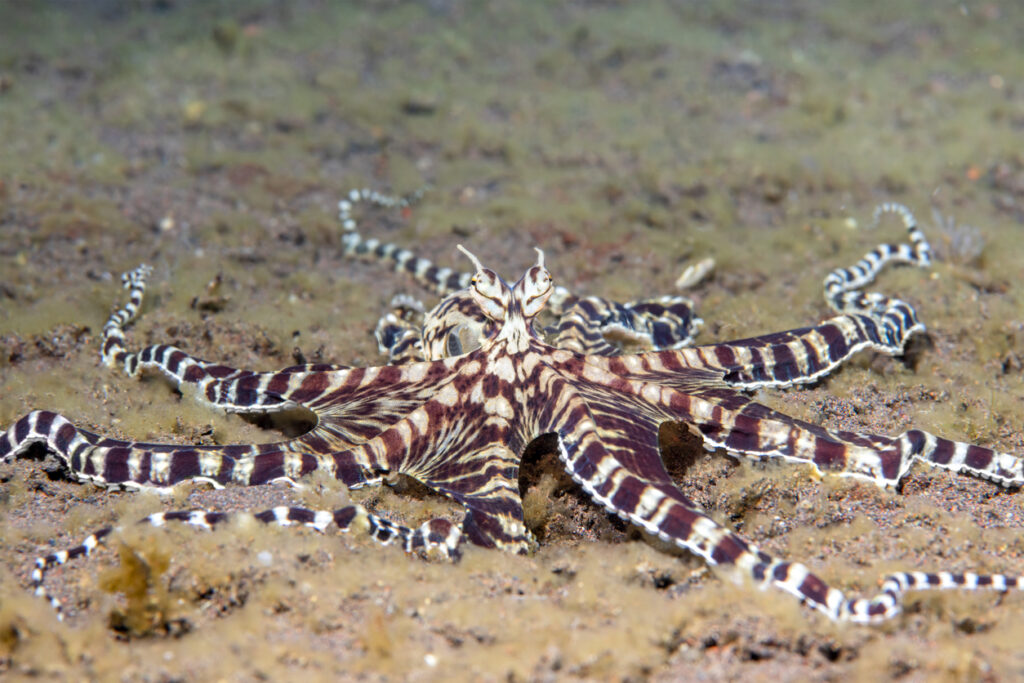
Octopuses do far more than dart into coral and escape predators. They influence the entire layout of the sea floor. Shellfish, crabs, and other bottom-dwellers multiply fast when nothing is hunting them, and that can smother coral and push out competing species. Octopuses step in as skilled hunters, keeping those populations in check and maintaining a healthier balance.
What makes them even more important is how quickly they adapt to changes around them. If the environment changes, they adjust their feeding patterns, which keeps the wider marine community more stable than people realise. When octopus habitats are protected, everything around them thrives too.
Orangutans spread seeds in rainforests.
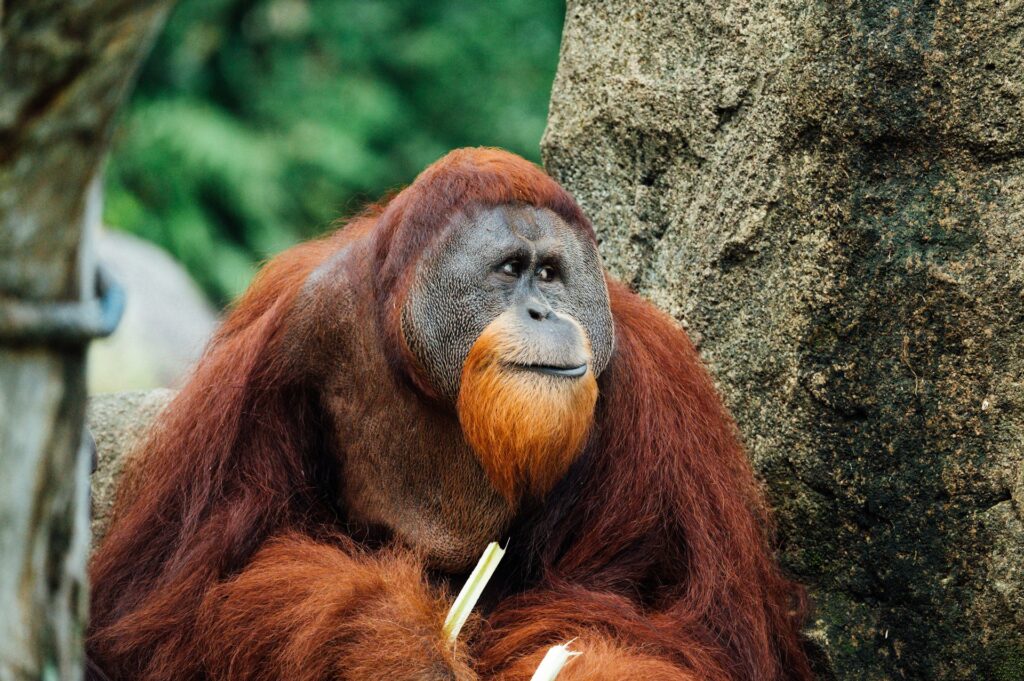
Orangutans are basically the gardeners of the rainforest. They travel long distances every day, feeding on fruits, leaves and bark, and dropping seeds everywhere they go. Those seeds grow into new trees, allowing forests to repair themselves naturally. Without animals like orangutans moving through the canopy, new growth becomes patchy and certain species struggle to spread.
The more the forests shrink, the less space orangutans have, which then harms the cycle even further. Protecting these animals keeps whole ecosystems alive because their daily movements are responsible for shaping the next generation of rainforest growth.
Opossums reduce pests and disease.
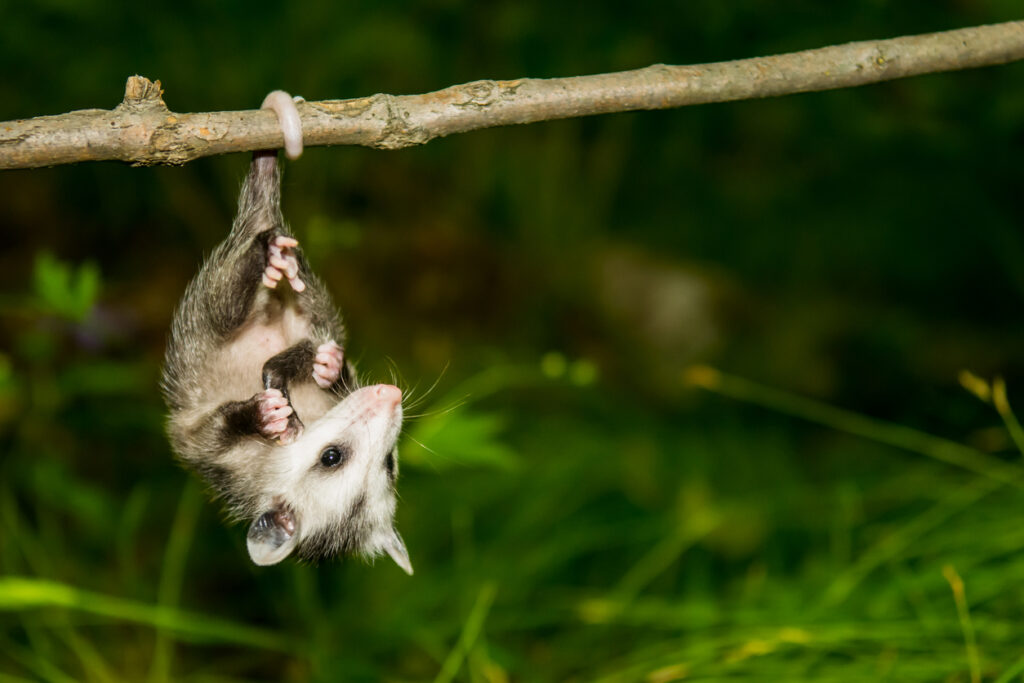
Opossums often get a bad reputation because people assume they’re messy scavengers, but they’re actually brilliant at pest control. They eat ticks, slugs, and insects by the handful, including ticks that carry harmful illnesses. Many studies have shown they remove thousands of ticks from the environment every week just by going about their routine.
They also eat rotting fruit, carrion and other waste, which cleans up the environment naturally. When opossums have safe spaces to live, pest numbers drop, gardens stay healthier and the risk of tick-borne illness falls too.
Ospreys keep fish populations healthy.
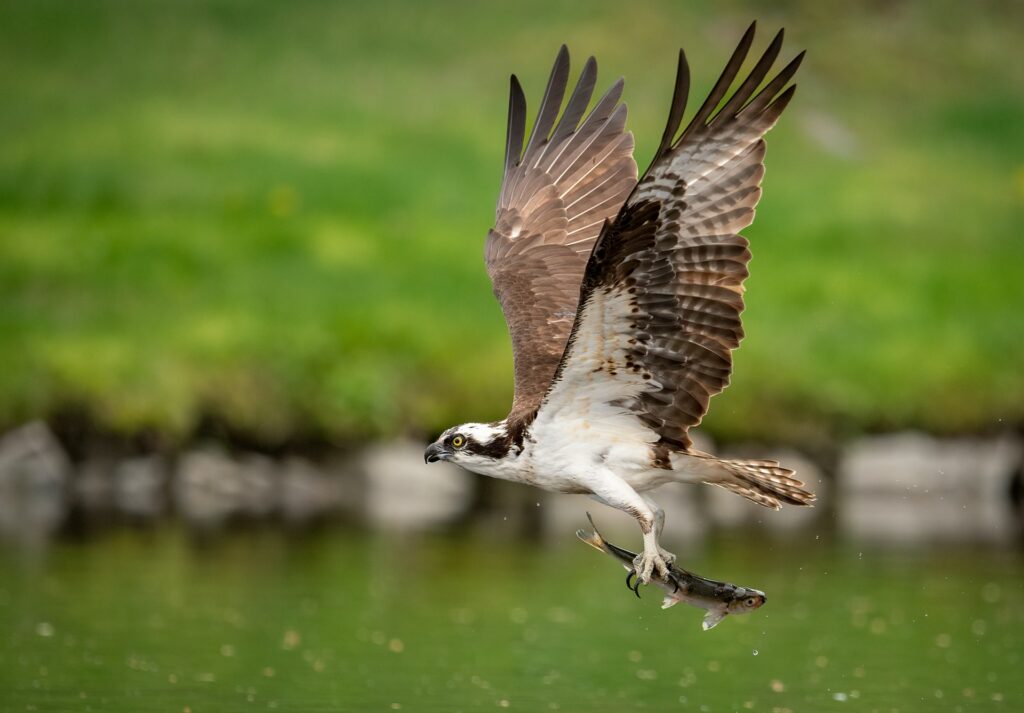
Ospreys are experts at catching fish, and their presence shows a river or lake is in good condition. They pick off sick, slow or overcrowded fish, which allows stronger fish to thrive and prevents numbers from swinging too far in either direction. This helps stop algae blooms, improves water quality and keeps food webs balanced both above and below the surface.
When ospreys have space to nest and raise chicks, fish communities strengthen because the natural checks and balances stay in place. The result is a healthier waterway overall.
Oxpeckers protect grazing animals.
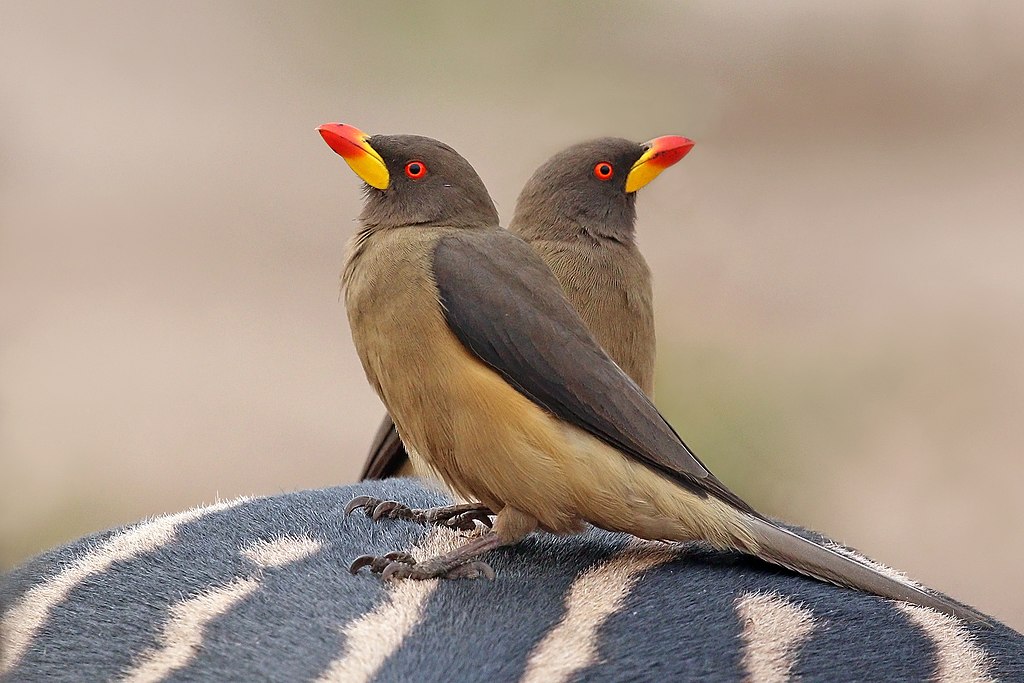
Oxpeckers are small, quick birds that spend their days perched on large mammals like rhinos, buffalo, and giraffes. They pick off ticks, flies, and parasites that irritate or infect the bigger animals. Without oxpeckers, these large mammals would struggle with infections or skin problems that could spread through herds.
When grazing animals stay healthier, everything around them benefits because their feeding patterns shape the landscape. The movement of big mammals creates paths, trims vegetation and influences where plants grow. Oxpeckers play a surprisingly helpful role in keeping that cycle running smoothly.
Oysters filter dirty water.
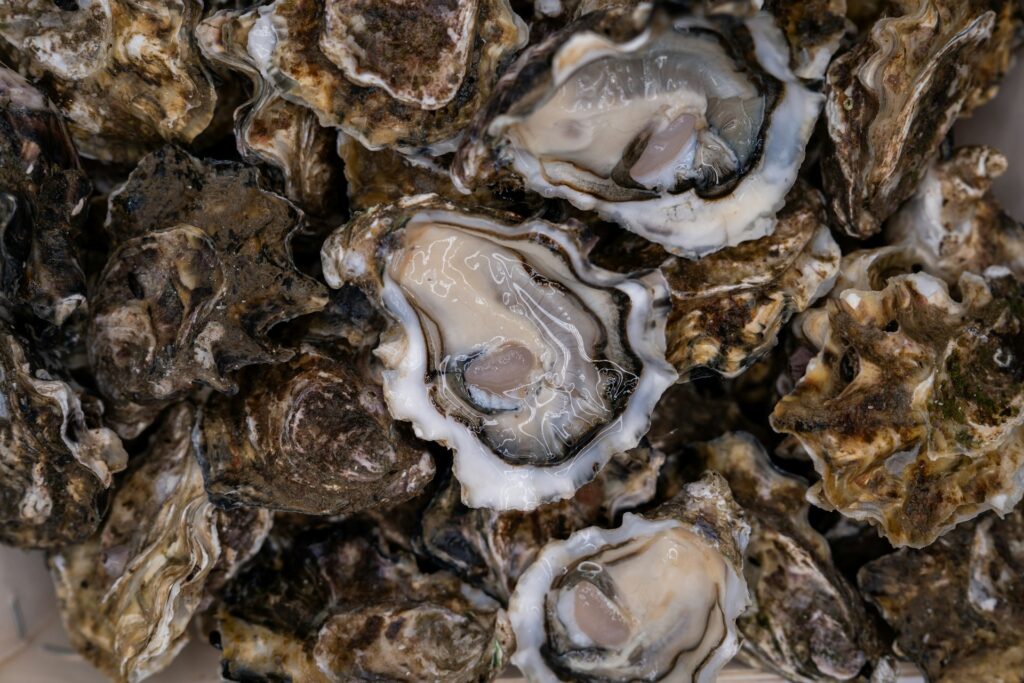
Oysters quietly clean up coastal waters without anyone noticing. Each oyster filters large amounts of water every day, pulling out algae, bacteria, and sediment that would otherwise cloud the water and choke marine life. When enough oysters gather in reefs, they act like natural purifiers, improving water clarity and supporting fish, seagrass and shellfish populations.
These reefs also protect coastlines by absorbing wave energy. Rebuilding oyster beds in polluted areas has proven to restore marine life far faster than artificial methods because oysters do the job constantly and reliably.
Orb-weaver spiders control flying insects.
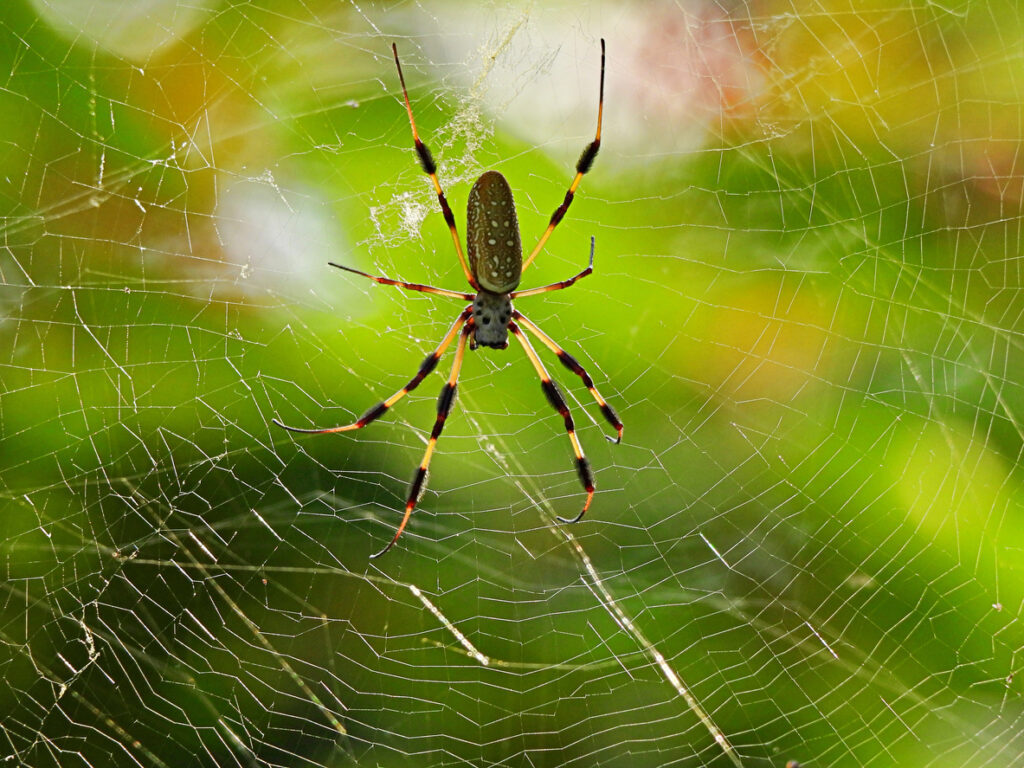
Orb-weavers create the classic spiral webs you see glowing in the morning light, and those webs remove huge numbers of flying insects. When flies and moths multiply quickly, plants suffer from damage and pollinators are pushed out. Orb-weavers help keep things balanced by removing enough insects to stop outbreaks.
Gardeners often see fewer pests when they leave these webs alone. The spiders work quietly in the background, preventing the need for sprays that harm bees and other helpful creatures. Giving them space lets nature handle the problem naturally.
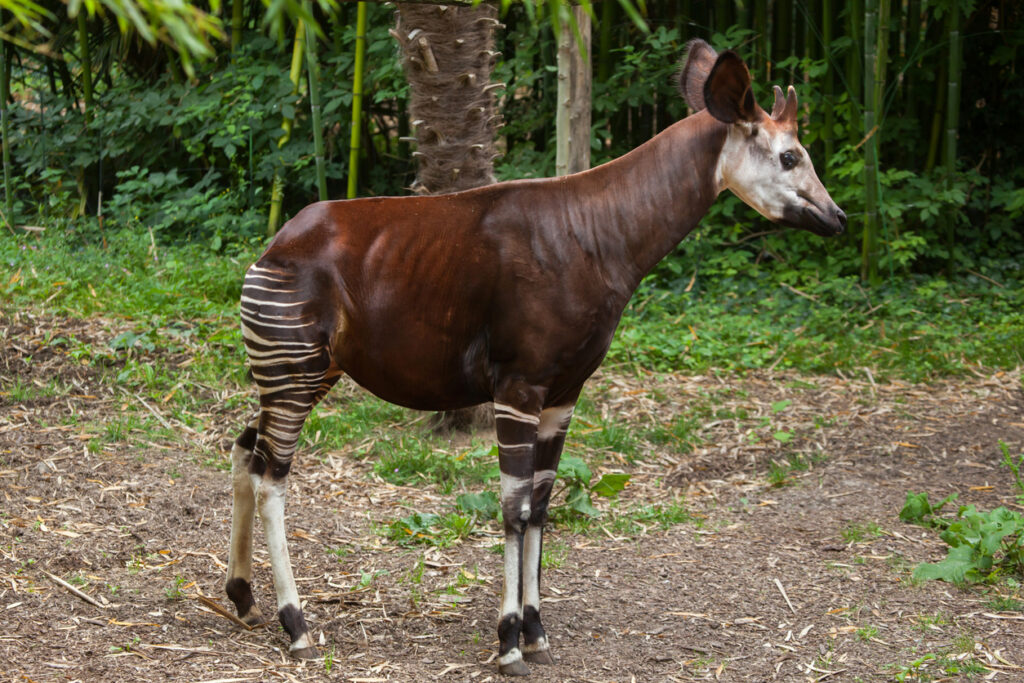
Okapis support rainforest structure.
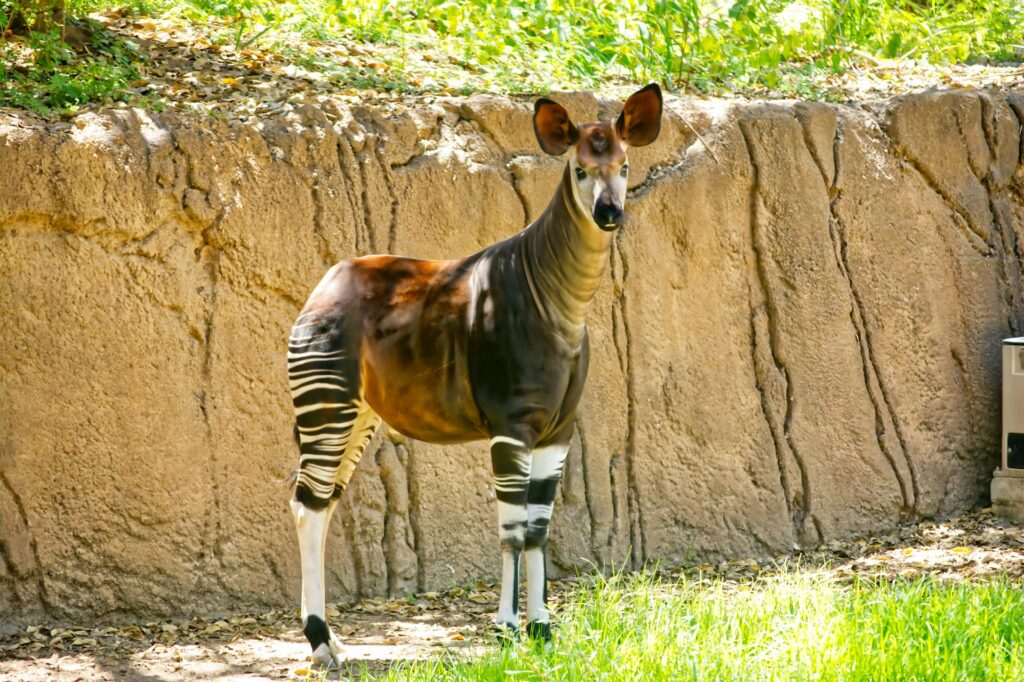
Okapis look like a cross between a giraffe and a zebra, but they play a very specific role in the rainforest. By feeding on leaves, buds and branches, they open up dense areas of undergrowth, which lets sunlight reach the forest floor. That bit of extra light helps smaller plants grow, which then supports insects, birds and countless mammals lower in the food web.
In places where okapi numbers fall, forest structure starts changing in ways that reduce plant diversity. Keeping their habitat safe protects everything that depends on a varied and open forest floor.