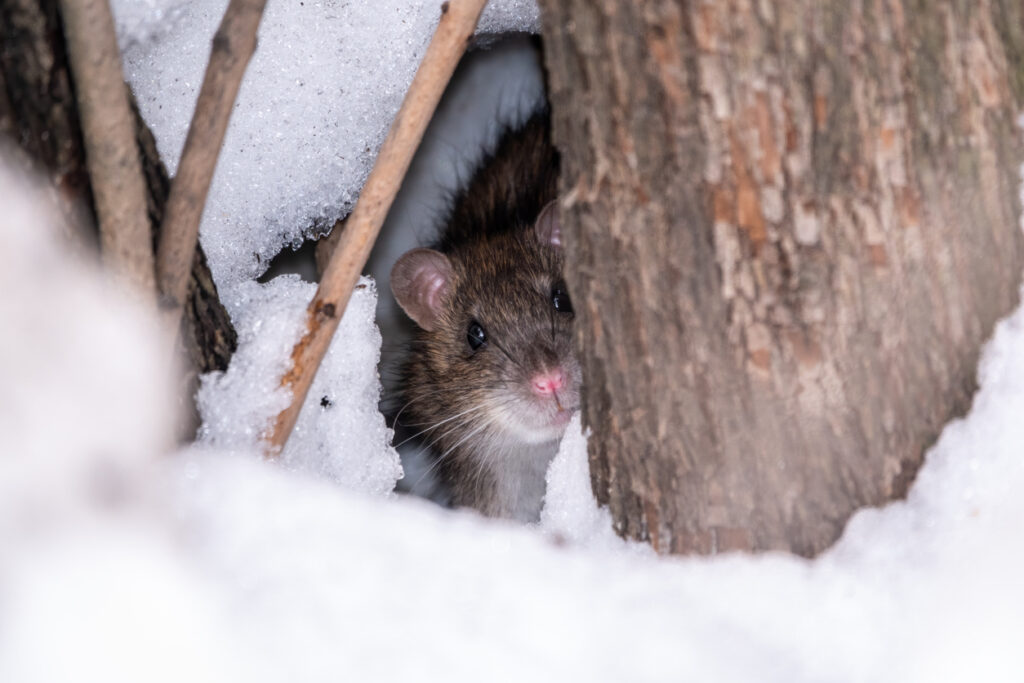
More people across the UK are spotting rats and mice this winter, and it isn’t just bad luck. These animals are clever survivors that change how they behave the moment temperatures drop. Cold nights, disappearing food sources and warm hiding spots make homes, sheds, and gardens far more attractive than usual. Once you understand the patterns behind their behaviour, the winter surge feels less like a mystery and more like a very predictable response to the season.
Cold weather pushes them indoors.
When the temperature drops, rats and mice lose a lot of the natural shelter they rely on. Places that usually keep them warm, like compost heaps, old pots or tucked-away corners of the garden, suddenly stop offering enough protection. That’s when they start roaming further, checking garages, sheds, and quiet corners of the house for warmth. Blocking gaps around doors, pipes, and floor edges makes a big difference because these tiny spaces are all they need to slip inside. Once those routes are closed off, your home feels far less appealing to a cold rodent looking for shelter.
Food becomes harder to find outside.
By mid-winter, most natural food sources have vanished. Plants die back, fallen fruit has rotted away and insects are scarce, so rats and mice turn their attention to anything that smells edible. Bins, kitchen scraps, crumbs on patios and even outdoor cooking areas become incredibly tempting. Keeping food sealed and dealing with waste quickly helps stop these animals settling into a routine. If they discover that your home or garden doesn’t offer an easy meal, they usually move on fairly quickly because they don’t like wasting energy where the rewards are low.
Bird feeders attract them without people realising.
Winter bird feeding is a lovely tradition, but it accidentally creates a buffet for rats and mice. They aren’t interested in the feeders themselves; they wait underneath and collect whatever spills. Even a small scattering of seeds across the week is enough to keep them coming back. Adding trays to catch loose seed and placing feeders further from sheds or walls helps keep the food available for birds while making it harder for rodents to sneak in. A small tweak often makes a huge difference.
Warmer winters help them breed for longer.
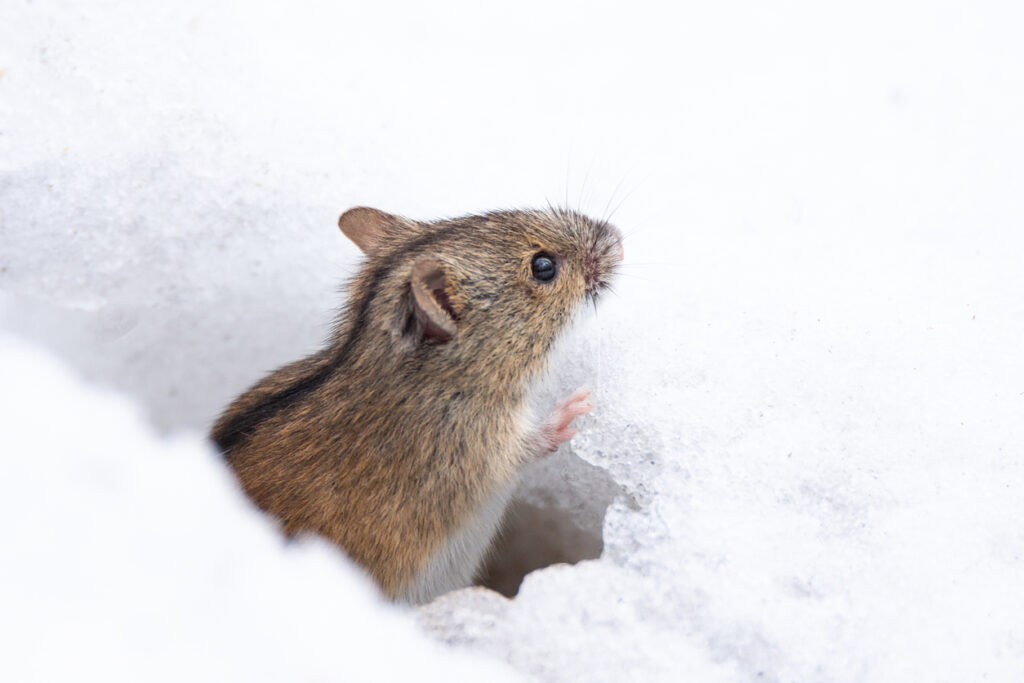
Milder winters mean breeding seasons don’t slow down as much as they once did. Rats and mice are capable of producing several litters a year, and when temperatures stay higher, they don’t pause their cycle. By the time winter hits its coldest point, there can already be far more rodents than usual looking for warmth and food. Clearing garden clutter, old wood stacks and forgotten corners helps limit the cosy spots they depend on for rearing young. If the space doesn’t feel safe enough for a nest, numbers stay lower around your property.
They follow easy paths into homes.
Pipes, vents and small gaps in brickwork create ready-made routes indoors. Warm air leaking from these spots acts almost like a trail for rats and mice, especially at night when they’re most active. They’re experts at squeezing through tiny spaces, so openings that look harmless to you are more than enough for them. Checking these areas every few months, especially going into winter, helps close off the main ways they slip inside. Once the straightforward routes vanish, they rarely put in the effort to force their way elsewhere.
Rubbish bags and bins give them steady meals.
Any waste left in bags or bins is a magnet for hungry rodents. A loose bin lid or a bag sitting outside after dark is all they need to start scouting. If they get into your bin once, they usually return night after night because they know the food will be there. Securing lids, storing bags out of reach and cleaning around bins helps remove that reliable food source. When they realise the meals have disappeared, they stop treating your property like a regular stop.
Gardens give them shelter all winter.
It’s easy to forget how many hiding places exist in the average garden. Wood piles, crates, compost heaps, old furniture, overgrown plants and sheds all offer warmth and privacy. Once rats or mice settle into one of these spots, they often wander closer to your home in search of food. Tidying garden corners, lifting stored items off the ground and keeping piles away from house walls all make your space less welcoming. A tidy layout limits the number of sheltered corners they can use, which often reduces rodent activity without needing traps.
Construction and digging disturb their usual habitats.
Building work pushes rodents into new areas. When roads are dug up, houses go up or drainage work is carried out, the underground networks rats depend on get disturbed. They react quickly and start searching for safer spaces, which is why people sometimes see more rodents during local construction. Keeping an eye on nearby projects helps you prepare. Securing gaps early prevents rodents from relocating into your property while their usual homes are being disrupted.
They follow water sources into homes.

Cold weather can freeze outdoor water, so rats and mice start searching for moisture elsewhere. Leaking pipes, dripping taps and damp corners become easy clues that water is nearby. Once they find a steady source, they tend to linger because they need water every day. Fixing leaks and clearing blocked gutters helps remove the main attraction. When they can no longer rely on the moisture inside or near your home, they’re far less likely to stay.
They’re attracted to pet food.
Leftover bits of pet food are a major winter draw. A bowl left out overnight, crumbs on the floor near a back door or treats stored in easy-to-open containers all act like a signal for rodents to explore. Tidying up after feeding pets and storing food tightly keeps them from sniffing their way to your door. Once the easy meals vanish, they usually look elsewhere rather than hanging around.
Lofts and sheds stay warm enough for nesting.
Lofts, sheds, and garages hold heat better than people expect, especially when insulation or stored items trap warmth. Rats and mice love these quiet, undisturbed spaces and use them as bases during winter. Once inside, they often chew wiring, cardboard and insulation, which can cause expensive damage. Checking these spots occasionally, clearing out old soft materials and sealing gaps makes them much harder for rodents to settle into. A quick look every few weeks saves a lot of trouble later.
They follow patterns from previous years.
Rodents remember exactly where they found warmth and food in past winters. If your property helped them survive once, they’ll return again and often bring more rodents with them because they know the area works. Breaking the pattern is key. Changing how food is stored, closing off old entry points and clearing clutter all encourage them to try somewhere else. Once they realise the conditions have changed, they stop relying on your home as a winter staple.