The UK spends a good chunk of the year soaked, and most of us just complain about it while trying to dry our socks on the radiator.

However, all that rain is more than an inconvenience. Scientists have been looking at ways our wet weather could actually help power the country, and some of the ideas are surprisingly clever. We already know solar and wind have an important part to play, but rain might end up joining the team in ways most people haven’t even heard about yet. So before you curse the next downpour, it might be worth knowing how those grey skies could eventually help keep the lights on.
Rainwater can create energy through turbines.

When rain falls from rooftops or flows down drains, it creates kinetic energy that can spin small turbines. These mini turbines convert the movement of water into electricity just like massive hydroelectric dams do, but on a smaller scale. Buildings with large roof areas could generate meaningful amounts of power just from collecting and channelling rainwater properly.
Look into whether your home or workplace could benefit from rain turbine systems because the technology is becoming more affordable. Check if there are government grants or schemes supporting renewable energy installations. Even small-scale generation adds up when thousands of buildings are doing it.
Piezoelectric materials generate power from raindrops.
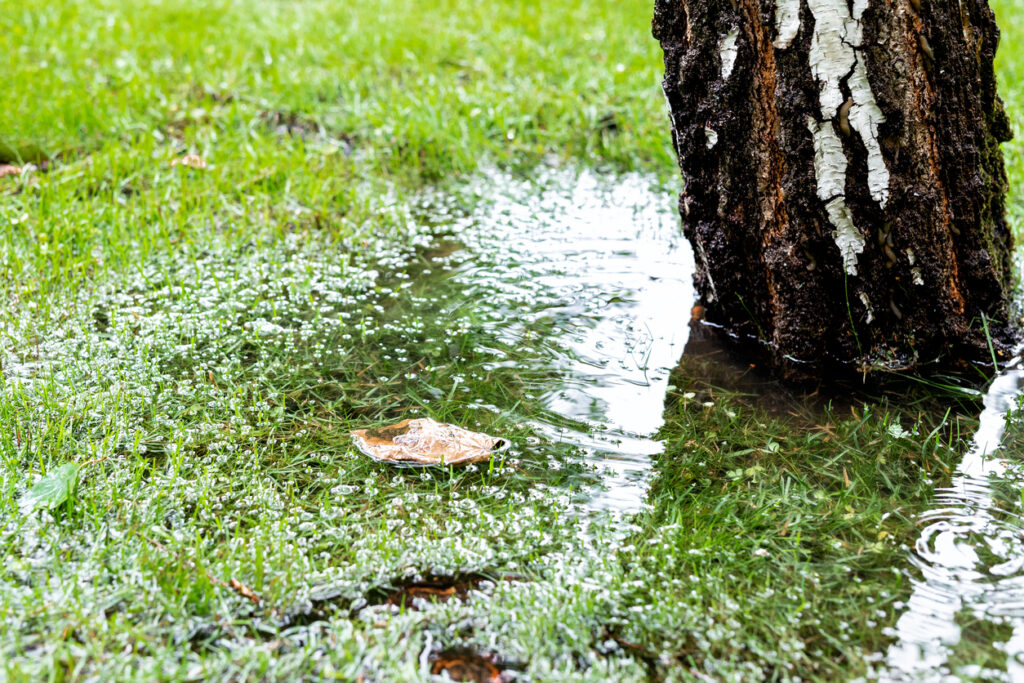
Piezoelectric surfaces create electrical charges when physical pressure is applied to them, and raindrops hitting them create exactly that kind of pressure. Scientists are developing panels that can be installed on roofs or pavements to capture energy from falling rain. Each raindrop generates a tiny amount of electricity, but billions of drops during a storm add up to usable power.
Keep an eye on developments in this technology because it’s still quite new but shows real promise. Consider it for future building projects or renovations when it becomes commercially available. Supporting emerging green technology helps drive down costs and improve efficiency for everyone.
The UK gets more rain than most countries.
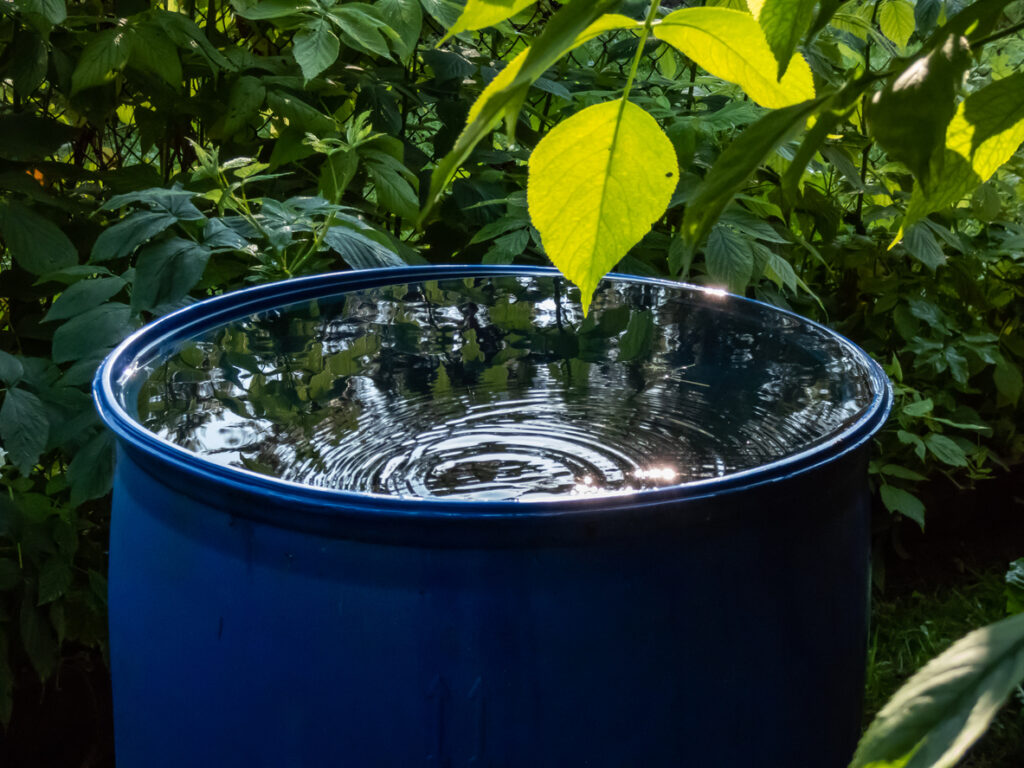
Britain receives an average of 133 days of rain per year, which is significantly more than many other developed nations. This consistent rainfall means a reliable and predictable source of potential energy that doesn’t depend on sunny days. Our weather patterns make rain harvesting more viable here than in countries with sporadic rainfall or long dry seasons.
It’s important to recognise that our wet climate is actually an advantage for certain types of renewable energy. Stop complaining about the rain quite so much because it might literally power your kettle one day. Embrace solutions that work with our climate rather than against it.
It works alongside other renewable sources.

Rain energy systems can complement solar panels because they generate power when solar panels are least effective during cloudy, wet weather. Wind turbines also work well in rainy conditions, so combining all three creates a more consistent energy supply throughout the year. Such diversity of renewable sources reduces our reliance on any single weather condition for power generation.
Consider installing multiple types of renewable energy if you’re able to because diversity creates reliability. Look at your property’s specific conditions to work out which combination would work best. Speak to renewable energy advisers who can assess what’s most practical for your situation.
Urban areas could benefit most.
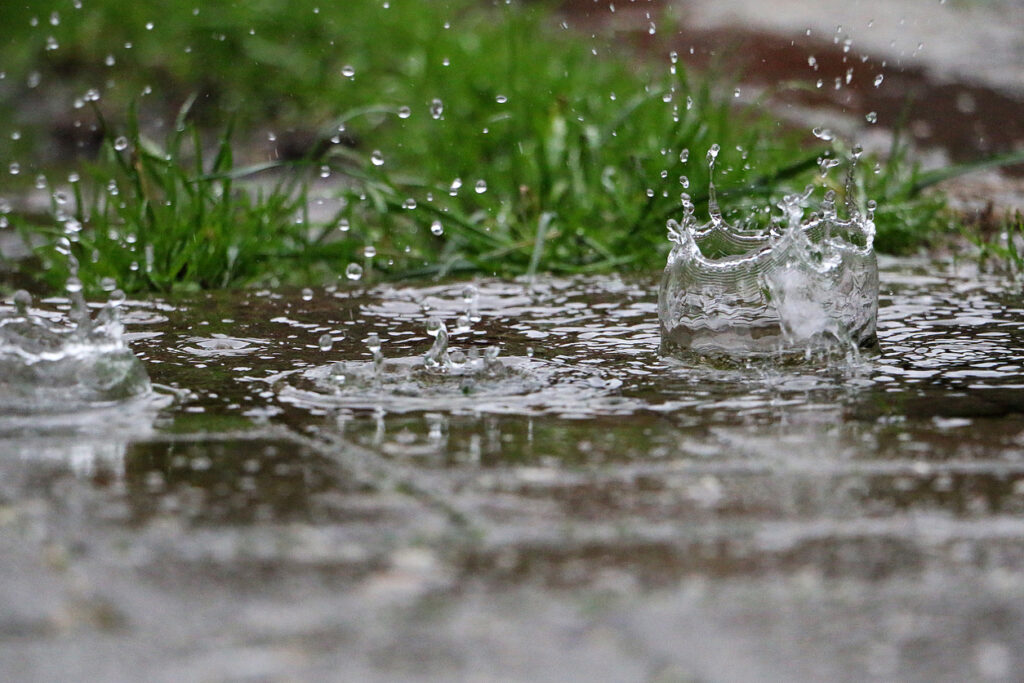
Cities have vast amounts of impermeable surfaces like roads and roofs where rainwater currently just runs off into drains, wasted. Installing rain energy systems in urban environments could generate significant power exactly where demand is highest. Dense populations mean more buildings and more surface area to capture rainfall efficiently.
Support local council initiatives that explore renewable energy options for public buildings and infrastructure. Suggest rain energy systems at community meetings or through local representatives. Urban planning needs to start incorporating these technologies into new developments as standard.
It reduces strain on the grid during storms.
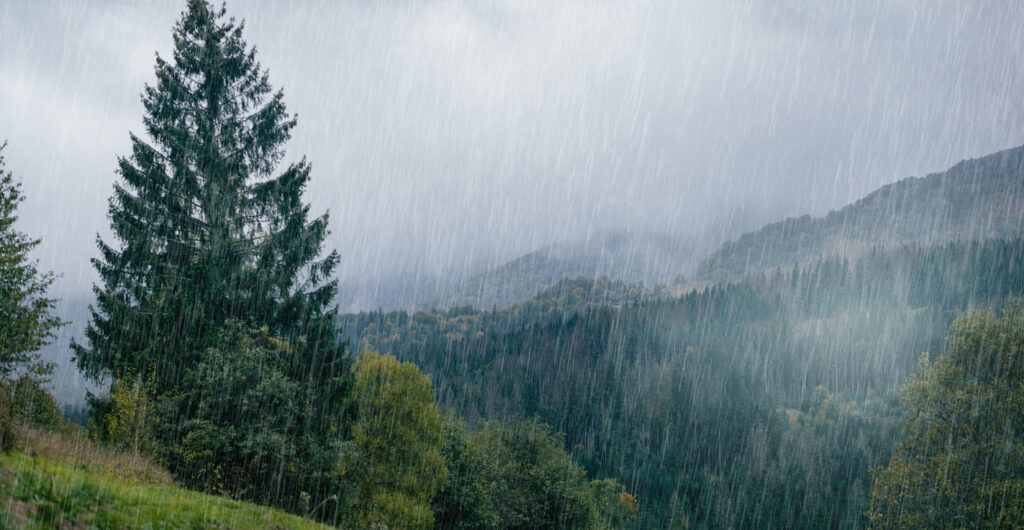
Heavy rainfall usually coincides with increased electricity demand for heating and lighting during dark, stormy days. Rain energy systems would generate more power exactly when it’s needed most, which helps balance the grid. This could reduce the need for backup fossil fuel power stations that currently kick in during peak demand.
Understand how your energy usage patterns match weather patterns because awareness helps you make better choices. Consider time of use tariffs that reward you for using power during off-peak hours. Every bit of locally generated renewable energy reduces overall grid pressure.
The technology is still developing.

Rain energy harvesting is not yet as efficient or widespread as solar or wind power, but it’s improving rapidly. Current systems are expensive and generate relatively small amounts of power, but early adoption drives innovation and cost reduction. Investment and research are increasing as climate change makes renewable energy more urgent.
Stay informed about renewable energy developments because things are changing fast. Don’t dismiss new technologies just because they’re not perfect yet. Early adopters help prove concepts and drive improvements that benefit everyone later.
It could help with flooding issues.
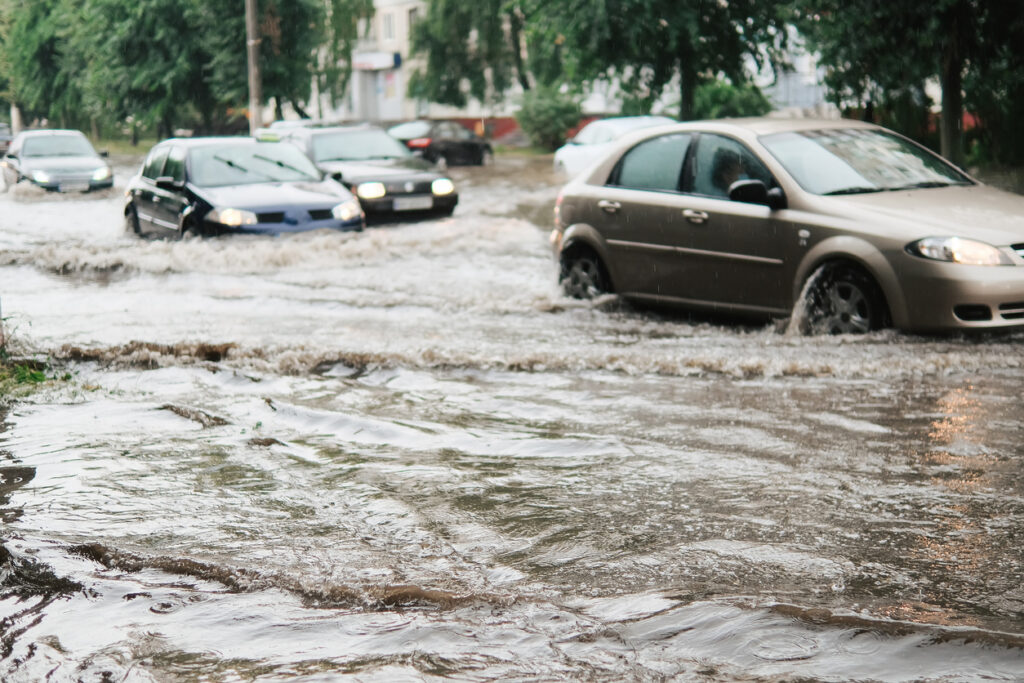
Systems designed to capture and channel rainwater for energy also help manage excess water during heavy downpours. Slowing down and redirecting rainwater reduces the burden on drainage systems and decreases flooding risk. This dual benefit makes rain energy systems attractive for areas prone to flooding problems.
Look into whether your area has flooding issues that rain harvesting could help address. Support infrastructure projects that combine flood management with energy generation. Solutions that solve multiple problems simultaneously are worth investing in.
It creates jobs in green technology.

Developing and installing rain energy systems requires engineers, manufacturers, and installers, which creates employment in the green sector. Britain could become a leader in this technology given our abundant rainfall and existing renewable energy expertise. Investing in rain energy now positions the UK advantageously as other rainy countries look for similar solutions.
You might even consider retraining or education in renewable energy sectors because these jobs are growing. Support businesses and initiatives working on innovative green technology. The transition to renewable energy creates opportunities for people willing to learn new skills.
Every little bit helps with climate goals.

Rain energy alone won’t solve our energy needs, but it’s part of a bigger picture of diverse renewable sources. Meeting climate targets requires using every available clean energy option, no matter how small the individual contribution. The UK’s wet weather is a resource we should be exploiting instead of just moaning about.
Do what you can at your level, whether that’s supporting policies, installing systems or simply being open to new ideas. Encourage others to think creatively about renewable energy solutions. Climate change requires all of us to embrace different approaches and technologies.