Most of us know Britain is full of stately homes, beautiful coastline and historic landmarks you can wander around without much fuss.
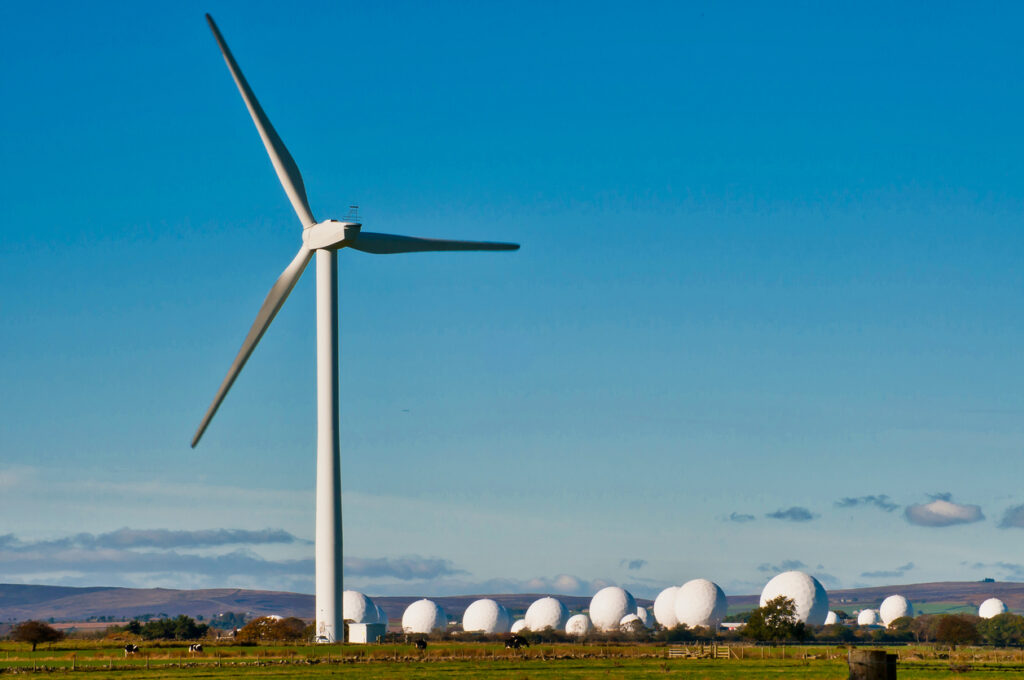
However, scattered across the country are a handful of places you’re absolutely not allowed to step foot in, no matter how curious you are. Some are dangerous, others are legally protected, and a few are tied up in national security. You don’t always hear about them, but they’re there, quietly shut off to the public, even if they look harmless from the outside.
1. RAF Menwith Hill in North Yorkshire
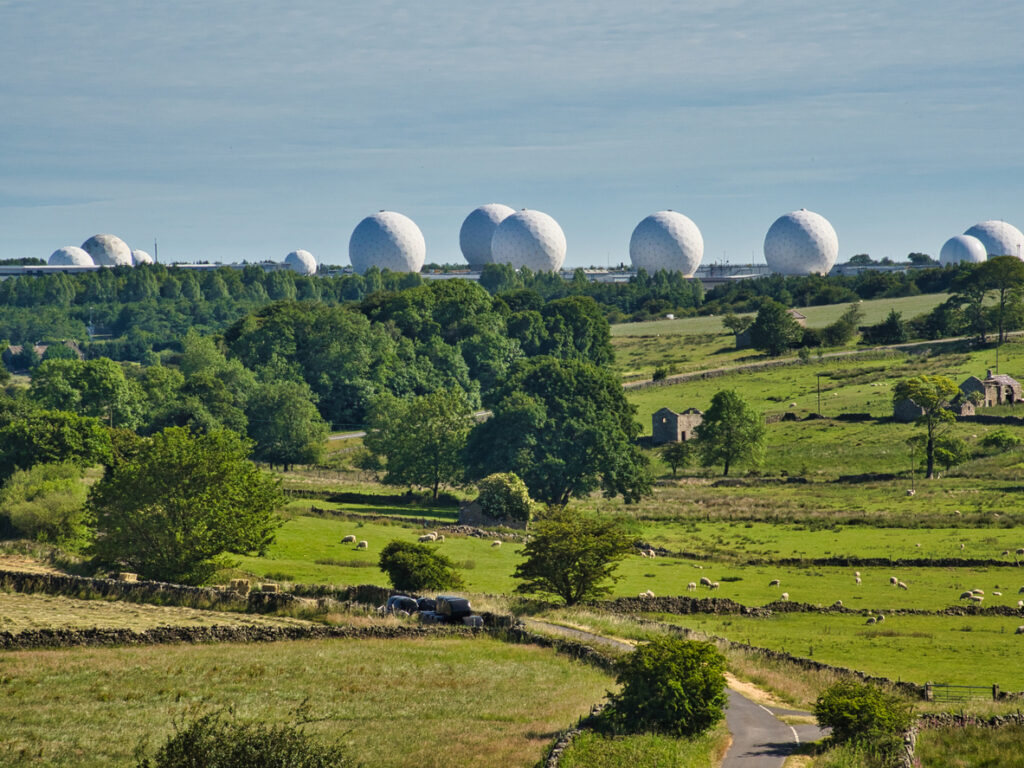
This military base looks proper weird with its massive white golf ball structures dotting the landscape. It’s actually a spy station run jointly by Britain and America, listening in on communications from around the world. The base is surrounded by serious fencing and security, and you’re absolutely not getting in without top-level clearance.
You can’t visit because it’s one of the most important intelligence-gathering sites in the world. The work happening inside is classified at the highest levels, and they’re monitoring everything from terrorist communications to foreign government activity. Even driving too close or taking photos can get you in trouble with security forces, who take their job very seriously.
2. Gruinard Island in Scotland
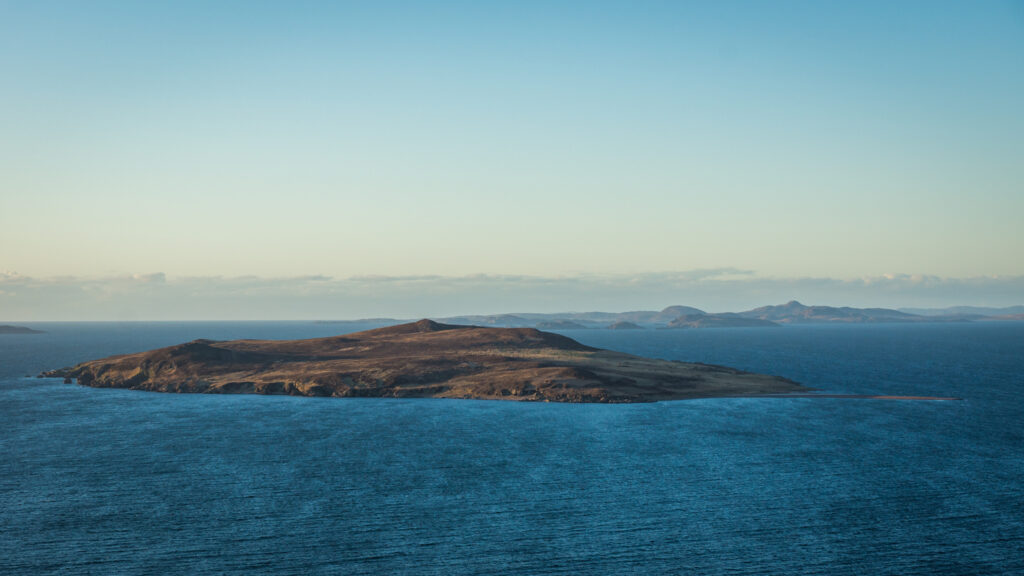
This small Scottish island was used for biological warfare testing during World War Two, specifically testing anthrax as a weapon. The government contaminated the entire island with deadly anthrax spores, and whilst they’ve since decontaminated it, the place still has a dodgy reputation. It’s technically not forbidden anymore, but nobody wants to risk it.
For decades, visiting was absolutely banned because the anthrax contamination made it a death trap. Even after massive decontamination efforts in the 1980s, people are still wary about setting foot there. The island’s history as a biological weapon testing ground makes it one of Britain’s most infamous forbidden places, even if the official ban has been lifted.
3. Porton Down in Wiltshire
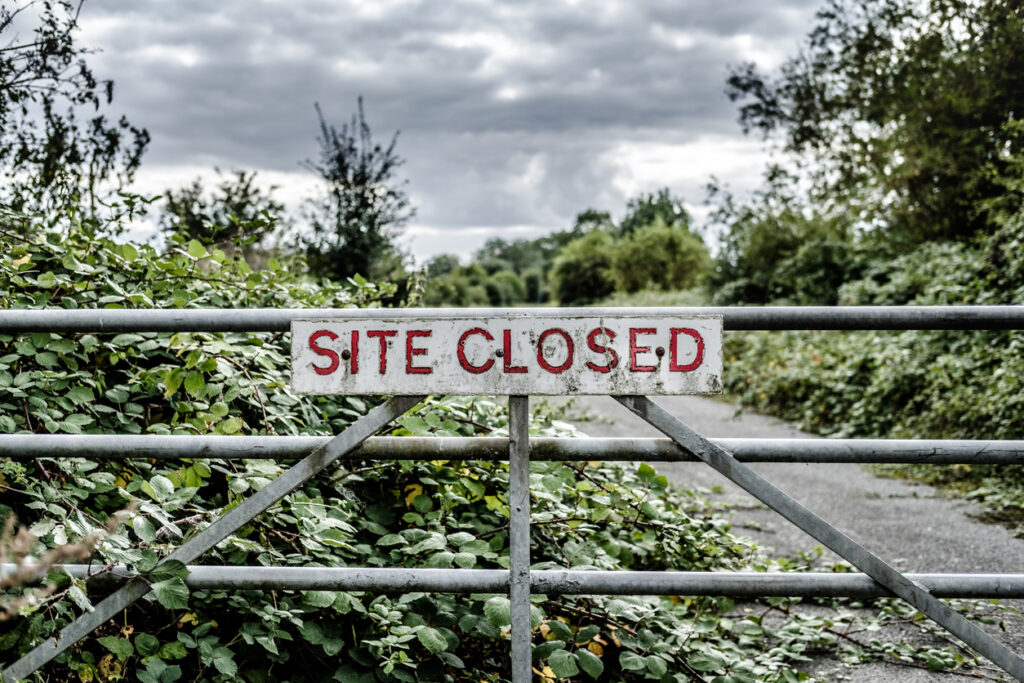
This secretive military research facility has been studying chemical and biological weapons since 1916. It’s Britain’s main centre for researching dangerous substances and developing defences against biological attacks. The site covers thousands of acres and is completely closed to the public, with armed guards and serious security measures.
You’re banned because they’re working with some of the deadliest substances on Earth, from nerve agents to plague bacteria. The research happening inside is classified, and public access would be both a security nightmare and genuinely dangerous. Even people who work there need special clearance and go through decontamination procedures regularly.
4. The Exclusion Zone around Sellafield
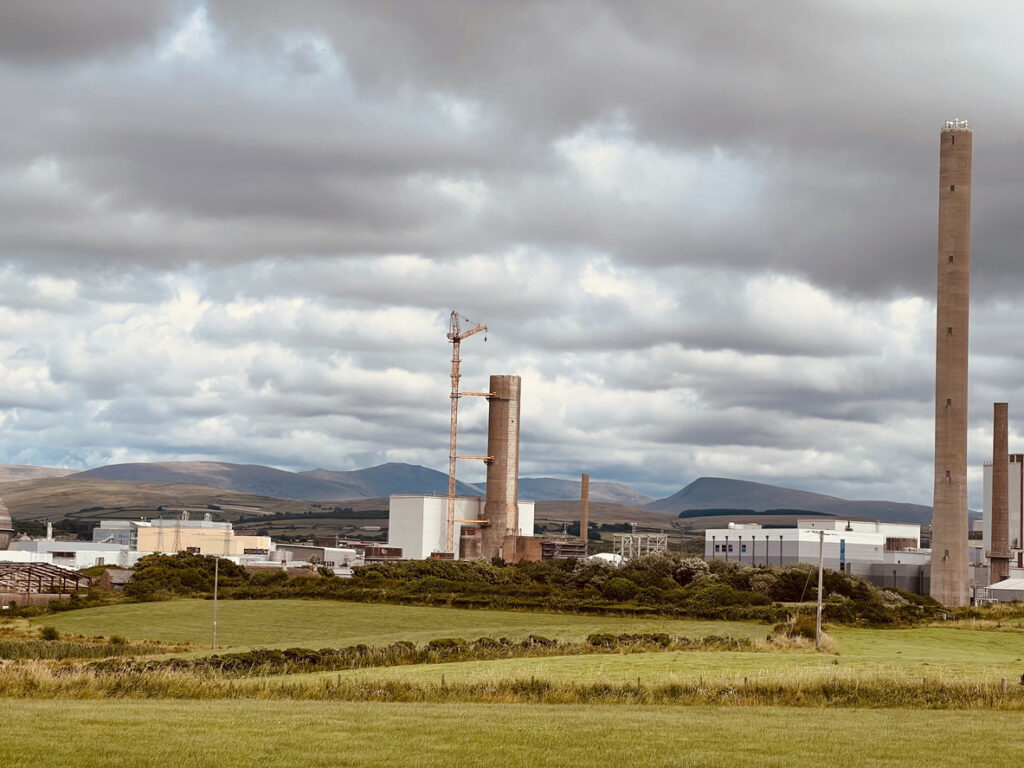
Sellafield is Britain’s most controversial nuclear site, handling radioactive waste and nuclear fuel reprocessing. There’s a strict exclusion zone around parts of the facility where the public absolutely cannot go. The site has had various incidents over the years, making security even tighter than it already was.
Access is forbidden because of radiation risks and security concerns around nuclear materials. Certain areas contain high levels of radioactive contamination from decades of nuclear operations. The government doesn’t want anyone wandering into zones where radiation exposure could be dangerous, and they definitely don’t want anyone getting near sensitive nuclear materials.
5. Boscombe Down in Wiltshire
This RAF base is where Britain tests its most advanced military aircraft and weapons systems. It’s where new jets, missiles, and classified technology get put through their paces before being approved for military use. The runway and testing facilities are completely off-limits, with the entire area heavily guarded.
You’re not allowed anywhere near it because they’re testing top-secret military technology that enemies would love to get a look at. The aircraft being tested here represent billions in investment and years of development. Public access would compromise national security and potentially put lives at risk from the dangerous testing activities happening daily.
6. The Crown Jewels vault at the Tower of London

Whilst you can see the Crown Jewels on display, you absolutely cannot access the actual vault where they’re stored when not on show. This underground chamber contains some of the most valuable items in existence, worth hundreds of millions of pounds. The security around the vault is intense, with measures that are themselves classified.
Access is forbidden because these irreplaceable historical treasures need maximum protection from theft or damage. The vault’s location and security systems are kept secret to prevent anyone planning a heist. Only a handful of people have clearance to enter, and even they need multiple levels of authorisation before the vault opens.
7. The Bank of England gold vaults
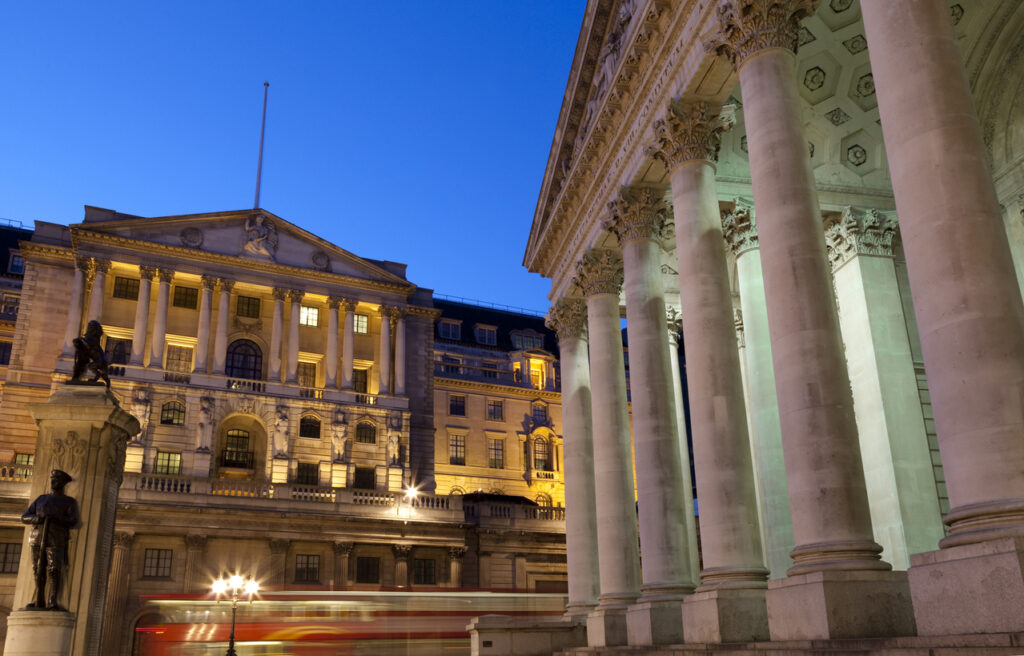
Deep beneath the Bank of England in London sit massive vaults containing gold reserves worth billions. These underground chambers hold gold bars belonging to Britain and dozens of other countries who store their reserves here. The vaults are among the most secure places on Earth, built into bedrock below the city.
You’re banned because this gold represents a significant chunk of Britain’s and other nations’ wealth. The security is so tight that even Bank of England employees can’t just wander down there. Access requires multiple authorisations, and the exact security measures are kept secret. It’s basically Fort Knox but British and underground.
8. The Churchill War Rooms secret annexe
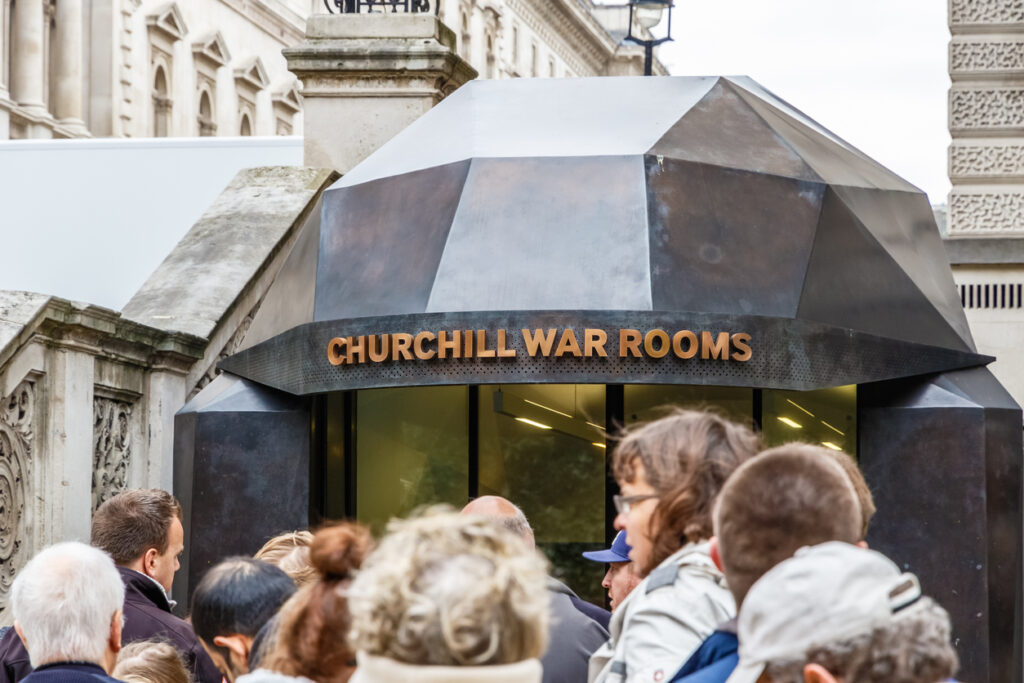
Everyone knows about the Churchill War Rooms museum in London, but there’s a secret section that’s still closed to the public. These additional underground rooms and tunnels were used for highly classified operations during the war. Parts of the complex remain restricted, even though the war ended decades ago.
Access to these areas is forbidden because they apparently still contain sensitive material or are structurally unsafe. Some reckon there’s classified information that the government doesn’t want revealed, even after all these years. Whatever the real reason, certain sections of this historic bunker remain firmly off-limits to visitors and probably will for years to come.
9. The Ministry of Defence’s secret tunnels under Whitehall
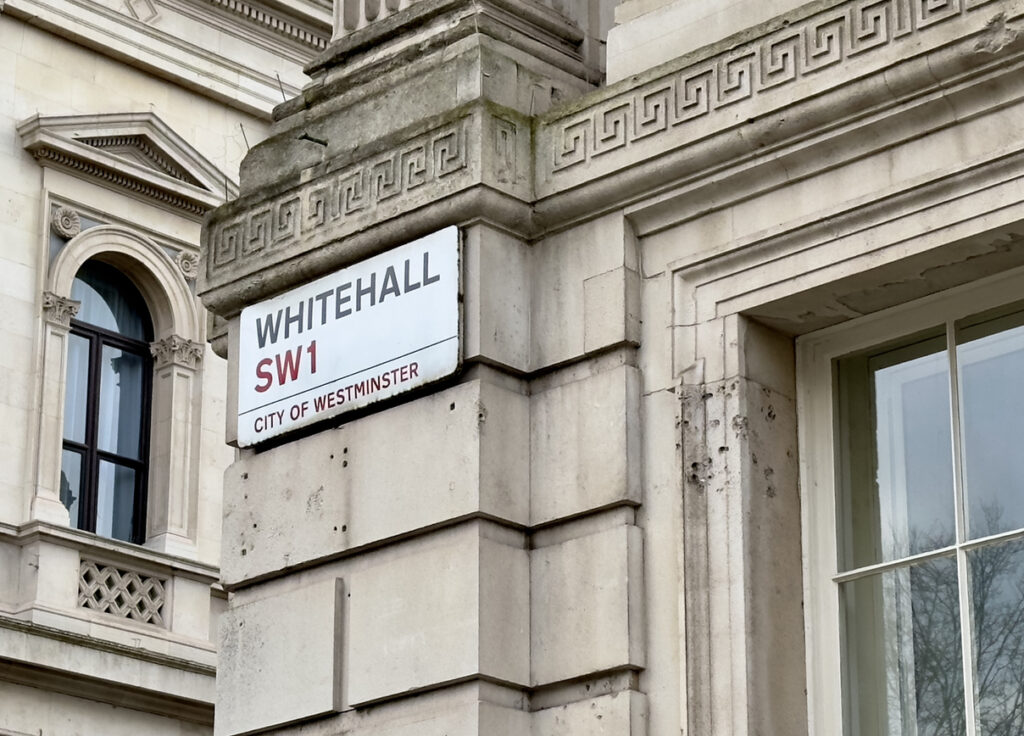
Beneath central London runs a massive network of secret tunnels connecting government buildings, created during World War Two and expanded during the Cold War. These passages let officials move around safely during attacks and connect to various bunkers and secure facilities. Most of this underground network remains classified and in active use.
You’re forbidden from accessing these tunnels because they’re still used for government and military purposes today. They contain communications equipment, secure meeting rooms, and emergency facilities for use during national crises. The exact layout and features are state secrets, and public access would compromise security for the country’s leadership during emergencies. They’re Britain’s ultimate backup plan, and they’re staying secret.