Most people assume they can spot danger in the wild, but a lot of animals look harmless or even gentle until you learn what they’re actually capable of.
Some are tiny, some look cute, and some seem slow or uninterested in people, yet the risks are very real. Nature doesn’t always warn you with sharp teeth and scary growls, and the animals people ignore tend to be the ones that cause the most trouble. This list isn’t about fear, it’s simply understanding what you’re looking at, especially if you spend time outdoors. A bit of awareness goes a long way when it comes to keeping yourself safe around wildlife.
1. Hippos hide their aggression behind a calm look.
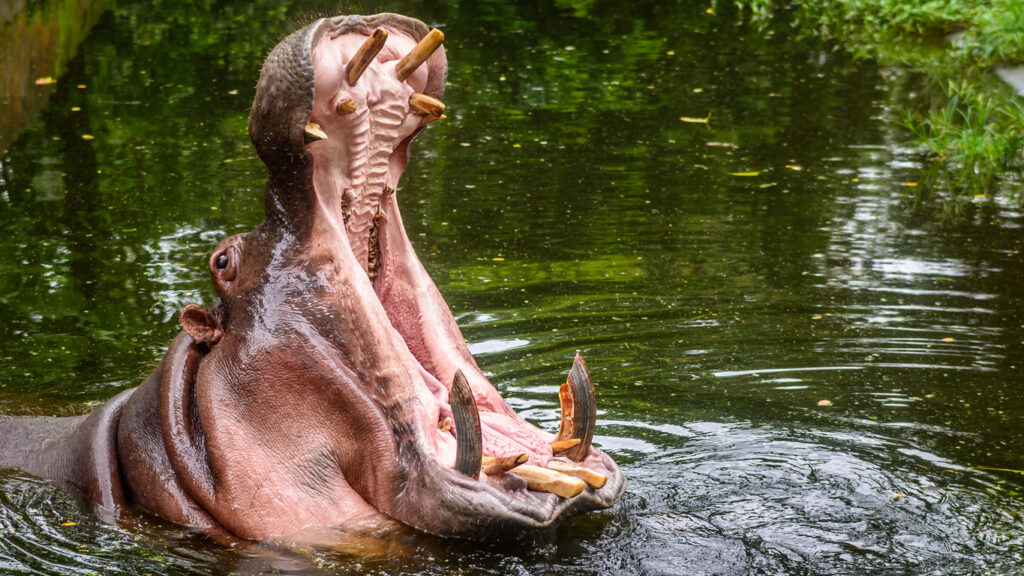
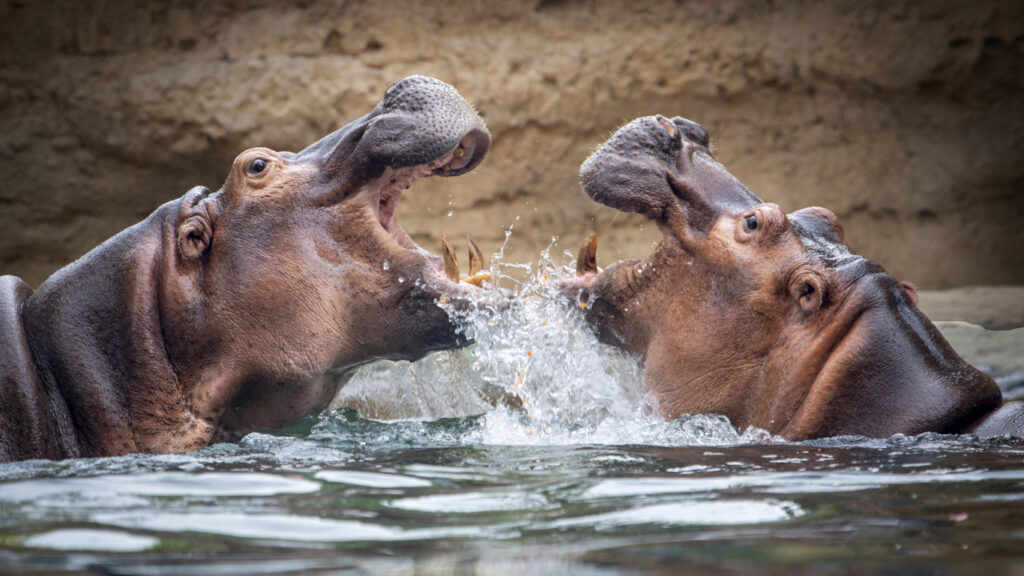
Hippos look peaceful when they’re floating in rivers, which makes people think they’re gentle giants. They’re actually one of the most dangerous animals in Africa because they attack without warning. They can run faster than most humans, and their jaws are strong enough to crush boats or injure anyone who gets too close. Most people underestimate them because they seem slow and sleepy, but they’re extremely territorial. Keeping plenty of distance is the only safe way to be around them because even small movements can trigger a charge.
2. Moose switch from calm to aggressive in a second.
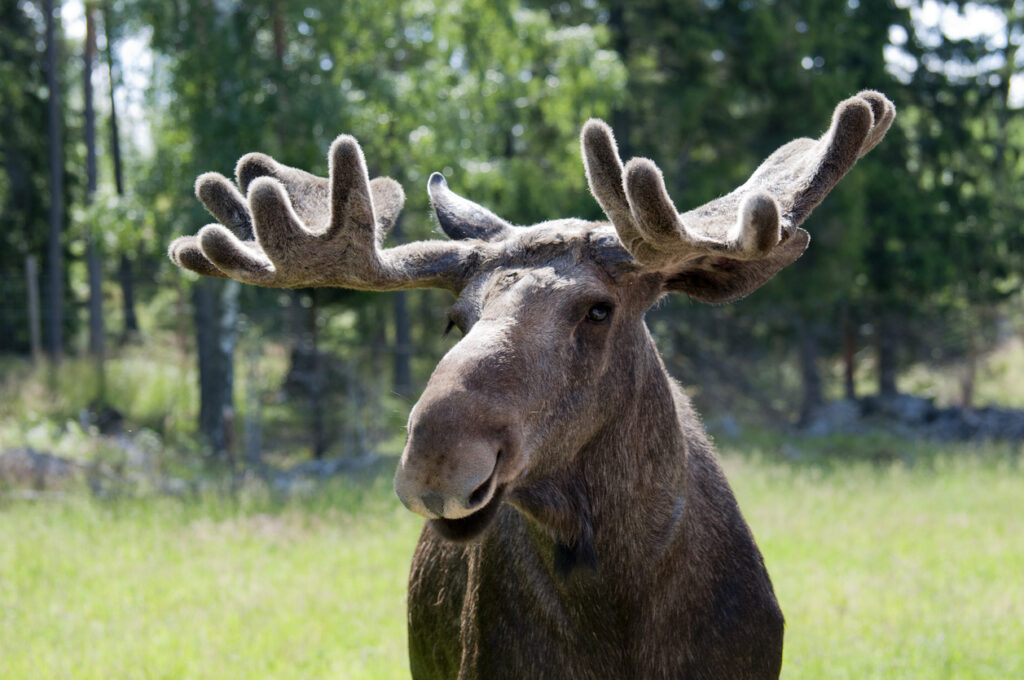
Moose look like harmless, clumsy animals, but their size and strength make them far more dangerous than many predators. They can become aggressive quickly, especially when protecting calves or during mating season. When they feel threatened, they charge with incredible force. People get too close for photos and don’t expect moose to react so fast. Staying far back is important because once a moose decides to charge, you can’t outrun it or block it.
3. Cassowaries can injure with a single kick.
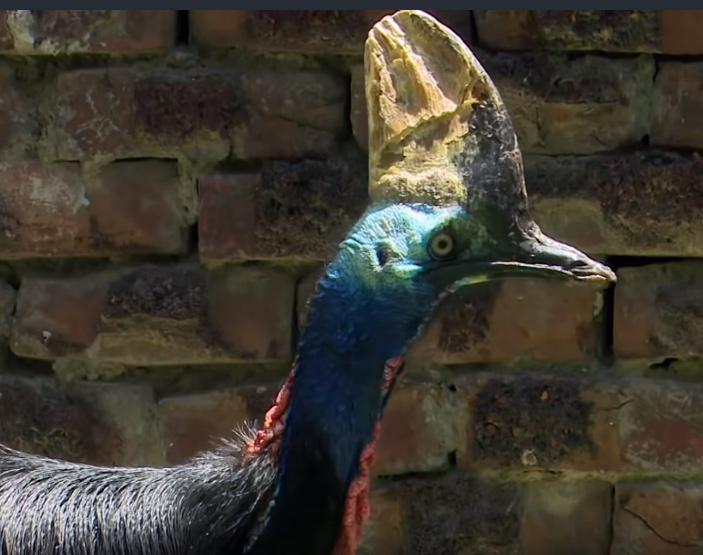
Cassowaries look like colourful birds from a nature documentary, but they’re armed with sharp claws and powerful legs. When they feel cornered, they can kick with enough force to cause serious injuries. Many attacks happen when people try to feed them or get too close. They’re best admired from a distance. Even approaches that seem harmless, like offering food, can make them bold and unpredictable around humans.
4. Cone snails hide deadly venom inside a pretty shell.
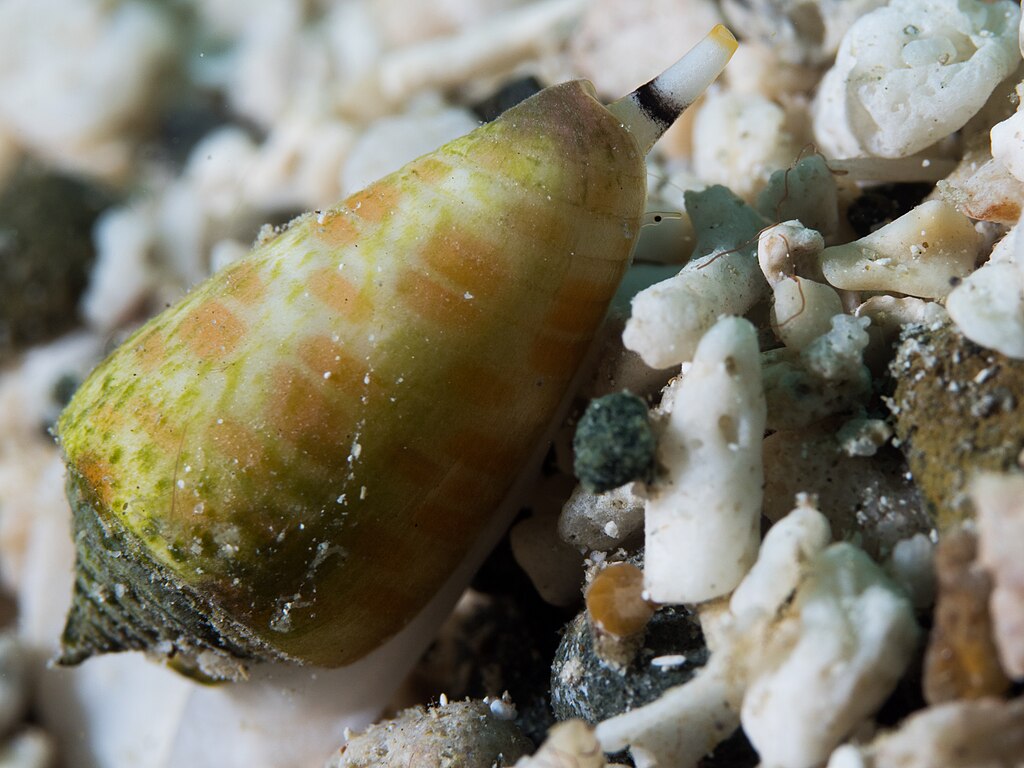
Many people pick up cone shells without realising some species carry venom strong enough to stop breathing. These snails look harmless because they’re small and slow. Their sting, delivered through a tiny harpoon like tooth, can be life-threatening. The danger comes from not being able to tell the harmless species from the toxic ones. It’s safer to admire shells without touching anything that’s alive, especially in tropical waters.
5. Kangaroos defend themselves with powerful legs and claws.

Kangaroos seem friendly because people see them in cartoons or tourist photos, but wild kangaroos can be aggressive. They kick with strong back legs that can break bones. They can also use their claws to grab or scratch during a fight. People often approach males thinking they’re tame, but males are territorial and can react quickly when challenged. Keeping distance stops harmless encounters from turning dangerous.
6. Bison look slow but charge with incredible speed.
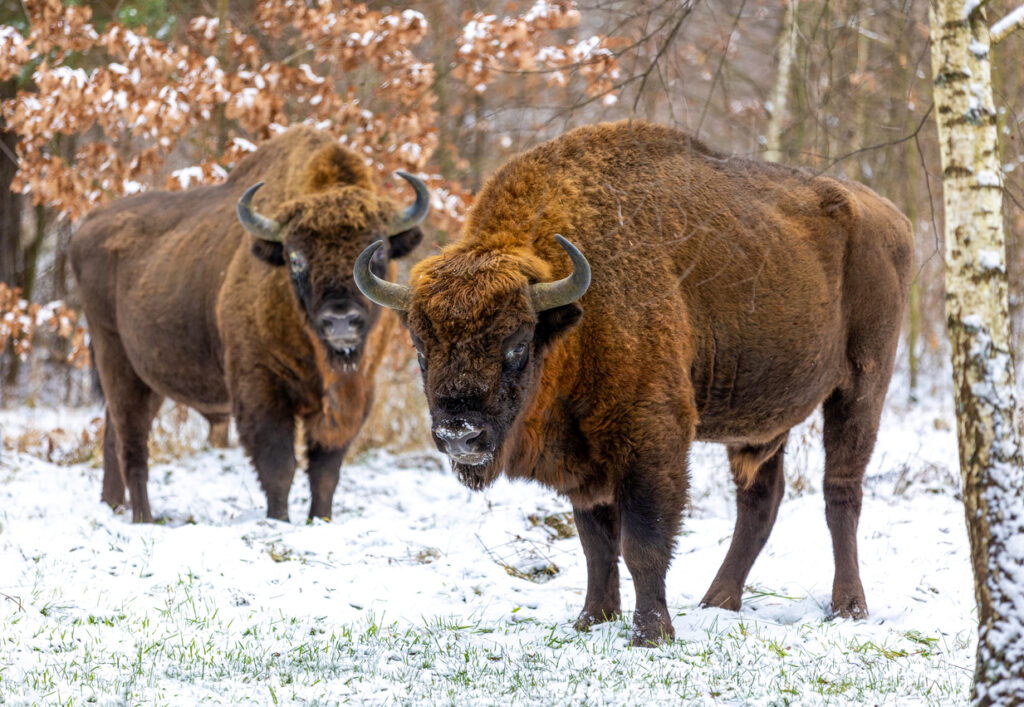
Bison appear calm and peaceful because they spend so much time grazing. In reality, they’re incredibly fast and can charge in an instant. They toss people into the air using their horns, and most injuries happen when tourists try to get close for a photo. They don’t show clear signs before charging, which makes them unpredictable. Staying well back is the safest choice because they don’t give warning before they move.
7. Leopard seals view humans as potential prey in the water.
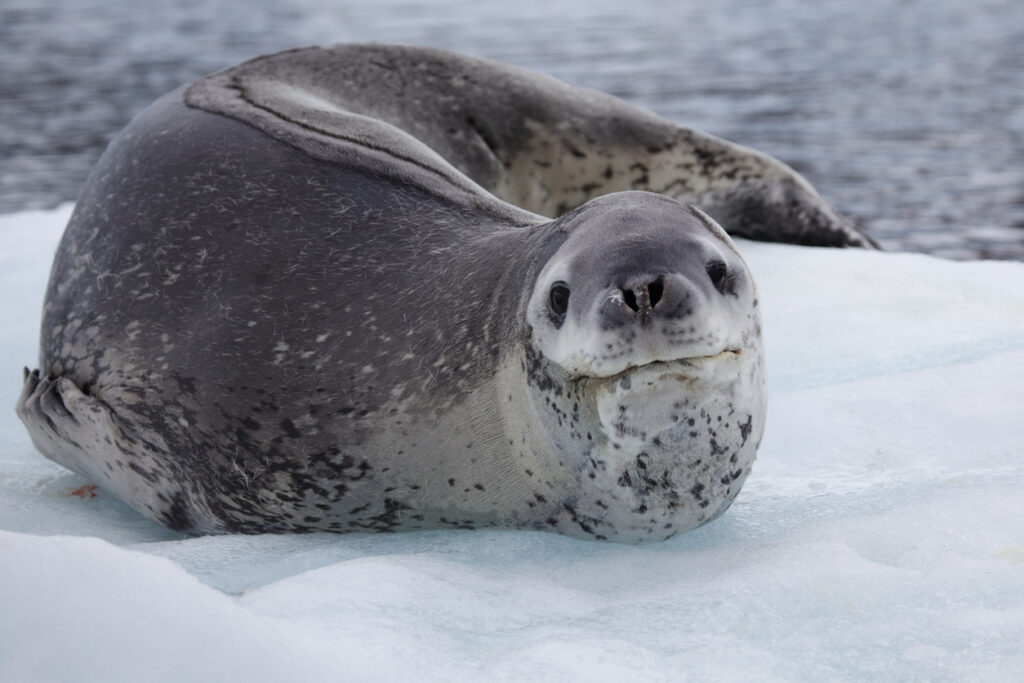
Leopard seals look playful from a distance, but they’re strong predators with sharp teeth and powerful jaws. In cold water, they move quickly and can drag people or objects down. They’ve been known to grab divers or mistake swimmers for prey. Boaters and divers should always keep a respectful distance. Leopard seals aren’t aggressive by nature, but their hunting instincts can kick in fast, especially in deep or murky water.
8. Elephants become dangerous when they feel stressed.
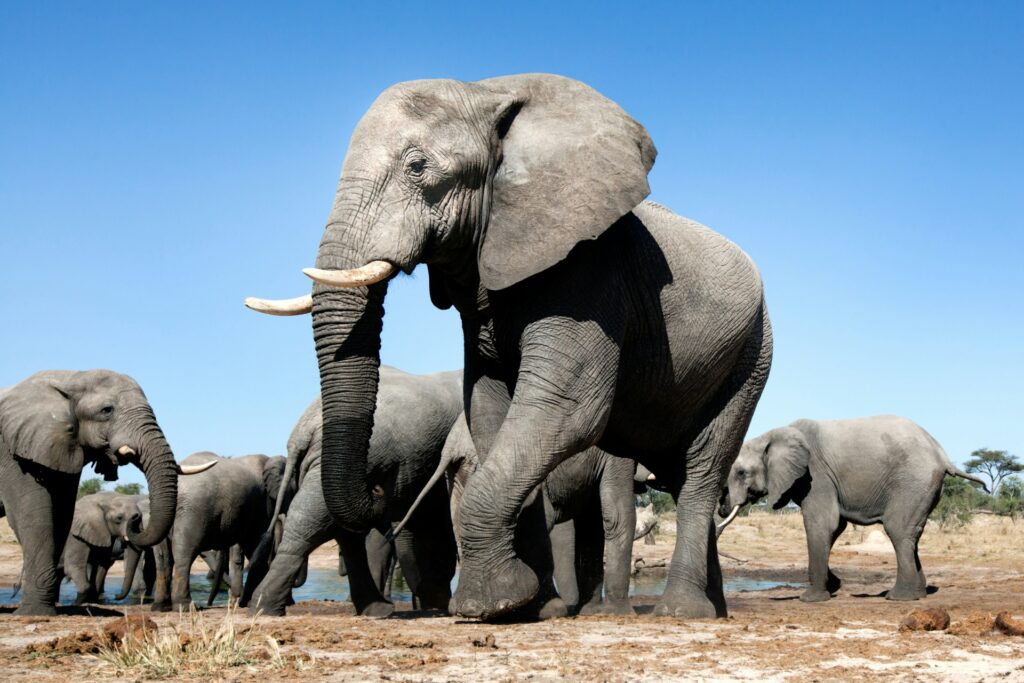
Elephants are often seen as gentle giants, but they can be very unpredictable when frightened or irritated. They’re incredibly strong and can charge at high speed, knocking over cars or people. Many dangerous encounters happen when tourists get too close for a better view. They need space to feel safe, and crowding them increases tension. Giving them room prevents them from feeling trapped or threatened enough to charge.
9. Wolverines fight with surprising strength.
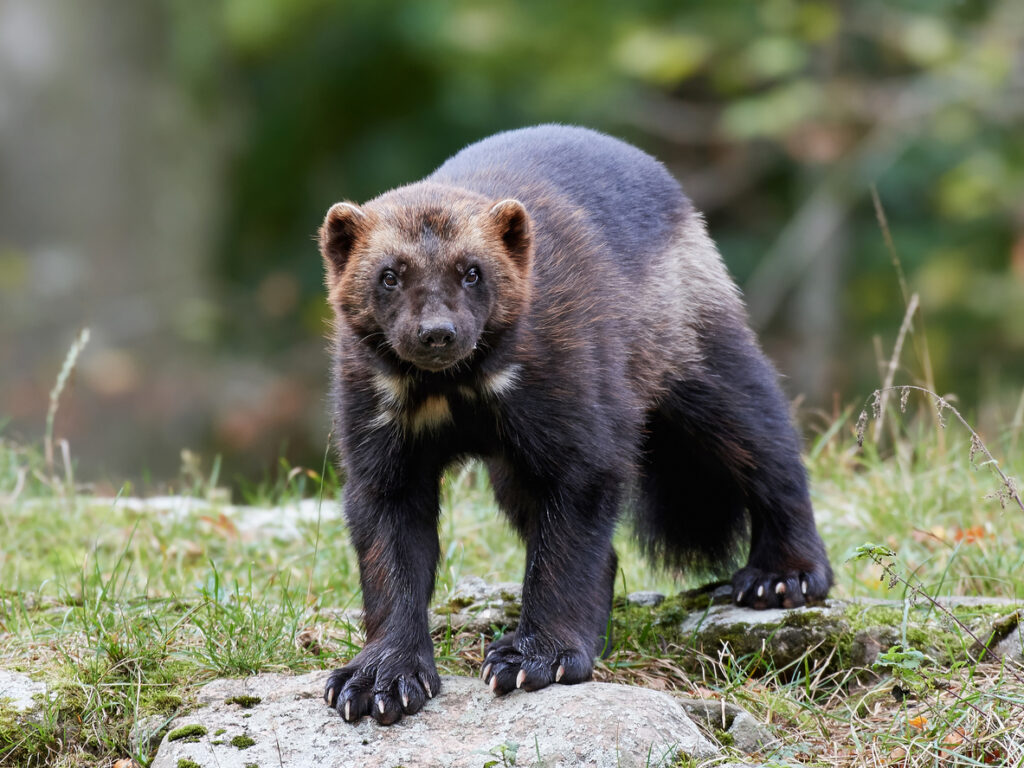
Wolverines look small compared to big predators, but they’re extremely tough and aggressive when they feel threatened. They defend their territory fiercely, and their jaws and claws can cause serious injuries. They don’t run away from fights, even against larger animals. People sometimes mistake their small size for weakness, but wolverines are fearless. Avoiding them is the best way to stay safe because they won’t back down once they feel challenged.
10. Swans defend their nests with powerful wings.
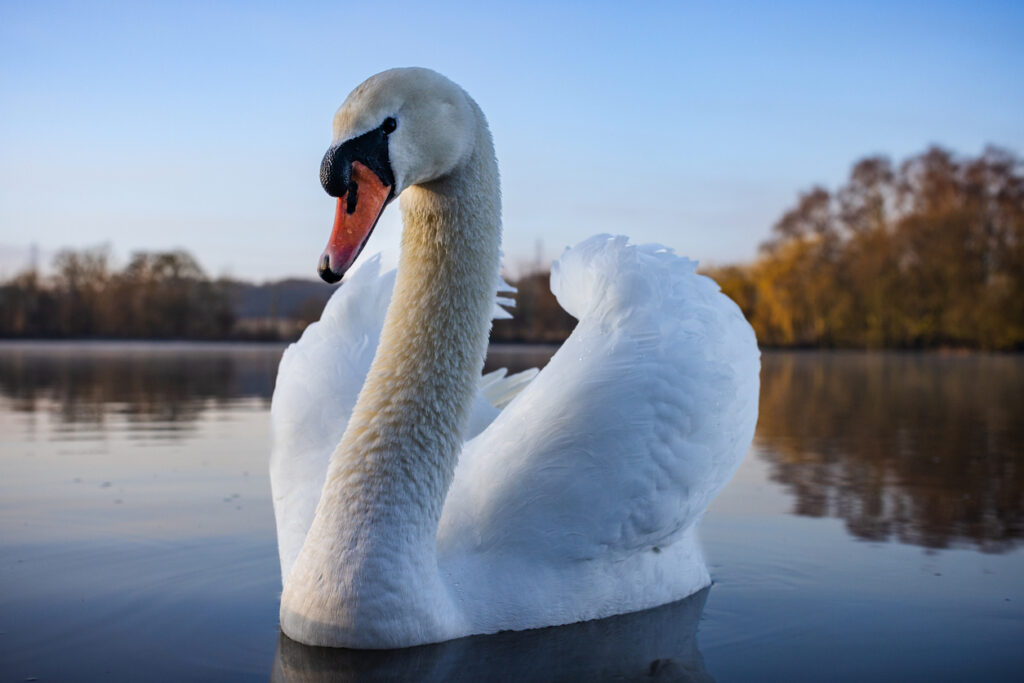
Swans look elegant and peaceful on the water, but they become aggressive when protecting their young. They strike with their wings, which are surprisingly strong, and can knock people off balance near lakes or rivers. Many attacks happen when someone walks too close without noticing a nest. Giving swans space prevents both injuries and stress for the birds. Once they feel their young are safe, they calm down and pose no danger.