Most people react to spiders like they’ve just discovered a crime scene in their own house.
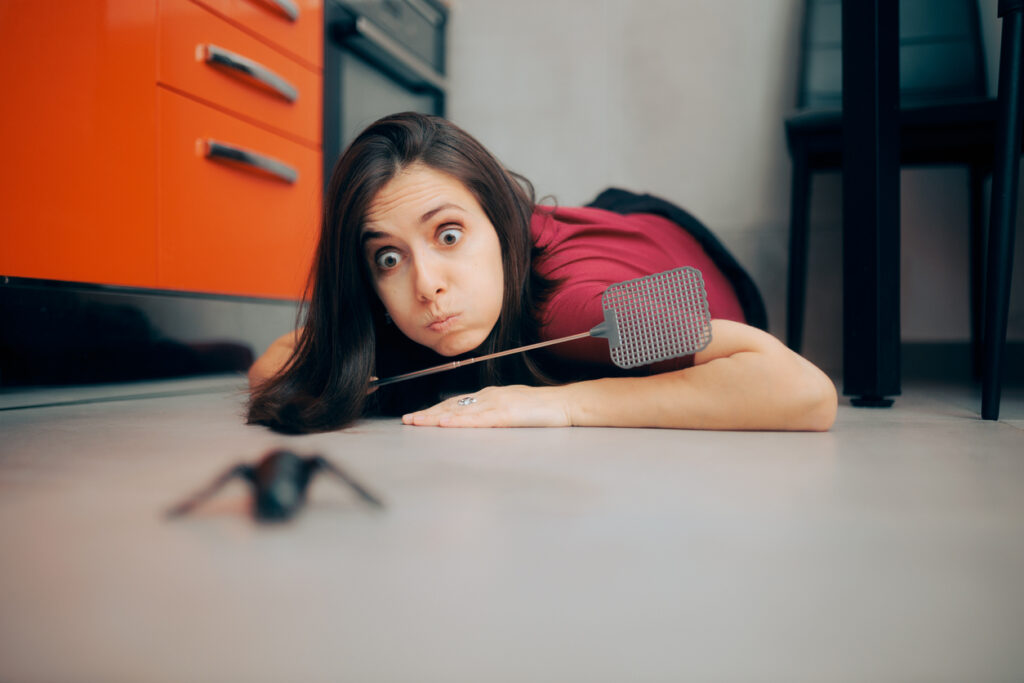
There’s a quick scream, shoe in hand, and a strong urge to evict anything with eight legs. However, once you get past the initial jump-scare, spiders aren’t actually the villains we make them out to be. In fact, they do far more for you than you realise, quietly keeping your home and garden in better shape than you ever give them credit for.
Once you realise what they’re actually up to, they become a lot less scary and a lot more useful. They handle jobs you’d never want to do yourself and keep pests in check without asking for anything in return. So before you reach for the nearest glass or rolled-up newspaper, here’s what spiders are really doing for you behind the scenes.
They keep your home free from annoying insects.
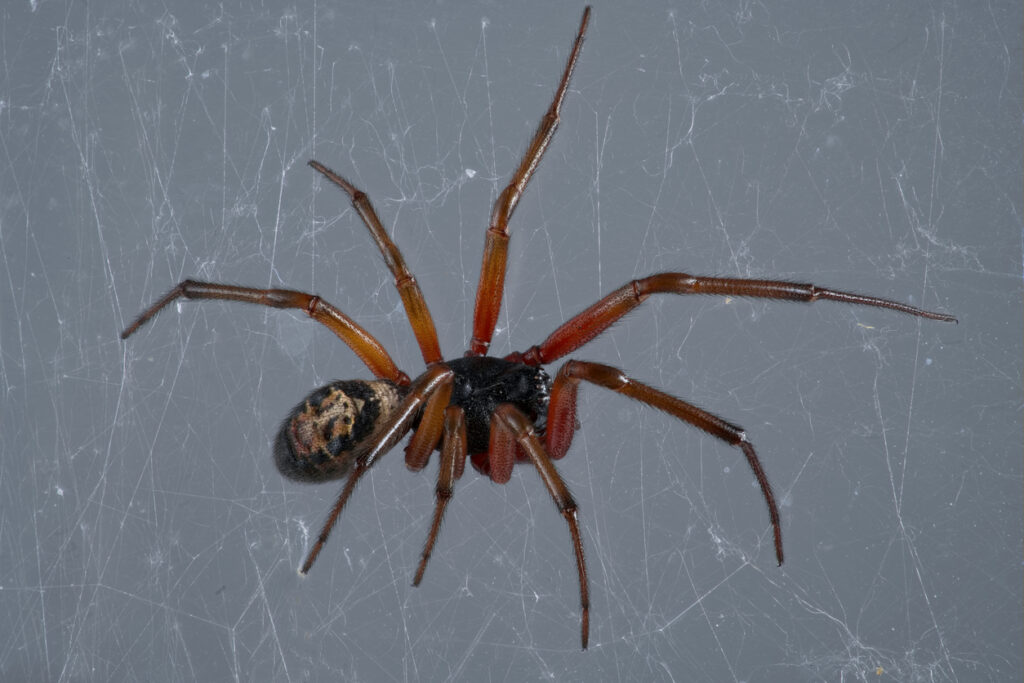
Spiders eat flies, moths, midges, and other tiny pests that would otherwise buzz around your rooms. They work quietly in corners, catching insects before you even notice them. It’s free pest control you never have to ask for. Having a few spiders around often means fewer unwanted bugs. They save you from having to chase flies with tea towels all summer.
They help reduce the number of mosquitoes.
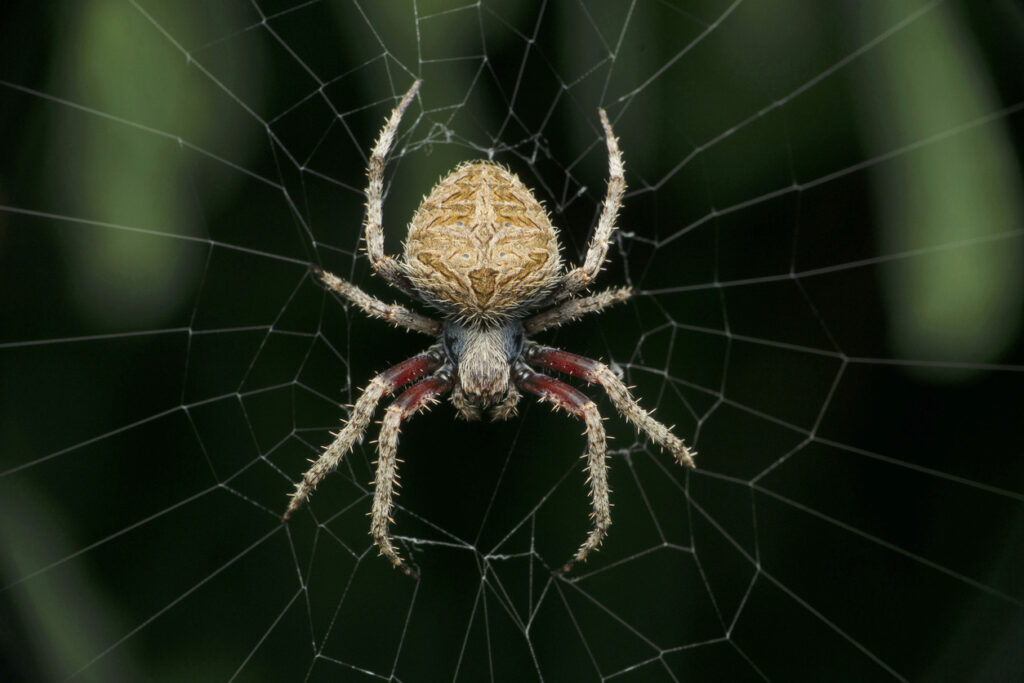
Mosquitoes are becoming more common in the UK as the weather warms, and spiders help by catching them in their webs. This keeps your home more comfortable and stops itchy bites before they happen. It’s a simple trade-off, really. You let the spider stay, and it keeps the mosquitoes out of your way.
They stop your plants from being eaten.
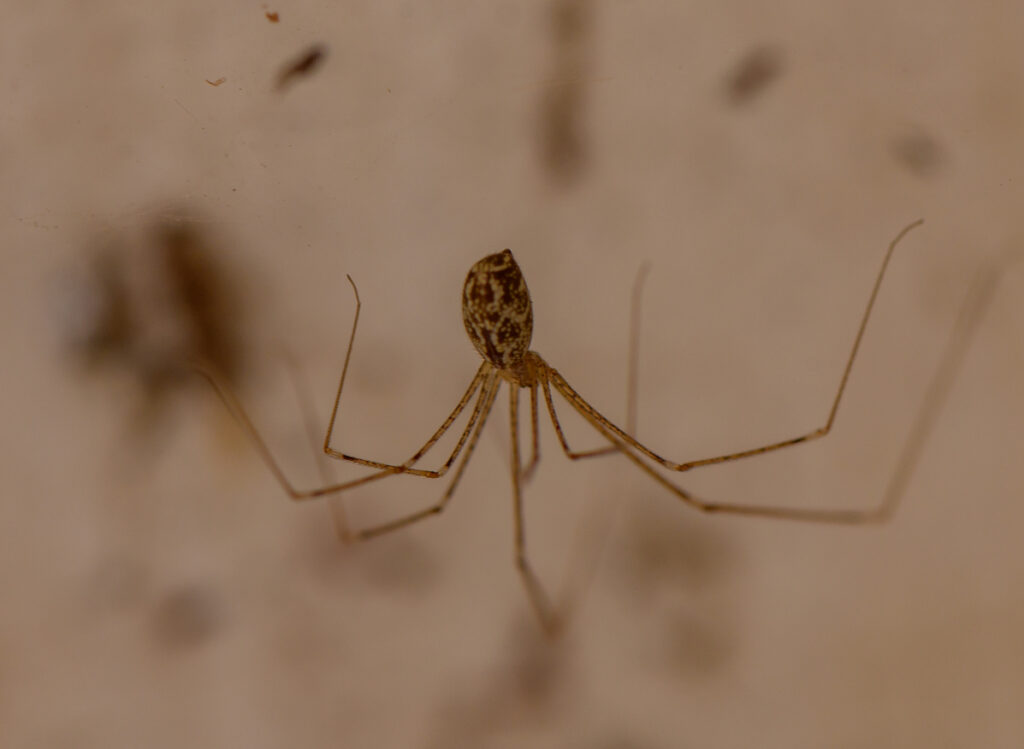
Garden spiders are brilliant helpers because they catch insects that damage plants. They eat pests like greenfly and small caterpillars that chew through leaves. This means stronger, healthier plants without extra effort from you. Instead of buying sprays, you can rely on spiders to keep your garden balanced the natural way.
They protect food stored in sheds and garages.
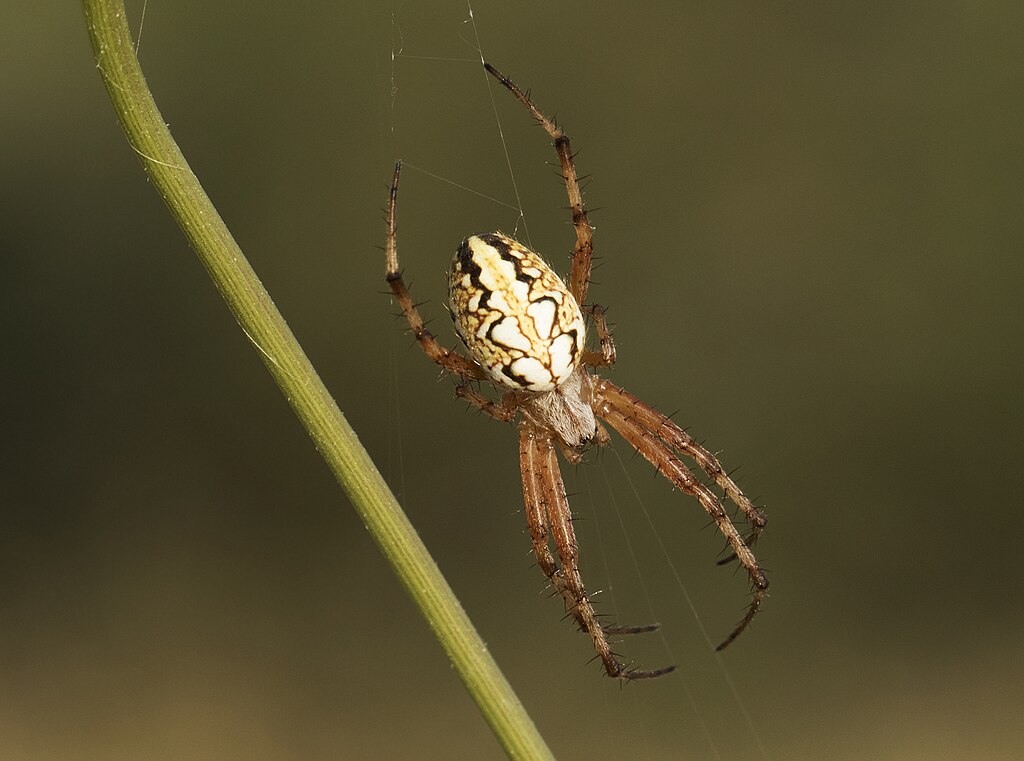
Spiders often live in storage areas because there are plenty of insects to catch. They help stop pests from getting into bags, boxes, and garden supplies. This reduces the chance of small infestations you might not see at first. A single web in the corner of a shed can protect food, seeds, and equipment from unwanted visitors.
They help control clothes moths.
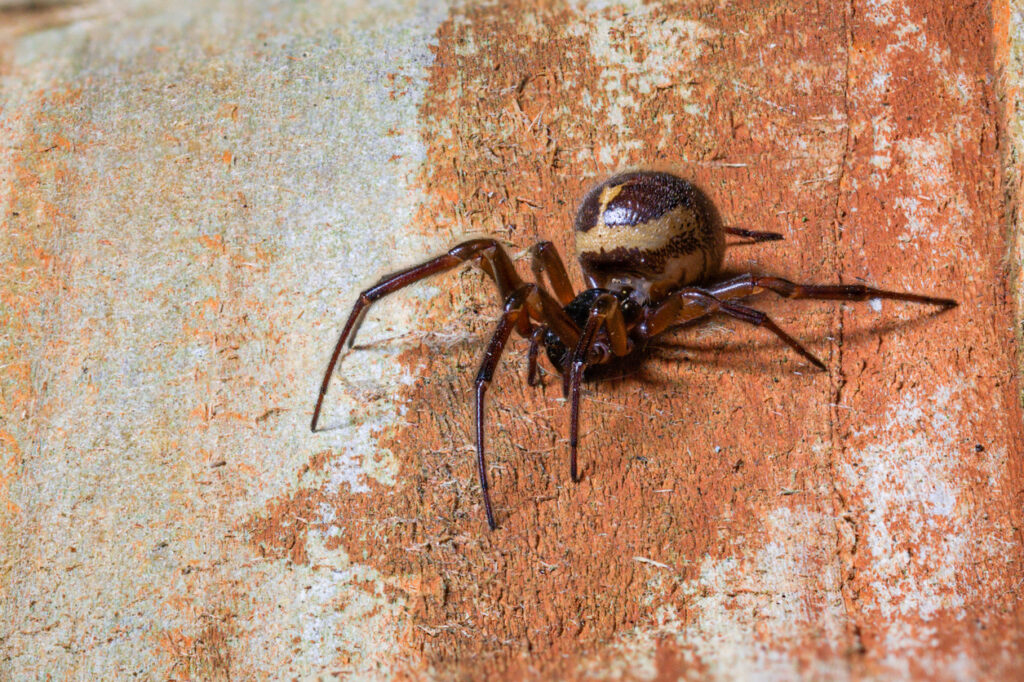
Clothes moths love wardrobe corners, attic spaces and warm rooms. Spiders target the adults and the tiny flying stages, reducing the number of larvae that eat fabrics. They help protect jumpers, blankets, and carpets without you lifting a finger. If you’ve ever found a hole in a favourite jumper, you know how useful a spider can be.
They make messy insects disappear without chemicals.
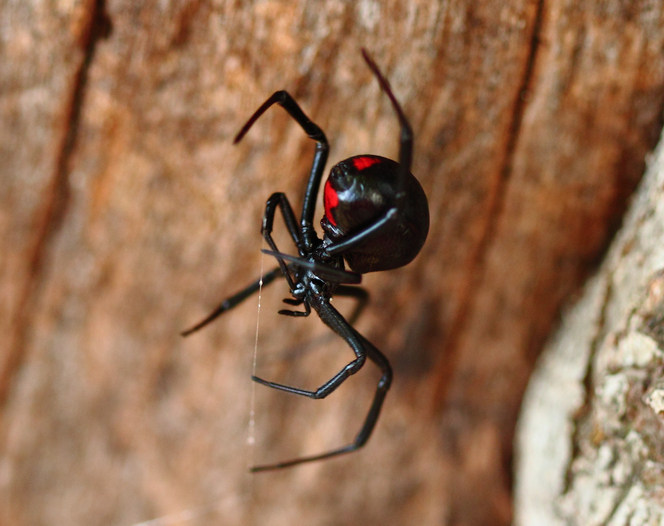
Instead of reaching for insect spray, a spider can quietly solve the problem for you. It catches flies you miss and insects you never see, which inevitably means fewer chemicals in your home and less cleaning. It’s a natural system that works year round and requires nothing from you except a bit of patience.
They help control insect numbers in the wider environment.
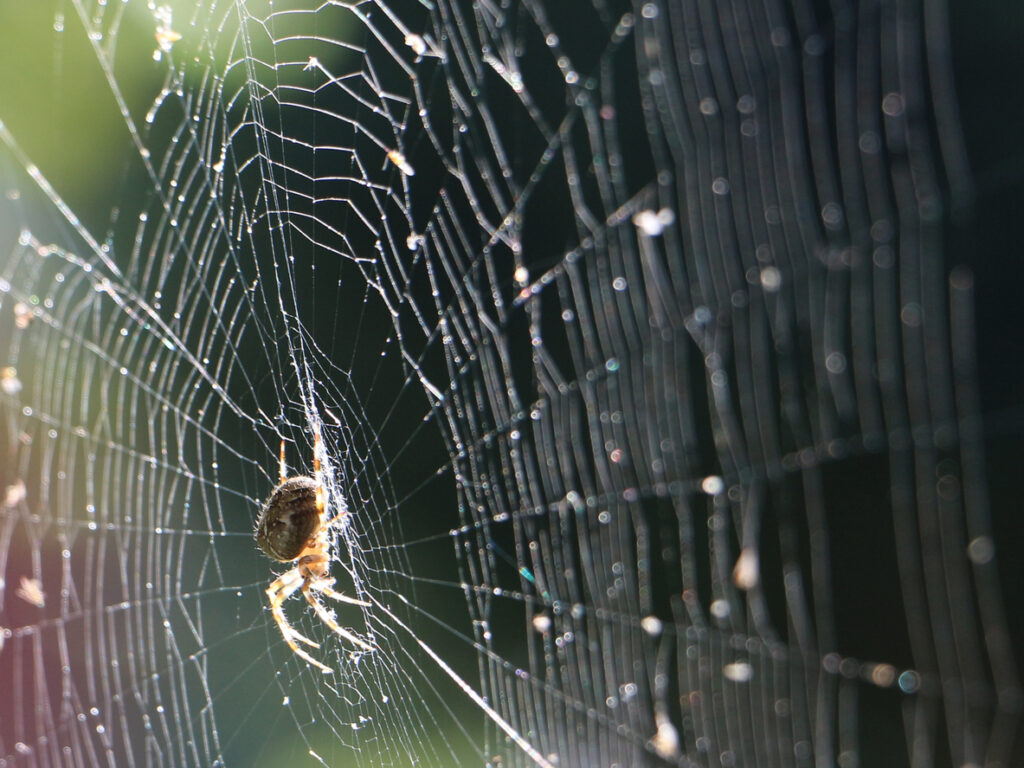
Spiders play a big role in keeping ecosystems balanced. They stop certain insects from becoming too common, which helps protect plants, gardens and other wildlife. Without spiders, insect numbers would explode. This balance supports birds, frogs and many other creatures that rely on stable food chains.
They help pollinators indirectly.

By eating pests that attack flowers and young plants, spiders help create safer spaces for bees and butterflies. Healthy plants mean healthier pollinators. Spiders and bees might seem unrelated, but they actually support each other in small ways. It makes your garden a better place for wildlife overall.
They stop food crumbs from attracting other bugs.
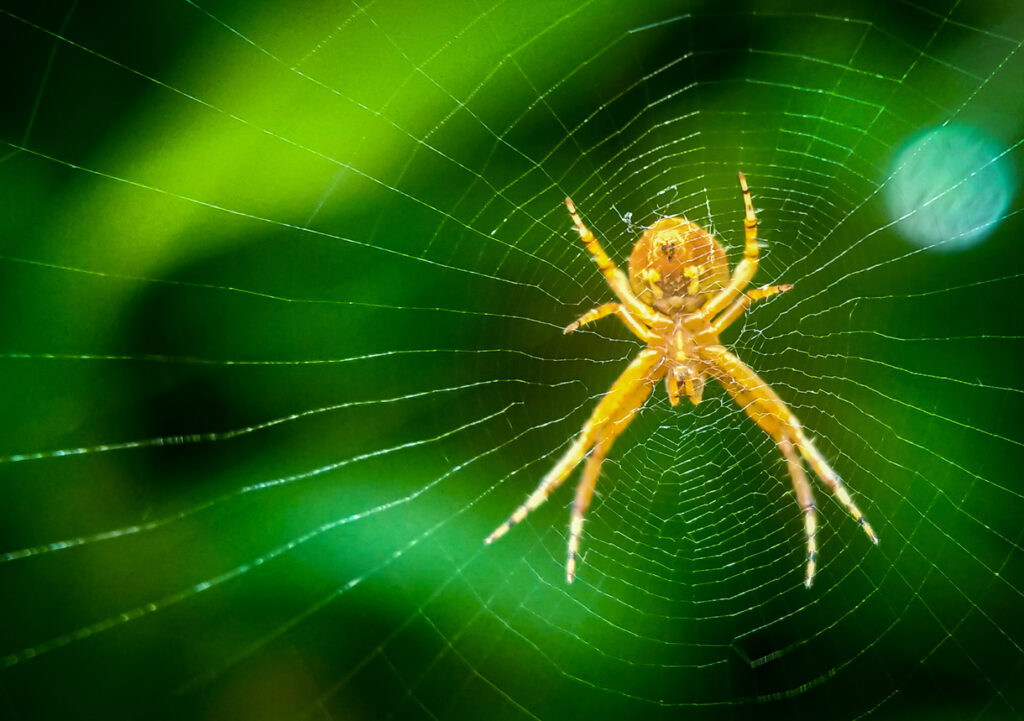
Flies and small insects are drawn to crumbs or leftovers, but spiders catch them before they settle in. This keeps your kitchen fresher and discourages bugs from becoming regular visitors. You get a cleaner home without extra effort, which makes a spider in the corner a fair trade.
They help you avoid wasps indoors.
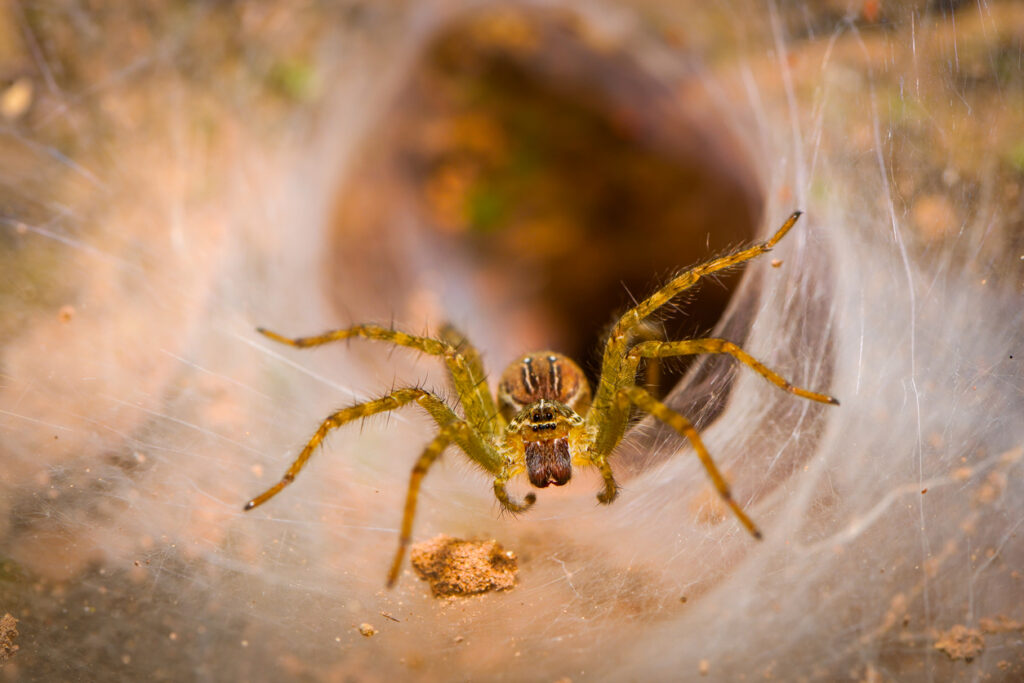
House spiders often catch small wasps that sneak in through windows. They trap them before they find somewhere to hide or build a tiny nest. This can save you a lot of panic later, which is surprising, but spiders catch far more wasps than most people realise.
They’re a sign your home is environmentally healthy.
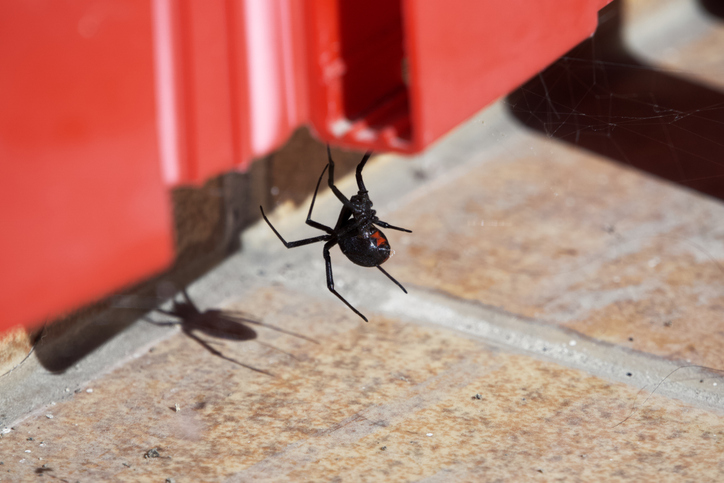
If spiders live comfortably in your home, it usually means the environment is balanced and free from harsh chemicals. Spiders avoid places that feel dangerous or unstable. Their presence can be a quiet sign that your home offers safe conditions for wildlife. A home with no spiders at all is actually less common and may mean the environment is a bit too dry, too clean or too disturbed.
They reduce the chance of infestations without you noticing.
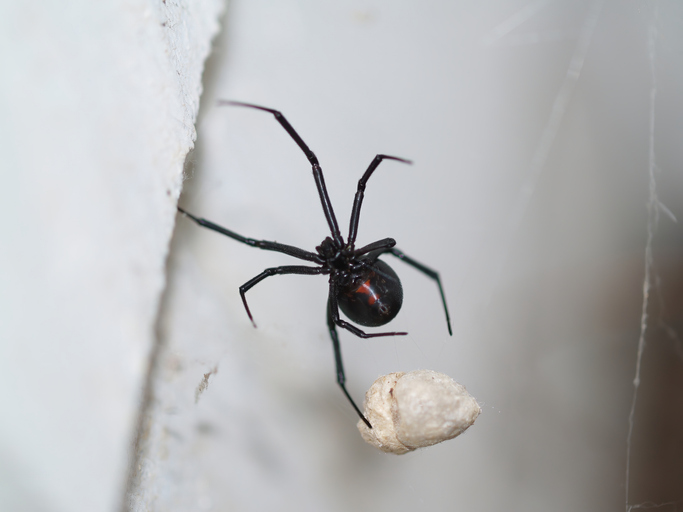
Spiders catch insects before their numbers grow. This stops infestations from ever forming. You might never know how many problems they have prevented because they deal with them long before you see a single bug. They act as an invisible barrier, keeping your space protected day and night.
They save you time and effort.
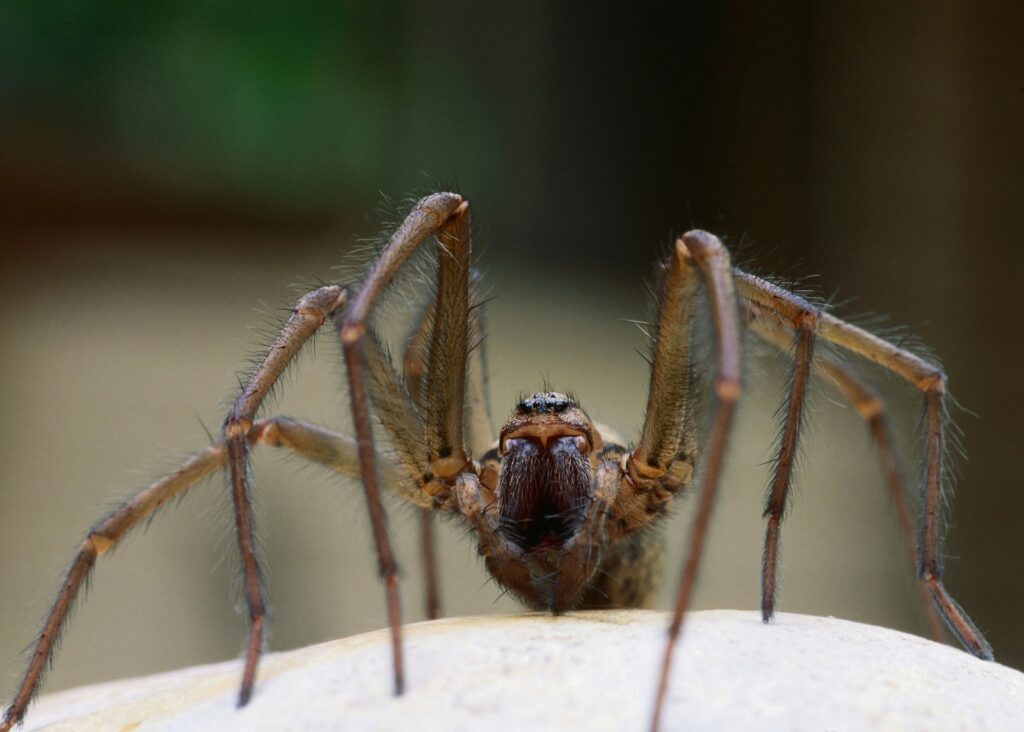
Spiders work quietly every day without cost, training, or maintenance. You don’t have to set traps, clean devices or check baits. They simply do their job while you get on with life. Basically, it’s one of the easiest forms of natural pest control you could ask for.
They’re far less dangerous than people think.
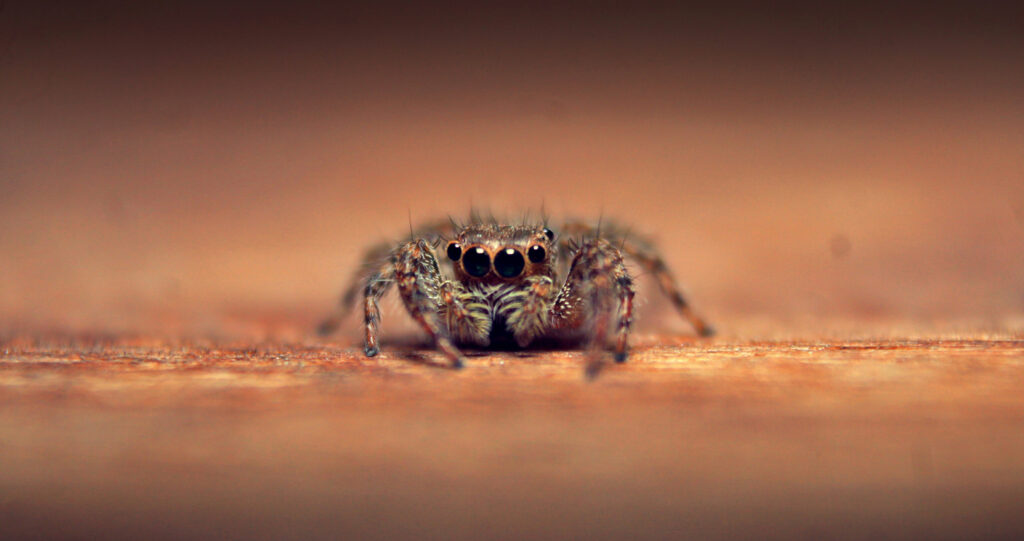
Most British spiders can’t actually hurt you. They prefer to hide than attack, and they avoid humans whenever possible. Their reputation is far scarier than their reality. Once you realise (and accept!) that they’re harmless helpers, it becomes easier to let them share your space peacefully.