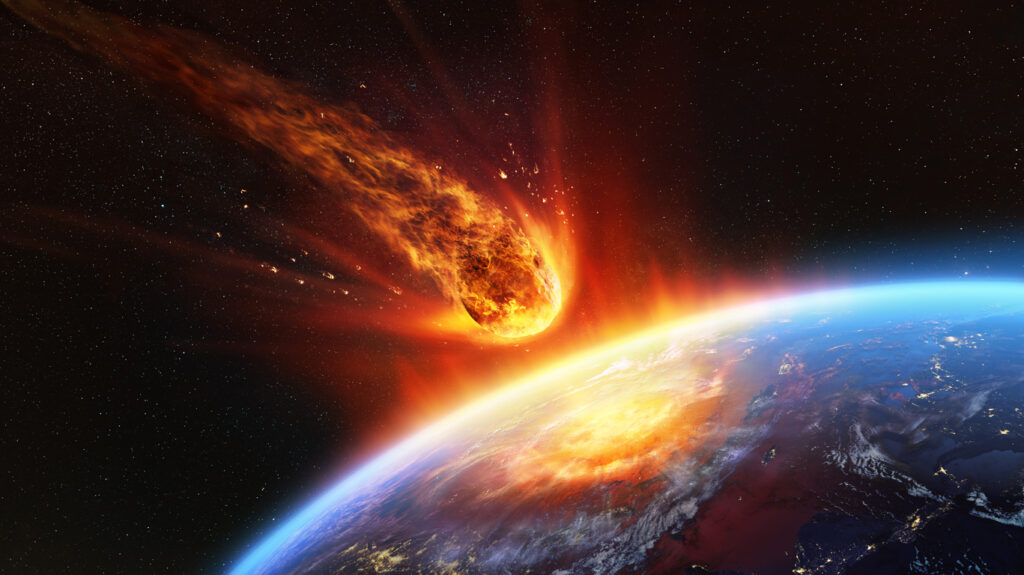
Back in 1967, a group of MIT students were handed a wild assignment: come up with a plan to stop a massive asteroid from wiping out the planet. They took it seriously, worked through the maths, the tech, and the logistics, and ended up producing something far more detailed than anyone expected. What started as a student exercise turned into a fully-fledged mission idea that people still talk about today.
They called it Project Icarus, and the scale of it was huge for a university project. The students dug into how you’d find the asteroid, how you’d reach it, and how you’d actually deal with it once you got there. It was bold, clever and oddly realistic for something created in a classroom, which is exactly why it ended up making such a mark.
It started as a university design project, not a government scheme.
Most people assume that plans to save Earth from asteroids come from NASA scientists or government agencies with massive budgets and decades of experience. They imagine serious professionals in labs working on these life-or-death scenarios with all the resources money can buy.
Project Icarus was actually dreamed up by engineering students at MIT in 1967 as part of a space systems design course. These weren’t seasoned experts, but young people still learning their trade who were given a hypothetical disaster scenario and told to figure it out. The fact that students came up with genuinely viable solutions shows how brilliant fresh thinking can be.
The asteroid threat was properly massive and terrifyingly close.
When people think about asteroid threats, they often imagine small rocks that might cause local damage but nothing truly catastrophic. They picture something manageable that scientists could handle without too much drama or worldwide panic.
The hypothetical asteroid for Project Icarus was absolutely enormous, about 1.6 kilometres across and on course to smash into Earth in just six months. This wasn’t a little space pebble, but a civilisation-ending chunk of rock that would cause global devastation. The students had to figure out how to stop something genuinely apocalyptic with very little time.
3. They decided nuclear bombs were the answer.
Most people’s first instinct with asteroids is probably to blow them up spectacularly like in films, imagining one perfect explosion that vaporises the threat completely. They think destroying the asteroid into tiny, harmless pieces would solve everything neatly.
The students worked out that you wouldn’t actually blow the asteroid to smithereens but use nuclear explosions to gently push it off course instead. The plan involved detonating six bombs near the asteroid’s surface over several weeks, each explosion nudging it slightly until its path missed Earth entirely. It’s less dramatic than Hollywood, but actually scientifically sound.
They had to invent spacecraft that didn’t exist yet.
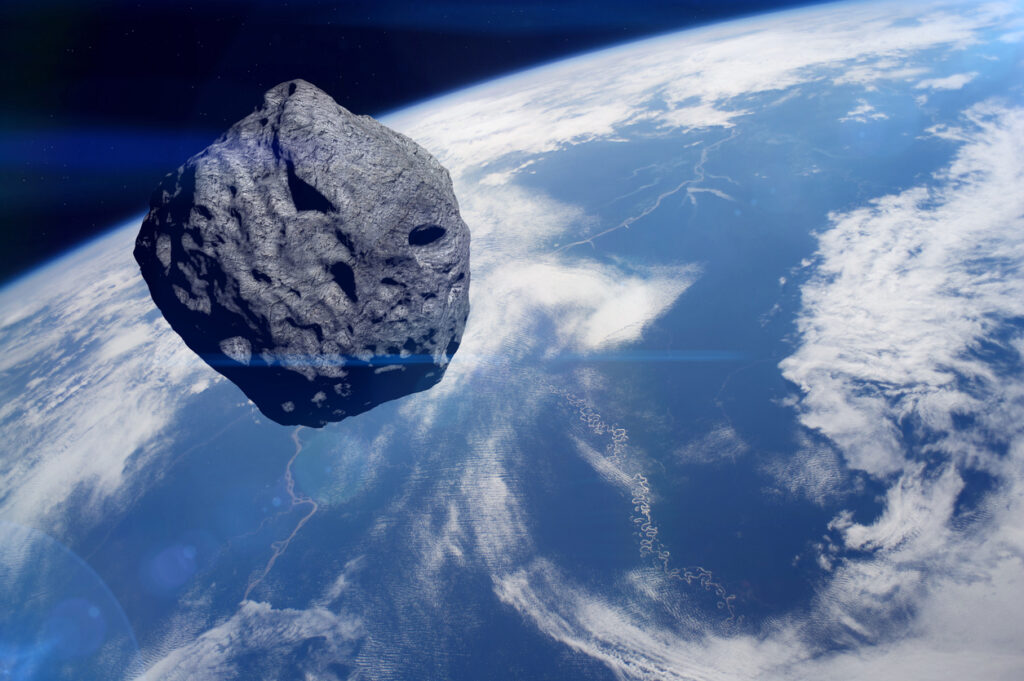
When given a project like this, most people would probably assume you’d use existing rockets and technology that’s already available and tested. They’d work within the limits of what’s currently sitting in warehouses ready to launch.
The students designed completely new spacecraft specifically for the mission because nothing existing would do the job properly. They created detailed plans for vessels that could carry nuclear weapons into deep space, rendezvous with a speeding asteroid, and execute precision detonations. They basically invented an entire space program from scratch on paper.
The timing was absolutely crucial and terrifyingly tight.
People often don’t realise how much lead time you need for space missions, imagining you could just launch rockets quickly like sending a package. They assume that once you know there’s a problem, you can react pretty much immediately.
The students had only six months from detection to impact, which is almost no time at all in space mission terms. Every single day mattered because the earlier you deflect an asteroid, the less force you need. Waiting even a few weeks would make the mission exponentially harder or potentially impossible, creating genuine time pressure.
They worked out that you’d need multiple launches.
The instinct with asteroid deflection is probably to think one big mission would do it, launching everything at once in a single heroic effort. People imagine one spacecraft blasting off with everything needed to save the world.
The plan required launching six separate spacecraft over several weeks, each carrying nuclear devices that would detonate at carefully calculated times and positions. This wasn’t about redundancy, but about applying force gradually rather than all at once. Missing even one launch would seriously compromise the mission’s chances of success.
The maths behind it was properly complicated.
When people hear about deflecting asteroids, they probably imagine it’s fairly straightforward physics, like working out angles and speeds you’d learn in school. They assume the calculations are complex but not impossibly difficult.
The students had to account for the asteroid’s rotation, its exact composition affecting how explosions would move it, gravitational effects from other bodies, and precisely timing multiple explosions to work together rather than cancelling each other out. One wrong calculation and the asteroid might end up on an even worse trajectory, or the mission might waste precious nuclear devices.
They had to consider what the asteroid was actually made of.
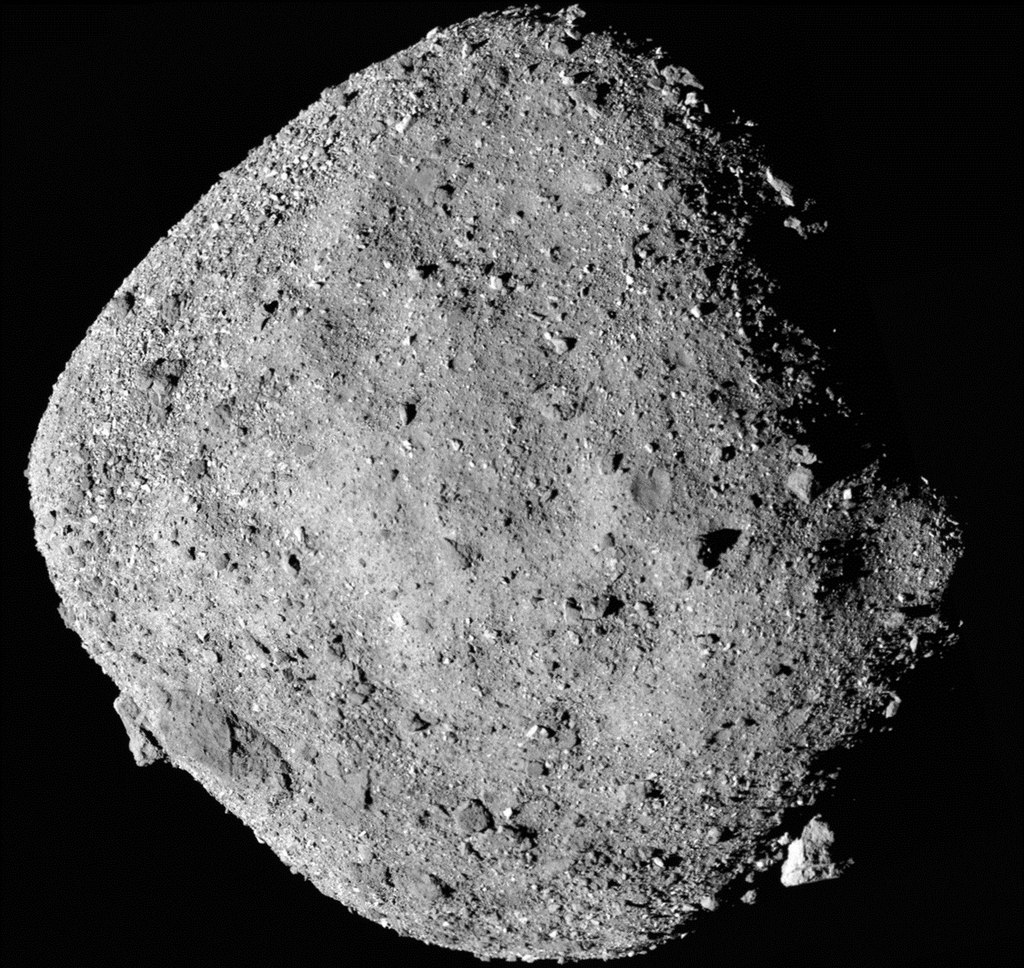
Most people probably think asteroids are just solid rocks floating through space, imagining them as basically space versions of boulders you’d find on Earth. They assume one asteroid is pretty much like any other in terms of how you’d deal with it.
The students realised that whether an asteroid is solid metal, loose rubble held together by gravity, or porous rock completely changes how you’d deflect it. A rubble pile might just absorb explosions without moving much, while solid metal would transfer force more efficiently. Not knowing the composition until you got there was a massive variable.
The project got proper attention from actual NASA scientists.
When students do university projects, most people assume they get marked and filed away, maybe impressing their professors but not really going anywhere beyond academic exercises. They imagine these projects are learning experiences that don’t have real-world impact.
Project Icarus was taken seriously enough that NASA scientists actually reviewed it and found the approach genuinely sound. The students’ work influenced real thinking about planetary defence and showed that the basic concept of nuclear deflection could actually work. What started as coursework became legitimate scientific contribution.
The plan would still be relevant today if we needed it.
Given that Project Icarus was designed in the 1960s using technology from that era, most people would assume it’s completely outdated now, and we’d do everything differently. They’d expect that modern solutions would make the student plan look quaint and obsolete.
The core concept of using nuclear devices to deflect rather than destroy asteroids remains one of the most viable options we’d actually have in a real emergency. While technology has improved, and we’d execute it differently, the fundamental approach those students worked out over 50 years ago is still considered sound science. Their university project created a blueprint that could genuinely save the world.