Keeping a dog happy takes more than walks and treats.

Their mind needs a bit of a workout too, and you can usually tell when they’re getting bored because they start inventing their own entertainment. That’s when you find chewed shoes, dug-up flowerbeds or a dog staring at you like you’re their personal TV channel. They’re smart creatures, and they need things that challenge them just as much as they need exercise.
The good news is you don’t need special gear or long training sessions to keep their mind ticking. A few simple habits can make a huge difference to how engaged and settled they are day to day. When their brain’s busy, their behaviour improves, their confidence grows and they’re far happier overall. Here’s how to keep your dog’s mind sharp in ways that actually fit real life.
Rotate their toys so they never get bored.

Dogs lose interest when the same toys stay on the floor for weeks. Rotating them every few days keeps everything feeling new and exciting. Your dog will explore more and think more because the toys feel fresh. You don’t need to buy loads, just swap a few in and out. It’s a small change, but it gives your dog new things to sniff, chew, and play with, which keeps their brain busy.
Teach them simple new tricks regularly.
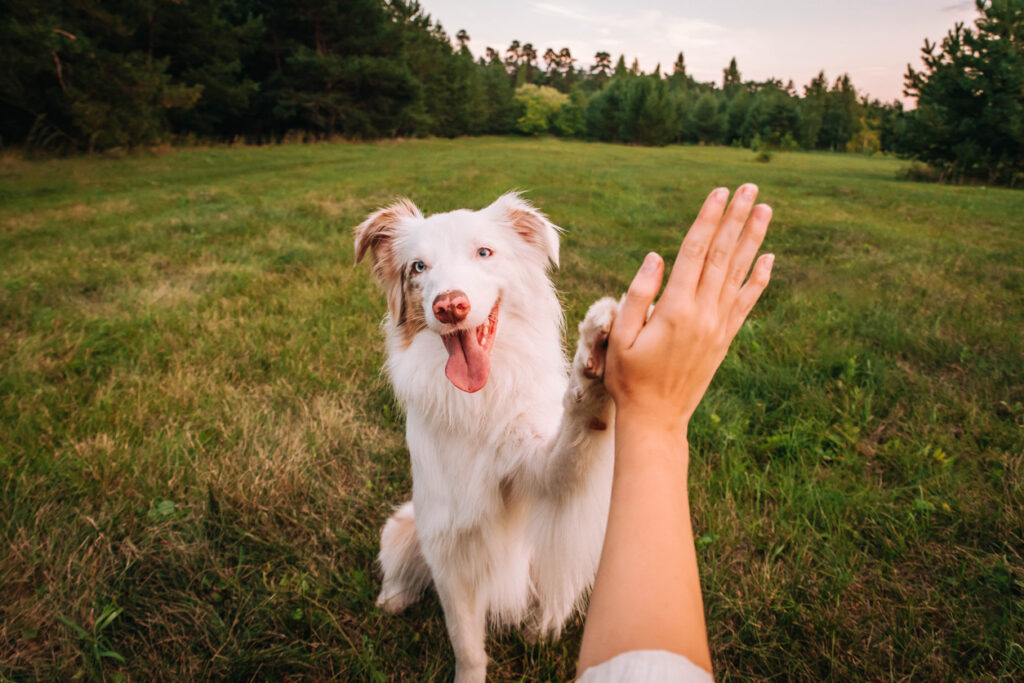
Trick training isn’t just cute, it’s great for your dog’s brain. Learning even small things like “paw,” “spin” or “touch” makes them use focus, memory, and problem-solving. Short sessions work best. A few minutes a day teaches them something new without overwhelming them. Your dog feels proud when they get it right, and that confidence is good for their mind.
Use puzzle feeders during mealtimes.
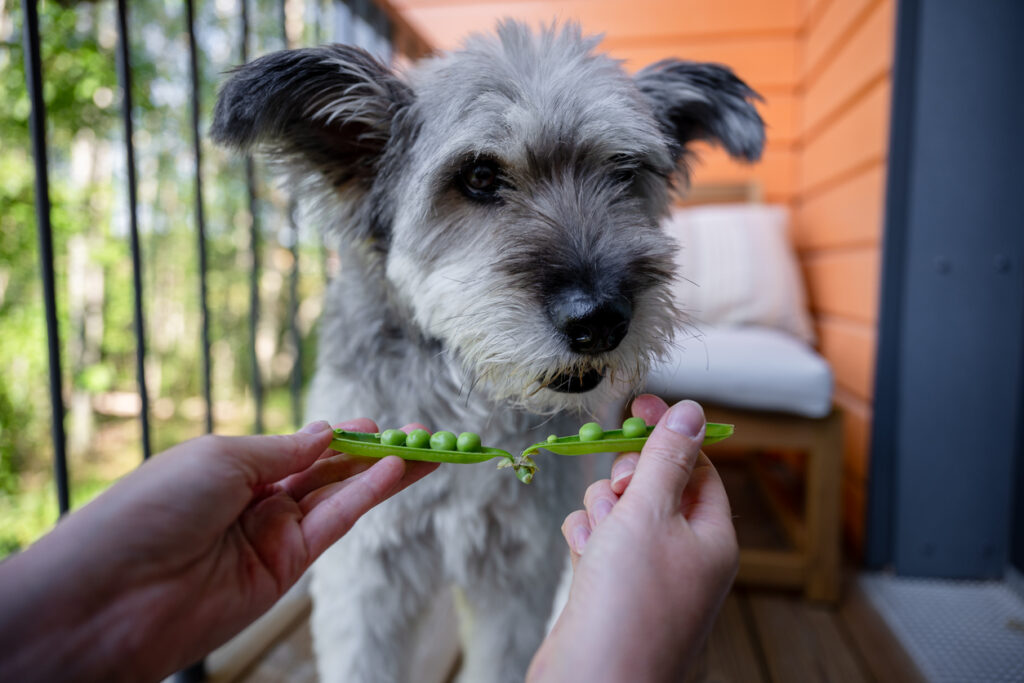
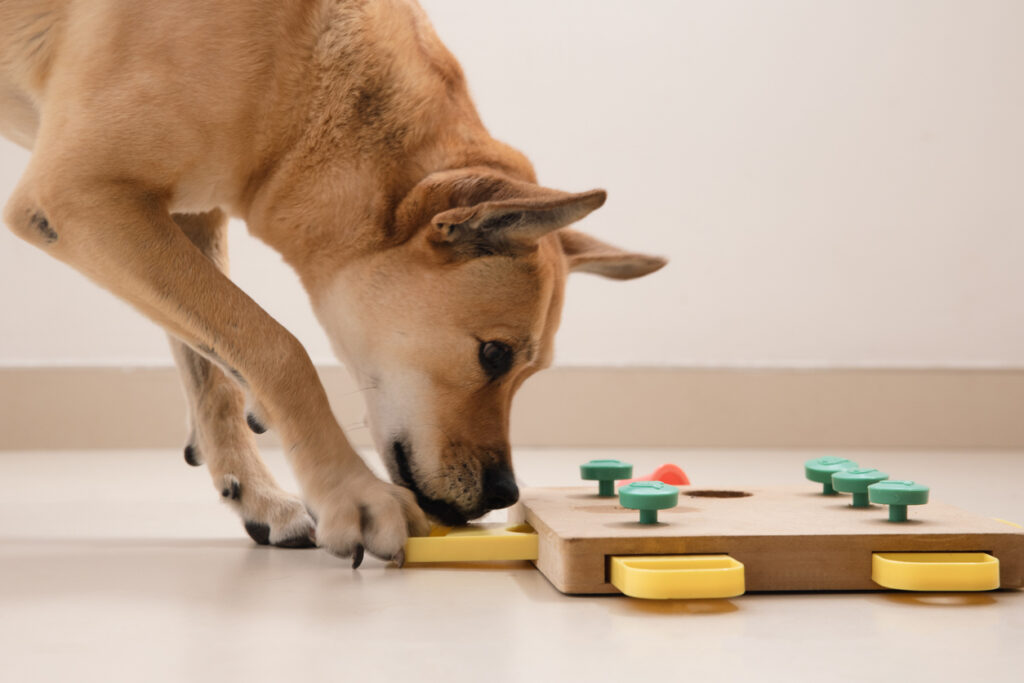
Puzzle bowls, snuffle mats and treat toys slow down eating and make meals more interesting. Your dog has to think about how to reach the food instead of eating it in seconds. This keeps their brain active while giving them a sense of achievement. It’s an easy way to add mental stimulation without extra effort.
Change your walking routes often.
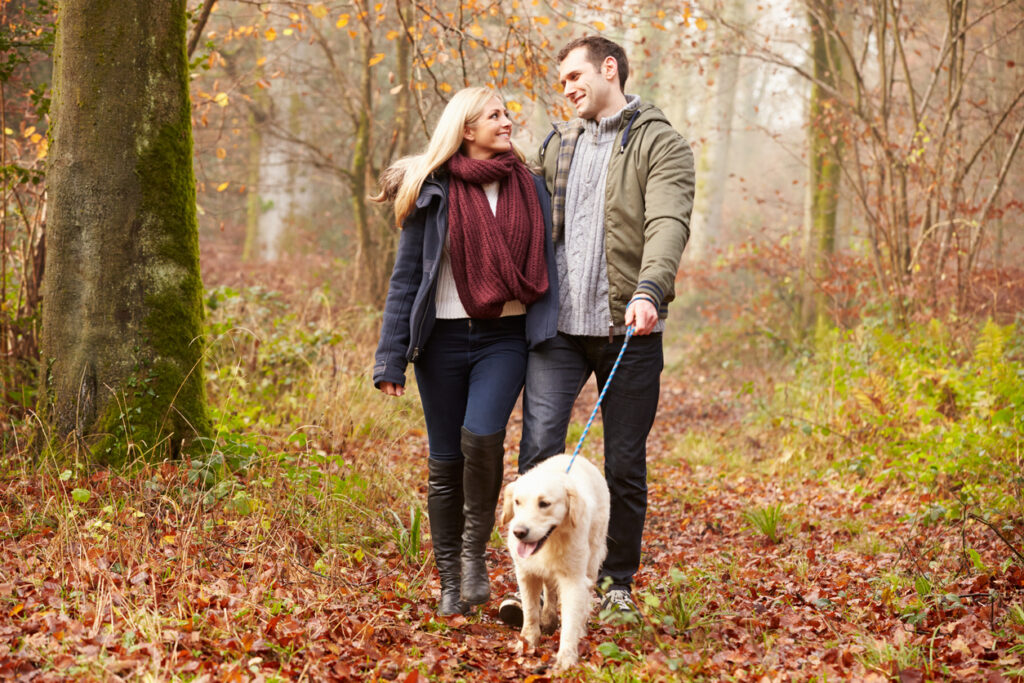
Walking the same streets every day becomes boring for dogs. New paths bring new smells, sounds and sights, which wakes up their brain and encourages curiosity. Even small changes help. Switching direction, exploring a different park, or letting them sniff a new area gives their mind something fresh to process.
Play hiding games around the house.
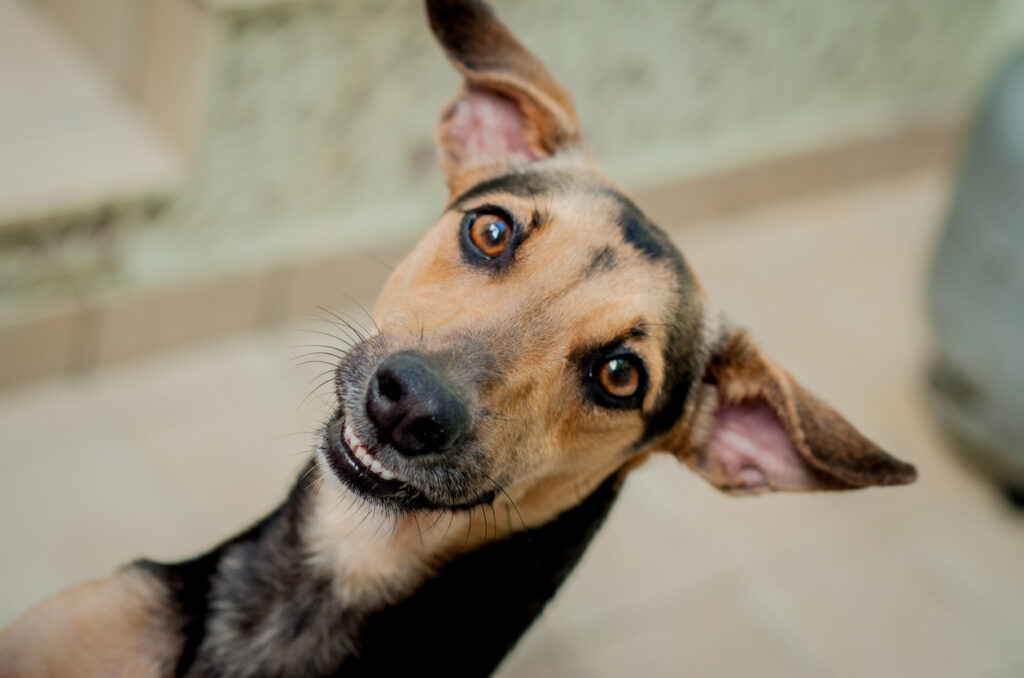
Hide treats or toys behind furniture and let your dog search for them. This taps into their natural problem-solving and scent skills. It feels like a fun challenge rather than training. You can even hide yourself for a simple version of hide and seek. It’s playful, engaging and gives your dog a great mental workout.
Let them sniff more on walks.

Sniffing is how dogs read the world, so letting them explore scents keeps their mind active. It’s more stimulating for them than marching forward without stopping. Giving them a few extra minutes to sniff helps them make sense of their environment. The world feels richer and more interesting when they’re allowed to use their nose properly.
Set up mini indoor obstacle courses.
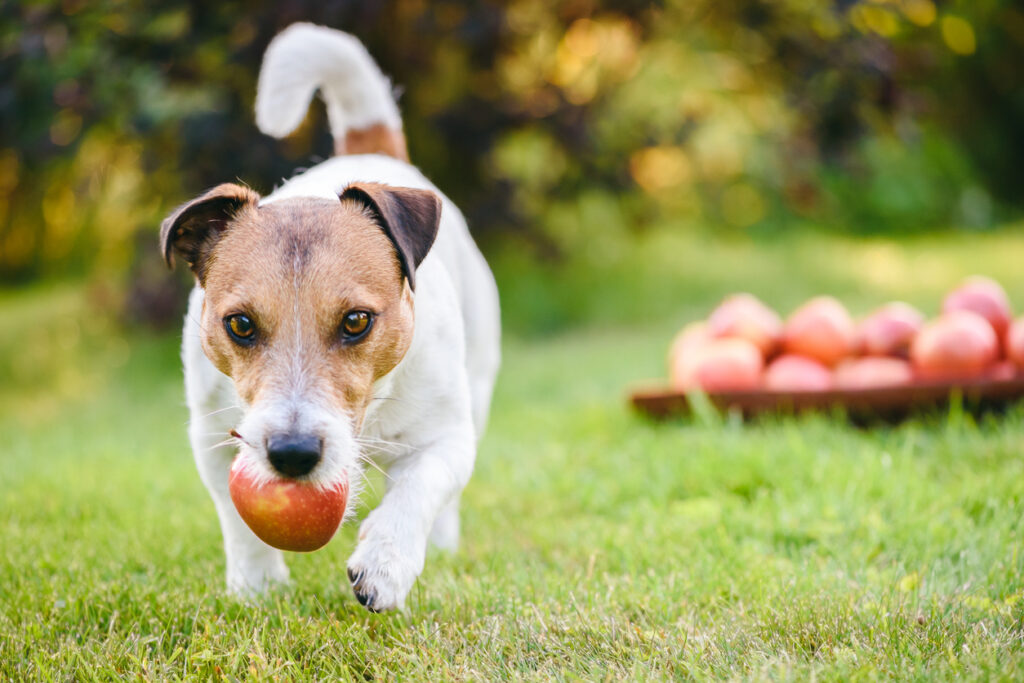
You don’t need fancy equipment. Use chairs, cushions, and blankets to create simple routes your dog can walk through or under. Getting them to navigate obstacles makes them think before they move. This boosts their coordination and focus. It’s also a fun group activity that gives you both something different to enjoy indoors.
Teach them the names of their toys.
Many dogs can learn basic vocabulary when you attach words to toys. Start with one toy and repeat the name every time you pick it up. As time goes on, your dog will fetch the right one when asked. This is great for memory and recognition. It’s a surprisingly engaging challenge that makes your dog think harder than you’d expect.
Let them meet new people and friendly dogs.
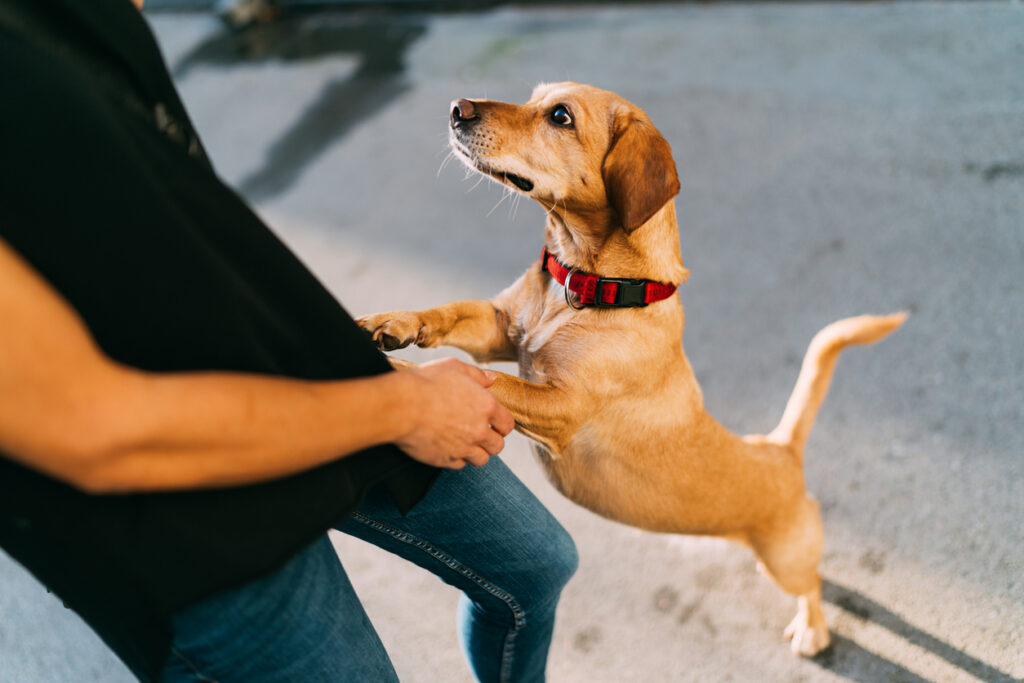
Safe social interactions keep your dog mentally flexible. New faces mean new smells, voices, and experiences that broaden their understanding of the world. Calm, positive encounters help your dog stay confident and open-minded. These experiences support long term emotional and mental health. Just make sure the people or animal in question are comfortable and consenting to the meet and greet.
Give them tasks that feel like jobs.
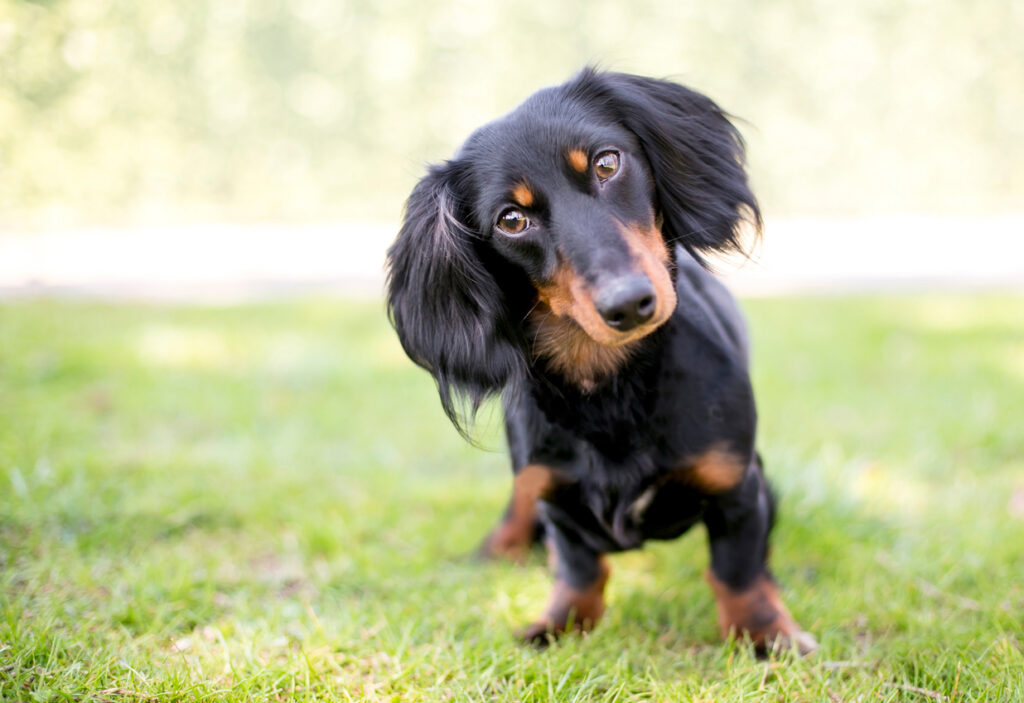
Many dogs love having responsibilities, even small ones. Let them carry the post, bring you their lead or help tidy their toys. It gives them purpose and uses their brain in a different way. These tasks don’t need to be perfect. Your dog simply enjoys feeling helpful, and that mental engagement boosts their happiness.
Use scent games to boost their natural skills.
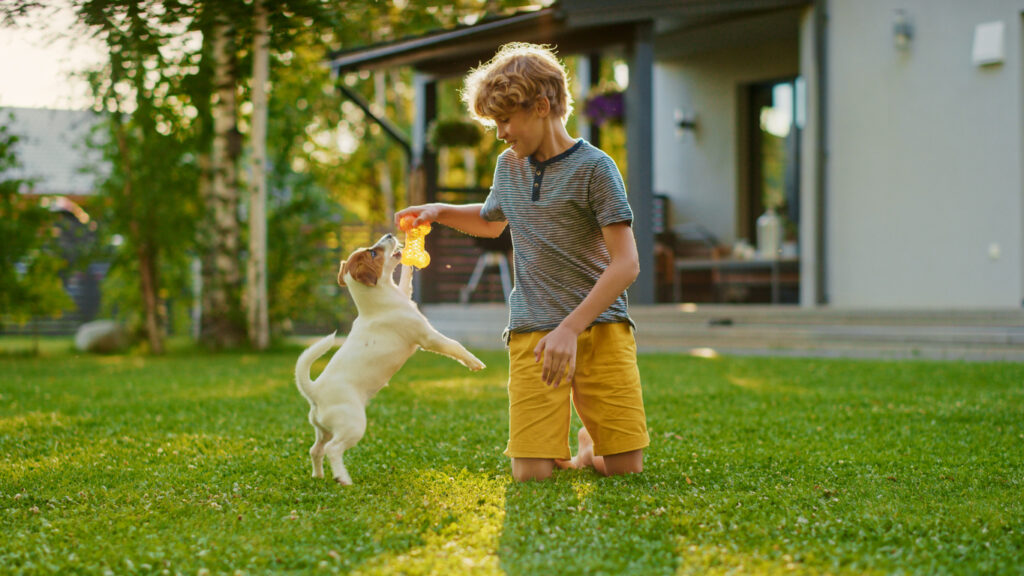
Dogs love scent challenges because following smells comes naturally to them. Hide treats under cups and ask them to find the right one. It teaches patience and sharpens their focus. Each round strengthens their ability to concentrate. It’s fun for them and relaxing for you because the game does most of the work.
Let them explore safe new environments.
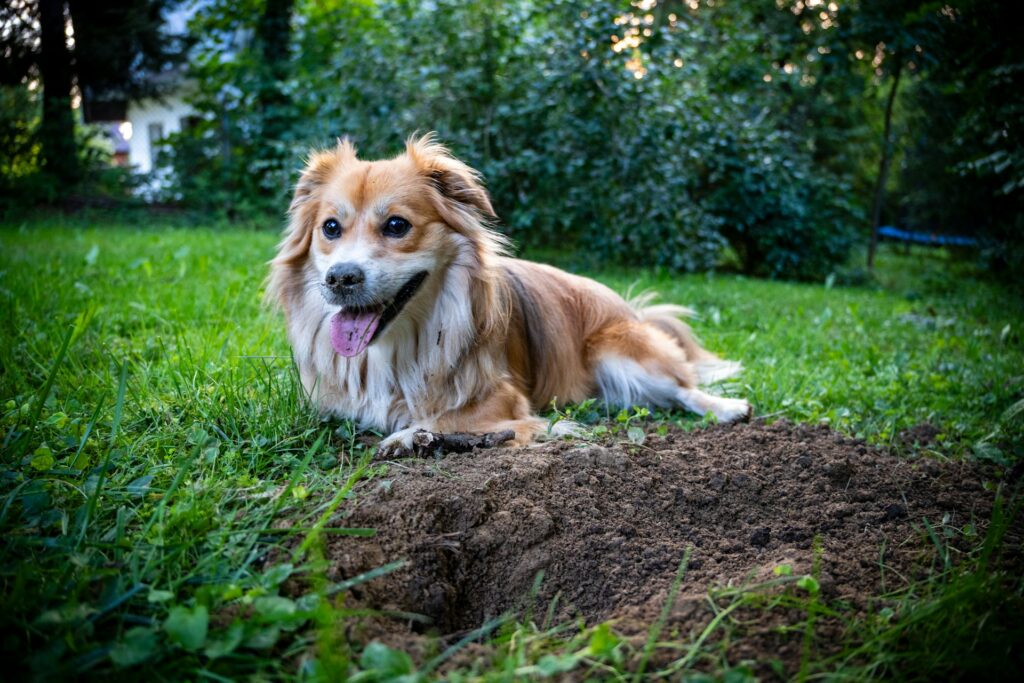
A sandy beach, a woodland path or a quiet town street all provide different smells and textures. New places make your dog more alert and curious. Exploring helps keep their mind flexible. Even short adventures stimulate their senses and give them something fresh to think about.
Keep training positive and playful.
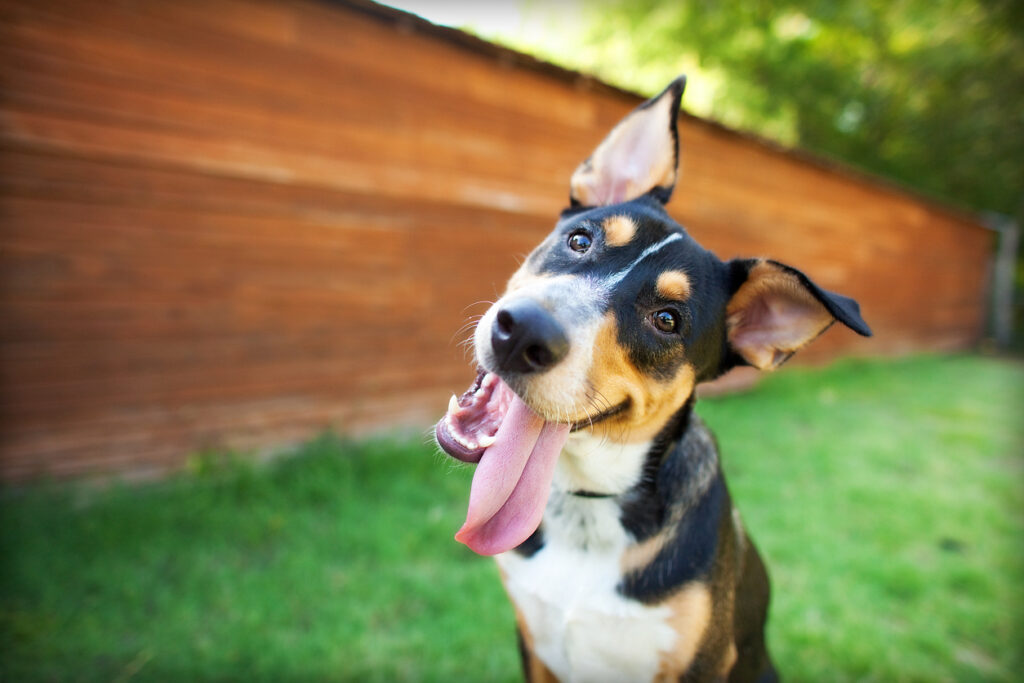
When learning feels like a happy activity, your dog stays more engaged. Gentle encouragement works better than strict commands because it reduces pressure and boosts confidence. A playful approach keeps their mind open to new things. Dogs learn best when they’re relaxed, supported and having fun with the person they trust most.