Some stories refuse to fade, even when there’s very little proof behind them.
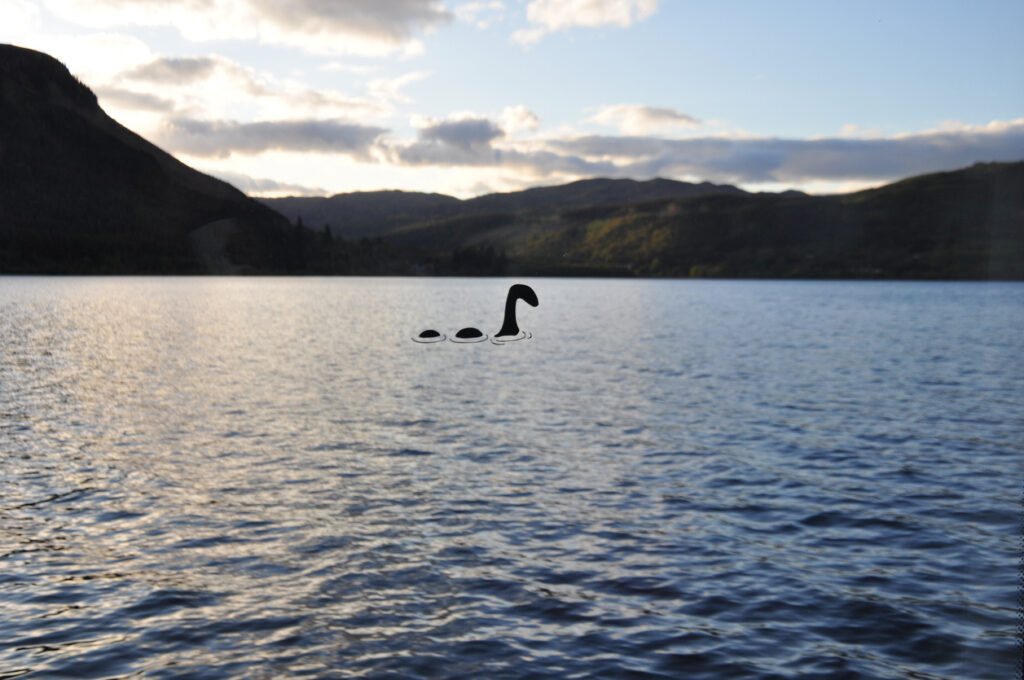
The legend of the Loch Ness Monster has survived shaky photographs, scientific debunking and countless disappointed tourists staring at perfectly ordinary ripples in a Scottish loch. However, people still flock there with binoculars and hope. It less about a possible creature in the water, and more about what it represents.
We’re drawn to mysteries that let us imagine something bigger than everyday life. Nessie gives people a sense of wonder, a break from the predictable routines, and a secret thrill that we might discover something others missed. The monster is less about Scotland’s cold, deep lake and more about the part of us that wants to believe there’s still magic in the world, waiting just beneath the surface.
We want mystery to exist more than we want the truth.
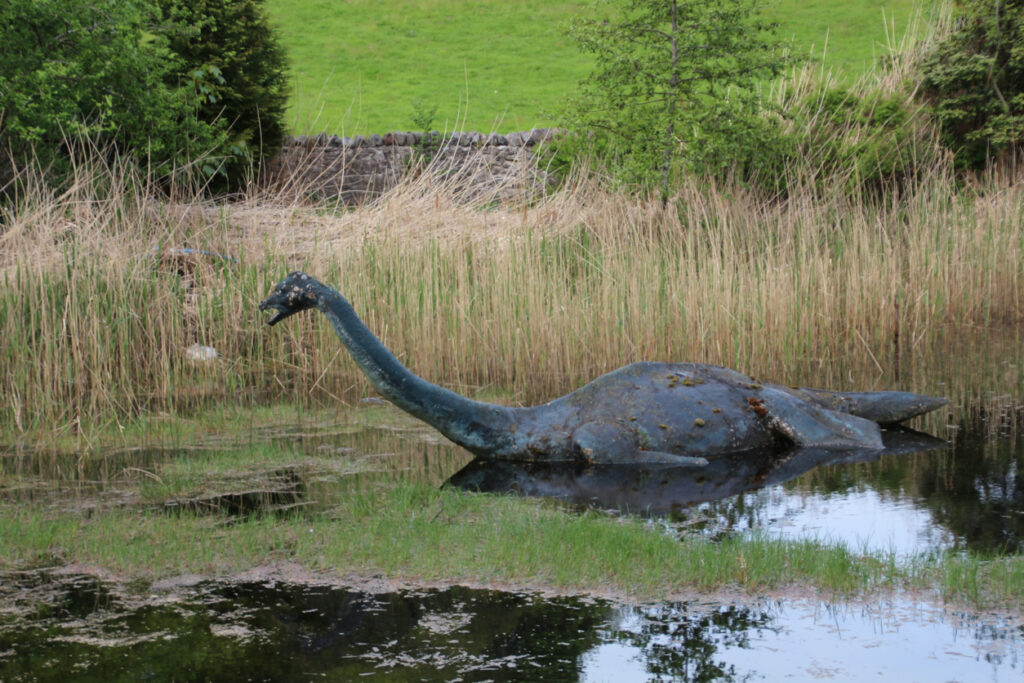
Scientists tested the DNA in Loch Ness in 2018 and found absolutely no evidence of large reptiles, sharks, or anything monstrous. The most they found was loads of eels, suggesting any sightings are probably just big eels.
Believers didn’t accept this. They argued scientists sampled the wrong areas or didn’t know how to identify unknown DNA. When faced with evidence that contradicts what we desperately want to believe, humans will find any excuse to dismiss it rather than accept reality.
The story only became famous because of a 1933 film.
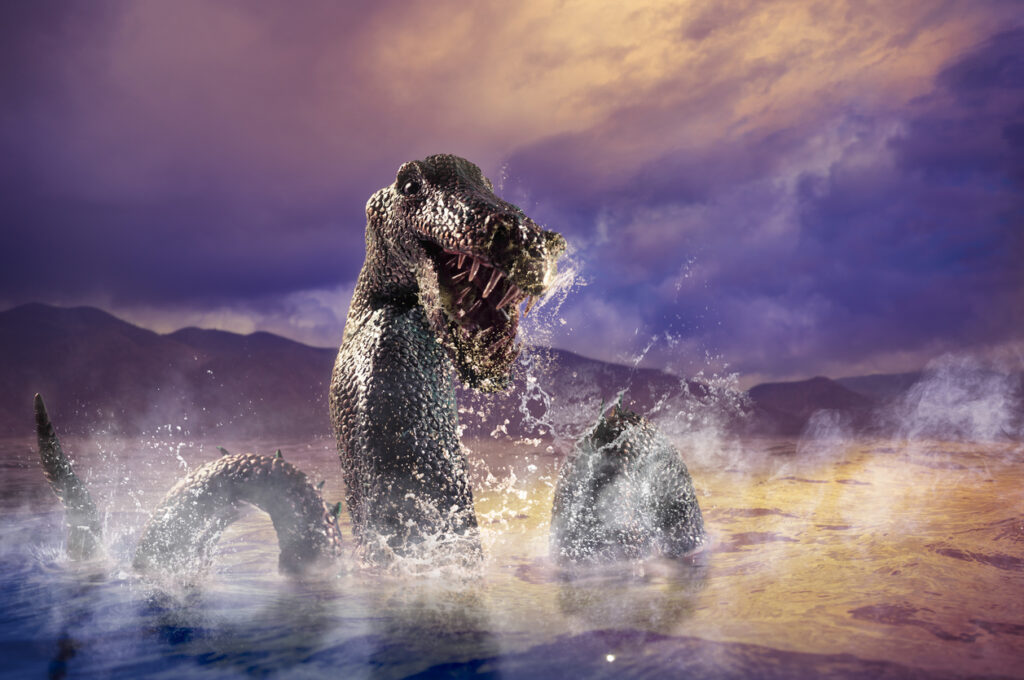
Sightings before 1933 were rare and vague. Then King Kong came out, featuring a scene where a long-necked dinosaur emerges from water and attacks a raft. Suddenly, everyone at Loch Ness was seeing exactly that.
The first detailed Nessie sighting in 1933 described something crossing the road near the loch, looking like a dragon or prehistoric monster. It’s almost certainly people seeing the film and then interpreting normal things through that lens. The monster we imagine today comes from Hollywood, not Scotland.
The most famous photo was a deliberate hoax for revenge.
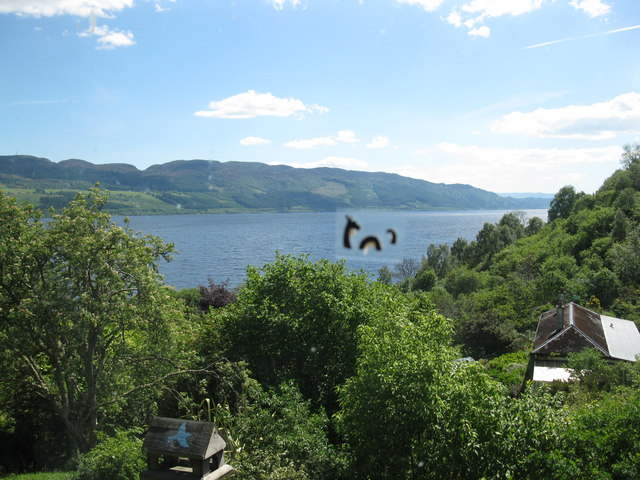
That iconic 1934 photo of Nessie’s head and neck? It was finally revealed in 1994 to be a toy submarine with a wooden head made from putty, photographed by someone seeking revenge after being humiliated. For 60 years, people pointed to this fake as proof Nessie existed. Even after it was exposed as a hoax, believers didn’t stop believing. They just switched to other evidence because admitting you were fooled for decades is too uncomfortable.
It’s worth millions in tourism, so nobody’s looking too hard.
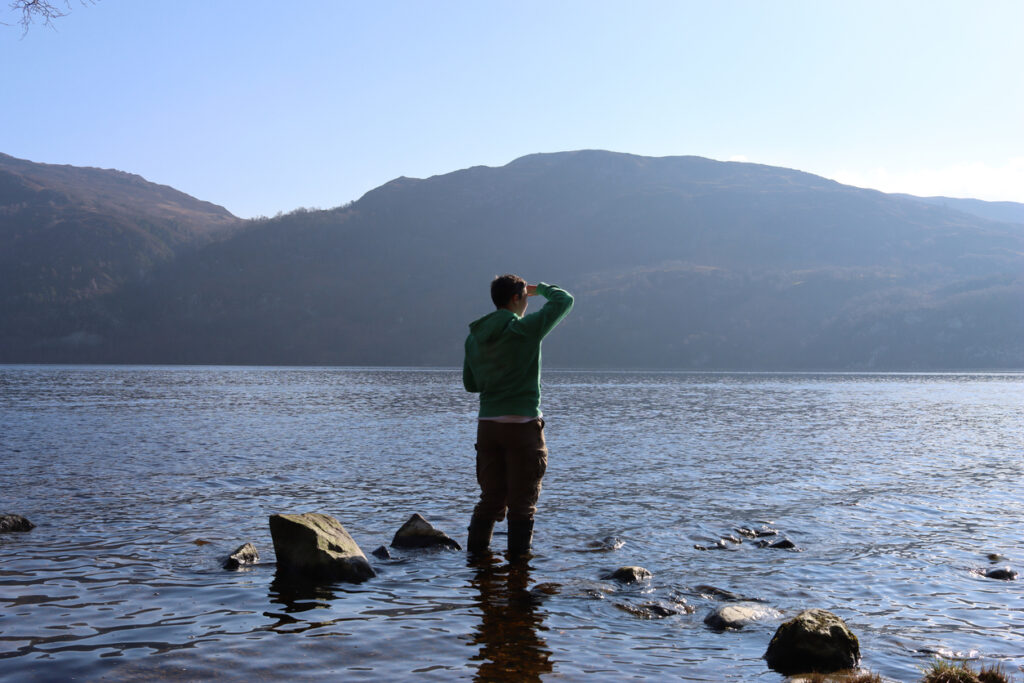
Loch Ness tourism brings in massive money for Scotland. Hotels, boat tours, visitor centres, and museums all profit from Nessie’s legend. The Loch Ness Centre actively encourages people to report sightings, and there’s a financial incentive to keep the mystery alive. Nobody with a business interest wants definitive proof that Nessie doesn’t exist because that kills the golden goose. It’s profitable to maintain just enough doubt to keep people coming.
Believing makes you part of a community.
Nessie believers have conventions, online forums, and groups where they share sightings and theories. It’s not just about the monster, it’s about belonging to something and connecting with people who share your interests. Giving up belief means leaving that community and admitting you were wrong alongside all your friends. Social connection is more powerful than facts, so people stay believers to stay part of the group.
It’s a rebellion against experts telling us what to think.

Cryptozoology lets ordinary people feel like they’re challenging scientific elites who dismiss their experiences. Scientists say there’s no monster, but believers say scientists are close-minded and refuse to look at the evidence properly.
This isn’t really about Nessie. It’s about feeling like you know something the experts don’t and refusing to be told you’re wrong by people who think they’re smarter than you. It’s populism applied to lake monsters.
Every year still brings new sightings despite everything.

In 2024, there were only three reported sightings, one of the lowest years on record. In 2025 people are already reporting dark masses and mysterious wakes. The numbers fluctuate wildly from one to sixteen sightings per year.
With hundreds of thousands of people looking at the loch annually, you’d expect loads more sightings if something was actually there. But believers point to even one sighting as proof, whilst ignoring that thousands of people see nothing at all.
We’re actually just seeing waves, boats, and seals.
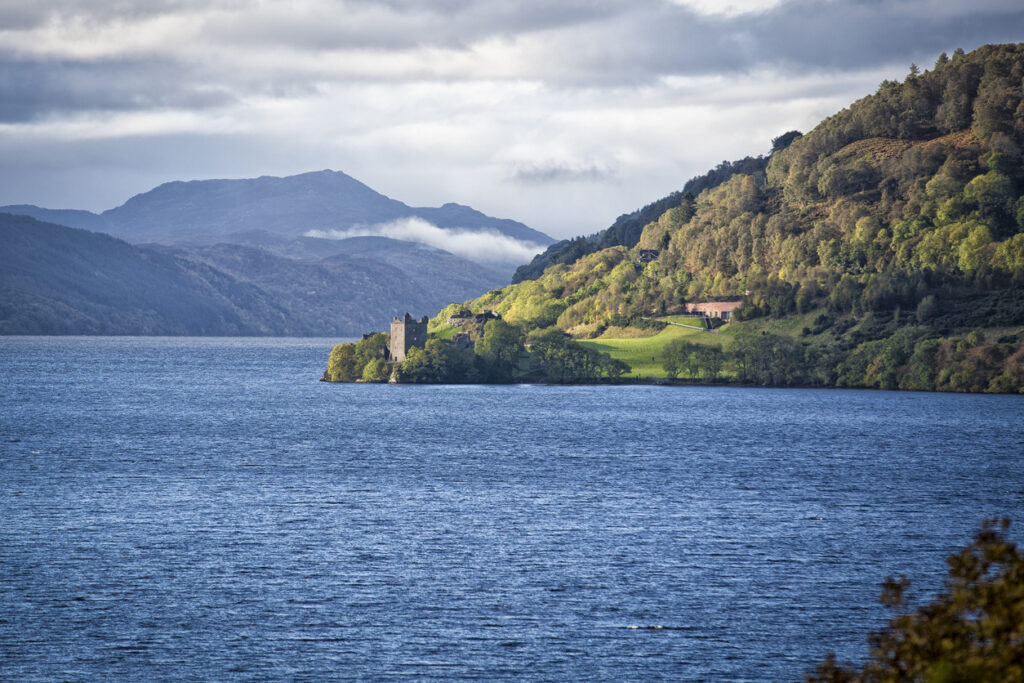
The Loch Ness Centre itself explains that most sightings are wave patterns from boats creating V-shaped wakes that look like humps from certain angles. The “seventh wave phenomenon” creates lines of foam that catch your eye.
In 2024, a seal was photographed in the loch, which is rare but not impossible. Interestingly, tourists didn’t report seeing it or mistake it for Nessie. If people can miss an actual large animal surfacing regularly, what else are they not seeing versus imagining?
The loch couldn’t even support a monster population.

Loch Ness has extremely low organic productivity. Scientists have calculated there simply isn’t enough food in the loch to sustain a breeding population of large animals across generations. For Nessie to exist, it would need to be part of a viable population, not just one creature living for centuries. The ecosystem can’t support that. But this logical problem doesn’t matter to believers because they’re not approaching it logically in the first place.
Believing in mysteries makes life more interesting.
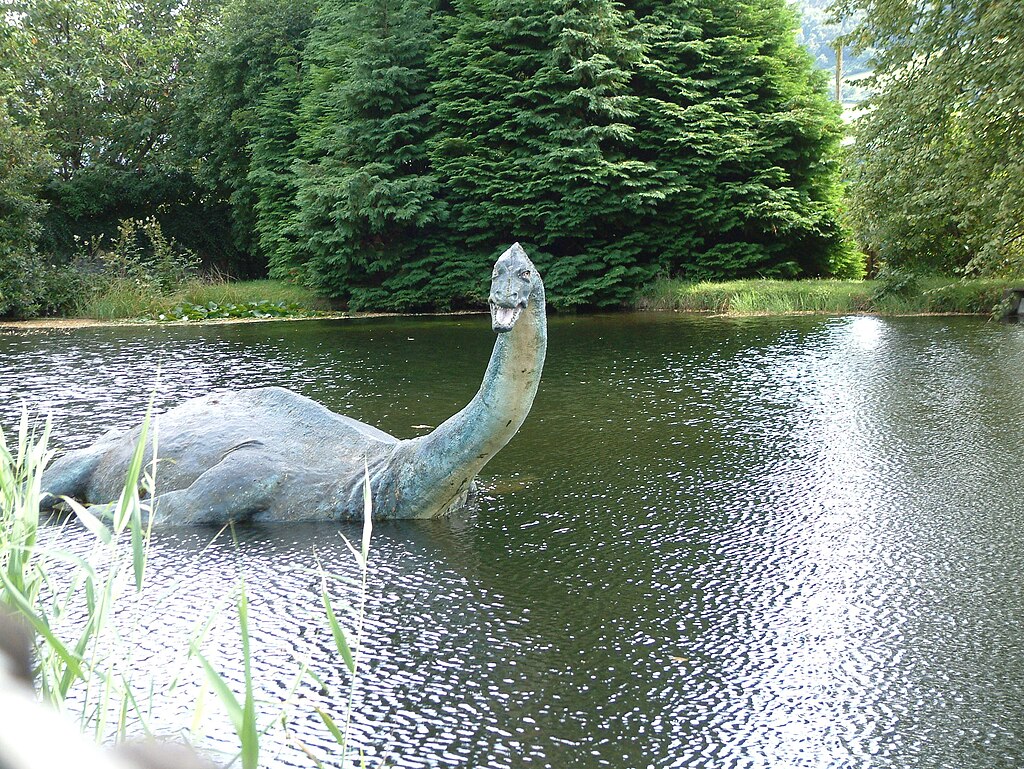
The world is mostly explained and mapped. There’s something deeply appealing about the idea that unknown creatures still exist in places we haven’t fully explored. It makes reality feel less mundane and predictable.
Nessie represents hope that mystery and wonder still exist. Accepting she’s not real means accepting the world is exactly as boring as it appears to be. That psychological need for magic and unknown possibilities is stronger than any scientific evidence could ever be. We don’t believe in Nessie because the evidence is good. We believe because not believing makes the world feel smaller and less interesting. The Loch Ness Monster tells us more about what humans need emotionally than it does about what lives in Scottish lakes.