When Howard Carter uncovered the tomb of Tutankhamun in 1922, it was one of the most extraordinary archaeological finds in history.
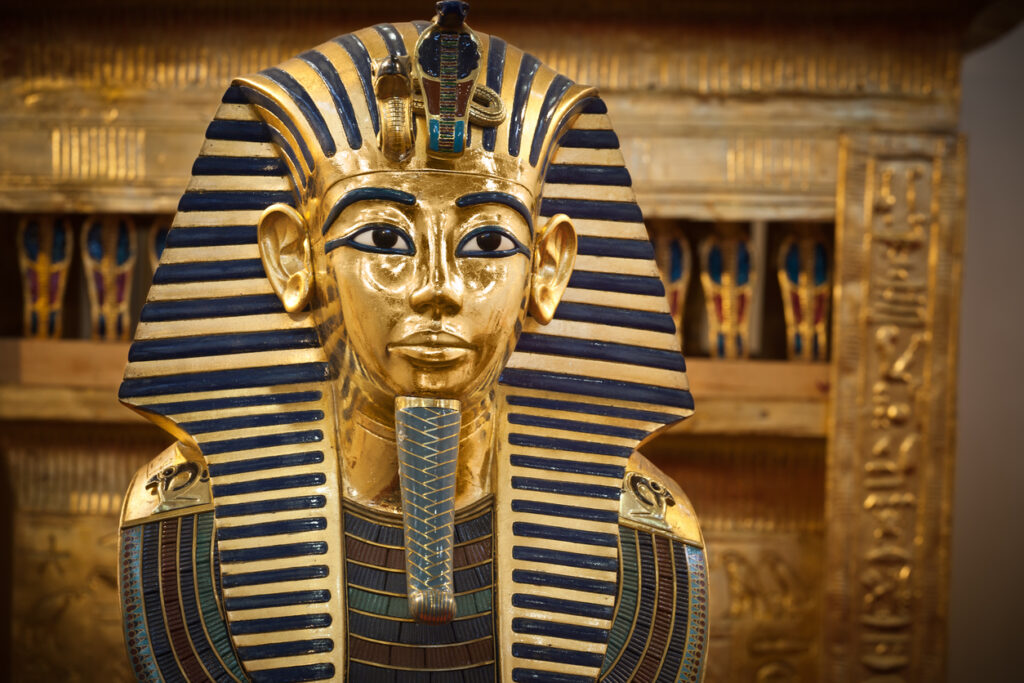
The treasures inside stunned the world, from the golden mask to the untouched chambers that had been sealed for over three thousand years. However, for all the celebration, the discovery also opened a door to countless mysteries that still haven’t been fully solved.
Questions linger about who helped Carter find the tomb, what secrets might have been lost or hidden, and whether the so-called “curse of the pharaohs” was just coincidence or something more. Even a century later, new research keeps revealing details about the boy king’s life, death, and burial that challenge what we thought we knew. King Tut’s tomb remains one of history’s greatest puzzles, largely because it’s a moment frozen in time that continues to captivate and confound. Here’s what we still don’t know (and may never).
Why his tomb was so small for a pharaoh
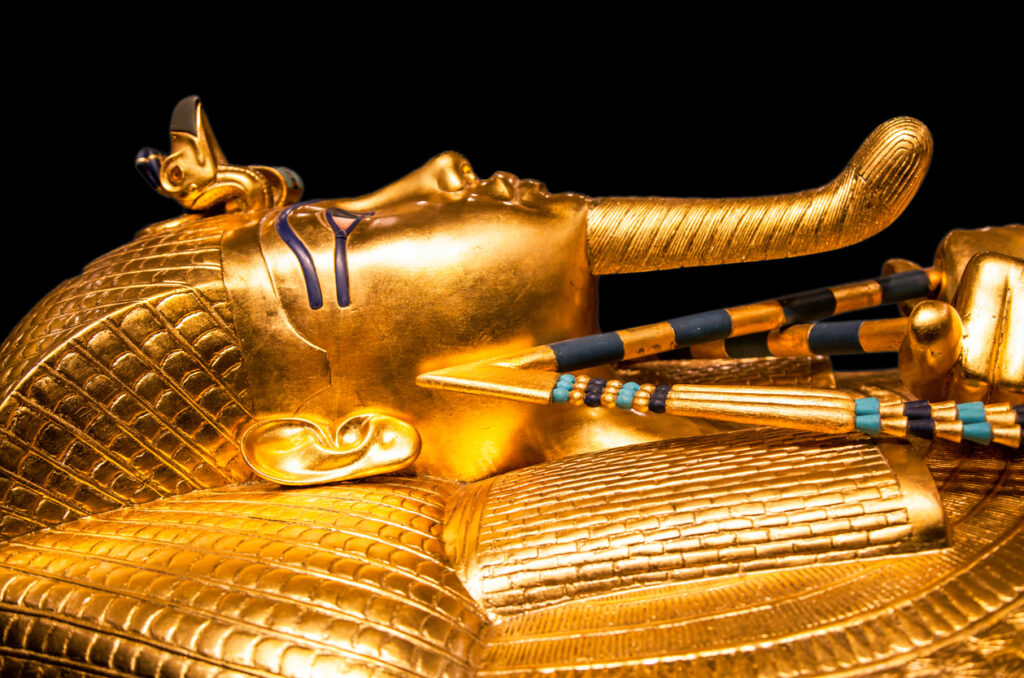
King Tut’s tomb is tiny compared to other pharaohs’ burial places. It’s basically four small rooms crammed with treasure when most pharaohs had massive, elaborate tombs. Some experts reckon he died unexpectedly young, and they had to rush his burial, so they stuck him in a tomb that was meant for someone less important. Others think there’s more to it, but no one knows for sure why a pharaoh got such a modest setup.
Whether there are hidden chambers behind the walls
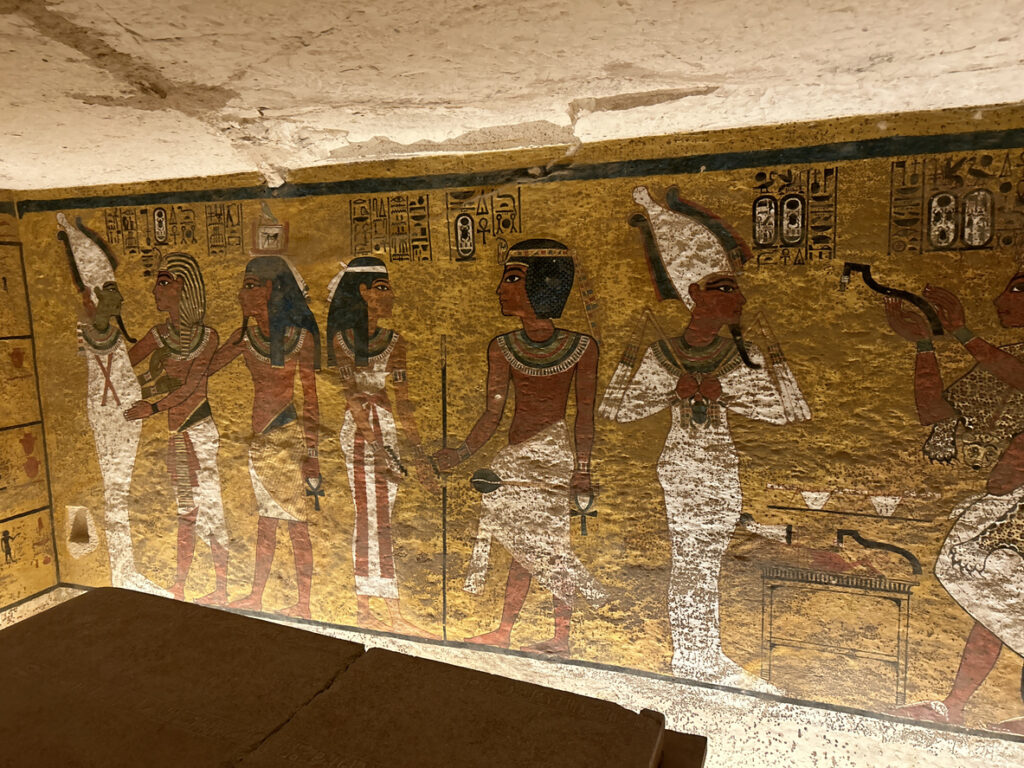
Scans of the tomb walls have shown what might be hollow spaces behind them, suggesting there could be sealed chambers no one’s found yet. Some archaeologists reckon one of these hidden rooms could contain the burial of Queen Nefertiti. Others think it’s just how the rock formed naturally. They’ve done multiple scans and studies, but they still can’t agree on whether there’s anything actually there or not.
The curse that supposedly killed people who entered
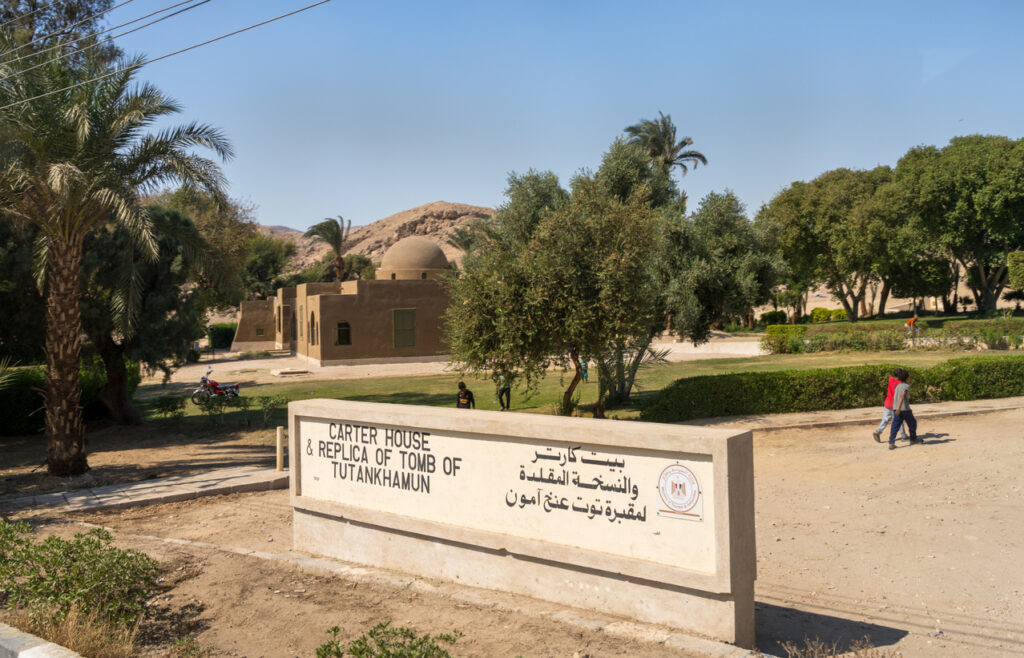
Lord Carnarvon, who funded the expedition, died a few months after the tomb was opened, and newspapers went mental about a pharaoh’s curse. Then other people connected to the discovery died, and the curse legend grew. In reality, most people involved lived normal lifespans, and Carnarvon probably died from an infected mosquito bite. But the curse story refuses to die, and people still argue about whether there was something supernatural going on.
How he actually died
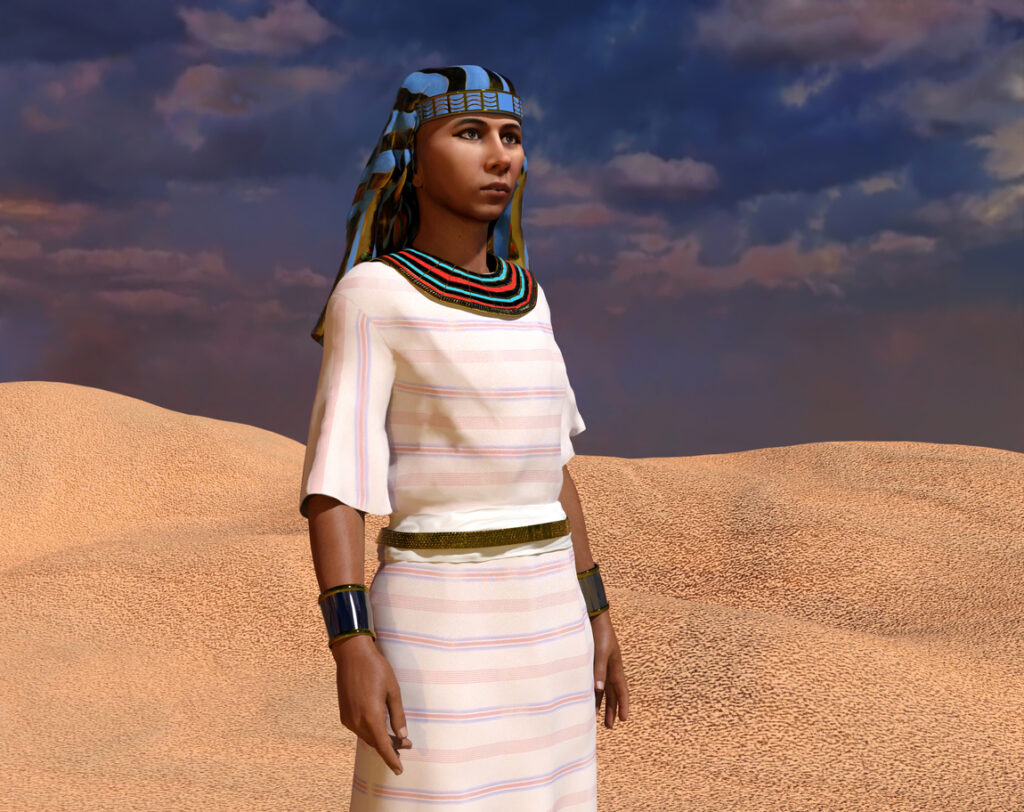
King Tut died around age 19, but no one can agree on what killed him. His mummy shows he had a broken leg shortly before death, he had malaria, and he was a bit inbred which caused health problems. Some think the broken leg got infected and killed him. Others reckon it was malaria or genetic issues. There’s even murder theories. Modern scans keep giving new information, but they still can’t say for certain what actually finished him off.
Why his burial was done so quickly and messily
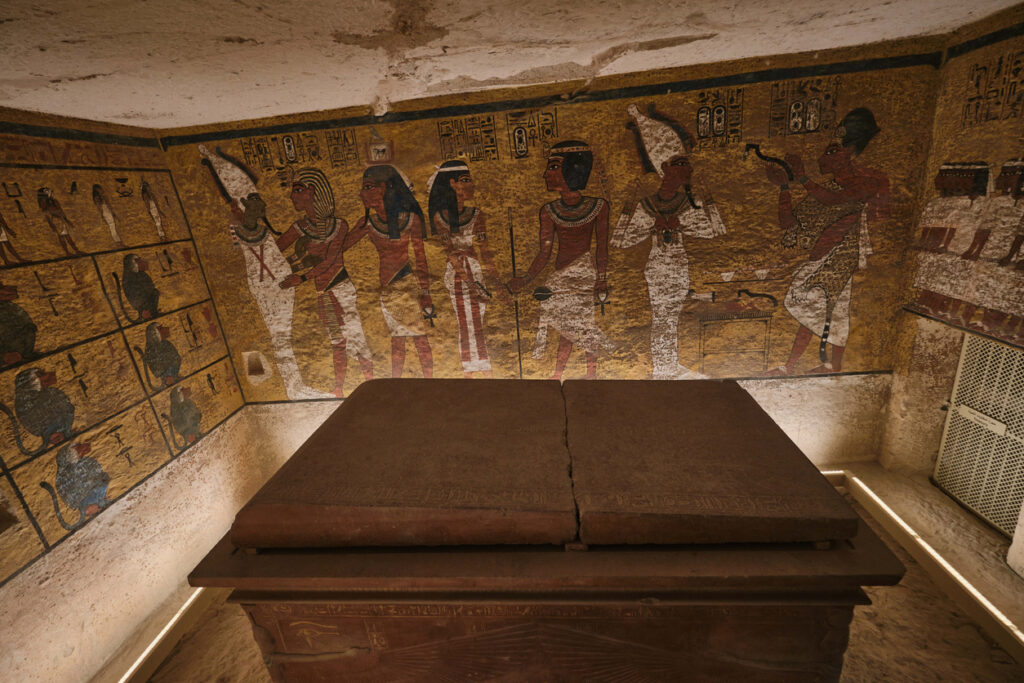
The tomb shows signs of being put together in a massive rush. Paint was still wet on the walls when they sealed it, items were thrown in haphazardly, and some of the burial goods weren’t even made for him originally. It looks like they had about 70 days to get everything done, and they barely made it. Why the rush? Was it just because he died young, or was something else going on politically that meant they needed to get him buried fast?
Whether treasure was stolen before Carter found it
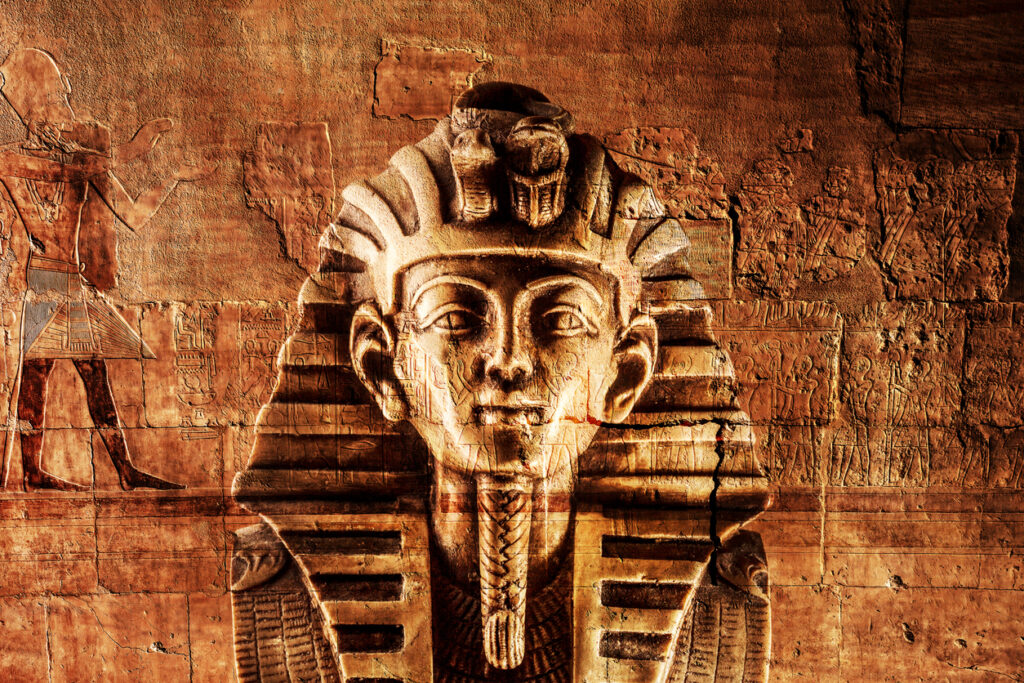
There’s evidence the tomb was broken into twice in ancient times, shortly after it was sealed. The robbers were probably caught because everything was hastily tidied up and resealed. However, no one knows what they took, or how much treasure disappeared before Carter ever got there. The tomb might have been even more packed with gold originally.
Why some items in the tomb belonged to other people
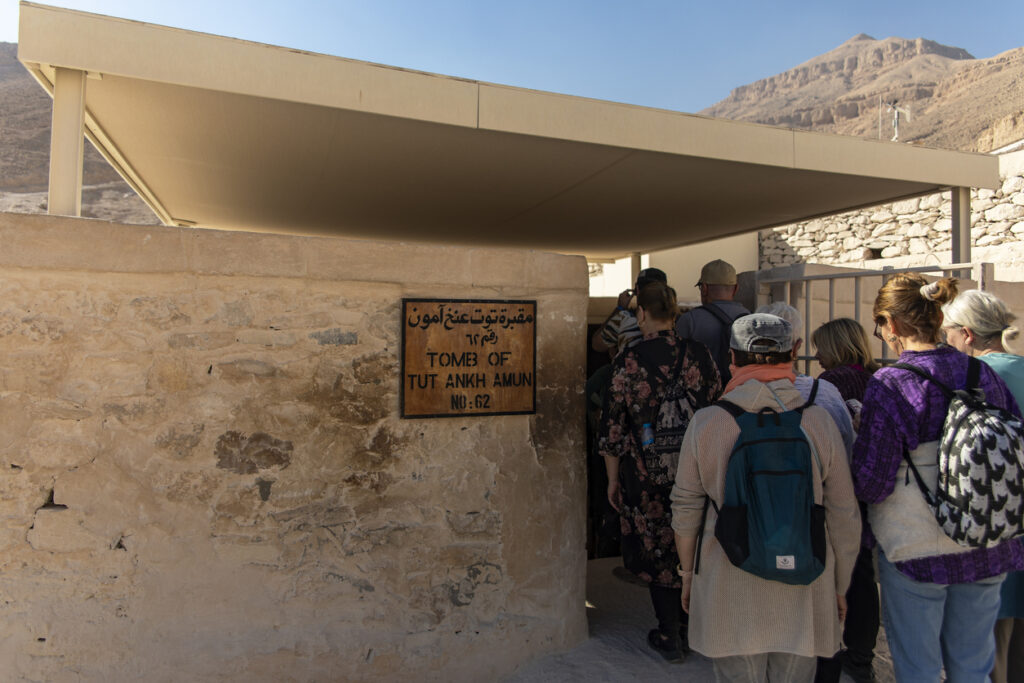
Loads of the objects buried with King Tut have other people’s names on them, including several items that seem to have belonged to Nefertiti. Some things were clearly recycled from previous pharaohs. Was this normal practice, or does it suggest something dodgy was going on? Were they so rushed they just grabbed whatever royal treasure was lying around? It’s weird and no one has a proper explanation.
The actual location of Carter’s first entry point
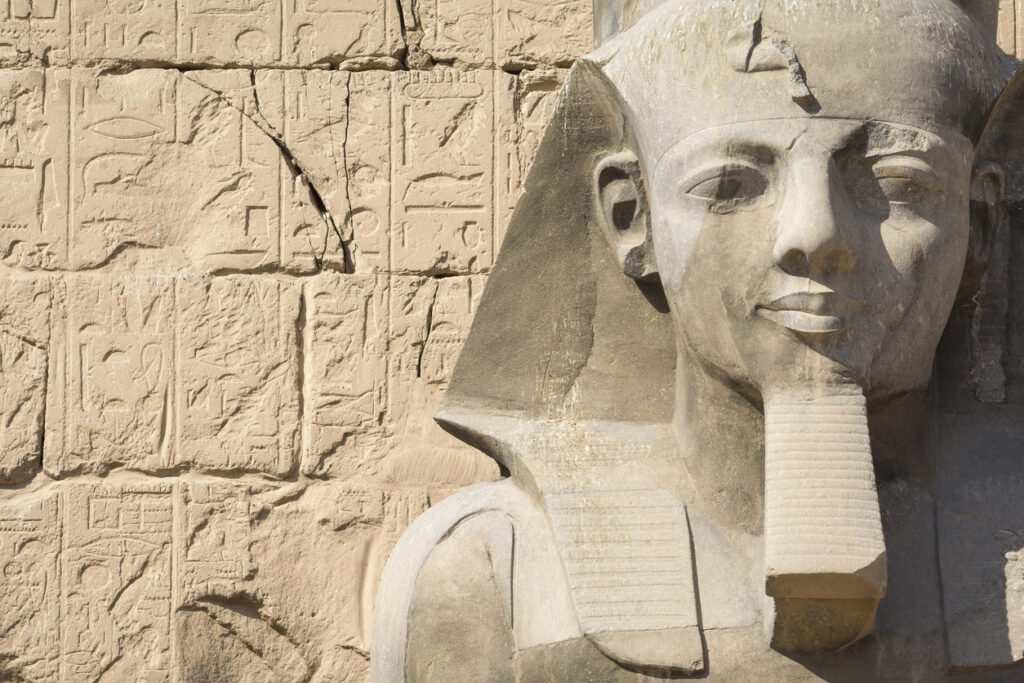
There’s controversy about whether Carter actually discovered the tomb when he said he did, or if he’d found it earlier and kept quiet about it. Some people reckon he broke in before the official opening, had a look around, then sealed it back up and “discovered” it properly later with witnesses. There’s circumstantial evidence suggesting he might have done this, but nothing proven.
What happened to King Tut’s heart
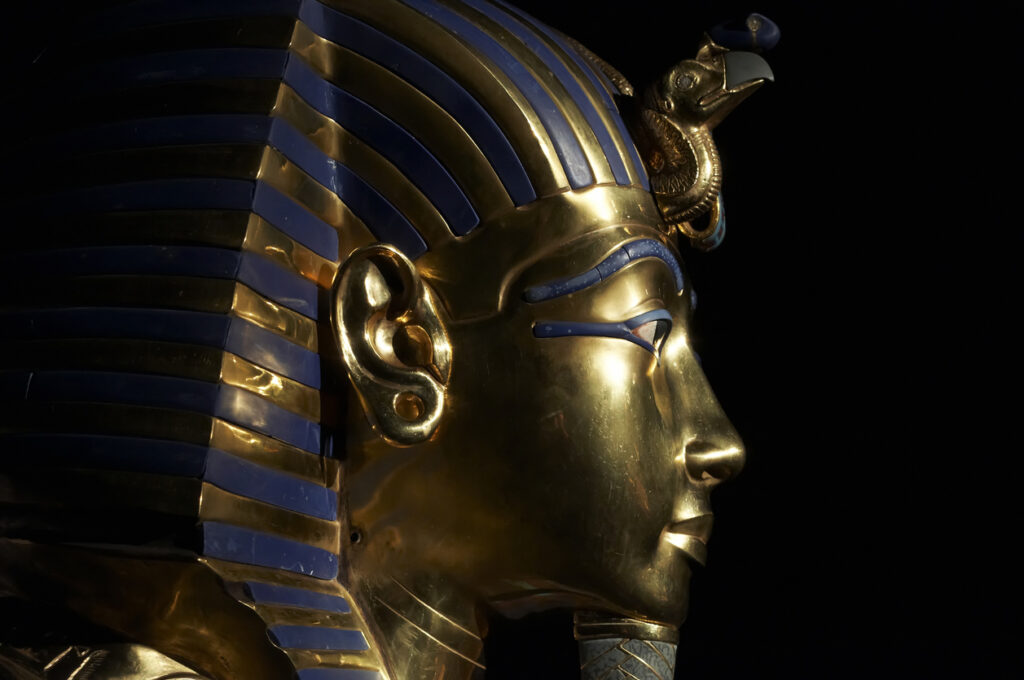
Ancient Egyptians usually left the heart in the body because they believed you needed it in the afterlife. But King Tut’s heart is missing from his mummy. Was it removed during mummification by mistake? Did ancient tomb robbers take it? Did it decay? The absence of his heart is really unusual, and no one can explain where it went or why.
Whether his wife had anything to do with his death
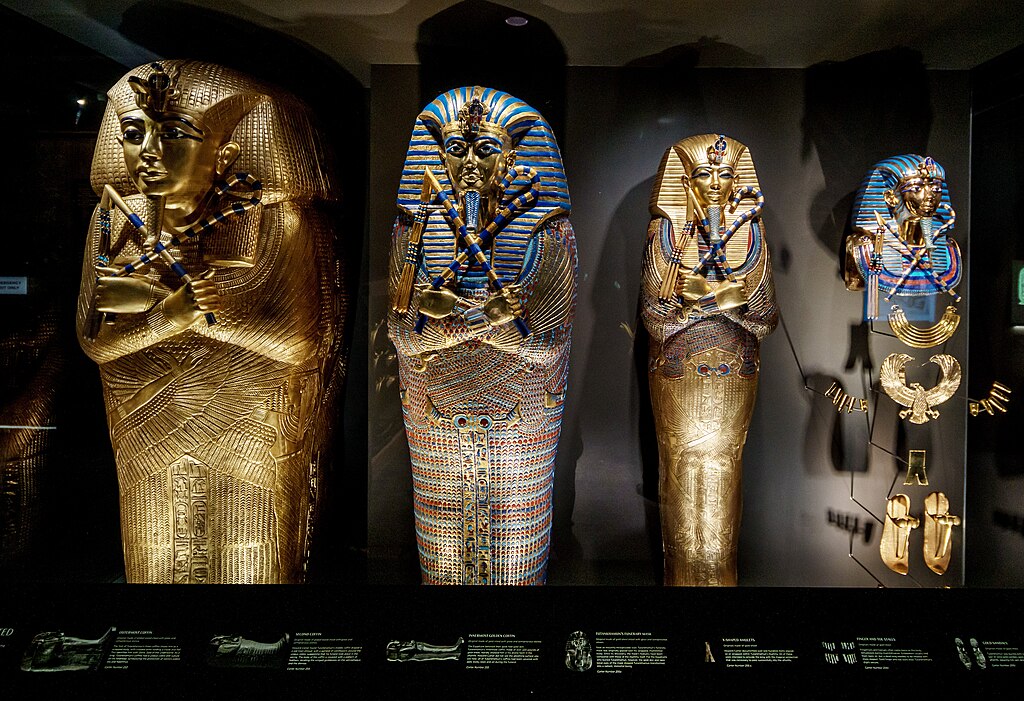
King Tut’s wife Ankhesenamun disappeared from historical records right after his death, and there’s a mysterious letter where an Egyptian queen begs a foreign king to send her a son to marry because her husband died. Some think she might have been involved in King Tut’s death and was trying to secure power. Others reckon she was just a widow in a dangerous political situation. No one knows what actually happened to her.
The strange dagger made from meteorite metal
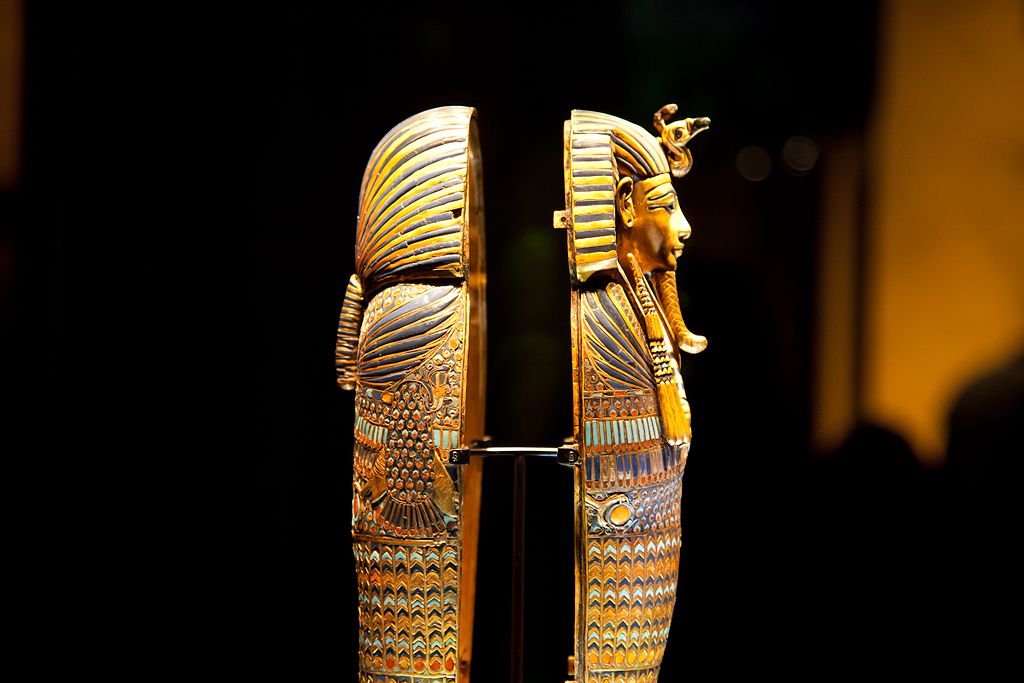
One of the daggers buried with King Tut is made from iron that came from a meteorite. In the Bronze Age, meteorite iron was incredibly rare and valuable. How did they get it? How did they know it was from space? How did they work it into a blade? The technology and knowledge required seems weirdly advanced for the time.
Why there’s no record of his reign in other sources
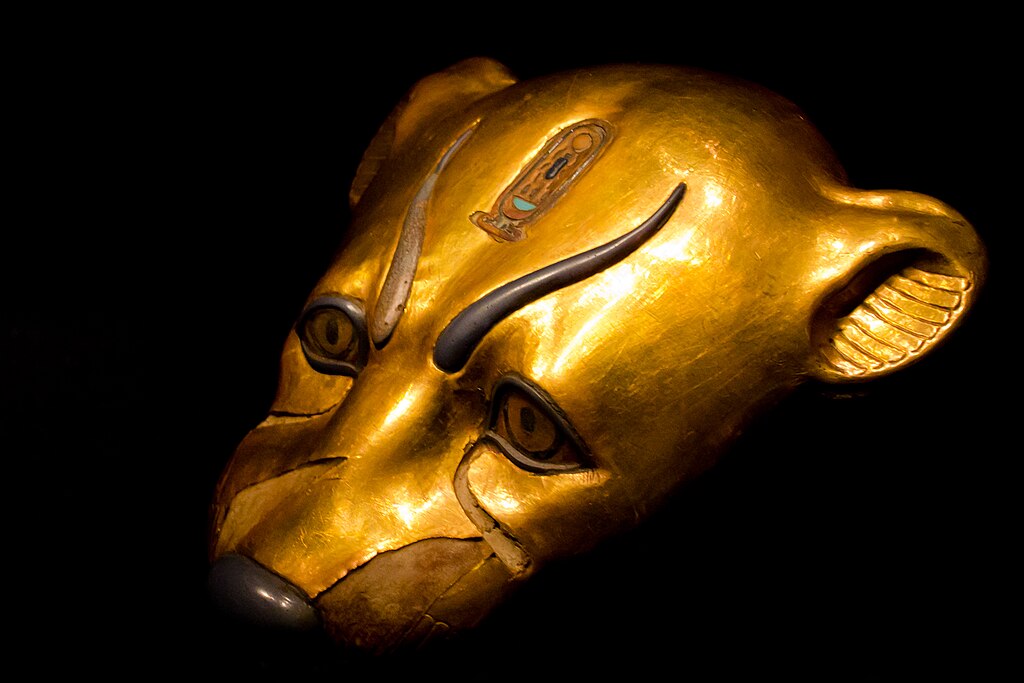
Despite being buried with loads of treasure, King Tut barely appears in Egyptian historical records. It’s like later pharaohs tried to erase him from history. Why? Was his reign politically dodgy? Was he connected to the unpopular pharaoh Akhenaten, who messed with Egypt’s religion? The lack of records about him is suspicious and suggests something complicated was going on.
What Carter and his team actually removed before official cataloguing
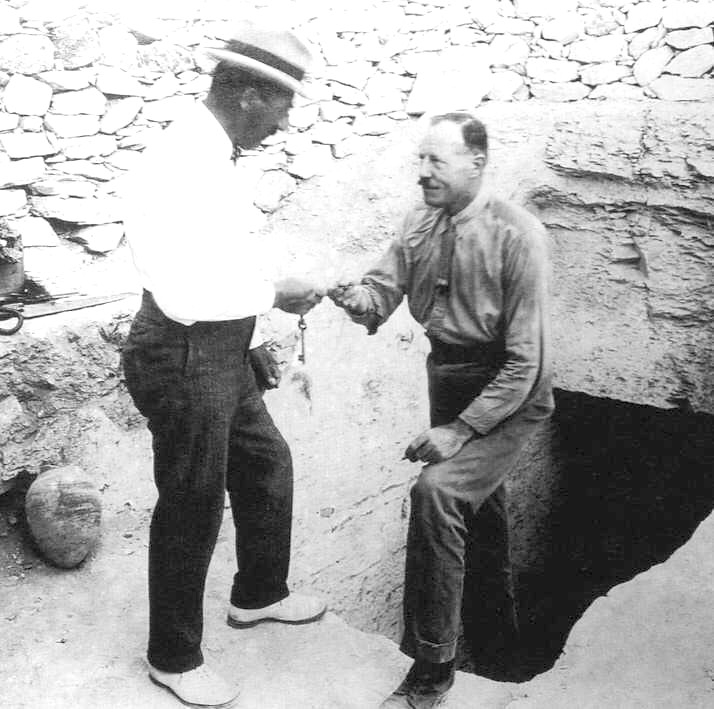
There are strong suspicions that Carter and his team took souvenirs from the tomb before everything was officially recorded. Small valuable items could have disappeared into private collections. Carter’s notes don’t quite match up with what was officially catalogued, and some items he mentioned seeing have never been accounted for. It’s possible bits of King Tut’s treasure are sitting in private collections, with no one knowing where they came from.