Some of the animals people love to hate are actually the very ones keeping the planet running.
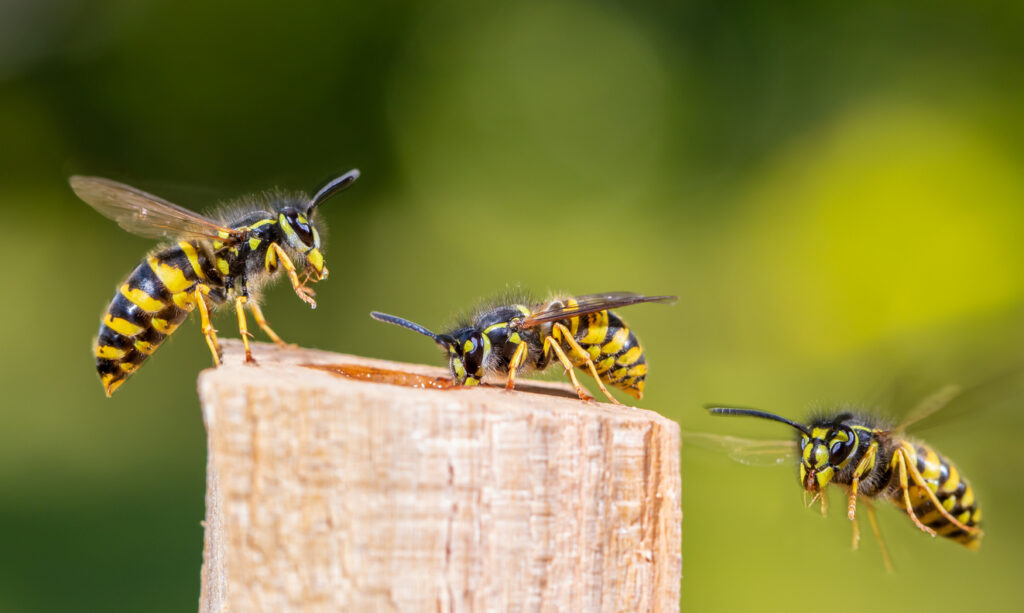
They might seem annoying, ugly, or even dangerous, but many of them play a crucial role in keeping ecosystems balanced and life sustainable. Without them, crops would fail, diseases would spread faster, and the food chain would collapse faster than we’d ever expect.
From rats and wasps to vultures and bats, these so-called pests are actually vital workers in nature’s system, cleaning up waste, pollinating plants, and recycling nutrients. They don’t get much credit, but they do some of the most important jobs on Earth. These are the creatures humanity might complain about, yet couldn’t survive without.
1. Flies
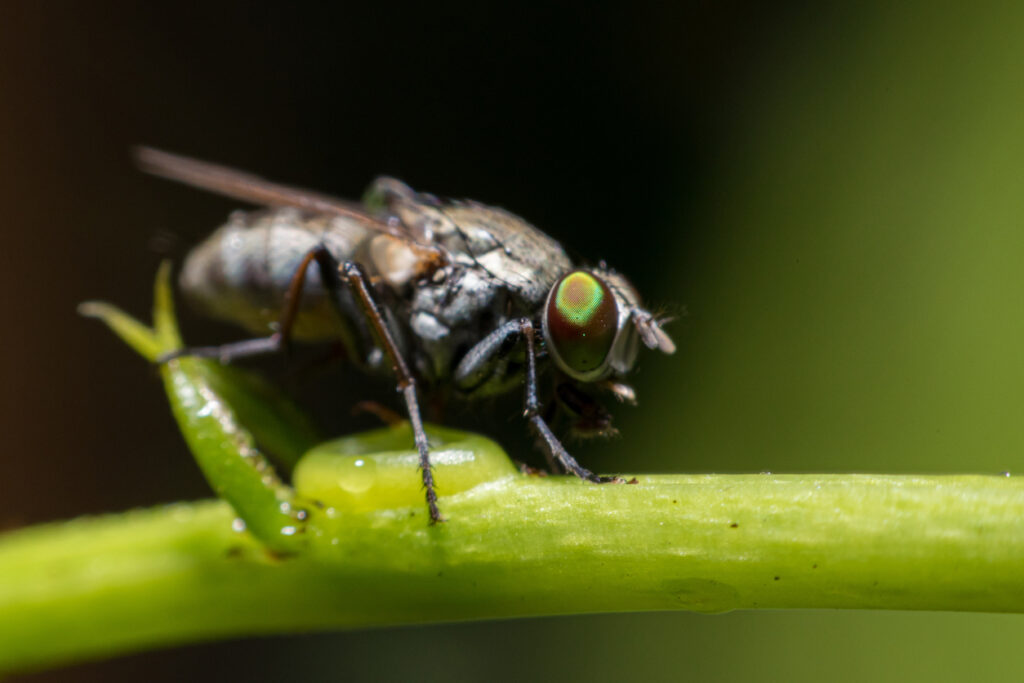
Flies might top the list of animals people dislike, but their role in nature is crucial. They break down dead matter, help pollinate plants, and provide food for countless birds, bats, and amphibians. Without them, ecosystems would clog with decay.
They recycle waste faster than any human-made system ever could. Every time a fly lands on something unpleasant, it’s speeding up the natural process of renewal. They may be annoying, but they’re also silent workers keeping the planet clean.
2. Wasps
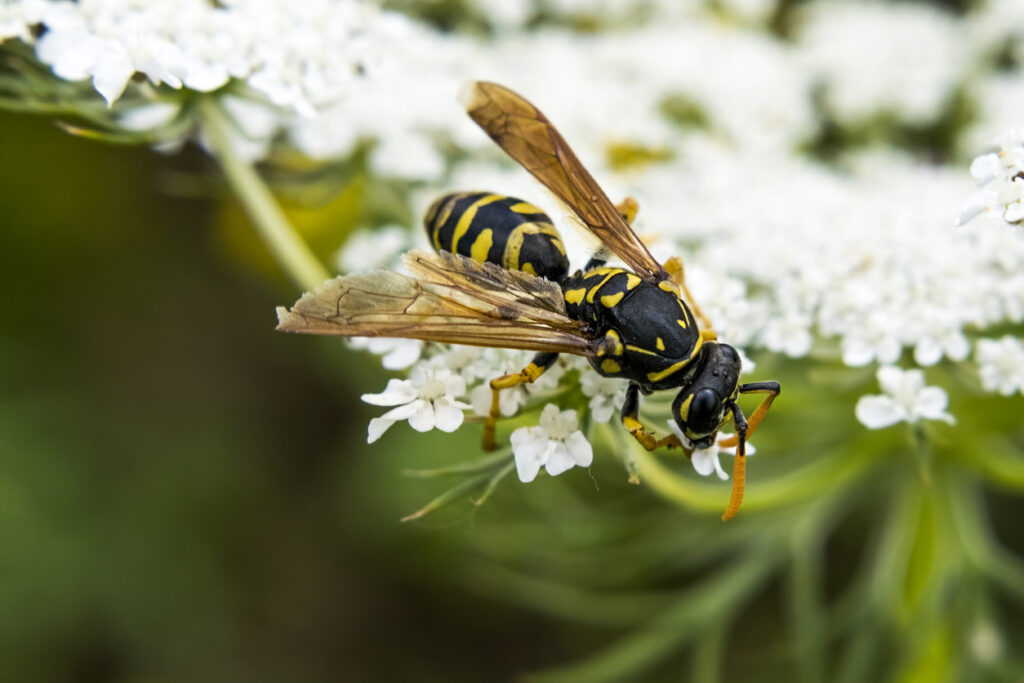
Wasps have a reputation for aggression, yet they’re vital pest controllers. A single colony can eat thousands of caterpillars, aphids, and other insects that destroy crops. They’re natural defenders of food production, even if they don’t get much thanks for it.
Beyond pest control, wasps are pollinators too. Many plants rely on them to move pollen between flowers, ensuring growth and diversity. They may not be as loved as bees, but they’re every bit as important to agriculture and balance in nature.
3. Bats

Bats often get blamed for spreading disease, yet they do more to protect human health than harm it. One bat can eat thousands of mosquitoes each night, dramatically cutting down the spread of insect-borne illnesses like malaria and dengue.
They also pollinate fruits such as bananas, mangoes, and guavas, helping feed millions of people around the world. Without bats, insect populations would explode, and many tropical plants would struggle to survive at all.
4. Pigeons
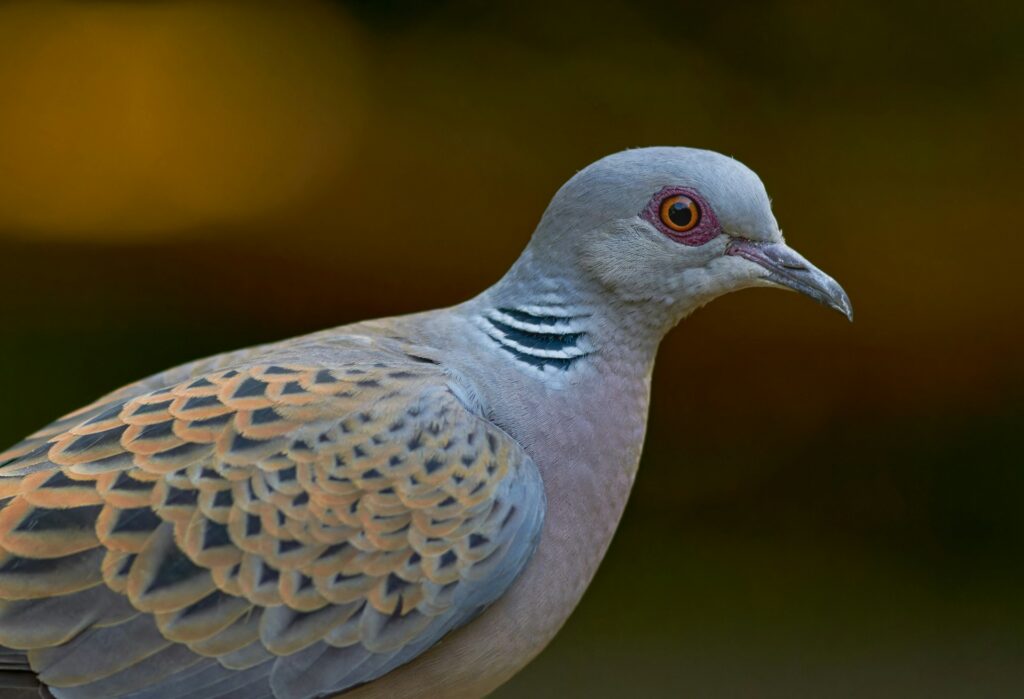
Pigeons are dismissed as dirty city dwellers, but they’re actually intelligent birds with long histories of service. For centuries, they carried messages across war zones and remote areas, keeping people connected long before technology existed.
Even today, pigeons help scientists study pollution and navigation. They thrive in harsh urban environments, proving how adaptable nature can be when humans change the landscape. They’re far more than the “rats with wings” nickname suggests.
5. Rats
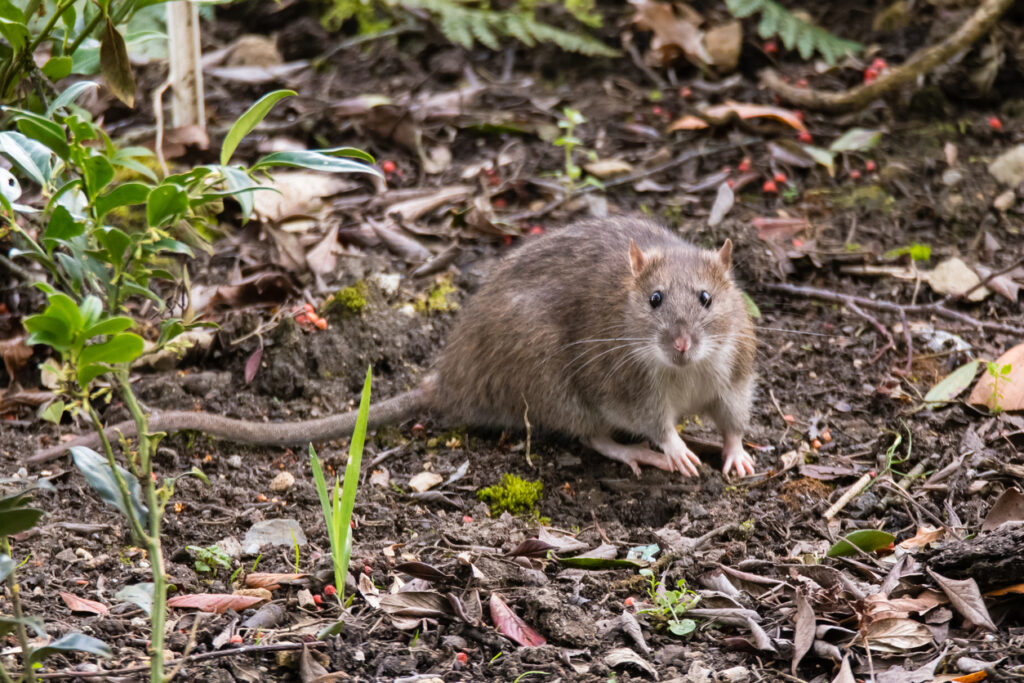
Rats make most people uneasy, but they’re essential recyclers and part of nearly every food web. They eat waste, seeds, and insects, helping control populations and clean up leftovers in natural and urban spaces alike.
In many places, rats even help humans directly. Their sharp senses are used to detect landmines and diagnose diseases like tuberculosis. Despite their reputation, they’re intelligent, social, and more useful than most people realise.
6. Vultures
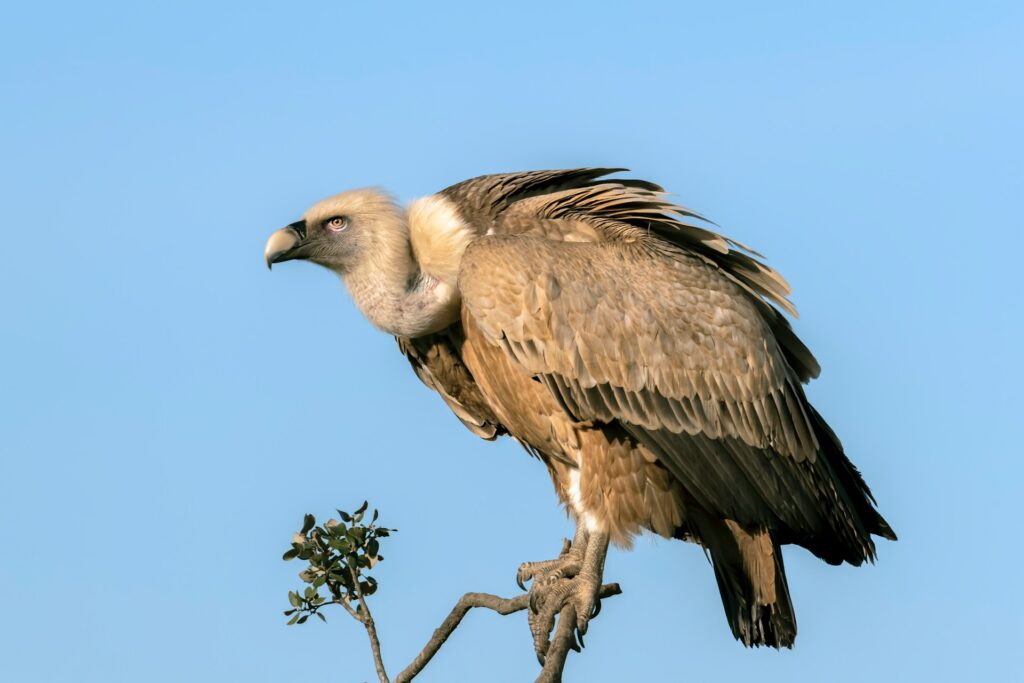
Vultures often get seen as grim symbols of death, but they’re nature’s sanitation crew. By eating animal carcasses, they stop disease from spreading through soil, water, and other wildlife. They’re the clean-up team every ecosystem needs.
Without them, decaying bodies would rot in the open, spreading illness among animals and humans. Their stomach acid kills harmful bacteria, making them one of nature’s most effective shields against disease outbreaks.
7. Spiders
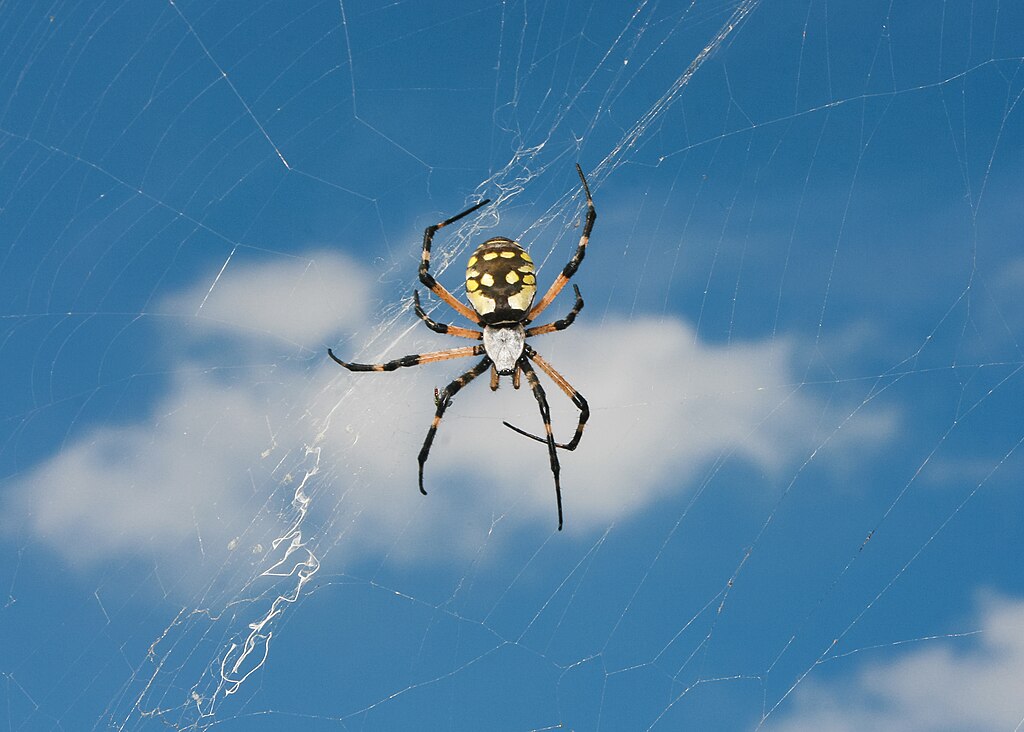
Few animals inspire fear like spiders, yet they’re some of our best pest controllers. They eat flies, mosquitoes, and countless insects that would otherwise destroy crops or carry disease into our homes and gardens.
Spiders also contribute to medical and material research. Their silk has inspired scientists to develop stronger and more flexible fibres. They may look scary, but they’re silent protectors working in corners we rarely appreciate.
8. Sharks
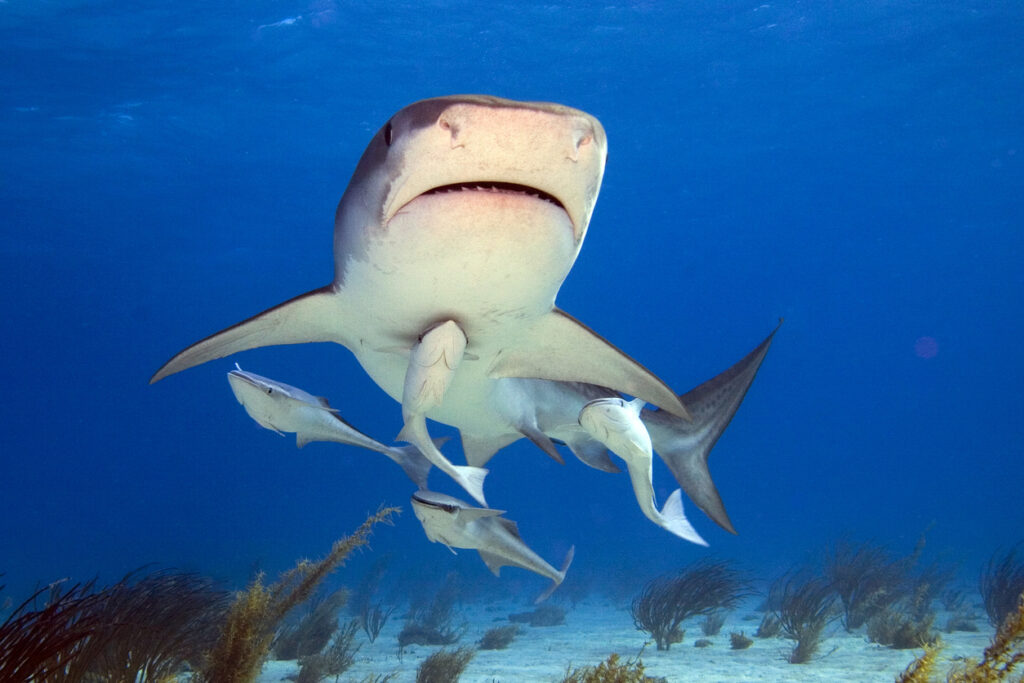
Sharks are often portrayed as killers, but in reality, they keep the oceans healthy. By hunting sick or weak fish, they maintain balance in marine populations, ensuring that coral reefs and coastal ecosystems stay stable and diverse.
When shark numbers drop, the effects ripple through the sea. Their absence can cause algae overgrowth and collapse entire food webs. Protecting sharks protects the ocean, and in turn, the oxygen and food supply humanity depends on.
9. Bees
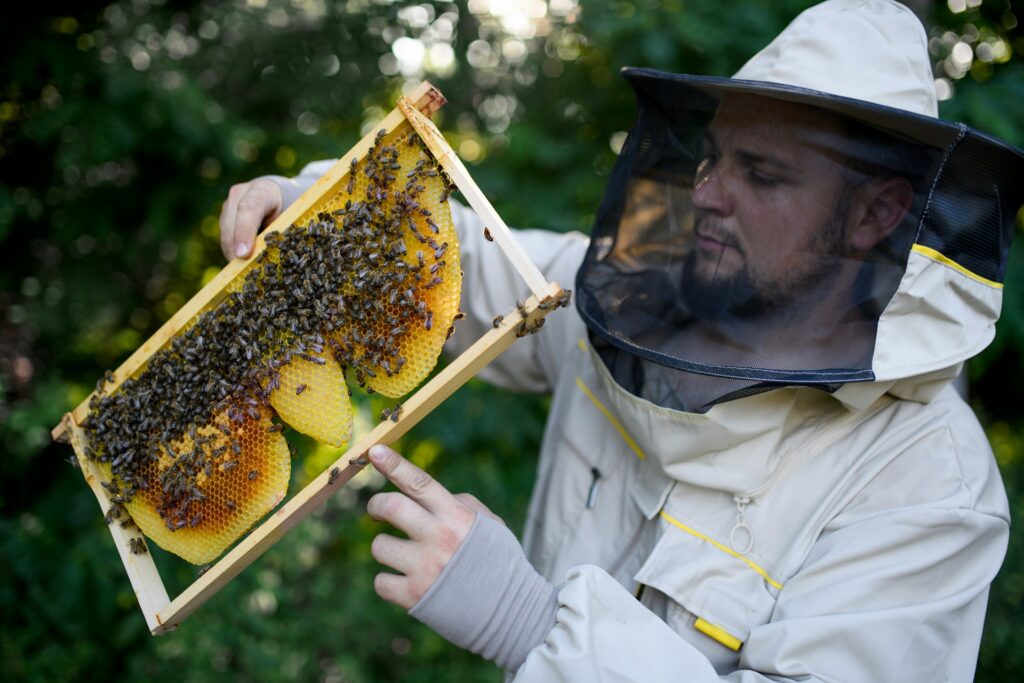
Bees are sometimes feared for their sting, yet no species is more vital to human life. Around a third of the world’s crops rely on bees for pollination, including fruits, vegetables, and nuts that make up our daily diets.
Without bees, food prices would skyrocket, and many species of plants would disappear. Their quiet work sustains both agriculture and wild ecosystems, making them one of the planet’s smallest yet most important heroes.
10. Earthworms

Worms might not be appealing to look at, but they’re the engineers of soil health. They break down organic matter and mix nutrients into the ground, creating fertile conditions for plants to grow strong and healthy.
Without worms, soil would harden and lose its ability to absorb water. They’re the reason crops, gardens, and forests can flourish. Every healthy patch of land owes much of its life to the simple work of earthworms.
11. Mosquitoes

It’s hard to find anyone who likes mosquitoes, but even they have a role in the world’s balance. They’re a major food source for birds, bats, frogs, and fish, forming an essential link in many ecosystems.
Their larvae help filter water in wetlands and support biodiversity in ponds. While they’re frustrating to humans, removing mosquitoes entirely would collapse countless natural food chains almost overnight.
12. Ants
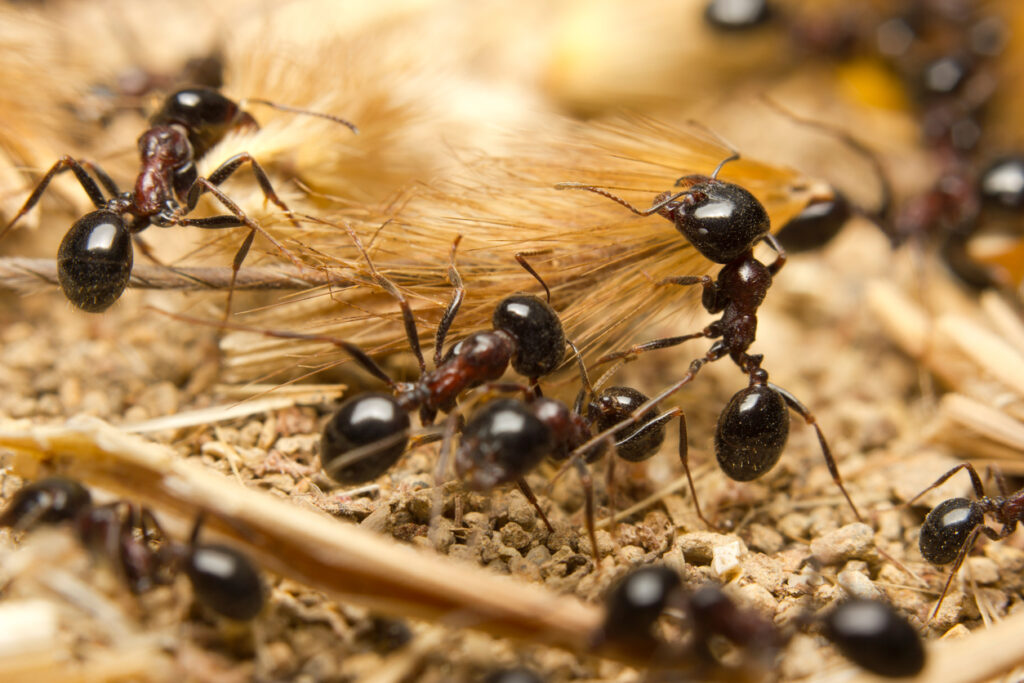
Ants are often seen as household nuisances, yet they play a huge role in keeping ecosystems alive. They aerate soil, spread seeds, and clean up waste, all while working together in perfectly coordinated colonies.
Some species even help control pests by attacking caterpillars and termites. Their teamwork supports everything from plant growth to soil recycling, proving that even the tiniest creatures contribute to the planet’s larger rhythm.
13. Snakes
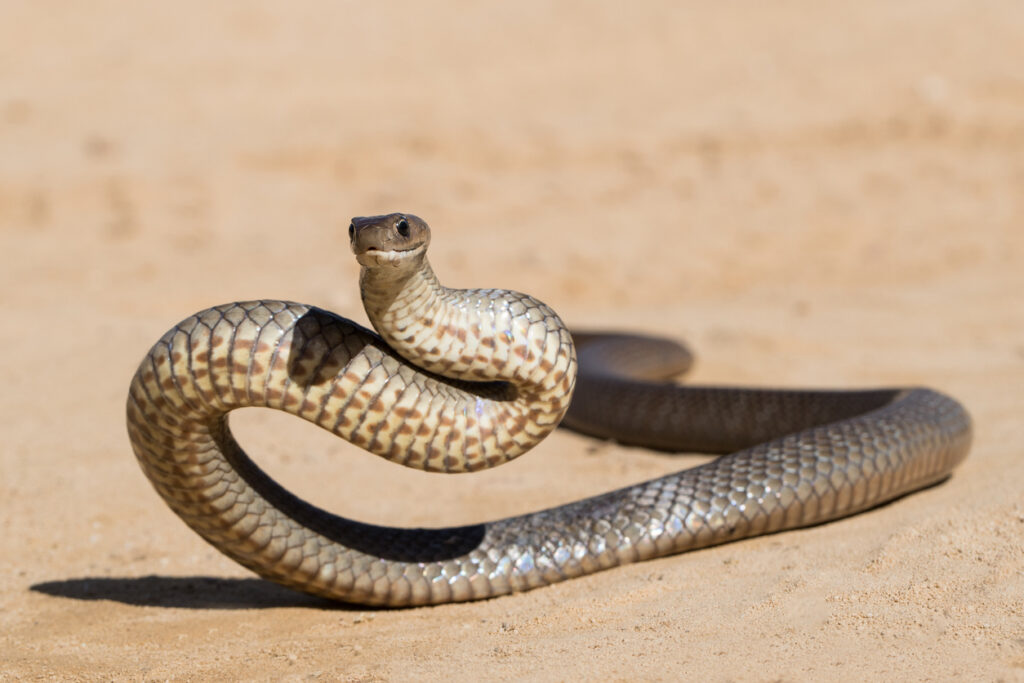
Snakes scare many people, but they’re vital for keeping rodent populations in check. Without them, rats and mice would multiply rapidly, causing massive damage to crops and spreading disease through food stores and homes.
They also form an important part of the natural food chain, feeding larger animals and balancing ecosystems. Many snake species are non-aggressive and prefer to avoid people altogether, quietly helping the environment in ways few notice.
14. Jellyfish

Jellyfish are often seen as ocean pests, but they’re crucial indicators of changing marine environments. They feed on plankton and small fish, helping maintain population balance in the oceans and keeping ecosystems in check.
They also recycle nutrients by breaking down dead organisms. Scientists study jellyfish to understand ocean health and even develop new medical treatments. They’re far more useful than their sting-filled reputation suggests.
15. Moths
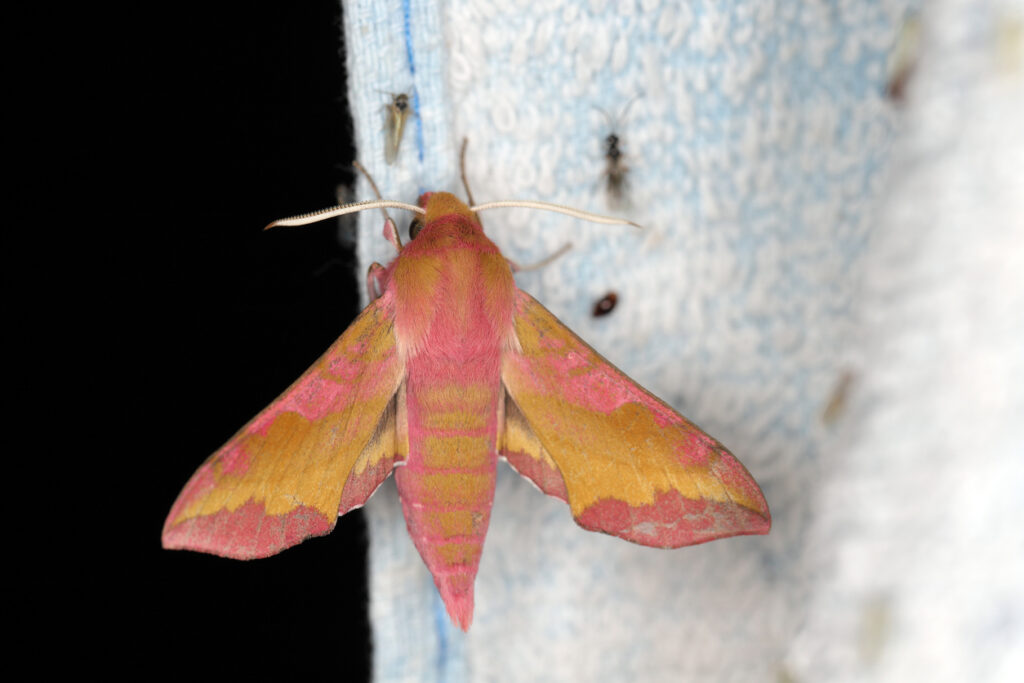
Moths are often dismissed as dull versions of butterflies, but they’re just as important for pollination. They work at night, spreading pollen for plants that bloom in the dark, helping maintain biodiversity that daytime pollinators can’t reach.
Their caterpillars feed countless birds, bats, and reptiles, forming a key part of many food webs. Without moths, ecosystems would lose balance, and many plant species would struggle to survive. Their quiet work keeps nature’s cycles turning even while we sleep.