Some dogs are undeniably adorable, but that doesn’t mean they’re easy to live with.

Behind the cute faces and wagging tails, some breeds come with complex needs, strong instincts, or personalities that test even experienced owners. Vets often see the fallout when people choose a dog for its looks without realising what it actually takes to care for one.
These breeds can be loyal, intelligent, and deeply rewarding, but they’re also demanding. They need structure, time, and often a firm hand to keep them happy and healthy. For first-time owners, that can be overwhelming, and unfair to the dog. Here are the breeds vets say are best left to those who know what they’re doing.
1. Siberian husky
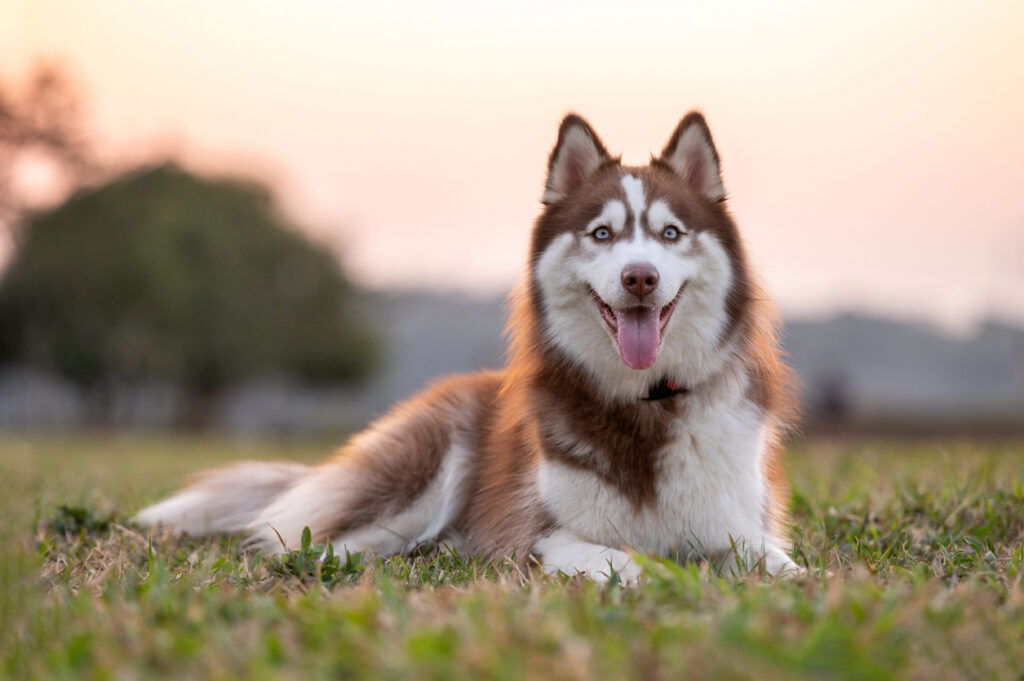
They’re gorgeous and everyone wants one after seeing them on Instagram, but they’re an absolute nightmare for first-time owners. They need massive amounts of exercise, they’re escape artists who’ll clear a six-foot fence, they shed constantly, and they’re stubborn as hell. They were bred to run all day in freezing conditions, not lounge around your flat. Most people massively underestimate how much work they are.
2. Border collie
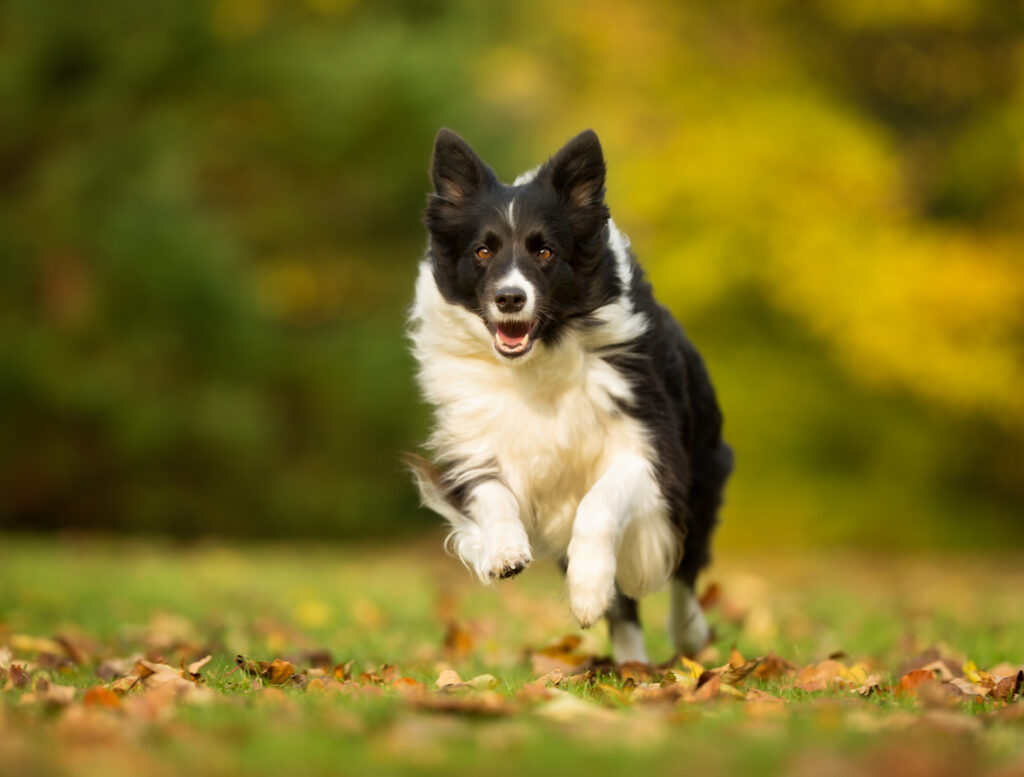
Considered one of the smartest dog breeds, which sounds great until you realise that means they need constant mental stimulation, or they’ll destroy your house out of boredom. They’re working dogs bred to herd sheep all day, so a walk around the park doesn’t cut it. Without proper training and jobs to do, they develop anxiety and obsessive behaviours. They’re not a casual pet.
3. Akita

They’re loyal and impressive-looking, but they’re also strong-willed, protective, and can be aggressive towards other dogs. They need an experienced handler who can establish clear leadership without being harsh. First-time owners often struggle with their independent nature and end up with a powerful dog they can’t control. They’re not forgiving of training mistakes.
4. Belgian Malinois
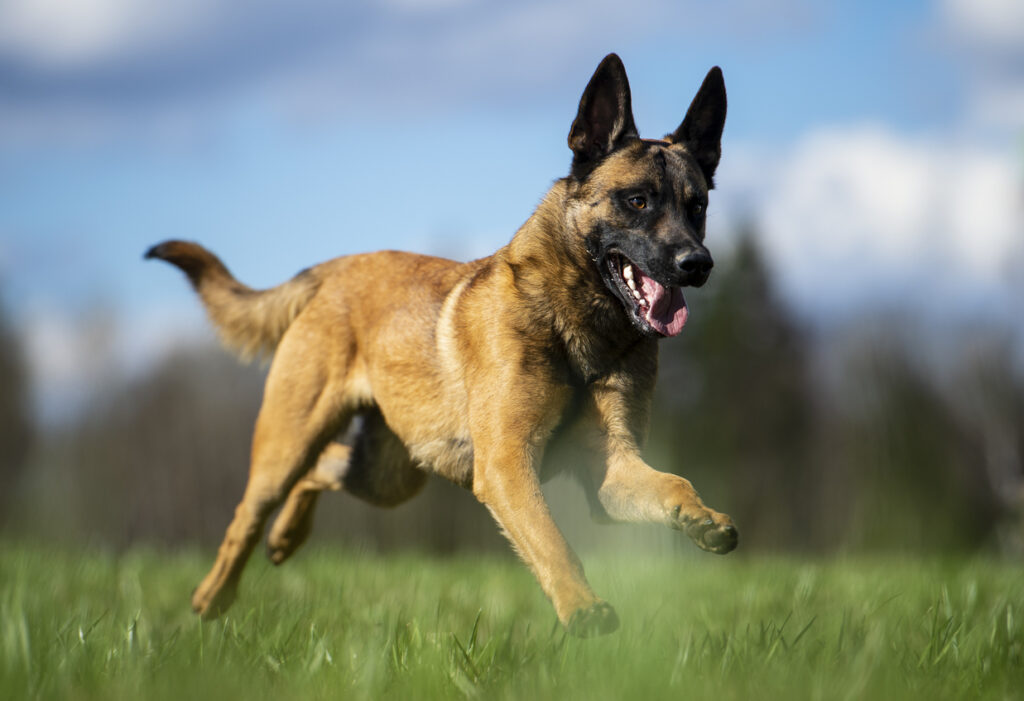
These are basically working police and military dogs that need a job to do. They’re incredibly high-energy, intensely driven, and require expert training. Without proper outlets for their energy and intelligence, they become destructive and difficult. People see them in films and want one, then realise they’ve taken on a dog that needs several hours of intense activity daily.
5. Jack Russell terrier
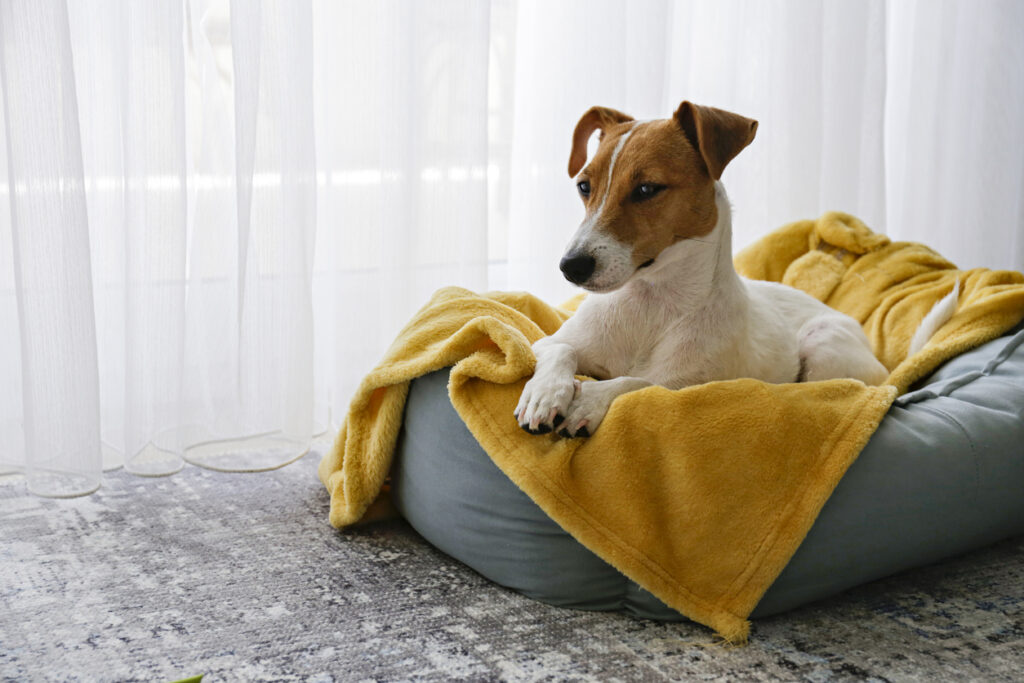
They’re small, so people assume they’re easy, but they’re pocket-sized chaos machines. They were bred to hunt rats and rabbits, which means they’re fearless, stubborn, and have energy that never stops. They need firm training from day one, or they’ll run the household. Vets constantly see first-time owners overwhelmed by how much personality comes in that small package.
6. Dalmatian
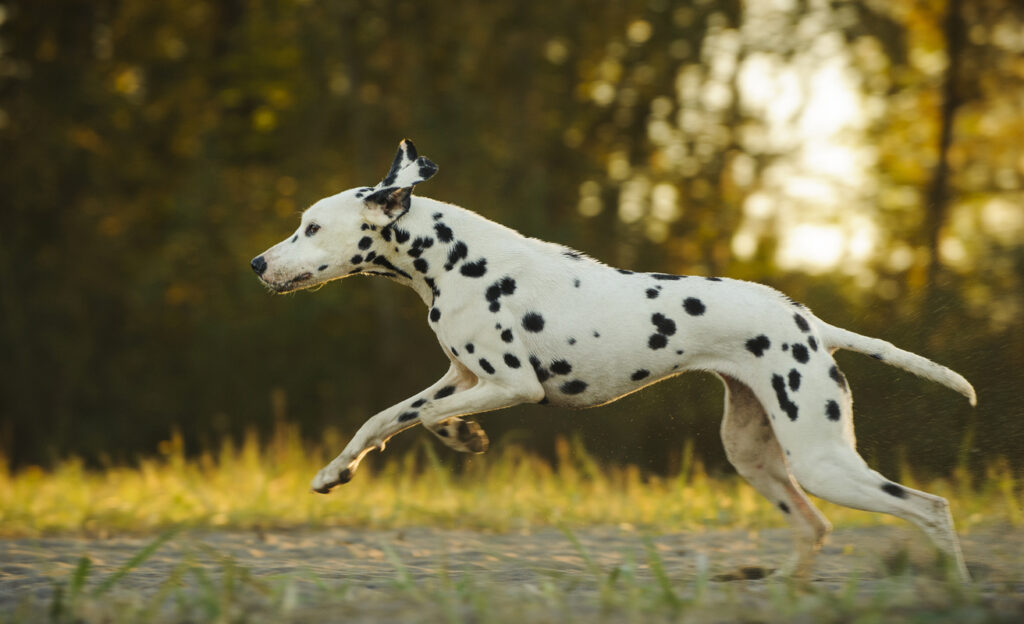
Everyone fell in love with them from the films, but they’re not the family-friendly pets people imagine. They’re high-energy, can be stubborn, and need loads of exercise and training. They were bred to run alongside carriages for miles, not sit around looking pretty. They also have a reputation for being snappy if not properly socialised, which first-time owners often get wrong.
7. Australian cattle dog

Another working breed that doesn’t know how to switch off. They’re intelligent, energetic, and need constant stimulation. Without proper exercise and mental challenges, they become destructive and develop problem behaviours. They’re brilliant dogs for experienced owners who understand working breeds, but they’re far too much for someone’s first dog.
8. Chow chow

They look like teddy bears, but they’re aloof, stubborn, and can be aggressive if not properly trained and socialised. They’re naturally protective and don’t trust strangers easily. They need an owner who understands dominant breeds and can train them consistently. First-time owners often struggle with their independent nature and end up with socialisation problems.
9. Rottweiler

They’re powerful, protective, and need confident, experienced handling. In the right hands they’re brilliant family dogs, but inexperienced owners often can’t provide the training and socialisation they need. They’re strong enough to cause serious problems if not properly controlled, and vets see too many first-time owners who’ve lost control of their Rottweiler by the time it’s fully grown.
10. Weimaraner
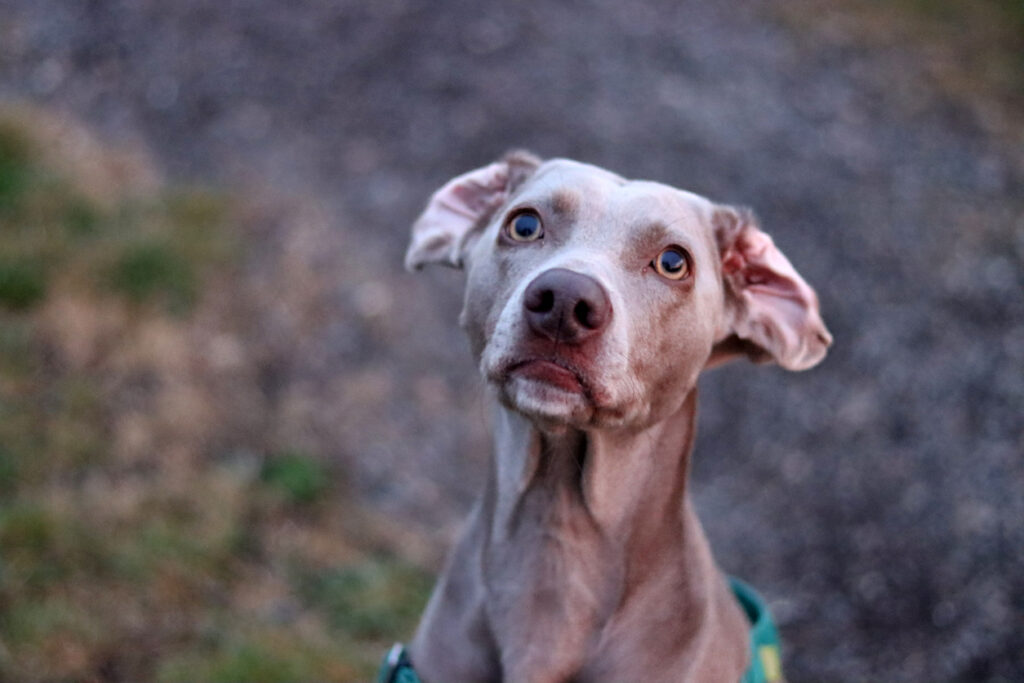
They’re beautiful hunting dogs with endless energy and serious separation anxiety. They need hours of exercise daily and don’t cope well being left alone. They’re Velcro dogs who want to be with you constantly, which sounds lovely until you realise they’ll destroy your house if you leave them for a few hours. First-time owners aren’t prepared for how needy and energetic they are.
11. Cane corso
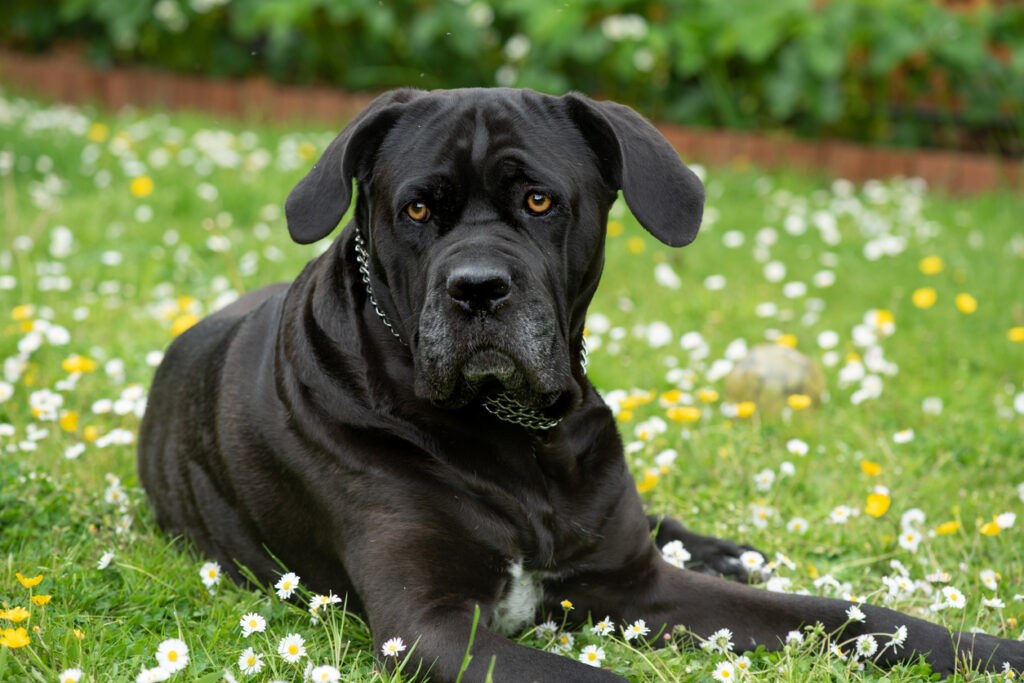
These are massive, powerful guard dogs that need expert handling. They’re naturally protective and can be aggressive if not properly trained and socialised from puppyhood. They’re not the kind of dog that forgives training mistakes, and inexperienced owners often end up with a 120-pound dog they can’t control. They’re bred to guard, not to be casual family pets.
12. Basenji
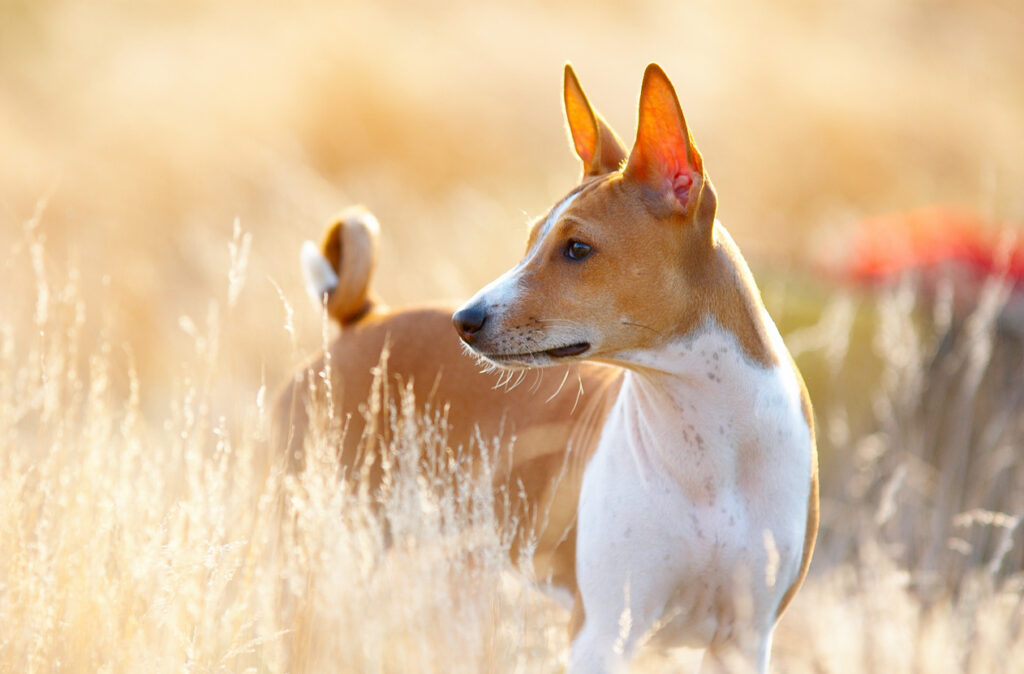
They’re cat-like, independent, and notoriously difficult to train. They don’t bark, which sounds great, but they make other weird noises instead. They’re escape artists, they’re stubborn, and they’re not interested in pleasing you the way other breeds are. First-time owners expect a normal dog and get something completely different that doesn’t respond to standard training methods.
13. Shar pei
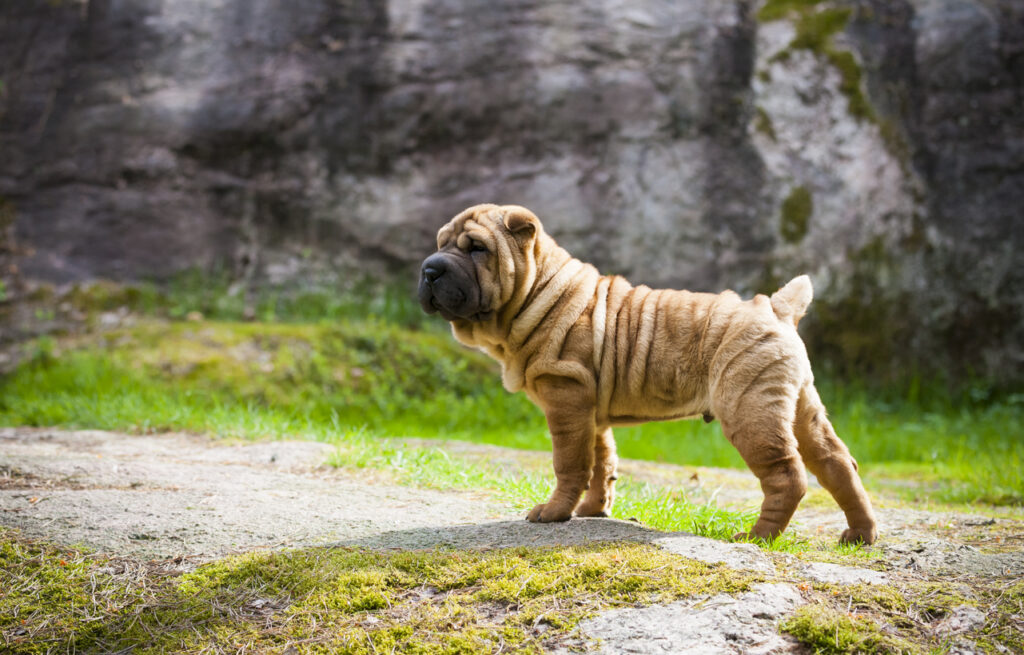
They’re adorable with all those wrinkles, but they’re also stubborn, protective, and prone to loads of health issues. Those wrinkles need constant cleaning to prevent infections, they often have eye problems, and they can be aggressive towards other dogs. They need experienced owners who understand the breed and can afford the vet bills that come with all their health problems.
14. Alaskan malamute
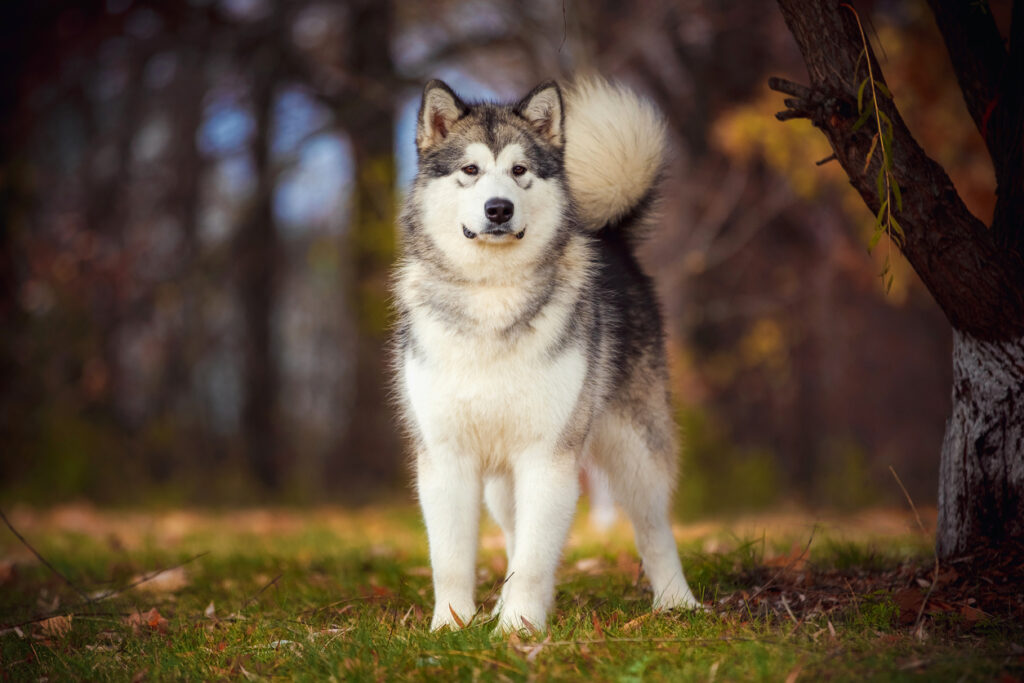
Similar to huskies but even bigger and stronger. They’re pack animals bred to pull heavy loads in arctic conditions, so they need massive amounts of exercise, and they’re built to challenge authority. They’re not aggressive, but they’re independent and stubborn. First-time owners massively underestimate how much dog they’re taking on and how much work is involved in keeping them happy and well-behaved.