Planting bulbs seems simple until you realise half of them never come up, sprout at the wrong time or vanish completely.
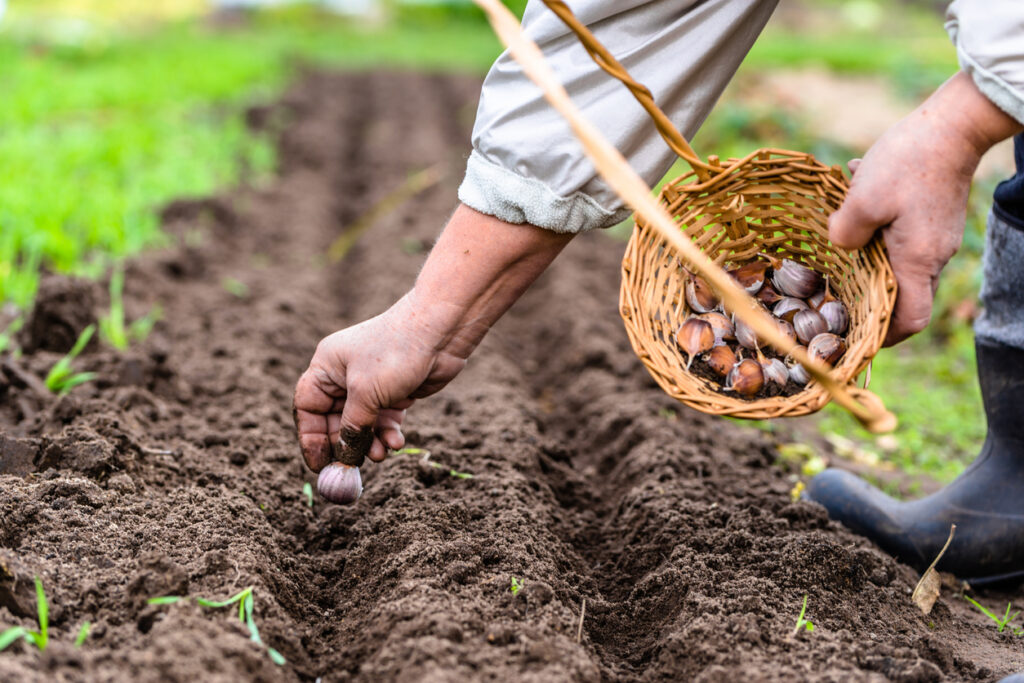
Most gardeners make the same mistakes without noticing, and it’s usually down to small details rather than a lack of effort. A few tweaks to timing, depth and placement can totally change your results, and once you understand what went wrong, the fixes feel surprisingly straightforward.
Good bulb planting isn’t about being perfect. It’s about giving each bulb the conditions it needs so it can settle in and grow properly. When you get those basics right, the pay-off in spring is massive. Here are the most common mistakes people make and the easy ways to avoid them.
Planting bulbs too shallow

One of the biggest mistakes is planting bulbs too close to the surface. When they’re not deep enough, frost, birds, and temperature swings can damage them before they ever get a chance to grow. As a rule, plant each bulb about three times its own depth. This keeps them insulated and allows strong roots to form before the colder months set in.
Forgetting to check drainage
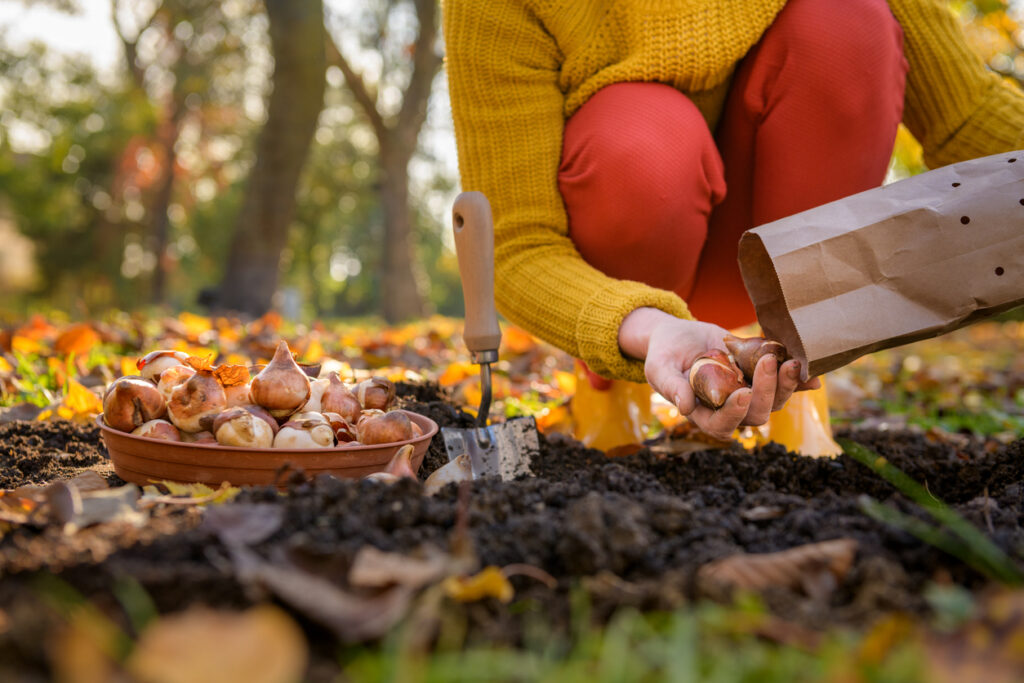
Bulbs hate soggy soil. When water can’t drain away, the bulbs rot before they sprout. Heavy clay soil is especially risky in wetter parts of the UK, but you can improve drainage by mixing in grit or compost. Raised beds or pots with holes in the base also work well for bulbs that dislike sitting in water.
Planting too late in the season
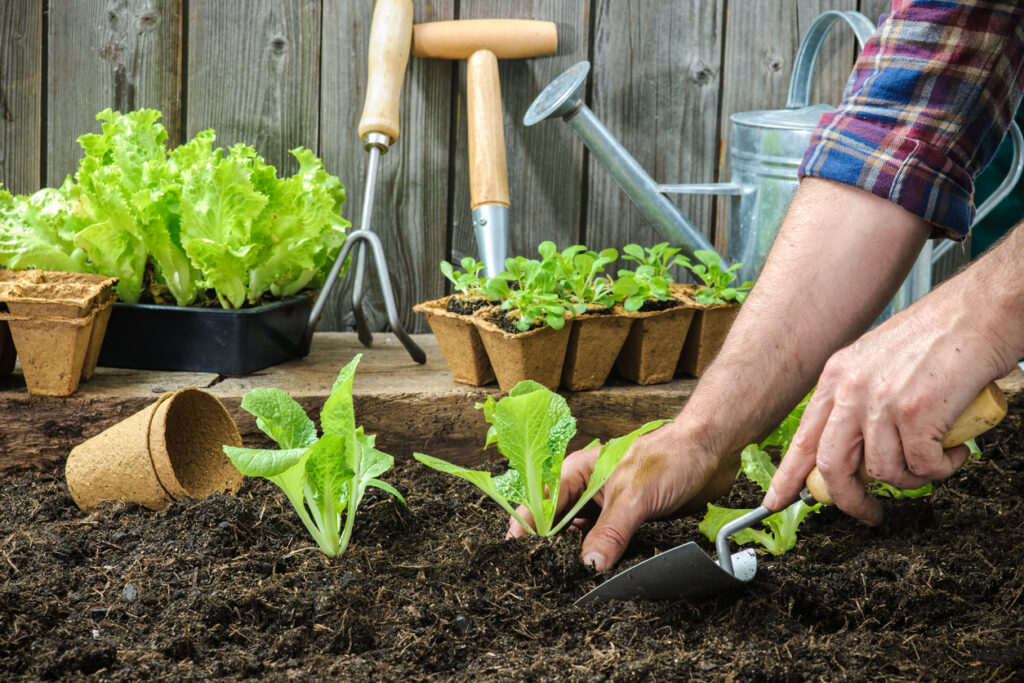
Leaving bulb planting until the first frosts can mean they don’t have enough time to settle before winter. Roots need a few mild weeks to grow before the cold arrives. Most spring bulbs do best when planted in early to mid-autumn. It gives them time to establish quietly underground and burst into life come spring.
Mixing up sun and shade requirements
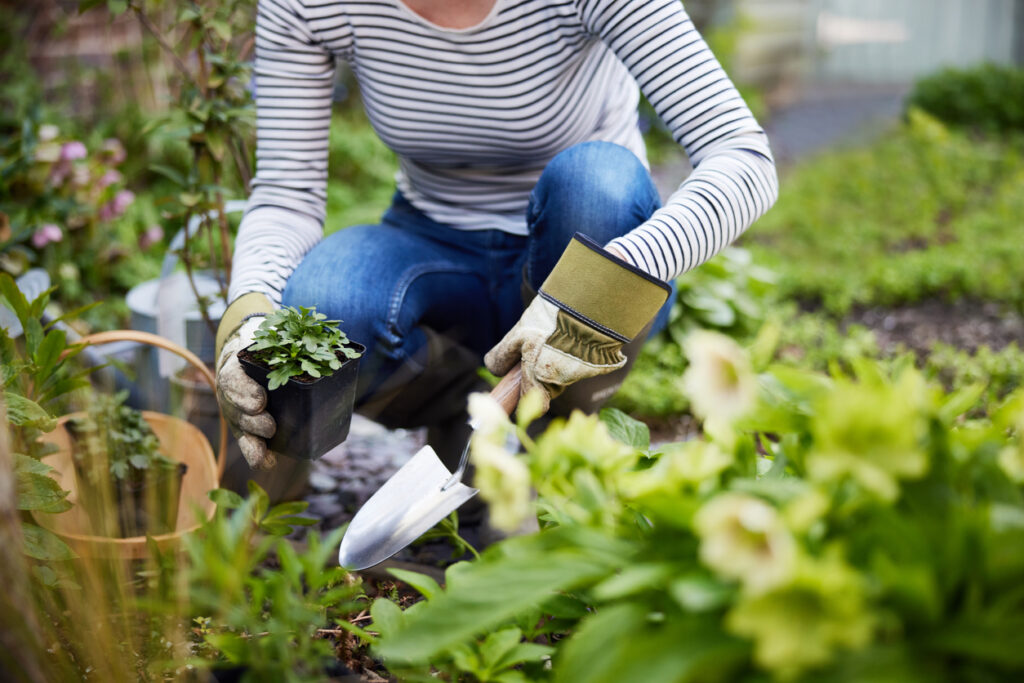
Not all bulbs enjoy full sun. Some, like bluebells and snowdrops, prefer dappled shade, while tulips and alliums need bright light to bloom properly. Check the label before planting and group bulbs by their light preference. This helps each one reach its full potential instead of competing for the wrong conditions.
Forgetting to water after planting
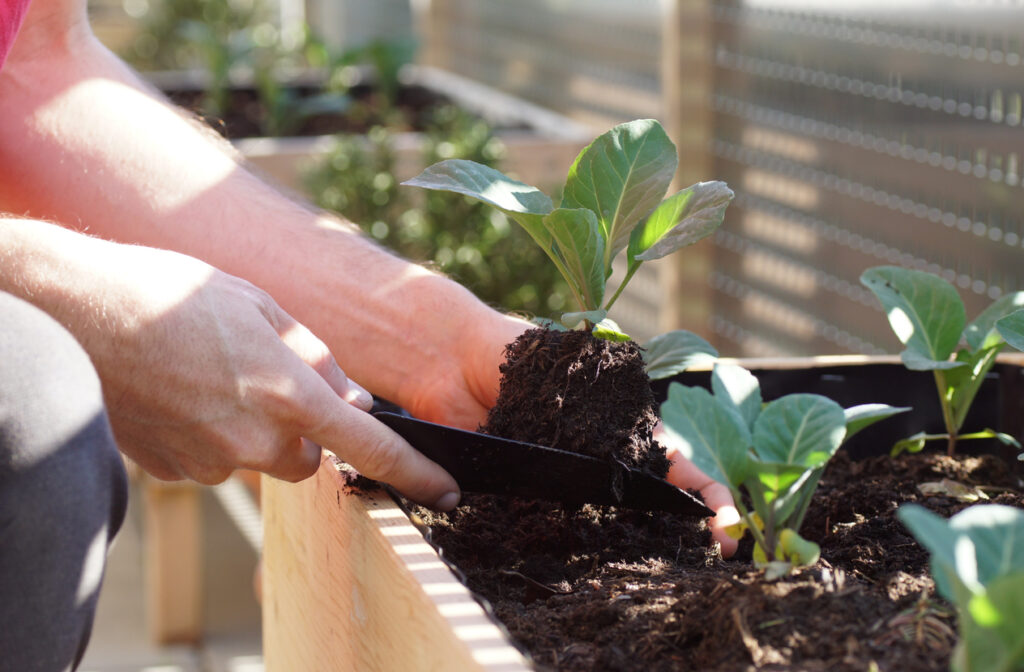
Many people think bulbs don’t need water once they’re in the ground, but they need moisture to start developing roots. Dry soil slows growth and weakens the bulb. Give them a good soak after planting. It helps remove air pockets and signals to the bulb that it’s time to start growing.
Ignoring the right spacing

Crowding bulbs too close together can stunt their growth. Each bulb needs room for roots to spread and flowers to open properly without fighting for space. Follow the spacing on the packet, or aim for about two bulb-widths apart. It keeps air flowing and reduces the risk of rot or disease.
Planting the wrong way up
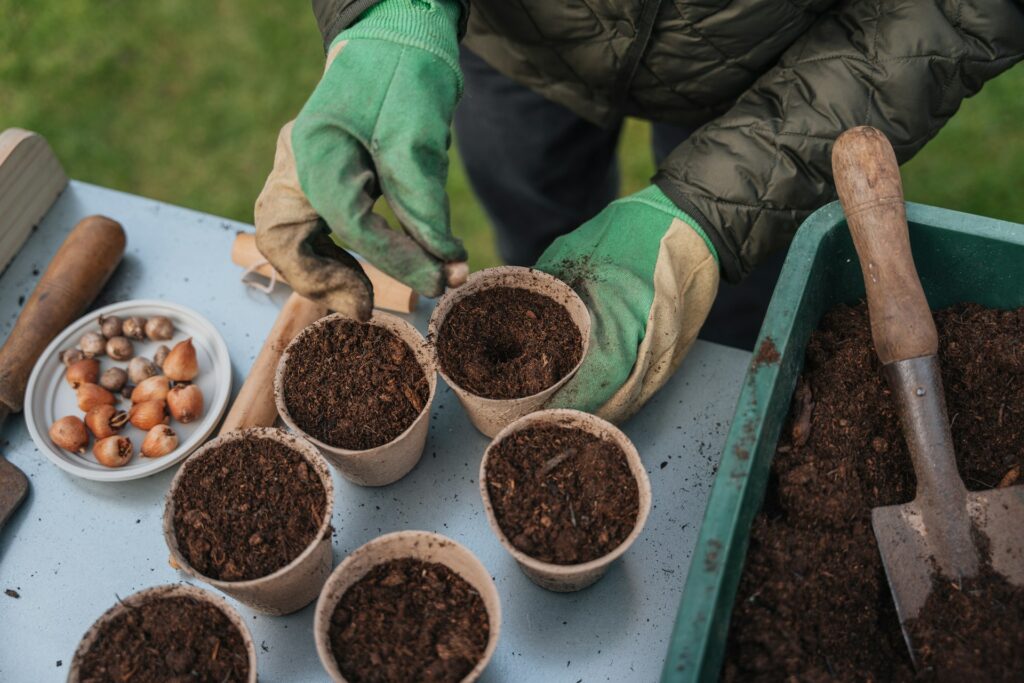
It sounds obvious, but it’s easy to plant bulbs upside down. When planted incorrectly, they waste energy trying to grow the right way up before producing any leaves. The pointed end should face upwards and the flat, root-producing side should face down. If in doubt, lay them sideways, and they’ll sort themselves out naturally.
Neglecting soil quality

Bulbs rely on nutrients stored inside them, but poor soil limits their ability to thrive long-term. Tired or compacted soil slows root growth and reduces flowering. Before planting, loosen the soil and mix in compost or well-rotted manure. It boosts structure, adds nutrients, and helps bulbs establish more easily.
Forgetting to mark where they’re planted
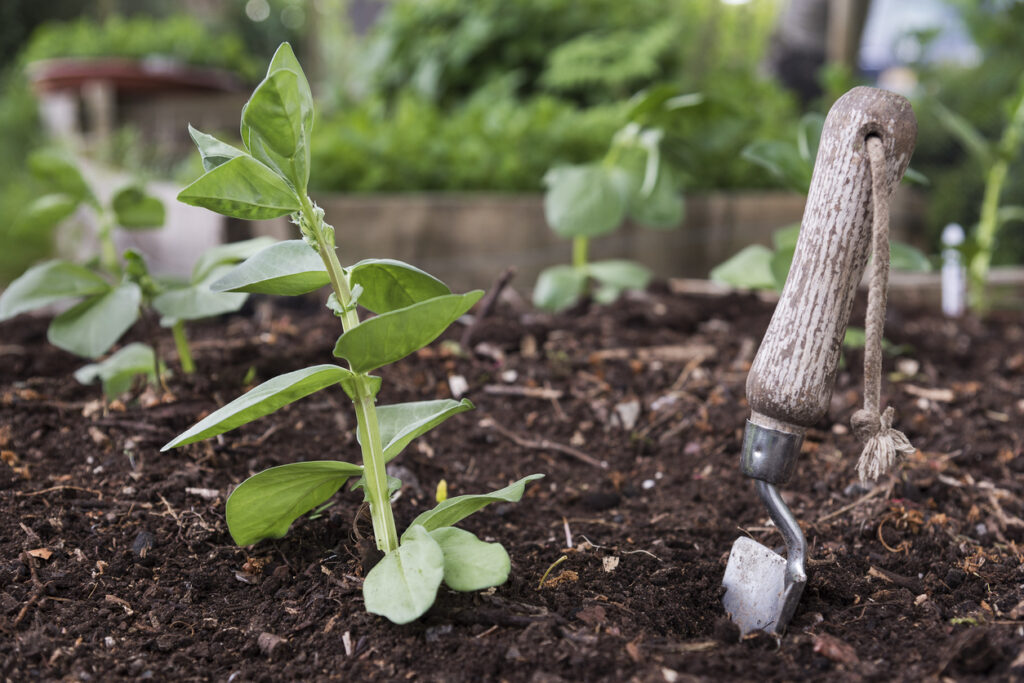
Many gardeners plant bulbs, then completely forget where they went. The following spring, they accidentally dig through them while planting something new. Use small plant markers or a simple map in your garden notebook. It saves confusion later and ensures you don’t disturb growing bulbs by mistake.
Using old or damaged bulbs
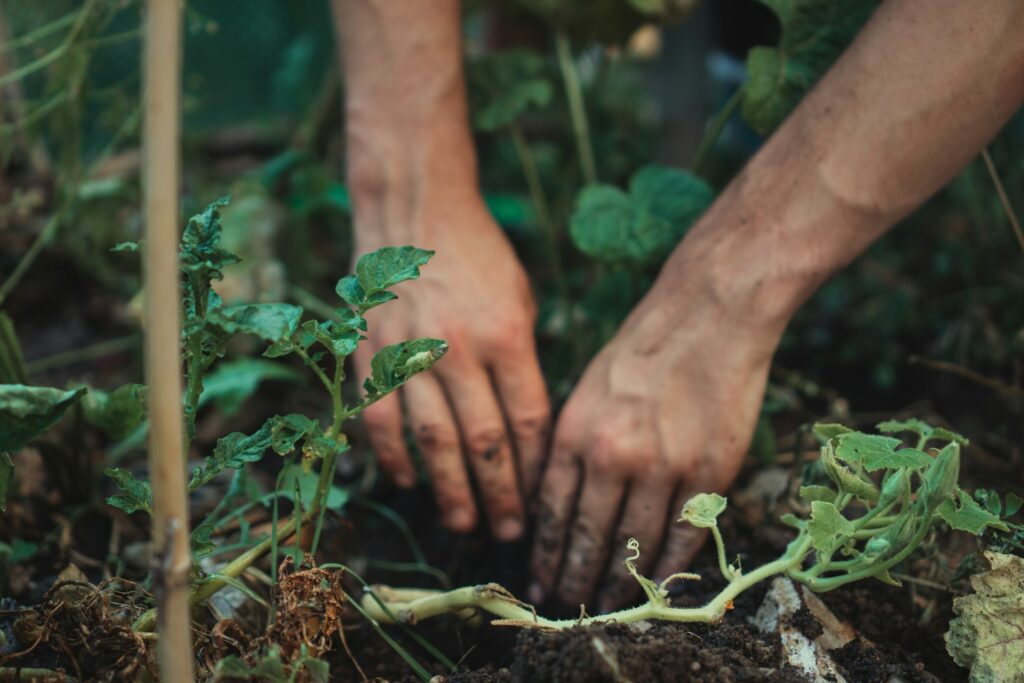
Soft, shrivelled, or mouldy bulbs are unlikely to grow well. They might sprout leaves but rarely produce strong flowers, leaving gaps in your display. Always buy fresh bulbs from a trusted source or store them in a cool, dry place before planting. Healthy bulbs feel firm and slightly heavy for their size.
Forgetting aftercare once they’ve bloomed
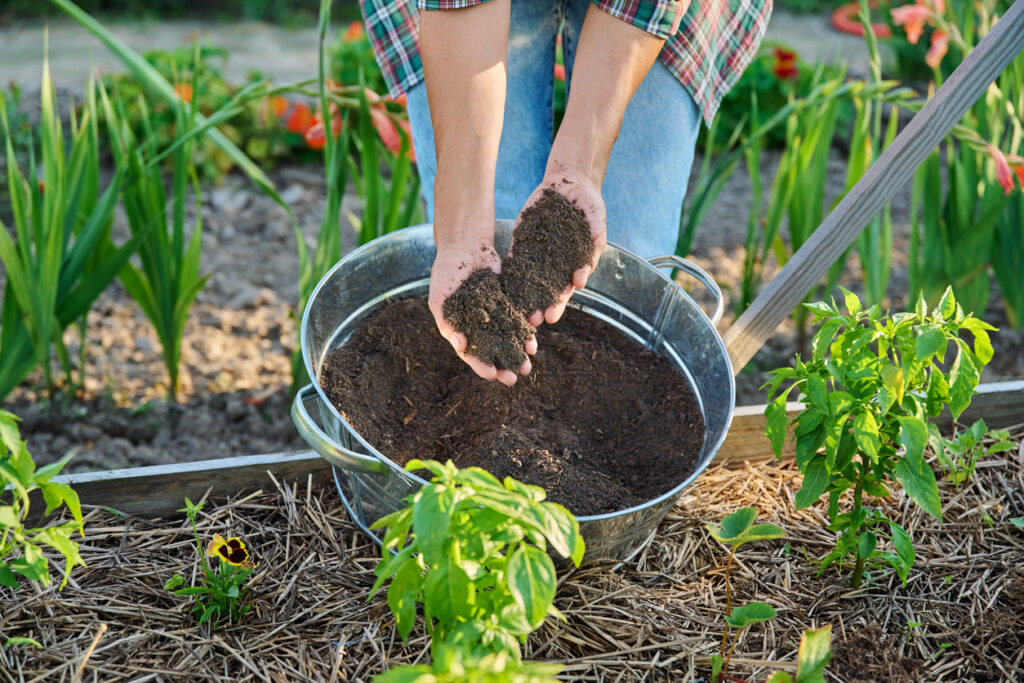
Many people cut back leaves too early after flowering. This stops bulbs from storing enough energy for next year’s blooms, weakening them over time. Leave the foliage until it yellows naturally, then trim it back. During this time, the bulb is recharging for the next growing season.
Planting in the wrong soil type
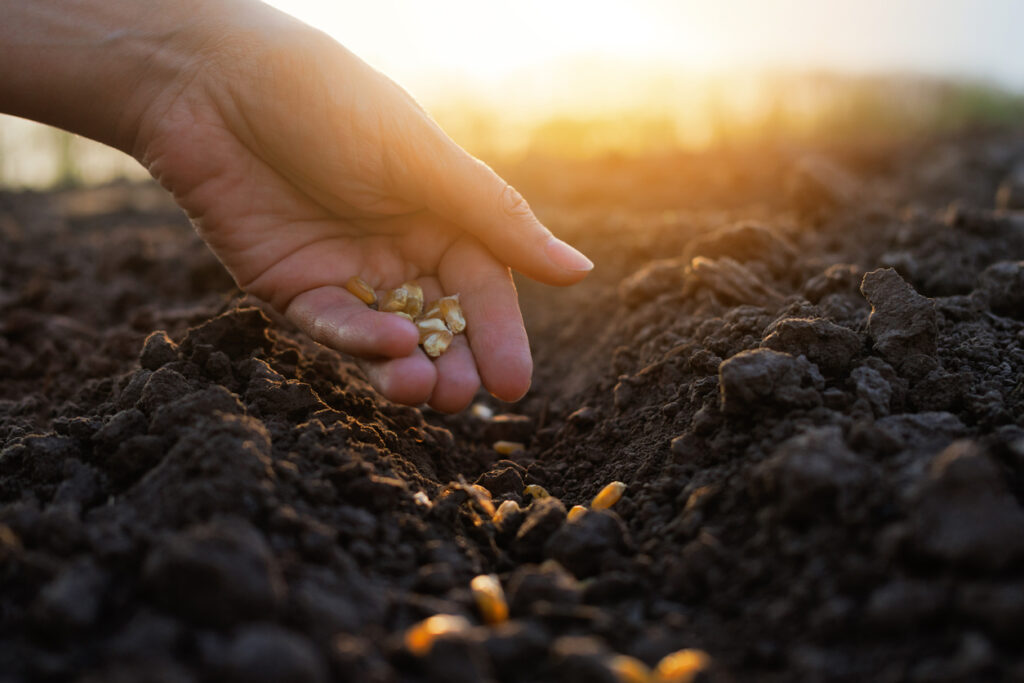
Some bulbs, like daffodils, cope well in most soils, but others, such as crocuses, prefer sandy ground. Forcing them into the wrong conditions leads to poor or patchy growth. Check each bulb’s preferred soil type before planting. Adjust by adding grit for better drainage or compost for extra moisture retention where needed.
Not protecting bulbs from pests
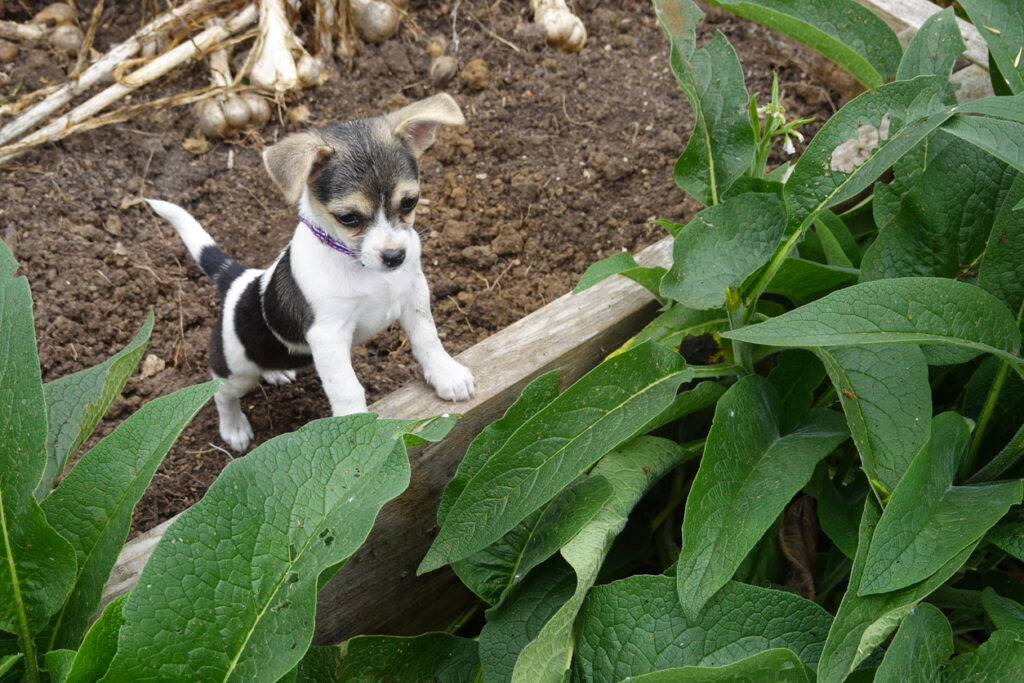
Squirrels and mice love digging up bulbs, especially tulips and crocuses. Leaving them unprotected often means losing half your planting overnight. Cover newly planted areas with netting or chicken wire until the soil settles. For pots, a layer of gravel on top discourages curious paws from digging.