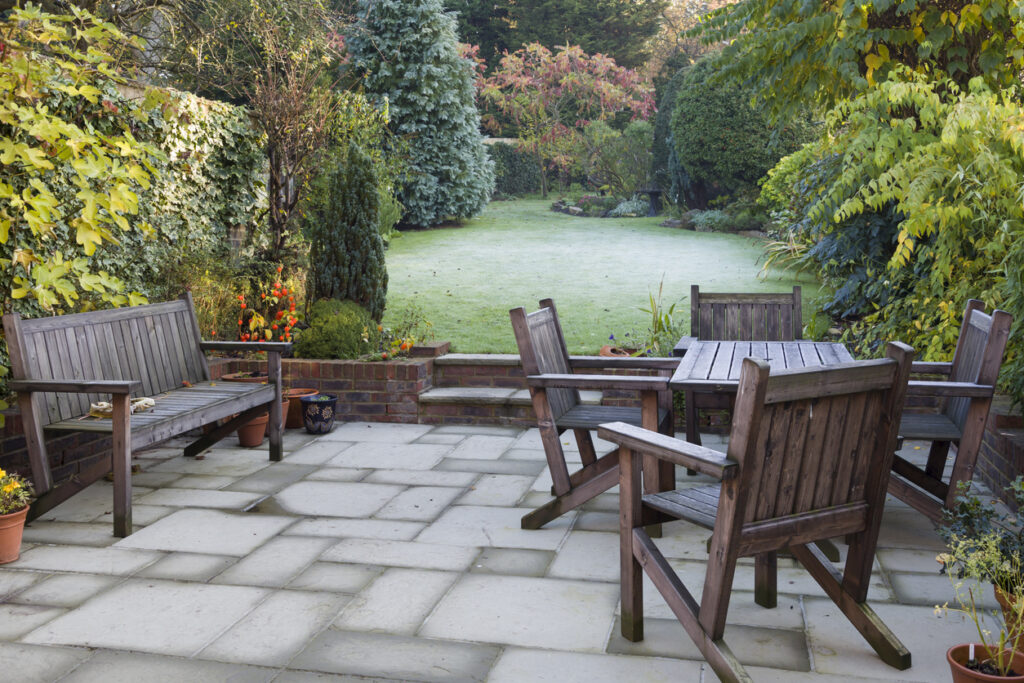
It’s easy to forget about patios once the cold weather sets in, but winter is actually one of the most important times to look after them. Damp conditions, falling leaves, and frost can all cause damage if left unchecked. Cleaning your patio in winter helps keep it safe, prevents staining, and saves you a much bigger job come spring. Here’s what you need to know about keeping your patio in good shape through the colder months.
Winter grime builds up faster than you think.
Cold air traps moisture on hard surfaces, encouraging algae and moss to grow quickly. Combined with fallen leaves and dirt, patios can become slippery within weeks. Even if it looks harmless, this build-up can stain porous stone and create safety hazards. Giving the area a light clean every few weeks helps prevent that buildup from getting out of hand.
Cleaning prevents long-term staining.
Leaves, bird droppings, and mud contain natural acids that slowly discolour patio slabs. In winter, these stains set faster because the surface never fully dries. Regularly sweeping and rinsing keeps the surface fresh. Using warm, soapy water and a stiff brush once a month is often enough to stop deep marks forming.
Moss and algae make patios slippery.
Green film or moss on your patio might seem cosmetic, but it’s one of the biggest winter hazards. It becomes slick underfoot, especially after frost or rain. A quick scrub with diluted vinegar or a biodegradable patio cleaner removes growth without harming nearby plants. This small step can prevent nasty falls when the surface ices over.
Freezing water can crack paving.
Moisture seeps into small gaps and freezes overnight, expanding slightly each time. Over the season, that freeze-thaw cycle can cause cracks and chips in the stone. Keeping the patio swept and rinsed stops puddles forming. It’s also smart to brush sand or joint filler into gaps before temperatures drop too low.
Pressure washing isn’t always a good idea.
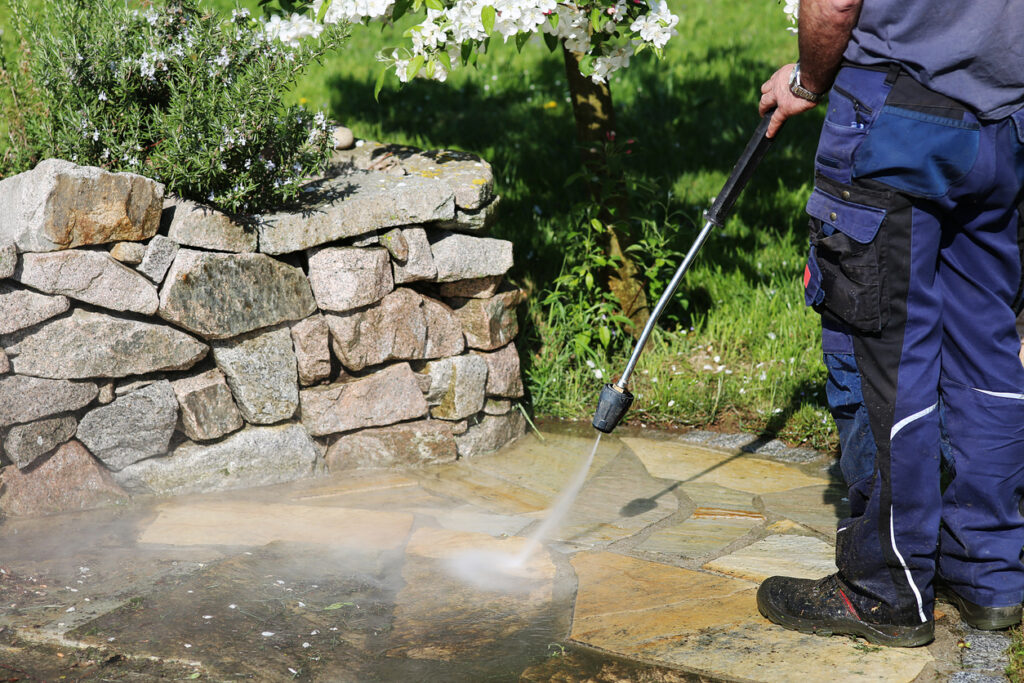
Many people reach for the pressure washer out of habit, but blasting cold, brittle stone in freezing weather can cause more harm than good. It can loosen grout or leave behind uneven patches that collect water. If you do use one, wait for a mild day and avoid maximum pressure. Often, a stiff brush and bucket of warm water will do the job just as well.
Clearing debris keeps drains working.
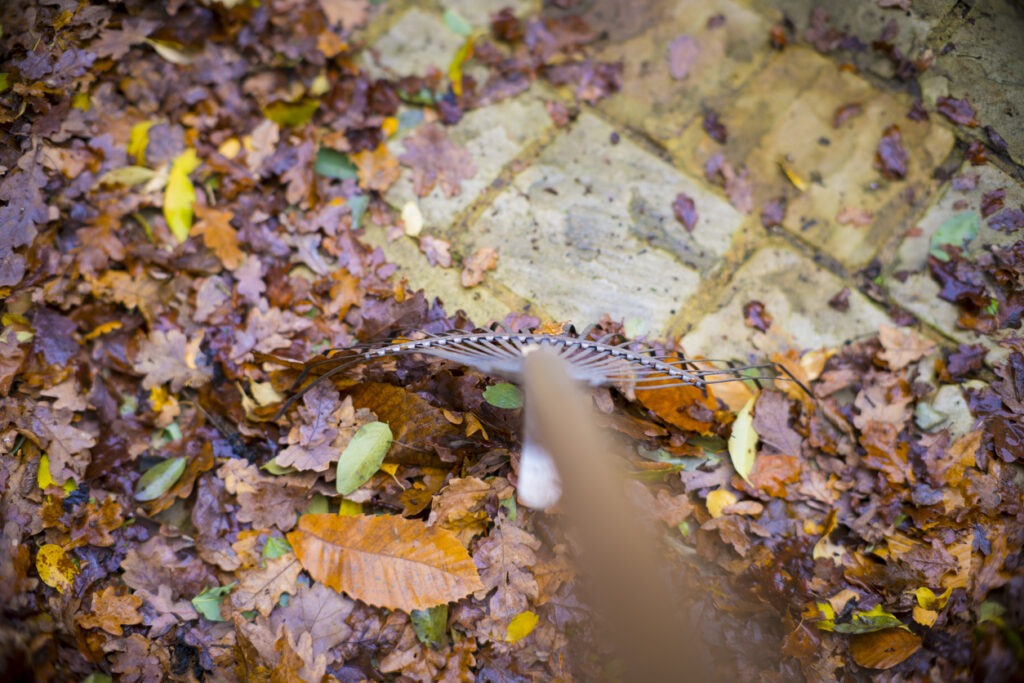
Leaves, soil, and grit can block patio drains or gaps between slabs. When water can’t escape, it pools and freezes, turning the area into a slippery sheet of ice. Regular sweeping is simple but effective. It keeps drainage free and stops blockages that could cause bigger problems later on.
Natural cleaners work best in cold weather.
Harsh chemicals can be less effective in low temperatures and may damage paving or surrounding soil. Simple options like vinegar, baking soda, or warm soapy water are safer and still effective. Mix one part vinegar with one part water for an eco-friendly cleaner that lifts grime and algae easily. Always rinse thoroughly to protect nearby plants.
Covering furniture helps prevent staining.
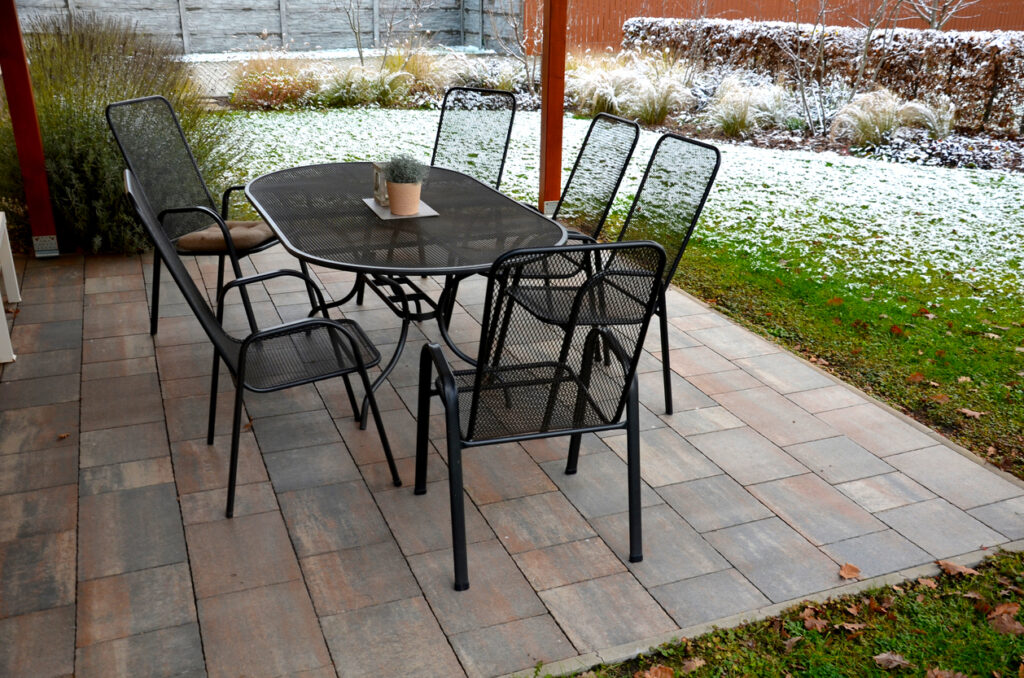
Metal garden furniture can rust and leave marks on your patio if it stays wet all winter. Wooden pieces can also leave dark patches on porous surfaces. Using waterproof covers or moving furniture indoors reduces this risk. It also means you’ll have everything clean and ready to use when spring returns.
A quick monthly clean is usually enough.
You don’t need to scrub the patio weekly. A light clean once a month, or after a spell of heavy rain, is usually enough to keep things under control. Regular maintenance saves time in the long run. By spring, you’ll only need a quick refresh rather than a full deep clean.
Keeping your patio clean protects its lifespan
Regular winter care isn’t just about looks. Dirt, frost, and moss can slowly wear away the surface and shorten the life of the slabs or grout. A few minutes of maintenance every month can protect your patio for years. It’s a small effort that pays off when you step outside in spring to find everything still in great shape.