November is that in-between stretch where the garden looks sleepy on the surface, but there’s still plenty you can do to set things up for the colder months.
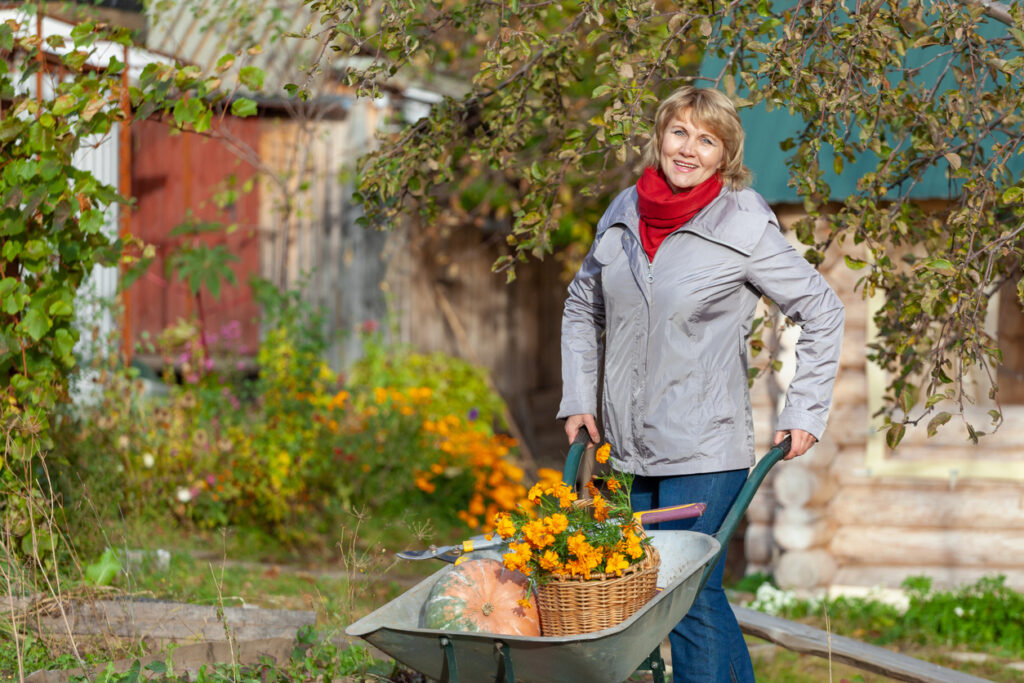
The air gets sharper, daylight slips away quicker and everything feels a bit damp, but it’s a great time to tidy, sort and give your plants a fighting chance before winter settles in properly. Even small jobs now can make spring feel a lot less chaotic.
This is the month for gathering fallen leaves, checking what needs protection, and deciding what can be left to rest until the weather turns. You don’t need to overhaul anything or spend hours outside shivering. A few steady jobs here and there can keep your garden healthy and cut down on problems later. Here’s what’s worth doing in November to keep things ticking along.
Collect fallen leaves for leaf mould.

Don’t waste the leaves covering your garden. Rake them up and store them in black bin bags with a few holes punched through, or pile them in a wire cage to rot down naturally. In a year or two, they’ll turn into rich, crumbly leaf mould perfect for mulching beds or improving soil texture. It’s one of the simplest and most rewarding winter projects.
Protect tender plants from frost.

Wrap tender shrubs and young trees in horticultural fleece or bubble wrap to protect them from early frost. Pots can be grouped together near walls for extra warmth and shelter. Even a light frost can damage new growth, so a little prevention now will save you from heartbreak later. It’s a quick job that makes a big difference.
Cut back perennials and remove dead growth.

Most perennials can be trimmed to ground level once their foliage dies back. Clearing away dead material reduces disease risk and keeps beds tidy through winter. Leave a few seed heads for wildlife, though. Birds love them, and some insects use hollow stems as safe winter homes. Balance neatness with nature whenever you can.
Prune roses and fruit bushes.
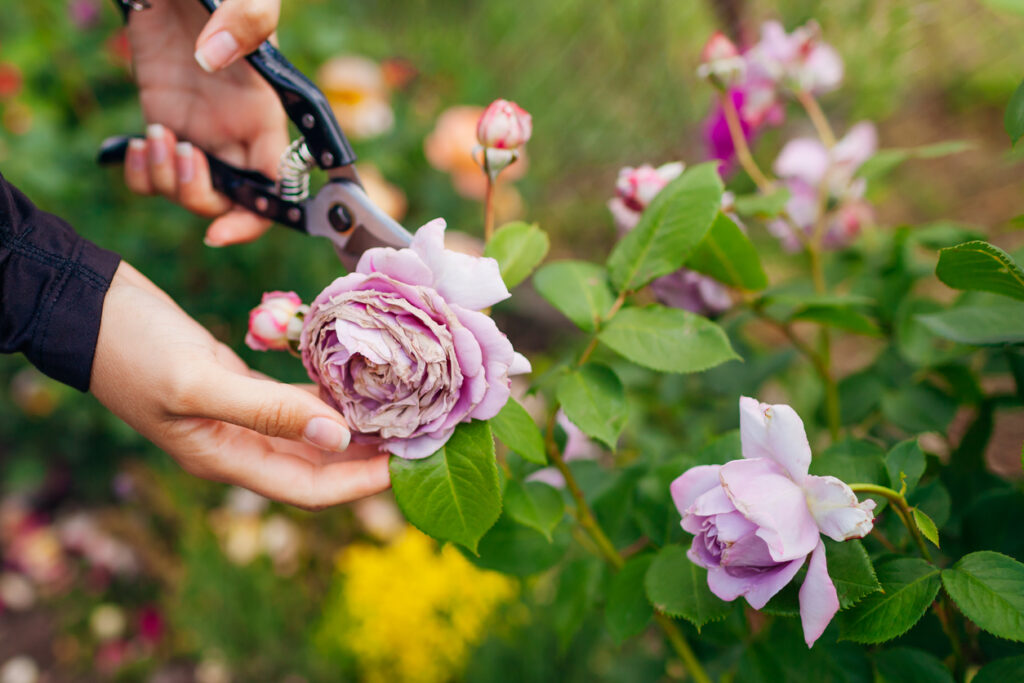
November is ideal for shaping rose bushes and pruning blackcurrants or gooseberries. Remove crossing or weak stems to encourage strong spring growth and better air circulation. Use clean, sharp tools to avoid tearing stems. A little effort now prevents problems later and helps your plants channel energy where it matters most once growth begins again.
Clean and store garden tools.
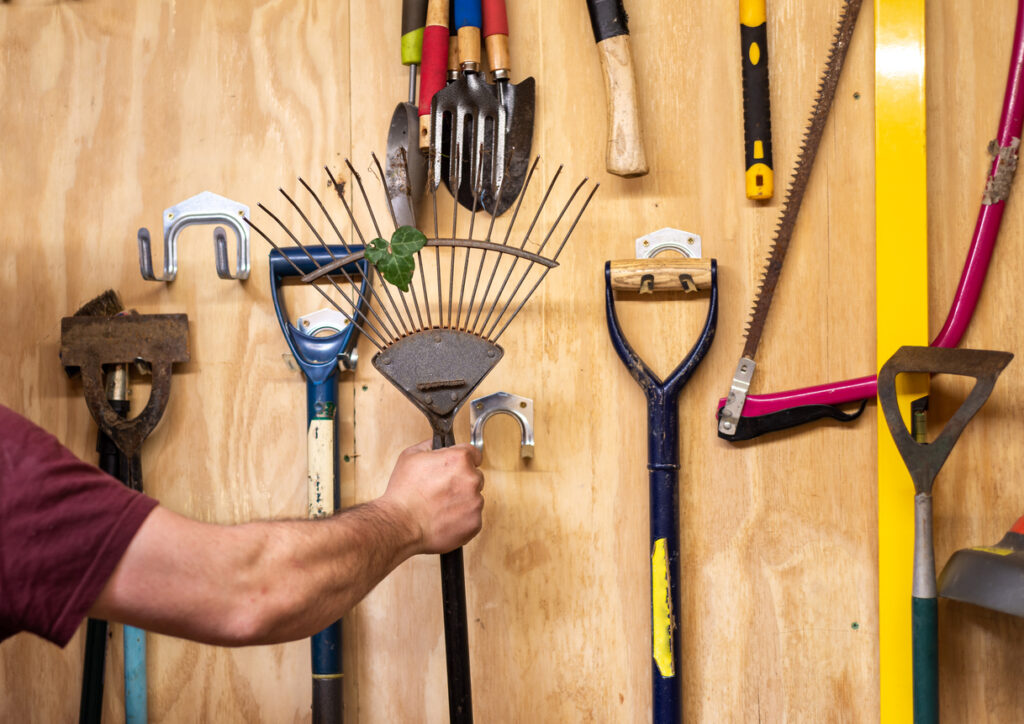
Give your tools a proper clean before storing them. Wipe off soil, dry them thoroughly, and apply a light coat of oil to metal parts to prevent rust. Good tools last decades when looked after. A quick clean-up in November saves money, reduces frustration, and means you’ll start the next season ready to go.
Feed and mulch the soil.
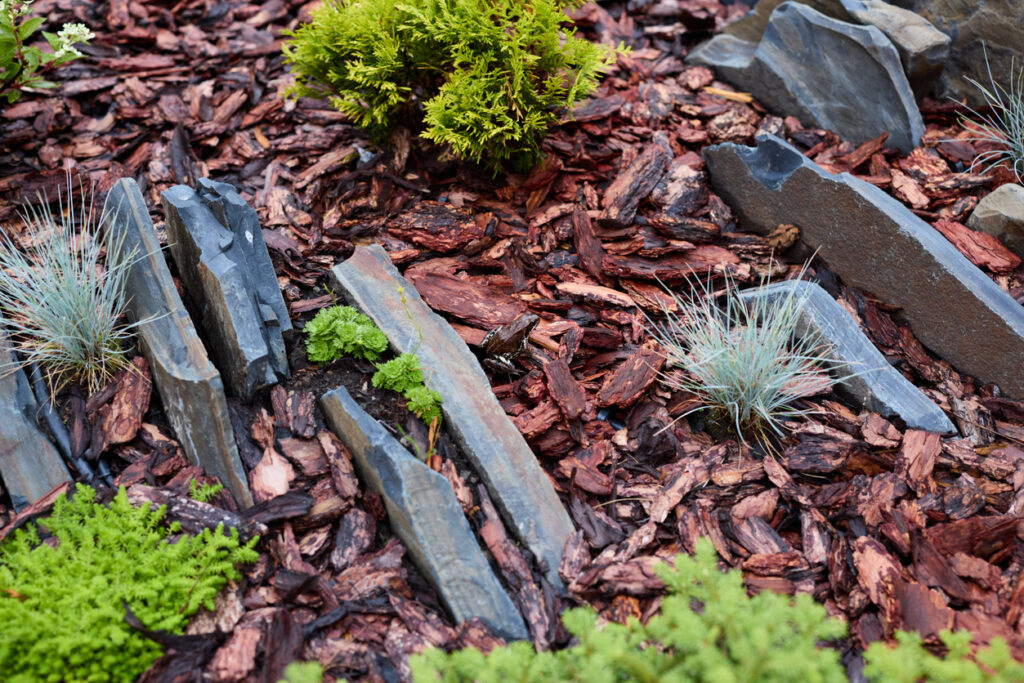
Once the beds are clear, spread a layer of compost or well-rotted manure across the surface. Rain and worms will gradually draw it in, improving the soil through the colder months. It’s a relatively simple habit that protects the surface from erosion and locks in nutrients. It’s like giving your soil a winter blanket that keeps it rich and healthy.
Clear gutters, paths, and ponds.
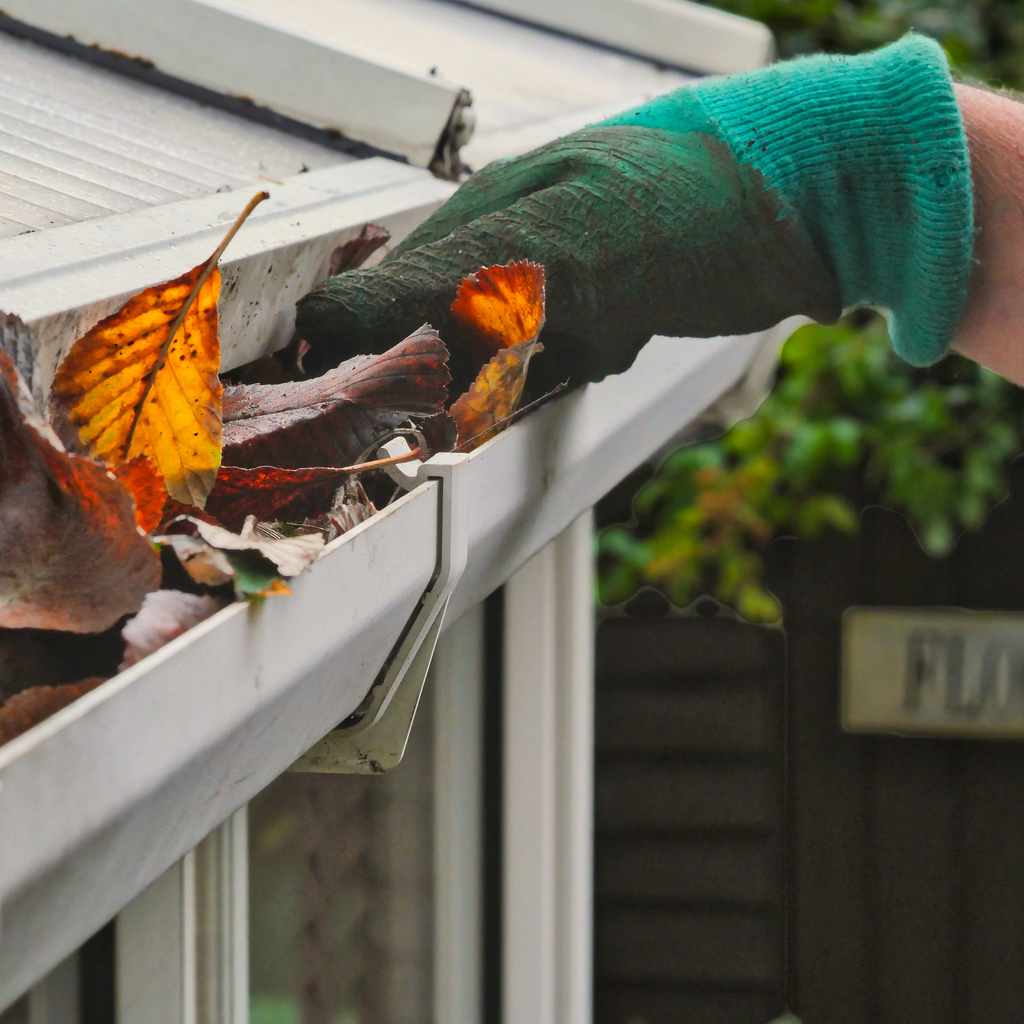
Fallen leaves block drains, pond pumps, and gutters, causing overflow and damage when the rain hits hard. Clearing them now keeps everything running smoothly through winter storms. It’s not the most exciting job, but it’s one of the most important. A clean system prevents flooding and protects both plants and structures from waterlogging.
Move pots and containers to sheltered spots.
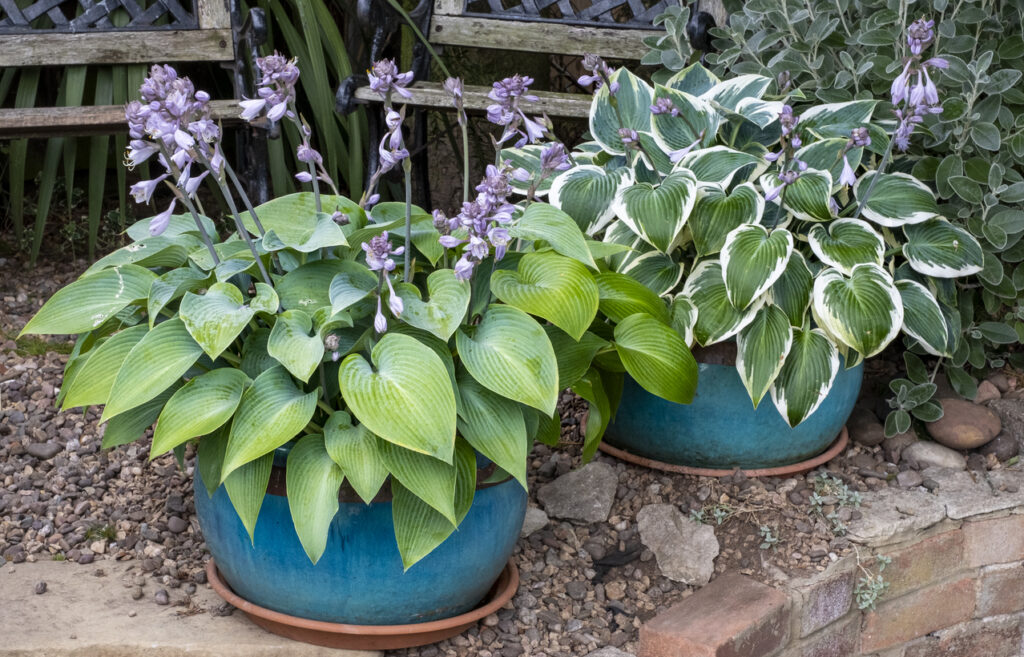
Potted plants suffer most in cold weather because their roots are exposed. Move them against walls, under cover, or into greenhouses if possible. Terracotta pots can crack in frost, so lift them off the ground with pot feet or bricks. Small changes like these make a big difference once temperatures drop.
Sow hardy winter crops and cover raised beds.
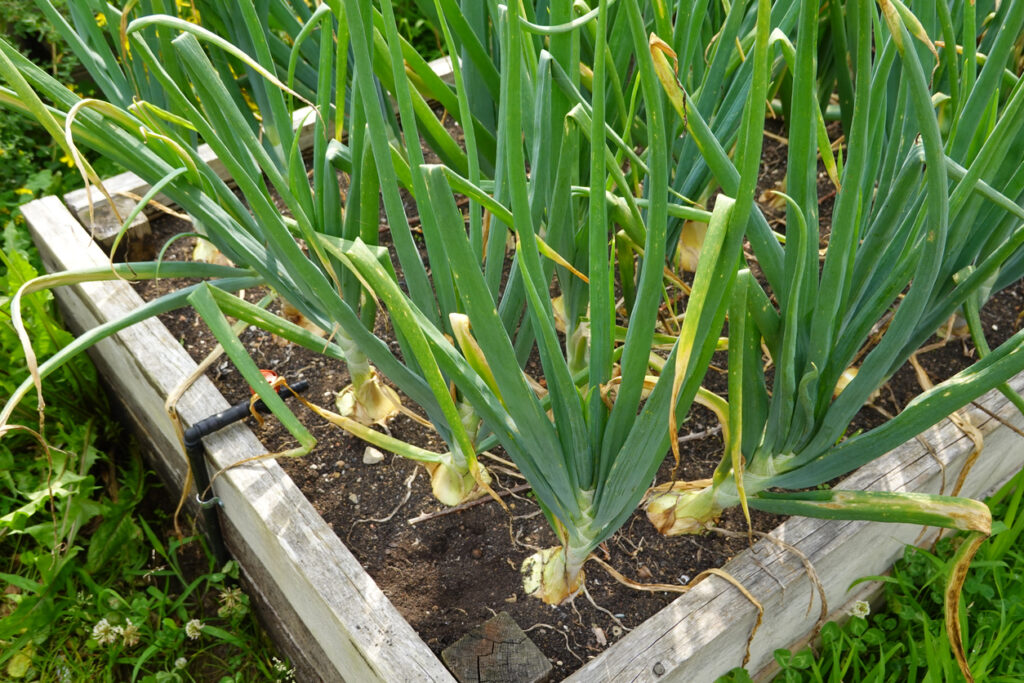
If you grow vegetables, November is still a good time to sow broad beans, garlic, or onions for early spring harvests. Cover raised beds with fleece or cloches to retain warmth. These hardy crops thrive in the cooler season and set you up for a strong start next year. Cold-weather gardening can be surprisingly productive with the right preparation.
Create habitats for wildlife.
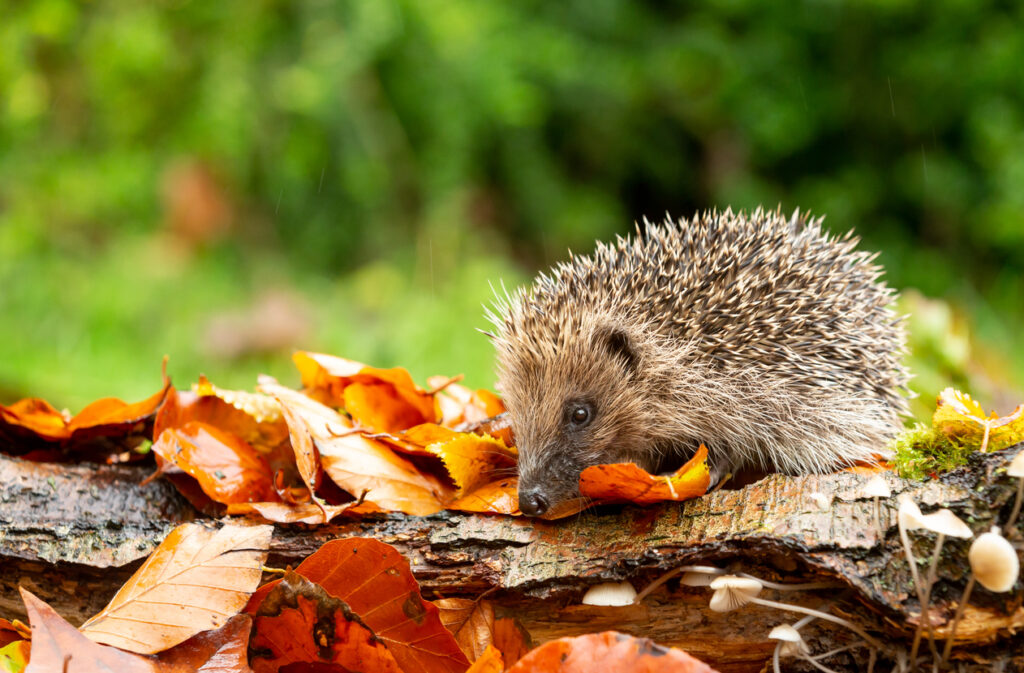
Before winter takes hold, set out bird feeders, clean water trays, and pile logs or leaves in quiet corners for hibernating creatures. Every bit of shelter helps wildlife survive the colder months. Encouraging birds and insects to stay benefits your garden too. They’ll repay you by keeping pests down naturally once spring returns, balancing the ecosystem from your own back garden.