Most gardeners don’t realise how much their soil affects everything they plant. You can water, fertilise, and prune all you like, but if your soil isn’t right for the job, your garden will always struggle. The tricky part is that soil type isn’t something you can judge just by looking at it. What feels like ordinary dirt could be hiding all sorts of surprises that make a huge difference to how plants grow.
Understanding what kind of soil you’re working with is one of the simplest ways to improve your garden without spending a fortune. Once you know what you’ve got, everything from choosing plants to knowing how often to water becomes much easier. Here’s how to find out what your soil is really made of.
1. Do the squeeze test with damp soil.
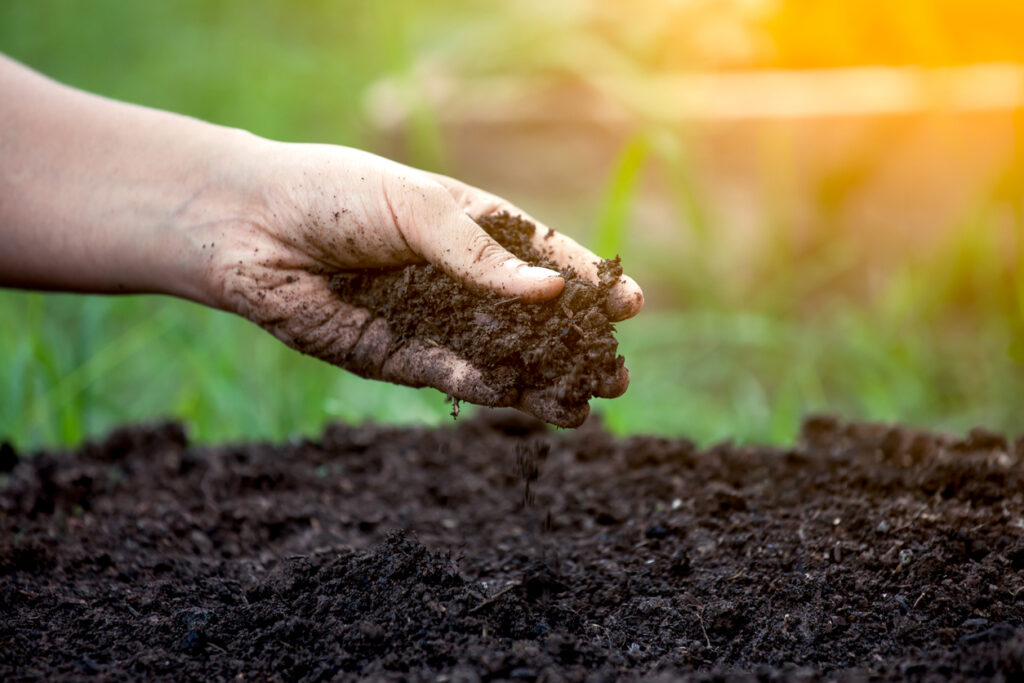
Grab a handful of slightly damp soil from about 10 cm down and squeeze it in your fist. Don’t use bone-dry or soaking wet soil because that’ll give you false results. Open your hand and see what happens to the ball you’ve made.
If it falls apart immediately and won’t hold any shape at all, you’ve got sandy soil. If it holds together but crumbles when you poke it gently, that’s loam, which is what most gardeners dream of having. If it stays in a solid ball and feels sticky or greasy, you’re dealing with clay. Clay will even take a fingerprint if you press your thumb into it, which is quite a good test on its own.
2. Try rolling it into a sausage shape.
Take that same damp soil and try rolling it between your palms like you’re making a snake out of Play-Doh. The easier it rolls and the longer the sausage you can make, the more clay content you’ve got in your soil.
Sandy soil won’t roll at all, it’ll just fall apart in your hands, no matter how hard you try. Loam might form a short, thick sausage of maybe 5 cm before breaking up, which shows it’s got a good balance of sand, silt, and clay. Clay will roll into a long, smooth sausage of 10 cm or more, and you can even try bending it into a ring without it cracking. If you can make a complete ring, you’ve got very heavy clay that’s going to need serious improvement before most plants will be happy in it.
3. Check how quickly water drains after rain.
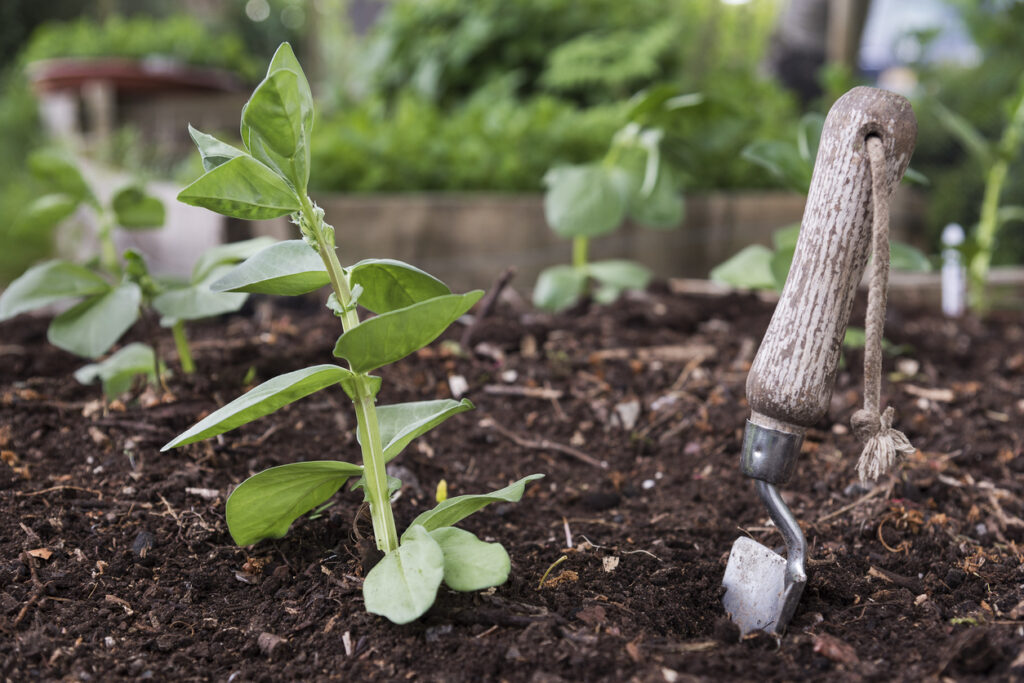
After a proper downpour, go outside a few hours later and look at your soil. Standing water or soggy patches that last for days mean you’ve got heavy clay that drains slowly, which can drown plant roots if you’re not careful about what you grow.
If the soil’s already dried out and there’s no sign it even rained, you’ve probably got sandy soil that drains too quickly. This means nutrients wash away fast and plants can struggle in dry spells because the soil can’t hold onto moisture. Loam sits somewhere in the middle, staying moist but not waterlogged, which is why it’s considered the best soil type for most gardening. You can also dig a hole about 30 cm deep, fill it with water, and time how long it takes to drain. If it’s gone in an hour, that’s sandy. If it’s still there the next day, that’s clay.
4. Look at what weeds are growing.
Weeds are brilliant indicators of soil type because they’ve adapted to specific conditions over thousands of years. Docks, buttercups, and creeping buttercup love heavy, wet clay soil, so if you’ve got loads of these, you know you’re dealing with clay that probably gets waterlogged.
Sheep’s sorrel and chamomile prefer sandy, acidic soils that drain quickly. Horsetail suggests very wet soil with drainage problems. Nettles actually indicate fertile soil that’s quite rich in nutrients, which is annoying because everyone hates them, but they’re telling you your soil’s decent underneath. Dandelions grow in most soils but thrive in lawns with compacted earth. Clover suggests your soil might be low in nitrogen, which is why it appears because clover fixes its own nitrogen from the air.
5. Test the pH with a simple kit from the garden centre.
Soil pH affects what you can grow more than most people realise. You can get a testing kit for a few quid from any garden centre that’ll tell you if your soil’s acidic, neutral, or alkaline. The scale goes from 1 to 14, with 7 being neutral, anything below being acidic, and anything above being alkaline.
Most UK gardens are slightly acidic to neutral, somewhere between 6 and 7, which suits loads of plants and is perfect for vegetables. If you’ve got very acidic soil below 5.5, you can grow rhododendrons, azaleas, camellias, and blueberries, which actually need acidic conditions. Alkaline soil above 7.5 is better for lavender, clematis, and most Mediterranean herbs. You can’t really change your soil pH long-term, so it’s easier to work with what you’ve got rather than fighting it. Some areas like the South Downs have naturally chalky, alkaline soil, while parts of Scotland tend towards acidic.
6. Feel the texture when it’s dry.
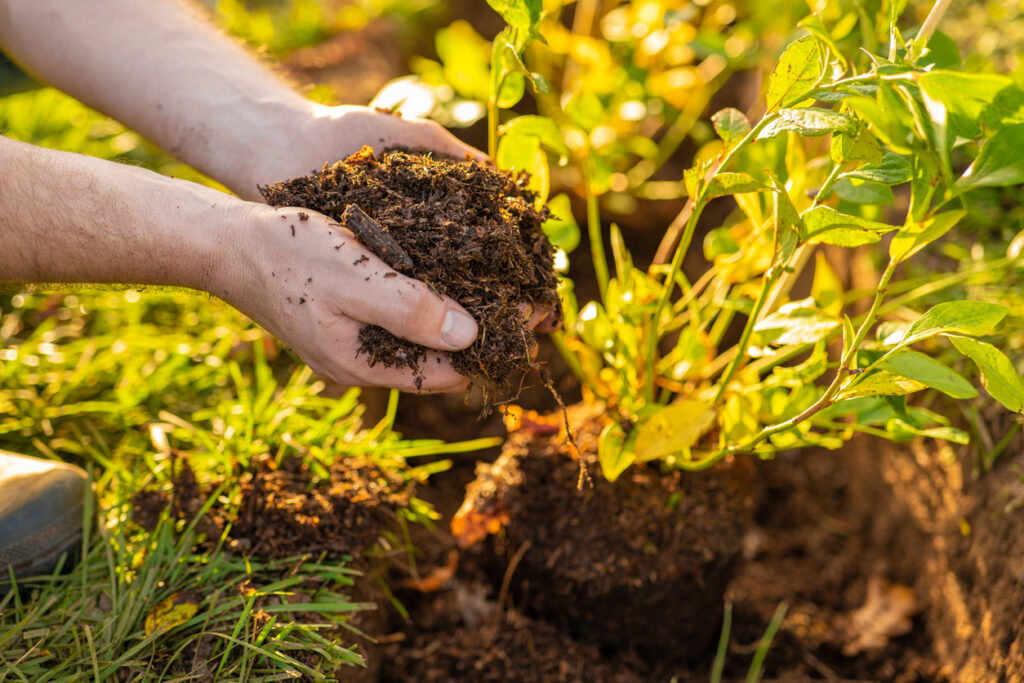
Dry sandy soil feels gritty and rough, like beach sand between your fingers. You can see and feel the individual grains quite easily, and it won’t stain your hands much. It’s also quite light in weight when you pick up a handful.
Dry clay feels smooth and powdery, almost silky, and it can set rock hard in summer, cracking into chunks like broken concrete. When it’s this dry, it’s nearly impossible to dig and can actually damage plant roots. Loam feels somewhere in between, with a bit of grittiness but also some smoothness, and it holds together without being sticky. Silty soil, which is less common in UK gardens, feels like flour or talcum powder when dry and is smooth but not sticky like clay.
7. Dig a hole and see what’s underneath.
The top few inches of soil might be different from what’s deeper down, especially if previous owners added compost or topsoil without actually improving the underlying soil. Dig down about 30 cm to see what you’re really dealing with long-term.
If you hit solid clay or chalk fairly quickly, that’s your underlying soil type, no matter what’s on top. This affects drainage and what plants can actually root into properly. Trees and deep-rooted plants will struggle if there’s only a thin layer of good soil over clay or chalk. You might also find a hardpan layer, which is compacted soil that stops water draining and roots going deeper. This often happens in new-build gardens where heavy machinery has compressed the soil during construction.
8. Notice how easy it is to dig.
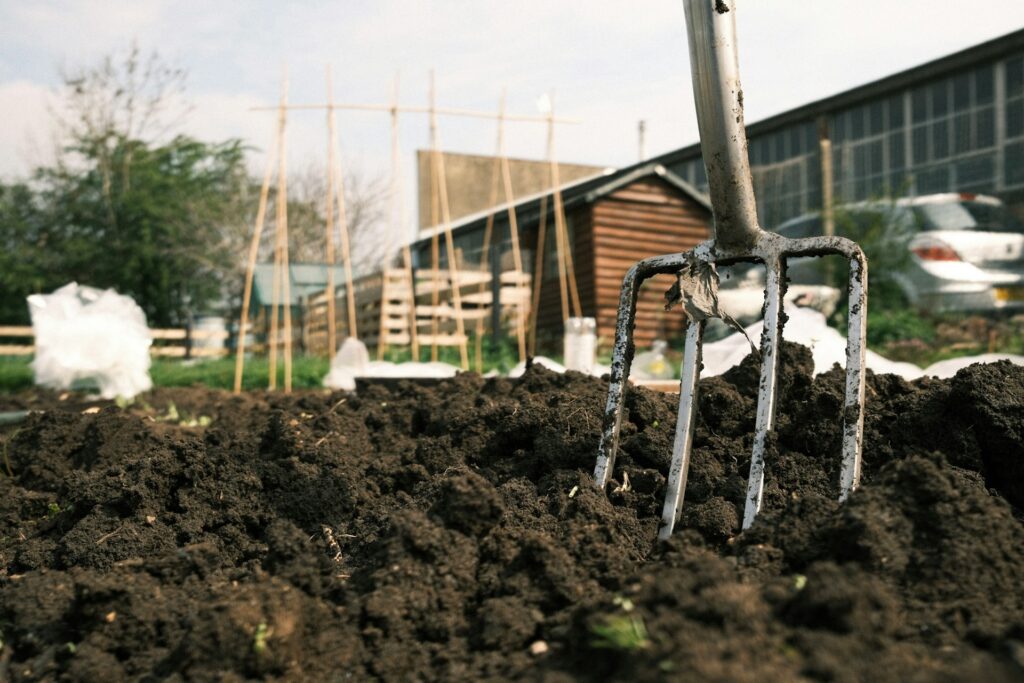
Sandy soil is light and easy to dig even when it’s wet. Your spade goes in easily and the soil doesn’t stick to it much. You can work sandy soil pretty much any time of year without it clumping or making a mess.
Clay soil is an absolute nightmare to dig, especially when wet. It sticks to everything, weighs a ton, and can bend your spade if you’re not careful. If digging your garden feels like proper hard work and leaves you exhausted, you’ve probably got clay. The trick with clay is to only work it when it’s slightly moist, not soaking wet or bone dry. Wet clay smears and compacts, making it worse. Dry clay is like concrete. There’s a narrow window when it’s workable, and experienced gardeners wait for exactly the right conditions before attempting to dig clay.
9. Check the colour for clues.
Dark brown or black soil usually means it’s got loads of organic matter, which is brilliant for growing almost anything. This is typical of good loam or well-improved soil that’s had compost or manure added over the years.
Orange or red tinges suggest clay with iron content, which is common in parts of the Midlands and Devon. Very pale, almost grey soil is often chalky or very sandy and typically low in nutrients. Chalky soil is quite common in parts of southern England, especially Kent, Sussex, and the Chilterns, and it’s very alkaline. Yellow or pale brown often indicates sandy soil that’s low in organic matter. The darker the soil, generally the better it is because that darkness comes from decomposed plant material that feeds your plants and improves soil structure.
10. See what your neighbours are successfully growing.
If everyone on your street has thriving rhododendrons and azaleas, you’ve probably got acidic soil. If roses and lavender are doing brilliantly everywhere, the soil’s likely neutral to alkaline. This is especially useful if you’re new to an area.
Your neighbours have basically done the experimenting for you over years or even decades. Look at what’s flourishing in local gardens and what’s struggling, it’ll tell you loads about your soil without you having to test anything. Also notice if everyone’s got raised beds or seems to be growing in containers rather than straight in the ground, which suggests the native soil is difficult to work with. Local allotments are brilliant for this too because people there have usually worked out exactly what grows well in your specific area’s soil. Don’t be shy about asking local gardeners what they’ve found works, most people love talking about their gardens and will happily share what they’ve learned.