The UK likes to see itself as a leader in environmental awareness, but the reality doesn’t always live up to the reputation.

Despite progress in renewable energy and recycling, the UK still falls behind many European countries in key areas like air quality, water pollution, and wildlife protection. Some of the country’s biggest environmental challenges come from decades of underinvestment and policies that look good on paper but don’t go far enough in practice.
While nations like Sweden, Denmark, and Germany are making rapid advances in sustainability, Britain is still struggling with waste management, river contamination, and dependence on fossil fuels. There’s plenty of public support for change, but not enough consistent action to match it. The gap between ambition and reality is growing, and if we don’t address it soon, it risks being left behind in Europe’s green transition.
Water pollution remains a national embarrassment.
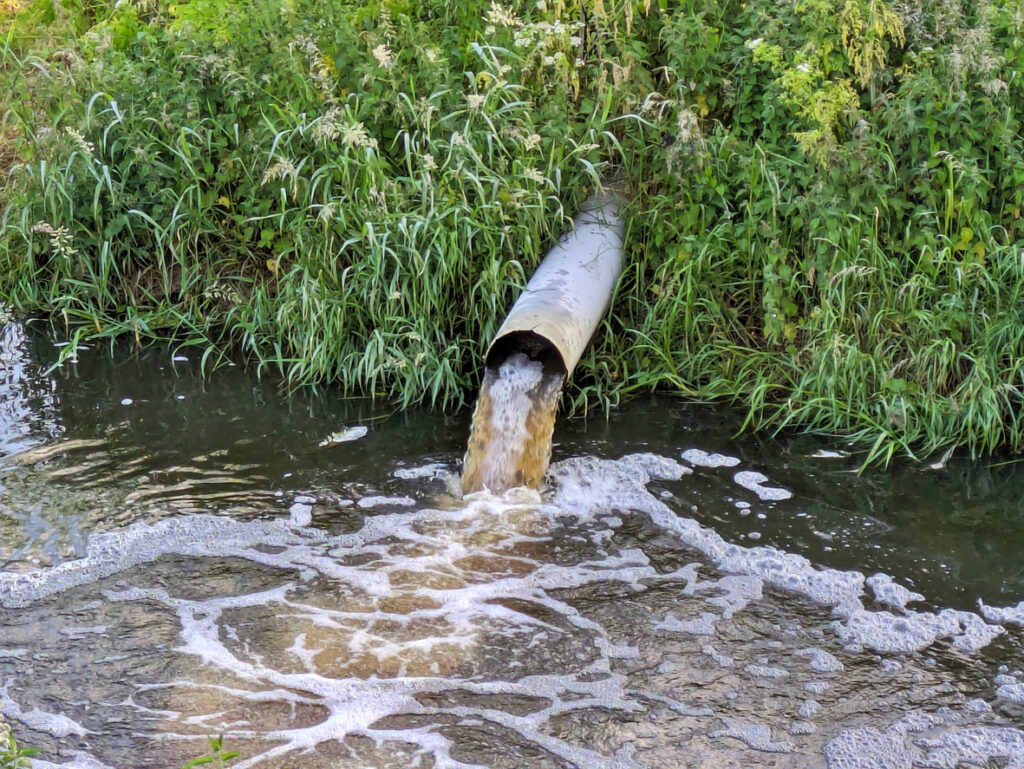
The UK has some of the dirtiest rivers and coastal waters in Europe, with sewage spills still common. Many bathing sites fail to meet basic cleanliness standards, while other European countries maintain far stricter controls to protect their ecosystems and communities.
Water companies continue to release untreated waste into rivers during heavy rainfall, a practice that should be long outdated. Until stronger enforcement and investment take priority, our waterways will keep trailing behind the cleaner standards set across the continent.
Our homes waste more energy than most of Europe.

British houses are famously draughty and poorly insulated, which makes them some of the least energy efficient in Western Europe. Old properties lose heat quickly, forcing people to use more gas and electricity just to stay warm during colder months.
This not only drives up bills but also increases emissions. While many European countries have upgraded their housing stock with modern insulation and heat pumps, the UK has been slow to catch up, leaving millions of homes stuck in the past.
Public transport investment lags far behind.

Across much of Europe, public transport is clean, frequent, and reliable. In contrast, the UK’s ageing infrastructure, patchy coverage, and high costs make driving the easier option for many people, which only adds to congestion and emissions.
Countries like Germany and France treat rail and bus systems as essential public services rather than luxuries. If we want to reduce car dependency and improve air quality, we need to start treating public transport as part of the solution rather than an afterthought.
Air pollution levels are still dangerously high.
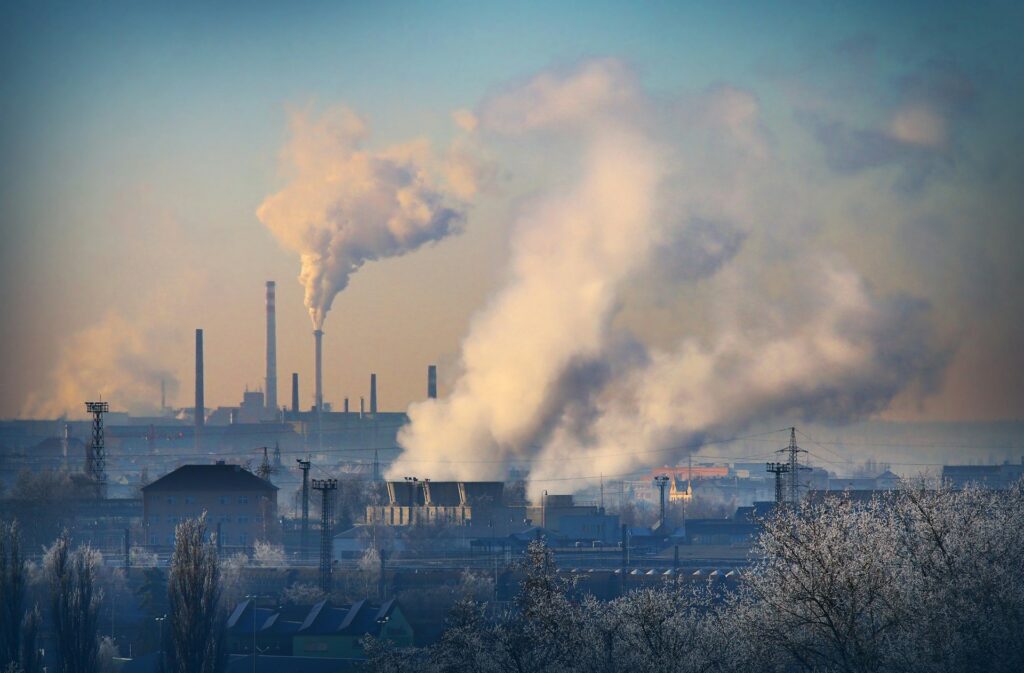
Many UK cities regularly breach safe air quality limits, exposing millions to harmful particles from cars, wood burners, and industry. London, Birmingham, and Manchester all rank poorly compared with major European capitals that have stricter controls and cleaner transport systems.
The health cost is huge, with thousands of premature deaths linked to poor air quality each year. Until cleaner vehicles and better city planning become the norm, the UK will continue to lag behind European cities that take air pollution seriously.
Recycling rates have stalled while others push ahead.
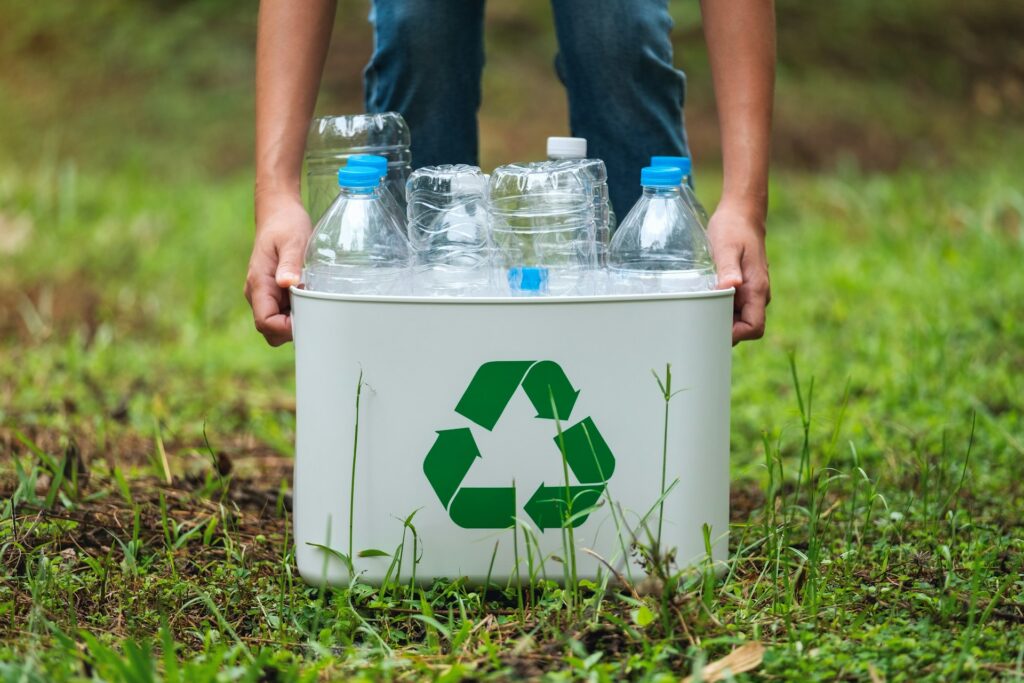
After years of progress, the UK’s recycling rates have plateaued. Some areas still send large amounts of waste to landfill or incineration, while countries such as Germany, Belgium, and the Netherlands recycle well over half of their household waste.
The problem often lies in inconsistent local systems and confusing rules for households. Until there’s a simple, nationwide approach that makes recycling easy and reliable, we’ll keep falling short of the levels Europe now considers standard.
Sewage systems are outdated and poorly managed.
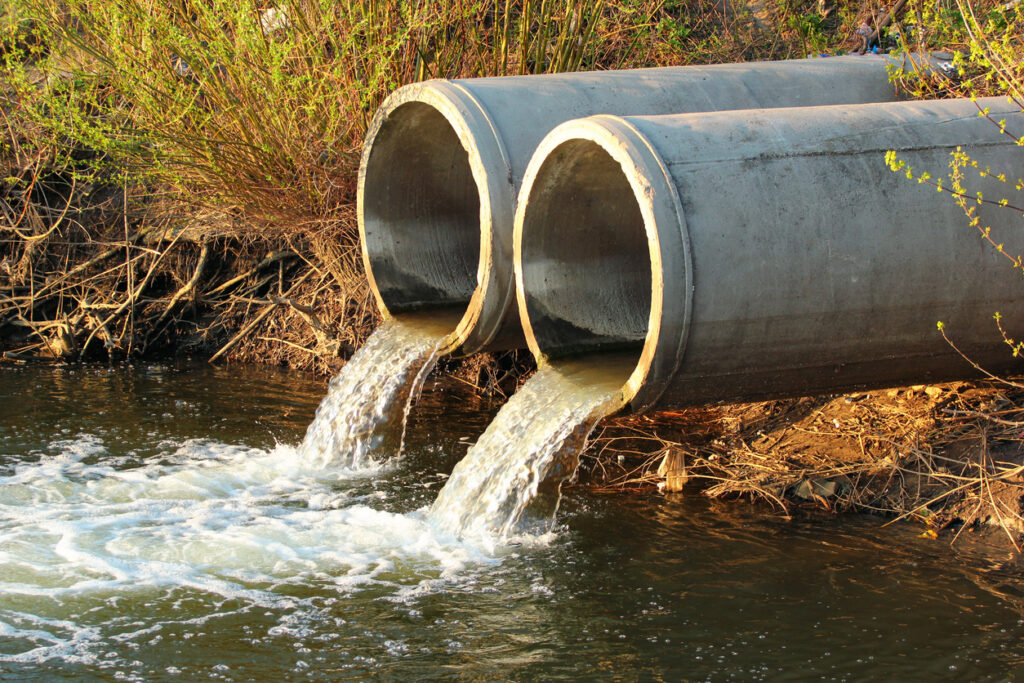
Britain’s Victorian-era sewage network simply isn’t designed for modern population sizes or climate pressures. Heavy rain overwhelms drains, sending waste straight into rivers and seas, and that’s a problem most developed European countries have long since fixed through major infrastructure upgrades.
While European neighbours invest heavily in water treatment and monitoring, we continue to rely on patchwork repairs and weak penalties. Without tougher action and accountability, clean rivers will remain more of a dream than a reality.
Wildlife protection is weaker than it should be.

The UK’s biodiversity has declined faster than most of Europe’s, with many species now at risk of extinction. Farmland birds, pollinators, and native mammals have all seen steep drops due to habitat loss and overdevelopment.
Although nature reserves exist, they cover less land and receive less funding compared with European counterparts. Until protection becomes a real priority rather than a slogan, the country’s landscapes will continue to grow quieter and less alive.
The switch to renewable heat is painfully slow.
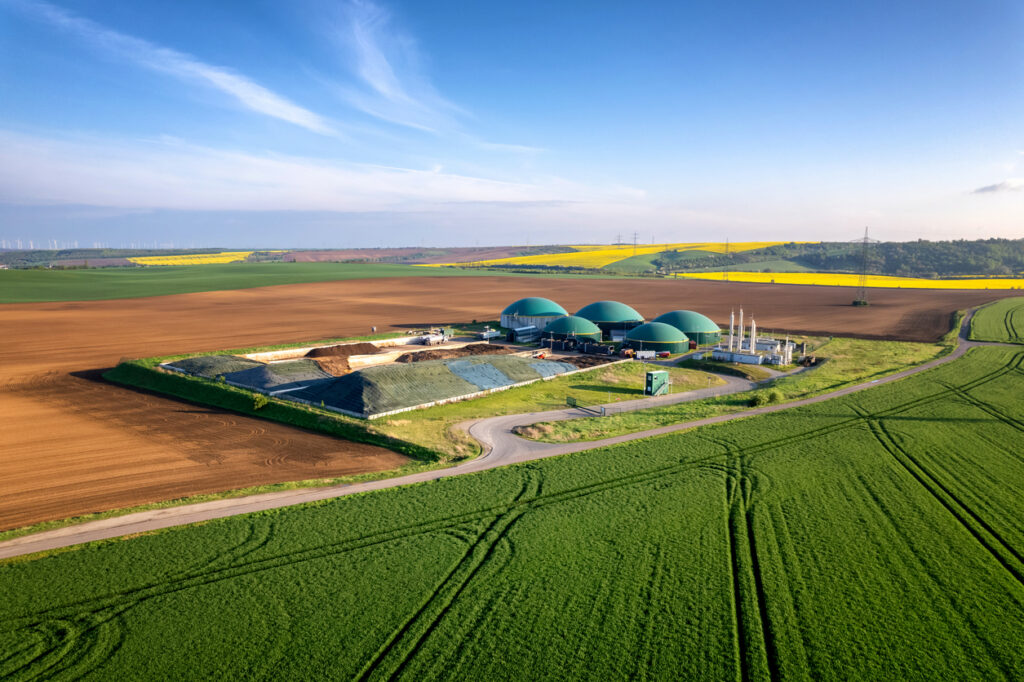
While countries like Sweden, Denmark, and Finland heat their homes with renewables, the UK still relies heavily on gas boilers. The technology and funding for greener heating exist, but uptake remains sluggish due to high costs and weak incentives.
Our hesitation keeps domestic emissions stubbornly high. A national commitment to replacing old systems with cleaner options could make a huge difference, yet policy gaps and bureaucracy continue to slow that progress down.
Agriculture policies still harm the environment.
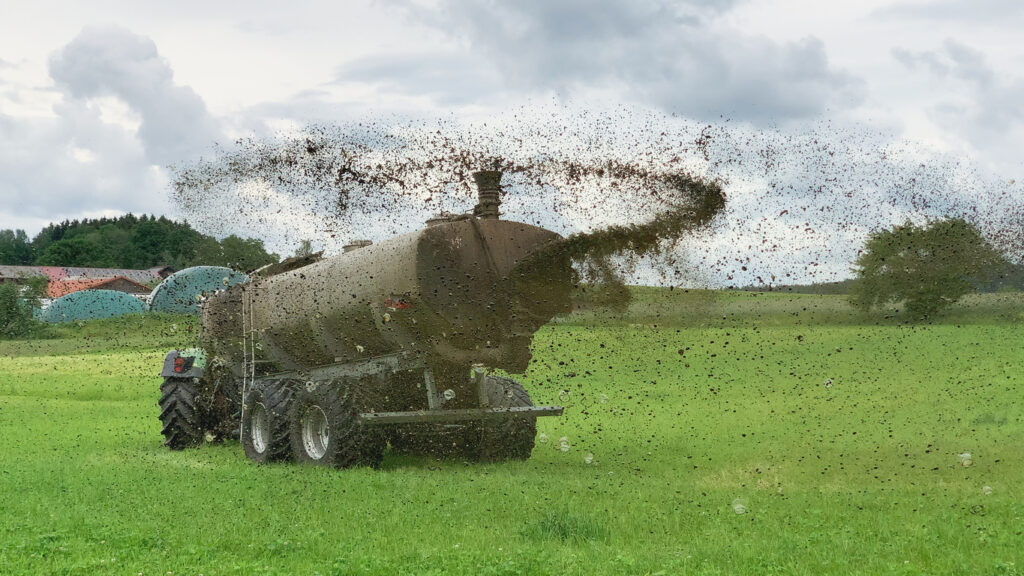
Modern farming in the UK uses high levels of fertilisers and pesticides, which damage soil health and waterways. Many European nations have begun reducing chemical use through stricter regulation and better support for sustainable farming practices.
British agriculture could make the same transition, but farmers need clearer guidance and better incentives. Without that, the soil will keep degrading, and our countryside will lose even more of its natural balance.
Land use prioritises development over nature.
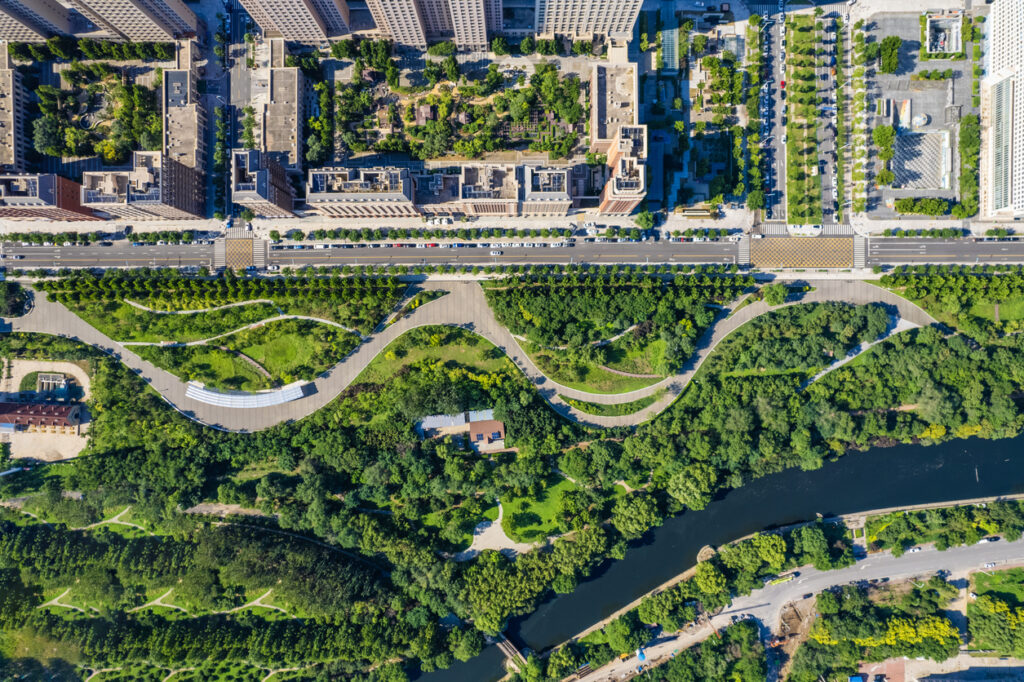
Housing and road projects frequently take precedence over green space protection. Across Europe, more countries are adopting policies that limit sprawl and encourage building within existing urban areas to protect rural and natural land from further loss.
The UK’s planning system still struggles to balance housing needs with environmental protection. Unless stricter planning controls are introduced, the pressure on habitats will only grow, and the remaining patches of wilderness will keep shrinking.
Plastic waste remains a huge issue.
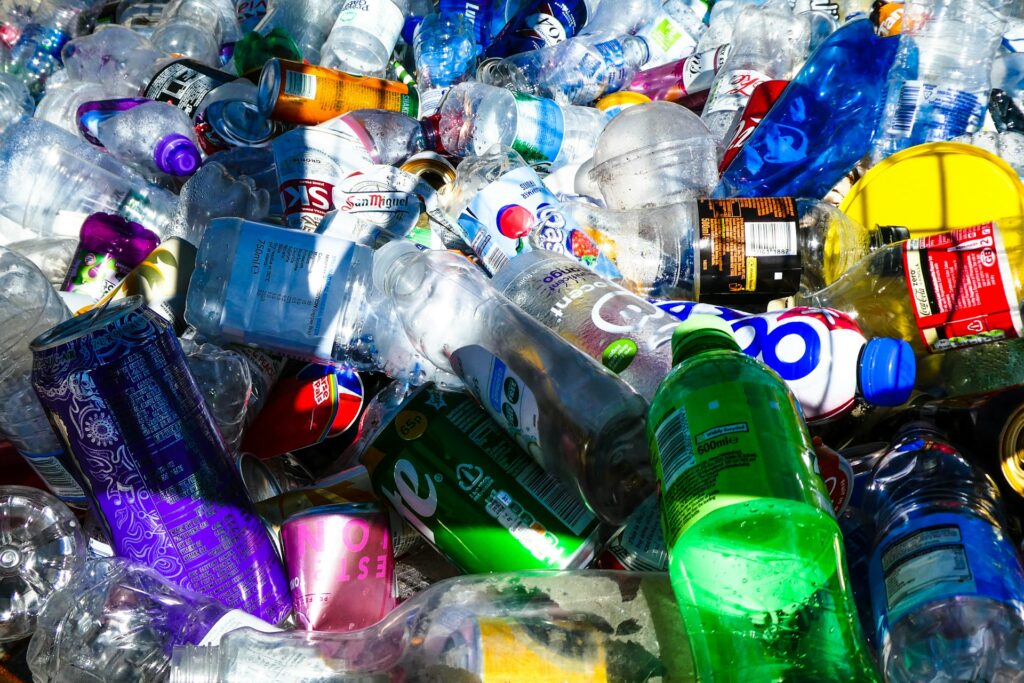
Despite public awareness, the UK produces far more plastic waste per person than many European nations. Much of it is exported overseas for processing, where it’s often mismanaged or burned, adding to global pollution rather than solving it.
Countries such as France have introduced stronger bans and deposit schemes that reduce single-use plastic. The UK could follow suit, but progress remains slow and fragmented, leaving us behind on one of the simplest areas to improve.
Peatland damage continues to release carbon.
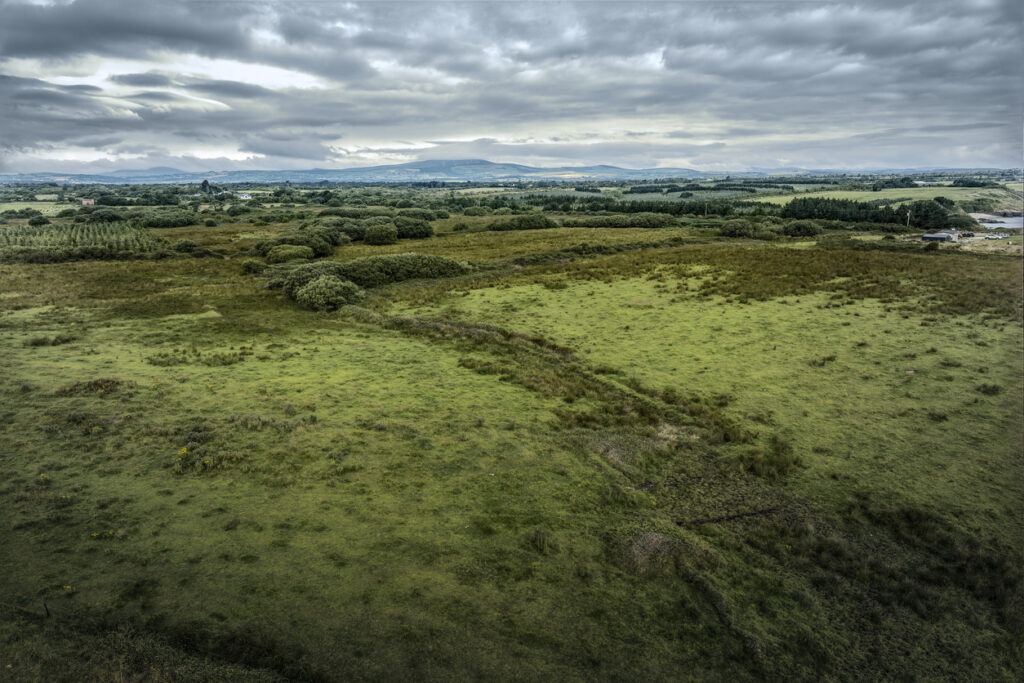
Peatlands are one of the planet’s best carbon stores, but many in the UK are still being drained, burned, or used for commercial compost. Other European countries have restored large areas, recognising their importance for both climate and wildlife.
The loss of peatland is rarely discussed compared with forests or oceans, but it’s a serious issue. Protecting and restoring these landscapes could help us cut emissions significantly if the effort was properly funded and enforced.
Progress on electric vehicles is uneven.
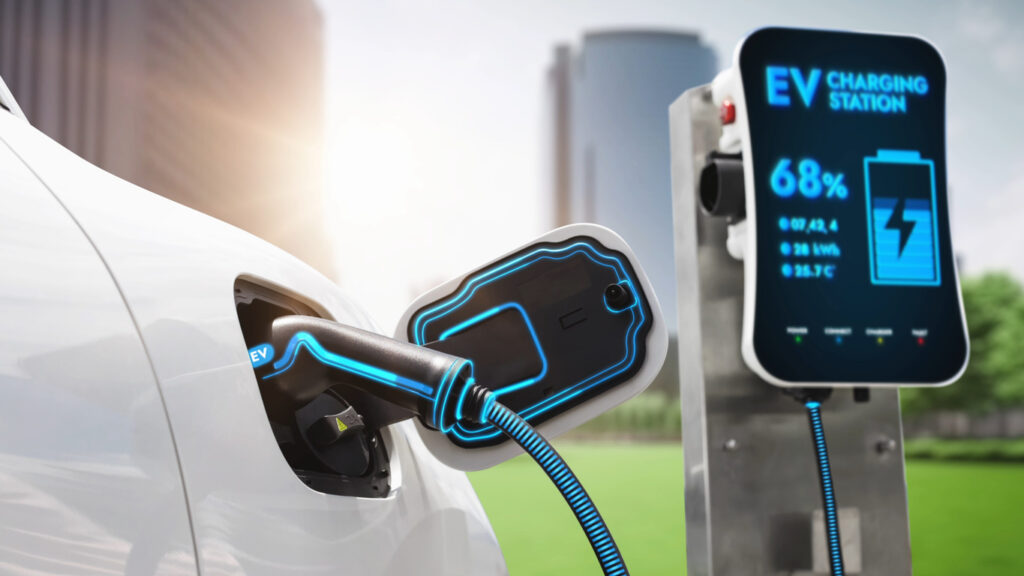
Although we’ve embraced electric cars faster than some, the infrastructure to support them is inconsistent. Charging points are concentrated in cities, leaving rural areas far behind, while several European countries already offer smoother, nationwide coverage.
Without an even rollout, switching to electric will stay inconvenient for many drivers. Consistent investment could bring the UK in line with Europe’s best performers, but the current approach keeps progress patchy and slow.
Green investment remains too cautious.
Across Europe, governments are pouring billions into renewable energy, sustainable transport, and eco-friendly industries. Our funding, while present, still lags in ambition and scale, with frequent policy changes leaving businesses uncertain about long-term direction.
When investment wavers, progress slows. To compete with European leaders in sustainability, Britain needs stability, clarity, and bold financial backing, not stop-start schemes that fade before they deliver real change.