Cats might look relaxed most of the time, but boredom can creep in fast, especially for indoor cats who don’t have much stimulation.
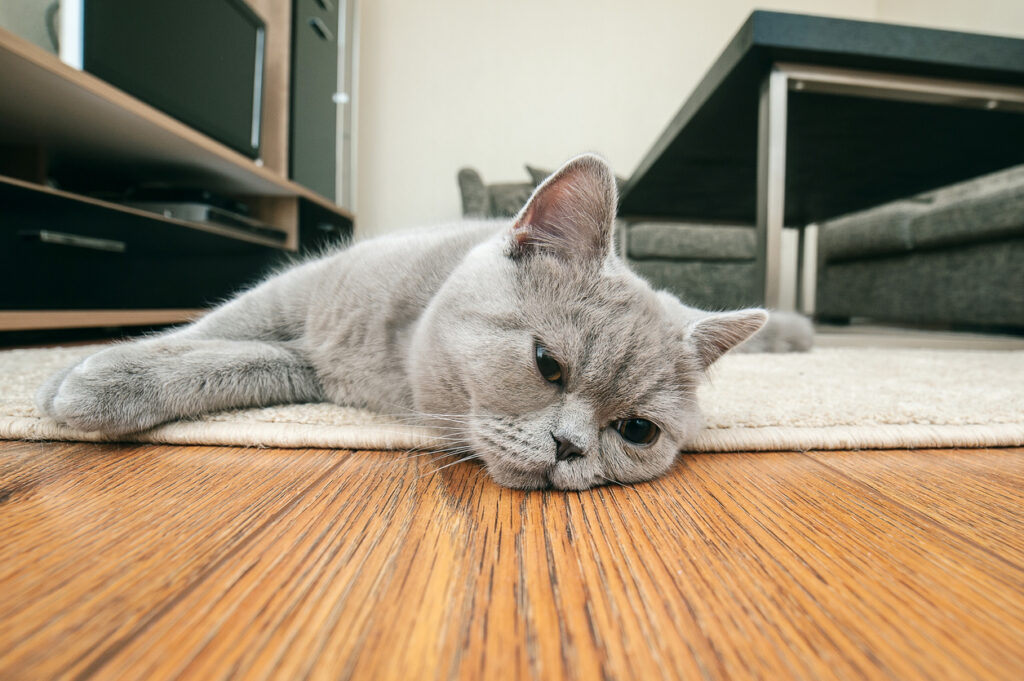
When they’re not mentally or physically challenged, that energy has to go somewhere, and it often shows up as strange or destructive behaviour. Scratched furniture, nighttime zoomies, and constant meowing are rarely “just cat things”; they’re often signs of a restless mind.
Keeping a cat entertained isn’t about constant attention, it’s about giving them something to focus on. From interactive toys and climbing spaces to simple changes in routine, a bit of variety can make a big difference. Cats need enrichment just as much as dogs do, even if they pretend not to. Here’s how to tell when yours is bored stiff, and what you can do to fix it.
They sleep almost all day.

Cats love a good nap, but too much sleep can be a warning sign. If your cat is sleeping out of habit rather than comfort, it may be trying to fill time because there’s nothing else to do. Why bother staying awake?
Healthy sleep means rest after activity, not endless napping out of boredom. Try to break up their routine with short bursts of play. Even five minutes of chasing a toy can make a big difference to their energy and mood.
They start overeating for entertainment.

If your cat keeps heading to its bowl even when it’s not hungry, boredom could be to blame. Just like people, cats can turn to food for stimulation when they don’t have much else going on.
Feeding puzzles or timed feeders can make eating more interesting. It turns mealtime into a little mental challenge and helps reduce mindless grazing. Bored cats often eat because it gives them something to do, not because they need it.
They pick fights with other pets.

When cats get bored, they sometimes create their own chaos. Picking on other animals in the house can be a sign they’re craving attention or excitement. It’s their way of starting something when nothing’s happening.
Provide new toys or separate playtime to release that extra energy. Redirecting their behaviour keeps both pets calm. Once they’ve got an outlet for their boredom, those random swats at your other pets tend to fade away.
They groom themselves too much.

Overgrooming is one of the biggest signs of stress or boredom. If your cat keeps licking the same spot or pulling out fur, it’s likely trying to soothe itself because it’s under-stimulated.
Introducing more enrichment can break that cycle. Try adding climbing posts, interactive feeders, or window perches. Giving your cat more things to focus on reduces the urge to overgroom and helps them feel more settled again.
They follow you everywhere.
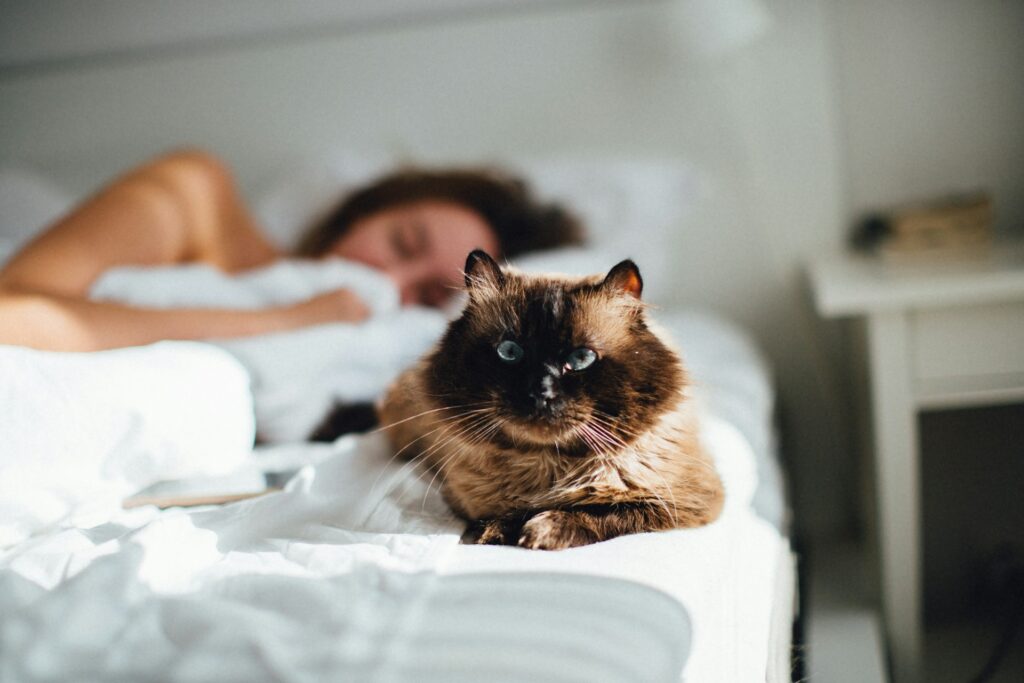
Some cats become overly attached when they’re bored. If yours trails behind you from room to room or cries when you leave, it might be relying on you as its only source of interest or entertainment.
Encourage more independence with toys or activities it can enjoy alone. Hiding treats around the house or leaving safe puzzle toys out while you’re gone keeps their mind occupied and eases the clinginess that boredom can create.
They start destroying furniture.
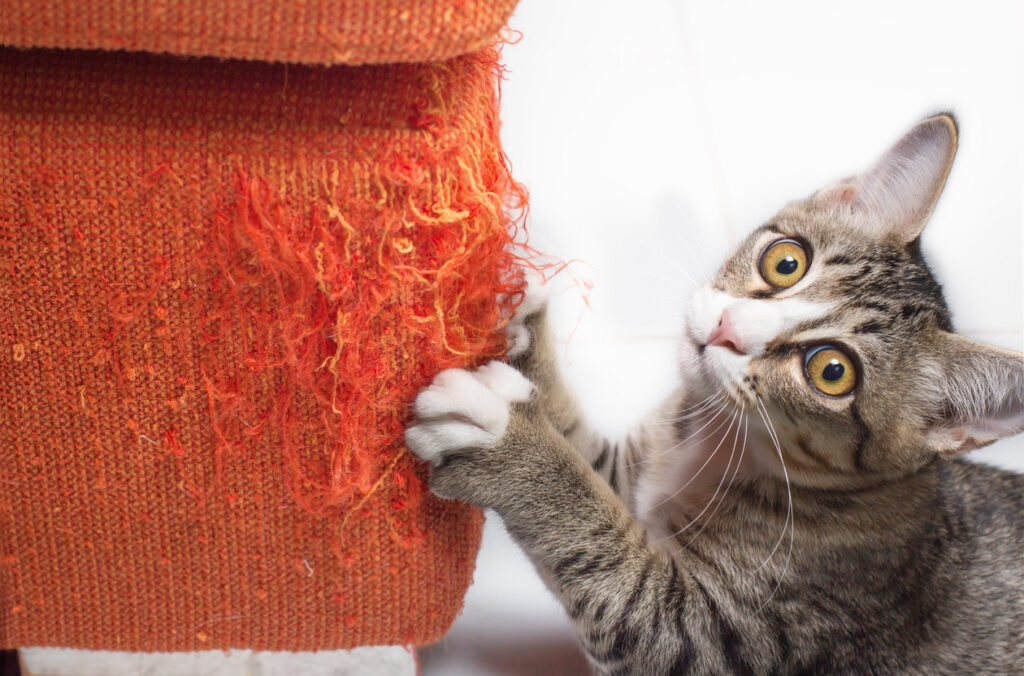
Scratched sofas and shredded curtains are often signs of frustration, not defiance. Bored cats need an outlet for their natural instincts, and if they don’t have one, your furniture becomes the target instead.
Scratching posts, cardboard pads, and climbing towers can redirect that energy. Rewarding your cat for using them teaches where it’s acceptable to scratch. The more outlets they have, the less likely they are to take it out on your belongings.
They meow constantly for attention.
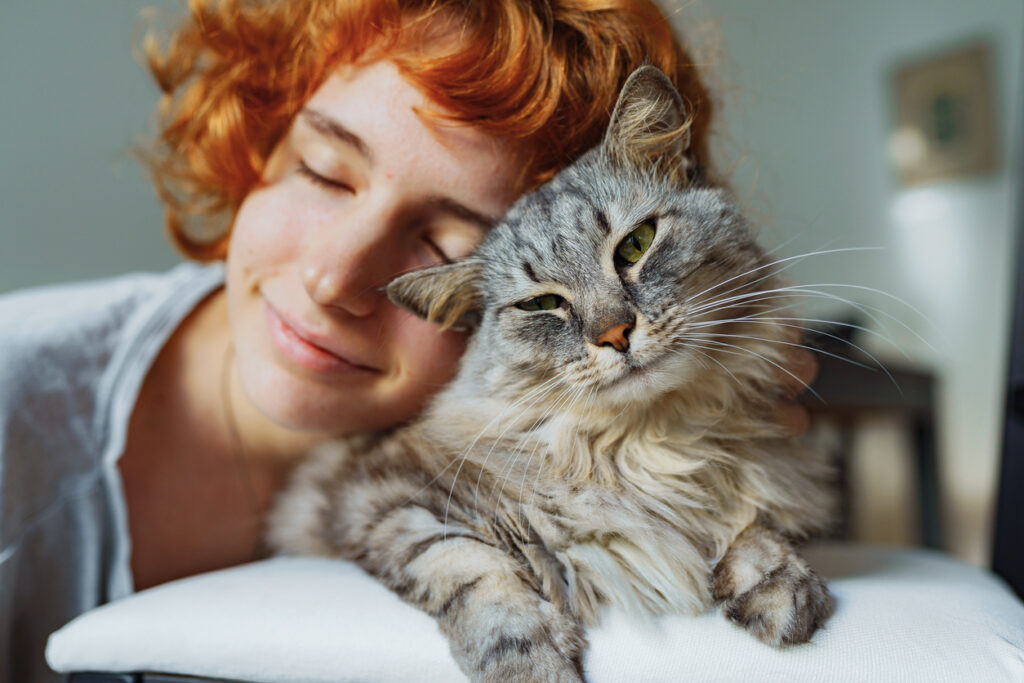
If your cat has turned into a chatterbox for no clear reason, it may be trying to tell you it’s bored. Excessive vocalising can be a way of demanding stimulation or social contact.
Responding with a few minutes of play or conversation can help. Cats don’t always need long sessions; even short, interactive moments break up their day. A bored cat often just wants to feel noticed and engaged again.
They’ve lost interest in their toys.
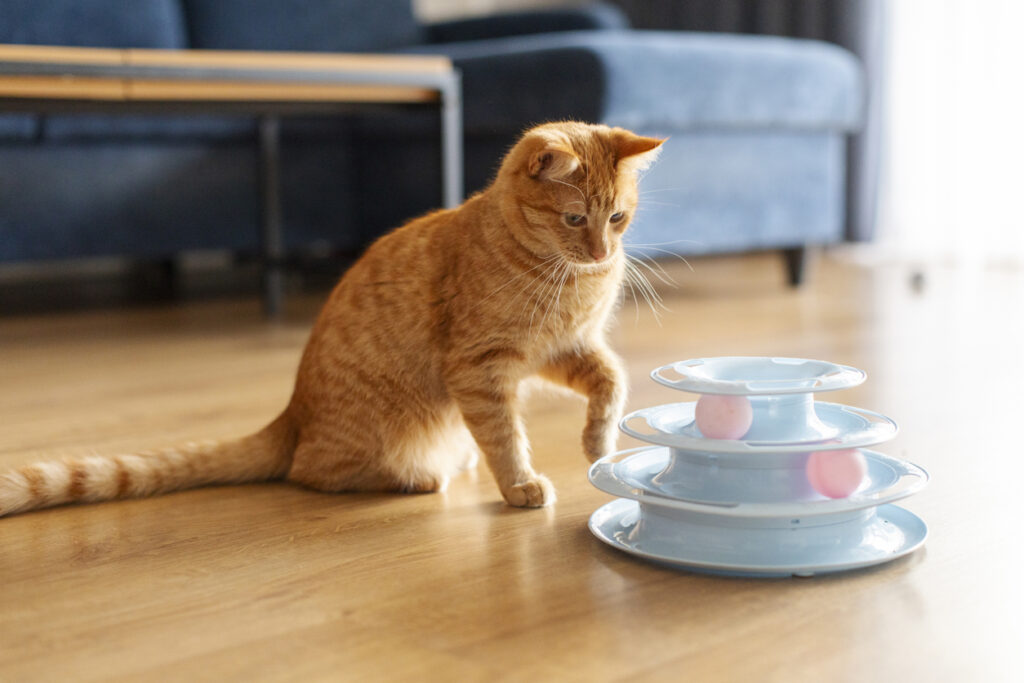
Old toys can lose their appeal over time, especially if they’ve been lying around for months. A cat that ignores everything in its toy basket might not be lazy, just uninspired by what’s available.
Rotate toys every week or two and introduce new textures or shapes. Even something simple like crumpled paper or a feather can reignite curiosity. Cats like novelty, and small changes can spark excitement again.
They stare out the window for hours.

Watching the world go by is normal for cats, but constant window-gazing can be a sign of longing for stimulation. It often means your cat craves more activity or sensory input than it’s getting indoors.
Make window time more engaging with a perch or a bird feeder outside. It turns passive staring into interactive fun. Just a little environmental change can turn boredom into healthy curiosity.
They run around the house at night.
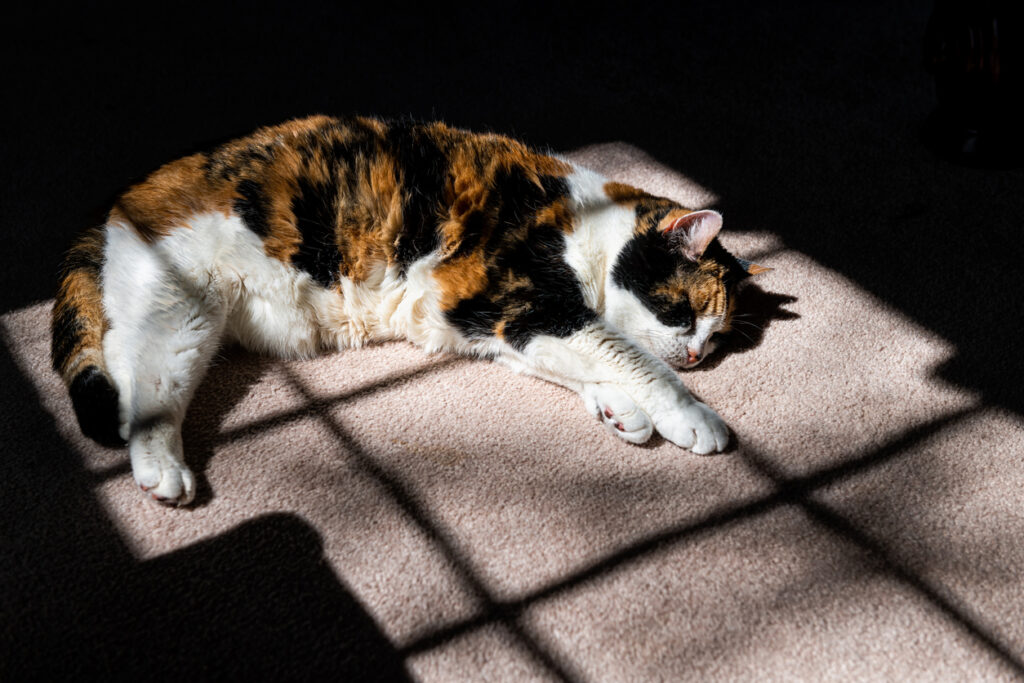
Nighttime zoomies are a classic sign of a cat who hasn’t had enough activity during the day. When they don’t burn off energy, it builds up and explodes once everything’s quiet.
More play before bed helps balance their rhythm. Try a few rounds with a feather wand or ball toy in the evening. It gives them a chance to release energy so they can rest instead of racing through the hallway at midnight.
They hide for long periods.
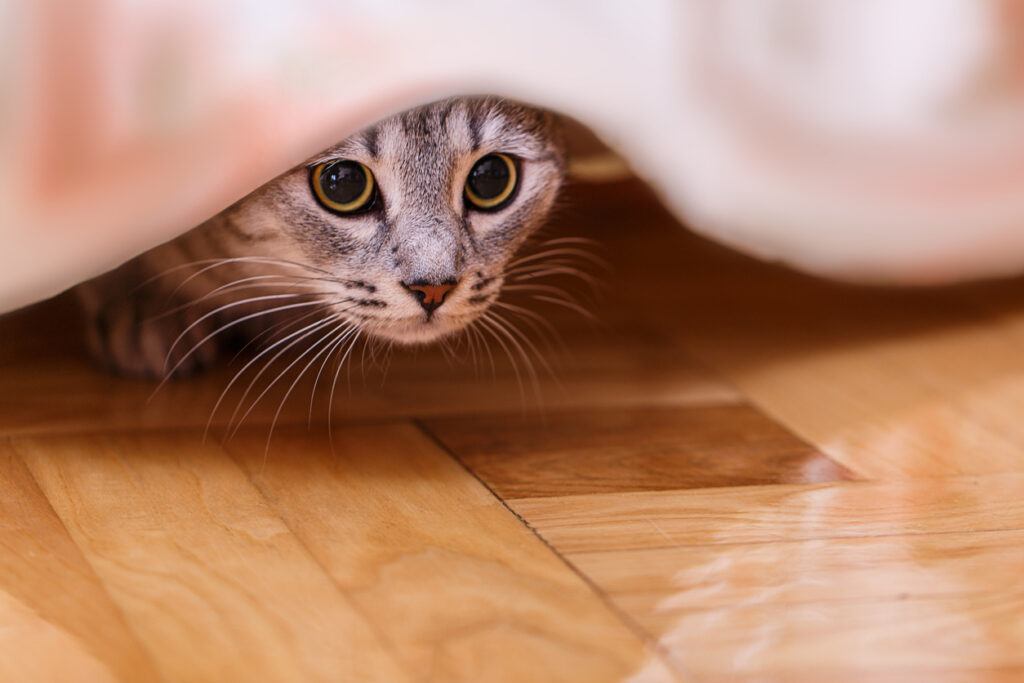
A cat that spends most of its time hiding might not just be shy; it could be bored and unmotivated. If they have no reason to explore, they retreat to the same quiet spot out of habit.
Encouraging gentle exploration helps. Place treats in new areas or rearrange their environment slightly. A cat that feels curious again usually starts venturing out more, proving that boredom can make even confident pets withdraw.
They swat or bite unexpectedly.
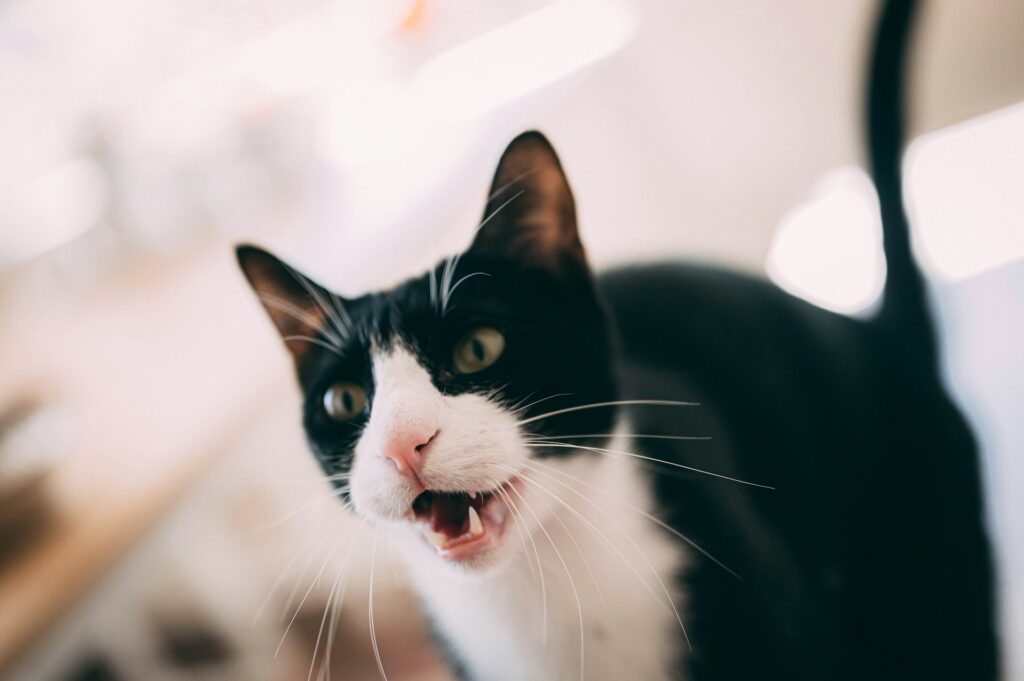
When a cat lashes out suddenly, it’s often because it’s frustrated or under-stimulated. Boredom can turn small irritations into big reactions, especially if they don’t have healthy ways to burn off energy.
Adding more play that mimics hunting can make a real difference. Toys that move unpredictably help your cat express natural instincts safely. Once they have that outlet, they’re far less likely to take it out on you.
They lose interest in you altogether.
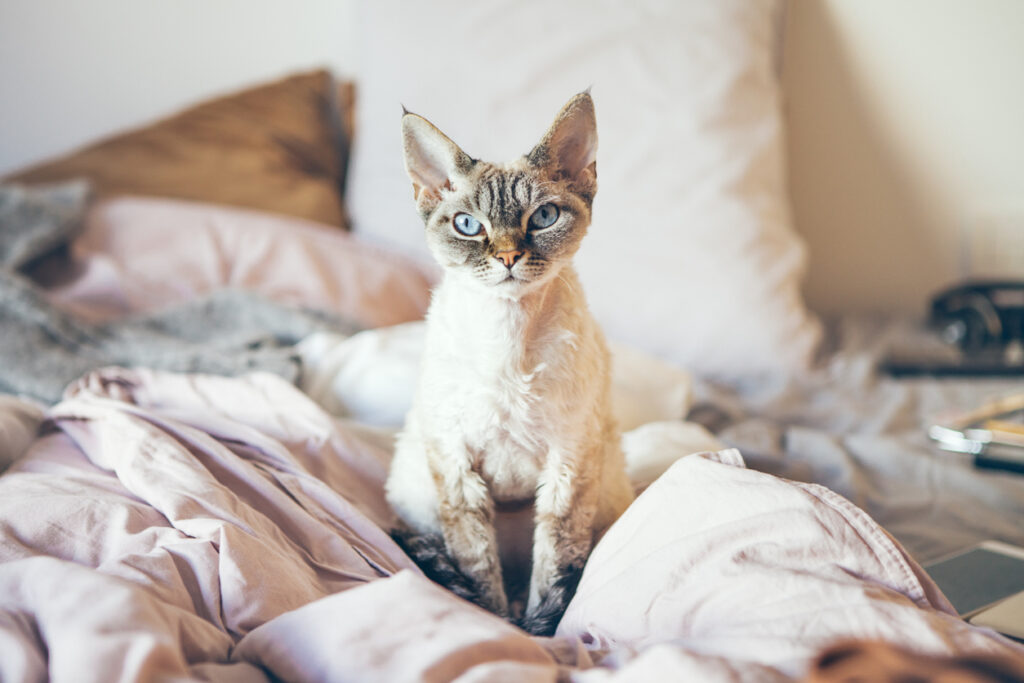
If your cat stops greeting you or ignores attention it used to enjoy, it might be mentally checked out. Bored cats often seem distant because they’ve lost their spark and need something new to care about.
Reconnecting through short bursts of play or training helps rebuild interest. Teaching a few simple tricks keeps their mind active and gives you both something fun to focus on again.
They stare at walls or random spaces.
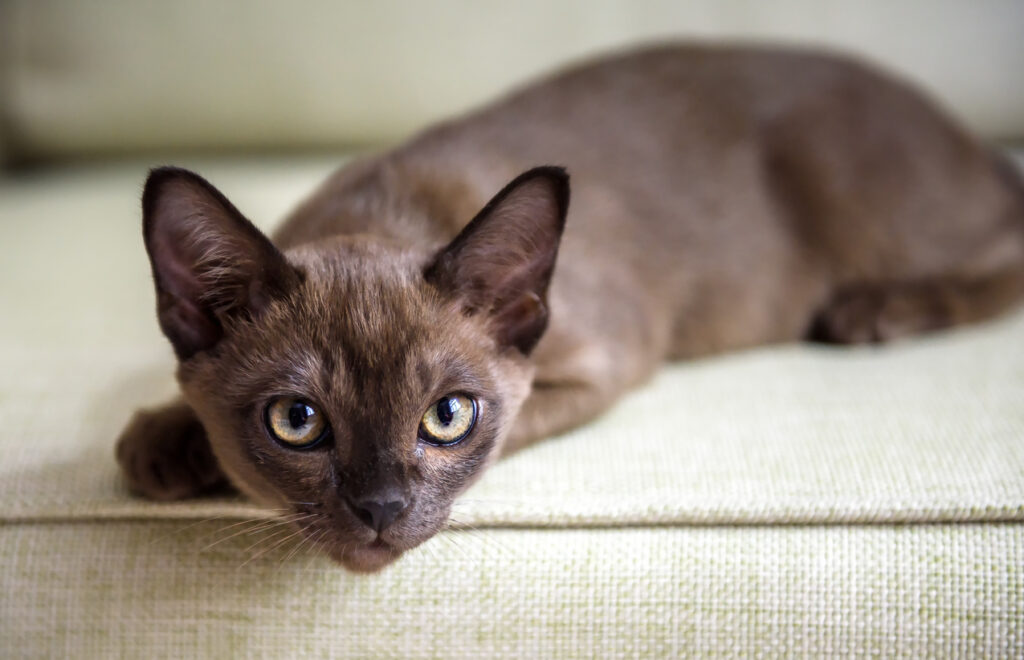
Sometimes a cat sitting blankly and staring into space isn’t being mysterious; it’s just bored. Without stimulation, their focus drifts, and they end up zoning out instead of engaging with their environment.
Introducing moving toys or sound-based games brings that focus back. Laser pointers, feather teasers, or even hiding treats can reignite curiosity and pull them out of their mental slump.
They scratch at doors or windows to get out.
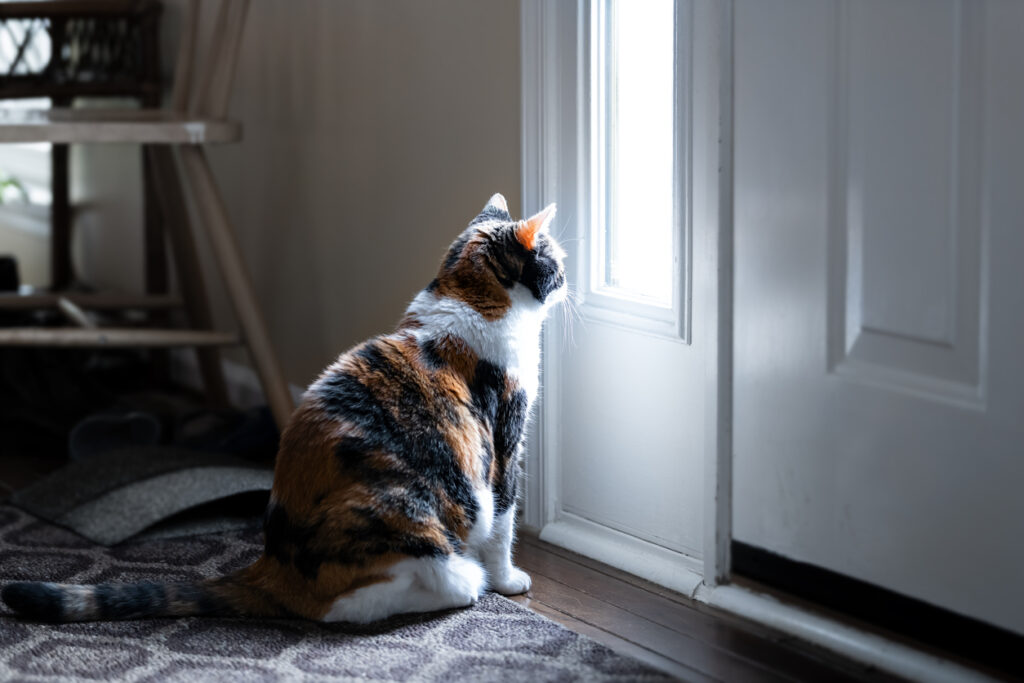
If your cat keeps pawing at doors, it might be craving adventure. Indoor cats often get restless when they don’t have enough space or variety in their surroundings.
Creating safe outdoor access, like a secure garden run or a cat-proof balcony, gives them a sense of freedom. If that’s not possible, adding climbing shelves and perches can help mimic the feeling of exploration indoors.
They show no interest in hunting behaviour.
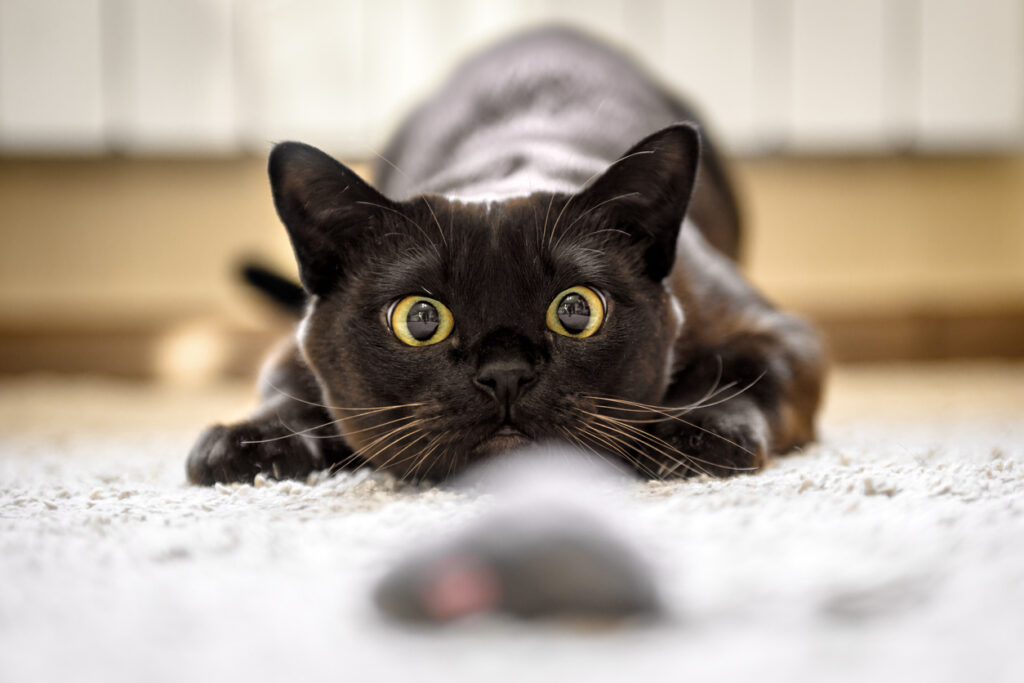
Play-hunting is natural for cats, and when it disappears, boredom could be the reason. A lack of motivation to chase or pounce means their instincts aren’t being satisfied, leaving them mentally unstimulated.
Try introducing toys that move unpredictably, like feather wands or motorised mice. Encouraging even short play sessions helps keep their brain sharp and their instincts engaged.
They meow at the same time every day.
Repetitive meowing at certain times can be your cat’s way of breaking up a dull routine. They’ve learned that noise brings some response, whether it’s food, attention, or just movement in the house.
Changing the order of their daily routine can help. Feed or play at different times to keep life interesting. Cats thrive on rhythm but also enjoy a bit of unpredictability to keep them mentally alert.
They stop grooming altogether.

While overgrooming shows stress, not grooming enough can also point to boredom. A cat that’s mentally flat may stop taking care of itself because it lacks motivation or stimulation.
Encourage play and gentle affection to lift their mood. A cat that feels happier and engaged usually goes back to regular grooming, showing how emotional health and self-care are closely linked even in animals.
They start knocking things off tables.

That glass you left on the counter probably didn’t fall by accident. Cats often push things off surfaces when they want attention or something interesting to happen. It’s mischief born from monotony.
Giving them puzzle feeders or climbing toys can redirect that impulse. When they have safe ways to be curious, they’re less likely to cause chaos just to get a reaction from you.
They seem restless for no reason.

Restlessness is one of the clearest signs of a bored cat. Pacing, tail flicking, or jumping from one spot to another shows they want stimulation but can’t find it. It’s frustration that needs an outlet.
More variety in their day helps fix this. Try rotating toys, rearranging furniture, or playing short games often. Boredom doesn’t mean your cat’s unhappy forever. It just means they’re waiting for life to get interesting again.