Space might look calm from Earth, but it’s anything but peaceful.
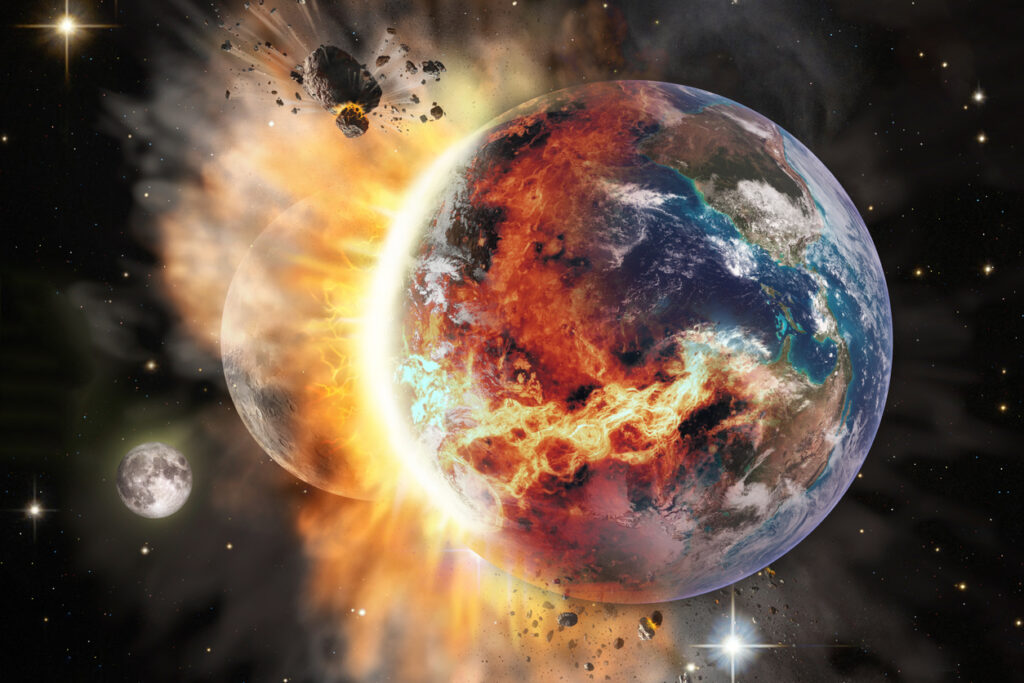
Out there, forces far beyond our control are constantly at play, from exploding stars to drifting asteroids capable of wiping out entire worlds. Scientists track and prepare for what they can, but some cosmic events are simply too vast, too unpredictable, or too powerful for any technology to stop.
It’s a humbling reminder that for all our progress, we’re still tiny passengers on a fragile planet, orbiting through a universe that doesn’t bend to human rules. These are the space disasters that could unfold without warning, and there wouldn’t be a single thing we could do to change the outcome.
1. A massive asteroid we don’t see coming
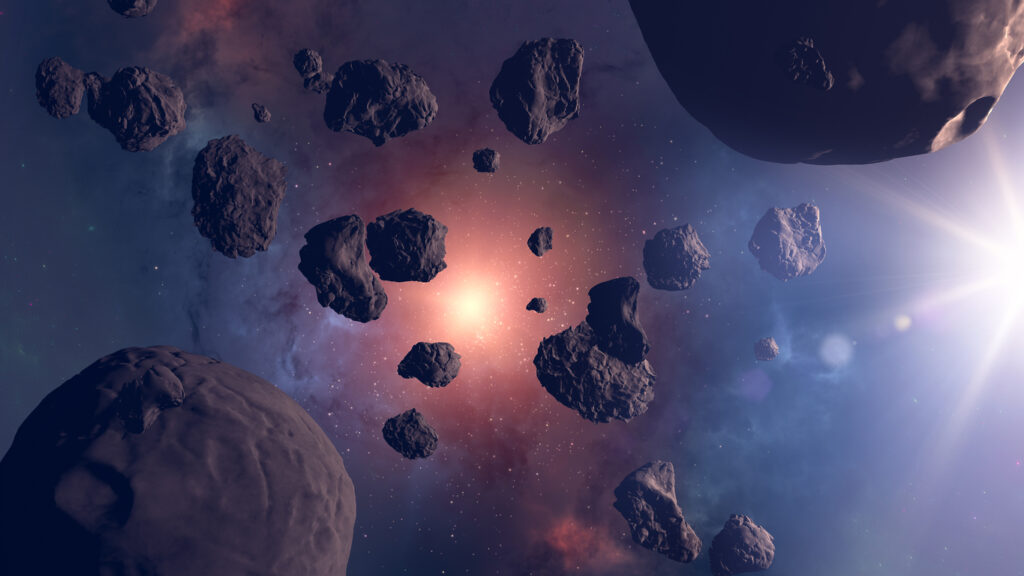
We’ve spotted loads of asteroids that could hit Earth, but there are thousands more we haven’t found yet. Some are coming from directions we’re not watching, like straight out of the sun’s glare where our telescopes can’t see. Even if we spotted one heading our way with enough warning, we don’t actually have a proven way to stop it. We’ve done one test mission to try nudging an asteroid, but that’s a far cry from having a reliable planetary defence system ready to go.
2. The sun deciding to have a massive tantrum
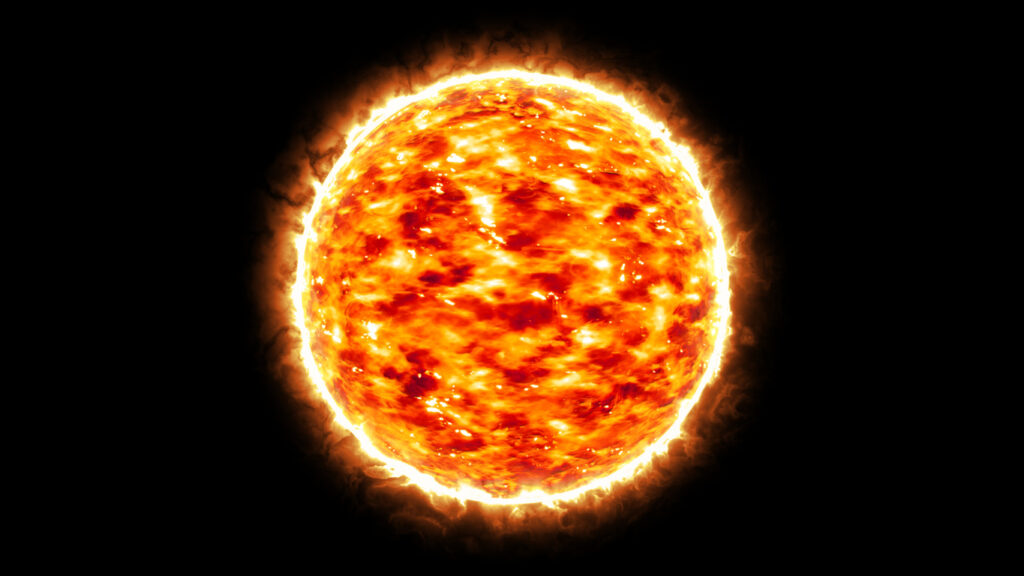
The sun occasionally throws out huge bursts of energy called solar flares and coronal mass ejections. A really big one could fry our power grids, satellites, and basically anything electronic. It happened in 1859 before we relied on electricity for everything, and it would be catastrophic today. We’d get maybe a day’s warning at most, and there’s no way to shield the entire planet’s infrastructure in time.
3. A rogue black hole passing through our neighbourhood
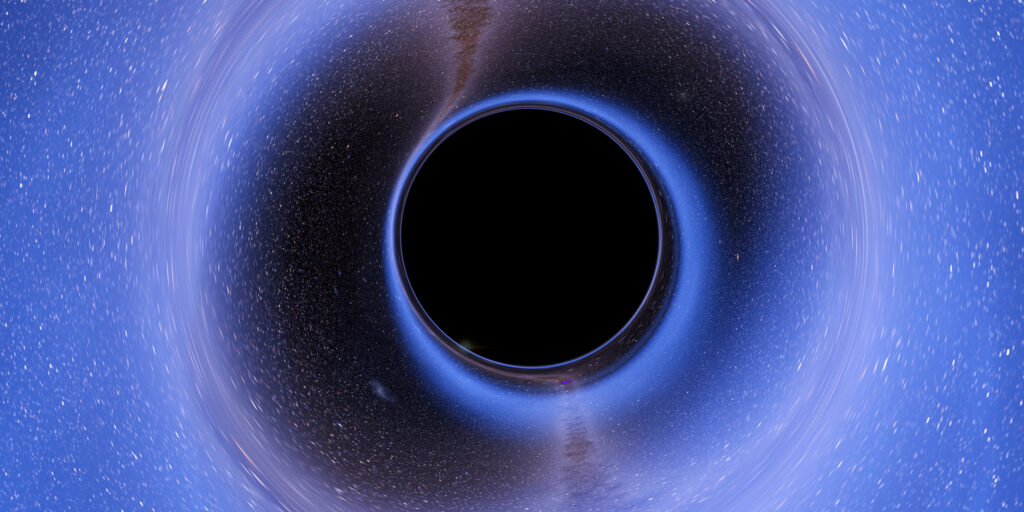
Black holes aren’t stationary, they move through space like everything else. If one wandered close enough to our solar system, its gravity would mess up the orbits of all the planets. We probably wouldn’t see it coming because black holes are invisible unless they’re actively eating something. By the time we noticed the gravitational effects, it’d be too late to do anything except watch our solar system get torn apart.
4. A gamma-ray burst aimed directly at us
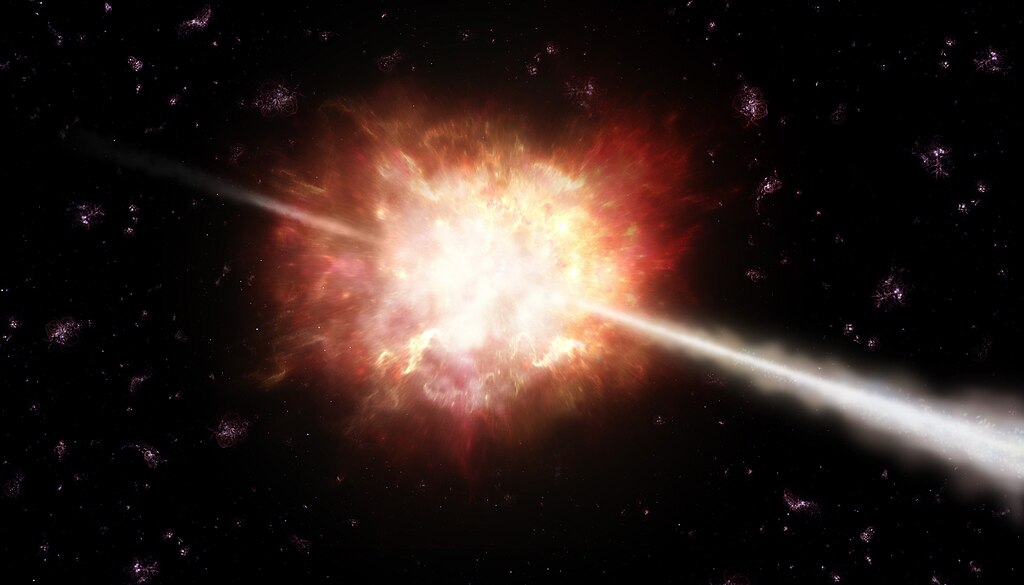
When certain massive stars die, they shoot out beams of the most intense radiation in the universe. If one of these gamma-ray bursts hit Earth, it’d strip away our ozone layer in seconds. Without the ozone layer protecting us from the sun’s ultraviolet light, most life on Earth would die pretty quickly. The scary bit is we wouldn’t know it was coming until it arrived, travelling at the speed of light.
5. Our magnetic field deciding to flip or disappear
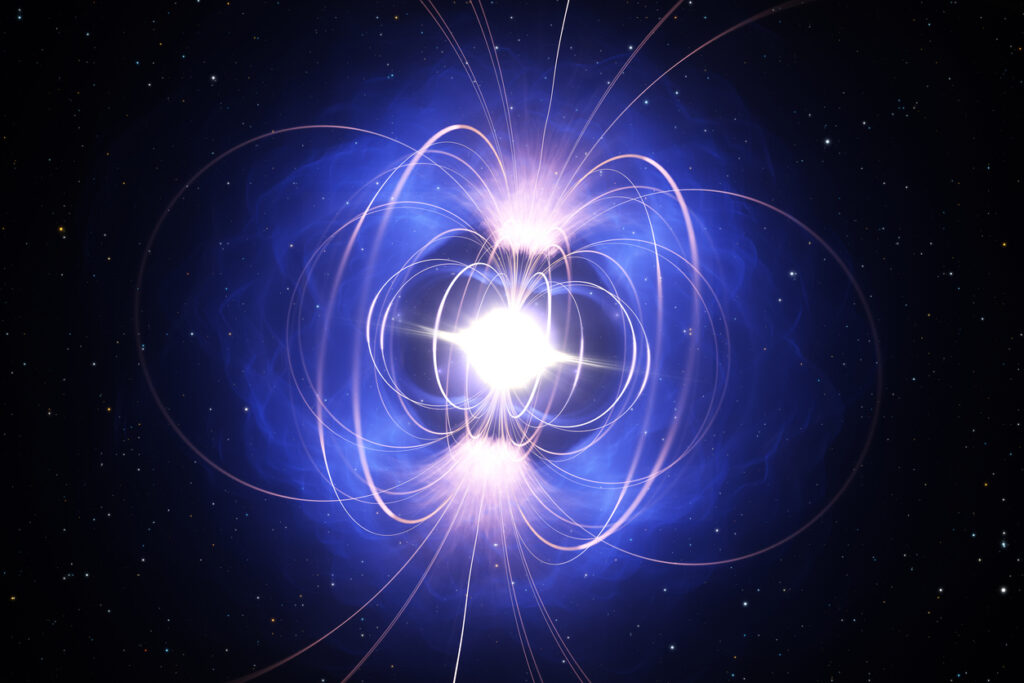
Earth’s magnetic field protects us from deadly radiation from space. It’s flipped before in the planet’s history, and it’s overdue for another flip based on the geological record. During the flip, which could take centuries, the magnetic field weakens massively or might disappear entirely for a bit. That’d leave us exposed to solar radiation and cosmic rays with no way to put the shield back up.
6. A supervolcano under Yellowstone finally erupting
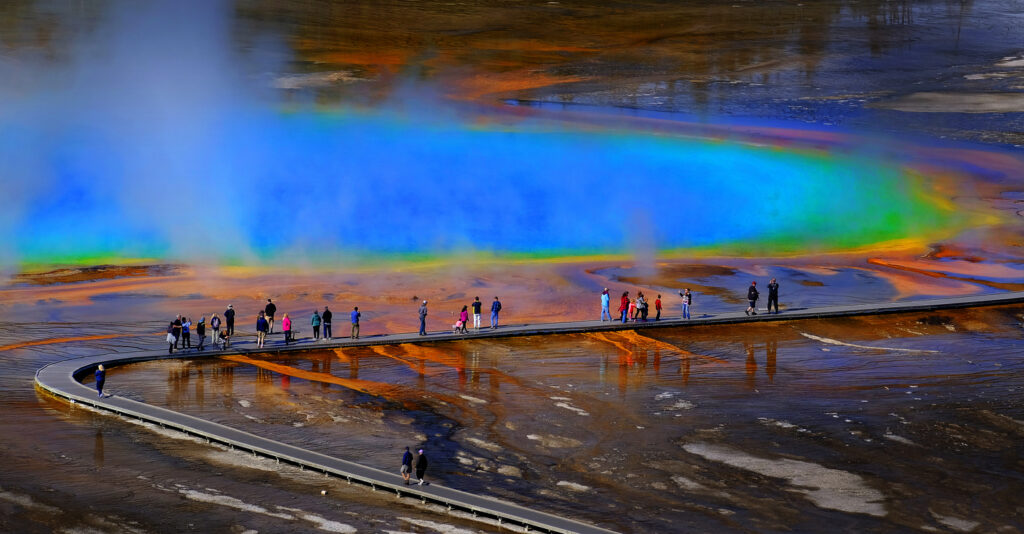
Technically, this isn’t from space, but it’s still a disaster we can’t stop. There’s a massive volcano under Yellowstone that erupts roughly every 600,000 years. It’s been about 640,000 years since the last one. When it goes off, it’ll cover most of North America in ash and trigger a volcanic winter that could last years. We can monitor it, but we can’t prevent it, and we’d have very little warning when it decided to blow.
7. A nearby star going supernova
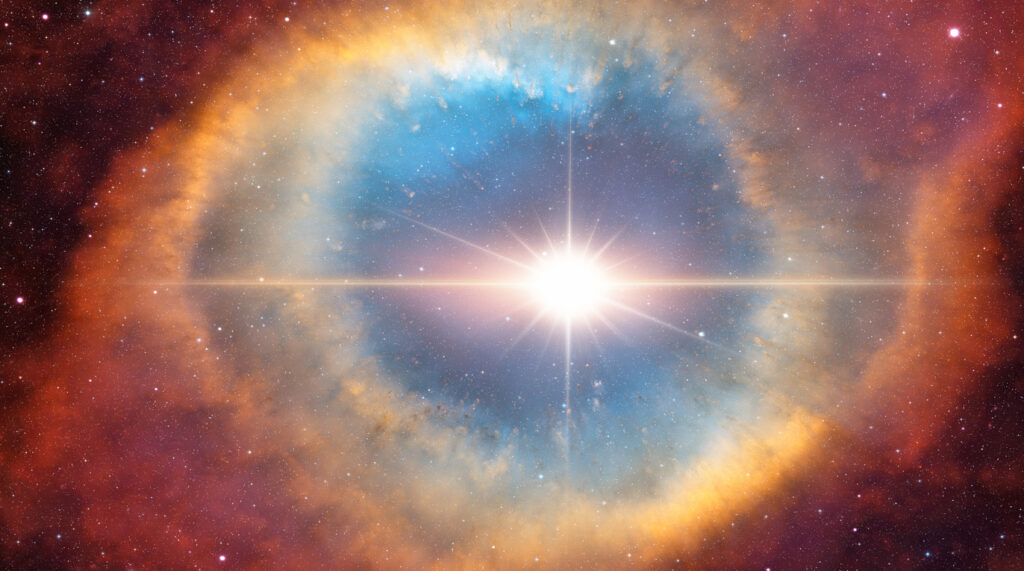
If a star within about 50 light-years of us exploded as a supernova, the radiation could do serious damage to Earth’s atmosphere and anything living on the surface. The good news is there aren’t many candidates close enough to threaten us right now. The bad news is stars are unpredictable, and we might not realise one’s about to explode until it does.
8. Space junk creating a cascade that traps us on Earth
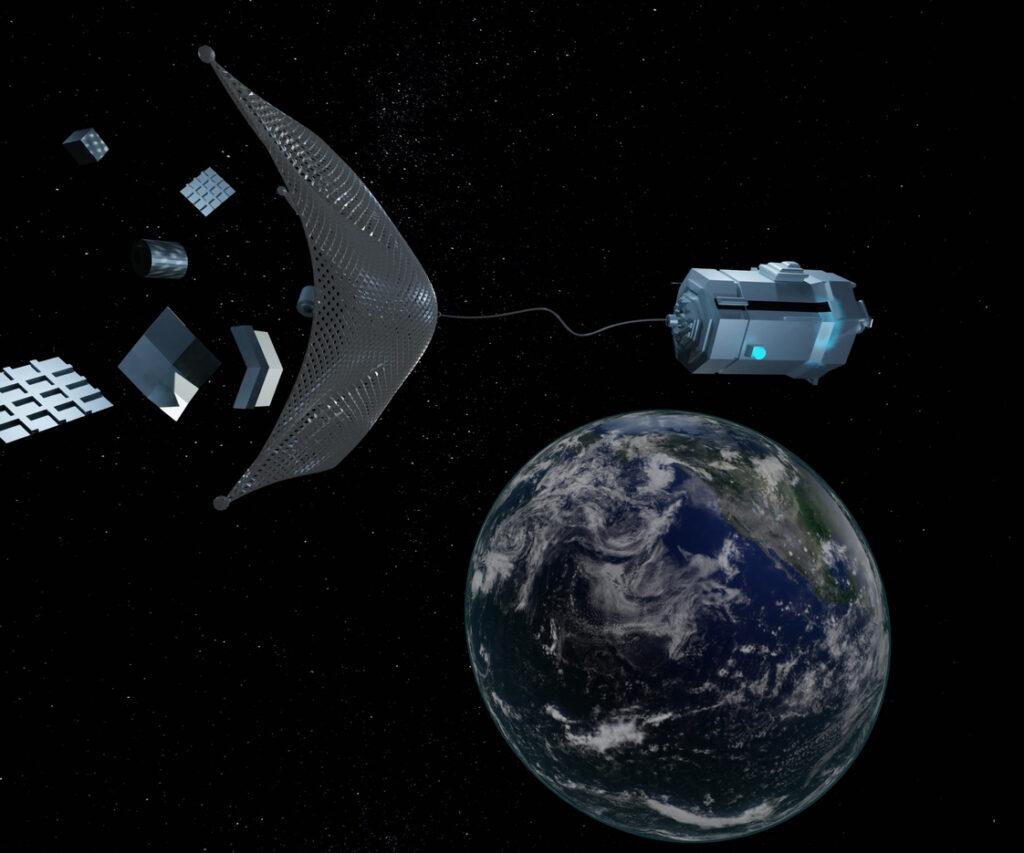
We’ve left so much rubbish orbiting Earth that there’s a real risk of a chain reaction. One collision creates debris that hits other satellites, creating more debris, and so on. If the Kessler syndrome kicks off properly, it could make certain orbits unusable for decades or centuries. We’d lose satellites for GPS, weather, communications, and we’d be stuck on Earth unable to safely launch anything through the debris field.
9. A wandering planet getting flung into our solar system

Planets can get ejected from their solar systems and go wandering through space as rogue planets. If one came barrelling through ours, its gravity would mess up all the planetary orbits. Earth could get flung closer to the sun, further away, or even ejected from the solar system entirely. We’d spot it eventually as it got closer, but there’s absolutely nothing we could do to stop or redirect something that massive.
10. The universe’s expansion accelerating beyond a critical point
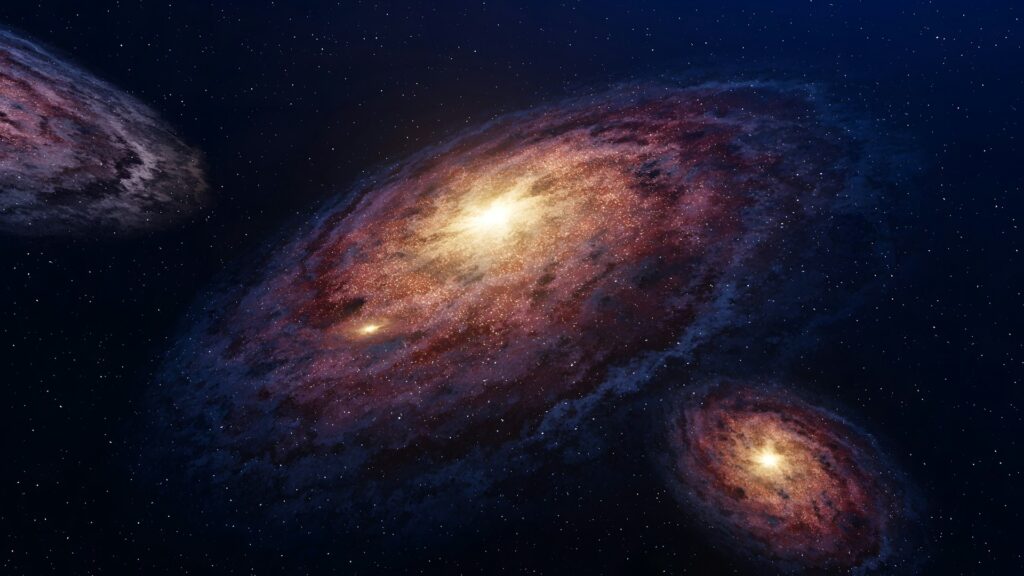
The universe is expanding faster and faster thanks to something called dark energy that we don’t really understand. If that acceleration keeps increasing, it could eventually rip apart galaxies, solar systems, planets, and even atoms. That Big Rip scenario wouldn’t happen for billions of years, of course, if it happens at all, but it’s still unsettling. There’s no way to stop the fundamental forces of the universe from doing whatever they’re going to do.