Corded-coat dogs look like they’ve wandered straight out of folklore.
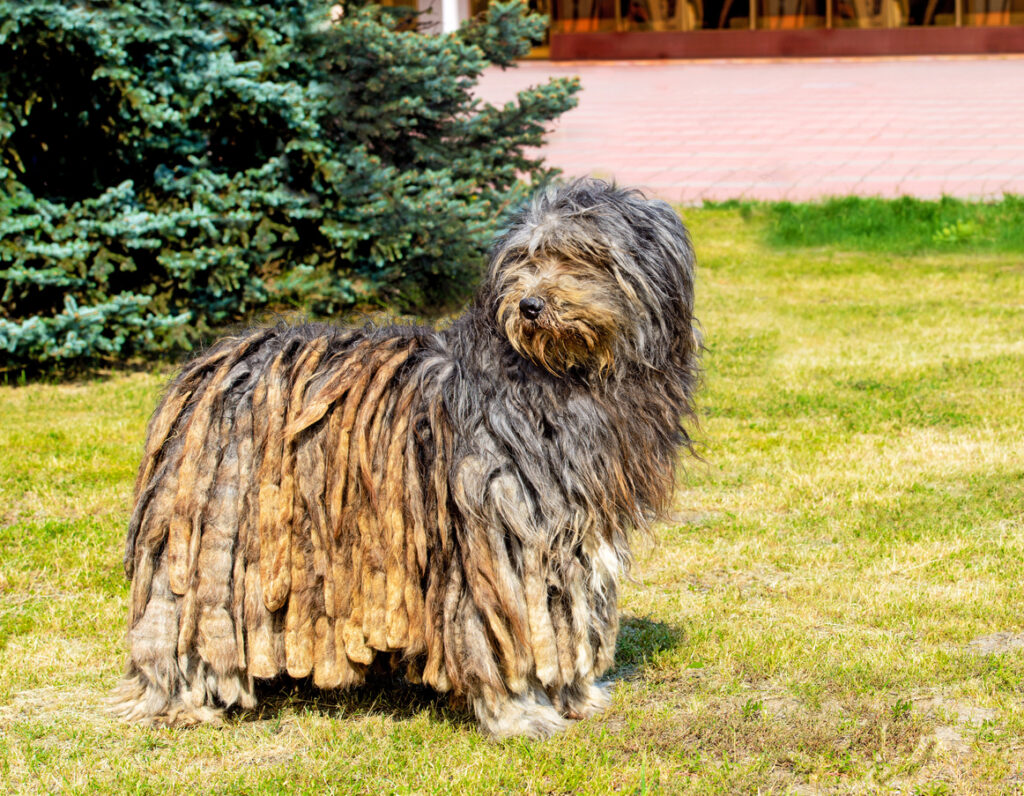
Their long, rope-like fur makes them seem more mythical than real, and although they’re rare in the UK, a few breeds still carry this remarkable trait. Each one has a fascinating history, an independent spirit, and a coat that demands both patience and precision. These dogs weren’t bred to impress onlookers — their cords served a purpose, protecting them from weather, predators, and even injury while they worked alongside shepherds and farmers.
Caring for a corded coat isn’t for the faint-hearted. The cords take months, sometimes years, to form properly, and they need regular attention to stay clean and healthy. But for people who appreciate a dog with character and history, these breeds are among the most captivating in existence. Beneath all that fur lies intelligence, loyalty, and an untamed beauty that modern grooming rarely allows.
Komondor
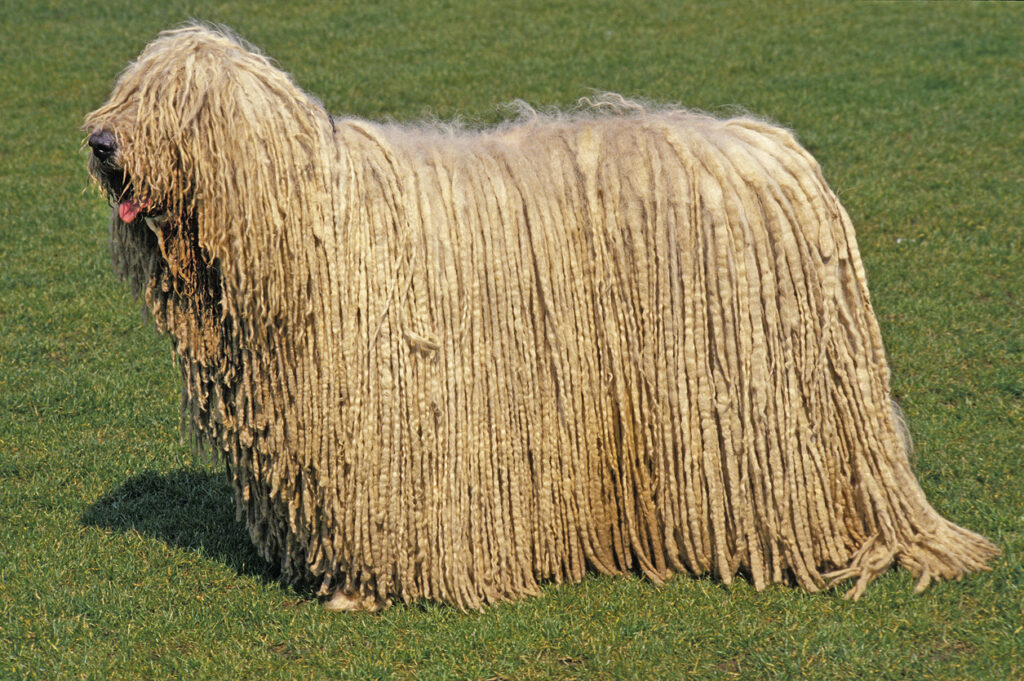
Known as the “mop dog”, the Komondor is one of Hungary’s most extraordinary exports. This huge livestock guardian was bred to defend flocks from wolves and protect them from freezing winds on the plains. Its dense white cords act as both armour and insulation, making it almost impossible for predators to get through. The coat also helped it blend in with the sheep it protected, a natural camouflage against potential threats.
In the UK, Komondors are incredibly rare, and owning one is a serious commitment. The cords don’t appear overnight; they develop gradually as the undercoat and outercoat intertwine. Owners have to carefully separate and shape them to prevent painful matting. But those who take on the challenge end up with a fiercely loyal, steady dog that’s as devoted as it is distinctive.
Puli
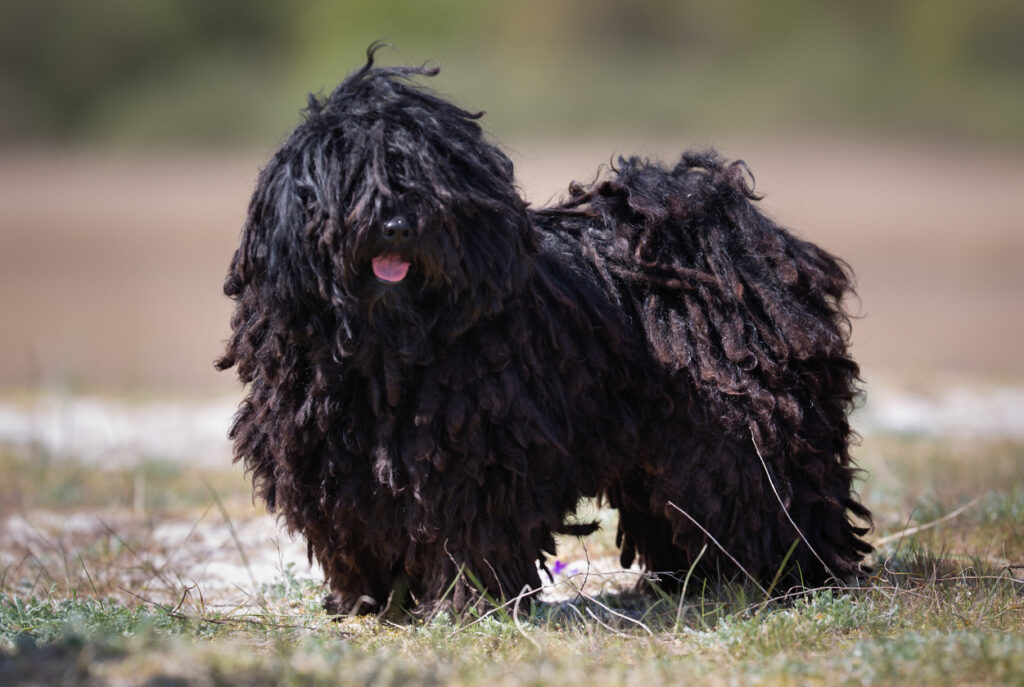
The Puli is a smaller cousin of the Komondor, bred for herding rather than guarding. Beneath its bouncing cords lies an agile, energetic dog that once spent long days rounding up livestock in Hungary’s open fields. Its corded coat protected it from rain, cold, and even nips from sheep or wolves, while still allowing it to move quickly and gracefully.
Despite their wild appearance, Pulis are playful, intelligent companions with boundless energy. They’re famous for their clownish personalities and sharp minds. However, grooming them is a serious job. Their cords need frequent separating to prevent moisture or dirt from building up. For the right owner, though, their loyalty and character make the effort entirely worth it.
Bergamasco Sheepdog
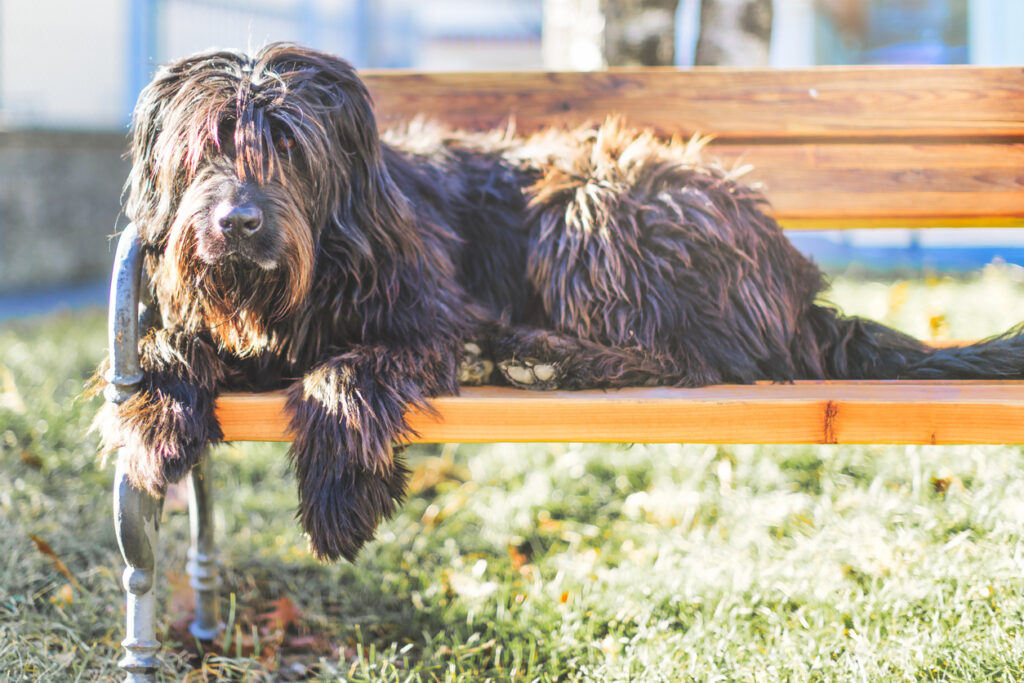
The Bergamasco hails from the Italian Alps, where it was bred to herd sheep across rugged mountain terrain. Its coat forms thick, felted layers known as “flocks”, which look like mats but are actually protective panels of fur. These flocks shield the dog from cold, rain, and injury while allowing airflow close to the skin.
Unlike other corded breeds, Bergamascos don’t need constant trimming or styling once the coat forms correctly. They’re calm, even-tempered dogs that form deep emotional bonds with their families. Though rare in Britain, their gentle nature and striking appearance have earned them a quiet but passionate fanbase among dog enthusiasts.
Spanish Water Dog
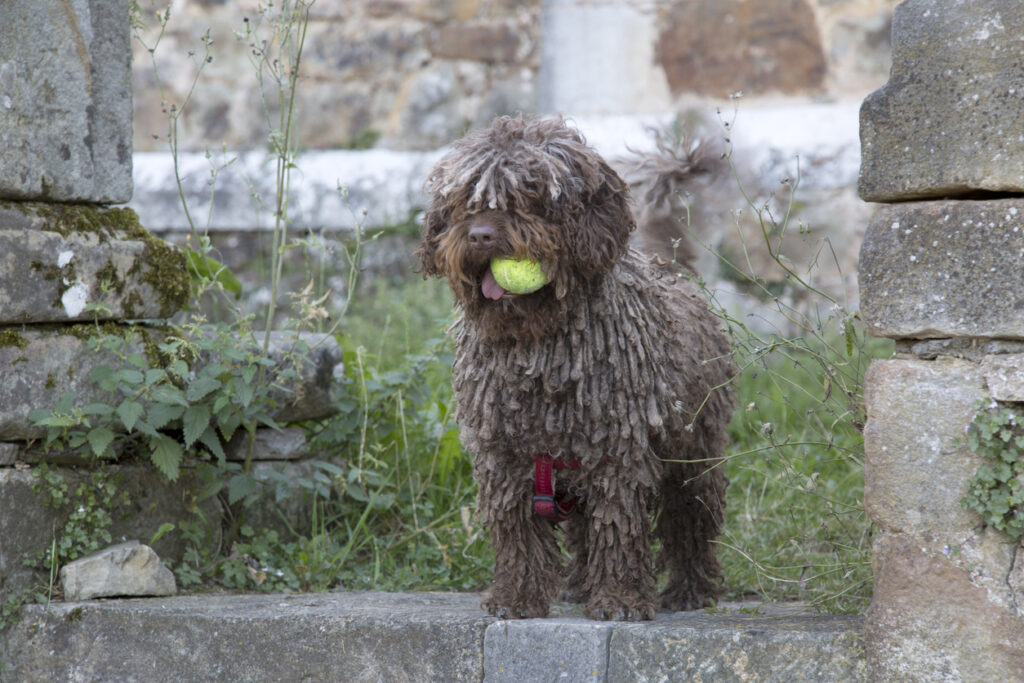
Spain’s answer to the corded breed family, the Spanish Water Dog, was bred for both herding and retrieving along coastal regions. Its dense, curly coat naturally clumps into cords if left unbrushed, protecting it from harsh sunlight, salt water, and thorns. Historically, these dogs were as much at home on fishing boats as in farm fields.
They’re lively, intelligent, and full of enthusiasm. The coat might look ornamental, but it’s entirely practical, built to dry quickly and withstand tough work. In the UK, they’re gaining popularity among active owners who appreciate both their energy and their loyalty — provided they’re ready for the upkeep that comes with those curls.
Havanese
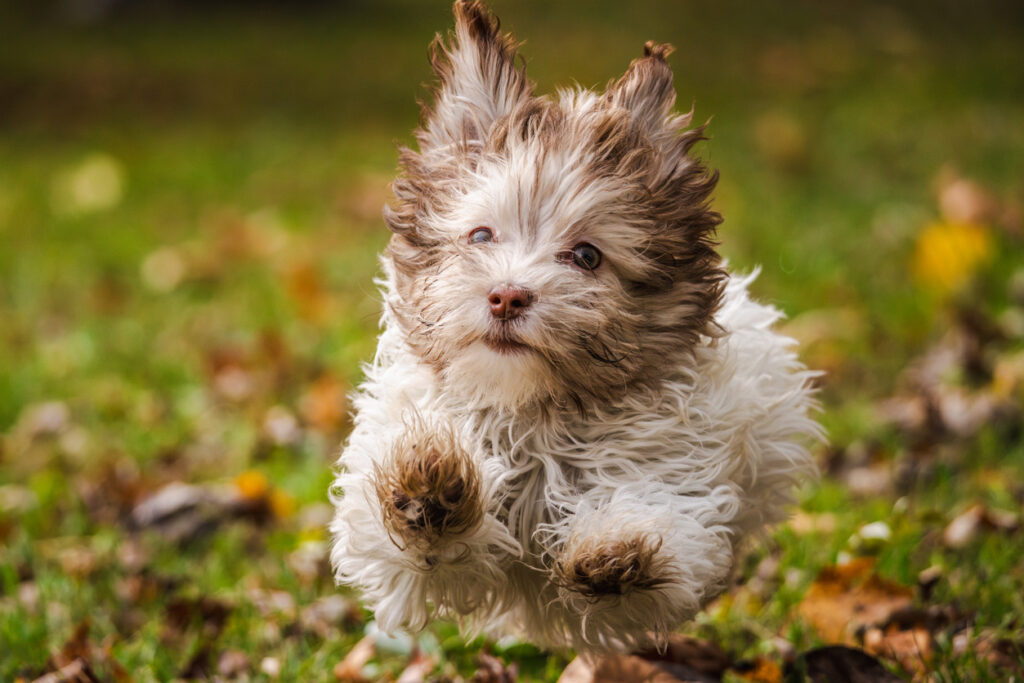
The Havanese may be small, but it’s full of charm. As Cuba’s national dog, it was once a favourite among aristocrats, known for its silky coat that can be brushed smooth or encouraged into fine cords. Although it looks delicate, the breed is surprisingly hardy and spirited.
They thrive on companionship and attention, making them excellent house pets for people who want a smaller corded breed. The cords require care, but their manageable size makes grooming less intimidating than with larger dogs. In return, you get an affectionate, bright companion that’s happiest right beside you.
Poodle (Corded Variety)

Few people realise that Poodles were once commonly corded, particularly during the 19th century when the style was seen as a mark of prestige. The cords form naturally as the dense curls grow out and twist together, creating a striking texture that looks almost sculptural.
Although the corded look has largely fallen out of fashion, some enthusiasts still maintain it today. It takes patience and regular maintenance, but the end result is a dog that combines elegance with old-world charm. Underneath that coat, the Poodle’s trademark intelligence and playfulness are unchanged.
Lowchen (Little Lion Dog)
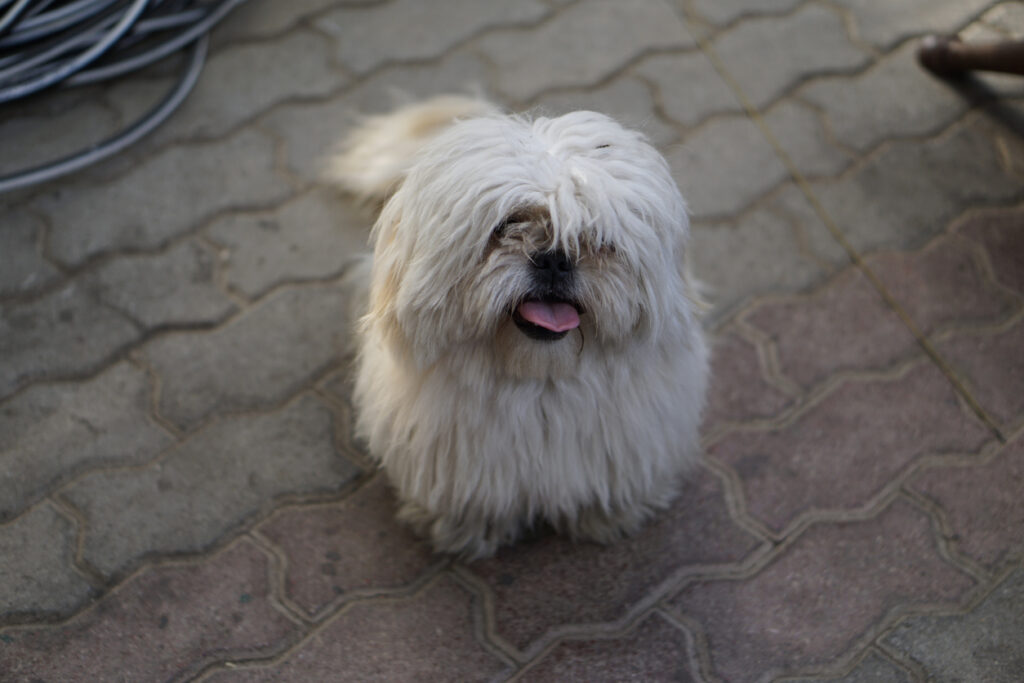
The Lowchen isn’t naturally corded, but when left untrimmed, its soft coat can form loose, rope-like strands. Historically adored by European nobility, the Lowchen was bred more for companionship than work, yet it carries the same lively, affectionate temperament as other corded breeds.
They’re sociable, easy-going dogs that adapt well to modern living. While they lack the heavy cords of working breeds, they’re ideal for anyone who loves the look of corded coats but prefers a dog that’s easier to groom and manage day to day.
Mixed herding breeds with corded traits
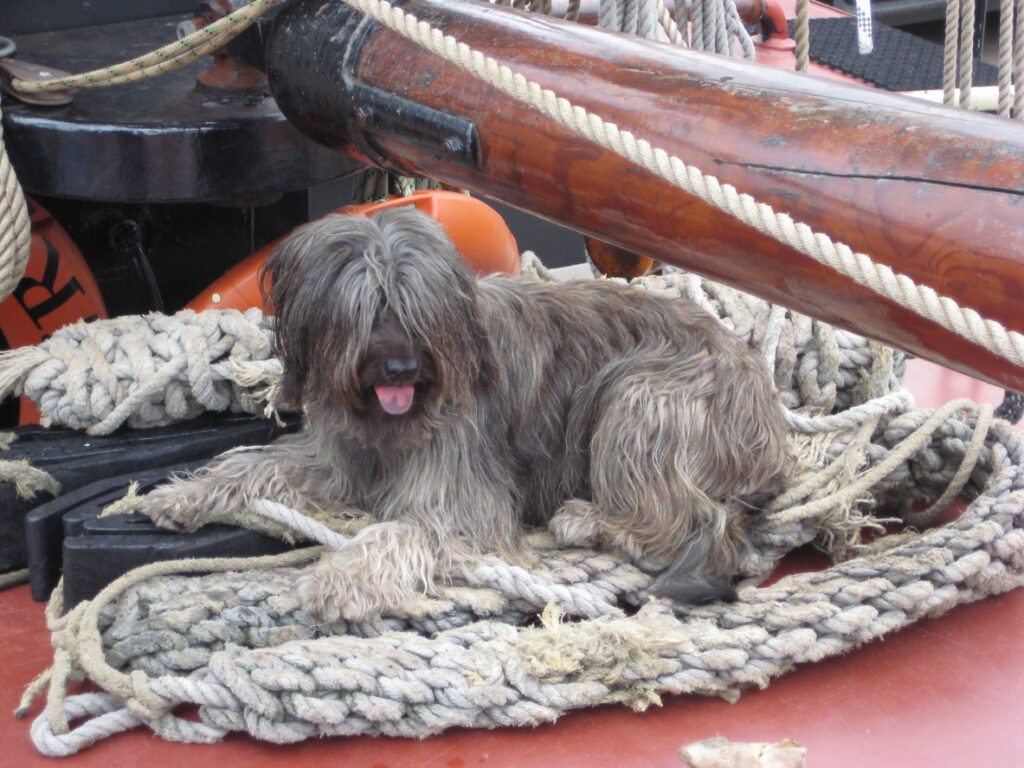
In some cases, mixed-breed dogs inherit coat textures that naturally form cords or mats similar to those of the Puli or Bergamasco. This happens when both parent breeds have dense, woolly coats that twist together as they grow. These mixed herders are often unique in both appearance and personality.
Their coats can vary widely, so grooming needs depend on the specific mix. Some develop cords naturally, while others need help shaping them. They’re fascinating dogs to look at, often with the same intelligence and spirit that make purebred corded dogs so remarkable.
Why corded breeds are rare in the UK
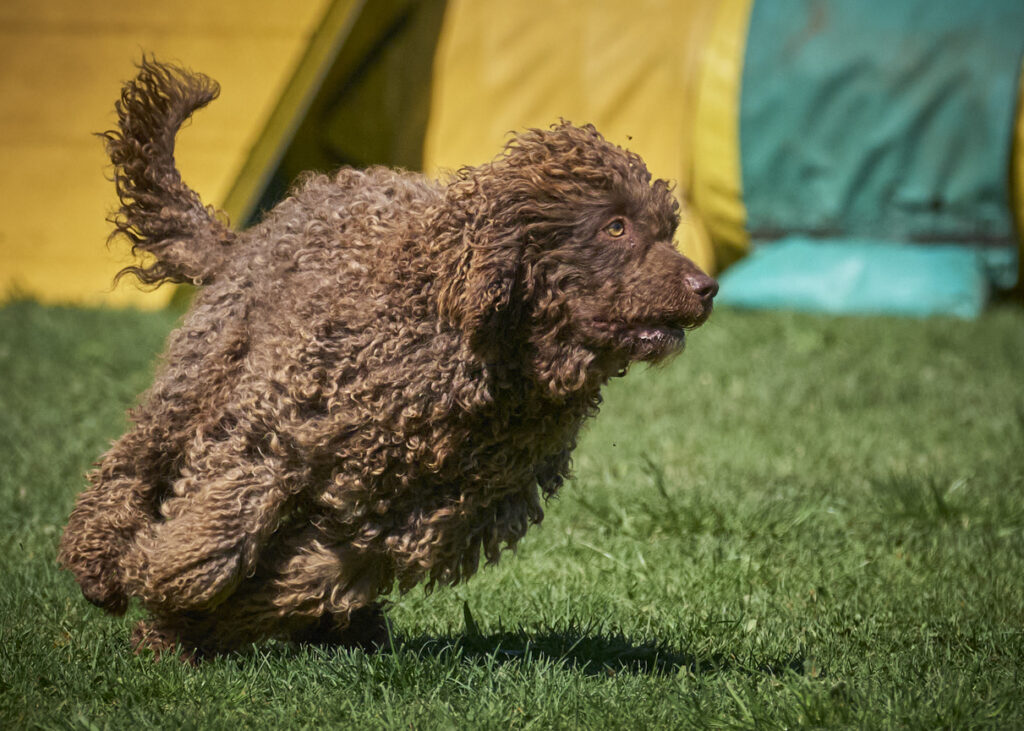
Corded dogs are breathtaking to look at, but they’re not easy to care for. The cords can trap moisture and dirt, so they require constant maintenance and a patient owner who doesn’t mind hands-on grooming. Most modern pet owners prefer breeds that are lower maintenance and easier to keep clean.
Historically, the cords developed out of necessity, not fashion. They protected working dogs in harsh environments. In the UK’s milder climate and largely indoor lifestyles, those benefits no longer apply, so the breeds have remained rare curiosities rather than household staples.
What makes the cords form
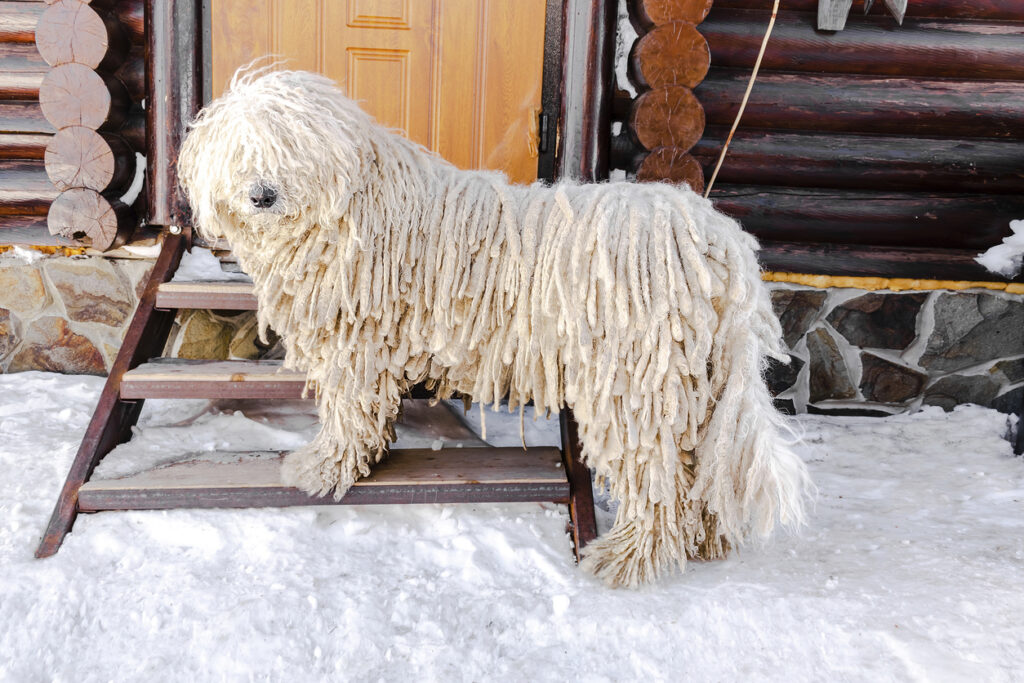
Corded coats form through a mix of coarse guard hairs and soft undercoat intertwining as they grow. As the hair lengthens, it begins to twist naturally, and careful separation helps shape it into neat cords. Left alone, it can easily turn into dense mats, which are uncomfortable and unhealthy for the dog.
The process is part science, part art. Owners spend months shaping, cleaning, and maintaining the cords until they reach full length. The result is a coat unlike any other — one that tells the story of endurance, heritage, and the close bond between humans and their animals.