Britain’s hedgerows are full of colourful berries that seem harmless, but not all are safe to eat.
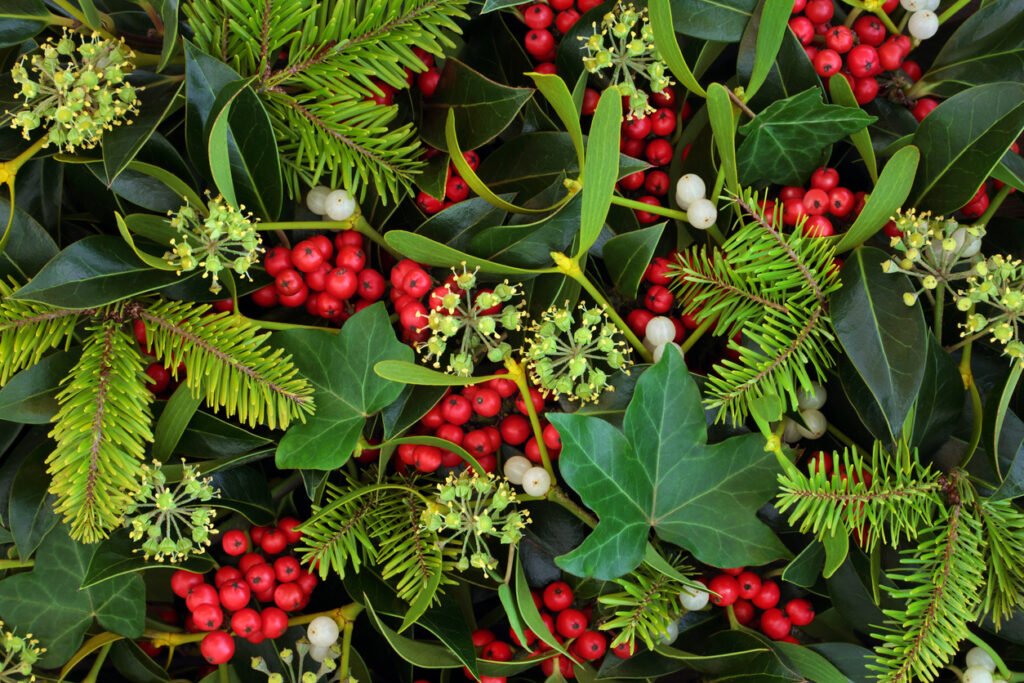
While some wild fruits make great jams or snacks on a walk, others can cause severe illness or even death after just a few bites. Knowing the difference is vital, especially if you forage or have children and pets who love to explore. Here are some of the wild berries found across the UK that look tempting but are dangerously toxic.
1. Deadly nightshade (Atropa belladonna)
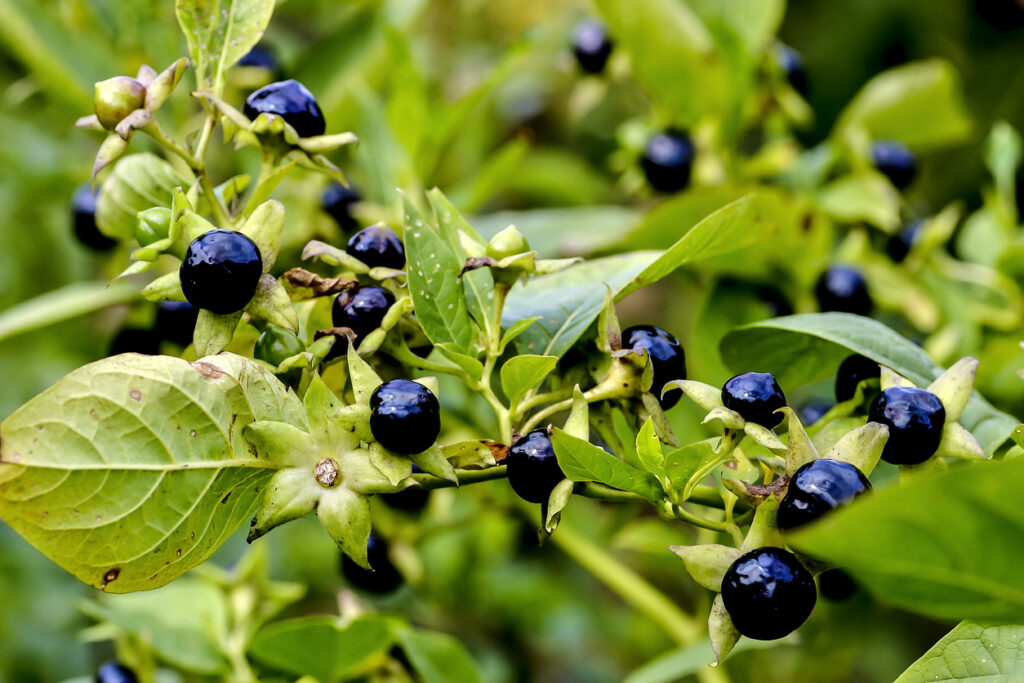
These shiny black berries look a lot like large blueberries, but even a few can be fatal. The plant’s toxins attack the nervous system, leading to blurred vision, confusion, and in severe cases, heart failure. They grow in woodland edges and scrubby areas, usually with purple bell-shaped flowers. Never touch or taste them, even small amounts can be extremely harmful.
2. Yew berries (Taxus baccata)
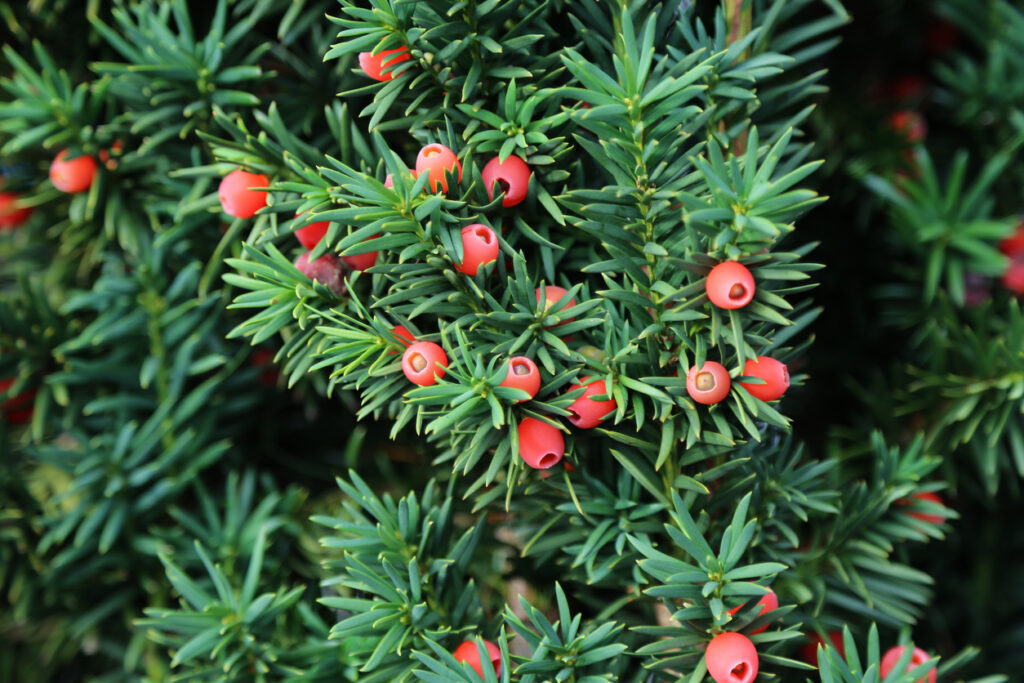
The red, jelly-like berries of the yew tree look inviting, but almost every part of the plant is deadly. The seed inside the red flesh contains a potent toxin that can stop the heart. Birds can eat yew berries safely, but humans can’t. If you have a yew tree nearby, keep an eye on children and pets during berry season.
3. Lords-and-ladies (Arum maculatum)
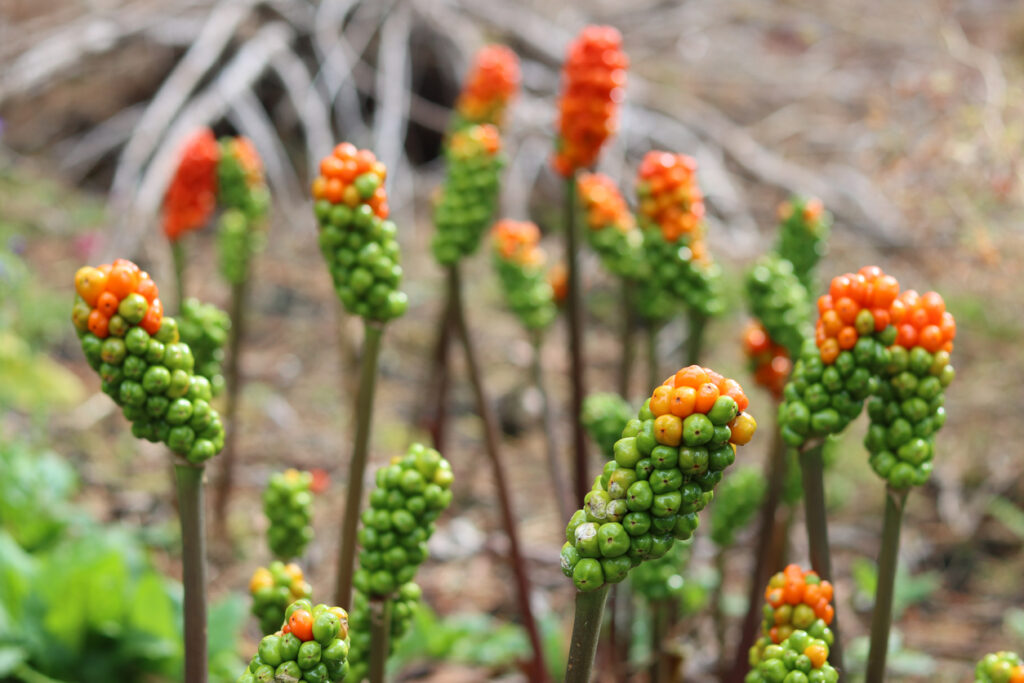
Also known as cuckoo-pint or wild arum, this plant produces clusters of bright red berries in late summer. They look almost plastic-like, which can attract curious kids. Even a single berry can cause severe throat burning and swelling. The plant’s crystals can also irritate the skin, so it’s best not to touch it at all.
4. Woody nightshade (Solanum dulcamara)
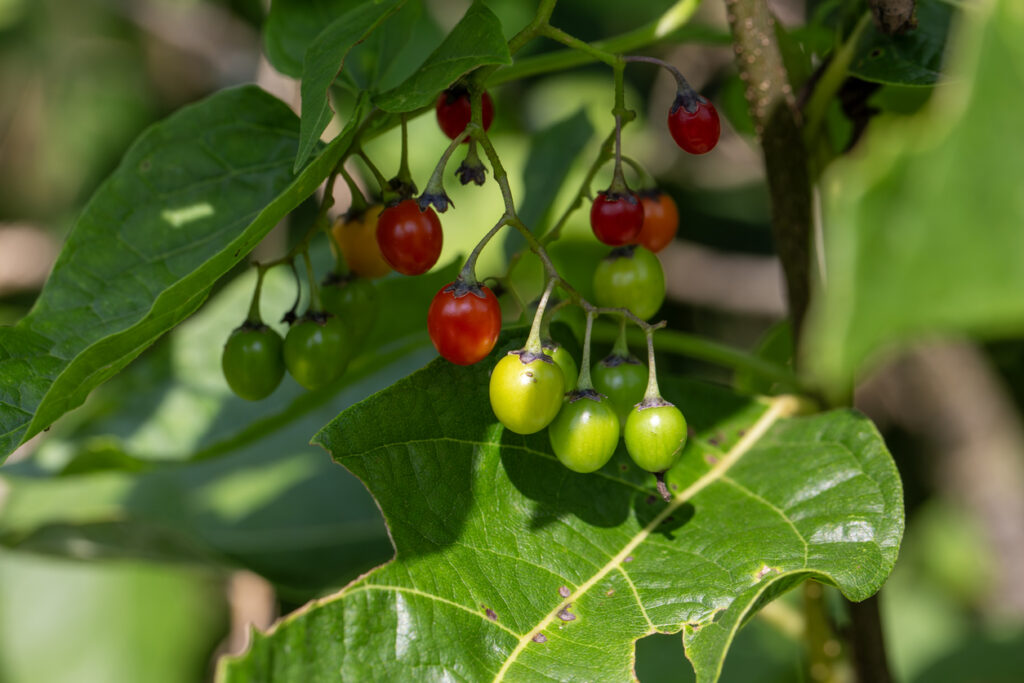
These glossy red berries grow on climbing vines and are often mistaken for cherry tomatoes. They’re less toxic than deadly nightshade but still dangerous, especially for children. Ingesting them can cause vomiting, diarrhoea, and confusion. They’re common in hedgerows, riverbanks, and damp woodlands across Britain.
5. Spindle tree berries (Euonymus europaeus)
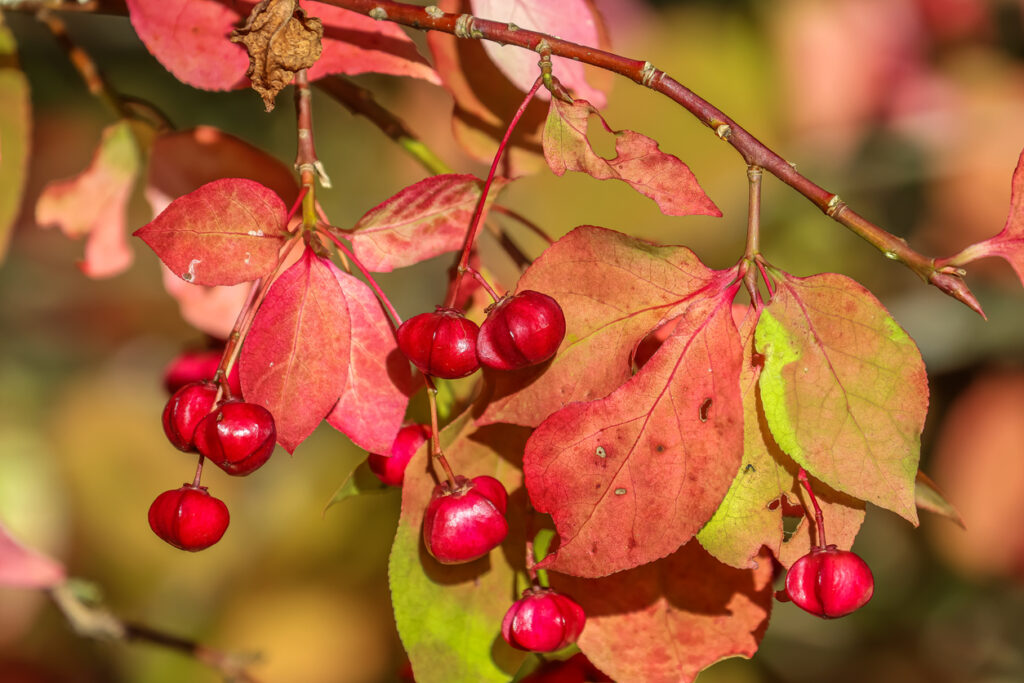
The bright pink and orange berries of the spindle tree look beautiful, but they’re highly poisonous. Eating them can lead to stomach cramps, dizziness, and heart problems. Spindle trees are common in southern England, especially in hedgerows and woodland borders. Admire their colours, but don’t pick them.
6. Dogwood berries (Cornus sanguinea)
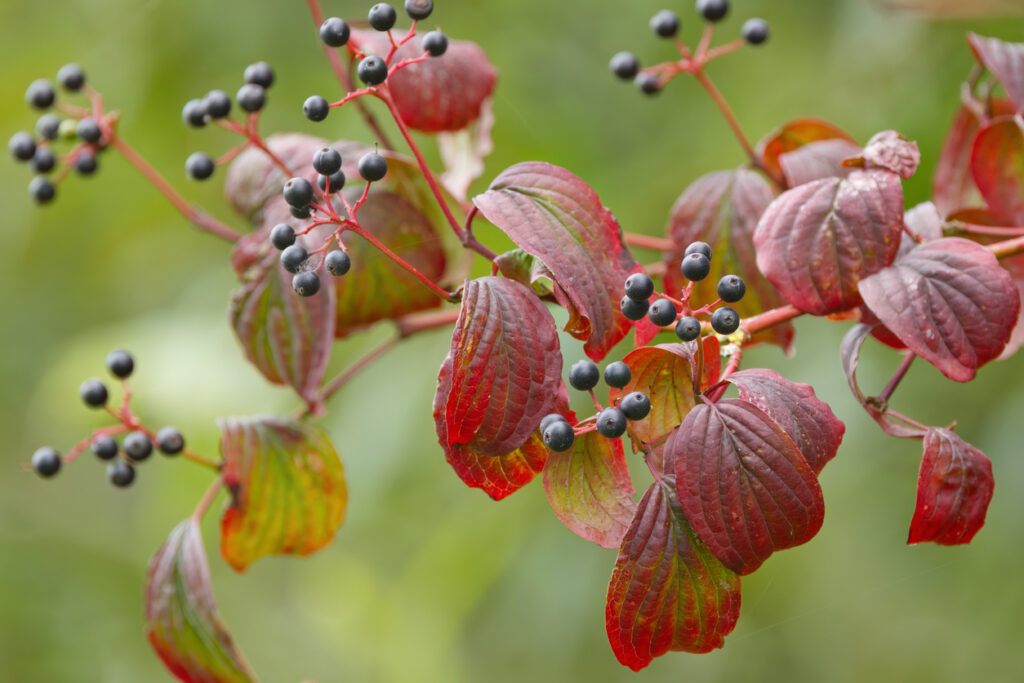
These black or dark purple berries resemble elderberries, but have a bitter taste and can cause stomach upset if eaten. They often grow in dense clusters along hedgerows. While birds eat them safely, humans can’t. Always double-check before picking berries that look like elderberries; they’re often confused with dogwood or nightshade.
7. Ivy berries (Hedera helix)
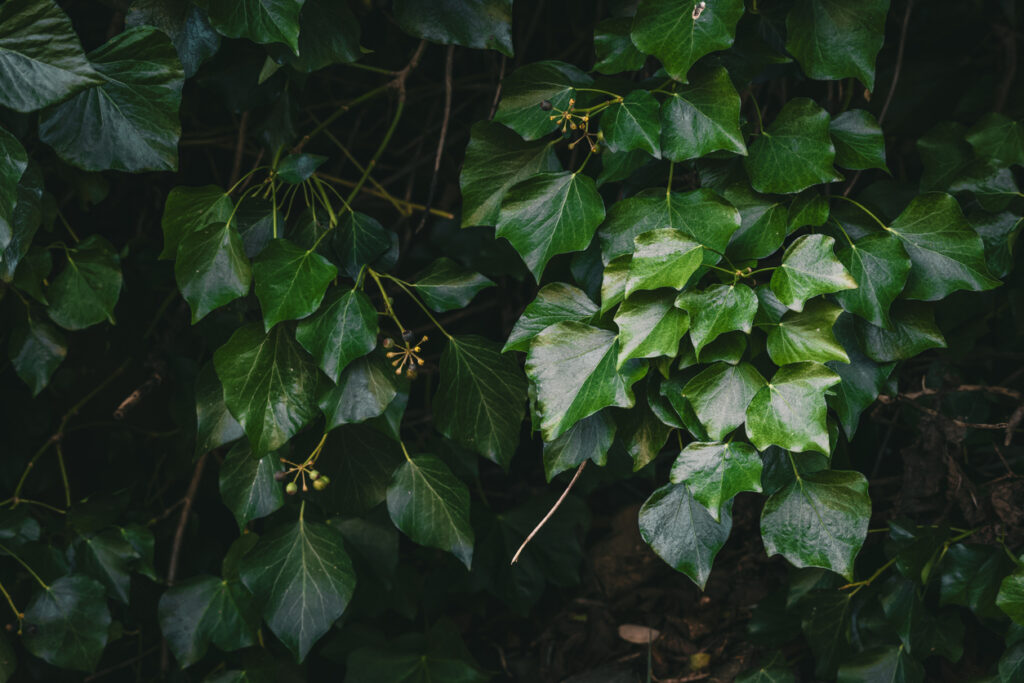
These small black berries appear in late winter and are often mistaken for something edible. They’re packed with saponins, which can cause vomiting and breathing difficulties. Ivy berries are mainly eaten by birds who aren’t affected by the toxins. For people, even a few can cause illness, so avoid handling them unnecessarily.
8. Snowberry (Symphoricarpos albus)
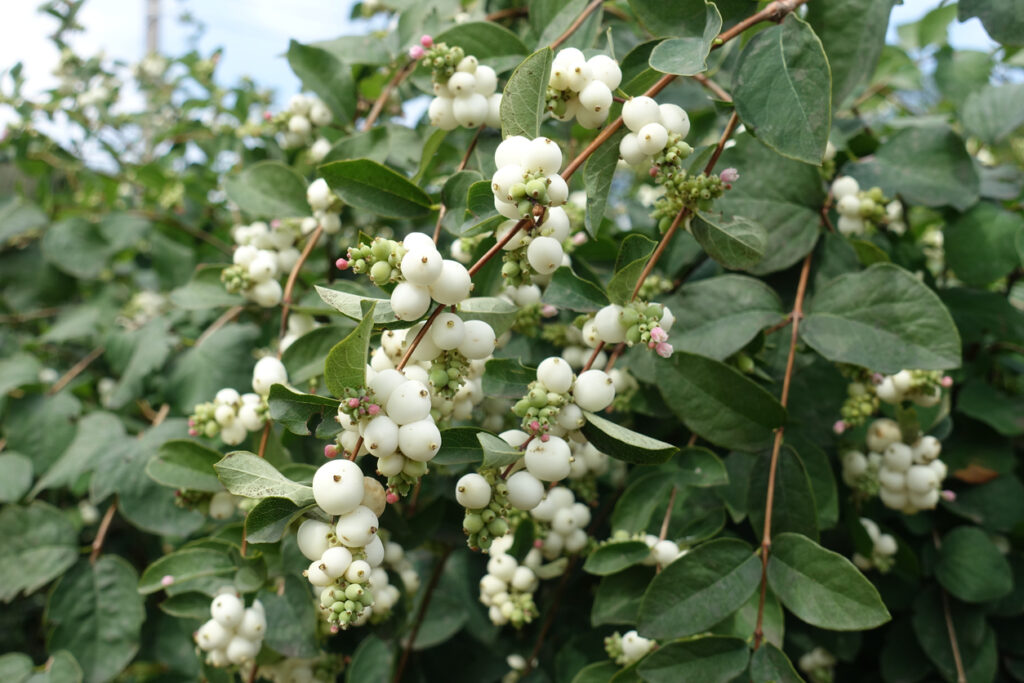
These white, marble-sized berries might look like sweets, but they contain saponins that cause vomiting and dizziness. They’re often used in garden hedges and parks. The berries burst with a satisfying pop when squashed, which makes them tempting to children. Don’t let that fool you! They’re not safe to eat or handle.
9. Daphne berries (Daphne mezereum)
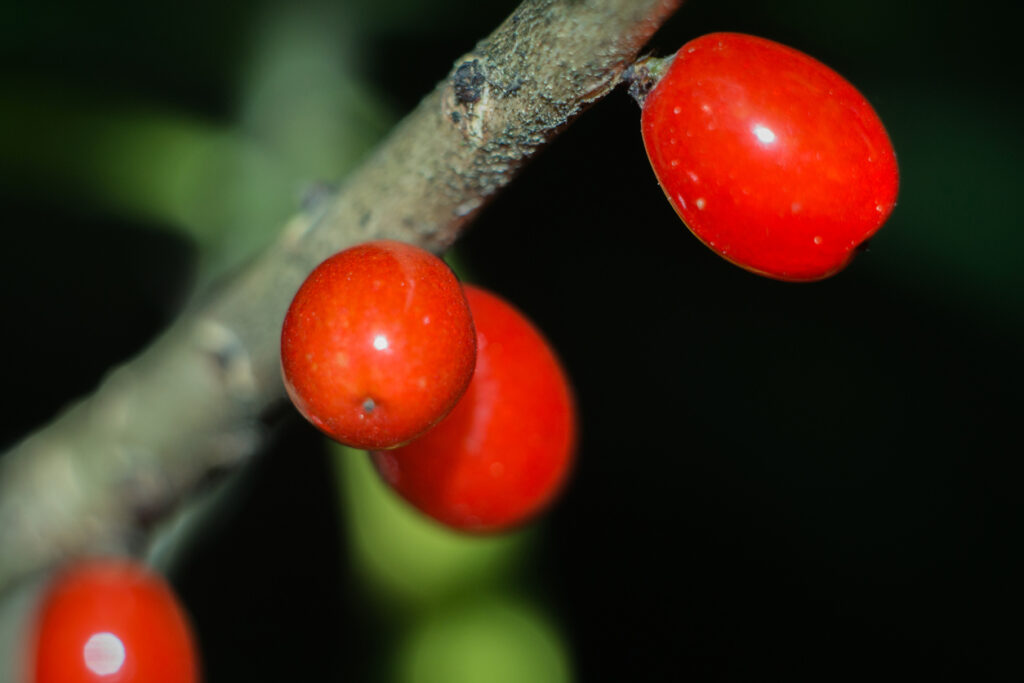
Daphne shrubs bear beautiful red berries and pink flowers, but they’re extremely poisonous. Just a handful can cause severe nausea, burning, and kidney failure. Even touching the sap can irritate skin. They’re more common in gardens than in the wild, but still worth recognising if you walk in woodland areas.
10. Black bryony (Tamus communis)
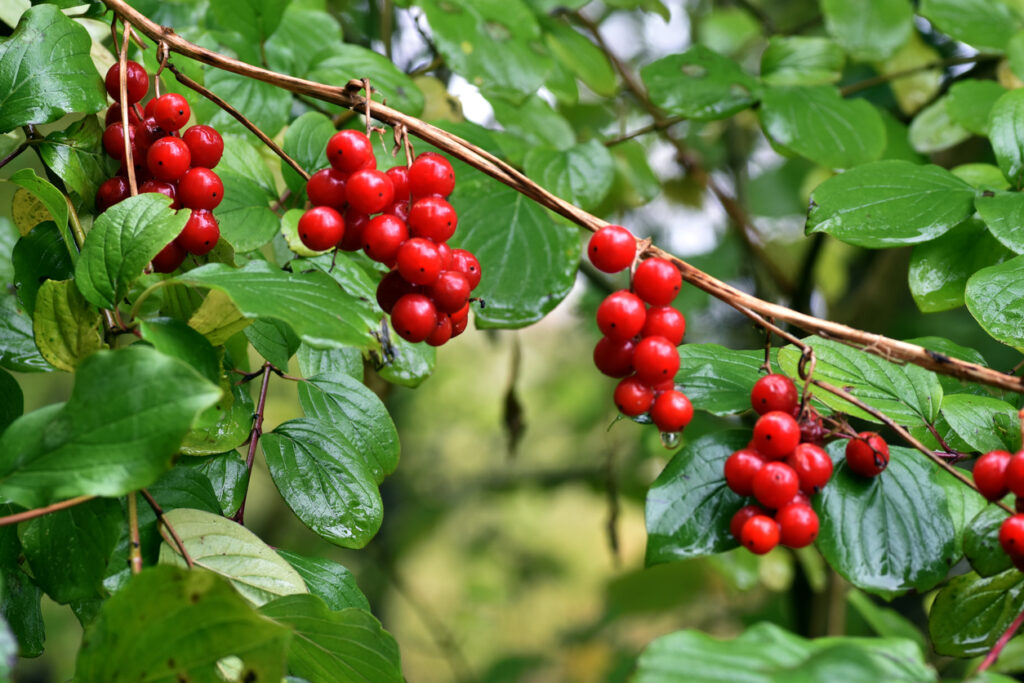
Black bryony grows as a climbing vine with clusters of shiny red berries. They may look harmless, but the juice contains irritants that cause burning, vomiting, and diarrhoea. Unlike its relative white bryony, this plant has smooth, heart-shaped leaves. Both are toxic, so neither should ever be eaten.
11. Wayfaring tree berries (Viburnum lantana)
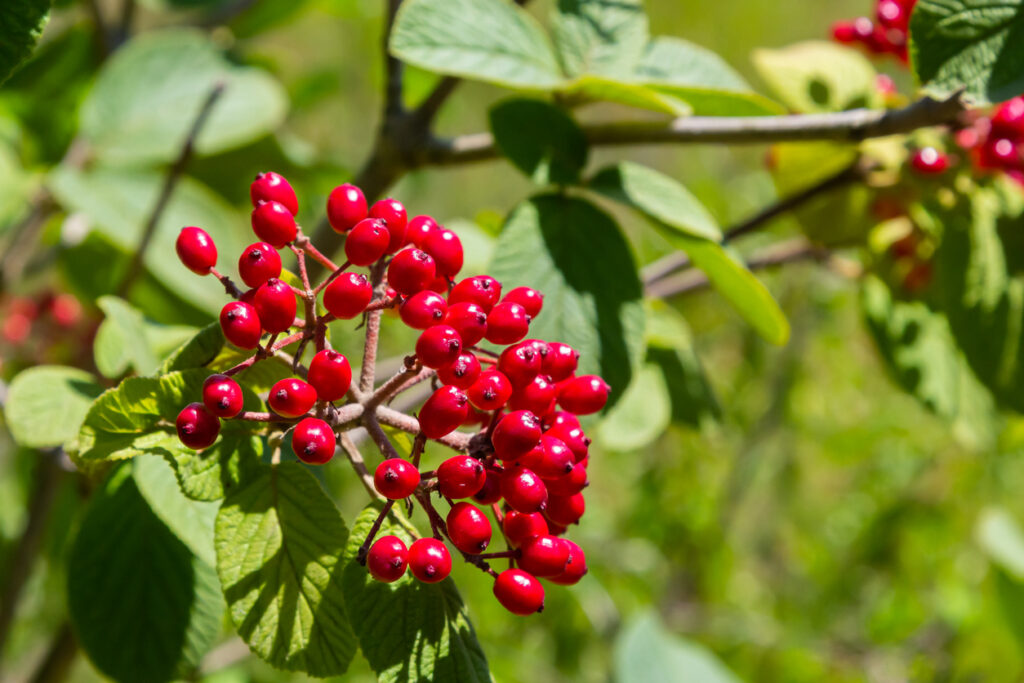
These berries change from red to black as they ripen and can easily be mistaken for edible fruits. They contain compounds that irritate the stomach and intestines. The plant is common along chalky hedgerows in southern England. Birds eat them without issue, but for humans, they’re best left alone.
12. Privet berries (Ligustrum vulgare)
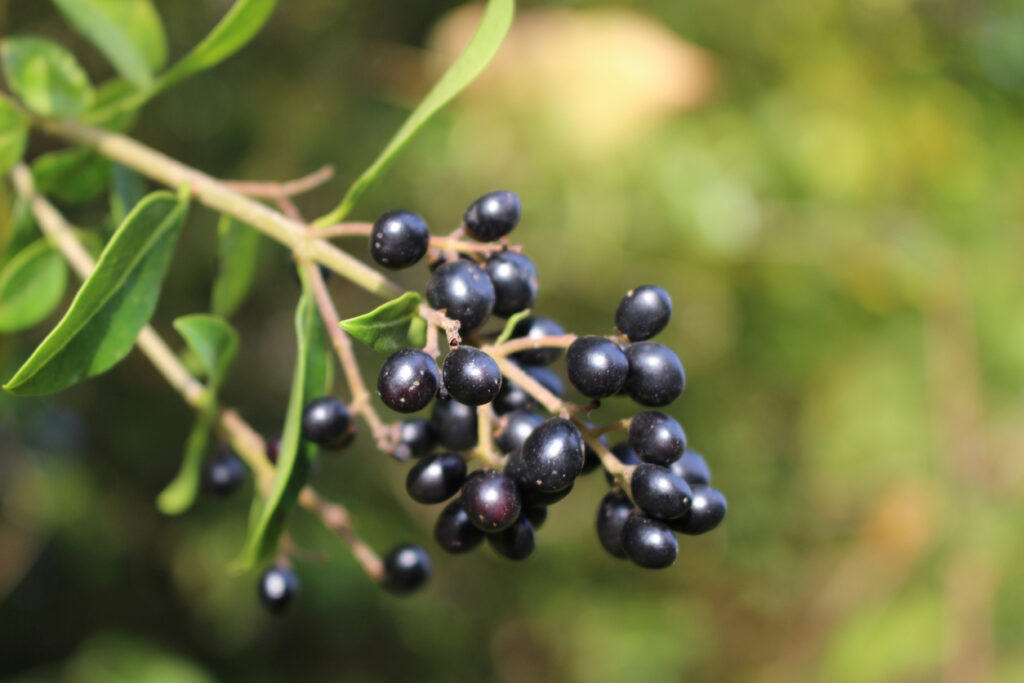
Privet is a common hedge plant, often seen in gardens and parks. Its dark purple berries look like tiny grapes, but they’re poisonous to both humans and pets. Eating them can cause vomiting, headache, and abdominal pain. The leaves are also toxic if chewed, so it’s best to avoid handling them altogether.
13. Holly berries (Ilex aquifolium)
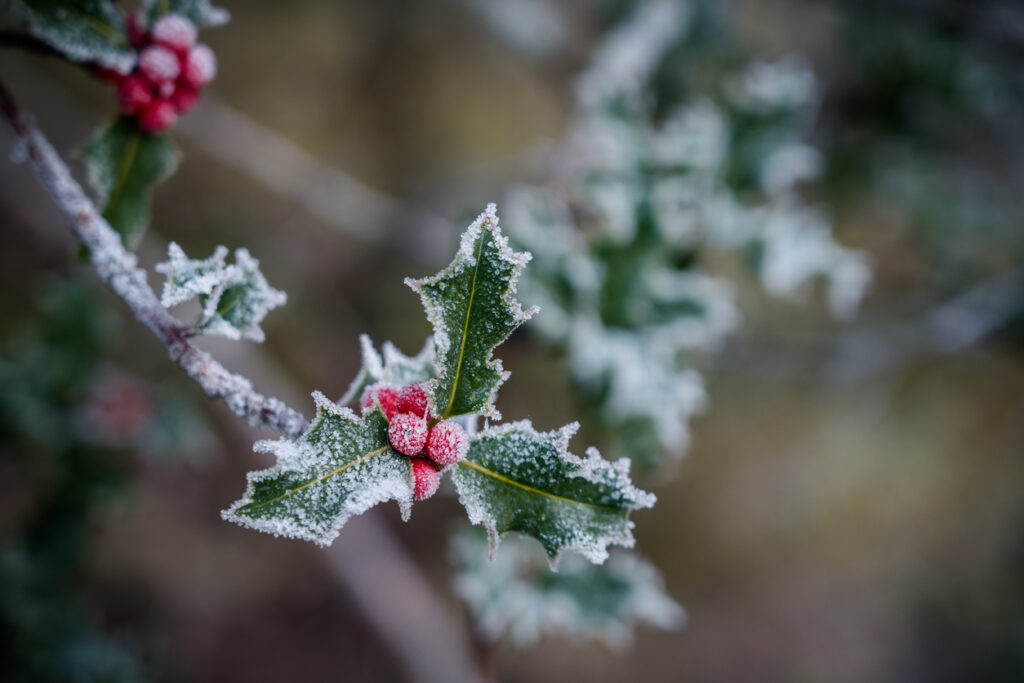
They may be a Christmas symbol, but holly berries are dangerous if eaten in quantity. Even a few can cause severe nausea and dehydration, particularly in children. Birds such as thrushes eat them safely, but for people, they’re toxic. Keep holly decorations out of reach of small children and pets.
When it comes to foraging, the rule is simple: if you’re not absolutely sure what a berry is, don’t eat it. Many poisonous plants in the UK look just like safe ones, and some can cause lasting damage with only a small amount. Enjoy nature’s colours, but leave the wild berries for the wildlife that’s meant to eat them.