As the weather starts to turn and the first frosts creep in, it’s the perfect time to gather what’s left of your garden’s herbs before the cold wipes them out.
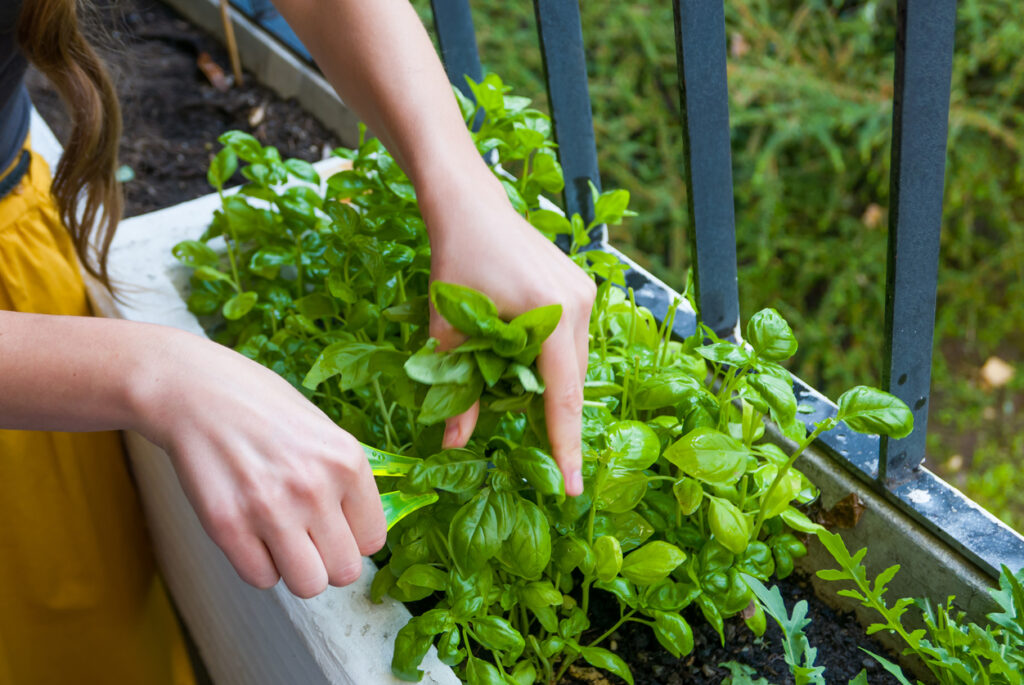
Many herbs lose their flavour or die back completely once temperatures drop, so harvesting and drying them early means you can enjoy their freshness all winter long. Drying herbs is simple, but timing matters. Pick them when they’re at their most fragrant, usually just before the frost arrives, and you’ll lock in their best flavour and aroma.
Whether you hang them in bunches, use a drying rack, or pop them in a low oven, preserving herbs now saves you money later and keeps that homegrown taste alive long after the garden’s gone quiet. Here are the ones to gather before the frost hits, and how to dry them properly so you’ve always got a touch of summer ready in your kitchen.
Basil (get this one first)
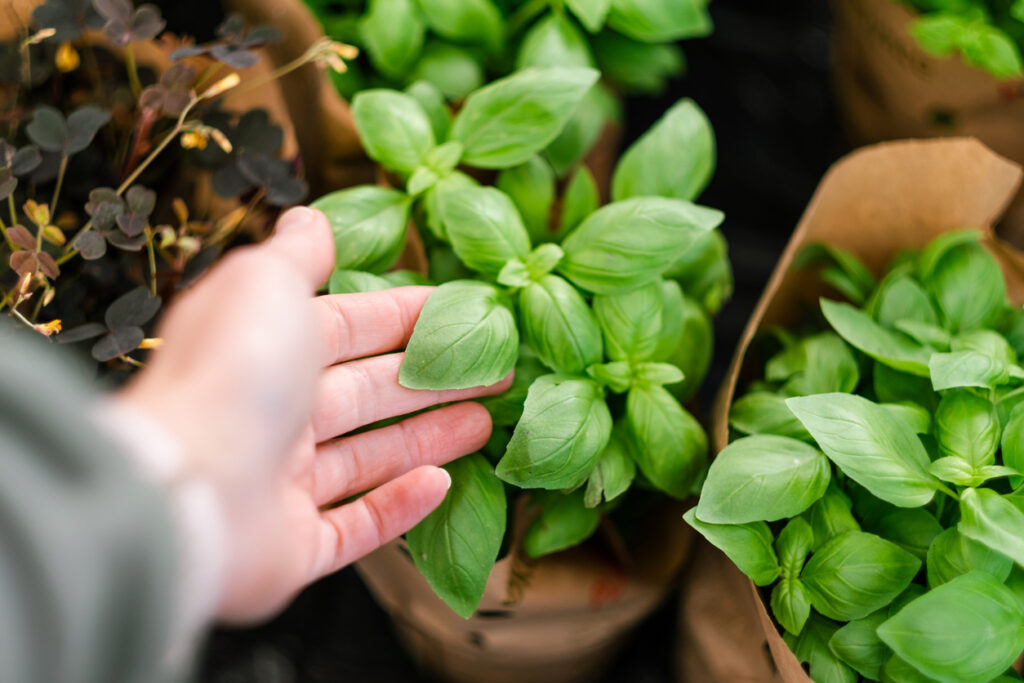
Basil is the drama queen of the herb world and will absolutely die the moment temperatures drop near freezing. It won’t even tolerate a light frost, so this needs to be your first priority. Harvest the entire plant before that first cold snap hits.
Basil doesn’t dry brilliantly though, it loses a lot of that fresh, peppery flavour. Your best bet is freezing it into pesto or chopping it and freezing in ice cube trays with olive oil. If you must dry it, do it quickly in a dehydrator rather than air-drying.
Coriander (the leaves)
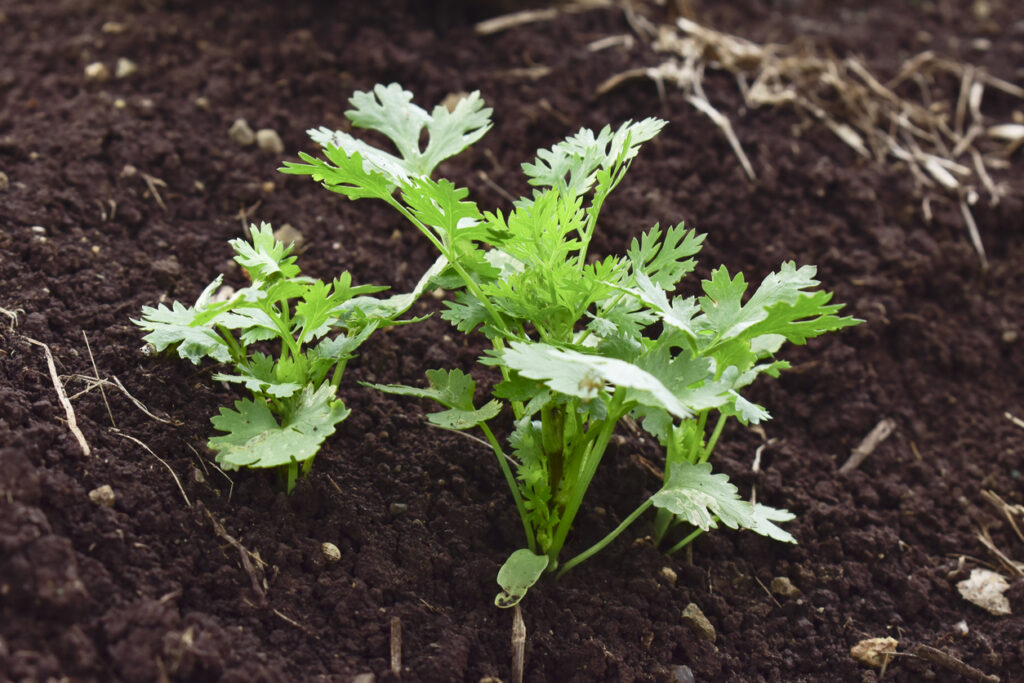
Another frost-sensitive herb that needs harvesting before it gets cold. The tricky bit is that coriander leaves don’t keep their flavour well when dried, which is why you rarely see dried coriander in shops. Fresh is always better with this one.
Your best option is making coriander pesto and freezing it, or chopping the leaves and freezing them in ice cube trays. If you let some plants go to seed, you’ll get coriander seeds, which do dry brilliantly and taste completely different from the leaves.
Dill
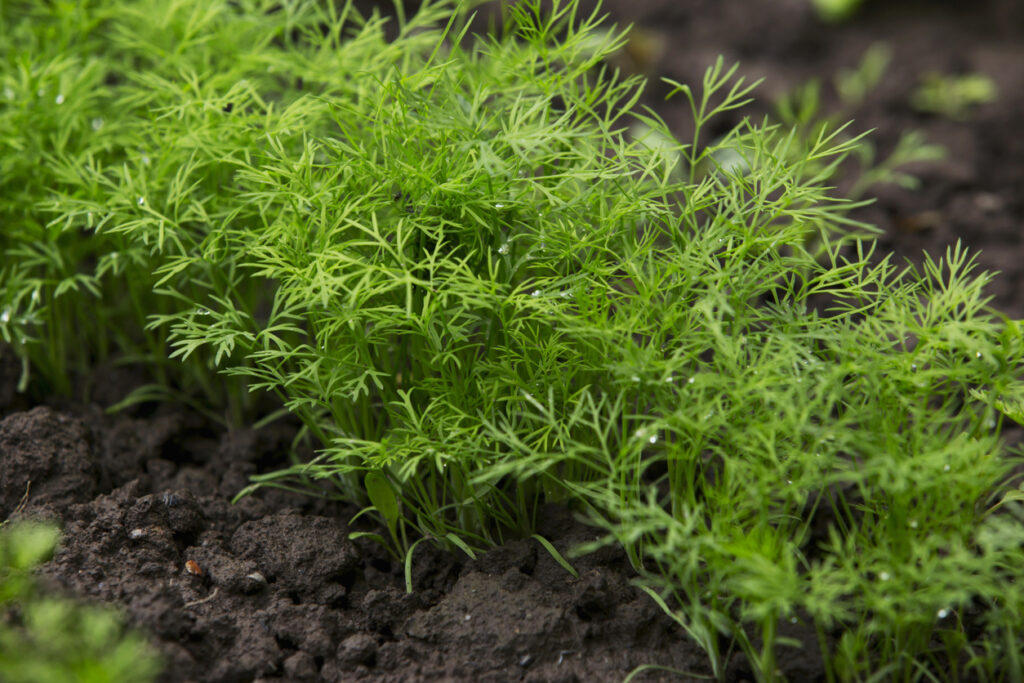
Dill won’t survive frost either, so get it harvested. The good news is it dries beautifully and keeps that distinctive flavour. Make sure you’ve been pinching off flowers all season because once it flowers, the leaves develop an odd taste you won’t want to preserve.
Tie stems in small bundles and hang them upside down somewhere cool, dry, and dark. Once completely dried, strip the leaves and store them in airtight jars. Save some flowers for seeds if you want, they’re brilliant in pickles and bread.
Parsley
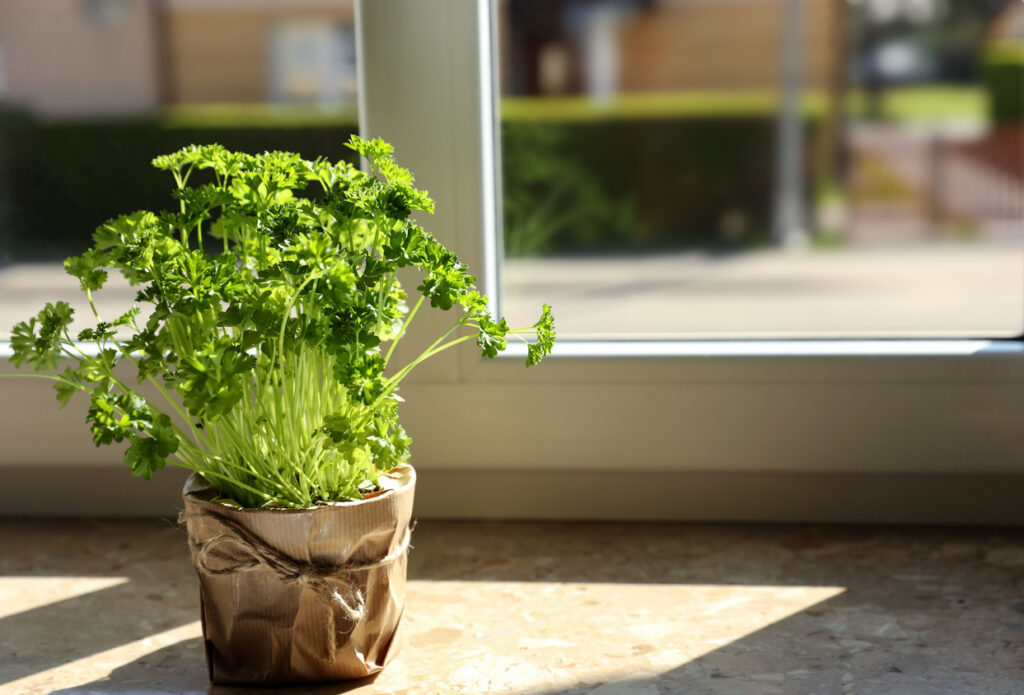
Parsley is slightly hardier than basil, but still won’t make it through a proper frost. Harvest it before the cold hits, ideally in the morning after the dew dries. You’ll want to get as much as possible because dried parsley is genuinely useful in winter cooking.
Because parsley has thick leaves, it’s better dried in a dehydrator than air-dried; otherwise you risk it going mouldy. Once dried, keep the leaves whole in jars and crumble them when you use them to release the flavour. Works brilliantly in soups and stews.
Oregano
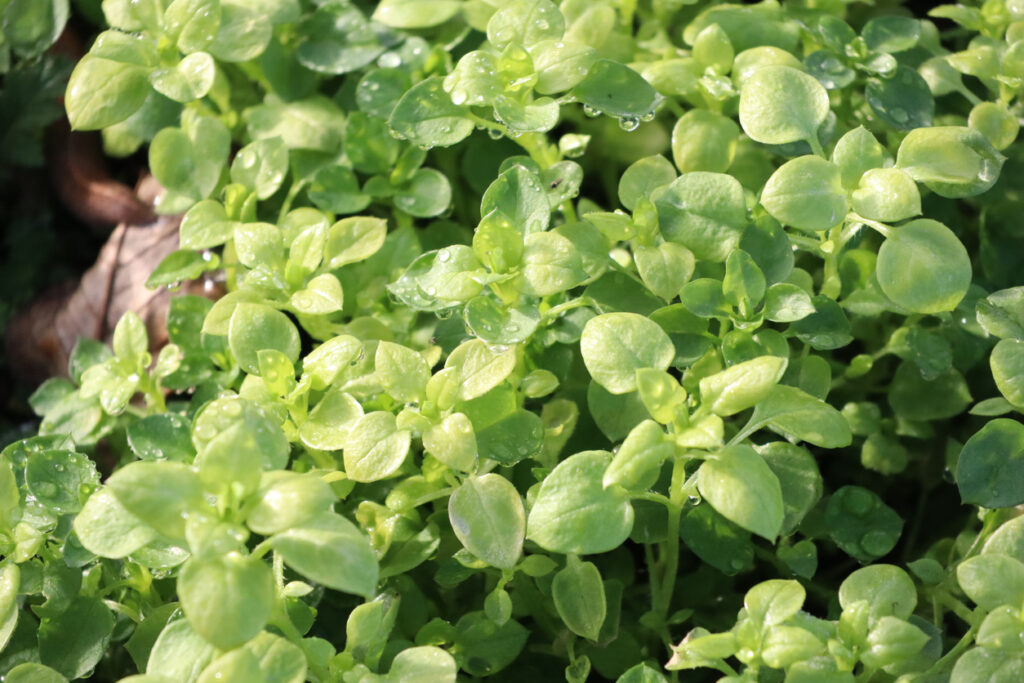
Oregano can handle a light frost, but it’s still worth harvesting before winter properly sets in. The brilliant thing about oregano is that its flavour actually intensifies when dried, so you’re not losing anything by preserving it. If anything, it gets better.
Cut stems about 3 to 4 inches from the base, tie them in bundles, and hang them upside down to dry. Takes about two weeks. Once dried, strip the leaves and store them whole. Dried oregano is essential for Italian cooking and pizza, so you’ll definitely use it.
Thyme
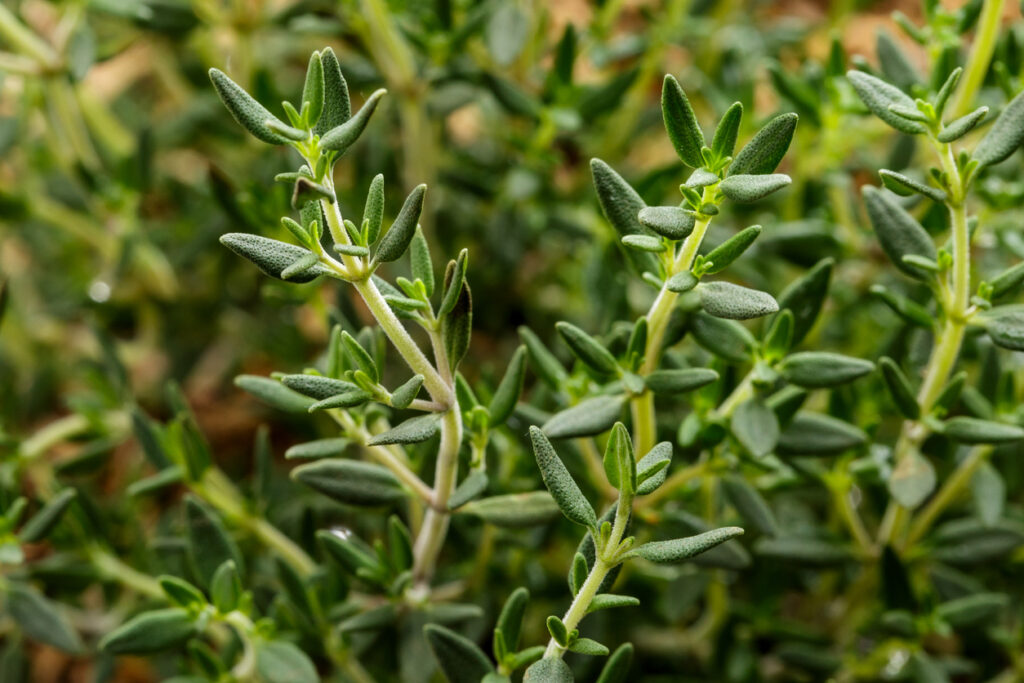
Thyme is tougher than most herbs on this list and might survive winter depending on where you live, but it’s still worth harvesting and drying before frost hits. Like oregano, thyme dries beautifully and the flavour stays strong, making it perfect for winter roasts.
Bundle the stems and hang them to dry somewhere with good airflow. Small bundles are key here because if you bunch them too tightly, the inside won’t dry properly and you’ll get mould. Once crispy, store whole sprigs or strip the leaves for easier use.
Mint
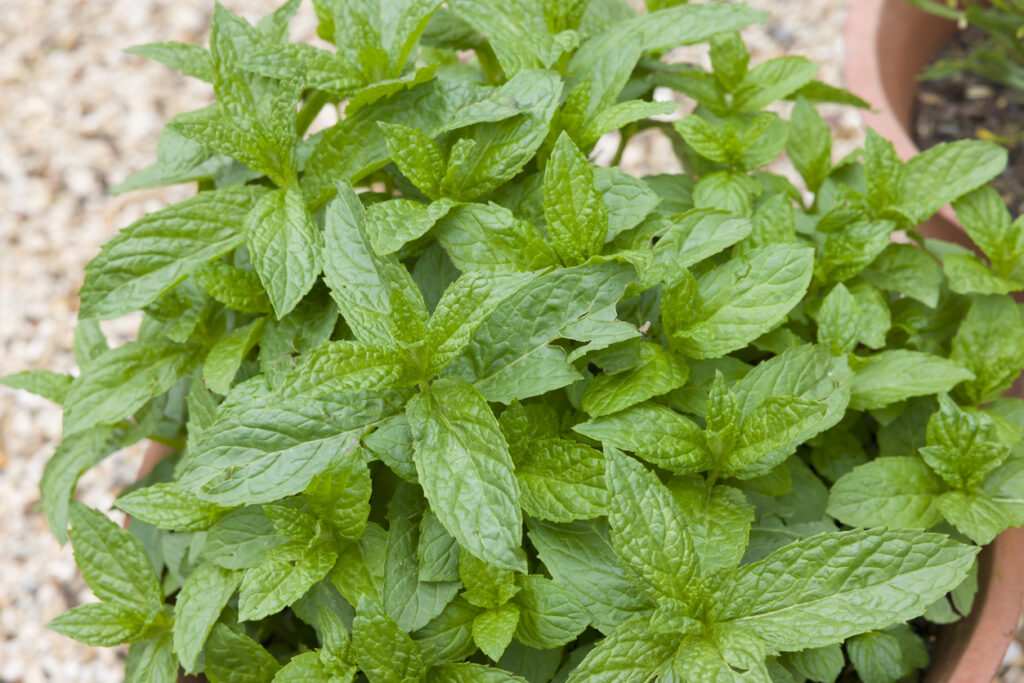
Mint varieties vary in hardiness, but most will die back after frost anyway, so you might as well harvest what you can. Fresh mint is lovely, but dried mint makes excellent tea and works well in Middle Eastern cooking, so it’s worth preserving.
Mint has moisture-rich leaves that can go mouldy if you’re not careful, so make sure you dry it somewhere with really good airflow. Once dried, it stores brilliantly and a jar of it makes lovely gifts. It’a also brilliant for homemade tea blends with other dried herbs.
Lemon verbena
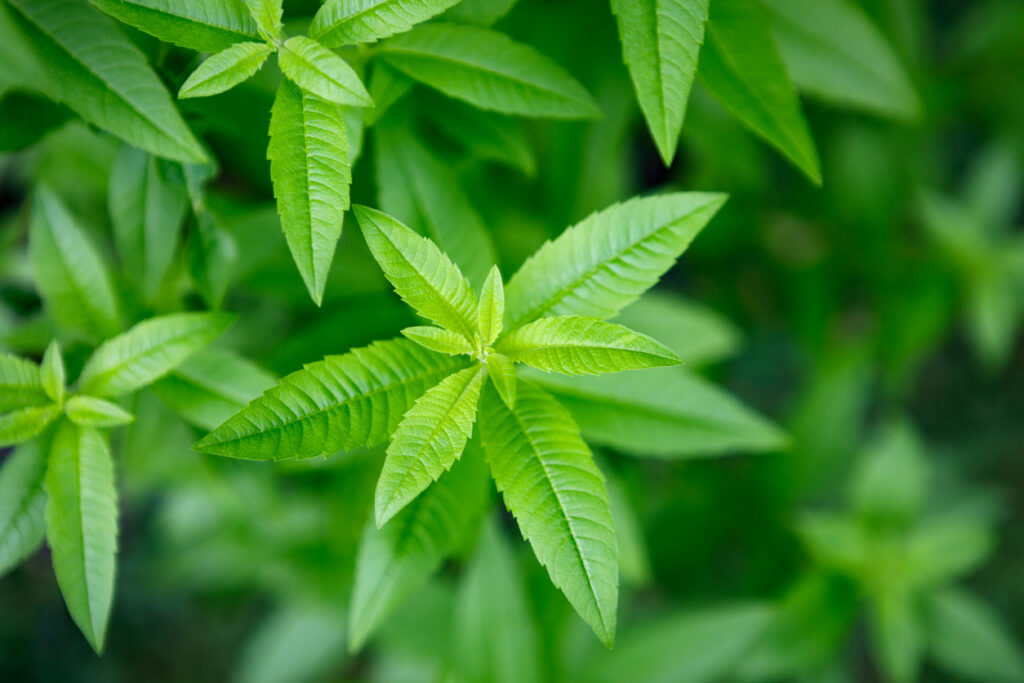
This one drops all its leaves when it gets cold anyway, so harvest before frost and dry them for tea. Lemon verbena makes one of the most delicious herbal teas you’ll ever drink, with a proper lemony flavour that’s relaxing and refreshing at the same time.
Strip the leaves from the stems and spread them out to dry on screens or in a dehydrator. Once dried, store in airtight jars away from light. The flavour holds up brilliantly, and honestly, lemon verbena tea is worth growing the plant just for this purpose.
Sage
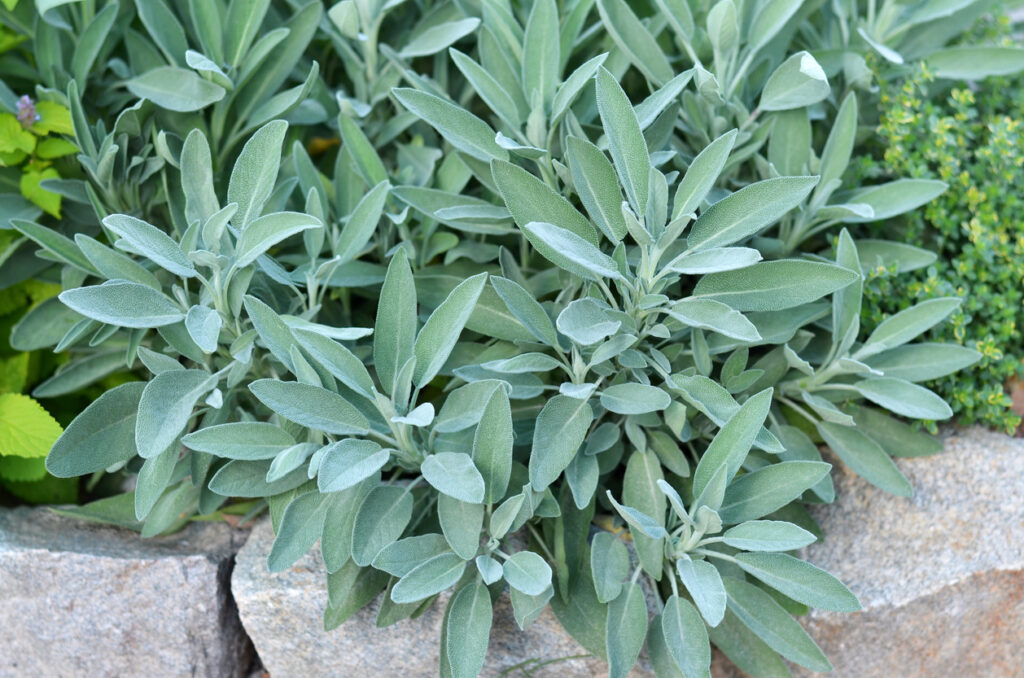
Sage is pretty hardy and can survive light frosts, but it’s still worth harvesting before winter properly arrives. Dried sage is amazing, and the flavour actually improves, becoming deeper and more earthy. Essential for proper stuffing at Christmas.
Hang small bundles or lay leaves flat to dry. Sage dries quickly and stores brilliantly. You can also infuse it into butter or olive oil before freezing for an absolute flavour bomb. Sage butter on pasta or gnocchi is genuinely one of life’s simple pleasures.
How to dry and store properly
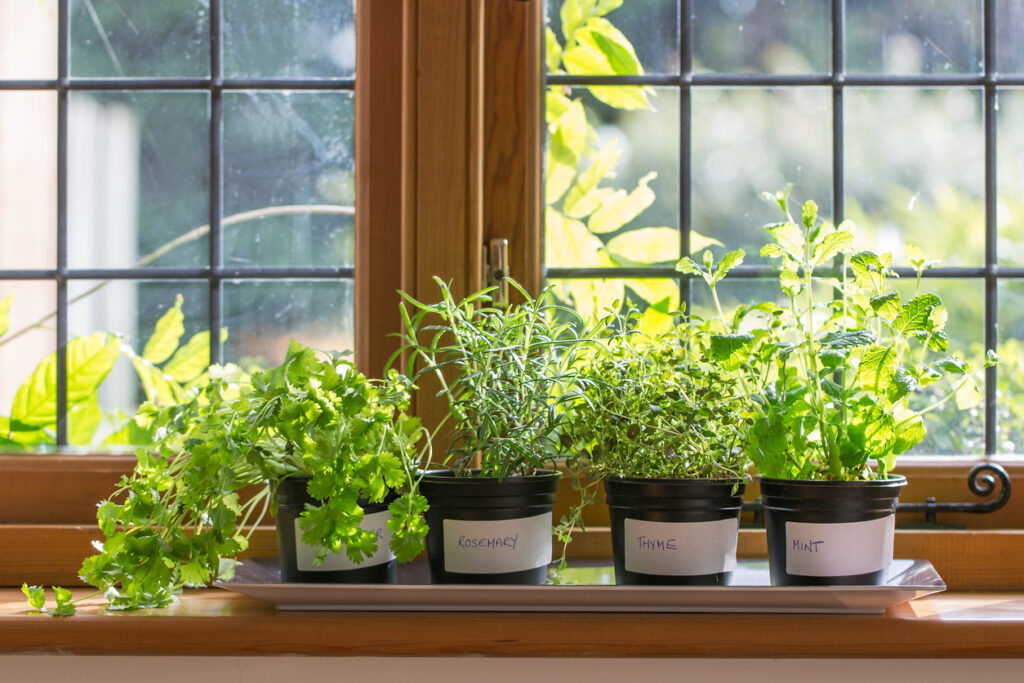
Harvest in the morning after dew dries but before it gets too hot, that’s when the oils are at their peak. Rinse if needed, shake off excess water, and let them dry completely before bundling. Hang in small bunches upside down somewhere cool, dry, and dark with good airflow.
Herbs are properly dried when they’re crispy and crumble easily. Store in airtight glass jars away from light and heat. Label everything with the herb name and date because dried herbs all look a bit similar. They’ll keep their flavour for about a year, though let’s be honest, you’ll use them way before that.