Venus might look calm and beautiful from a distance, but it’s one of the strangest planets in the Solar System.
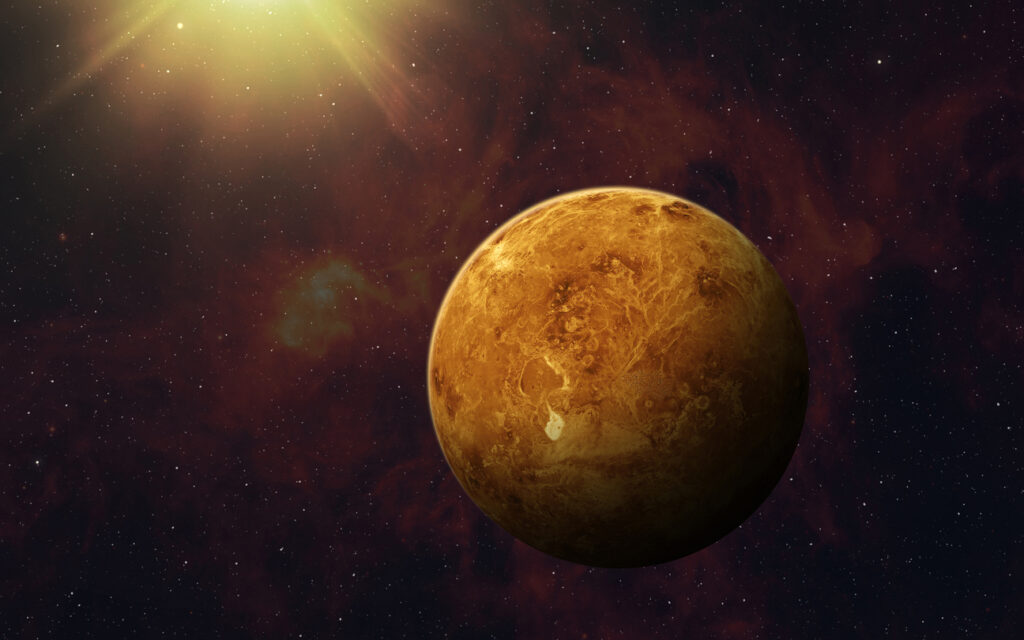
For a start, its Sun rises in the west and sets in the east, its atmosphere could crush a submarine, and it rains acid. It’s less a sister planet to Earth and more a cautionary tale about how bizarre and unpredictable space can be.
However, Venus isn’t the only oddball out there. Every planet in our Solar System has its own quirks that defy logic, from wild winds on Neptune to storms on Jupiter that have lasted for centuries. Space might look orderly from afar, but up close it’s full of strange exceptions and cosmic contradictions.
Venus rotates backwards compared to everything else.
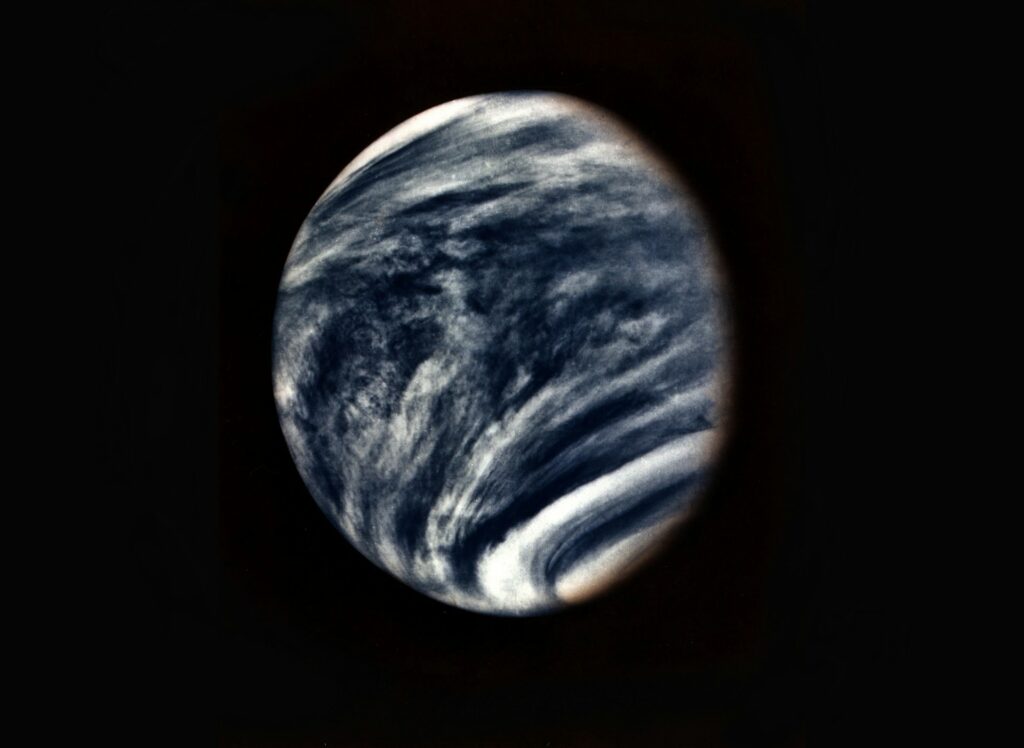
While Earth and most other planets spin anticlockwise when viewed from above the North Pole, Venus spins clockwise. This retrograde rotation means the Sun rises in the west and sets in the east there.
Scientists reckon a massive collision early in Venus’s history knocked it sideways, or tidal forces from the Sun’s gravity gradually flipped it over millions of years. Either way, something properly dramatic happened to make it spin the wrong way.
A day on Venus is longer than its year.
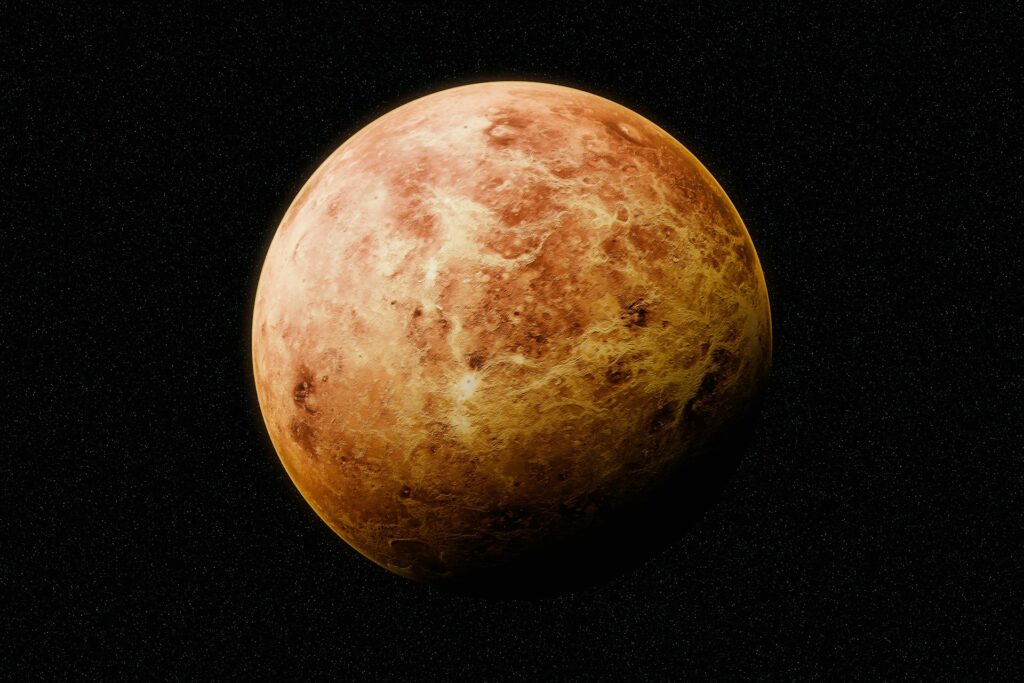
Venus takes 243 Earth days to complete one rotation, but only 225 Earth days to orbit the Sun once. That means a Venusian day is actually longer than a Venusian year, which breaks your brain a bit.
This happens because Venus spins incredibly slowly while moving round the Sun at a normal pace. If you stood on Venus, you’d celebrate a birthday before you’d seen one complete sunrise to sunset cycle.
Uranus is tipped completely on its side.
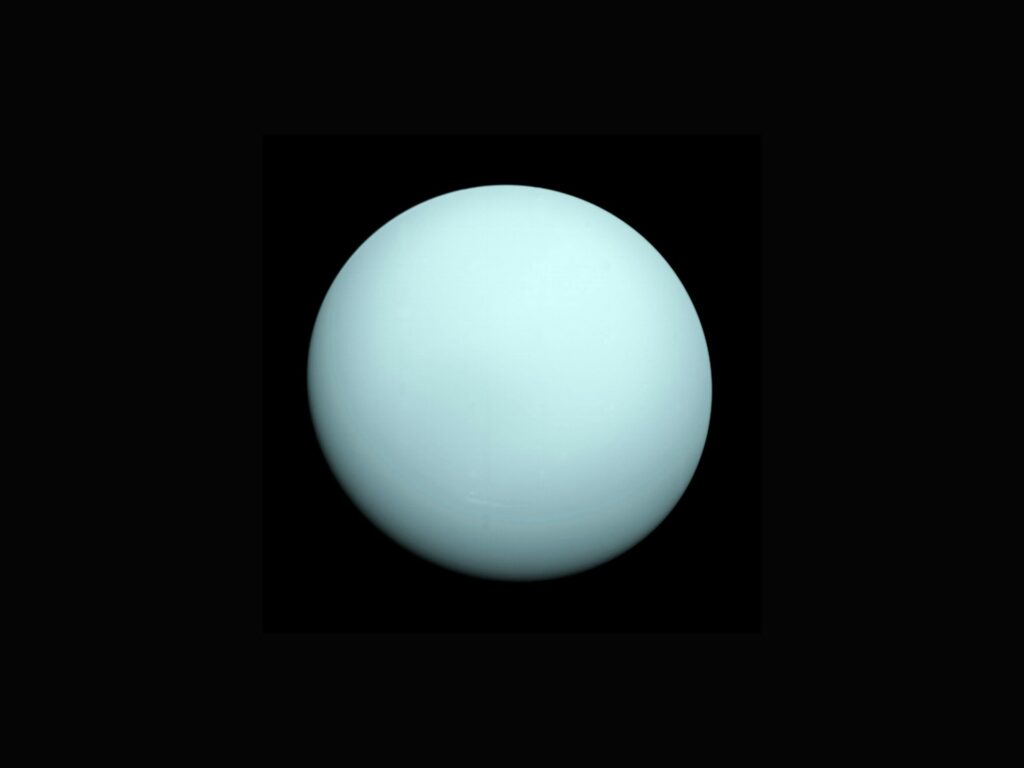
While most planets spin roughly upright like tops, Uranus is tilted 98 degrees so it basically rolls around the Sun on its side. Its north and south poles end up where the equator should be.
Another massive collision probably caused this, knocking Uranus over early in the solar system’s formation. This sideways tilt means each pole gets 42 years of continuous sunlight followed by 42 years of darkness as it orbits.
Mercury has a 3:2 spin-orbit resonance.
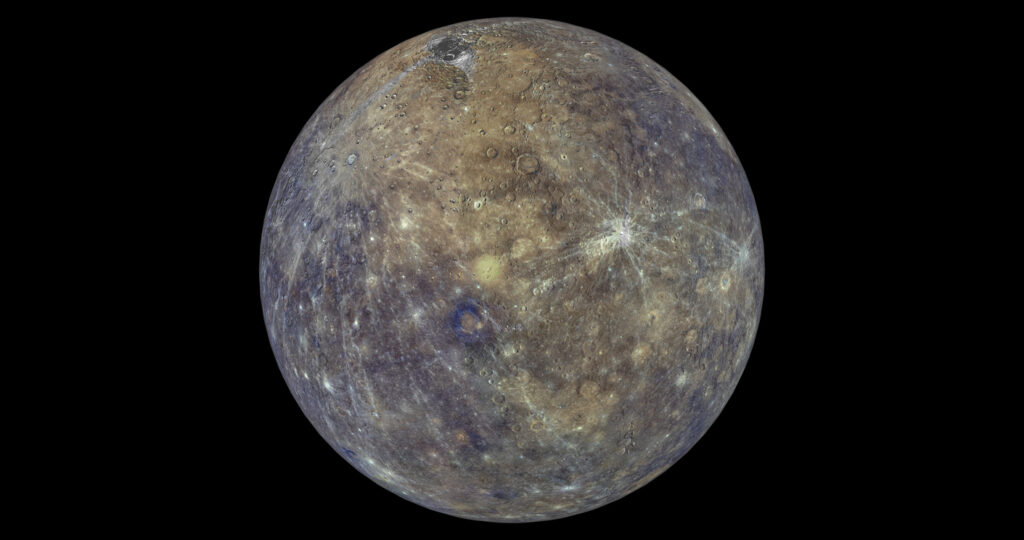
Mercury rotates three times for every two orbits around the Sun, creating a weird pattern where some longitudes experience two sunrises during one Mercurian year while appearing to reverse direction midway.
This happened because the Sun’s gravity locked Mercury’s rotation into this specific ratio over billions of years. It’s not tidally locked like the Moon, but it’s not spinning freely either, it’s stuck in this strange mathematical relationship.
Mars has the biggest volcano in the solar system.

Olympus Mons on Mars is 25 kilometres high and 600 kilometres wide, making it nearly three times taller than Mount Everest and big enough to cover the entire area of Arizona.
Mars has lower gravity and no plate tectonics, so volcanic hotspots could keep building the same mountain for billions of years instead of spreading activity across multiple volcanoes like Earth does with the Hawaiian islands.
Jupiter’s Great Red Spot is shrinking.
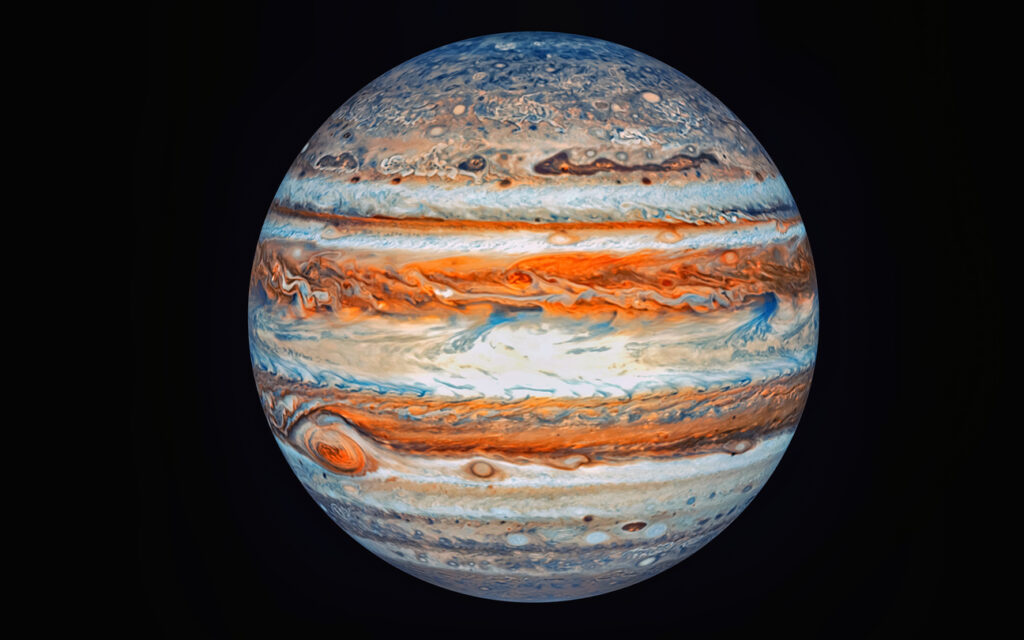
This enormous storm has been raging for at least 400 years since telescopes first spotted it, but it’s been getting noticeably smaller over the past century and nobody knows exactly why it’s shrinking.
The storm used to be wide enough to fit three Earths across it, now it’s down to about one Earth wide. Scientists worry it might disappear completely within decades, ending a storm that’s older than modern science itself.
Saturn would float in water.
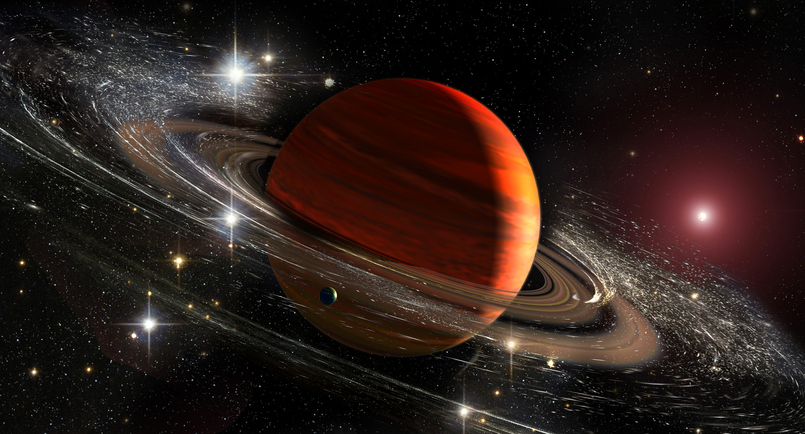
Saturn’s density is so low that if you found a bathtub big enough, the entire planet would float. It’s mostly hydrogen and helium, with a relatively small rocky core buried deep inside all that gas.
That’s because Saturn formed far from the Sun, where lighter materials could accumulate without being blown away by solar radiation. Jupiter’s denser because it’s closer in and managed to grab heavier stuff during formation.
Neptune has the fastest winds in the solar system.
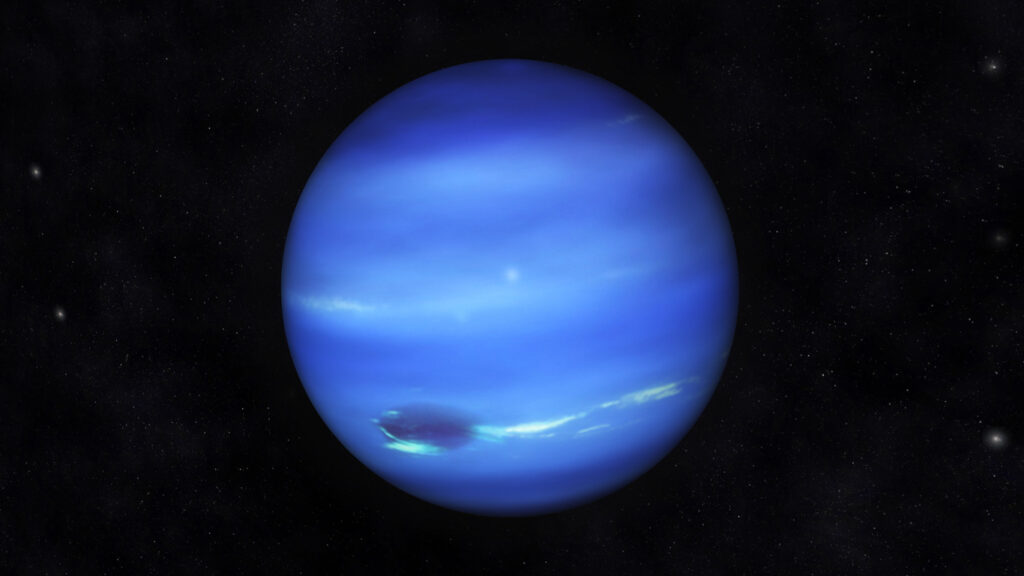
Wind speeds on Neptune reach 2,100 kilometres per hour, which is faster than the speed of sound on Earth. These supersonic winds scream around the planet constantly, despite it being the furthest from the Sun.
Scientists aren’t entirely sure why Neptune’s so stormy when it receives barely any solar energy to drive weather. Internal heat from the planet’s formation might still be powering these extreme winds billions of years later.
Earth’s Moon is unusually large.
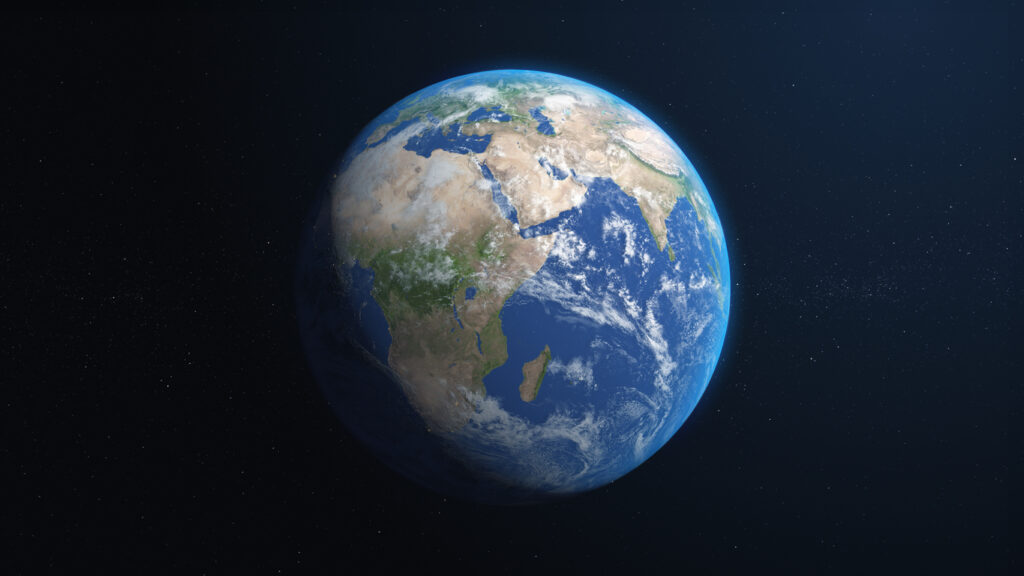
Our Moon is ridiculously big compared to Earth, much larger proportionally than most moons are to their planets. It’s about a quarter the diameter of Earth, which is massive by moon standards.
The leading theory says a Mars-sized object smashed into early Earth, and the debris from that collision eventually clumped together to form the Moon. That explains why it’s so big and why its composition matches Earth’s outer layers.
Pluto has a heart-shaped glacier.
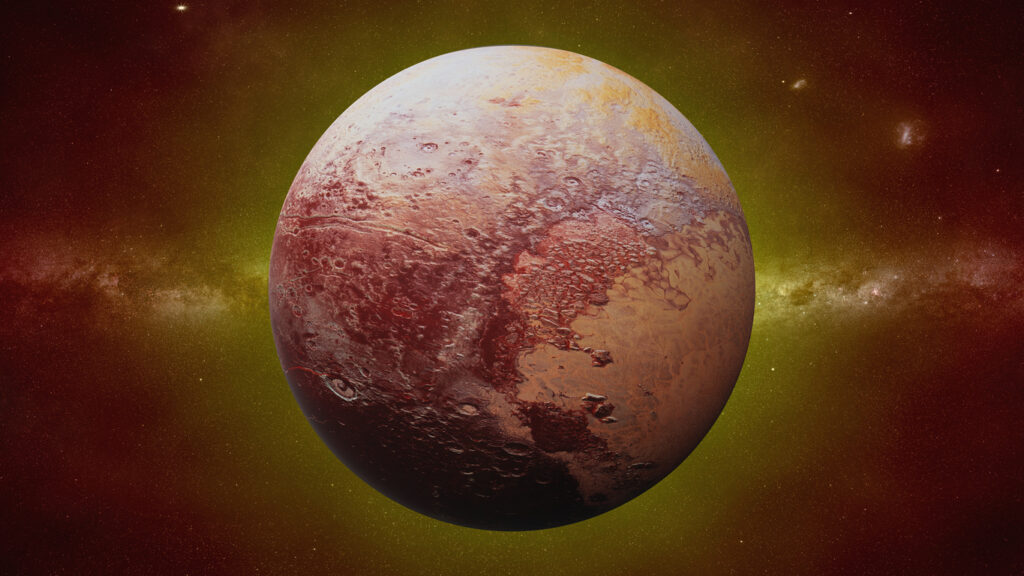
The famous bright region on Pluto called Tombaugh Regio looks like a huge heart, and it’s actually a massive nitrogen ice glacier slowly flowing across the surface over millions of years.
This heart shape is probably just coincidence, but it made Pluto even more beloved when New Horizons photographed it in 2015. The left side of the heart is a deep impact basin that’s since filled with frozen nitrogen.
Venus has more volcanoes than any other planet.
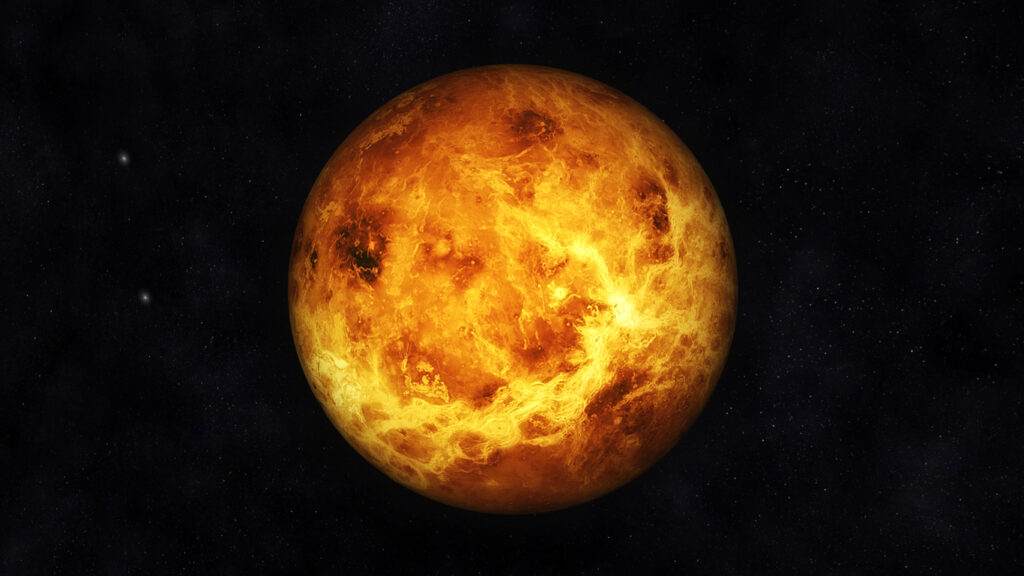
Venus has over 1,600 major volcanoes and possibly more than a million smaller ones scattered across its hellish surface. Some scientists think many of them might still be active, regularly resurfacing the planet.
The entire surface of Venus appears to have been completely resurfaced by volcanic activity about 500 million years ago, erasing any older features. It’s basically one giant volcanic hellscape hiding under those thick sulphuric acid clouds.