Britain’s birdlife is mostly harmless, but a few species can turn aggressive when protecting food, nests, or young.

Most of the time, these encounters are brief warnings rather than true attacks. Still, when a protective bird swoops or strikes, it can easily frighten pets or even cause minor injuries. Small cats, dogs and rabbits are the most common targets, especially in spring and summer when birds are nesting or raising chicks. While it’s rare for wildlife to pick a fight without reason, the line between “curious pet” and “dangerous predator” looks very different from a bird’s-eye view.
Here are the UK’s most defensive bird species and how to keep your pets safe around them.
1. Gulls
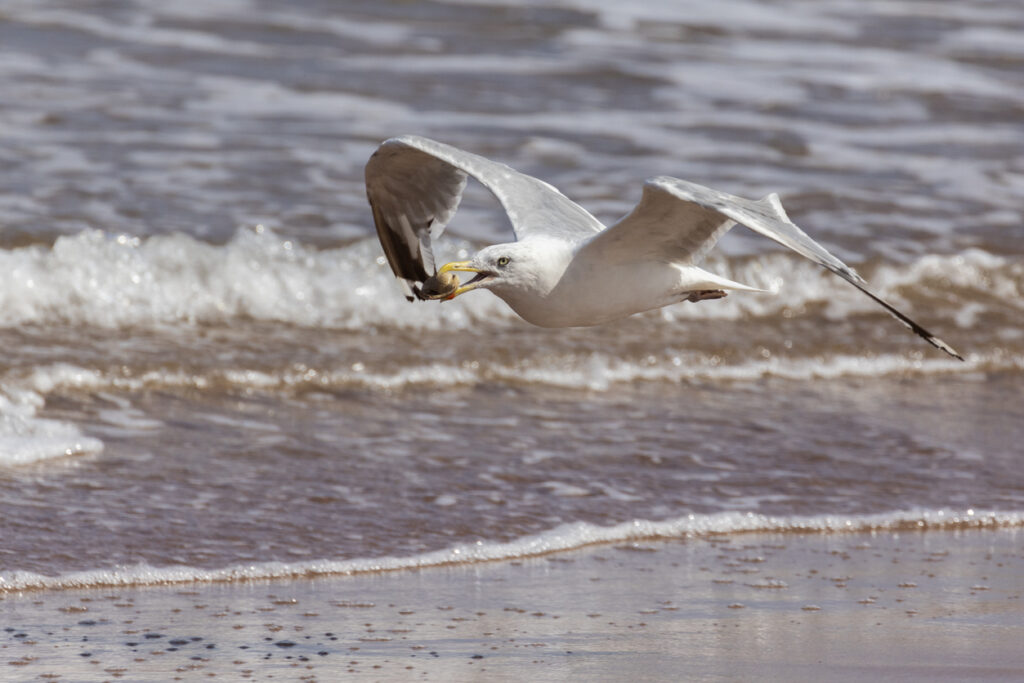
Herring gulls and lesser black-backed gulls are notorious for their bold behaviour in coastal towns. They’re highly intelligent and fiercely protective during nesting season, usually between May and August. When pets wander too close to their nests, gulls will swoop repeatedly, shrieking loudly and striking with sharp beaks. These dives are meant to drive intruders away, but they can easily startle small dogs or leave scratches on cats caught outdoors or on rooftops.
Urban gulls have become bolder because people feed them, either deliberately or by leaving food scraps out. This blurs the line between “safe space” and “territory.” Keeping pets indoors during the peak of nesting season, or supervising garden time near roofs and chimneys, helps avoid those noisy, stressful encounters.
Magpies
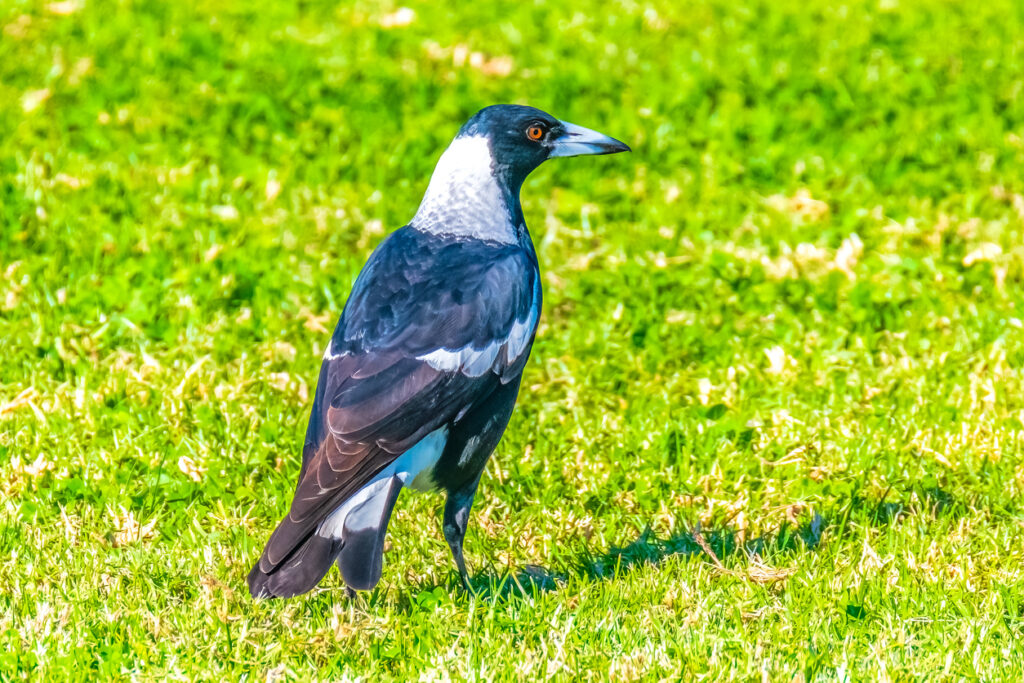
Magpies are clever, confident and surprisingly brave when defending their young. During breeding season, from March to July, they see almost anything moving near their nest as a potential predator. Cats are often targeted simply because magpies recognise them as natural hunters. Most attacks are quick warning flights, swoops designed to scare rather than harm, but if a cat gets too close or a magpie feels cornered, it may peck or scratch.
They calm down once the chicks have fledged, but during nesting months, magpie parents are relentless. Avoid pruning tall shrubs or trees where they might be nesting, and keep curious pets distracted with toys or indoor time until the season passes.
3. Crows
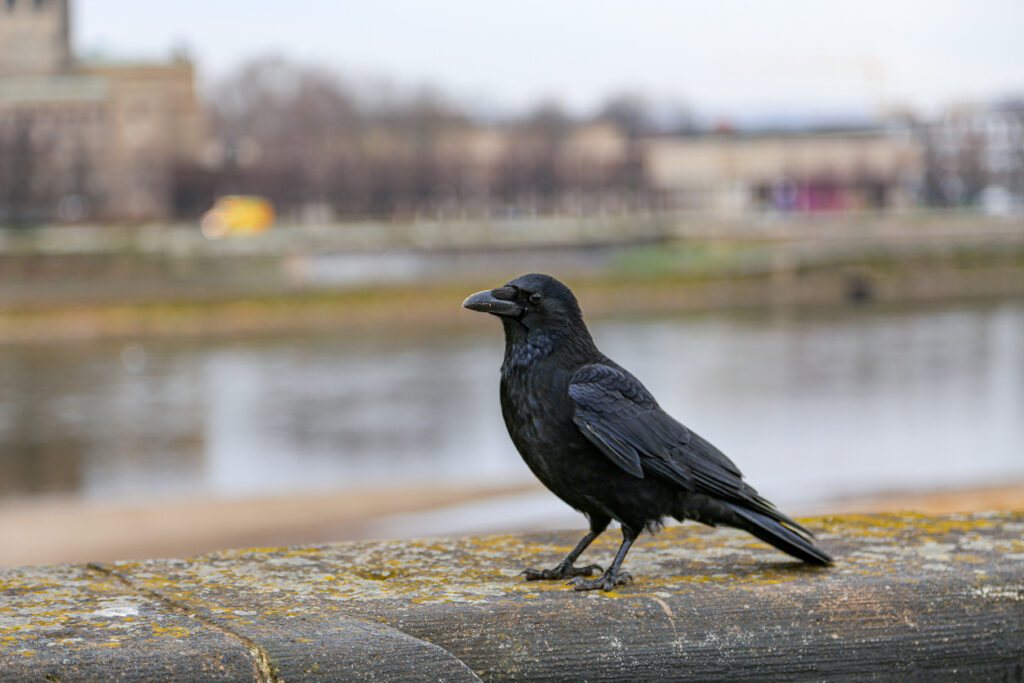
Carrion crows are among the most intelligent birds in Britain, and they never forget a face. If your pet has previously wandered near their nest, they may remember and attack again the next time they spot it, even if there’s no immediate threat. Crows tend to swoop quickly from above, often in pairs or small groups, aiming to scare away intruders with noise and speed.
They rarely cause physical harm, but the shock can make small animals bolt into traffic or hide somewhere unsafe. Because they’re creatures of habit, changing walking routes during nesting season can stop repeat confrontations before they start.
4. Jackdaws
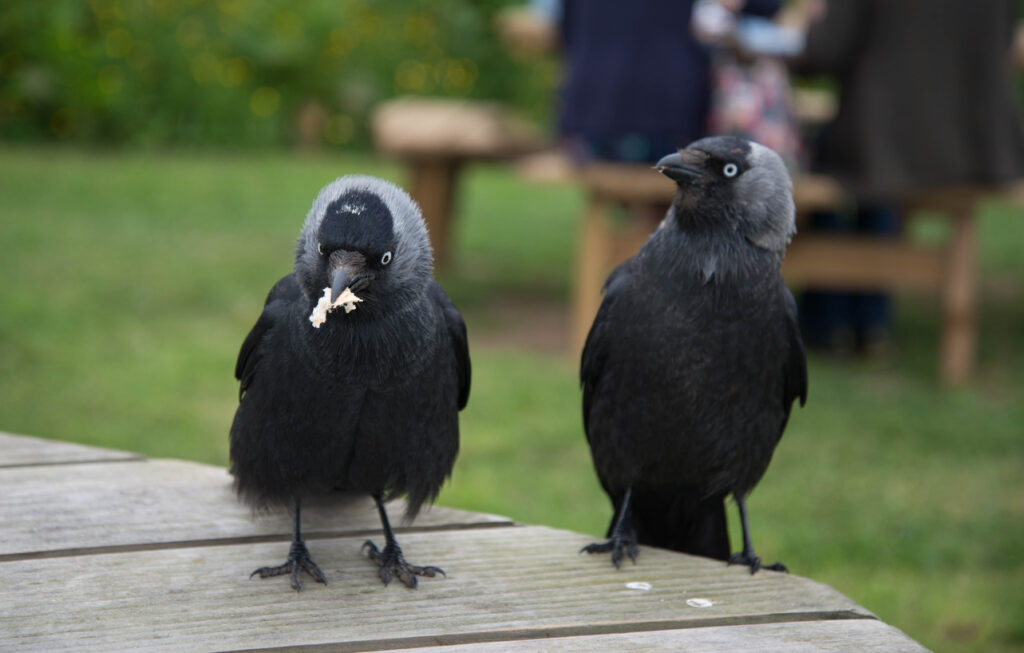
Jackdaws are social birds that often team up with crows when defending food sources or nests. They’re curious and bold, which can make them unpredictable around pets. If a cat or dog gets too close to their chicks, jackdaws will mob them, diving and calling loudly until the intruder retreats.
The risk of injury is low, but repeated harassment can stress animals out. To reduce conflict, keep pet food and bird feeders separate. When wild birds associate gardens with feeding opportunities rather than competition, they’re less likely to turn defensive.
5. Buzzards
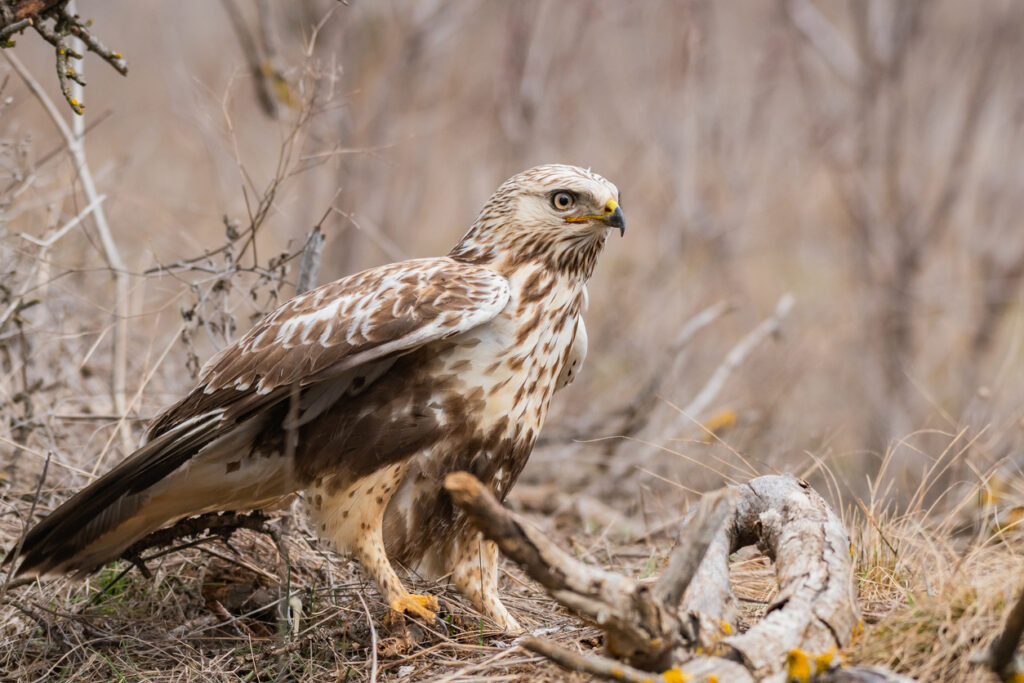
Common buzzards are powerful raptors with impressive wingspans and sharp talons. They mostly hunt rodents, but they can mistake small pets, especially kittens or toy-sized dogs, for prey. They also defend nesting sites aggressively if they feel threatened. Although genuine attacks are rare, when they happen, they can cause deep scratches or puncture wounds.
Buzzards prefer open countryside, so the risk is highest for pets in rural areas or near woodland edges. Keeping small animals indoors or under supervision during the breeding months (April to July) is the safest precaution.
6. Owls
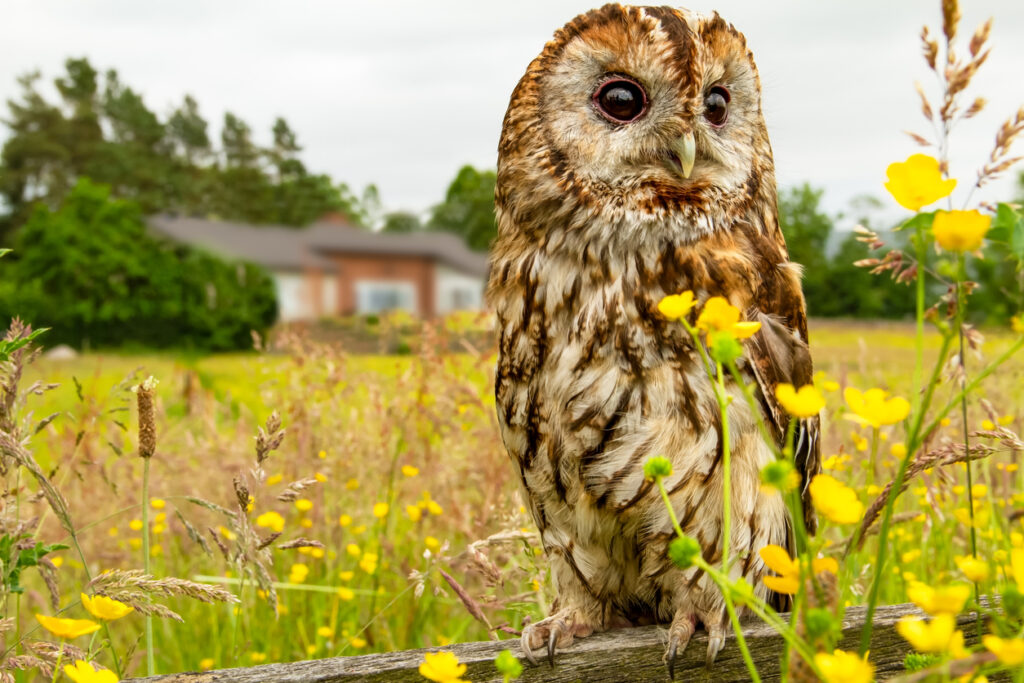
Tawny and barn owls are night hunters, relying on silent flight and keen vision to catch small mammals. Unfortunately, that makes them more likely to mistake a rabbit or kitten outdoors after dark for prey. Most swoops end quickly once they realise the error, but their talons are strong enough to leave marks.
Even outdoor cats should stay in at night in rural areas where owls hunt regularly. Motion-sensitive lights can help too, as owls prefer darkness and will usually move on if their cover is blown.
7. Herons
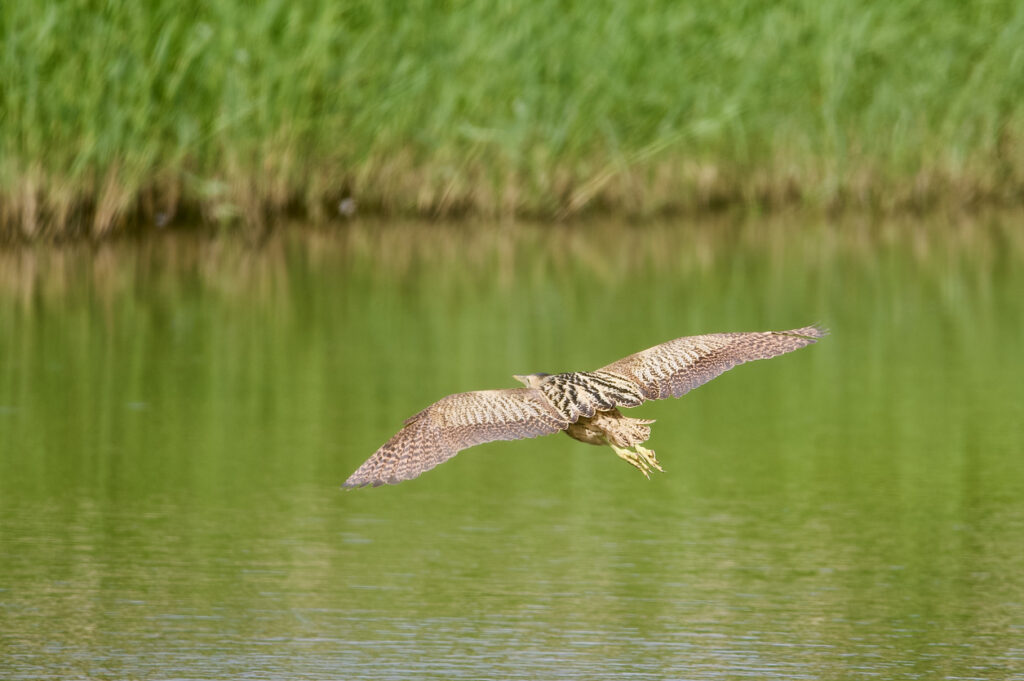
Graceful and slow-moving by day, grey herons turn ruthless around ponds and waterways. They’re skilled hunters that spear fish with sharp beaks, and they won’t hesitate to jab at anything that startles them. Cats, in particular, tend to get too close while stalking or watching, leading to sudden defensive strikes.
Herons have poor depth perception, so quick movements can trigger an attack instinctively. Covering ponds, feeding them less frequently, and keeping curious pets at a distance helps keep the peace.
8. Swans
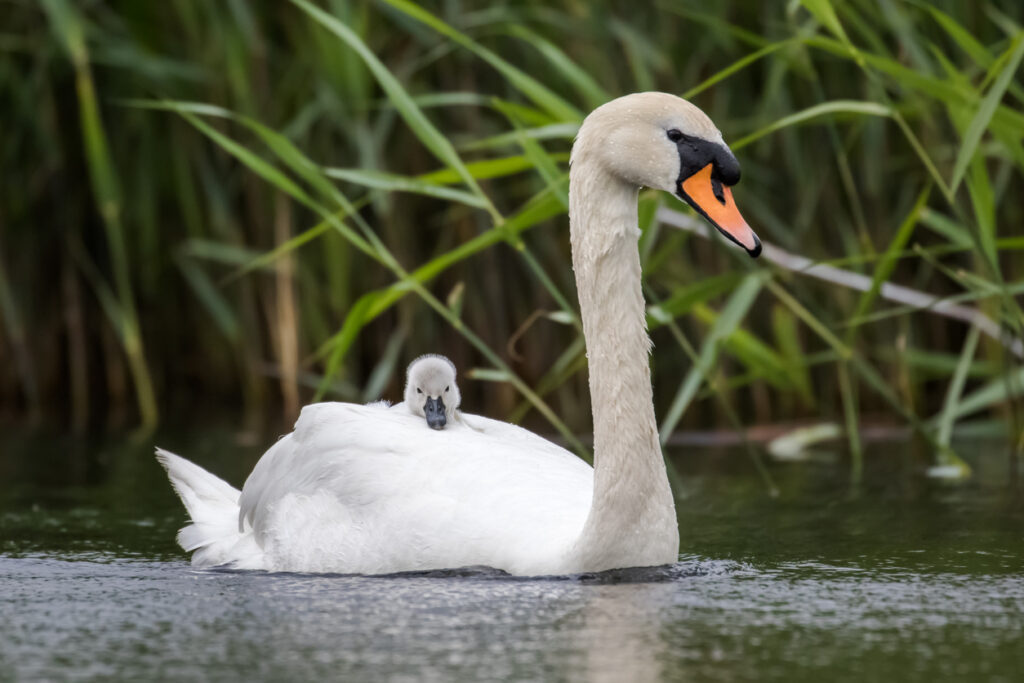
Few British birds guard their nests as fiercely as swans. During spring and early summer, they patrol their stretch of water with impressive authority, attacking dogs or people who wander too close. Their wings can bruise or knock down small pets, and their sheer size makes them intimidating even when they’re just warning you off.
If you’re walking near lakes or rivers during breeding season, keep dogs on a short lead and give nesting swans a wide berth. Once the cygnets are grown, swans quickly return to their usual calm demeanour.
9. Geese
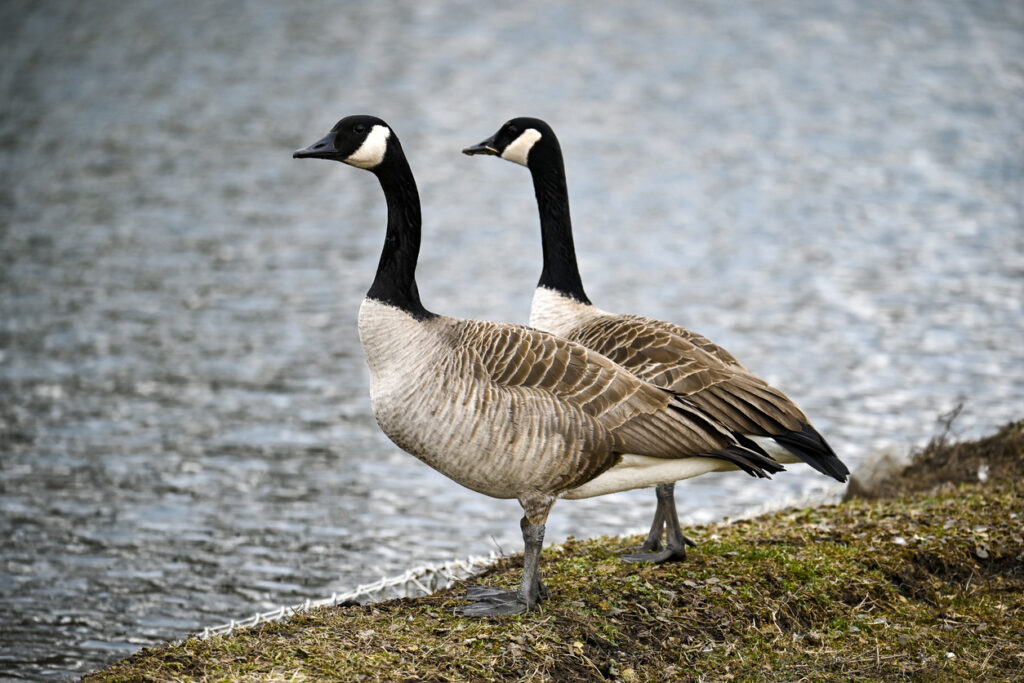
Canada geese are famously vocal defenders of their young. When they feel threatened, they stretch their necks, hiss, and charge with surprising force. Most of the time, it’s all show, a bluff to scare off potential danger, but if a pet ignores the warning, a bite or wing strike can follow.
In parks and open ponds, it’s best to steer well clear of family groups during spring. Dogs off-lead are especially tempting targets because geese see them as predators. Once the goslings are older, the geese settle back into their usual noisy routines.
10. Ravens
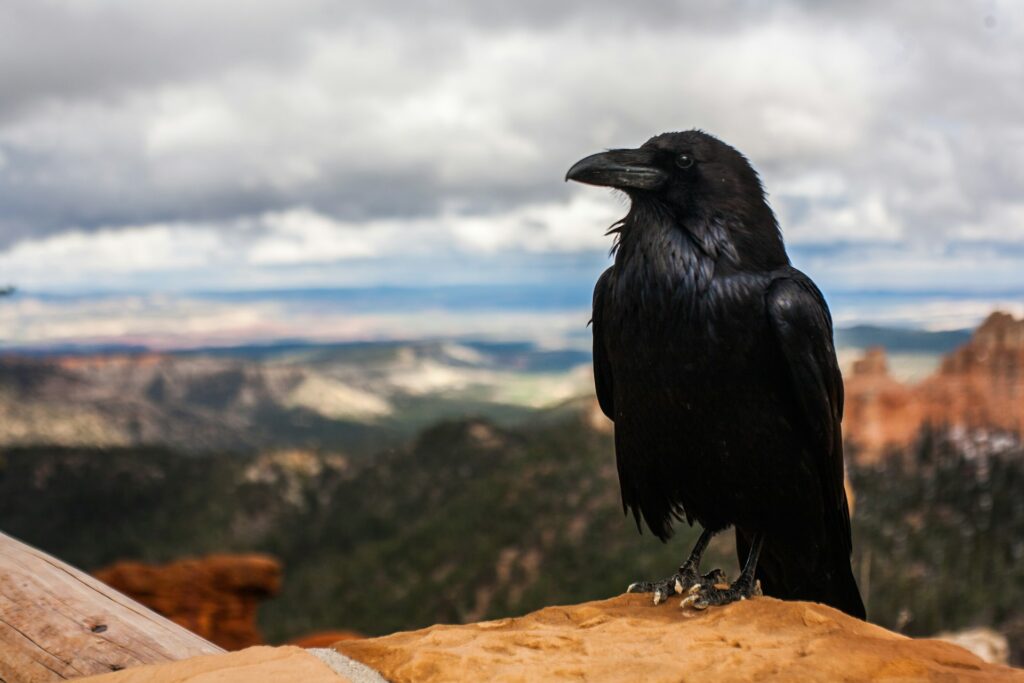
Ravens are the largest and most imposing of Britain’s corvids. They’re incredibly smart and have a long memory, which means they’ll defend known nesting areas or food sources for years. In remote parts of Scotland and Wales, they’ve been known to mob lambs, rabbits and small dogs if they feel competition for food.
They’re rare visitors to gardens but can be protective around cliffs, woodlands and moors. If you’re walking your dog in these areas during nesting season, sticking to marked paths and avoiding rocky outcrops helps keep everyone safe.
How to protect your pets

Aggressive encounters with birds are rare but not unheard of, especially between March and August. Most incidents are defensive rather than predatory, and birds are simply trying to keep their chicks safe. The best protection is awareness. Keep small pets indoors during breeding months, especially at dawn and dusk when birds are most active.
If you’re caught in the middle of a territorial dive, don’t panic or lash out. Move away calmly while covering your pet with a jacket or arm until the bird backs off. Most will stop once you’re clear of their nesting zone.
For the most part, Britain’s birdlife coexists peacefully with people and pets. Giving them space during the few months they’re raising young keeps that balance intact. It’s a reminder that even in our towns and gardens, nature still runs on its own rules, and it doesn’t take much to respect them.