Crows have long had a reputation for being clever, but new research suggests their intelligence goes even further (and darker) than most people realised.
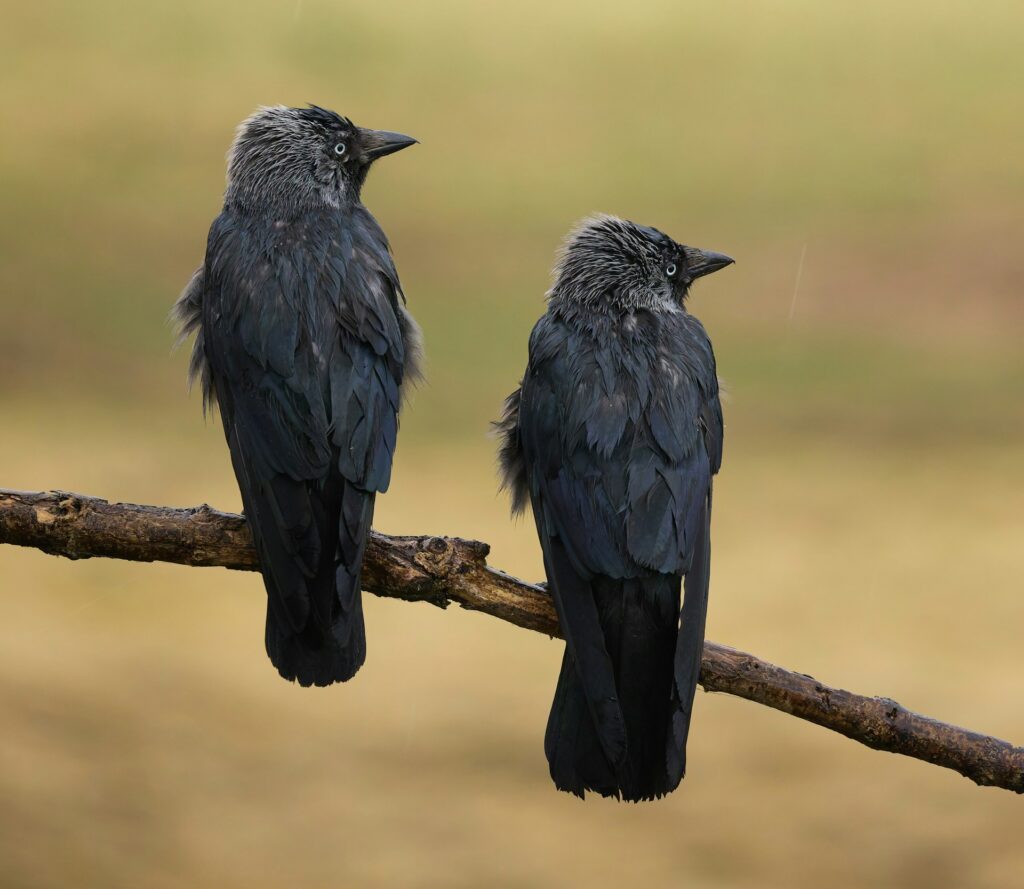
Scientists at the University of Washington have discovered that crows don’t just remember the humans who’ve wronged them; they actively teach their young which faces to avoid, and, in some cases, to attack. It’s a remarkable insight into how complex their social learning really is.
This behaviour shows just how advanced crow communication and memory are. They don’t rely on instinct alone; they pass information down like family folklore, ensuring future generations know who’s safe and who’s a threat. It’s one of the clearest examples yet that these birds don’t just observe. They also strategise, cooperate, and remember. And if you’ve ever had a run-in with one, you might want to hope they’ve forgiven you because their kids almost certainly haven’t.
They never forget a face.
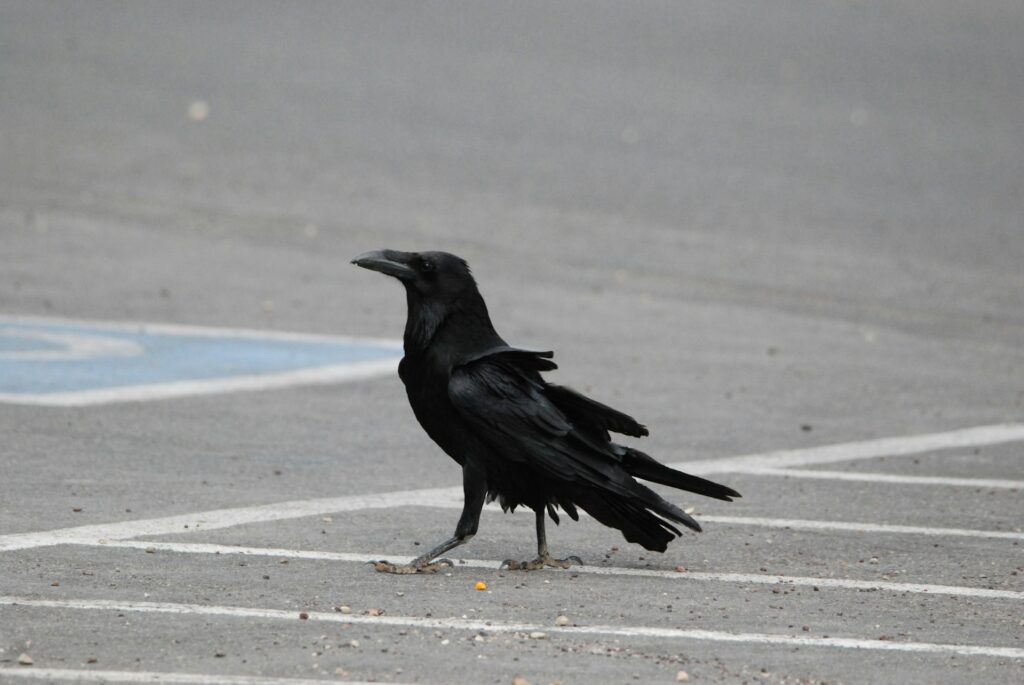
Crows can remember individual human faces for years. Once someone threatens them, that image gets stored in their long-term memory. They’re able to recognise the same person even if clothes or hairstyles change.
This incredible recall explains why certain crows seem to glare or swoop at the same people repeatedly. They’re not guessing, they genuinely remember who caused trouble. For a crow, holding a grudge is pure survival.
They warn others through alarm calls.
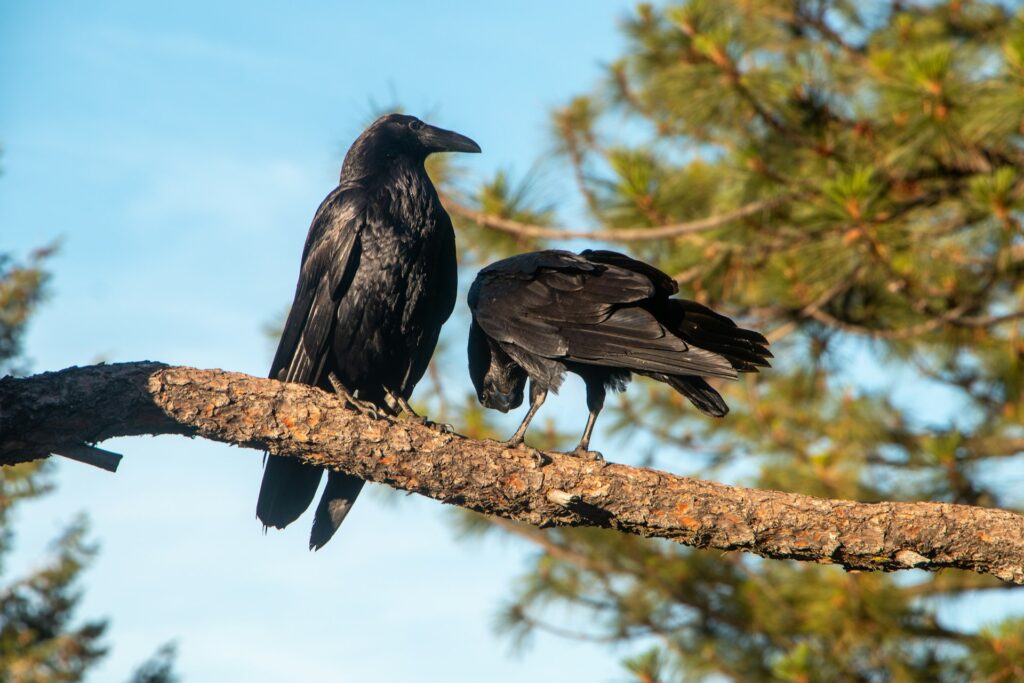
When a crow spots someone they see as dangerous, they release a specific warning call that alerts nearby birds. The sound travels fast, carrying the message across the group within seconds.
That one call creates a kind of social alarm system. Even crows that didn’t witness the danger firsthand learn who to watch for. It’s a clever mix of memory, teamwork and shared defence.
They teach their young who to be afraid of.

Crows are highly social, and parents actively pass on knowledge to their chicks. When a human who once scared them appears again, adults often make loud calls or perform defensive dives while their young watch closely.
The chicks quickly learn which faces to associate with risk. That means new generations grow up already knowing which humans to avoid. It’s nature’s version of neighbourhood watch, passed down through instinct and example.
They learn from watching each other.
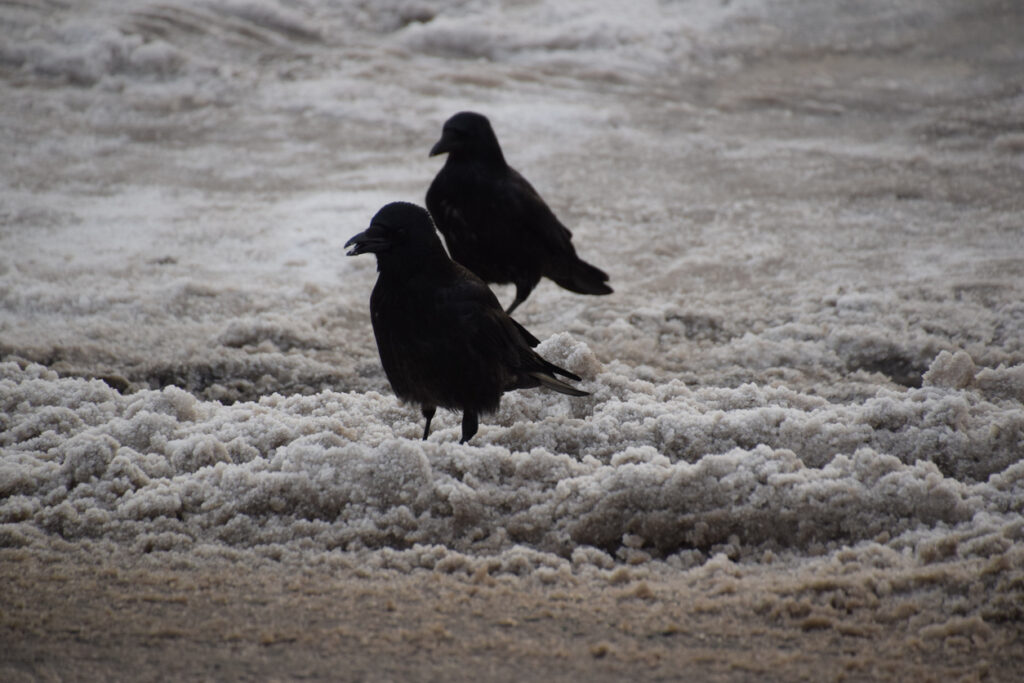
Crows don’t always need personal experience to form opinions about humans. They can learn simply by observing how others react. If one crow mob attacks a person, others often join without knowing the full story.
This shared learning creates a collective memory that lasts for years. The knowledge doesn’t just belong to one bird, it becomes community wisdom. Once a reputation forms, it spreads fast and sticks.
They use facial features, not just clothing.
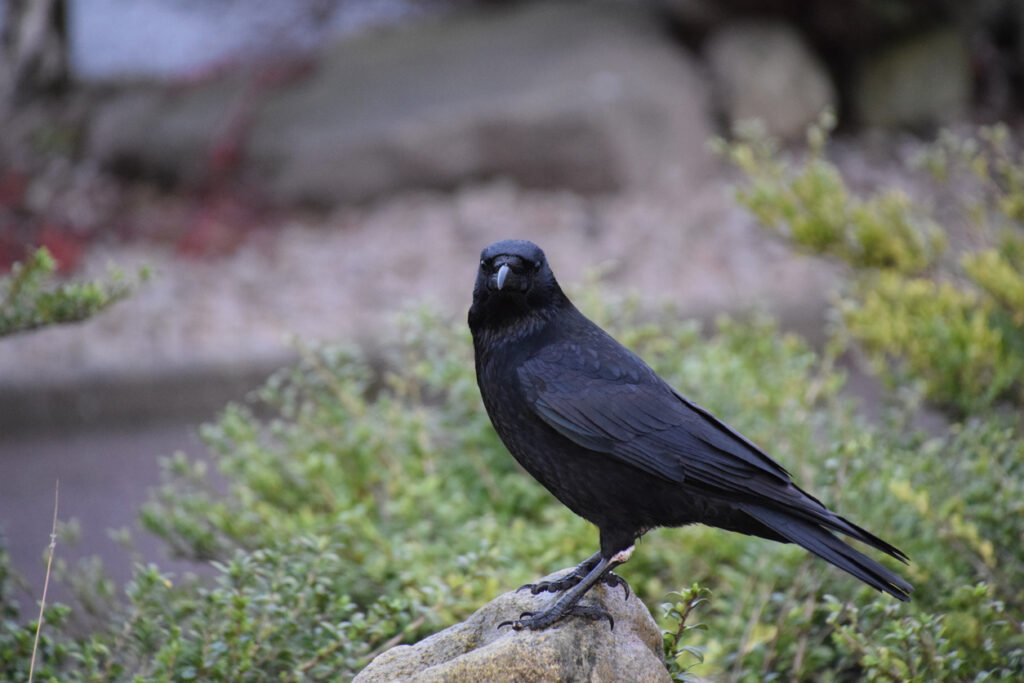
Experiments have shown that crows recognise human faces rather than relying on colour, shape, or clothing. People wearing the same outfit, but different masks got very different reactions from the birds.
That means crows process visual details in a surprisingly complex way. Their brain focuses on patterns around eyes and mouths, which shows an impressive level of visual intelligence for a bird species.
They hold group meetings after threats.
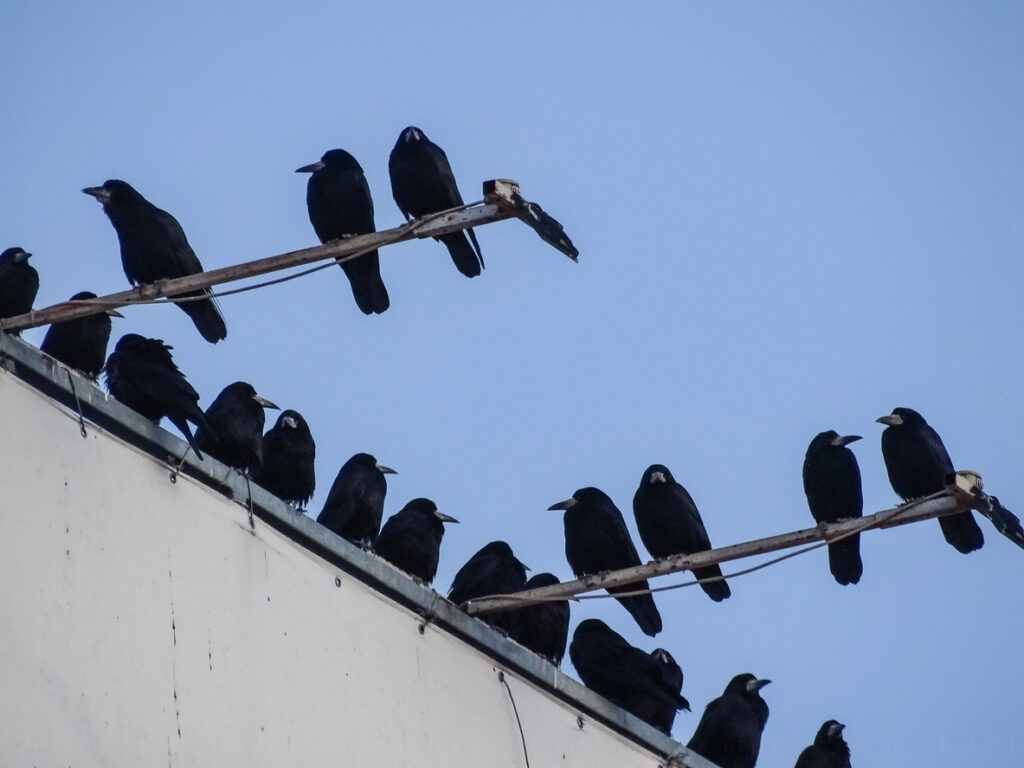
After a dangerous encounter, crows often gather in large numbers and make loud calls together. Scientists believe these gatherings help them identify the threat and strengthen group memory about it.
It’s not random noise, it’s organised communication. The group meeting ensures every member knows the danger by sight. Once they’ve agreed who’s untrustworthy, they rarely forget or forgive.
They can distinguish between friend and foe.
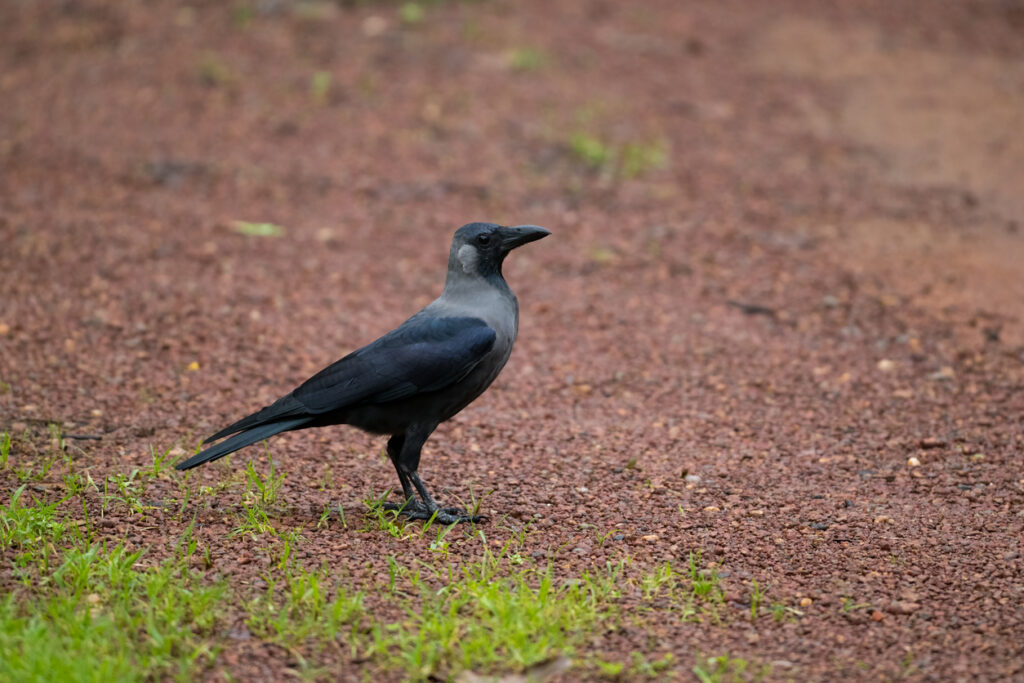
Not all human interactions end badly. Crows also remember kindness. People who feed them or behave gently often get positive recognition. The same bird that attacks one person might perch calmly near another.
They’re constantly assessing behaviour. When someone treats them well, crows can become surprisingly loyal. There are even stories of wild crows bringing gifts like shiny coins or beads to their favourite humans.
They adjust their behaviour by location.

Crows in cities act differently to rural ones. Urban crows learn human habits, traffic patterns and feeding routines, while rural crows tend to stay warier of people. They adapt quickly to whatever environment they’re in.
Having that flexibility shows why crows thrive almost everywhere. They treat each area like a classroom, constantly learning who’s safe, when to feed and where danger lurks. Their intelligence makes them masters of survival.
They remember tone and movement.

It’s not just faces that matter. The way you move or the tone of your voice can trigger a reaction. Fast, unpredictable movements are read as threats, while calm gestures feel neutral or friendly.
If you’ve ever noticed crows watching you closely, that’s because they are. They read body language the same way humans do. They can tell when someone’s aggressive long before anything happens.
They pass knowledge across generations.
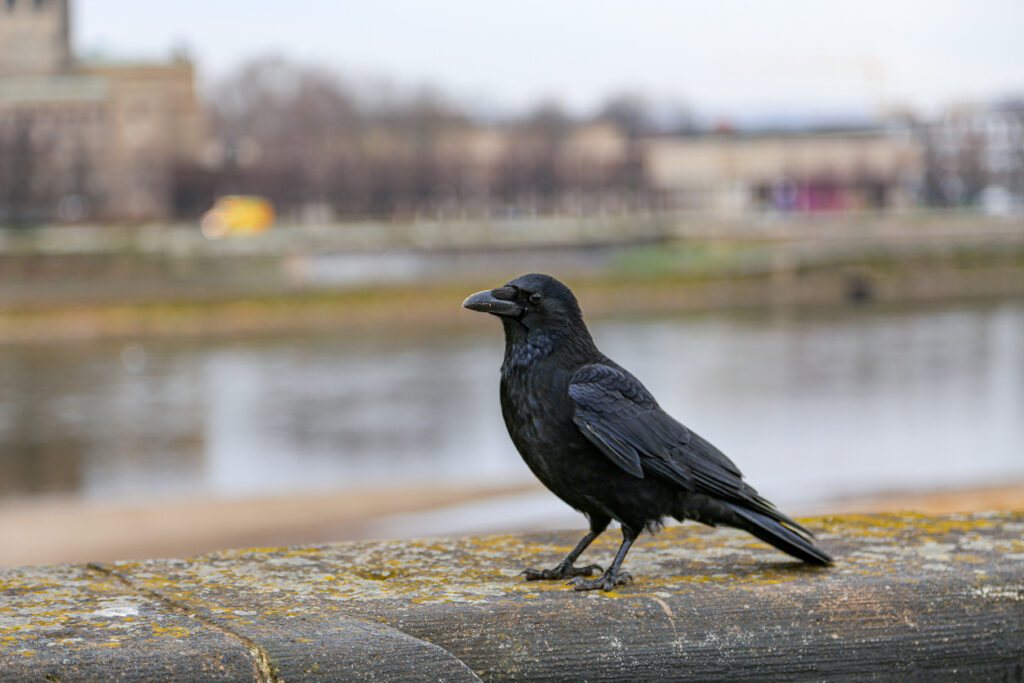
The most astonishing part is how long their social memory lasts. Young crows taught by their parents then teach their own chicks. Over time, one bad human can be remembered for decades within the same local flock.
Their long-term learning gives crows an edge that few animals share. It helps them survive in complex human environments without losing awareness. In a sense, they’ve developed their own kind of cultural memory.