When people think about property value, they usually look at schools, transport links, and local amenities.

However, there’s another factor that’s becoming impossible to ignore, and that’s the impact of climate change. Rising sea levels, heavier rainfall, and extreme weather are quietly reshaping the housing market across the UK, and some counties are facing a very real risk of collapse in property values as conditions worsen.
From coastal erosion to flood-prone inland areas, climate vulnerability is now influencing where people buy, sell, and even choose to build. Homes once seen as safe investments are becoming financial liabilities, with insurers pulling out and repairs becoming a constant cost.
These are the UK counties experts warn could see property prices take the hardest hit in the coming years, not because of the economy, but because the climate itself is changing the rules.
North Norfolk faces catastrophic coastal erosion.
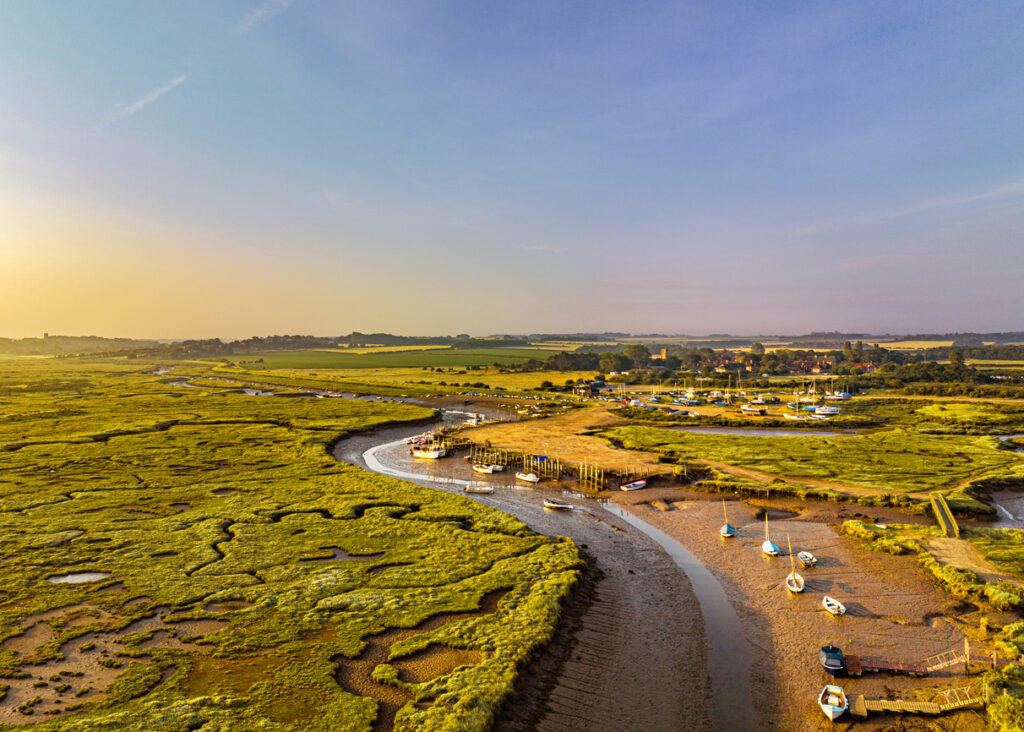
The latest government maps show North Norfolk has some of the highest numbers of properties at risk of coastal erosion in England. By the end of the century, entire communities could literally fall into the sea as cliffs crumble and beaches disappear.
Properties here will become increasingly difficult to sell as buyers realise they’re buying a ticking clock. Insurance costs are already climbing, and mortgages are harder to secure when lenders know the land itself might not exist in 30 years.
Essex’s coastal communities are living on borrowed time.
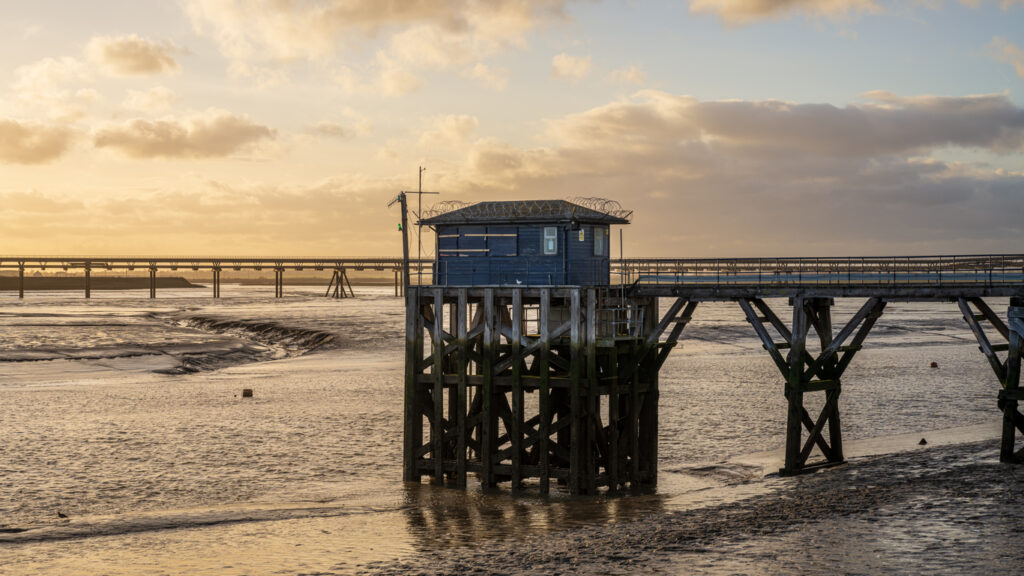
Fourteen percent of Essex’s commercial buildings sit in the 200-year flood zone, and places like Canvey Island and Jaywick have already experienced devastating floods. The 1953 Great Flood killed 120 people here and caused £5 billion in today’s money worth of damage.
That history isn’t ancient, unfortunately; it’s a preview of what’s coming more frequently. As flooding becomes regular rather than exceptional, property values will tank because nobody wants to buy somewhere they’ll constantly be pumping out and repairing.
Suffolk’s low-lying areas are increasingly uninsurable.
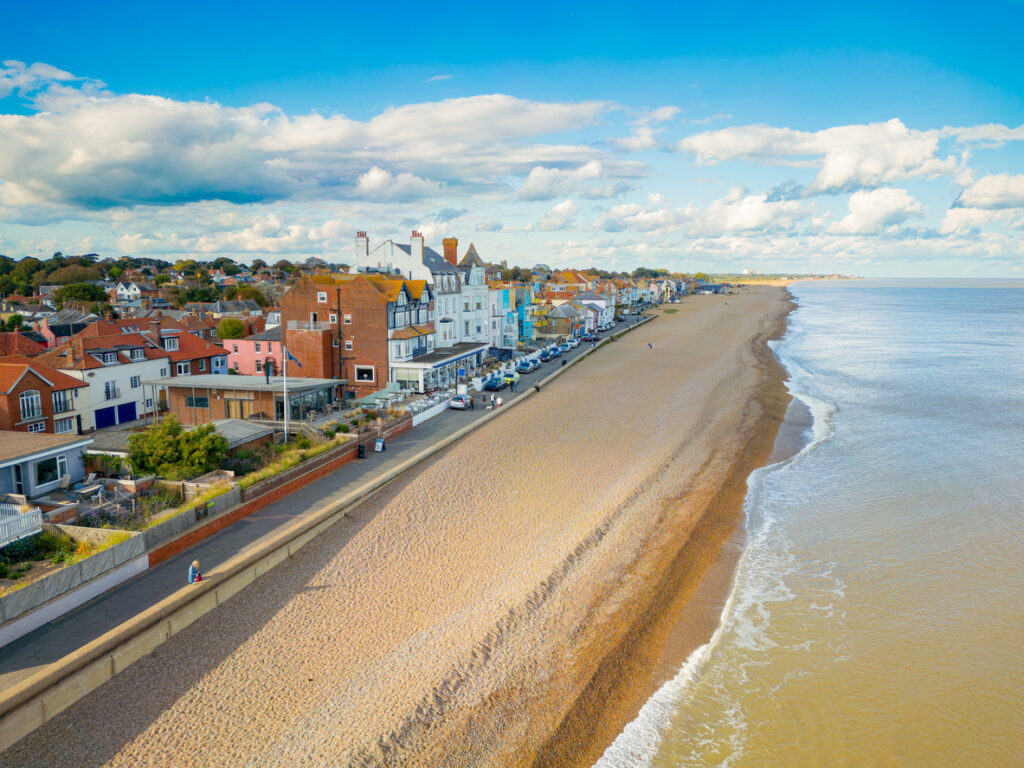
Between 2018 and 2023, Suffolk saw over 1,600 flood warnings and alerts. The combination of coastal flooding and river flooding means properties face threats from multiple directions, making insurance either prohibitively expensive or completely unavailable.
Without affordable insurance, properties become unmortgageable and essentially worthless. Banks won’t lend on homes that can’t be insured, which creates a death spiral for property values in affected areas.
Kent’s managed realignment means sacrificing some areas.
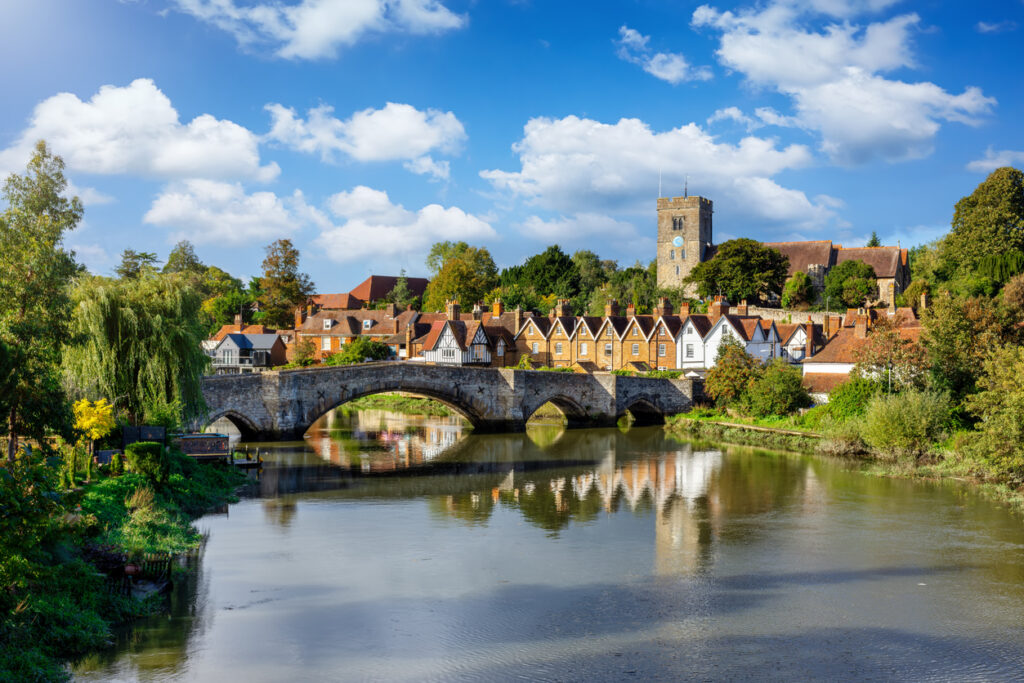
Around 20% of Kent’s commercial buildings are in flood zones, and the government’s managed realignment strategy literally means surrendering some coastal areas back to the sea to protect others. If your property’s in the sacrifice zone, tough luck.
When official policy involves abandoning certain areas, property values collapse immediately because everyone knows there’s no future investment or protection coming. You’re left holding an asset that’s been written off by planners.
East Riding of Yorkshire tops the coastal erosion risk list.
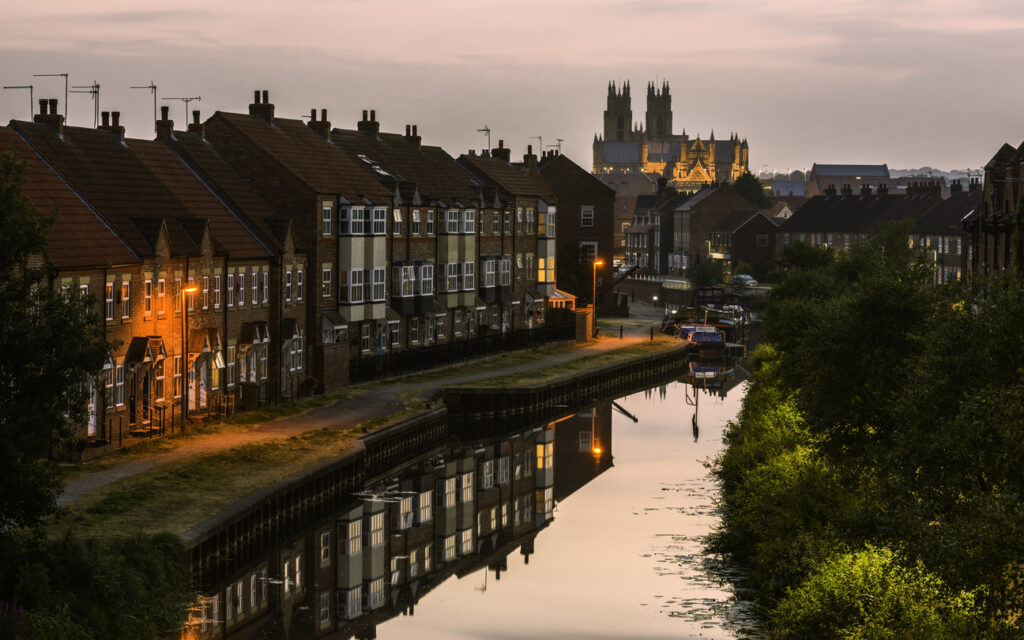
Government reports specifically name East Riding of Yorkshire as having some of the highest numbers of properties at risk of coastal erosion in England. Entire communities along the Holderness coast are watching their land disappear metre by metre.
Coastal erosion is weirdly underdiscussed compared to flooding, but it’s just as devastating. Your property doesn’t flood and dry out, it literally ceases to exist, and there’s often no compensation or support when it happens.
Cornwall’s picture postcard towns face harsh reality.
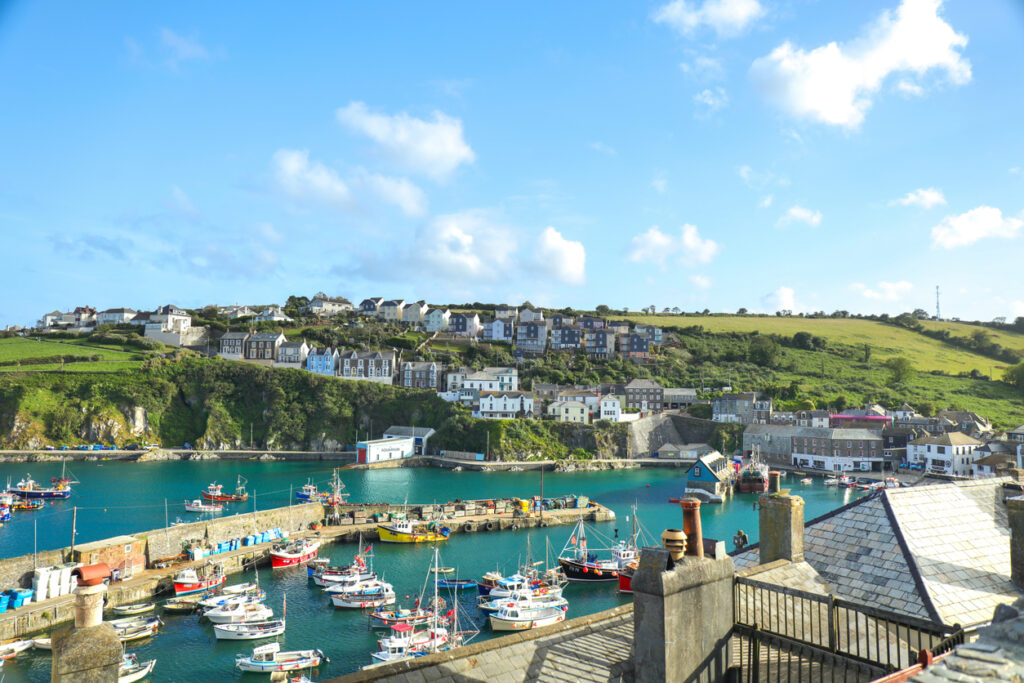
Cornwall appears repeatedly in high-risk assessments for both flooding and coastal erosion. The romantic image of Cornish coastal living doesn’t factor in that many of these properties will be underwater or crumbling into the sea within decades.
Tourism might keep some demand going short term, but as insurance costs soar and erosion accelerates, permanent residents will find their biggest asset becoming a liability. Holiday home buyers will eventually wise up too when maintenance costs spiral.
Somerset’s below sea level properties are fundamentally unsustainable.
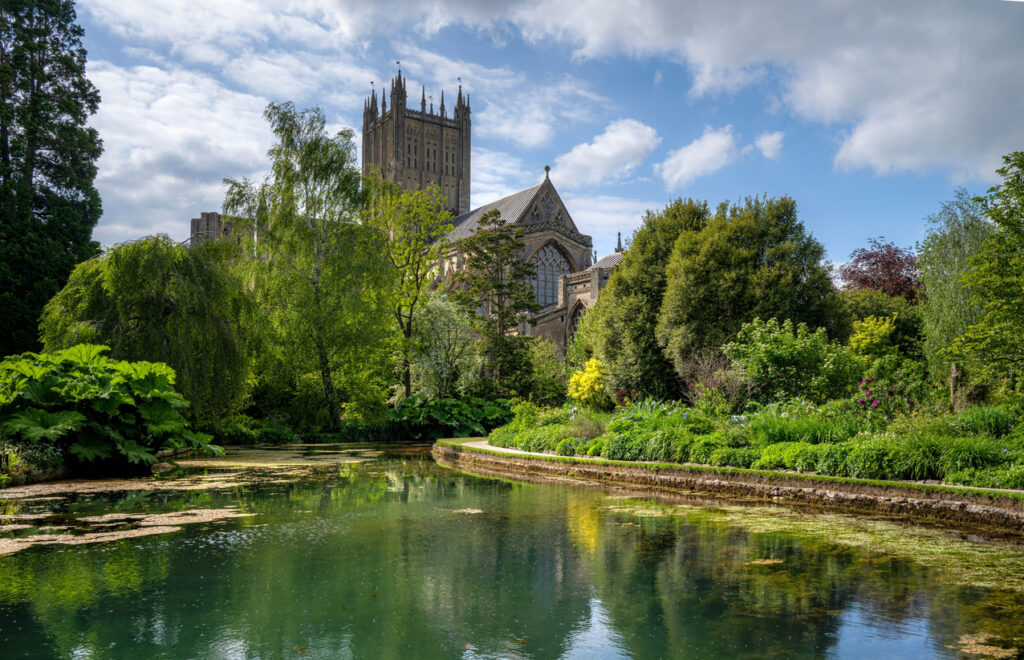
Twenty-two percent of Somerset’s commercial buildings lie within the 200-year flood zone, and much of the Somerset Levels sits below sea level. The area has experienced repeated devastating floods throughout history, and climate change is making them more frequent.
Pumping stations and drainage can only do so much when you’re fighting basic geography and rising sea levels. Properties here will become increasingly difficult to insure and sell as the reality of their precarious position becomes undeniable.
Lincolnshire contains six of the UK’s most flood prone locations.
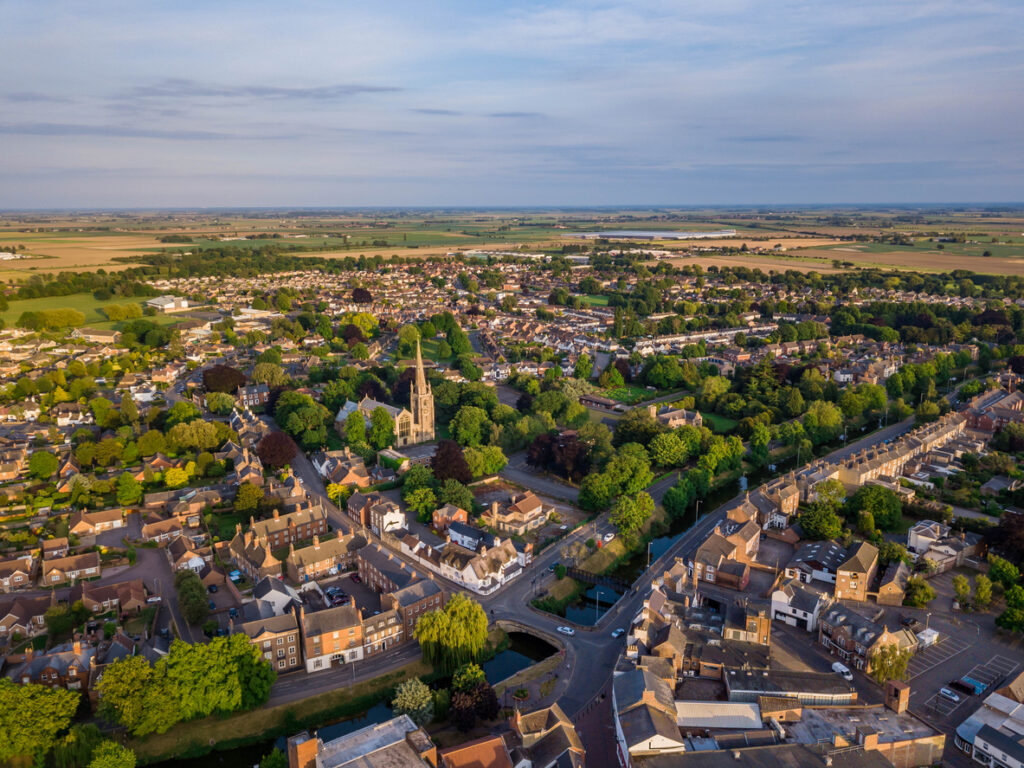
Lincoln, Gainsborough, Woodhall Spa, Boston, Holbeach and Skegness were all named as locations most likely to flood. Wide swathes of Lincolnshire sit up to 5 metres below sea level, with rivers running higher than the surrounding land.
That topography is a disaster waiting to happen repeatedly. When your home sits below the water level of nearby rivers, you’re living in not if but when territory for flooding, and that certainty will eventually destroy property values completely.
Cumbria’s extreme rainfall creates flash flood devastation.

Cumbria experienced some of the worst floods the UK has seen in 550 years during 2009 and 2015. The mountainous terrain squeezes moisture laden Atlantic air into torrential rainfall that overwhelms drainage systems designed for lower volumes.
Flash flooding is particularly destructive because it happens so fast that people can’t prepare or protect their properties. The trauma and financial impact of repeated flooding will drive down values as people decide it’s not worth the constant stress and expense.
Great Yarmouth faces an existential coastal threat.
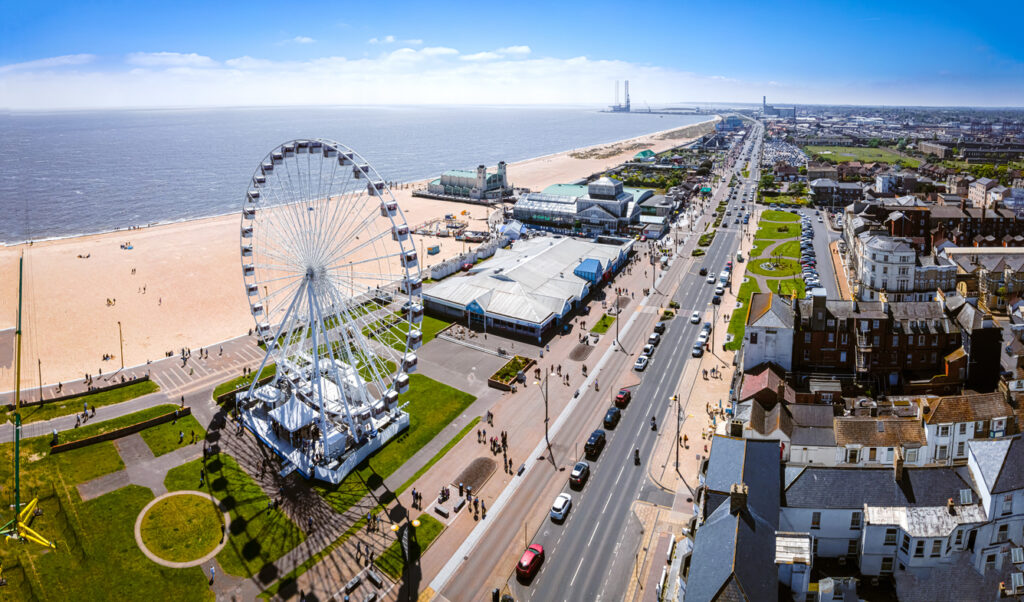
Great Yarmouth recorded its highest ever tide in 2013 and was devastated during the 1953 Great Flood. The town’s flood defences are being updated, but they’re racing against accelerating sea level rise and more intense storms.
Over 4,500 homes and businesses depend on those defences holding, but there’s only so much engineering can do against relentless natural forces. Property values will crater if those defences fail or if insurance companies decide the risk is too high regardless.
Sussex’s composite flooding risks multiply the danger.
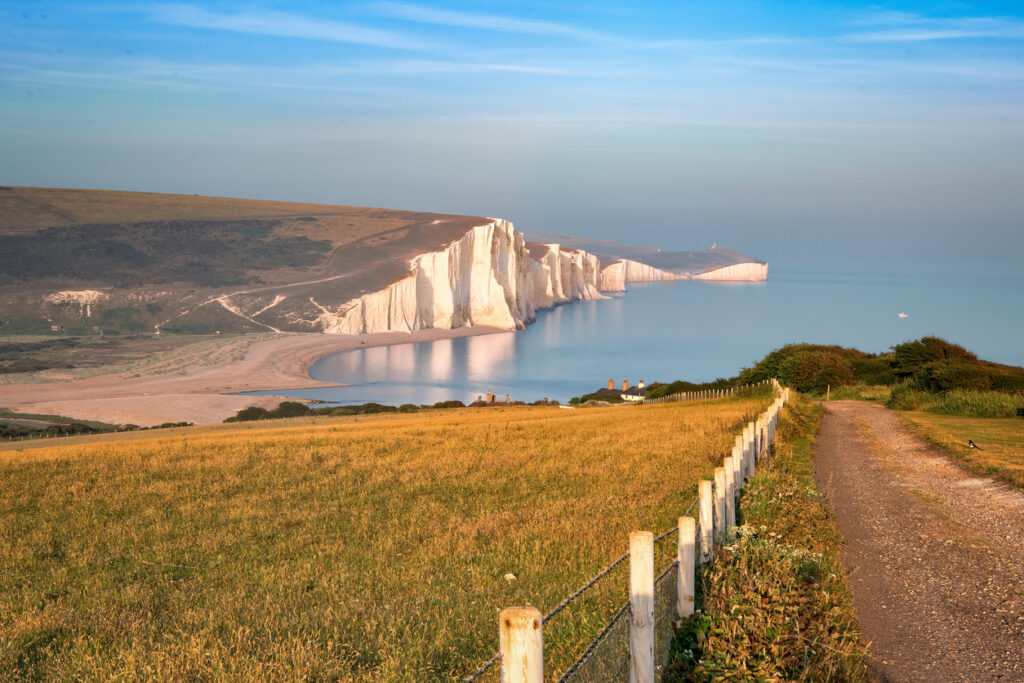
Sussex faces coastal flooding, river flooding, and surface water flooding simultaneously, creating compounding risks that are harder to defend against. The 1994 flood that cut off Barnham and Yapton shows how quickly things can spiral when multiple water sources overwhelm an area.
Multiple flood sources mean higher insurance premiums because insurers assess the combined risk. Properties facing threats from several directions will see values plummet as the total risk picture becomes clearer to buyers and lenders.
By 2050, one in four English properties will be at flood risk.
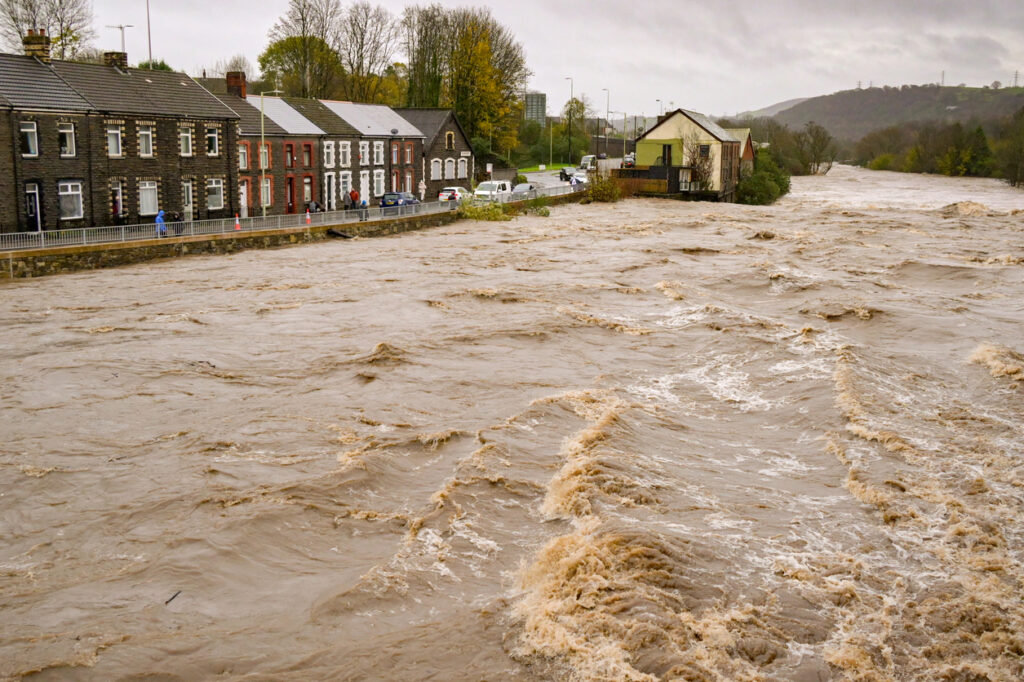
New government assessments show that with climate change, around 8 million properties in England will be at risk of flooding by mid-century. That’s one in four properties, meaning flood risk will shift from exceptional to completely normal.
When a quarter of all properties are at risk, the entire property market dynamic changes. Areas that seem safe now might be underwater by 2050, and current prices don’t reflect this future reality at all.
Mortgage lenders are quietly reassessing coastal risk.

Banks are increasingly nervous about lending on coastal properties with high climate risk because they don’t want to own worthless assets if borrowers default. That nervousness translates to tougher lending criteria or outright refusal to mortgage certain properties.
Without mortgage availability, property values collapse because most buyers need financing. Areas where banks won’t lend become effectively locked out of the normal property market, creating a two tier system.
The insurance crisis will hit before the physical damage does.

Property values will crash well before homes actually flood or erode because insurance costs will become unbearable first. The UK’s Flood Re scheme helps now, but it’s not designed to cope with the scale of risk that’s coming.
Once insurance becomes unaffordable or unavailable, properties lose value immediately, even if they haven’t flooded yet. Buyers aren’t stupid, they can see what’s coming, and they won’t pay current prices for assets with such obvious future problems.