
NASA has designated a special night each year for people around the world to look up at the moon together, and it’s becoming one of the most popular stargazing events on the planet. International Observe the Moon Night brings together amateur astronomers, families, and curious sky watchers for a shared experience that connects us all to our nearest celestial neighbour.
It happens once a year when the moon is perfectly positioned.
International Observe the Moon Night is carefully timed to occur when the moon is in its first quarter phase, which provides the best viewing conditions for beginners. The first quarter moon shows up in the evening sky and sets around midnight, giving everyone plenty of time to observe.
This timing isn’t random, the first quarter phase creates dramatic shadows along the line between light and dark on the moon’s surface. These shadows make craters, mountains, and other features much easier to see, even with basic equipment or just your eyes.
You don’t need any special equipment to participate.
While telescopes and binoculars can enhance your moon viewing experience, they’re absolutely not required to enjoy the event. The moon is bright enough and close enough that you can see plenty of detail with just your naked eyes on a clear night.
If you do have binoculars lying around, they’ll reveal amazing details like individual craters and the moon’s rugged mountain ranges. Even basic binoculars can transform your moon viewing from casual glancing to proper lunar exploration that feels genuinely exciting.
Thousands of events happen worldwide on the same night.
Libraries, planetariums, astronomy clubs, and science museums organise special viewing parties and educational events in communities across the globe. These gatherings often include telescopes you can use, expert guides to point out features, and activities for kids and families.
You can find local events by checking NASA’s official website or searching for astronomy groups in your area. Many events are completely free and welcome beginners, making it easy to join in even if you’ve never done any stargazing before.
The moon’s surface tells an incredible story.

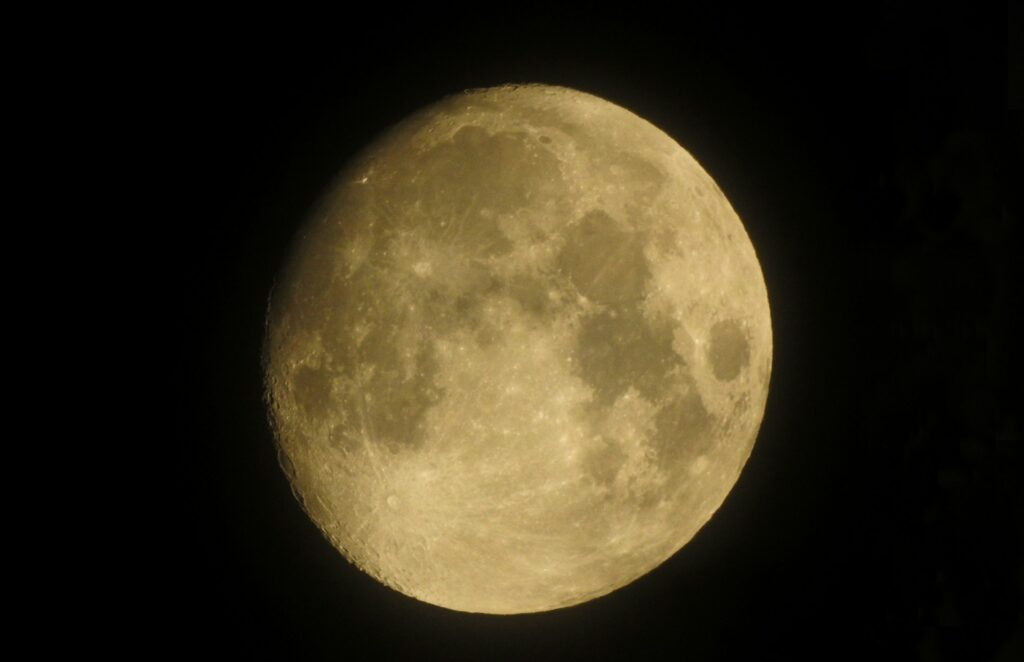
When you look at the moon during the event, you’re seeing a 4.5 billion-year-old surface that’s been battered by asteroid impacts and shaped by ancient volcanic activity. Those dark patches are actually ancient lava flows called maria, which means “seas” in Latin.
The bright areas are highlands covered in impact craters from billions of years of asteroid bombardment. Each crater has its own story, and during first quarter phase, the shadows make them stand out like a detailed relief map you can study from your back garden.
It’s perfectly timed for families with young children.
Unlike many astronomy events that happen late at night, Observe the Moon Night occurs in the early evening when children can easily participate. The first quarter moon rises around noon and is high in the sky by sunset, making it visible during reasonable hours.
This timing means families don’t have to stay up past bedtime or wake up in the middle of the night to enjoy the experience. Kids can participate fully without disrupting their normal routine, making it an ideal introduction to astronomy for young people.
You can take amazing photos with just your phone.
Modern smartphones are surprisingly capable of capturing decent moon photos, especially during first quarter phase when the lighting creates dramatic contrast. The key is to zoom in as much as possible and hold your phone very steady, ideally against a wall or fence.
Many phones now have dedicated night modes or moon photography settings that can produce genuinely impressive results. You don’t need expensive camera equipment to document your moon viewing experience and share it with friends and family online.
The event connects you to centuries of human curiosity.
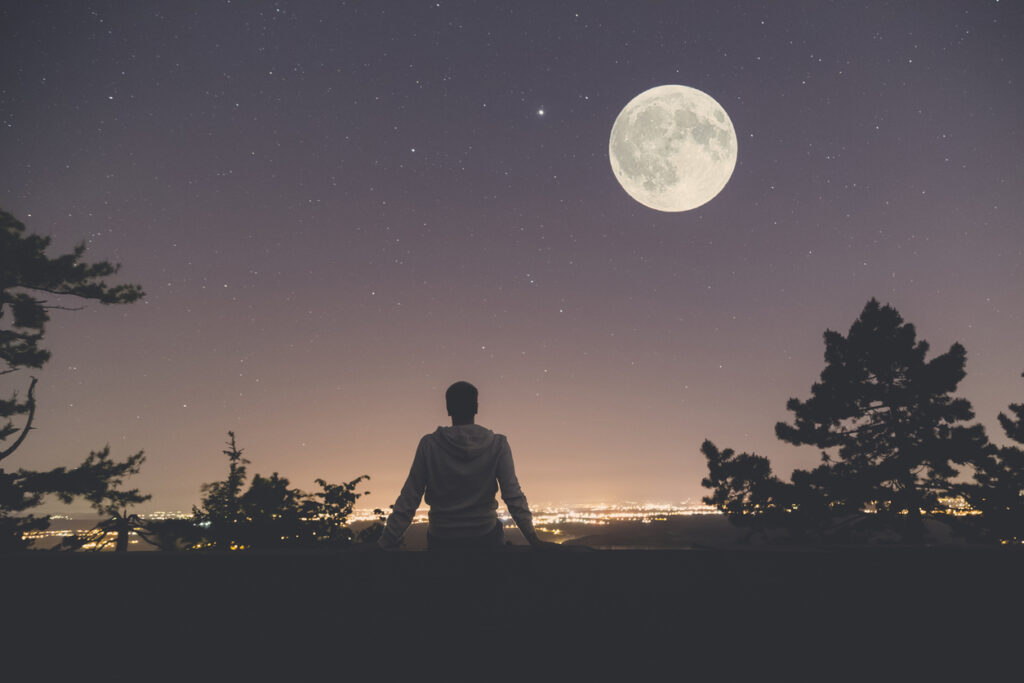
When you look at the moon during this event, you’re doing exactly what humans have done for thousands of years, wondering about that bright object in our sky. The same features you can see tonight were visible to ancient astronomers, philosophers, and curious people throughout history.
The shared human experience of moon gazing connects us across cultures and time periods. Every civilisation has looked up at the moon and wondered about its nature, making your participation part of an ongoing human tradition of curiosity and exploration.
Weather doesn’t have to ruin your plans completely.
If clouds cover your local sky on the official night, you can still participate by observing the moon a day or two before or after the event. The first quarter phase lasts for several days, so you’ll still get excellent viewing conditions even if the exact date doesn’t work out.
Many online events and virtual moon tours happen during cloudy weather, allowing you to learn about lunar features and join the global community even when direct observation isn’t possible. The educational aspect continues regardless of local weather conditions.
It’s designed to inspire deeper interest in space exploration.
Observe the Moon Night serves as a gateway to broader interest in astronomy and space science, encouraging people to learn more about our solar system and universe. Many participants discover a lasting fascination with space that continues long after the event.
The moon is humanity’s next major destination for space exploration, with multiple countries planning lunar missions in the coming years. Understanding and appreciating our nearest neighbour helps people connect with these exciting developments in human space exploration.
Anyone can become a citizen scientist during the event.
NASA encourages participants to share their observations and photos, contributing to public engagement with real space science. Your observations become part of a global dataset showing how people around the world experience and interact with lunar observation.
Social media during the event creates a worldwide conversation about the moon, with people sharing photos, asking questions, and learning from each other. This collective participation demonstrates how space exploration and scientific curiosity can bring people together across all boundaries and differences.