Sloths aren’t just adorable, they’re actually pretty impressive, believe it or not.
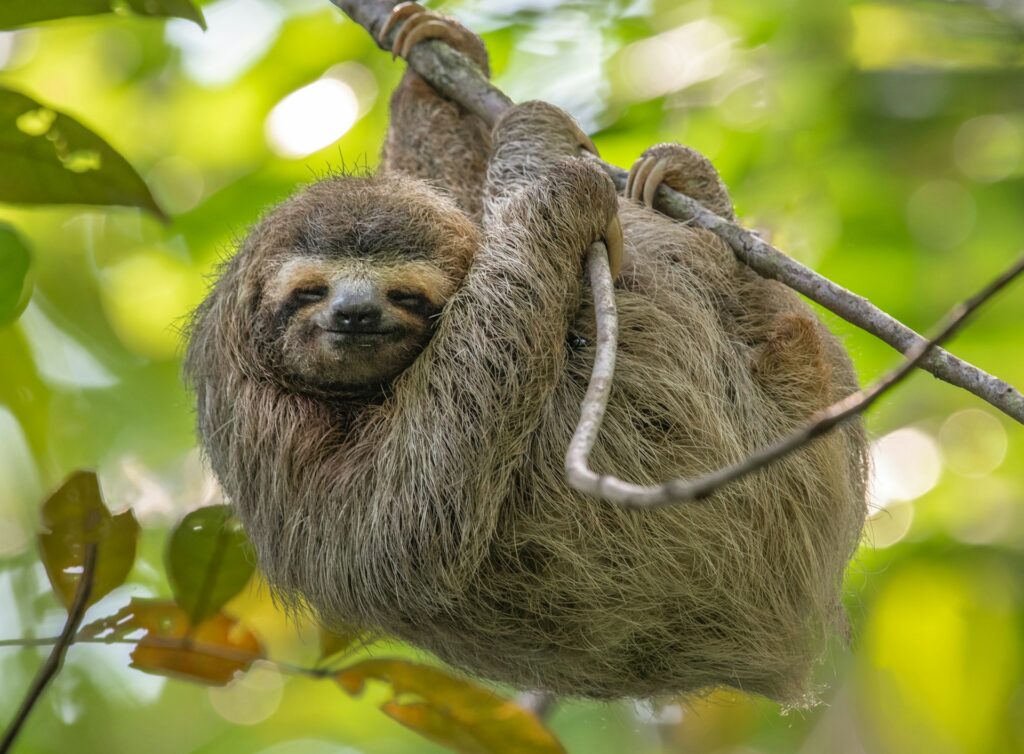
Some of the world’s biggest creatures spend their lives high above the ground, which feels almost impossible when you think about their size. From massive mammals to surprisingly heavy reptiles, these tree-dwelling giants challenge what we expect nature can manage.
How sloths manage their size
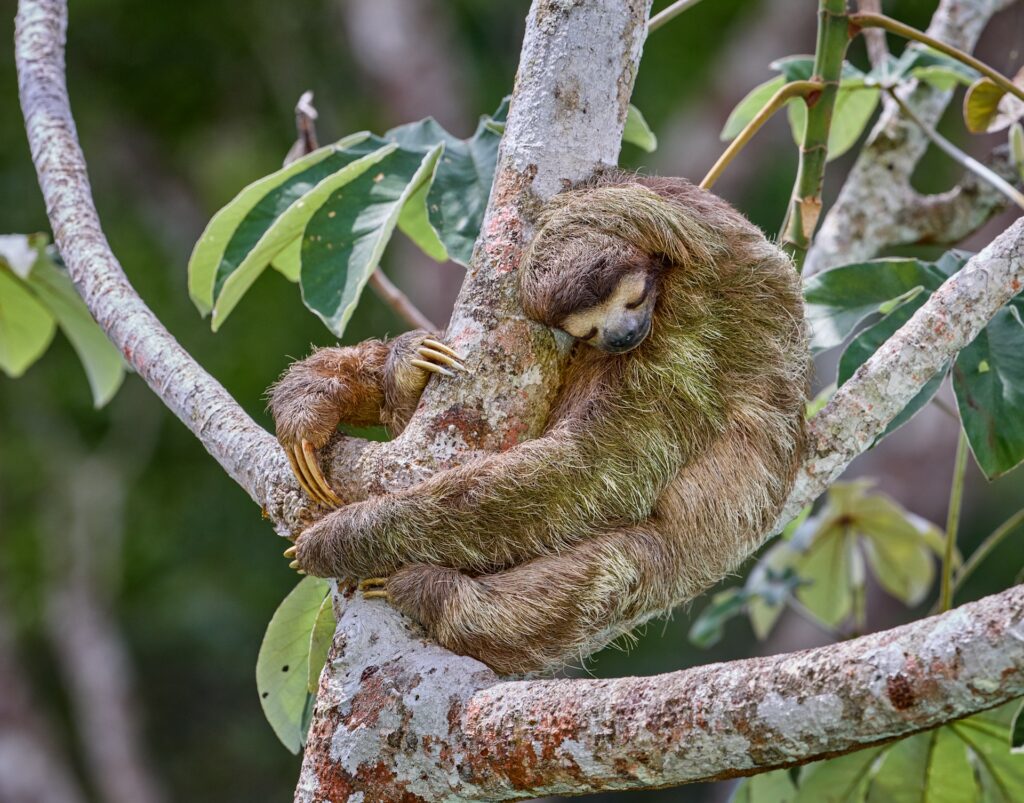
Sloths aren’t as huge as elephants, but considering their slow movements and weight, it’s surprising they live entirely in trees. Their long claws and powerful grip keep them safe, though moving between branches can look awkward and risky.
They remind us that size doesn’t always limit lifestyle. By living slowly and conserving energy, sloths make tree life possible. Their method shows that adapting behaviour can balance out physical limitations in surprising ways.
The weight of orangutans
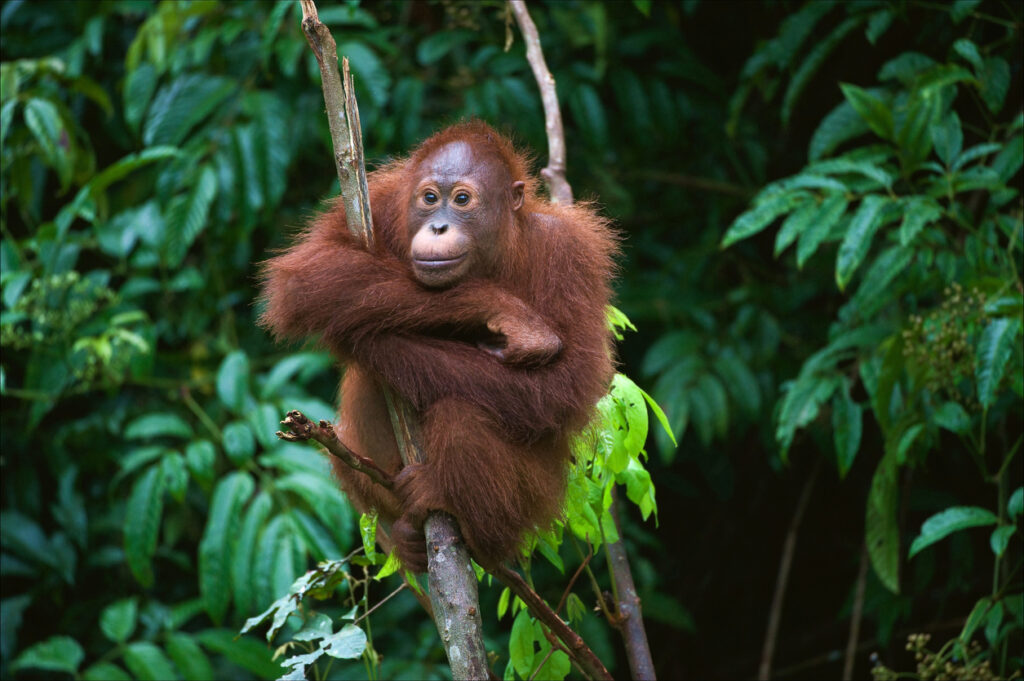
Male orangutans can weigh over 90 kilograms, yet they swing through treetops daily. Watching such a heavy animal move gracefully between branches seems almost unreal, but their long arms and flexible joints make it possible.
This shows how specialised bodies solve unusual challenges. Orangutans use strength and skill rather than speed, proving even bulky primates can live entirely above ground when evolution gives them the right tools.
The giant anaconda’s climbs
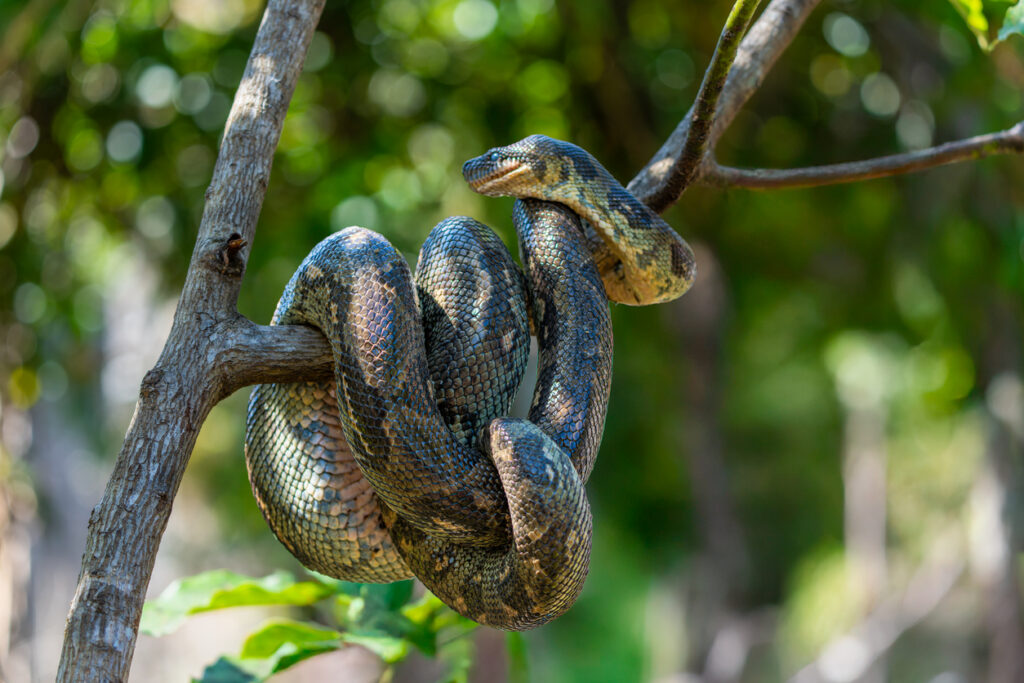
When people think of giant snakes, they imagine them on the ground or in water. Yet anacondas, which can grow incredibly heavy, are known to climb trees in search of prey or sun. The sight can be both shocking and eerie.
It’s proof that even extreme weight doesn’t always rule out tree life. Anacondas rely on muscle and flexibility to manage climbs, showing that persistence often overcomes limits we assume are fixed.
How harpy eagles lift prey

Harpy eagles are among the heaviest eagles in the world, yet they spend their lives in tall rainforest canopies. They even carry monkeys and sloths into trees, defying expectations about what wings can manage in tight spaces.
It highlights how power and adaptation go hand in hand. Harpy eagles thrive where others can’t because their massive wings and strong talons work together. They show that gravity doesn’t always limit predators in the treetops.
The surprising size of tree kangaroos
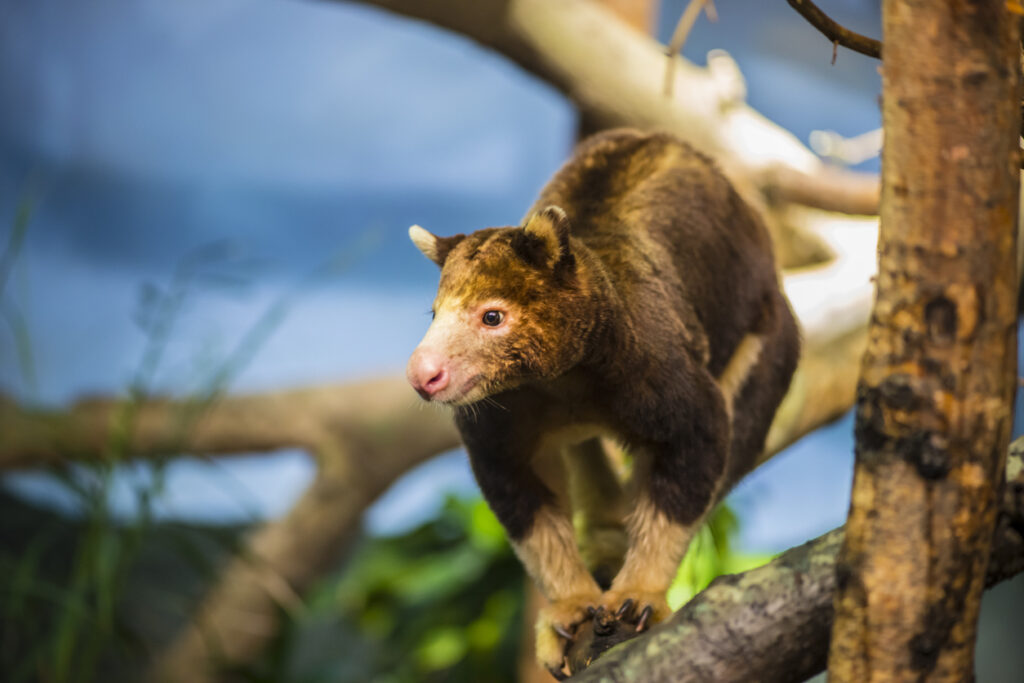
Kangaroos are usually linked with hopping across open plains, but tree kangaroos prove otherwise. These stocky marsupials climb and balance in branches despite their solid build. Seeing such heavy creatures perched overhead feels almost impossible at first glance.
They remind us how flexible evolution can be. By adjusting tails, paws, and balance, tree kangaroos make a lifestyle work that seems completely against type. Their existence challenges assumptions about what certain animals can or can’t do.
Crocodiles in the canopy
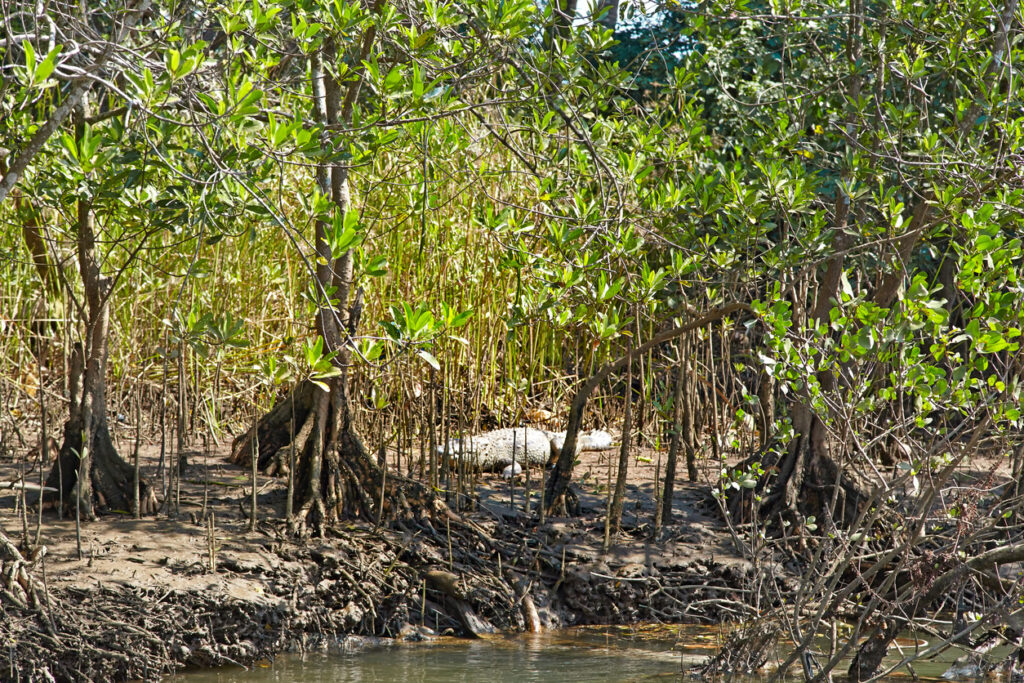
It sounds absurd, but young crocodiles have been spotted in mangrove trees. Though not yet at their adult size, even smaller crocs are surprisingly heavy for climbing. Seeing them above ground pushes the limits of what we expect from reptiles.
It shows nature doesn’t always follow our rules. Crocodiles climb for safety or better sun, using claws and strength to pull themselves up. This behaviour reminds us that even animals we see as bound to water can surprise us.
The bulk of koalas
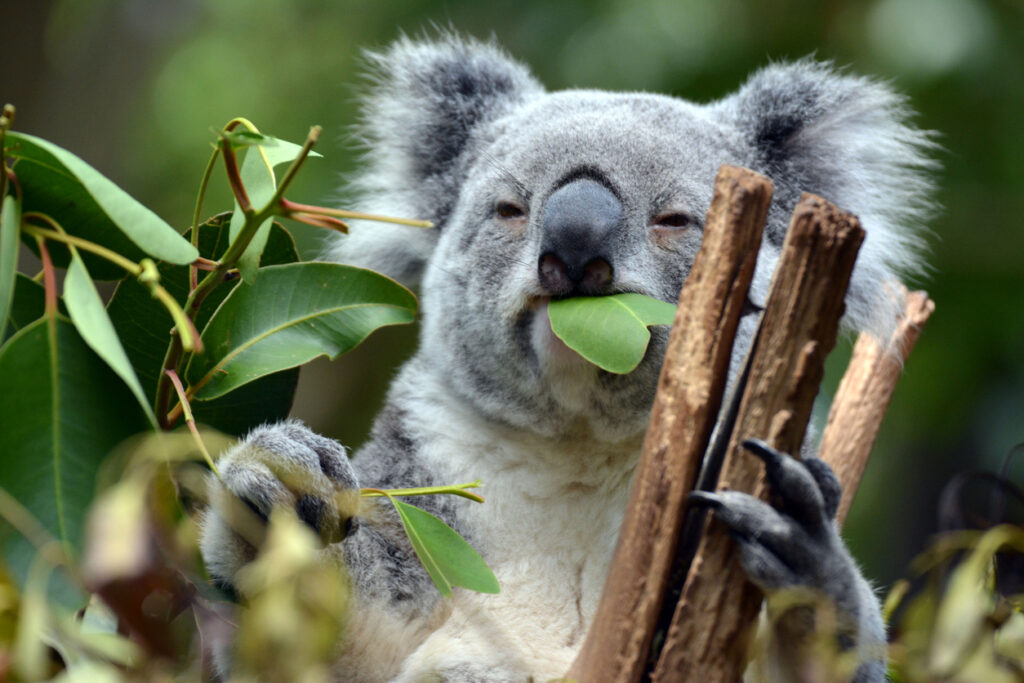
Koalas may look cuddly, but they’re heavier than they seem, with adults weighing up to 15 kilograms. Despite that weight, they spend nearly their whole lives clinging to eucalyptus trees, moving slowly but confidently between branches.
Their grip and strong limbs keep them safe where many animals would slip. Koalas prove that steadiness can be just as important as agility, showing another way larger creatures manage tree life successfully.
Monitor lizards climbing high
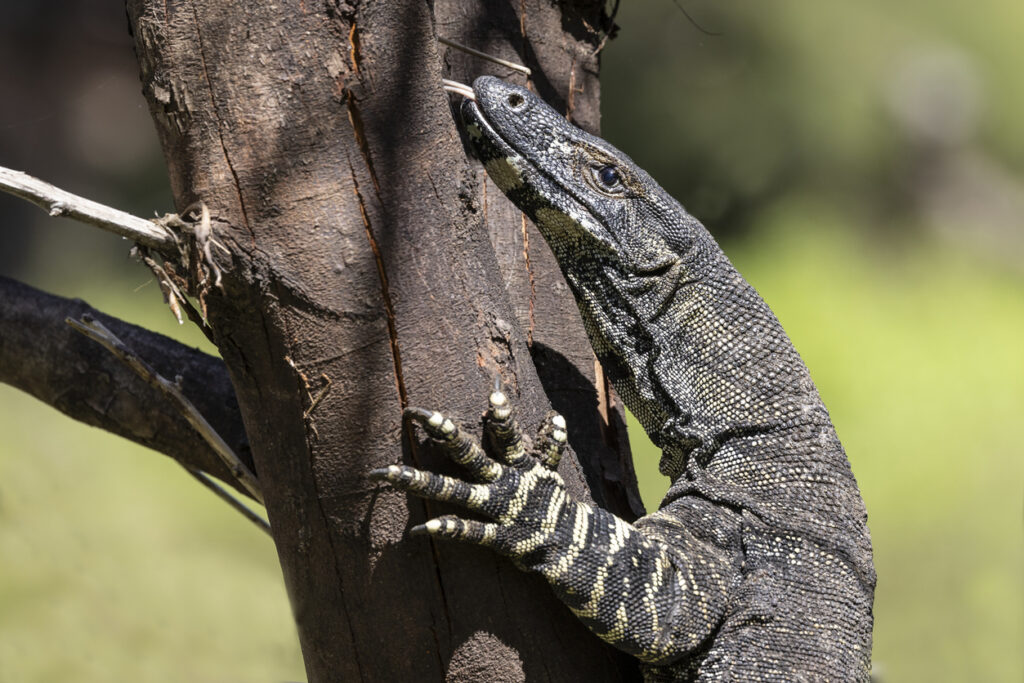
Large monitor lizards, like the Asian water monitor, can grow to impressive sizes. Yet, they’re often spotted high in trees, balancing along branches with surprising ease. Their sharp claws and strong muscles make what seems impossible look natural.
This adaptability keeps them safe from threats and gives them better access to prey. Even though they’re heavy, their climbing skill makes them versatile predators, proving that tree life isn’t only for the light and agile.
The hidden weight of pythons
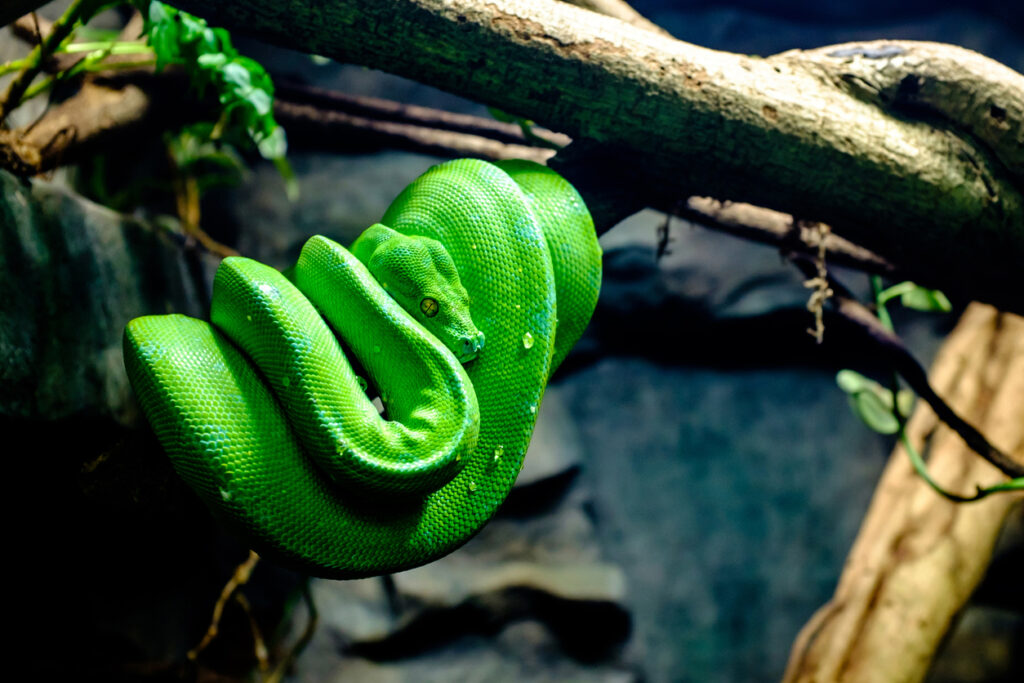
Pythons are among the heaviest snakes in the world, yet many species are skilled climbers. They wrap tightly around branches to support their size, moving with patience and control rather than speed. Their method looks strange but effective.
By using muscle rather than momentum, pythons handle heights without issue. It’s a reminder that strength can replace agility when gravity becomes the main challenge. Their climbing shows another unexpected way big animals survive in trees.
Humans in the mix

While we don’t think of ourselves as tree-dwelling animals anymore, humans are surprisingly capable climbers considering our size. In some cultures, people still climb daily for food or resources, showing we haven’t entirely lost that connection.
This shows how adaptable we are, even with heavier frames. Our history as climbers explains why children instinctively enjoy trees. While we don’t live there now, our ability proves that even bigger bodies can find a place among the branches.