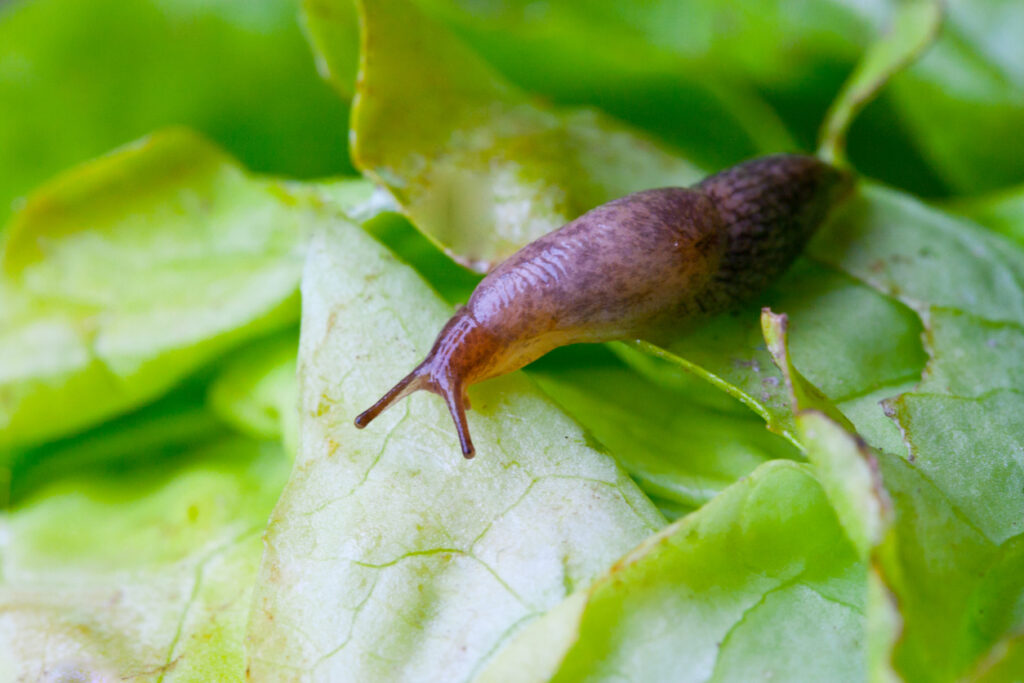
Few things are as disheartening as stepping into your garden to find neat holes chewed through leaves. Slugs can strip plants overnight, leaving you frustrated and unsure how to fight back. Thankfully, there are simple, natural ways to keep them away.
Water in the morning.
Slugs thrive in damp conditions, which is why they appear most at night. Evening watering leaves soil moist and welcoming for them. That extra dampness gives them the perfect environment to come out and feed freely on your plants.
You’ll reduce slug visits by switching to morning watering. Soil has time to dry before nightfall, making conditions less attractive. This simple change creates a less friendly space for slugs while still keeping your plants healthy.
Remove hiding spots.
Slugs love dark, damp spaces to hide during the day. Logs, stones, and piles of leaves give them the cover they need. If your garden has lots of clutter, you’re basically offering them a hotel next to your plants.
Clearing away these hiding spots limits their shelter. Keeping borders tidy and lifting unused pots makes it harder for slugs to settle. Less cover means fewer chances for them to reach your plants unnoticed.
Use copper barriers.
Slugs dislike crossing copper because it gives them a mild electric shock. Without barriers, they can easily climb pots or containers to reach leaves. Adding a deterrent here makes a big difference, especially for vulnerable young plants.
Wrapping copper tape around pots or raised beds stops them in their tracks. It’s safe, long-lasting, and doesn’t harm plants. Once in place, it creates a simple but effective shield against slug damage.
Try rough mulches.
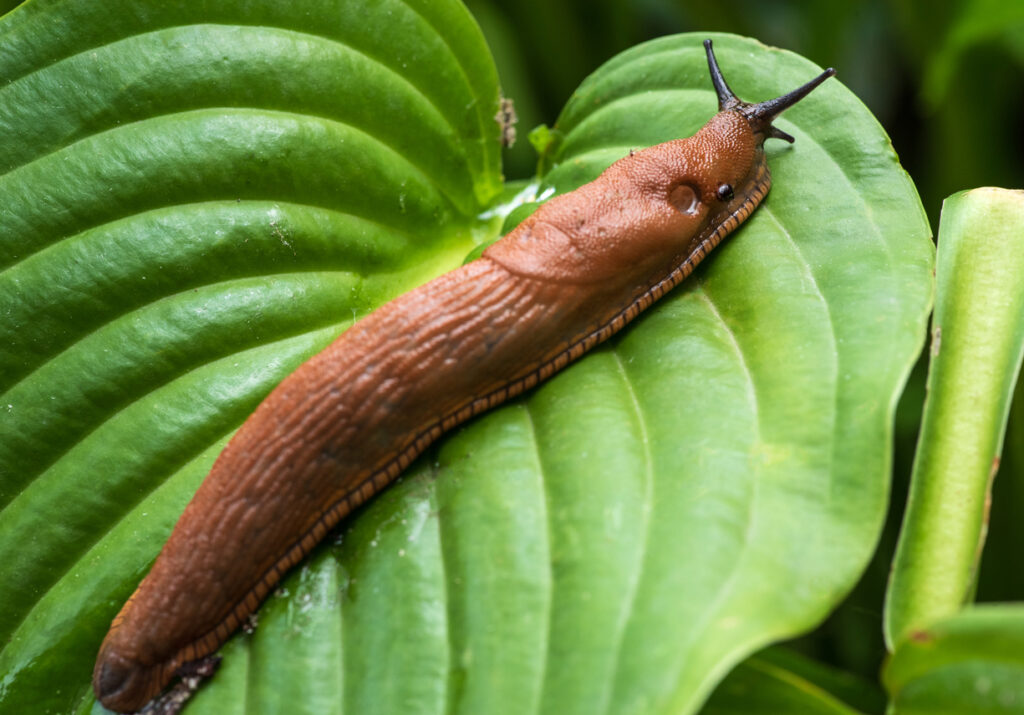
Slugs prefer smooth ground they can glide across easily. Soft soil or bark mulch gives them easy access. Adding rough textures interrupts that smooth journey, making your beds far less appealing for a midnight feast.
Materials like crushed shells, gravel, or coarse sand act as barriers. Slugs struggle to cross without injury or discomfort. This protective ring around plants discourages them naturally and keeps damage to a minimum.
Grow plants they avoid.
Some plants are less appealing to slugs because of their texture or scent. Filling your garden only with their favourites makes it harder to control damage. Mixing in less tasty options helps balance things out.
Plants like lavender, rosemary, and ferns aren’t usually touched by slugs. Adding these creates a barrier effect and reduces the chances of them targeting everything. Variety in planting gives you colour and protection at once.
Encourage natural predators.
Slugs are a food source for many creatures, but gardens without predators see numbers rise fast. If hedgehogs, frogs, or birds aren’t present, slugs multiply unchecked and cause far more damage to your plants.
You’ll help restore balance by making your garden welcoming for these animals. Small ponds, bird feeders, and hedgehog access points invite natural slug control. Encouraging wildlife creates a long-term solution that keeps populations in check.
Use beer traps.
Slugs are attracted to the smell of yeast and will crawl into beer if it’s left out. Without traps, they roam freely across your plants. Creating a lure that draws them away makes control much easier.
Burying shallow containers with beer at soil level works well. Slugs crawl in and can’t escape, which reduces numbers over time. It’s a low-cost method many gardeners use successfully for problem spots.
Hand-pick at night.
Because slugs are most active after dark, that’s when they’re easiest to spot. Leaving them to roam means more damage by morning. Taking direct action is sometimes the fastest way to reduce the problem.
Heading out with a torch and removing slugs by hand can be surprisingly effective. Dropping them into a bucket of soapy water finishes the job. It’s simple, free, and works best if you’re consistent.
Protect young plants.
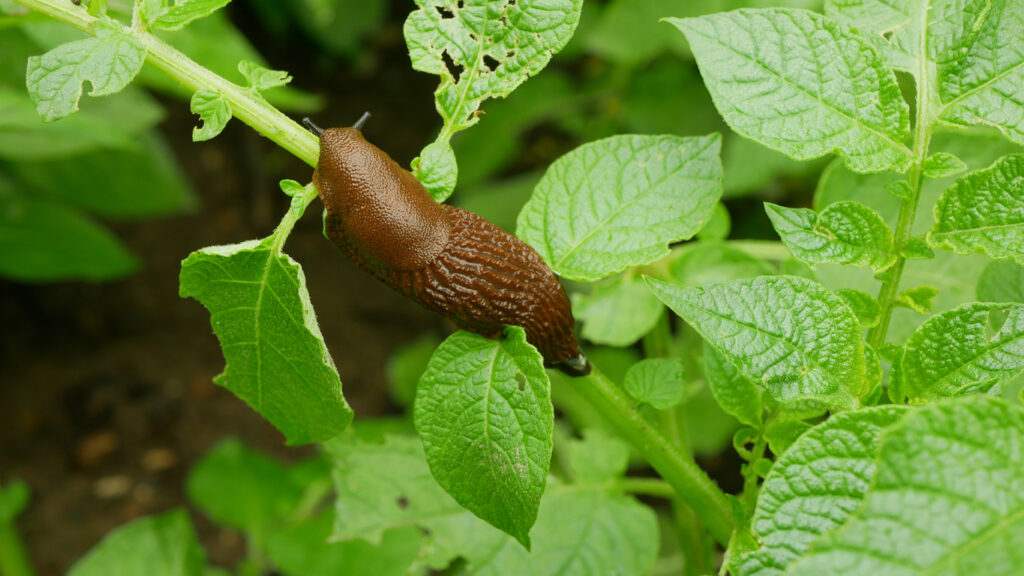
Seedlings and soft new growth are slug favourites. Leaving them unprotected almost guarantees damage. If slugs get to them early, plants rarely recover properly, leaving you with gaps where your hard work should be thriving.
Covering young plants with cloches, nets, or cut plastic bottles gives them a fighting chance. Once plants are bigger and tougher, they can withstand more. Protecting them at their most vulnerable stage saves frustration later.
Rotate your methods.
Slugs are persistent, and one method rarely solves the problem alone. Relying on a single approach means they eventually find a way around it. Mixing strategies makes your garden much harder for them to exploit.
Combining barriers, wildlife support, and direct action keeps numbers under control. Switching techniques also keeps your approach fresh and effective. Over time, this layered method gives your plants the best defence against slug damage.