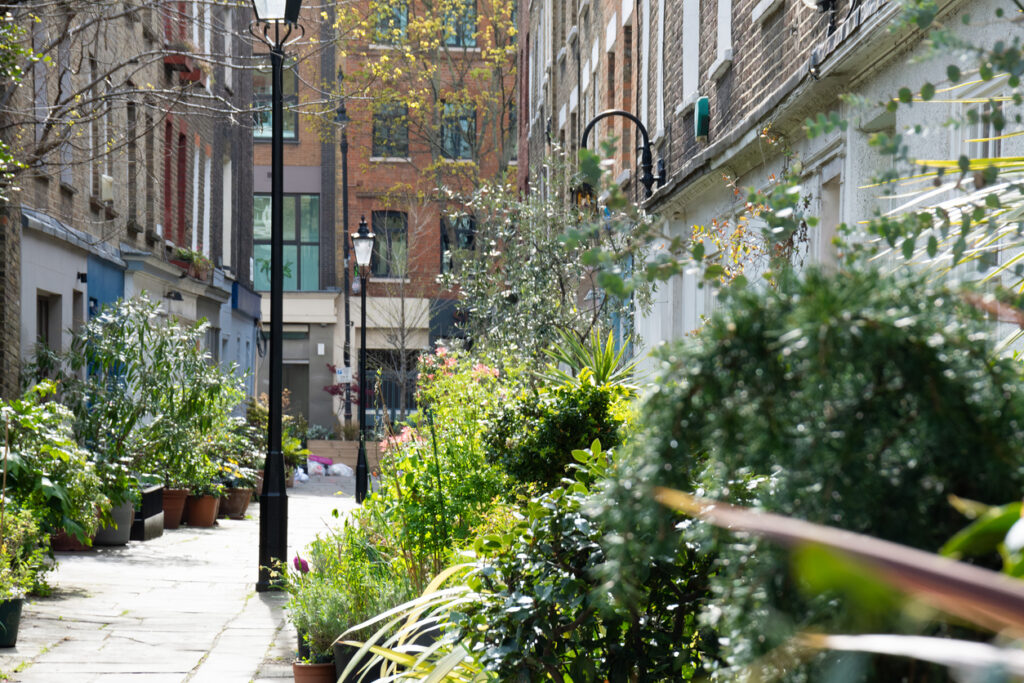
Cities aren’t usually seen as friendly places for insects, but they’re vital for pollination and ecosystems. To help them survive, planners are finding ways to connect forgotten corners and overgrown patches, creating “bug highways” that give insects safe routes to travel. Here are some of the ways they’re doing so, and how they’re changing the ecosystem one tiny creature at a time.
Old railway lines becoming green corridors
Abandoned railways might look like wasted space, but left alone they often grow into strips of wild habitat. Cities like Manchester and Sheffield have transformed old tracks into corridors of greenery, making them valuable not just for people to walk and cycle along, but for insects to use as safe passage. These tracks cut through dense areas where insects would otherwise be trapped, offering wildflowers, grasses, and safe cover all the way along.
When cities choose to rewild instead of clear these spaces, they benefit both nature and residents. These green corridors connect neighbourhoods with unexpected wildlife and provide insects with safe routes across the urban sprawl. For people, they become shady walking routes and cycling paths; for insects, they’re essential highways that keep populations thriving.
Roadside verges left to grow wild
For decades, councils kept roadside grass clipped within an inch of its life, but that’s changing. Across the UK, schemes like Plantlife’s Road Verge Campaign have encouraged councils to let verges bloom into strips of meadow. These messy-looking edges turn out to be some of the richest habitats for bees, butterflies, and beetles, giving them food and shelter right where you’d least expect it.
The key here is changing perception. A verge full of daisies, clover, and wild poppies isn’t “untidy,” it’s a lifeline. Drivers may only glimpse them in passing, but for pollinators, they’re survival zones linking bigger green areas. Supporting these initiatives means accepting a little wildness in exchange for healthier ecosystems.
Rooftops transformed into mini meadows
Flat rooftops used to be wasted real estate, but more and more are being turned into green oases. London alone is home to over 700 green roofs, many planted with wildflowers and grasses that serve as feeding and resting spots for insects. For pollinators crossing a city centre dominated by concrete, these rooftops are safe stepping stones.
It’s not just about the insects, either. Green roofs cool down buildings in summer, soak up rainwater to reduce flooding, and even extend roof life. They prove that spaces designed for people can also give back to nature. Encouraging more rooftops to go green is one of the smartest ways to make dense cities liveable for humans and bugs alike.
Roundabouts as insect oases

Roundabouts are usually planted with plain grass or shrubs, purely decorative and largely lifeless. But when local councils choose wildflowers instead, these forgotten circles become buzzing pit stops for insects. Swindon and Bristol have experimented with colourful roundabout planting, and the results are striking, both visually and ecologically.
For insects, these roundabouts aren’t isolated dots but connectors, letting them move across fragmented city landscapes. For people, they’re a reminder that even the dullest patch of land can play a part in keeping pollinators alive. Campaigning for more wildlife-friendly planting in these spaces is an easy, visible way to make cities more welcoming.
Parks linking to each other
Big city parks are valuable, but on their own they don’t always do enough. Insects need continuous routes, not isolated patches. Linking parks with tree-lined paths, cycle tracks with wildflower edges, or green strips along pavements creates a web of connected spaces. Cities like Nottingham have been experimenting with exactly this, weaving smaller spaces into a larger network.
The beauty of this approach is scale. Each small connection might not look like much, but together they keep insect populations healthy and resilient. Instead of being cut off in one park, pollinators can move across entire city areas, making urban ecosystems stronger and more balanced.
Canalsides rewilded
Many British cities are cut through by old canals, and their banks offer prime opportunities for rewilding. Restoring these edges with grasses, reeds, and wildflowers gives insects long stretches of safe, food-rich habitat. Projects in Birmingham and London have shown how canalsides can transform from neglected strips into thriving corridors buzzing with life.
The benefits go well beyond insects. Birds, amphibians, and fish all make use of rewilded canals, and people get to enjoy more attractive, wildlife-rich watersides. A once sterile stretch of canal suddenly becomes part of the city’s green network, proving how much potential exists in places we usually overlook.
Community gardens acting as stepping stones
Allotments, school gardens, and local green plots might feel small, but when scattered across a city they act like stepping stones. Insects move from one to the next, gradually making their way across otherwise hostile urban landscapes. Cities like Leeds and Glasgow are investing in community gardening, not only for food and mental health, but also for biodiversity.
The best part is that anyone can contribute. Whether it’s a small patch of herbs, a row of wildflowers, or a bee hotel, each garden becomes part of a much larger system. The collective effect is powerful: what looks like a patchwork of small plots is actually a robust network of mini-habitats.
Green walls on buildings
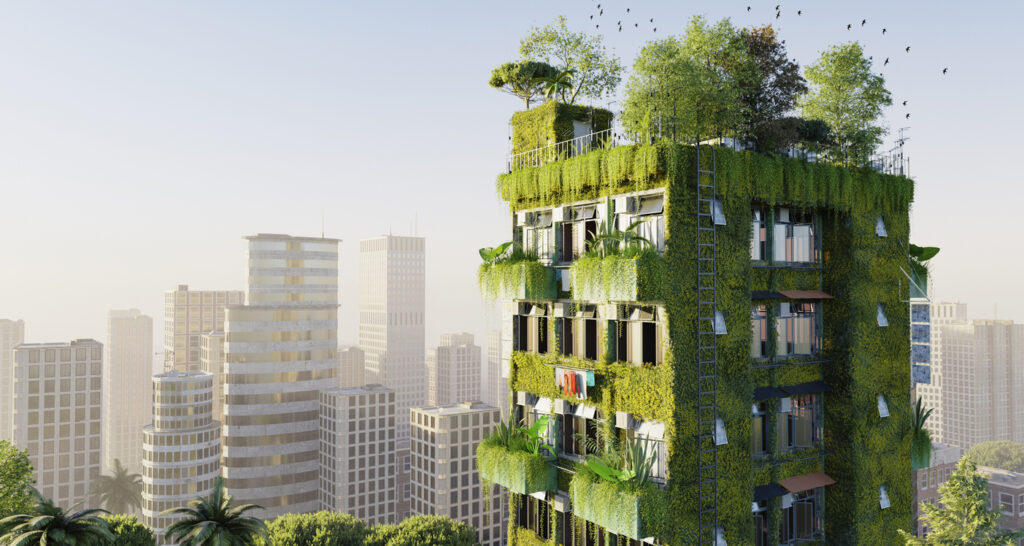
Vertical gardens may look like trendy decoration, but they’re far more than that. Climbing plants, wall-mounted planters, and living facades provide nectar, shelter, and shade for insects trying to cross the concrete jungle. Cities like Sheffield and London have embraced green walls, adding biodiversity to places where space is scarce.
The impact stacks up. A single green wall can connect rooftop meadows with ground-level verges, creating a vertical extension of the bug highway. At the same time, they filter pollution, insulate buildings, and add a splash of colour to otherwise grey areas. Supporting their use is a win all round.
Abandoned lots reimagined as wild patches
Vacant plots of land often get fenced off and left to rot, but with a little care, they can be transformed into wildflower havens. In Manchester, some unused lots have been turned into meadows for pollinators, with local volunteers helping maintain them. These forgotten spaces suddenly become critical resting spots for insects travelling across the city.
What looks like neglect to some is actually vital habitat. Instead of seeing them as wasted land, rewilding projects show how abandoned lots can play a role in biodiversity. For insects, they’re breathing spaces; for communities, they’re an opportunity to reconnect with nature in unlikely corners.
School grounds planted with wildflowers
School fields are often just flat grass, trimmed neatly but offering little to wildlife. Planting wildflowers and leaving parts of the grounds untamed creates bright, buzzing habitats that link into the wider city network. In Cornwall and London, schools have started these projects, involving children directly in planting and learning about biodiversity.
The ripple effect is huge. Not only do the grounds become part of the bug highway, but children grow up seeing insects as essential allies rather than pests. It plants seeds of awareness that carry into the next generation, ensuring future cities remain insect-friendly.
Bridges with green crossings
Some cities are taking it a step further and building dedicated “green bridges” covered in plants. These bridges allow insects and wildlife to cross busy roads safely, reducing isolation between populations. In the Netherlands, wildlife bridges have become almost standard, but the idea is slowly spreading to the UK too.
These crossings prove that clever design can work for both people and nature. For insects, they’re lifelines; for cities, they’re striking examples of sustainable planning. Championing more of these projects helps insects survive while also giving urban areas greener, more attractive landmarks.
Cemeteries as unexpected havens
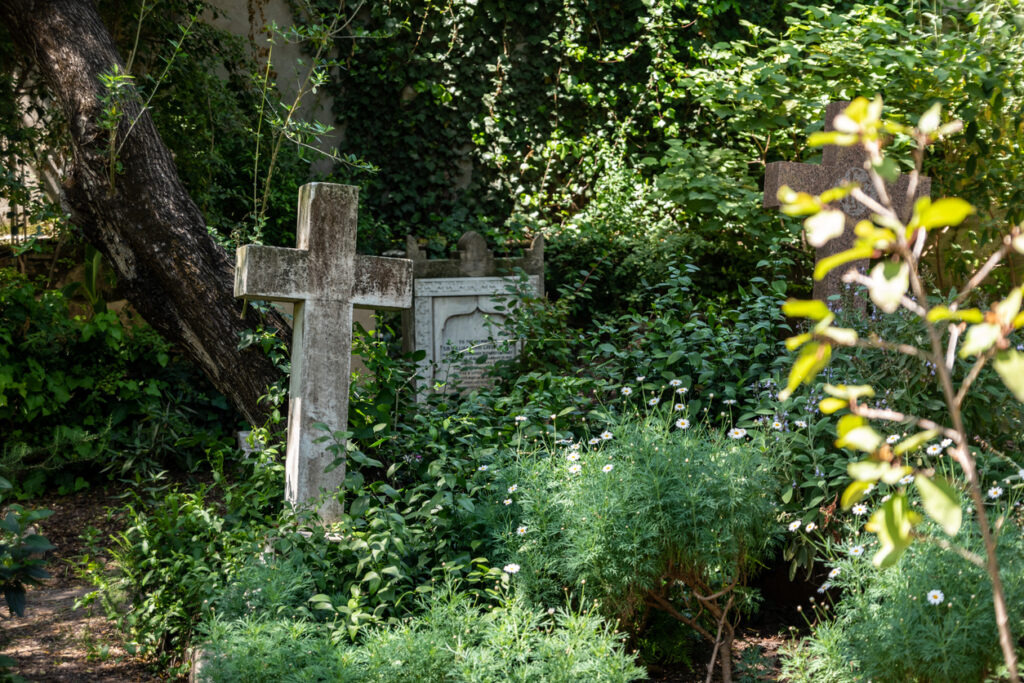
Old cemeteries, often left partially wild, can become surprising sanctuaries for insects. The untended corners full of ivy, nettles, and wildflowers are rich feeding grounds for pollinators. London’s Highgate Cemetery, for example, is not just a historic site but also a thriving patch of biodiversity in the middle of the city.
Respecting and protecting these wilder areas makes a quiet but real difference. Cemeteries show that even places primarily built for people can double as safe havens for nature. Left just a little untamed, they form an important part of the wider bug highway system.
Private gardens joining the network
Never underestimate the power of individual gardens. When neighbours plant for wildlife, avoid pesticides, and leave parts of their plots a little wilder, the collective impact is enormous. A single garden might not seem much, but together they provide nectar, nesting sites, and safe passage between bigger habitats.
By choosing pollinator-friendly plants or leaving a corner wild, you turn your own space into part of the bigger network. Gardens are often the missing links in urban bug highways, and when people work together, they become one of the strongest.