Dog bites can cause serious damage or even turn deadly, which is why it’s such a serious topic.

You’ve probably heard that saying about barking dogs not biting, and while it’s not always true, there’s actually some real wisdom behind it that could help keep you safer around dogs you don’t know. Silent dogs can indeed be more dangerous, but not for the reasons you might think.
For the record, that’s not to say that all quiet dogs are brutal, violent, and out to chomp on you the first chance they get. However, you should be aware of any potential red flags for your own protection (and theirs).
They’re not giving you the normal warning signs.

Most dogs will bark, growl, or make some sort of noise when they’re feeling uncomfortable or threatened. This vocal communication is basically their way of saying “back off, I’m not happy about this situation” before things escalate.
When a dog skips these warning sounds and goes straight to action, you don’t get the chance to recognise the danger and adjust your behaviour. It’s like someone attacking you without shouting first, you simply don’t have time to react or back away.
Silent dogs might be more calculating and focused.

A dog that’s barking is often emotional and reactive, which means they’re more likely to calm down if the threat goes away. Silent dogs might be in a more predatory or calculated state of mind, which is actually more dangerous.
When dogs are hunting or in serious protection mode, they often go quiet because barking would alert their target. This silent focus means they’re more likely to follow through with an attack because they’re not just reacting emotionally.
They’ve learned that barking doesn’t work.
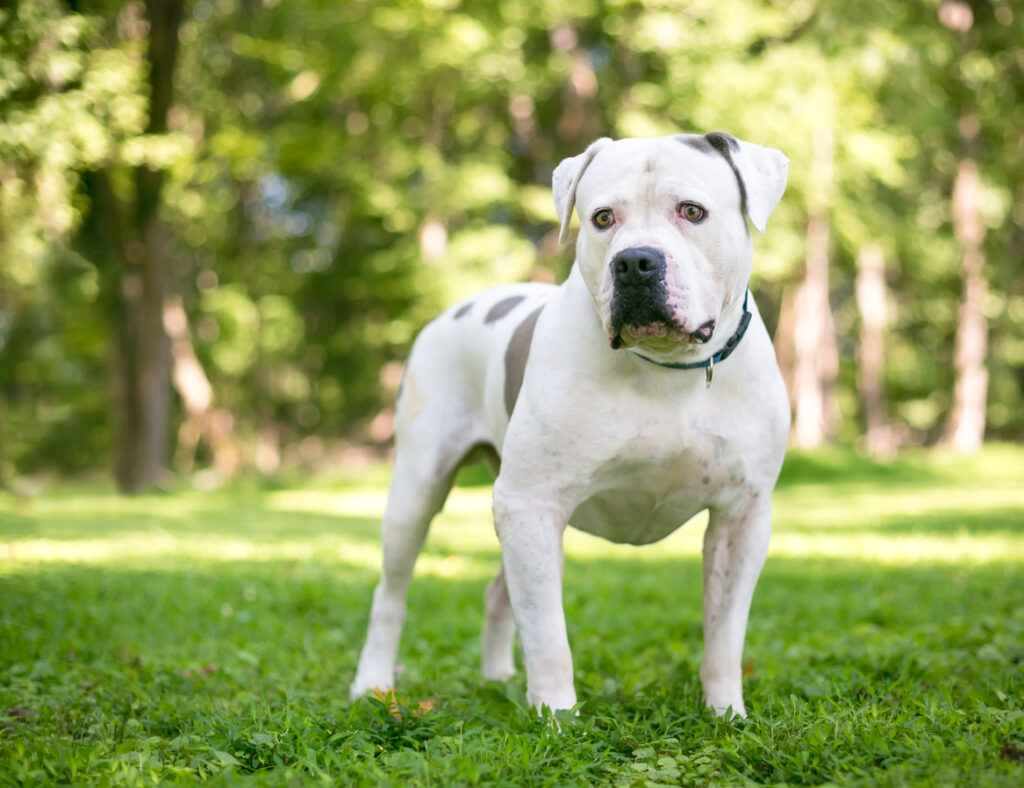
Some dogs have discovered through experience that barking and growling don’t actually make threats go away, so they’ve stopped bothering with warnings. This is particularly common in dogs that have been punished for vocalising their discomfort.
If a dog has been told off for growling when they’re scared, they might stop giving warnings but still feel just as threatened. This creates a dangerous situation where the dog appears calm right up until they attack.
They might be in pain or unwell.
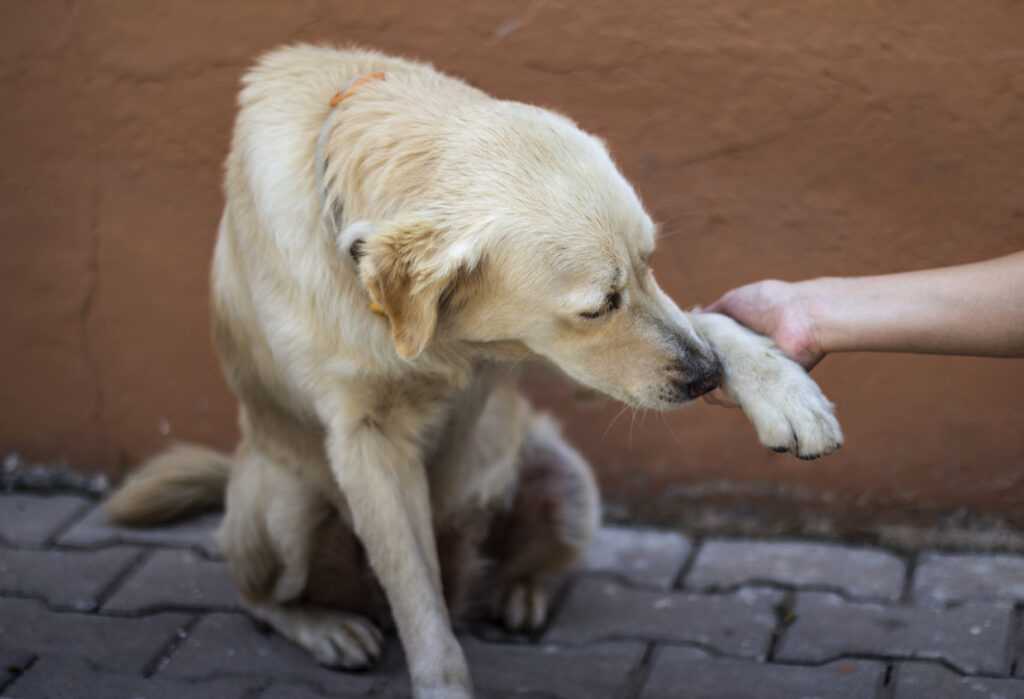
Dogs that are suffering from illness or injury often become quieter than usual, and pain can make even normally gentle dogs more likely to snap. A dog that’s usually vocal but has gone silent might be dealing with something that’s affecting their behaviour.
Pain changes how dogs process situations and can make them more defensive and less tolerant. If you notice a dog that’s normally chatty has gone quiet, it’s worth giving them extra space and being more cautious around them.
Silent dogs might have poor socialisation.

Dogs that haven’t been properly socialised often don’t know how to communicate their feelings appropriately, so they might skip normal warning signs entirely. They simply haven’t learned the usual rules of dog communication.
Well-socialised dogs understand the escalation process of warning sounds, then body language, then physical action. Dogs that missed this learning might go straight to biting because they don’t know how to express discomfort in less aggressive ways.
They could be resource guarding silently.
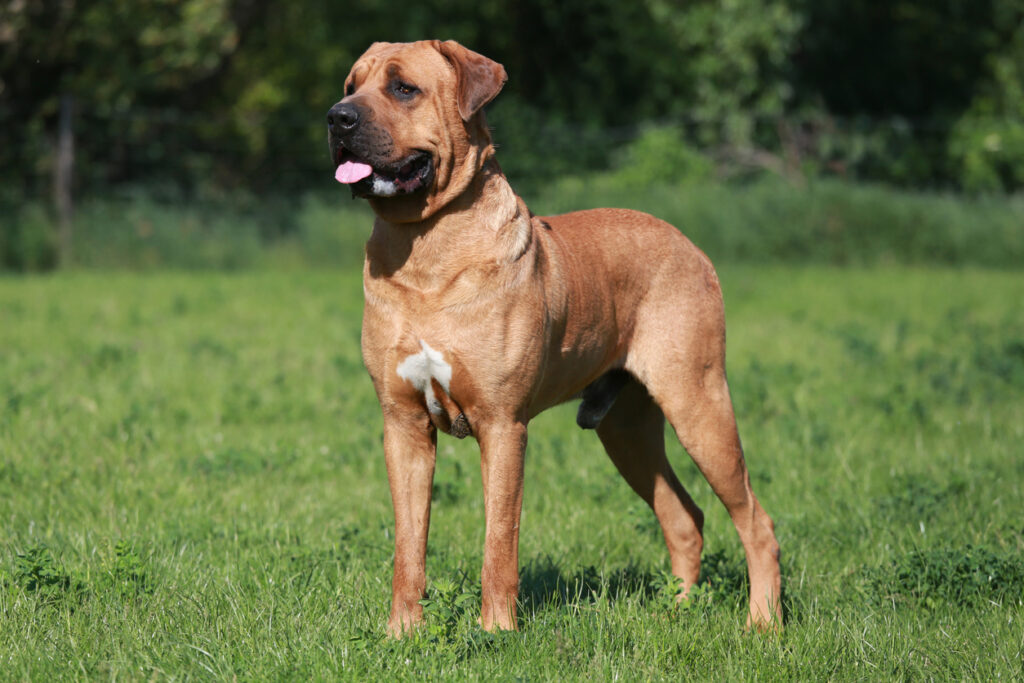
Some dogs will quietly position themselves near their food, toys, or favourite person and attack anyone who gets too close without obvious warnings. This silent guarding behaviour can catch people completely off guard.
These dogs have learned that being possessive works better when people don’t see it coming, or they’re so focused on protecting something that they don’t waste energy on warnings. Either way, it makes them unpredictable and dangerous.
They might be displaying predatory behaviour.
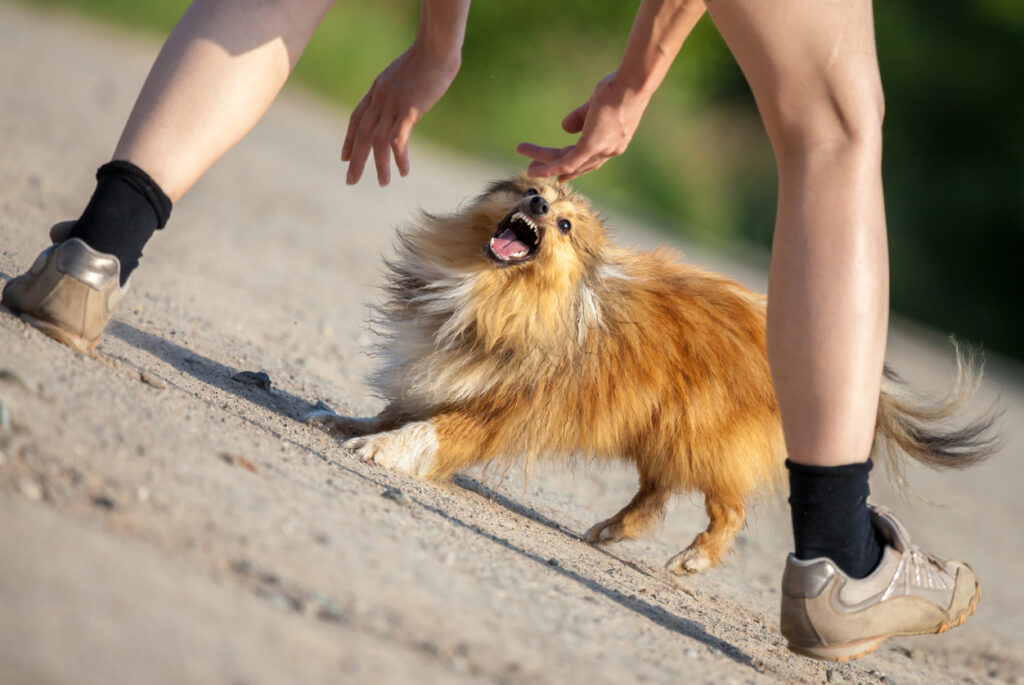
When dogs are in predatory mode, they naturally go quiet because hunting requires stealth and focus. This behaviour can be triggered by small children, small animals, or people who are running or cycling.
Predatory attacks are often silent because the dog isn’t angry or defensive, they’re following hunting instincts. These attacks can be severe because the dog isn’t trying to warn something away, they’re trying to catch what they see as prey.
Silent dogs might be highly trained for protection.
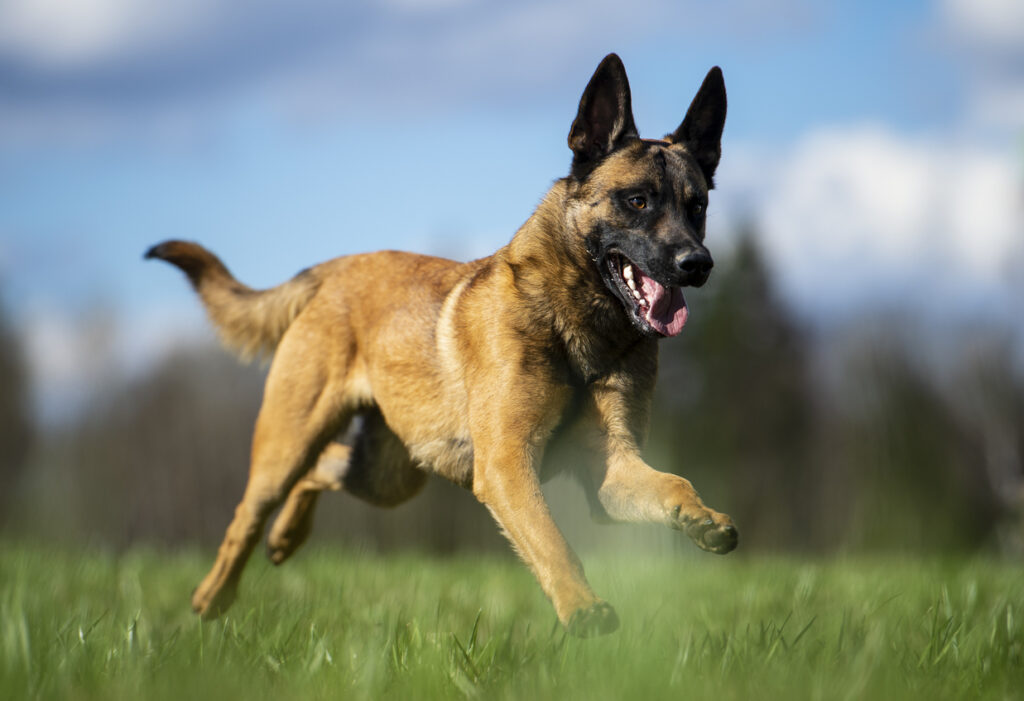
Some protection dogs or guard dogs are specifically trained to attack without warning because barking would alert intruders. These dogs can be extremely dangerous to people who don’t realise they’re dealing with a professionally trained animal.
Unlike pet dogs that bark to warn people away, protection dogs are taught that their job is to stop threats, not scare them off. This makes them much more likely to bite first and ask questions later.
They could be frozen in fear rather than being calm.
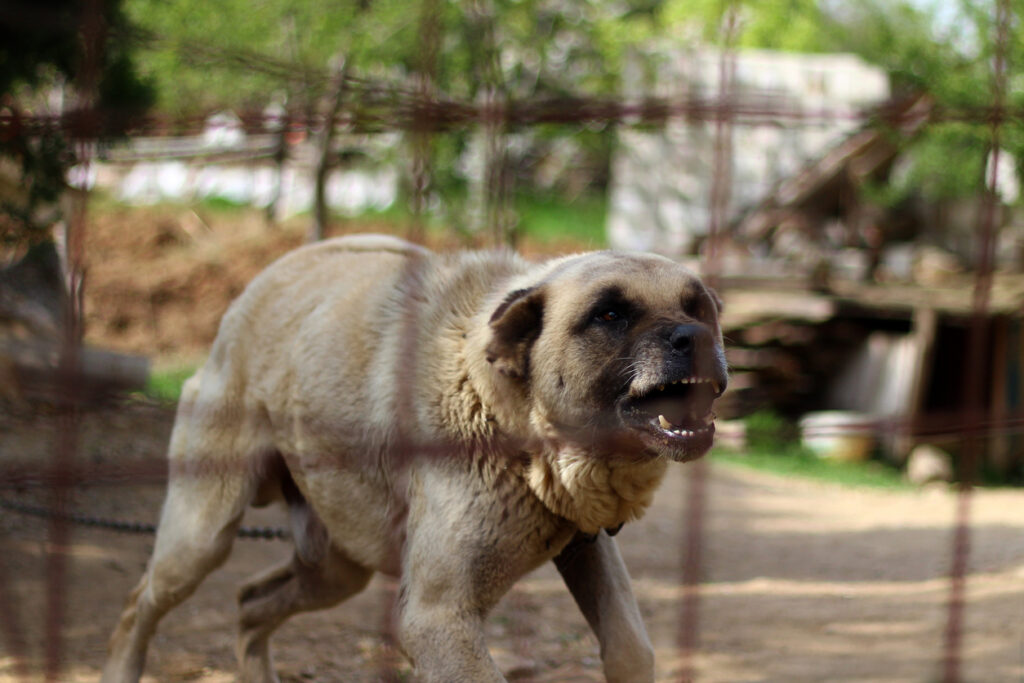
Sometimes what looks like a calm, quiet dog is actually a terrified animal that’s shut down emotionally and is too scared to move or make noise. These dogs can suddenly explode into defensive behaviour if they feel cornered.
Fear-based attacks often happen without warning because the dog has been too overwhelmed to give normal signals. When they finally react, it’s often with maximum force because they feel like it’s their last option.
They might have learned that silence is more effective.
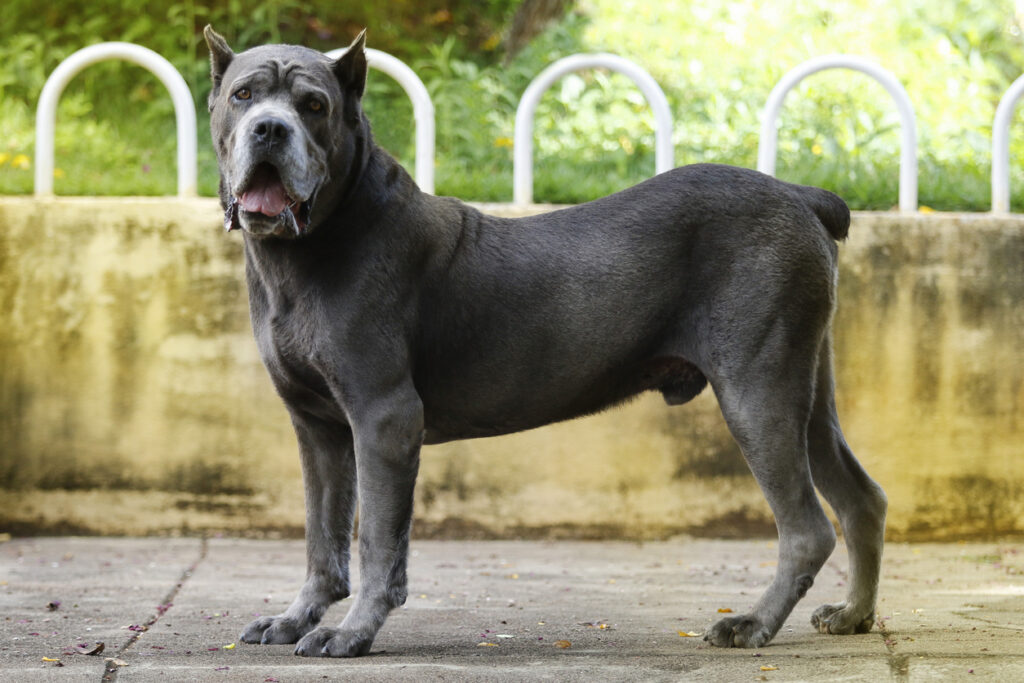
Some dogs figure out that staying quiet gets them closer to their target before attacking, making their aggression more successful. This is particularly dangerous because it means the dog has learned to be strategic.
Dogs that have discovered this approach are often more dangerous than emotional, reactive dogs because their attacks are planned and purposeful. They’re not just lashing out in fear, they’re using tactics they’ve learned work.
Silent dogs could be displaying redirected aggression.

Sometimes dogs become frustrated by something they can’t reach and redirect that aggression onto whatever’s nearby. This redirected aggression often happens without normal warning signs because the dog’s emotional state doesn’t match the situation.
For example, a dog wound up by seeing another dog through a window might attack a person who walks past. Because the aggression isn’t actually aimed at the victim, there might not be appropriate warning signs.
They might be protecting something you can’t see.
Dogs sometimes guard things that aren’t obvious to humans, like a spot where they’ve hidden food or an area where they feel safe. Their silent protection of these invisible resources can lead to seemingly unprovoked attacks.
Because you can’t see what they’re guarding, their defensive behaviour appears to come from nowhere. The dog might seem relaxed until you accidentally step into their protected zone, then they attack without warning.
Silent dogs might be giving warnings you don’t recognise.

Not all dog warnings are vocal, some dogs communicate discomfort through subtle body language that most people completely miss. A dog might be giving clear signs, but if you can’t read them, the attack seems to come from nowhere.
Learning to recognise subtle signs like whale eye, lip licking when not eating, or freezing in place can help you spot when a quiet dog is stressed. These silent signals are just as important as barking or growling for staying safe.
The key thing to remember is that any dog can potentially bite regardless of whether they’re vocal or not, but understanding why silent dogs might be more unpredictable can help you stay safer around unfamiliar animals.