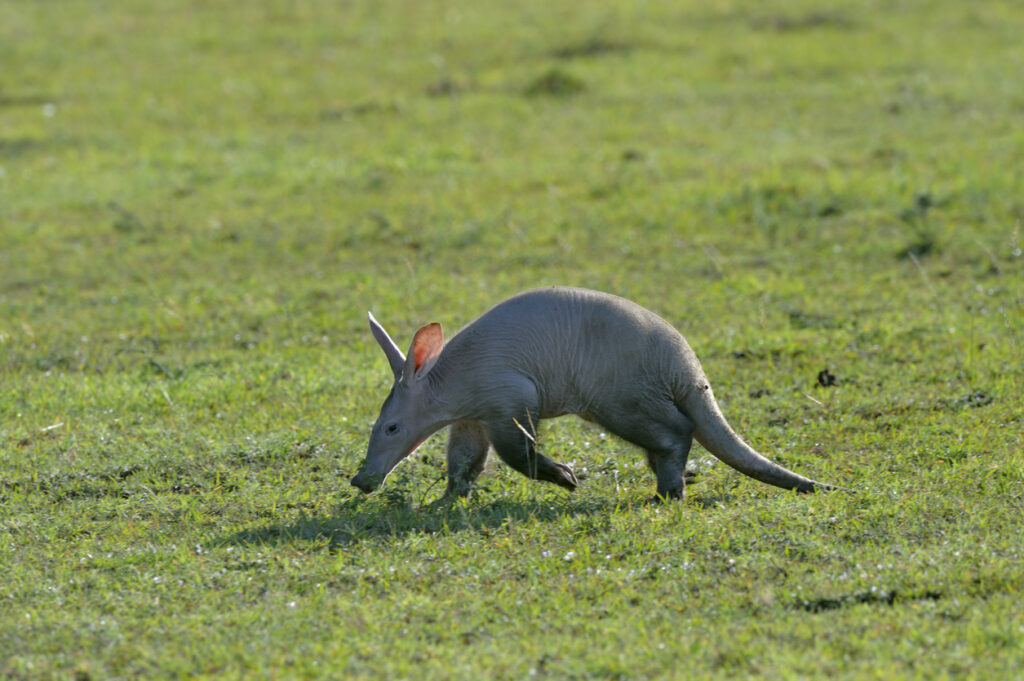
Aardvarks don’t look like they belong to any one group of animals, and that’s part of their charm.
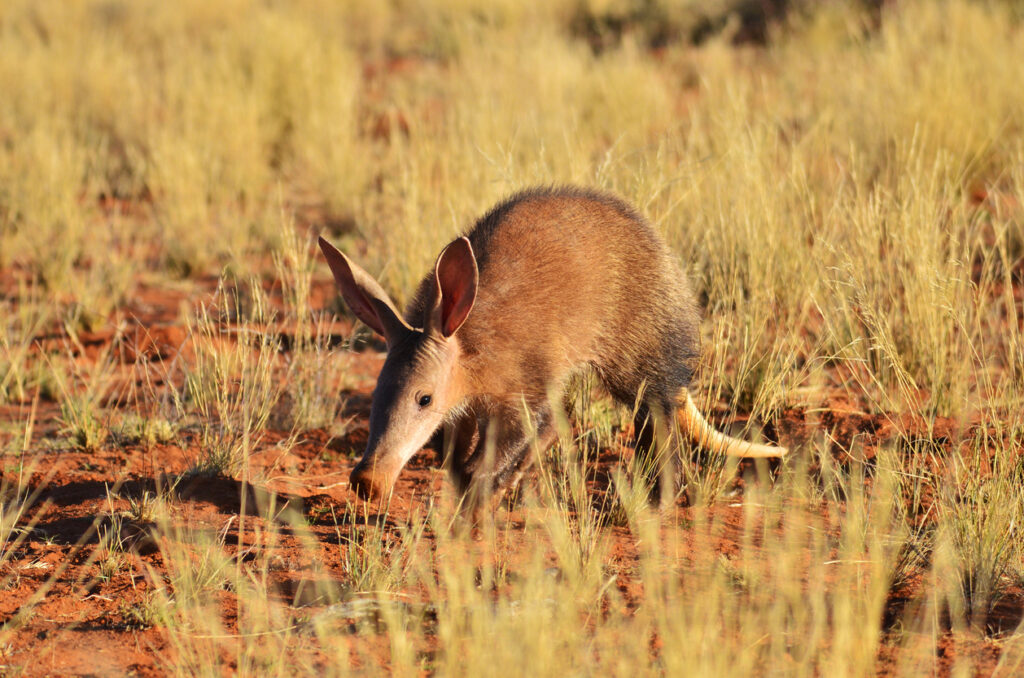
With rabbit-like ears, a pig-shaped snout, and claws built for digging, they’re one of Africa’s most unique mammals, and their quirks make them fascinating. Here are some of the most interesting facts about them you might not have known, but really should.
They’re the only living species of their kind.
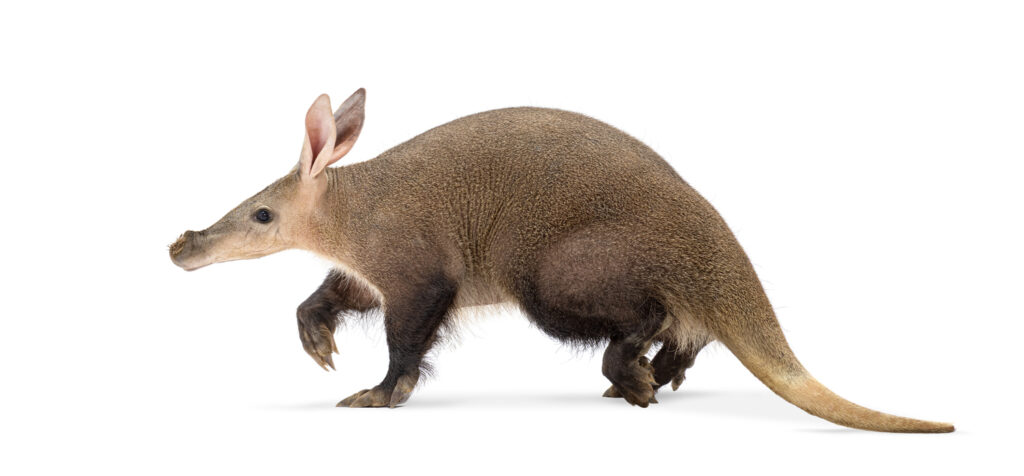
Aardvarks don’t have close relatives alive today. They belong to their own order of mammals, which makes them evolutionary loners. That means they’ve been doing their own thing for millions of years without splitting into multiple species.
It’s rare for an animal to stand alone like that, and it makes every aardvark important for understanding mammal history. Their uniqueness gives scientists a window into ancient ecosystems.
Their name literally means “earth pig.”
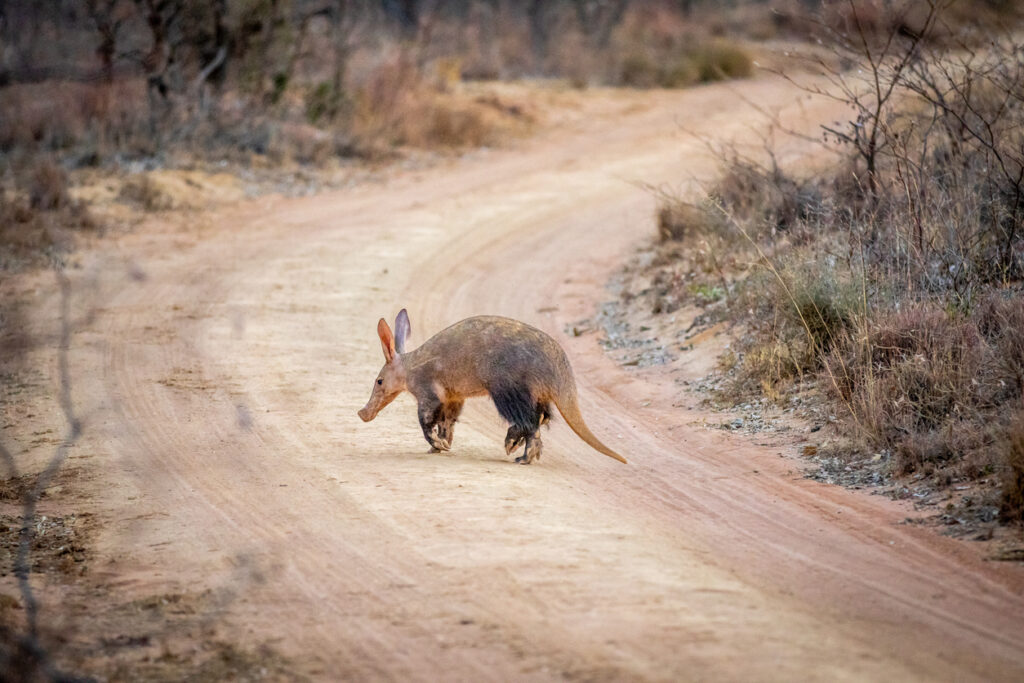
The word “aardvark” comes from Afrikaans and Dutch, and it translates to “earth pig.” It’s an easy name to understand once you see their long snout and digging habits, even though they’re not related to pigs at all.
The name highlights how humans first noticed their strange appearance. It stuck because there really isn’t a better description that captures them so neatly.
They’re built like expert diggers.
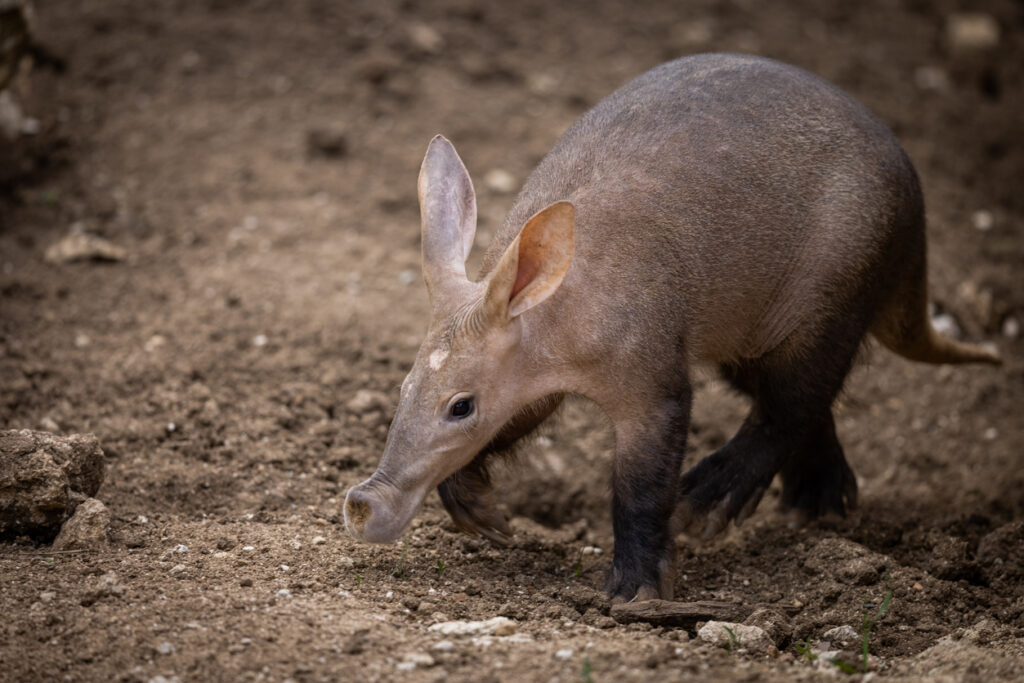
Aardvarks have strong forelimbs with claws that act like shovels. They can dig through hard soil quickly, which is how they reach food underground. These claws also make them excellent at building burrows for shelter.
The speed at which they dig is impressive, and it helps them escape danger too. If threatened, they can vanish underground faster than most predators expect.
They eat almost nothing but ants and termites.
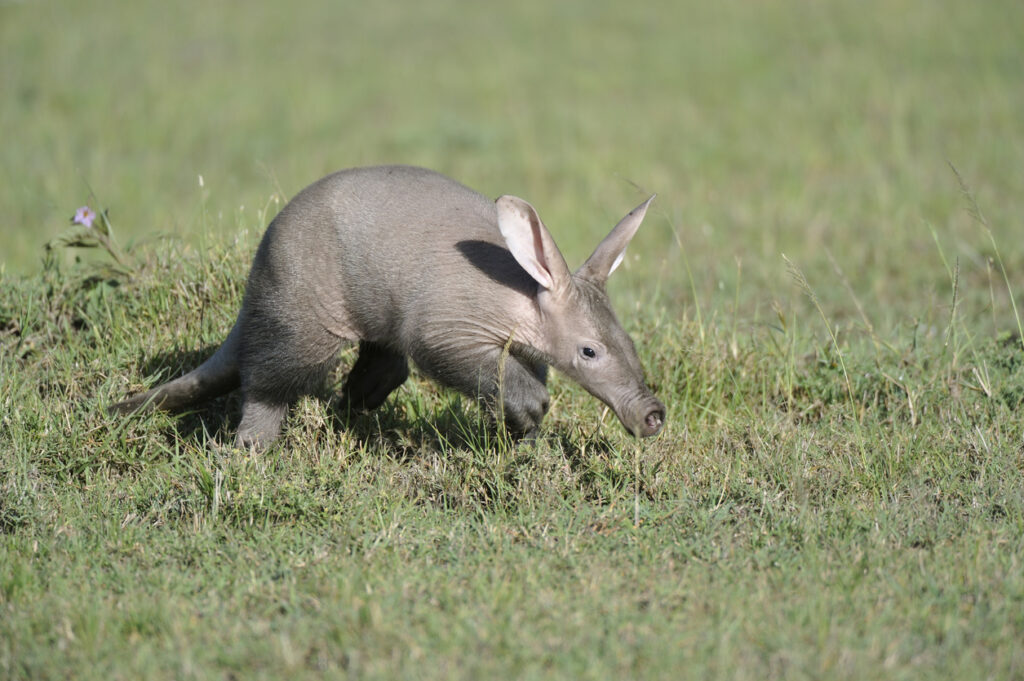
Aardvarks survive mainly on ants and termites, which is why they’re often called antbears. Their long, sticky tongue makes scooping up insects easy, and they can eat tens of thousands in a single night.
Their diet makes them crucial for balancing insect populations. Without aardvarks, termites especially could spread out of control in some regions.
Their tongues are surprisingly long.
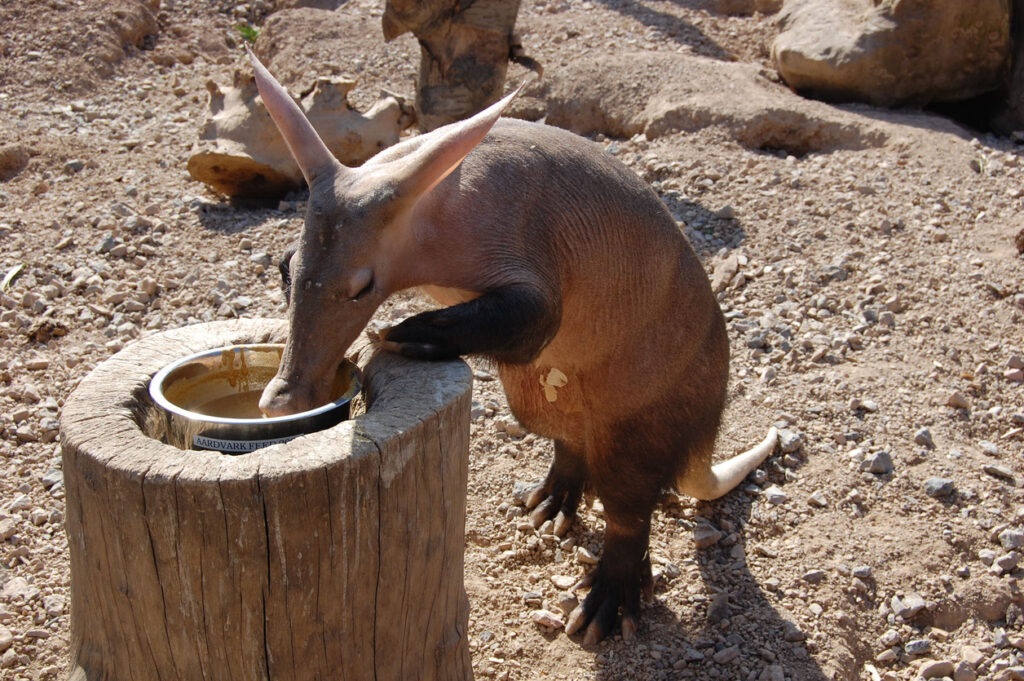
An aardvark’s tongue can stretch up to 30 centimetres, which is about the length of a school ruler. It’s covered in sticky saliva, so insects can’t escape once they touch it. This makes feeding quick and efficient.
It’s not just length that helps them, either. Their tongue is also tough enough to handle bites. This keeps them from getting hurt while they feed inside termite mounds.
They’re mostly nocturnal.
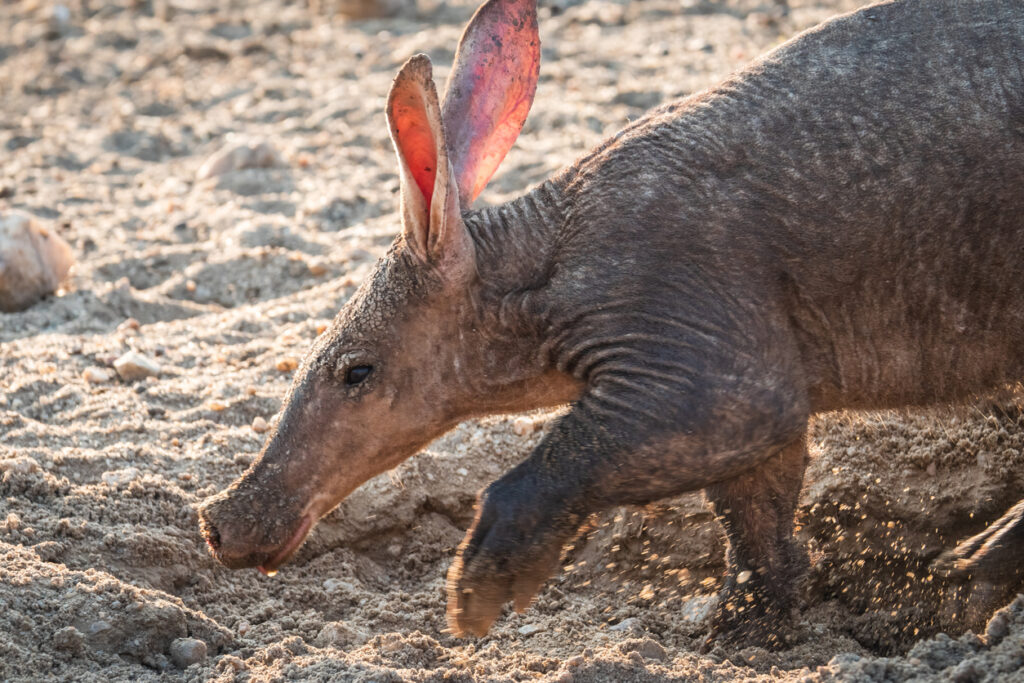
Aardvarks avoid the heat of the day by staying underground and only coming out at night. This helps them conserve energy and stay safe from predators. Their big ears and strong sense of smell help them hunt in the dark.
That lifestyle means many people in Africa never actually see them, even if aardvarks live nearby. They’re far more active when the world around them is quiet.
Their burrows help other animals.
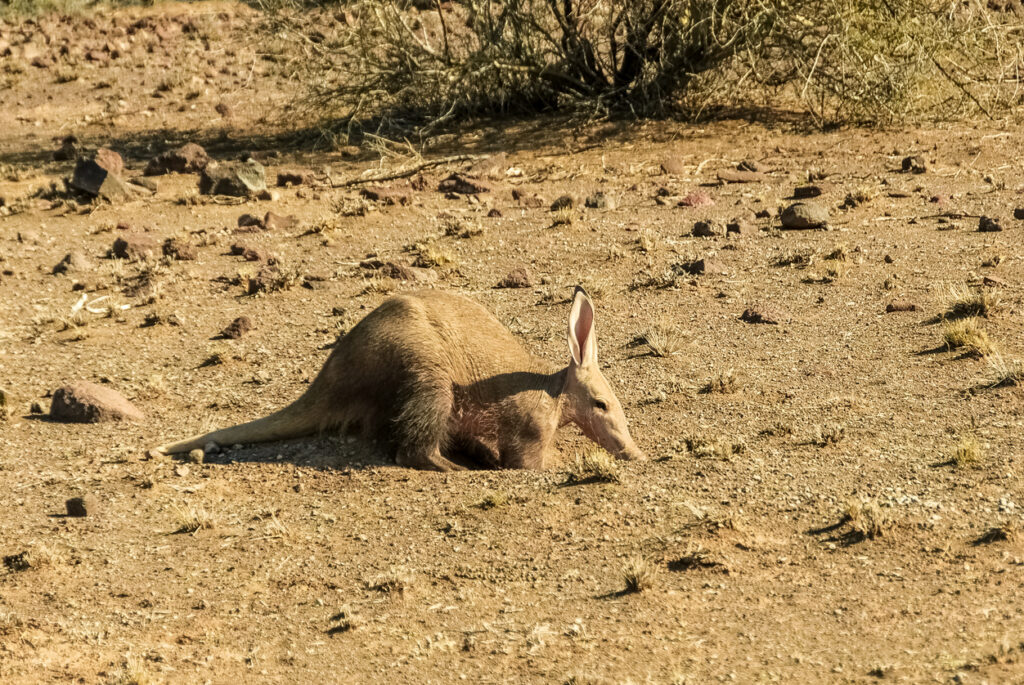
When aardvarks move on from a burrow, they leave behind tunnels and shelters that other species quickly use. From warthogs to reptiles and even birds, many creatures depend on these ready-made homes.
This makes aardvarks important “ecosystem engineers.” By digging for themselves, they end up supporting a whole chain of other species.
They’ve got unusual teeth.
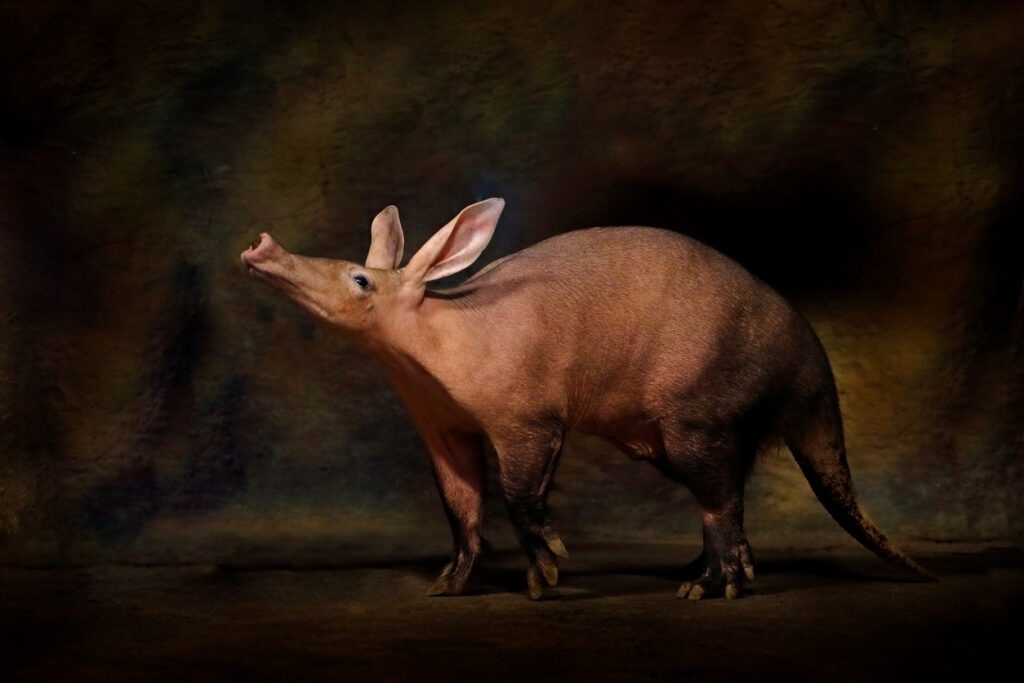
Aardvark teeth are very different from most mammals. They don’t have a protective enamel layer, and instead, their teeth grow continuously throughout their lives. This suits their insect diet, but it makes their skulls look unusual compared to other animals.
That feature sets them apart from most other mammals. Their teeth may look odd, but they’re perfectly adapted to crunching insects day after day.
They can hold their breath longer than you’d think.
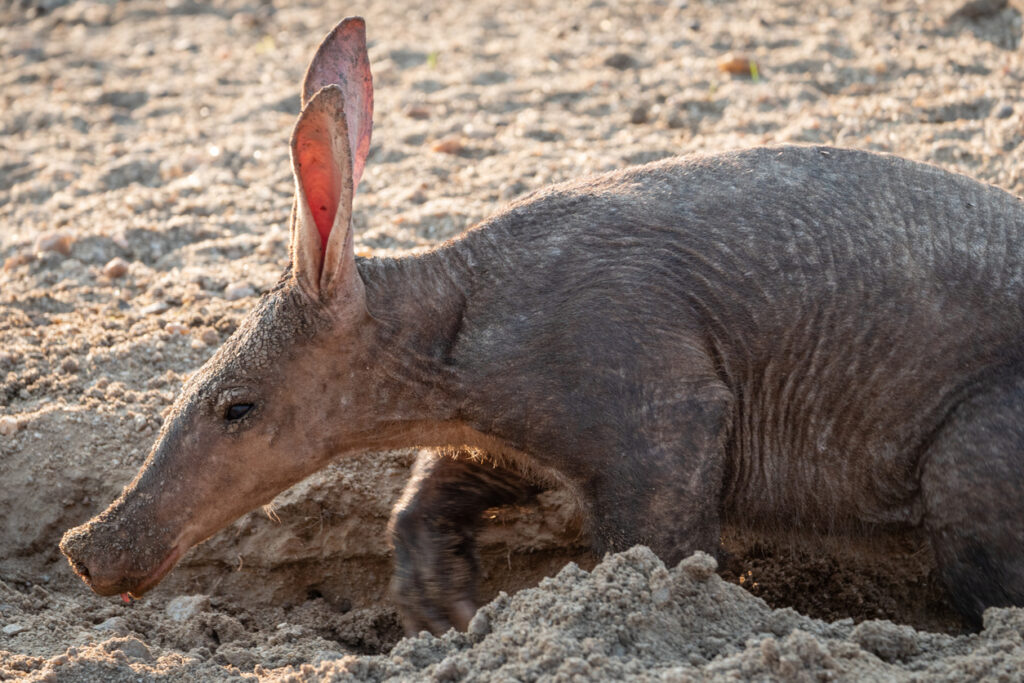
When digging deep into termite mounds, aardvarks can hold their breath for several minutes. This keeps dust out of their lungs and helps them stay focused on getting food. Their bodies are adapted for life underground in ways you wouldn’t expect.
It’s another reason they’re so efficient as diggers. While other animals would cough and choke, aardvarks just keep going until they get what they want.
They’re surprisingly fast runners.
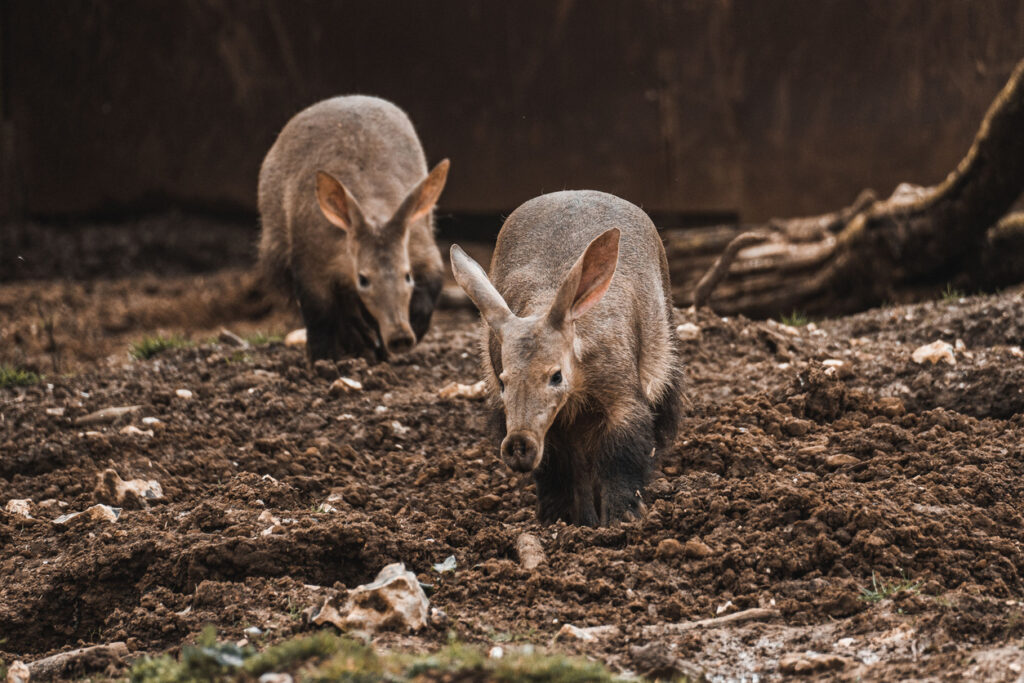
Despite their stocky build, aardvarks can run at decent speeds when threatened. Combined with their digging skills, this makes them hard prey to catch. Predators like lions or hyenas often give up once an aardvark makes it underground.
Having the ability to switch between sprinting and burrowing keeps them safe. They don’t look athletic, but their survival skills say otherwise.
They’re linked to folklore across Africa.
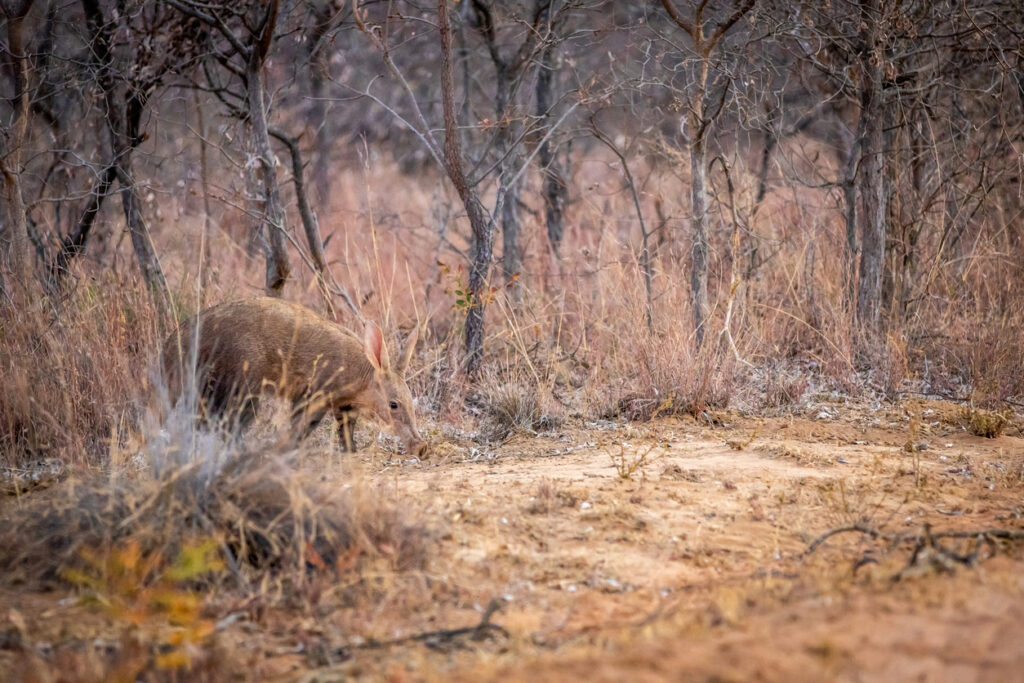
Many African cultures tell stories about aardvarks, often portraying them as symbols of diligence or shyness. Because they’re so rarely seen, they’ve gained a kind of mysterious reputation over time.
Folklore highlights how unusual animals capture human imagination. The aardvark’s strangeness has made it part of cultural identity, not just biology.
They’re under threat from habitat loss.
Aardvarks aren’t endangered yet, but their habitats are shrinking as farmland spreads. Fewer natural spaces mean fewer insects, and that directly impacts their survival. Climate change also threatens the delicate balance they rely on.
Protecting open landscapes helps aardvarks and the ecosystems they support. Their survival matters because losing them would affect far more than just one species.