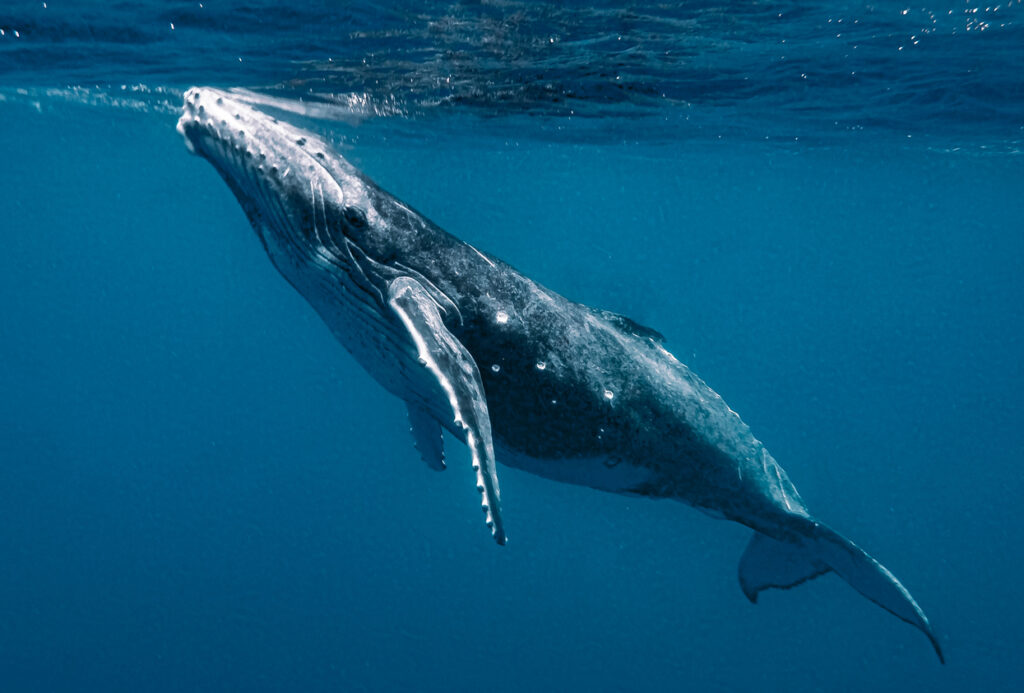
The natural world is full of creatures with extraordinary sensory abilities that make our human senses seem remarkably limited by comparison. We might be at the top of the food chain, but that doesn’t mean we’re the cleverest or even the most skilful. These amazing adaptations help animals survive in environments and situations where our basic five senses would leave us completely helpless.
1. Echolocation lets them navigate in complete darkness.
Bats, dolphins, and some whales can “see” their surroundings by making sounds and listening to how those sounds bounce back from objects around them. It creates a detailed mental map of their environment that works perfectly even in pitch darkness or murky water where vision is useless.
While humans can’t develop true echolocation, you can appreciate this ability by listening more carefully to how sounds reflect in different spaces. Notice how your voice sounds different in a small room versus a large hall or outdoors.
2. Magnetoreception helps them find their way across vast distances.
Many birds, sea turtles, and even some mammals can sense Earth’s magnetic field and use it like an internal compass for navigation. It allows them to migrate thousands of miles with pinpoint accuracy, returning to exact locations year after year without getting lost.
Humans rely on technology like GPS for navigation, but you can develop better natural wayfinding skills by paying attention to sun position, wind patterns, and landscape features when you’re outdoors.
3. Electroreception detects electrical fields from living creatures.
Sharks, rays, and some fish can sense the tiny electrical fields generated by other animals’ muscle contractions and heartbeats. As a result, it lets them hunt effectively in dark or murky water by detecting prey that’s trying to hide from them.
While you can’t sense electrical fields, you can become more aware of subtle environmental cues that might indicate the presence of wildlife, like unusual bird behaviour or changes in ambient sounds.
4. Infrared vision reveals heat signatures.
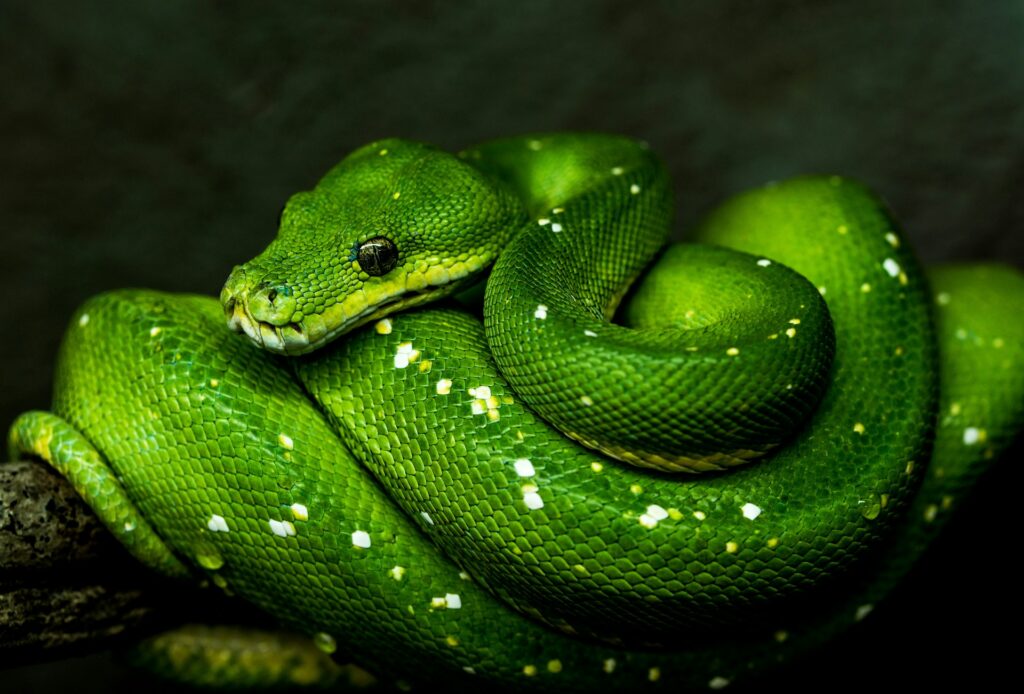
Snakes like pythons and rattlesnakes have special organs that detect infrared radiation, allowing them to “see” the body heat of warm-blooded prey even in complete darkness. Their thermal vision helps them hunt effectively and avoid predators.
Humans use thermal imaging technology for various purposes, but you can develop awareness of temperature differences in your environment that might indicate weather changes or the presence of animals.
5. Polarised light detection helps with navigation and hunting.
Many insects, birds, and marine animals can see polarised light patterns in the sky that are completely invisible to humans. It gives them additional navigation information and helps them spot prey or predators that might be camouflaged to normal vision.
Though you can’t see polarised light naturally, you can use polarised sunglasses to reduce glare and see more clearly underwater or in bright conditions, giving you a tiny taste of this ability.
6. Seismic sensitivity detects vibrations through the ground.
Elephants, snakes, and many other animals can feel vibrations travelling through the ground, alerting them to approaching threats, prey, or potential mates from great distances. This sense works like an early warning system for events happening far away.
You can develop better sensitivity to ground vibrations by paying attention to what you feel through your feet when walking barefoot or sitting on the ground, especially near water or in quiet natural areas.
7. Pressure sensitivity detects changes in water movement.
Fish have a lateral line system that senses tiny changes in water pressure and movement, helping them detect nearby objects, predators, or prey even when visibility is poor. It’s like having a sense of touch that extends throughout the surrounding water.
While swimming or wading, you can become more aware of how water movement around your body changes when objects or other swimmers are nearby, giving you a small appreciation for this sense.
8. Chemical gradient detection follows scent trails precisely.

Many animals can follow incredibly faint chemical trails with amazing precision, detecting concentration gradients that tell them exactly which direction to go. Dogs, ants, and salmon use this ability to find food, navigate, or return to breeding grounds.
Though human smell is limited, you can improve your awareness of scents in the environment and how they change with weather conditions, wind direction, and time of day to better understand your surroundings.
9. Barometric pressure sensitivity predicts weather changes.
Many animals can sense changes in atmospheric pressure that indicate approaching weather systems, often hours or days before humans notice any signs. It helps them prepare for storms, find shelter, or adjust their behaviour accordingly.
You can develop sensitivity to pressure changes by paying attention to how you feel physically when weather is changing, as many people experience joint aches or headaches before storms arrive.
10. UV vision reveals hidden patterns and colours.
Bees, birds, and many other animals can see ultraviolet light, revealing patterns on flowers, markings on other animals, and environmental features that are completely invisible to human eyes. It opens up an entire spectrum of visual information we’re missing.
While you can’t see UV light naturally, UV photography can show you some of the hidden patterns animals see, helping you appreciate how different the world looks to creatures with this skill.
11. Hygroreception detects humidity changes.
Some insects and spiders can sense tiny changes in humidity levels, helping them find suitable environments for survival and reproduction. This sense helps them locate water sources or avoid areas that might be too dry or too moist.
You can become more aware of humidity changes by paying attention to how the air feels on your skin in different locations and weather conditions, developing a better sense of environmental moisture levels.
12. Temporal sensitivity detects time-based environmental changes.
Many animals have incredibly precise internal clocks that let them sense subtle changes in daylight length, tidal cycles, or seasonal patterns. It helps them time migrations, breeding, and other important life events with remarkable accuracy.
While humans have disrupted natural time awareness with artificial lighting, you can reconnect with natural rhythms by paying attention to sunrise and sunset times and how they change throughout the seasons.
13. Gravitational orientation maintains balance in any position.
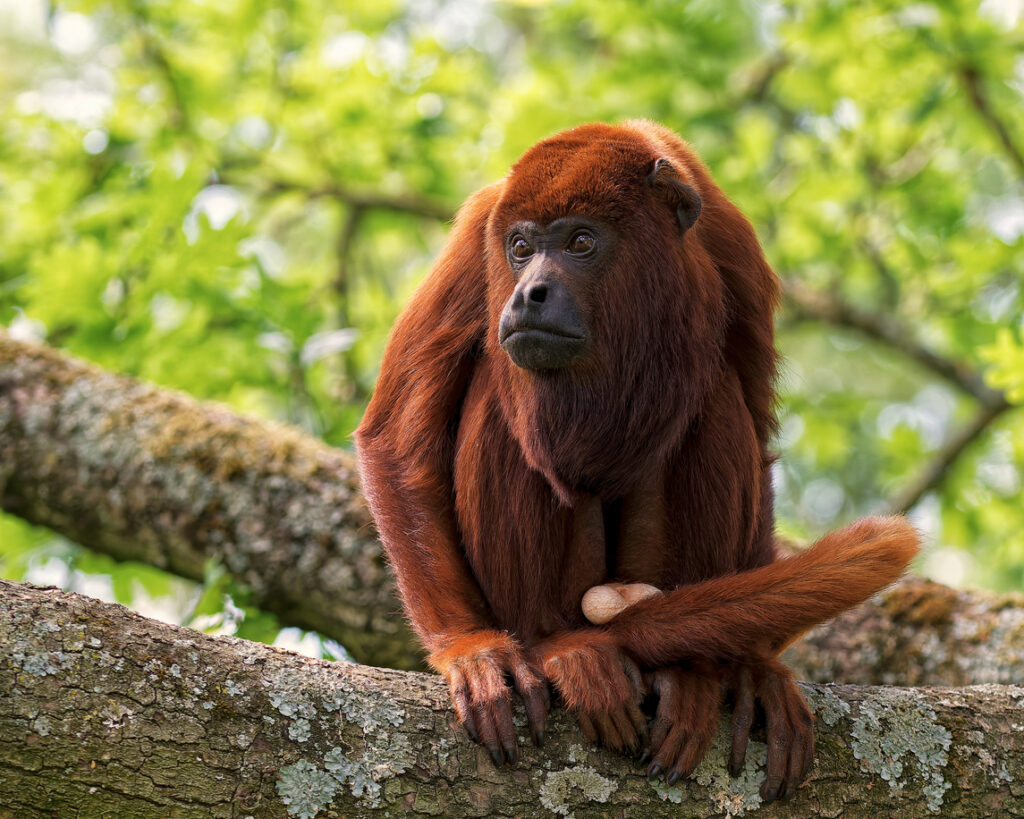
Many animals have enhanced gravity-sensing organs that help them maintain perfect orientation even when upside down, spinning, or in complex three-dimensional environments. It’s especially important for flying, swimming, and climbing creatures.
Though human balance organs are less sophisticated, you can improve your spatial awareness through activities like yoga, dance, or martial arts that challenge your ability to maintain orientation in different positions.
14. Current detection senses water and air flow patterns.
Fish, birds, and marine mammals can detect subtle currents in water or air that help them navigate efficiently and save energy during long journeys. They use these invisible highways to travel faster and with less effort.
When swimming or being outdoors in windy conditions, you can develop awareness of how currents affect your movement and energy expenditure, appreciating how animals use these forces to their advantage.