Every year, Britain becomes a crucial stopover point for some of the world’s rarest migrating birds.
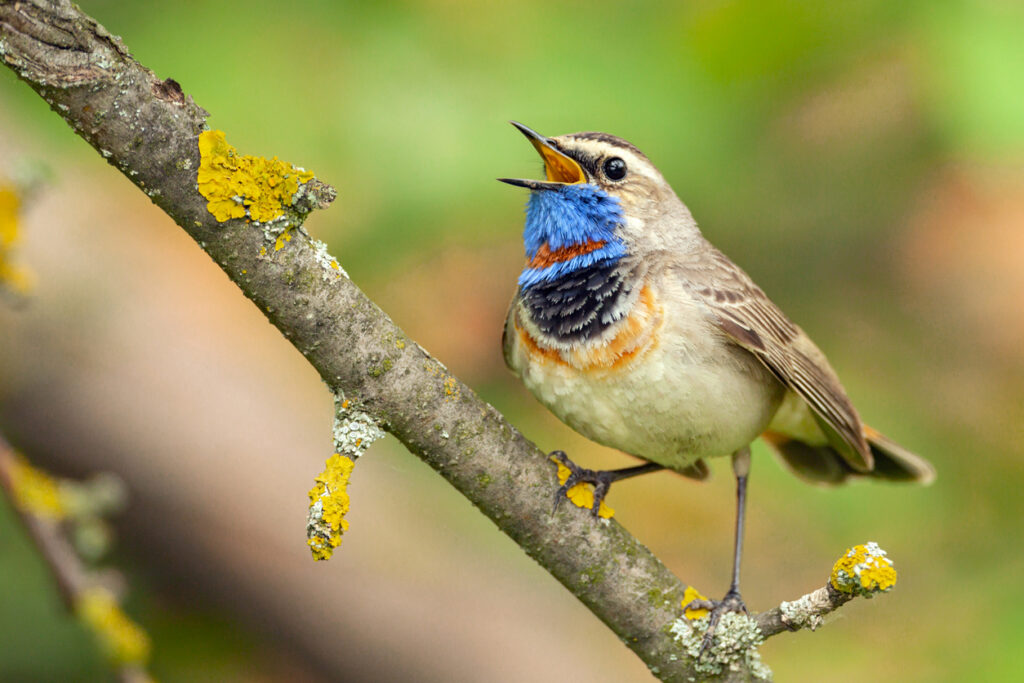
For birdwatchers, this presents some incredible opportunities to spot species that are almost impossible to see anywhere else. Depending on where you are in the UK, these are some of the rarest and most beautiful species that stop by for a spell and are well worth seeking out.
1. The yellow-browed warbler stops along the east coast in autumn.

This tiny gem from the Siberian forests has become increasingly common in recent years, typically turning up from September onwards at coastal sites. They’re easier to spot by their distinctive call than by sight, but their bright yellow eyebrow stripe and double wingbars make them unmistakable once you find one.
Your best bet is visiting well-watched coastal locations on the east coast, particularly places like Flamborough Head in Yorkshire, Spurn Point, and Norfolk’s coast during October. Listen for their sharp “shueet” call in mixed flocks of other small birds feeding in scrubland and coastal woods.
2. Hoopoes arrive during spring migration from Africa.
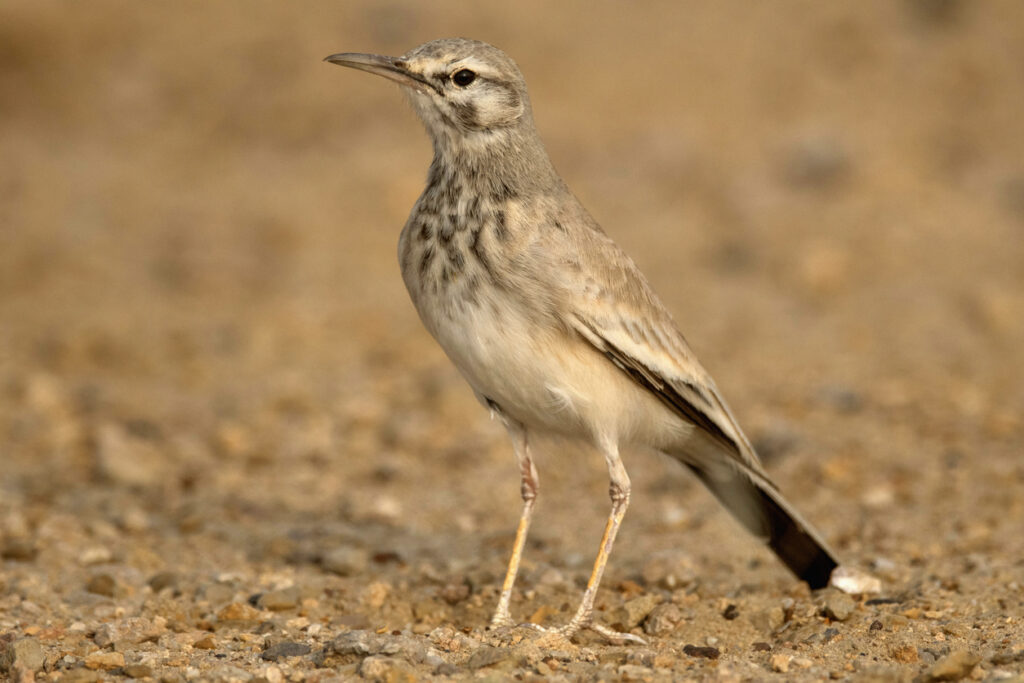
These exotic-looking birds with their striking crest and black-and-white striped wings cause quite a stir when they turn up in Britain. They breed across southern Europe and winter in Africa, but spring weather patterns sometimes blow them off course to our shores, particularly in the south.
Recent influxes have seen hoopoes recorded at over 40 locations, mostly in southern England including places like Wexford, Waterford, Kent, and Sussex. They prefer short grassland and parkland where they can probe for insects, so golf courses and playing fields are good places to check.
3. Bluethroats appear on coastal headlands during migration.
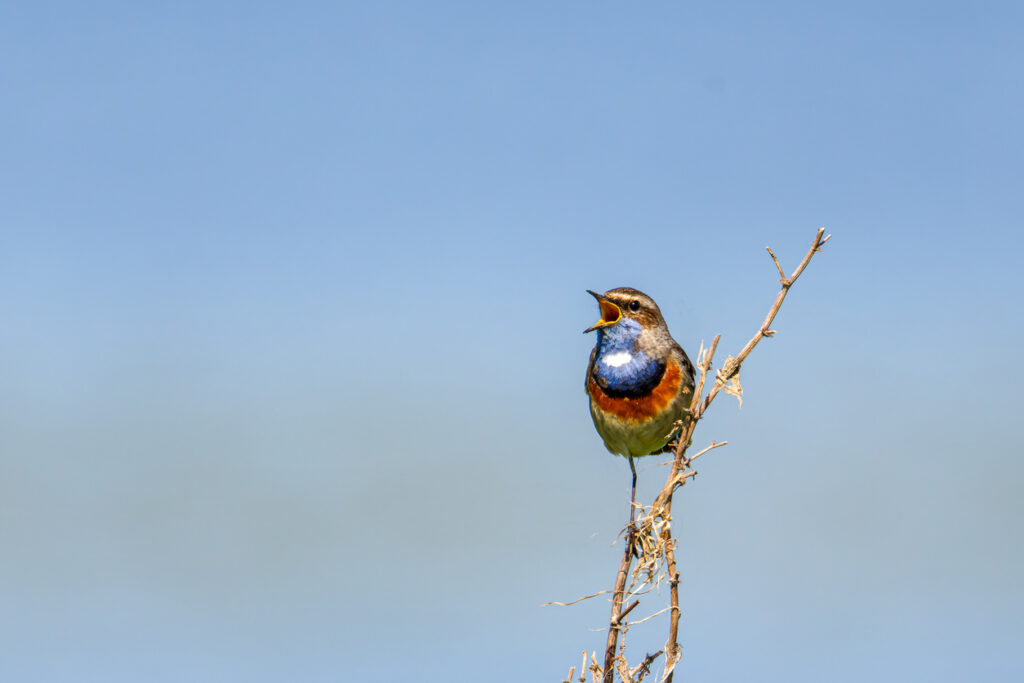
These stunning relatives of the robin sport an electric blue throat with distinctive markings and are genuine rarities when they turn up in Britain. Most records come from autumn migration, when young birds get blown off course by storms, particularly easterly winds pushing them from Scandinavia.
Brownstown Head in Waterford recently hosted two bluethroats, while Norfolk headlands like Cley and Blakeney Point are classic spots for finding these gems. They prefer scrubby coastal areas with berry-bearing bushes, where they can feed while recovering from their journey.
4. Red-flanked Bluetails arrive from Siberia on easterly winds.
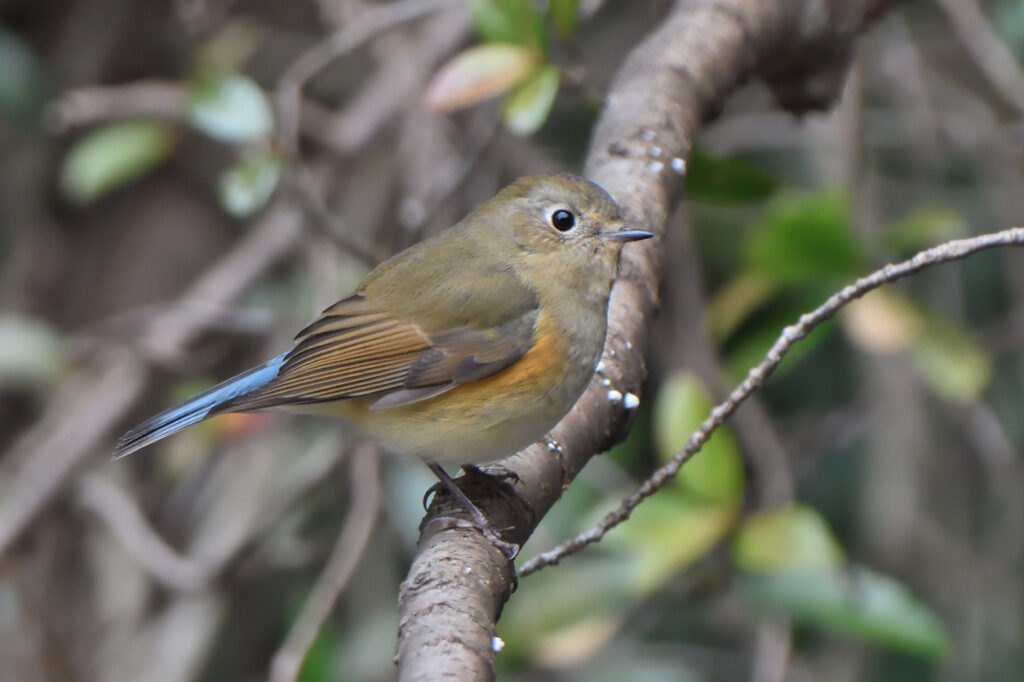
These beautiful small birds from the forests of Siberia occasionally turn up in Britain during autumn migration, particularly when easterly weather systems bring them across from their usual routes. The males have stunning blue upperparts and orange flanks, while females are more subtle but equally distinctive.
Fair Isle between Orkney and Shetland is famous for recording these rarities, along with other Scottish islands and east coast headlands. They’re typically found in coastal scrub and gardens, where they catch insects and feed on berries during their unexpected British stopovers.
5. Pallas’s Warblers make epic journeys from Asia.

Even tinier than yellow-browed warblers, these remarkable birds breed in the mountains of central Asia and occasionally overshoot their intended wintering grounds to end up in Britain. They’re incredibly rare, but Fair Isle and other northern isles have the best track record for finding them.
The bird observatory on Fair Isle offers expert guidance and excellent viewing opportunities for spotting these Asian vagrants. When they do turn up, they’re usually found in mixed feeding flocks with other small migrants in coastal scrubland and gardens.
6. Bee-eaters occasionally breed in southern England.
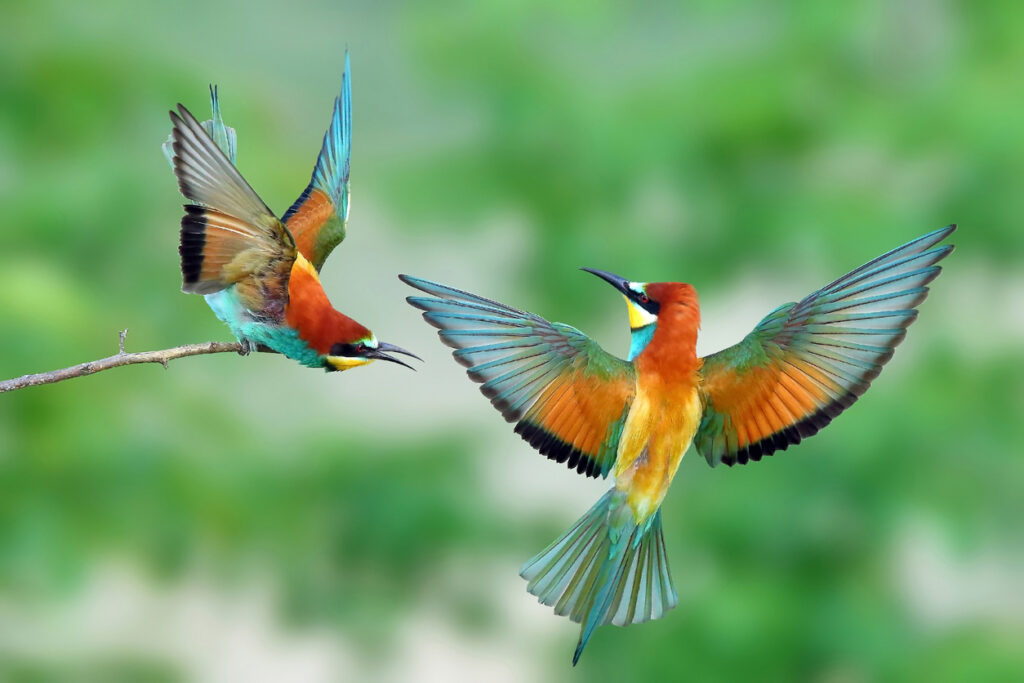
These spectacular birds with their golden-yellow and turquoise plumage normally breed across southern Europe, but warming temperatures and southerly winds sometimes bring them to Britain, where pairs occasionally attempt to nest. They’re aerial hunters that catch flying insects on the wing.
When bee-eaters do turn up in Britain, it’s usually in southern counties like Kent, Sussex, or Hampshire. They prefer open country with scattered trees and often perch on wires or bare branches between hunting flights. Recent climate change has made sightings more frequent.
7. Wrynecks turn up during autumn passage.
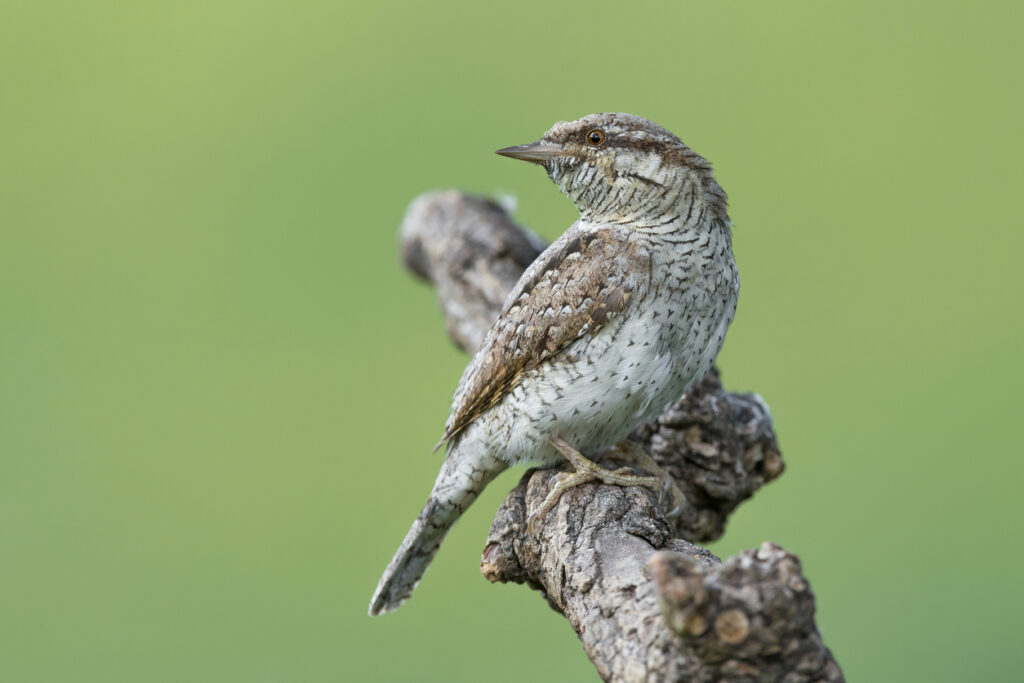
These cryptically-patterned members of the woodpecker family were once regular British breeders, but now only appear as passage migrants. Their mottled brown plumage provides perfect camouflage, but their snake-like neck movements when threatened give them their name.
East coast migration hotspots like Spurn Point, Flamborough, and Norfolk regularly record wrynecks during autumn passage. They prefer areas with short grass where they can hunt for ants, their favourite food, so golf courses and playing fields near the coast are good places to search.
8. Waxwings invade during irruption years.
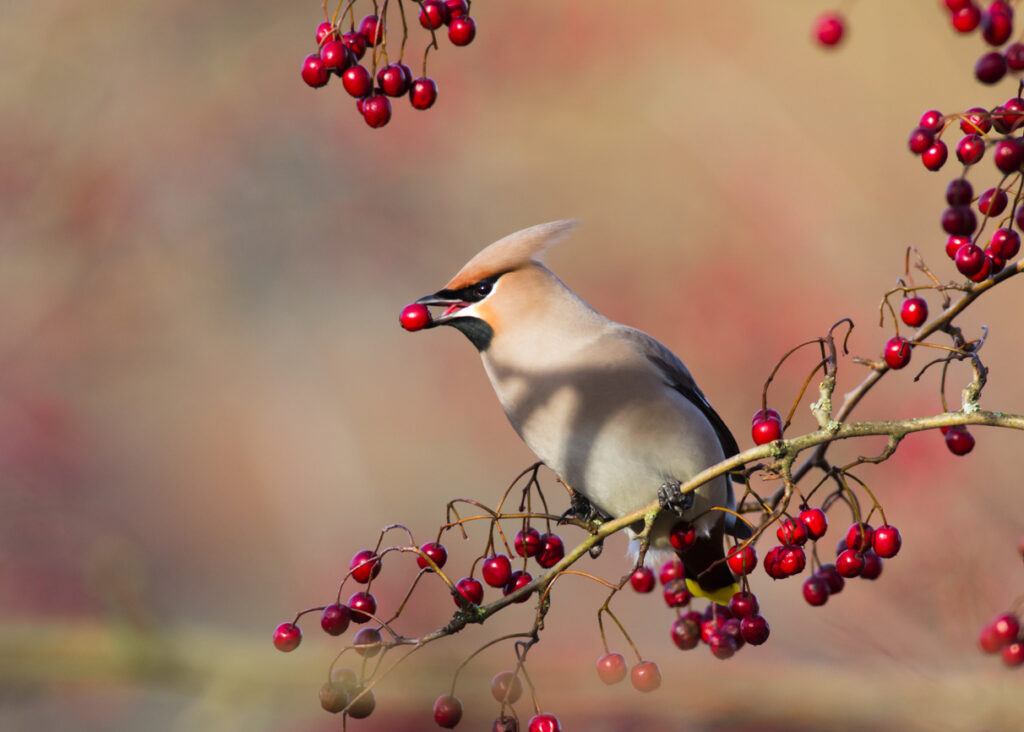
These stunning pink and grey birds with their distinctive crests normally live in northern European forests, but every few years when berry crops fail, they invade Britain in large numbers. These irruptions happen roughly every decade and can bring thousands of birds to unexpected locations.
During irruption years, waxwings can turn up anywhere there are berry-laden trees and bushes, including town centres, car parks, and suburban gardens. They have a particular fondness for rowan berries and can often be found in supermarket car parks where ornamental trees provide easy feeding.
9. Great Grey Shrikes hunt from prominent perches.
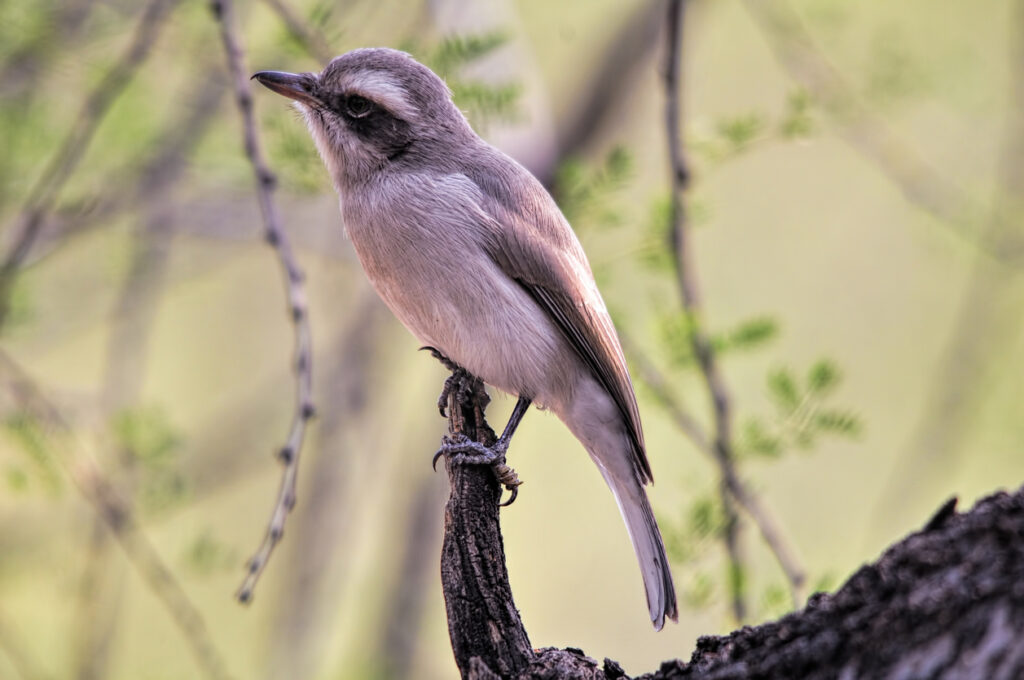
These impressive predatory birds occasionally spend winter in Britain, particularly in areas of open heathland and rough grassland. They’re striking birds, larger than most British species, with grey upperparts, white underparts, and distinctive black masks around their eyes.
The New Forest, Surrey heaths, and Breckland in Norfolk are traditional wintering areas for great grey shrikes. They hunt from prominent perches like lone trees or fence posts, dropping down to catch small mammals, birds, and insects before returning to their lookout point.
10. Ring Ouzels pass through during spring and autumn.
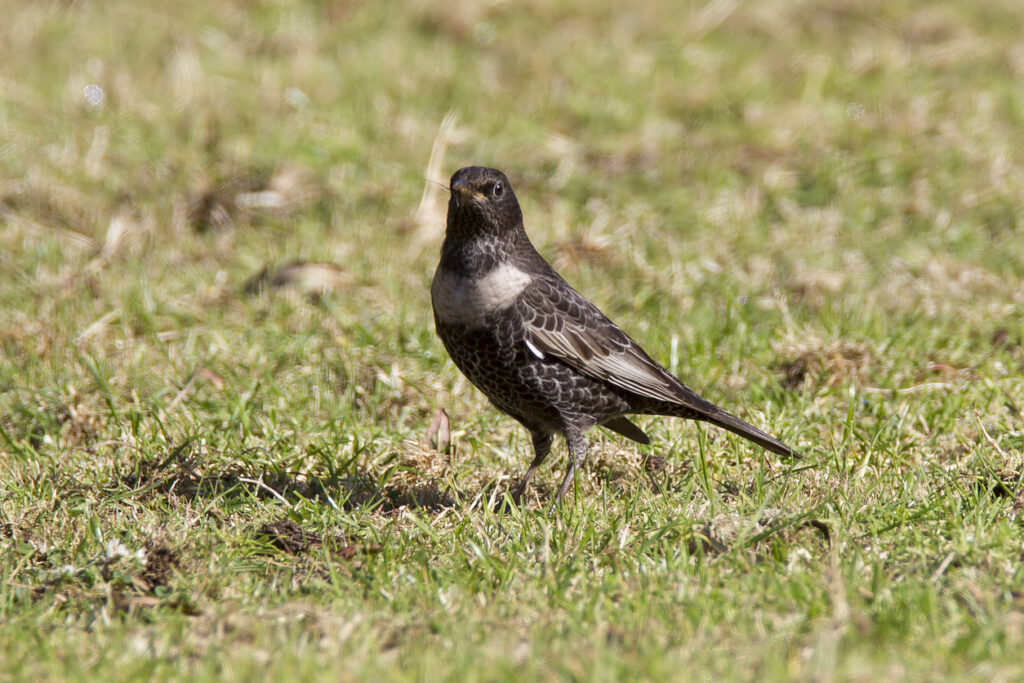
These mountain blackbirds with their distinctive white chest patches stop off in Britain during migration between their breeding grounds in northern Europe and wintering areas in North Africa. They’re passage migrants rather than residents, making them special when they do appear.
Spurn Point and other east coast migration sites regularly record ring ouzels during peak migration periods in April-May and August-September. They prefer areas with short grass and scattered bushes, where they can hunt for insects and worms during their stopover.
11. Short-eared Owls arrive from northern Europe.
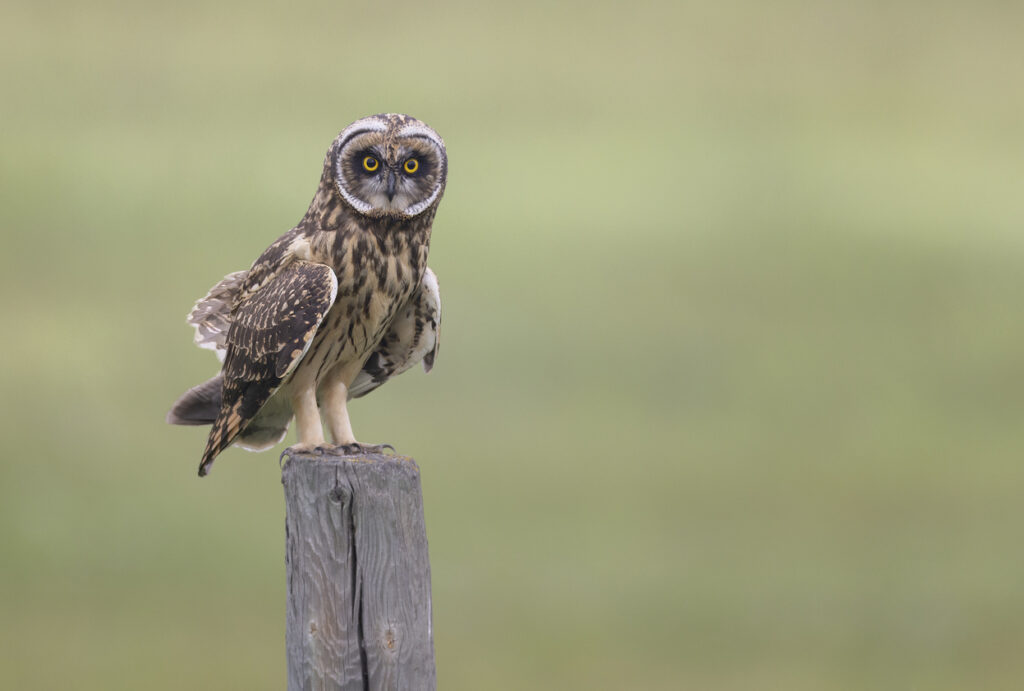
While some short-eared owls breed in Britain, our numbers are boosted significantly during winter by migrants from Scandinavia and northern Europe. These day-flying owls hunt over open country and can often be seen quartering grassland and marshes during daylight hours.
Coastal marshes, rough grassland, and young forestry plantations are prime habitat for wintering short-eared owls. Places like the Somerset Levels, Northumberland coast, and Scottish islands regularly host good numbers during winter months when they’re easiest to spot.
12. Rough-legged Buzzards hunt over open country.
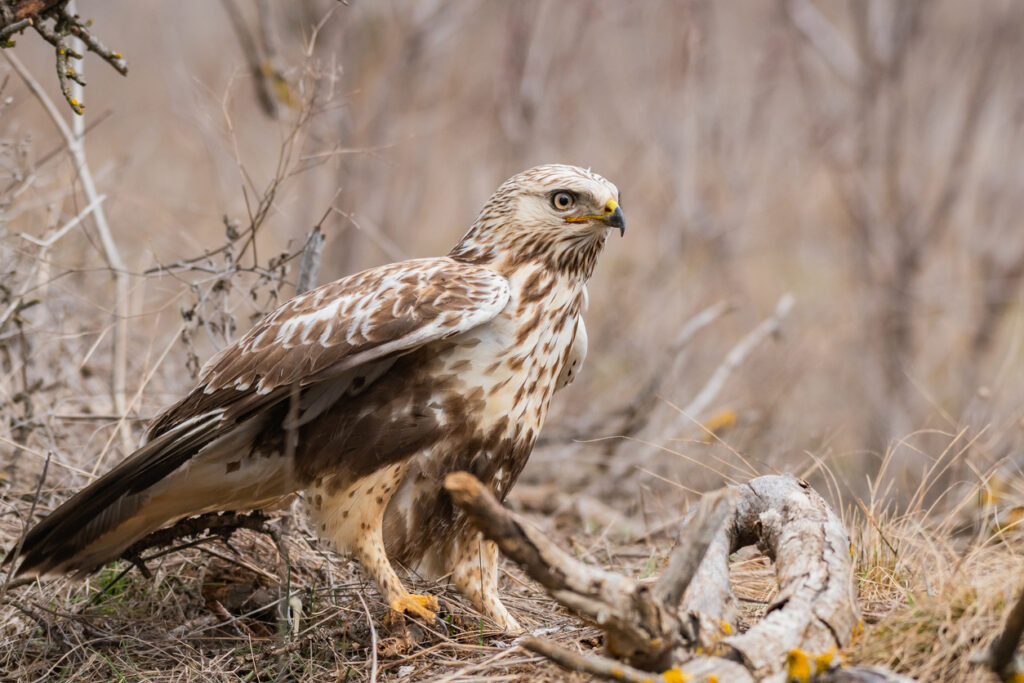
These Arctic breeding buzzards occasionally spend winter in Britain, particularly in areas of rough grassland, moorland, and coastal marshes. They’re larger than common buzzards with distinctive white patches at the base of their tails and often hover while hunting.
East Anglian fenland, Scottish uplands, and Pennine moorland are traditional areas for spotting wintering rough-legged buzzards. They prefer open country where they can hunt small mammals and can often be seen perching on fence posts or hovering over potential prey.
13. Goldcrests arrive in massive numbers during autumn.
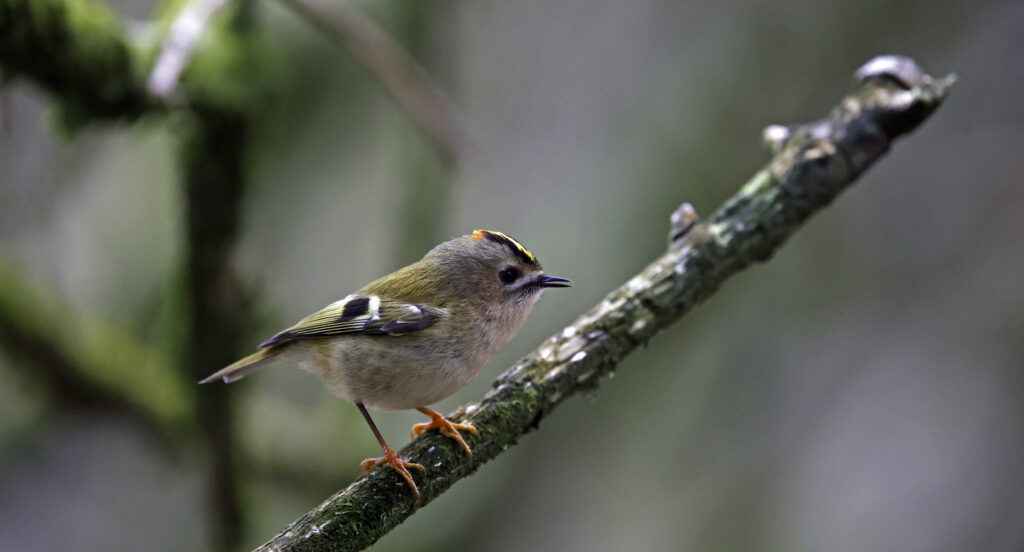
While goldcrests breed in Britain, our tiny resident population is massively boosted during autumn by migrants from Scandinavia. These Europe’s smallest birds somehow manage to cross the North Sea, arriving exhausted on our east coast in huge numbers during good migration conditions.
East coast locations from Shetland down to Norfolk experience spectacular arrivals of goldcrests during autumn migration, particularly after clear, calm nights with easterly winds. They can be found in any coastal scrub or woodland, where they feed frantically to recover from their sea crossing.