You’ve probably seen them all over social media, those adorable little marsupials with perpetual grins that seem to embody pure joy.

Quokkas have earned the title of “world’s happiest animal,” but here’s the thing: they’re not actually smiling, and they’re certainly not as cheerful as they appear. Sorry to burst your bubble, but it’s better to know the truth, right?
The smile you’re seeing isn’t really there.

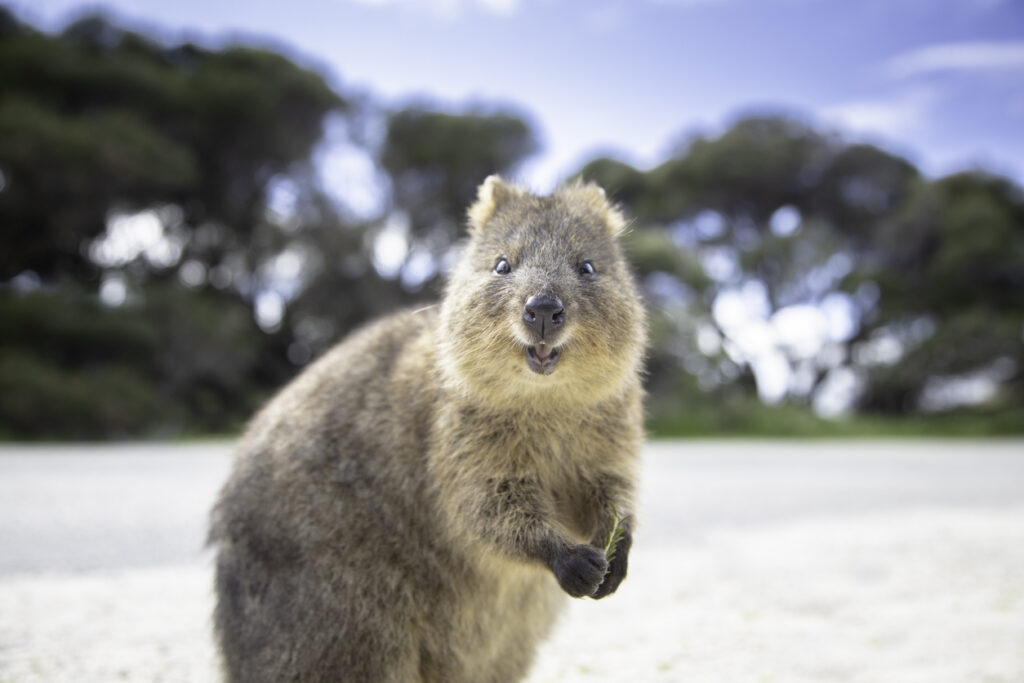
That famous quokka “smile” is simply the result of their facial muscles and protruding front teeth, not any genuine expression of happiness. Their upturned mouth shape and panting habit create the illusion of constant contentment, but it’s purely anatomical. Think of it like how some dogs appear to be smiling when they’re just hot and panting.
In reality, quokkas are wild animals with all the wariness and defensive behaviours that come with surviving in nature. They’ve just happened to evolve with faces that look perpetually cheerful to human eyes. It’s a classic case of humans projecting our own emotions onto animals based on appearances.
They’re actually quite defensive when cornered.
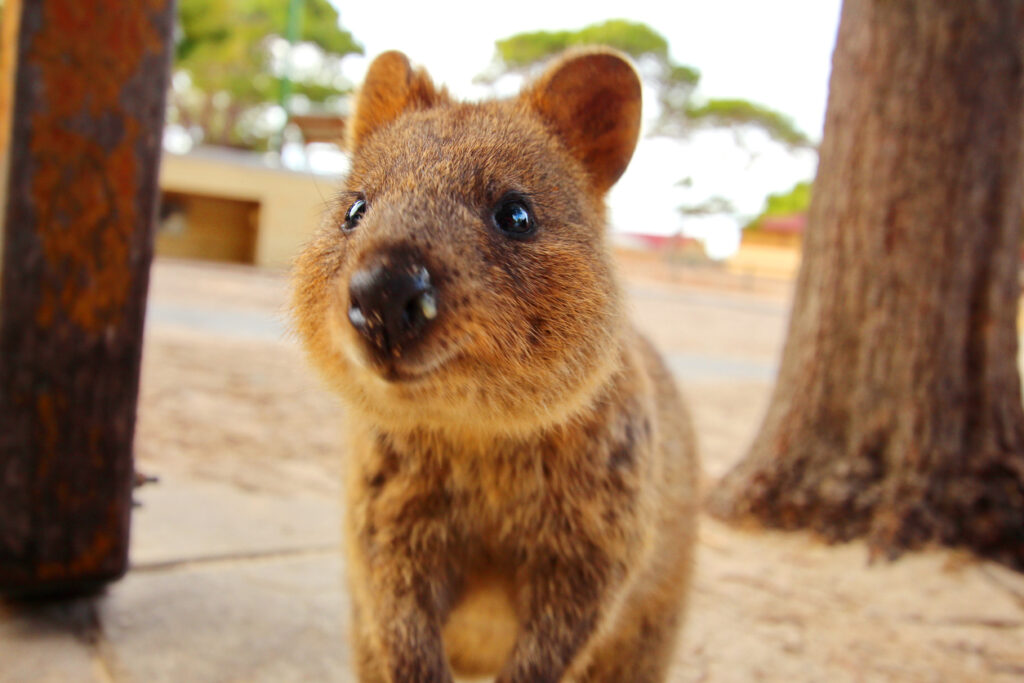
Despite their cuddly appearance, quokkas have razor-sharp teeth and claws that they’ll use if they feel threatened. When cornered or frightened, they don’t hesitate to bite and scratch aggressively. Their sharp teeth can cause real injury, and there have been documented cases of tourists needing medical attention after quokka encounters.
These marsupials first try to hop away or make loud shrieks when threatened, but if escape isn’t possible, they’ll defend themselves vigorously. This is completely normal wild animal behaviour, but it contrasts sharply with their reputation as friendly, approachable creatures. The “happy” animals you see in selfies are simply tolerating human presence, not enjoying it.
They’re social outcasts among their own kind.

Here’s a heartbreaking truth about those quokkas you see hanging around tourist areas on Rottnest Island: they’re actually the social rejects of the quokka world. Studies have shown that the quokkas found close to human settlements are outcasts from the wild population, forced to scavenge for scraps rather than living normally with their own kind.
These individuals often have poor health due to eating junk food high in salt left by visitors, which dehydrates them and worsens their overall condition. They’ve essentially become beggars in their own habitat, dependent on tourist scraps rather than their natural diet of native grasses and leaves.
They have a dark history of human cruelty.

The reality of quokka-human interactions isn’t all cute selfies and social media fame. These vulnerable animals have faced shocking cruelty from visitors over the years. In 1998, kicking a quokka was considered a “rite of passage” among some school leavers, leading to the injury and death of nine animals before police cracked down.
The cruelty continued with “quokka soccer” in 2003 that killed eight animals, followed by “quokka hockey.” More recently, tourists have been caught trying to set quokkas on fire, forcing them to vape, and stuffing them head-first into tree protectors. These incidents highlight how the Instagram-famous image of quokkas can mask serious animal welfare issues.
It’s been a case of mistaken identity from day one.
Quokkas got off to a bad start with humans right from first contact. When Dutch explorer Willem de Vlamingh spotted them in 1696, he mistook these small marsupials for giant rats and named their island home “Rotte Nest” (rat’s nest), which became Rottnest Island. It’s ironic that animals now celebrated as the world’s cutest were once dismissed as oversized vermin.
The traditional Aboriginal owners of the island, the Whadjuk Noongar people, had known about quokkas long before Europeans arrived and called the island Wadjemup, meaning “place across the water where the spirits are.” Their name for the quokka was gwaga or kwaka, which evolved into the modern name.
They’re actually quite antisocial creatures.
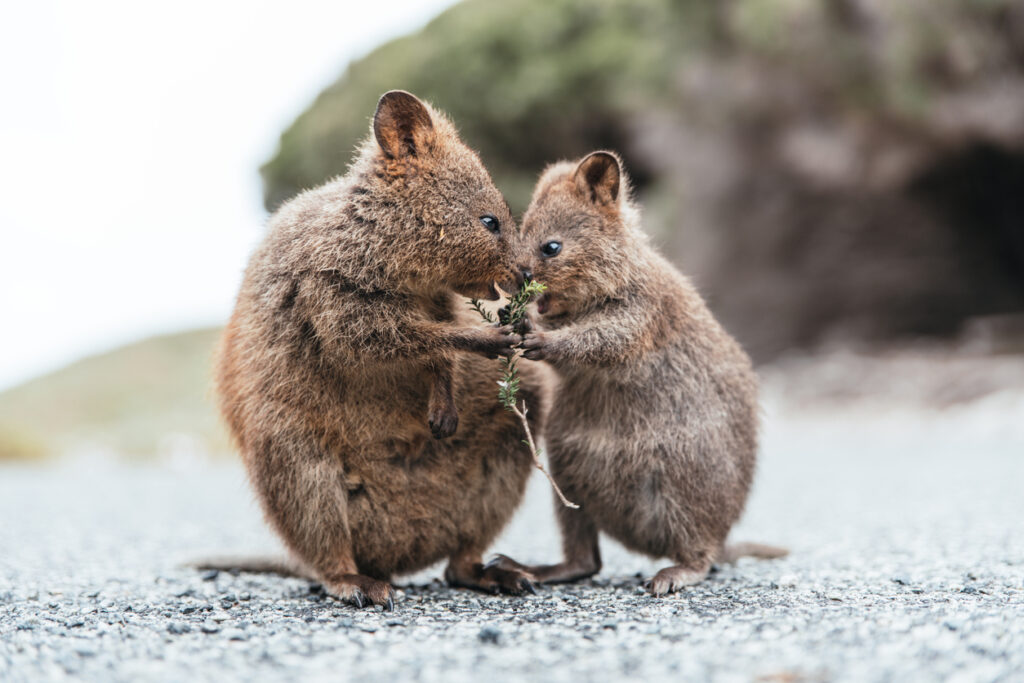
Unlike their social media image suggests, quokkas are naturally solitary or live in very small groups. They’re not particularly territorial, but they’re not the gregarious party animals their selfie reputation implies. Most of their social interactions happen around feeding areas, and they generally prefer to keep to themselves.
Their apparent friendliness around humans on Rottnest Island is really just habituation rather than genuine sociability. They’ve learned that humans aren’t immediate threats, but this doesn’t mean they enjoy human company. The quokkas that approach tourists are often the ones desperate enough for food to overcome their natural wariness.
They do have survival skills you wouldn’t expect.
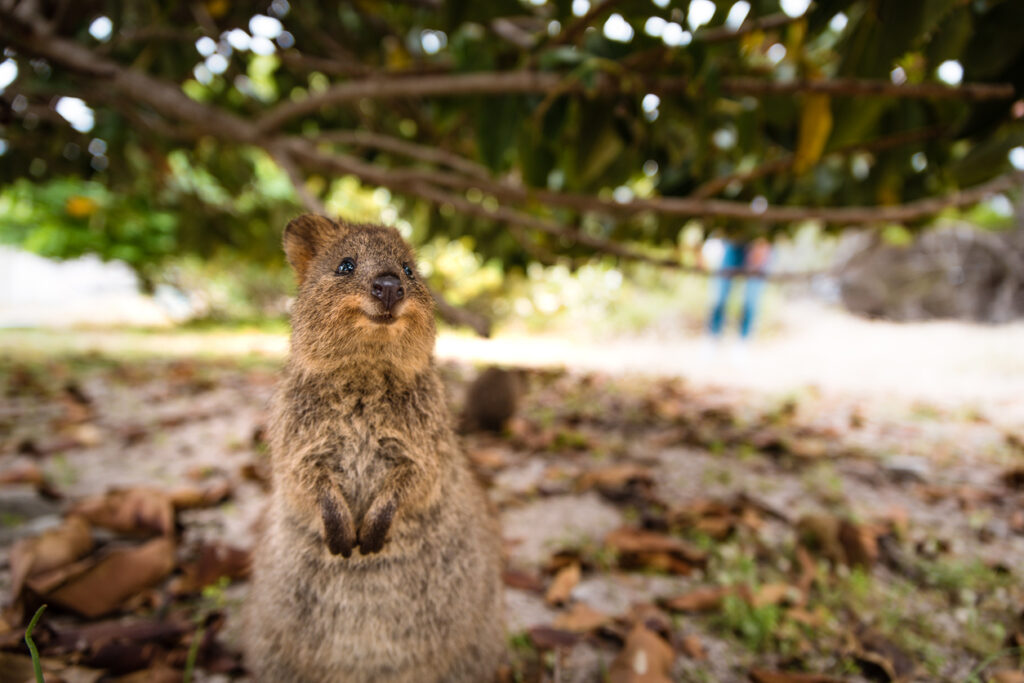
Despite their cuddly appearance, quokkas are remarkably hardy survivors. They can go up to a month without drinking water, getting most of their moisture from the plants they eat. When food is scarce, they can climb small trees up to 1.5 metres high to reach leaves, which is unusual for ground-dwelling marsupials.
They also store fat in their short tails as an energy reserve for tough times, and they can regulate their body temperature effectively even when temperatures reach 44 °C. These aren’t delicate creatures needing constant care, they’re tough little survivors adapted to harsh Australian conditions.
Quokka motherhood comes with harsh choices.

Quokka mothers face some brutal survival decisions that reveal just how un-cuddly nature really is. When threatened by predators, mother quokkas may actually eject their joeys from their pouches, leaving them squealing on the ground as a distraction. The predator focuses on the helpless baby while the mother escapes to survive and potentially breed again.
It sounds harsh, but it’s better than both mother and baby being killed. Quokka mothers also keep backup embryos in suspended development, so if a joey doesn’t survive, they can quickly produce another. This reproductive strategy shows how tough and pragmatic these supposedly “happy” animals really are.
The Instagram effect is actually harmful.
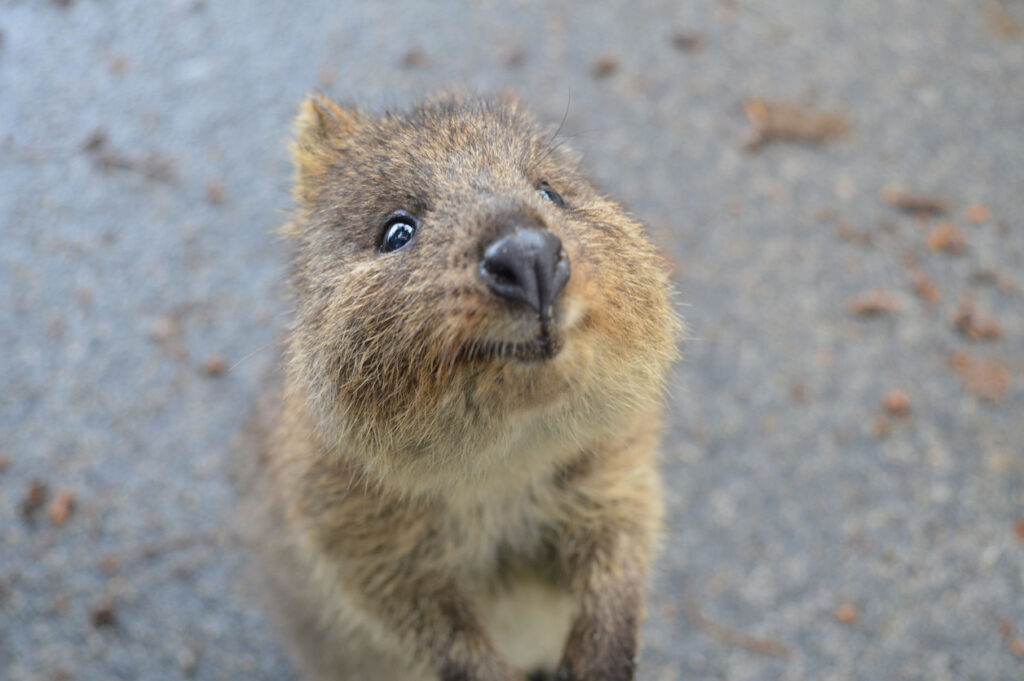
The social media obsession with quokka selfies has created unexpected problems for the animals. Tourism authorities actively encourage these photos, but the constant human interaction is stressing the animals and disrupting their natural behaviours. Some quokkas have changed from being nocturnal to being active during the day to match human feeding patterns.
The “quokka selfie” trend has become so popular that Instagram even created warnings about potential animal abuse associated with the hashtag. The pressure to get the perfect shot leads some tourists to ignore safety guidelines and handle the animals inappropriately, causing stress and potential injury.
Their habitat is disappearing fast.
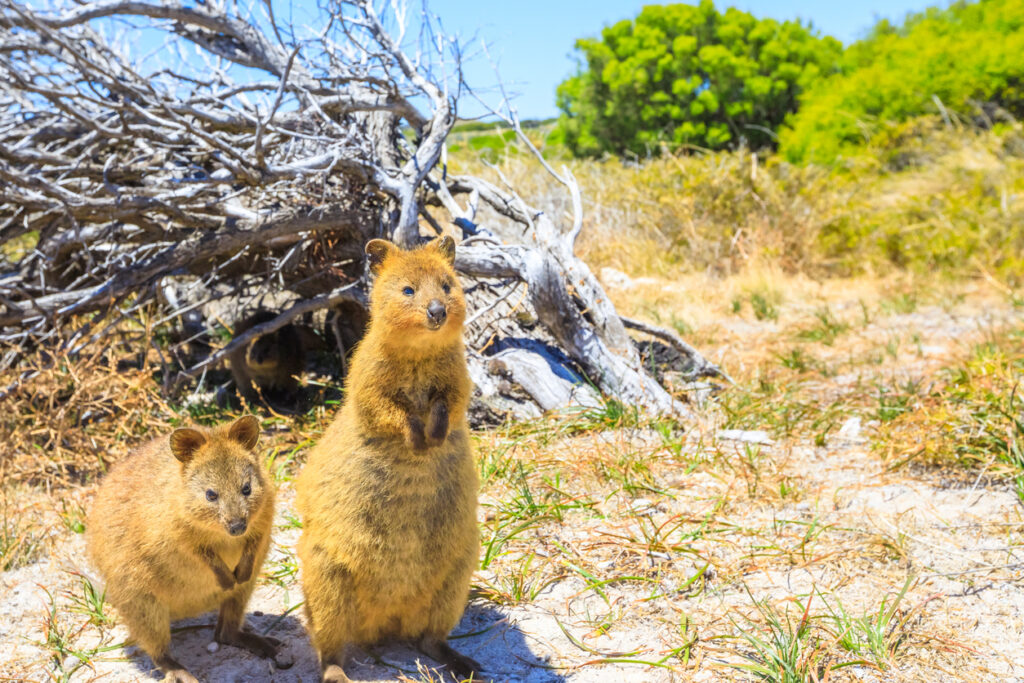
Behind the cheerful social media presence lies a species in serious trouble. Quokkas are classified as vulnerable, with their mainland population reduced by more than 50% since the early 20th century. Habitat loss from agriculture, housing development, and bushfires continues to squeeze their remaining populations.
Introduced predators like foxes and feral cats have devastated mainland populations, which is why Rottnest Island remains their stronghold. The 2015 Northcliffe fire alone burned 98,000 hectares and devastated a significant mainland quokka population. Climate change and the drying of southwest Western Australia will only make their situation worse.
They’re actually quite clever problem solvers.
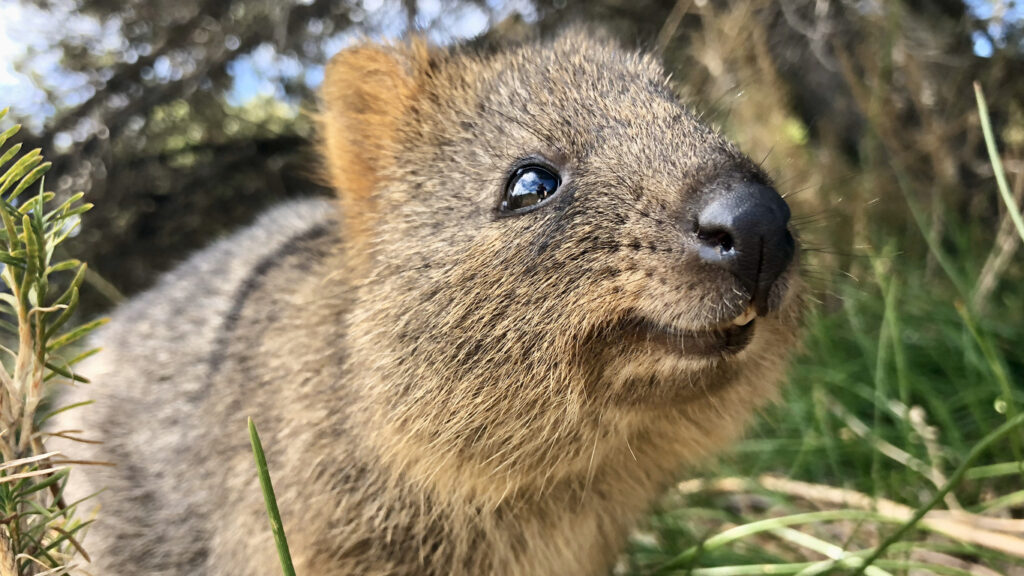
Despite their perpetually cheerful appearance, quokkas are intelligent animals that have adapted well to various challenges. They create well-worn pathways through dense vegetation, almost like tunnel systems, which they use to escape predators quickly. They’re also surprisingly good at remembering food sources and seasonal patterns.
On Rottnest Island, they’ve learned to open bags and containers to access food, showing considerable problem-solving ability. However, this intelligence often gets them into trouble with tourists who underestimate their capabilities and leave food unsecured, leading to conflicts and potential fines for visitors.
The real quokka personality is complex.

Strip away the social media hype and internet fame, and quokkas reveal themselves to be typical wild marsupials: cautious, pragmatic, and focused on survival rather than posing for photos. They’re neither particularly happy nor especially grumpy, they’re simply animals trying to make the best of their circumstances in an increasingly human-dominated world.
The tragedy is that their winning faces have made them victims of their own success. The very features that make them Instagram stars also make them vulnerable to exploitation and misunderstanding. Perhaps it’s time we appreciated quokkas for what they really are: resilient native Australian animals deserving of respect and protection, not just endless selfie opportunities.
So, what can you actually do to help?
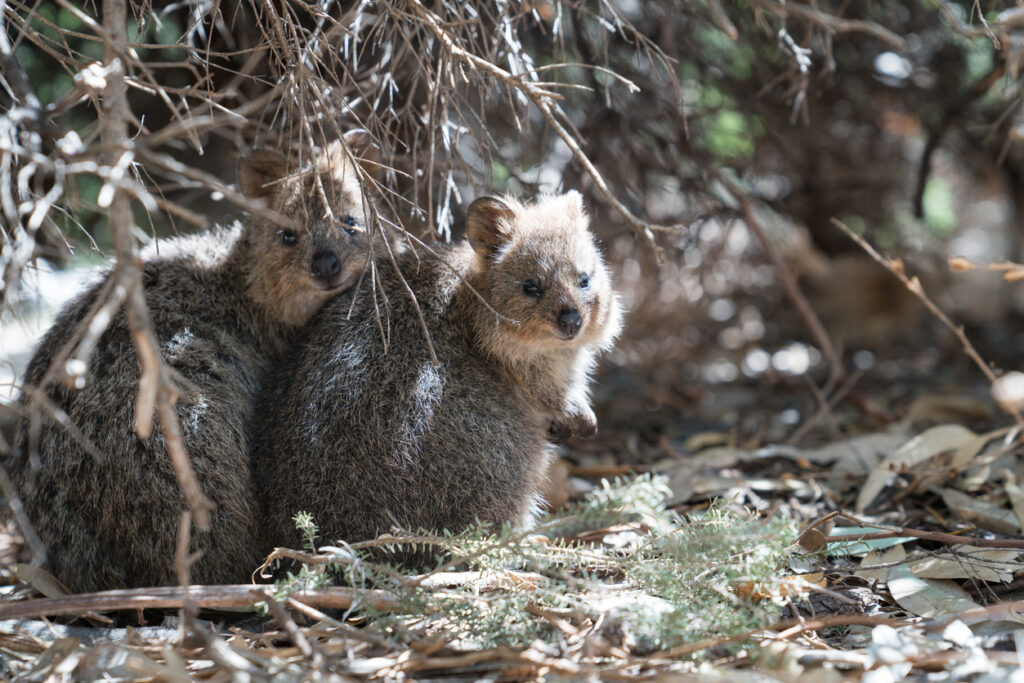
If you do visit Rottnest Island, remember that quokkas are wild animals, not photo props. Keep your distance, never feed them, and certainly never touch them. The $200 fines for interfering with wildlife exist for good reason. Secure your food and rubbish properly, as discarded items can seriously harm these animals.
Support conservation efforts that protect their mainland habitats rather than just enjoying their presence on tourist islands. The real future of quokkas lies in preserving the dense bushland and swamp areas they need to survive, not in maintaining them as living tourist attractions. Sometimes the best thing you can do for the “world’s happiest animal” is simply leave them alone to be the wild, pragmatic survivors they really are.