Cats are known for their independence, but they’re far more sensitive to stress than many owners realise.
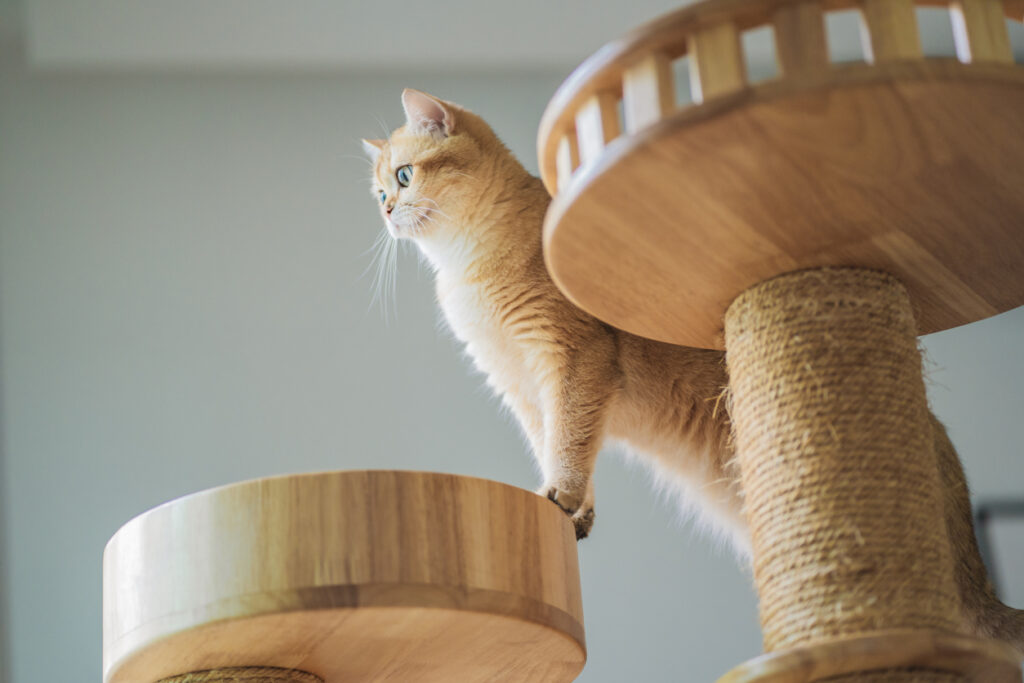
From routine changes to noisy environments, small triggers can add up quickly and can be very upsetting for our feline friends. Luckily, there are ways to keep them calm and content, and doing these things will certainly help reduce stress and restore their natural happiness.
1. Create safe hiding spots.
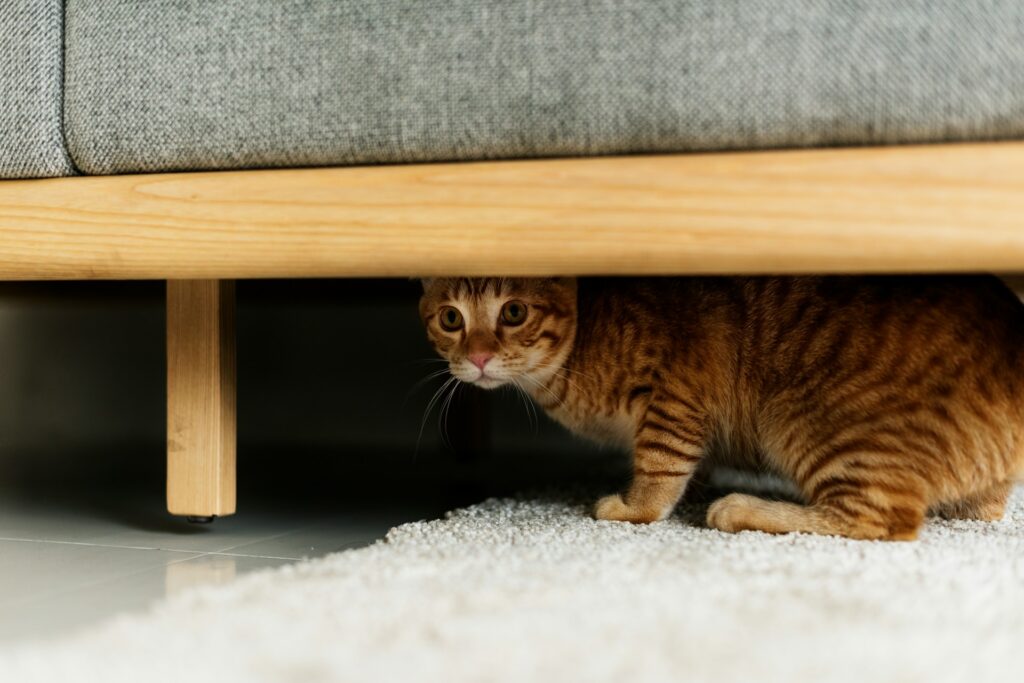
When cats feel overwhelmed, they need somewhere to retreat. A lack of secure hiding places often makes stress worse, leaving them feeling trapped or exposed. This can lead to defensive behaviour or withdrawal, which in turn heightens their anxiety.
Simple additions like cardboard boxes, covered beds, or cat tunnels create safe zones. By allowing them to choose when to interact and when to rest, you give them control over their environment, which is one of the biggest stress relievers of all.
2. Keep a steady routine.
Unpredictability unsettles cats more than many owners expect. Sudden changes in mealtimes, play, or sleep patterns can throw them off balance, leaving them anxious or restless. A consistent routine signals safety and predictability in their world.
Feeding them at the same times each day, scheduling regular play, and providing a stable bedtime helps restore balance. The more predictable their days feel, the more relaxed and content they become.
3. Use pheromone diffusers.

Cats naturally release pheromones when they feel calm and secure, and science has recreated this effect. Pheromone diffusers plug into wall sockets and release a scent that cats recognise as reassuring, even if humans cannot detect it.
Placing these diffusers in the rooms where cats spend most time supports them during stressful periods, such as moving house or introducing new pets. They work silently in the background, helping to reduce tension in a subtle but effective way.
4. Provide vertical space.
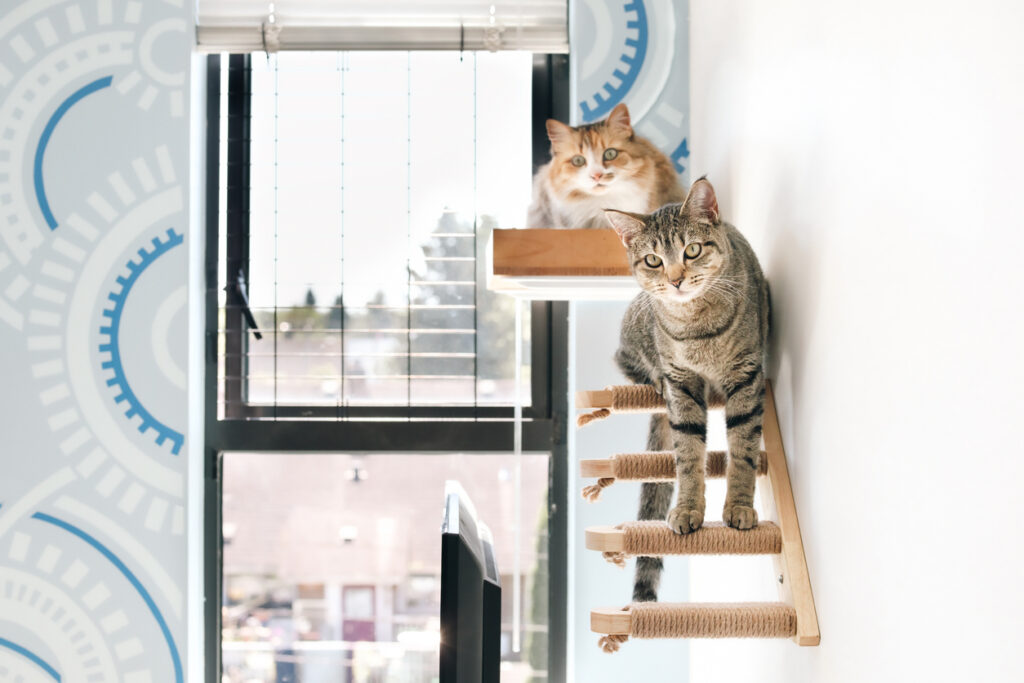
Climbing and surveying from above is an instinct for cats, yet without high spaces they may feel frustrated and exposed. In multi-cat homes, lack of vertical space can increase competition and stress even further.
Adding cat trees, shelves, or window perches helps them feel secure while observing their surroundings. These spaces give them freedom of movement and reduce conflict, since cats can escape to higher ground whenever they choose.
5. Play to release tension.
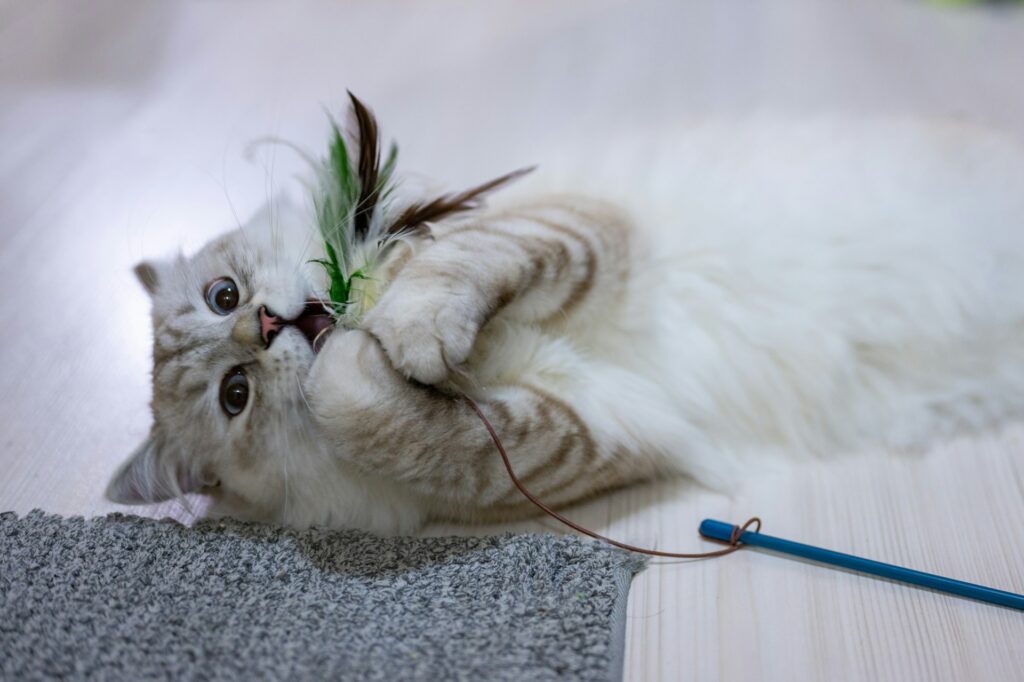
Stress often builds when cats lack stimulation. Without enough outlets for their natural hunting behaviour, boredom can quickly turn into frustration, and that leads to destructive or anxious habits that are difficult to break.
Short, focused play sessions with feather toys, fishing-rod games, or laser pointers give them a healthy way to release energy. Keeping sessions regular makes a visible difference, as they feel mentally satisfied and physically relaxed afterward.
6. Keep litter trays stress-free.

A stressed cat often shows it through litter tray issues. If trays are dirty, in noisy locations, or shared unfairly between pets, cats may avoid them, which only increases household tension and the cat’s unease.
Cleaning trays daily, providing more than one in multi-cat homes, and placing them in quiet, private areas makes them more appealing. When the basics of toileting feel safe and consistent, stress levels naturally fall.
7. Offer gentle affection.
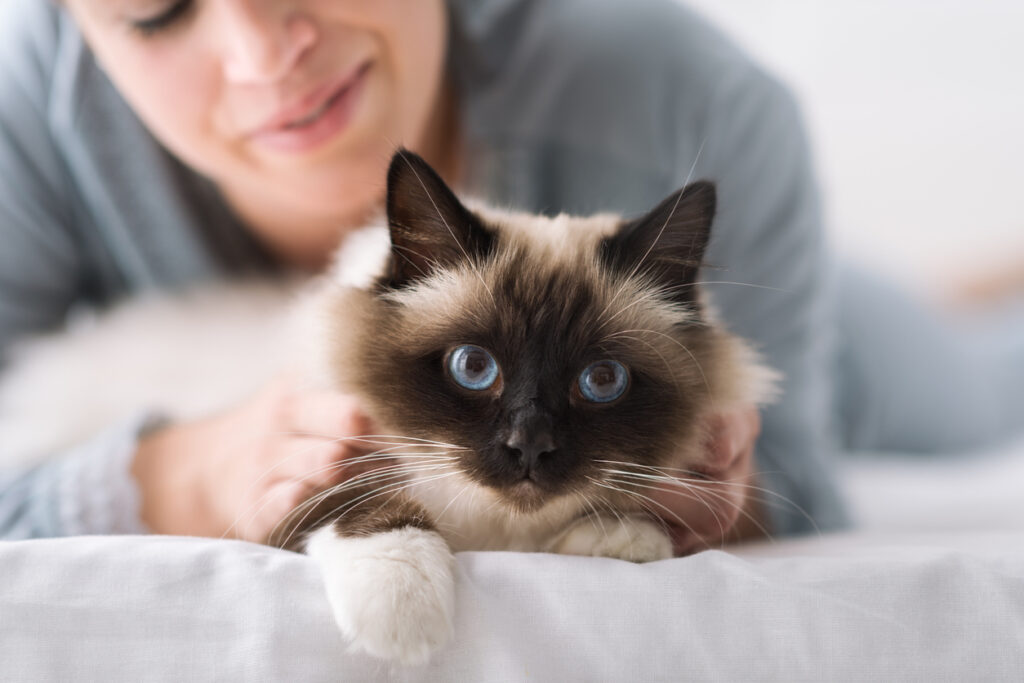
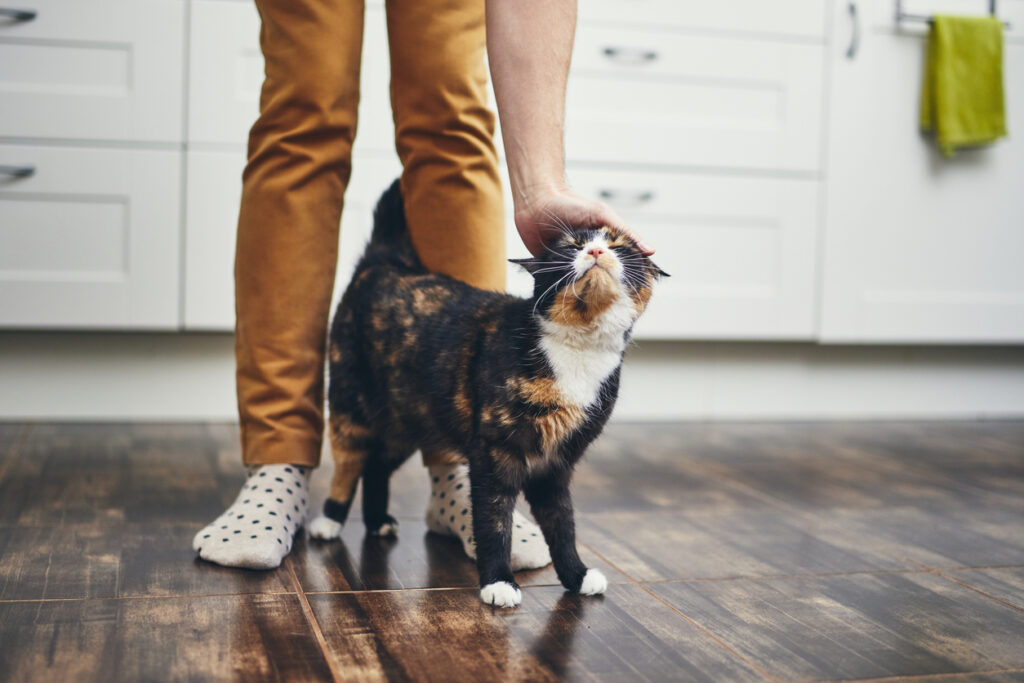
Affection should never be forced on a stressed cat. When approached too quickly, they may pull away or become defensive, which increases their anxiety instead of soothing it. Respecting their boundaries is essential.
Allowing them to initiate contact helps build trust. When they approach, responding with soft strokes, gentle words, and calm presence reassures them. Over time, these consistent signals strengthen the bond and restore their confidence.
8. Limit sudden changes.
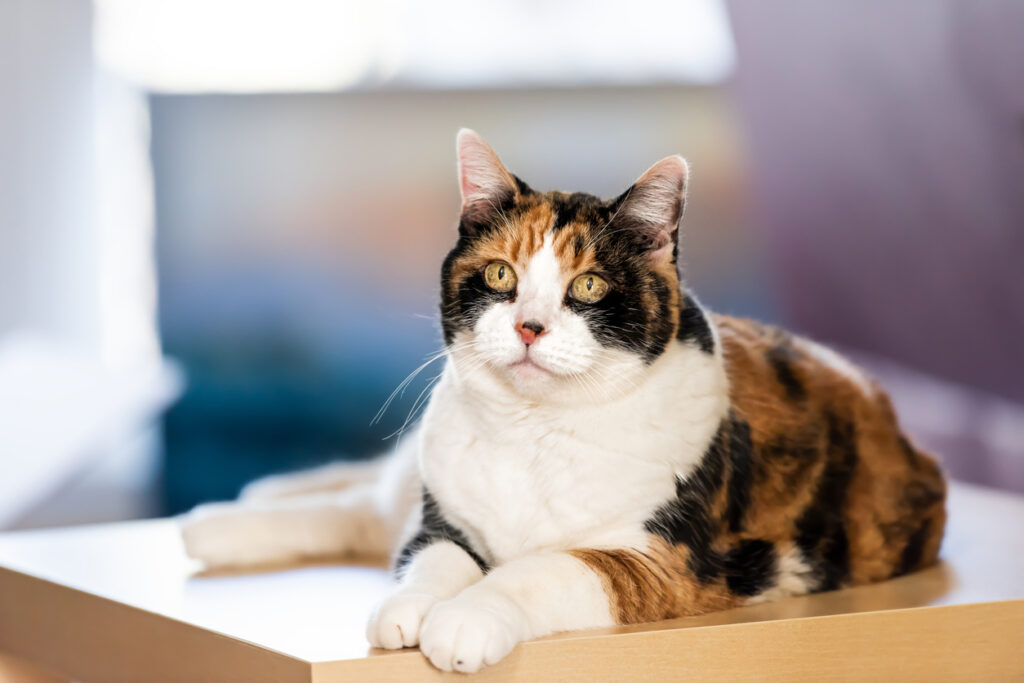
Cats dislike disruption in their environment. Moving furniture, redecorating, or bringing in new pets without preparation can make them feel unsettled and unsafe. Even smaller changes can spark tension if they occur too quickly.
Introducing new elements gradually allows them to adapt at their own pace. Keeping familiar objects and routines in place during transitions helps reduce the shock. The calmer the adjustments, the less stress they experience.
9. Keep noise levels down.

Cats’ hearing is far sharper than ours, which means everyday household noise can feel overwhelming. Loud music, constant vacuuming, or bustling visitors can all create environments that feel unsafe to them.
Providing quiet areas and being mindful of background noise helps them relax. If your household is often lively, setting aside one room as a calm retreat gives them a dependable escape whenever they need peace.
10. Visit the vet when needed.

Sometimes stress signals are not behavioural but medical. Pain, illness, or discomfort can make cats anxious or irritable, and without veterinary care, owners may misinterpret these signs as personality changes rather than health issues.
If stress-related behaviours persist, scheduling a check-up is crucial. Addressing hidden problems through treatment or medication restores comfort and allows other calming strategies to work more effectively.
11. Provide scratching outlets.
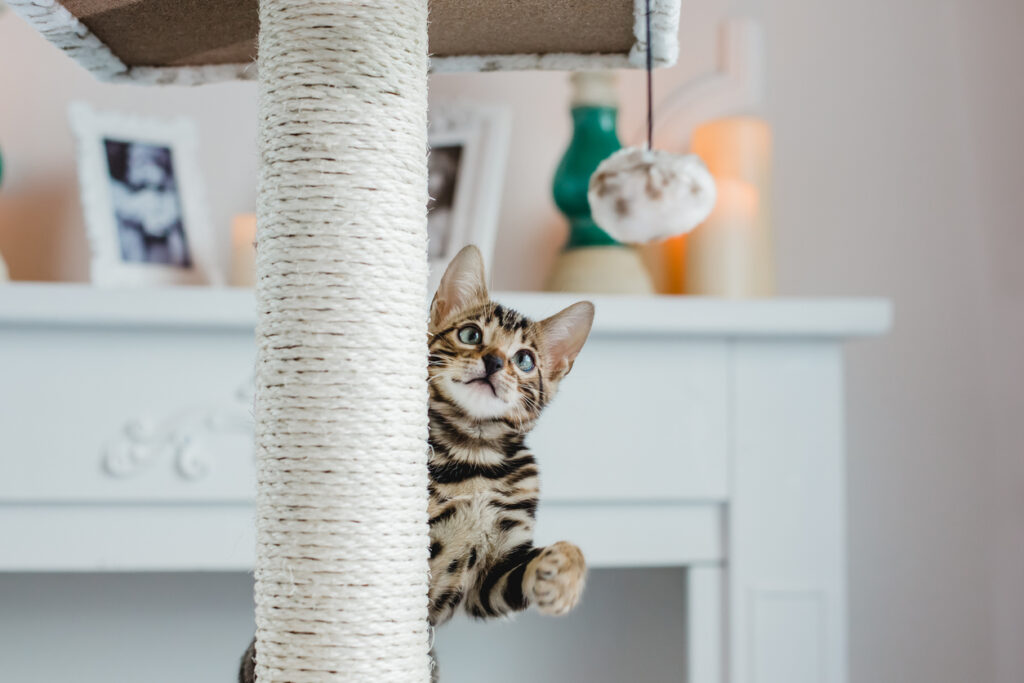
Scratching is not simply a destructive habit, but a natural way for cats to release stress. Without scratching posts, they may turn to furniture, which creates frustration for both the cat and the owner.
Sturdy scratching posts or pads placed in key areas encourage healthy outlets for this instinct. Choosing different textures like sisal, carpet, or cardboard keeps them engaged and helps them relax through natural behaviour.
12. Ensure access to fresh water.
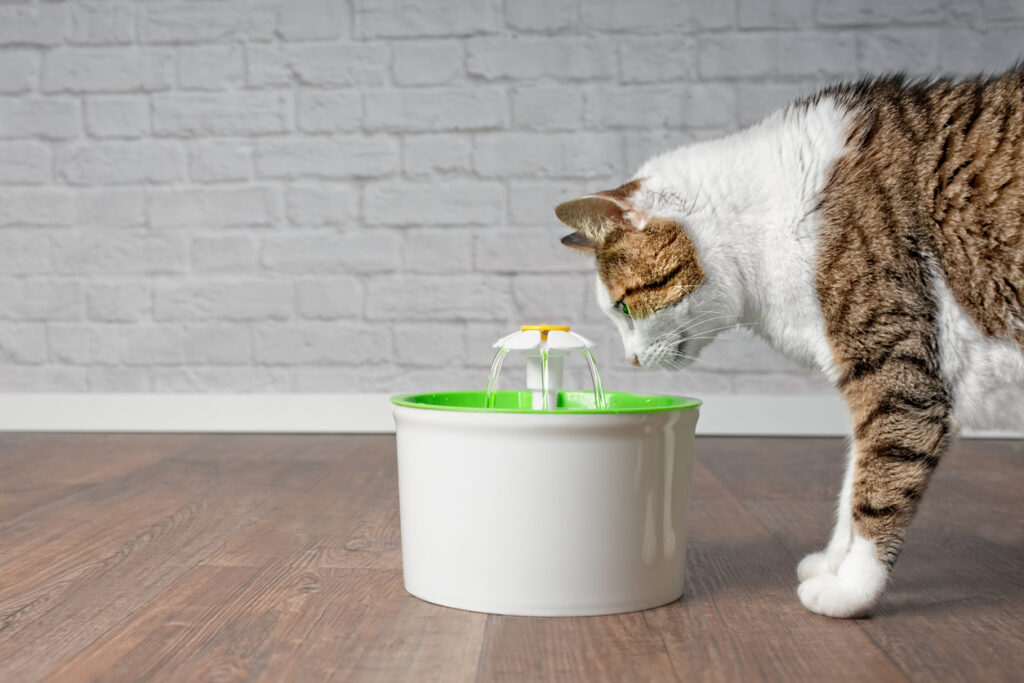
Dehydration can increase irritability and reduce overall health, which makes cats more prone to stress. Many cats are fussy about water bowls, refusing to drink if the location or container does not feel right to them.
Offering wide bowls, multiple stations, or even a cat water fountain encourages steady drinking. When cats are well-hydrated, they feel more comfortable and less agitated, which directly supports their wellbeing.
13. Encourage quiet rest time.
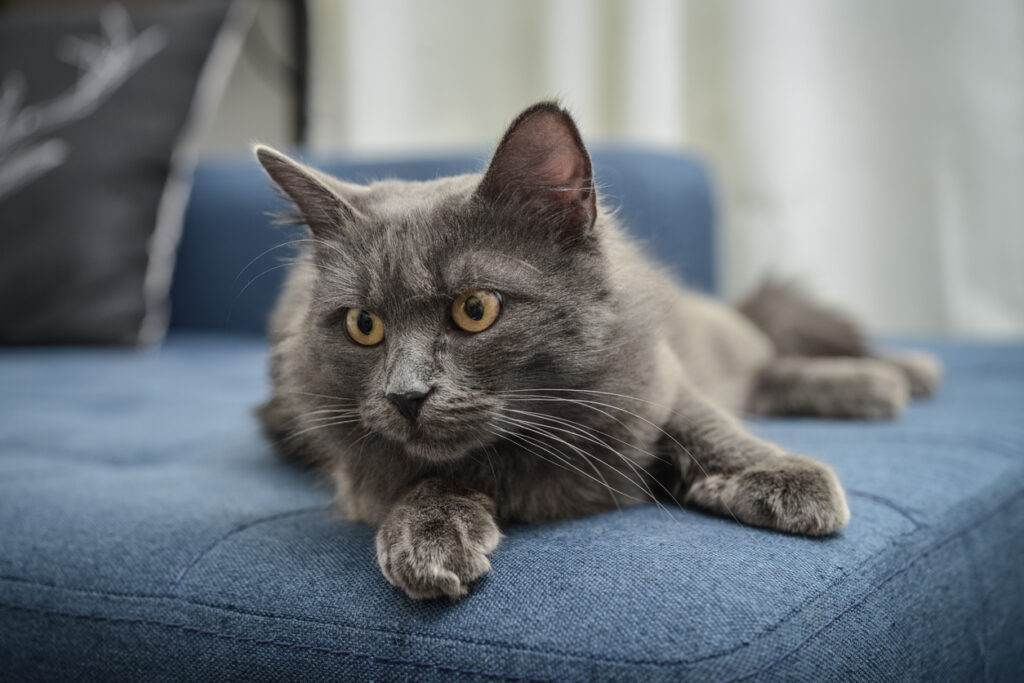
Cats need far more sleep than humans, and lack of uninterrupted rest can build stress. Busy households that do not allow for calm, consistent nap times can leave them agitated and unsettled.
Creating quiet zones away from constant activity ensures they get the downtime they need. A well-rested cat is calmer, more affectionate, and better able to cope with the daily ups and downs of home life.
Stress in cats is never something to overlook, as it affects both their happiness and health. By providing structure, calm, and choice, you help them regain balance. Small, consistent changes at home can restore their contentment and strengthen the bond you share.