It’s estimated that there are roughly 2.7 million grey squirrels in the UK.
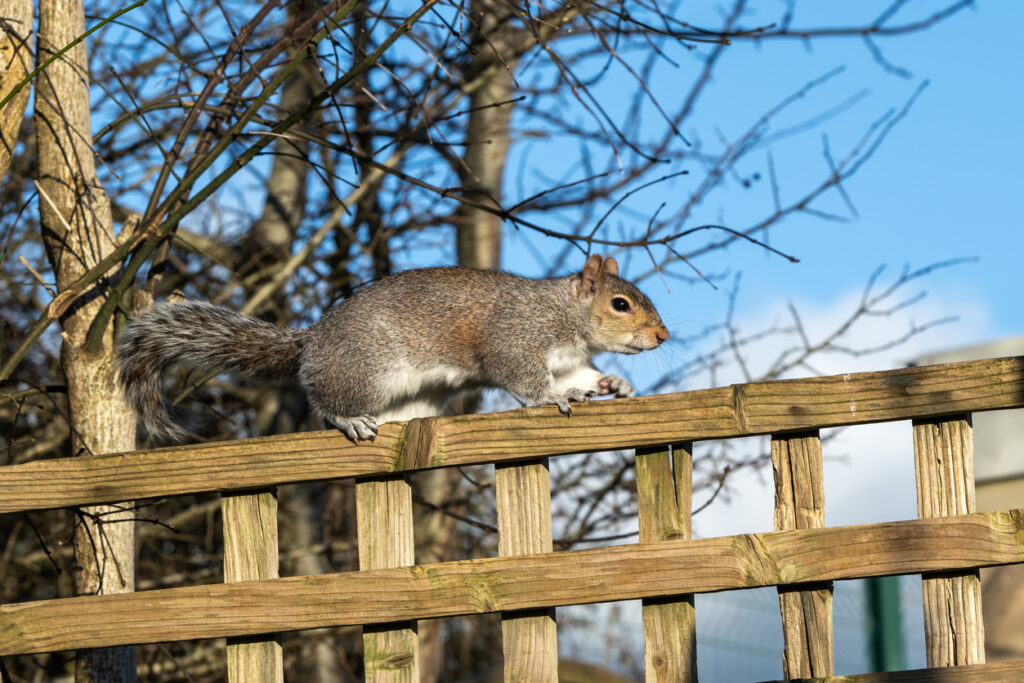
Those cheeky critters might look adorable bouncing through the parks, but when they’re systematically destroying your garden, the charm wears off fast. If you’re tired of finding bulbs dug up and bird feeders ransacked, you’re not fighting this battle alone. Here’s how to encourage them to go somewhere other than your property.
Know your enemy first.
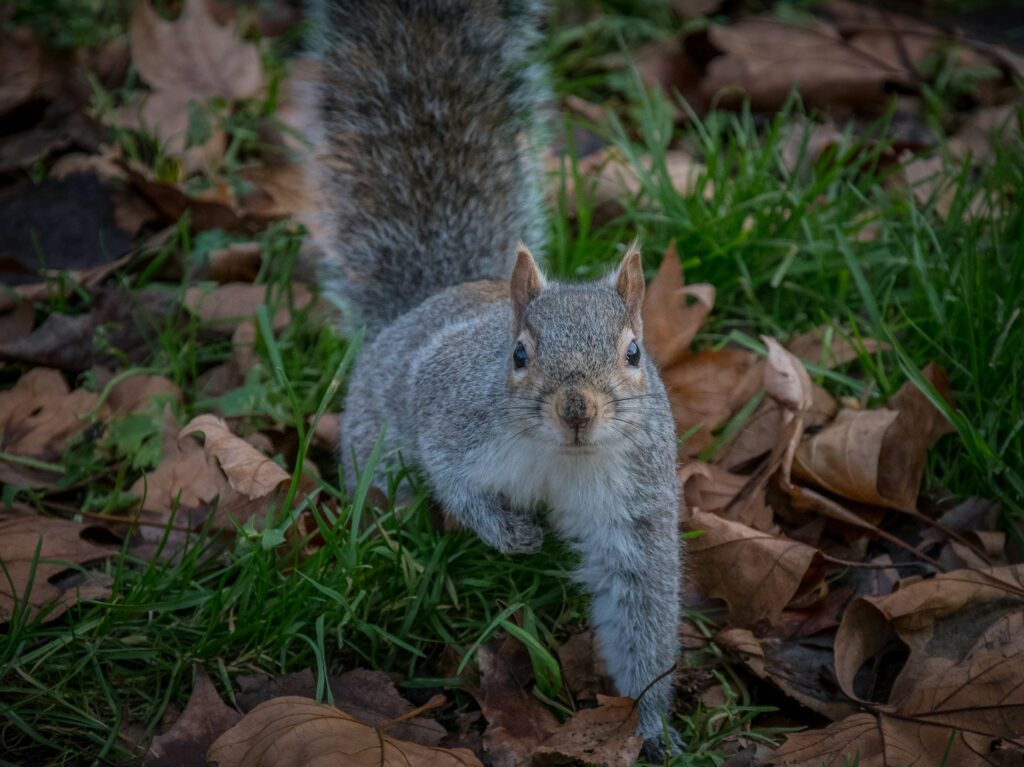
Grey squirrels aren’t actually British natives. They arrived from North America in the 1870s as exotic pets and are now legally classified as invasive pests. This means you have more options for dealing with them than with other wildlife.
They’re incredibly clever and adaptable, which is why they’ve thrived so well here. These omnivores will eat practically anything that grows, and they’re drawn to gardens that offer both food and shelter. Understanding this is your first step to success.
Install physical barriers.
The most reliable long-term solution is proper barriers. Use wire mesh or hardware cloth with quarter-inch holes because squirrels can’t squeeze through gaps this small. Don’t waste money on chicken wire, as they’ll chew right through it or squeeze between the holes.
Lay mesh flat over planted areas and stake it down, letting plants grow through while also stopping digging. For containers, create small cages around individual plants. Always extend barriers at least six inches underground because these crafty creatures will try digging underneath.
Squirrel-proof your bird feeders.
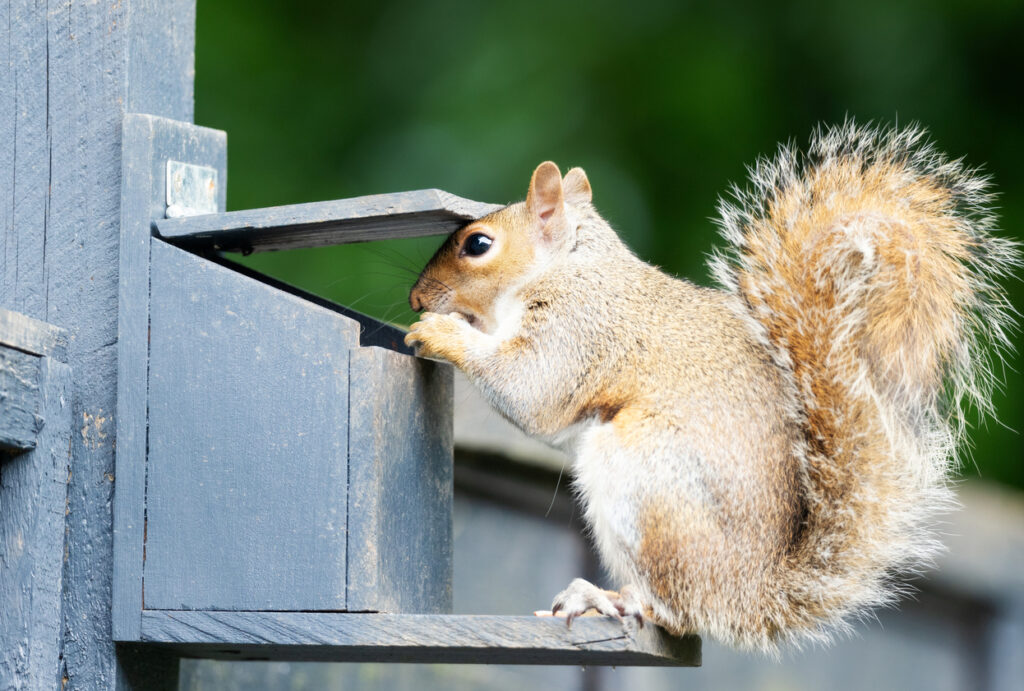
Want to feed birds without feeding squirrels? Invest in proper squirrel-proof feeders with metal cages that let small birds through but exclude larger visitors. Weight-activated feeders that close under a squirrel’s weight work brilliantly, too.
Position feeders well away from fences, trees, or structures because squirrels can leap surprising distances. For pole-mounted feeders, smear petroleum jelly on the metal pole to make climbing impossible. Try switching from sunflower seeds to safflower seeds, which birds love but squirrels typically avoid.
Use their sensitive noses against them.
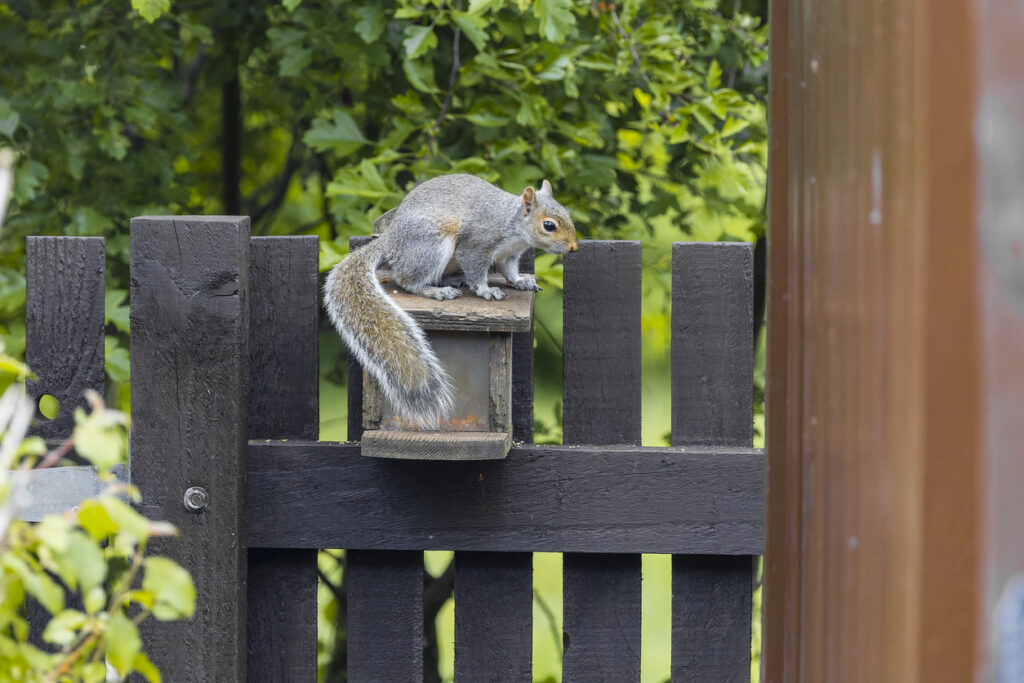
Squirrels have incredibly sensitive noses, so strong scents can be your secret weapon. Cayenne pepper and chilli powder work well when sprinkled around plants or mixed into sprays, though be careful as it can cause temporary blindness if it gets in their eyes.
Commercial predator urine, particularly fox urine, taps into their natural fear responses. Peppermint oil, apple cider vinegar mixed with essential oils, and even strong-smelling soap shavings scattered around problem areas can create an unpleasant environment they’ll want to avoid.
Plant natural deterrents.
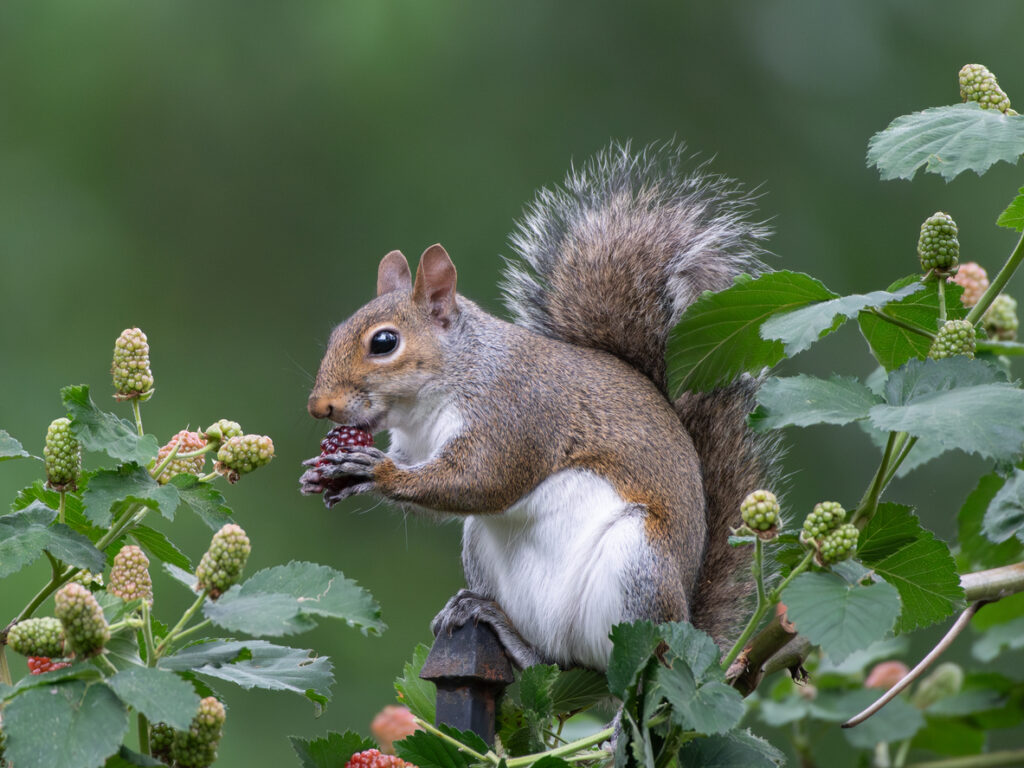
Create living barriers with plants squirrels naturally dislike. Strong-scented herbs like mint work brilliantly, though contain mint in pots as it spreads aggressively. Peppermint and spearmint are particularly effective around vulnerable areas.
Marigolds, nasturtiums, and alliums all produce offensive scents that squirrels avoid. Daffodils and crown imperial bulbs are also squirrel-proof, though crown imperials smell quite musky to humans, too. The bonus is these plants often deter other pests while attracting beneficial insects.
Remove what attracts them.
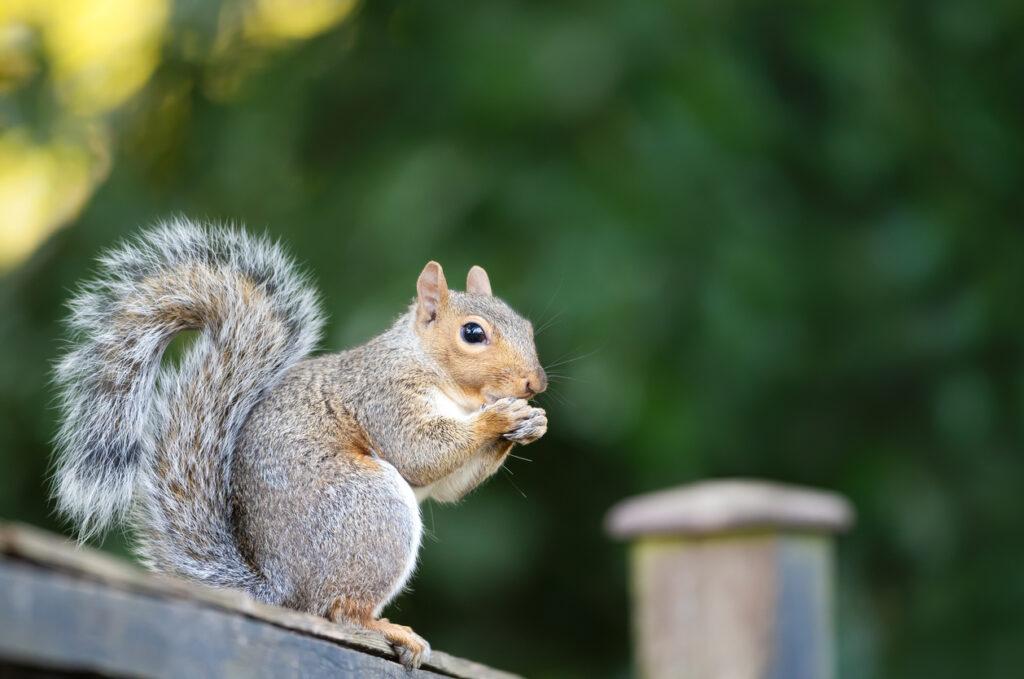
Making your garden less appealing means removing dinner invitations. Clear up fallen fruit and nuts regularly, as these act like welcome mats. If you compost, avoid adding nuts or seeds and ensure your bin has a secure lid.
Trim vegetation growing close to your house because squirrels use these as highways to roof spaces. Keep tree branches at least five to eight feet from buildings, and install tree guards around young trees to prevent bark stripping that can kill them.
Try motion-activated technology.
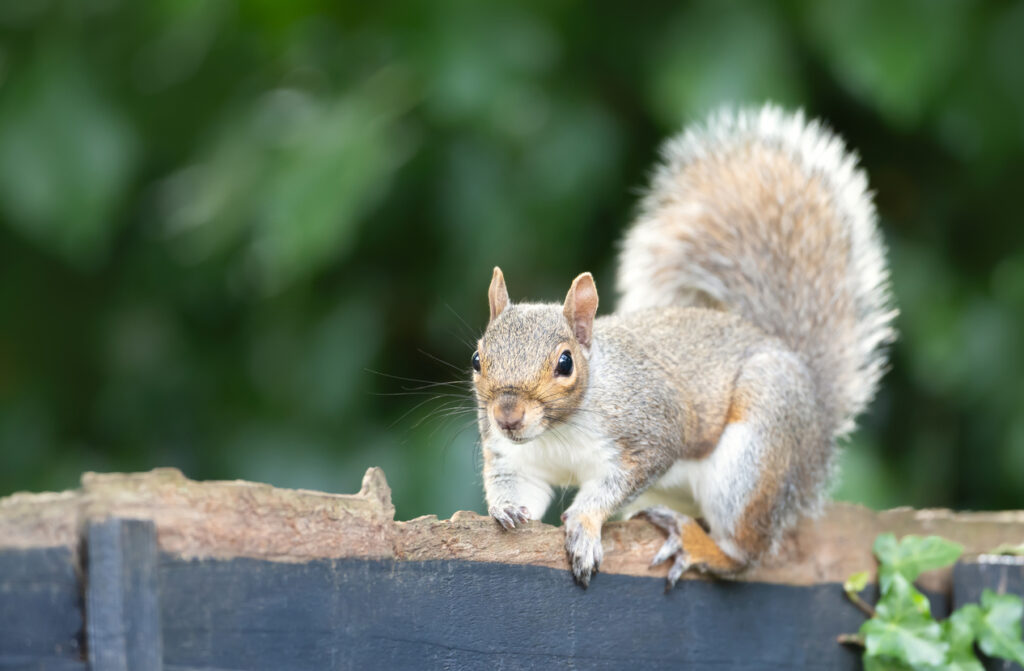
Modern tech offers brilliant squirrel solutions. Motion-activated sprinklers startle them with sudden water sprays whenever movement’s detected. They’re harmless but highly effective, plus they’ll help water your garden.
Ultrasonic repellers emit high-frequency sounds that humans can’t hear, but squirrels find unpleasant. Results vary, but solar-powered versions are eco-friendly and cost-effective. Some models include flashing lights for extra deterrent power.
Use uncomfortable ground textures.
Squirrels hate walking on certain surfaces, so use this against them. Coarse mulch, particularly gravel or stone chips, creates uncomfortable walking and makes digging difficult. This also suppresses weeds and retains soil moisture.
Aluminium foil around plants works as both visual and tactile deterrent because they dislike the shiny surface and crinkly texture. For container plants, decorative stones or pebbles on soil surfaces prevent digging while looking attractive.
Deploy decoy predators.
Visual deterrents can be surprisingly effective if used cleverly. Decoy owls, hawks, or snakes placed strategically around your garden tap into their survival instincts. The secret is moving them regularly because squirrels are smart enough to spot fake stationary predators.
Adding movement or sound increases effectiveness dramatically. Some decoys come with moving heads, reflective eyes, or speakers that emit predator calls. Position them where squirrels will spot them when approaching your garden for maximum psychological impact.
Consider professional help.
For severe infestations or if squirrels have invaded your loft, professional pest control might be necessary. UK professionals have access to specialised traps and methods not available to the public, plus they understand the legal requirements.
Remember, it’s illegal to relocate captured grey squirrels in the UK as they’re invasive species. Any caught alive must be humanely dispatched, which is why many prefer deterrent methods. Professionals can also identify and seal building entry points effectively.
Create distractions elsewhere.
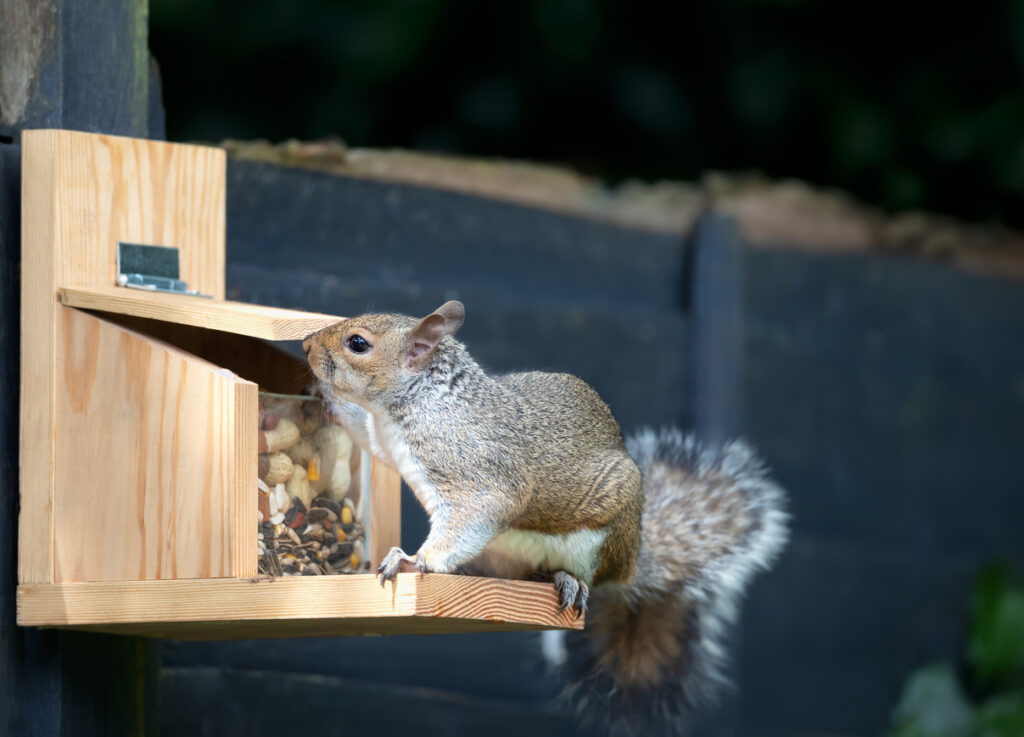
Sometimes the easiest solution is giving squirrels what they want somewhere else. Plant hazel or cobnuts in a far corner of your garden to provide nuts they can cache naturally. This might redirect their attention from your prized plants.
Just remember they’ll likely bury these nuts around your garden, so position distraction plants well away from cultivated areas. You could even create a dedicated squirrel feeding area if your garden’s large enough, though this might attract more squirrels to your property.
Stay consistent and patient.
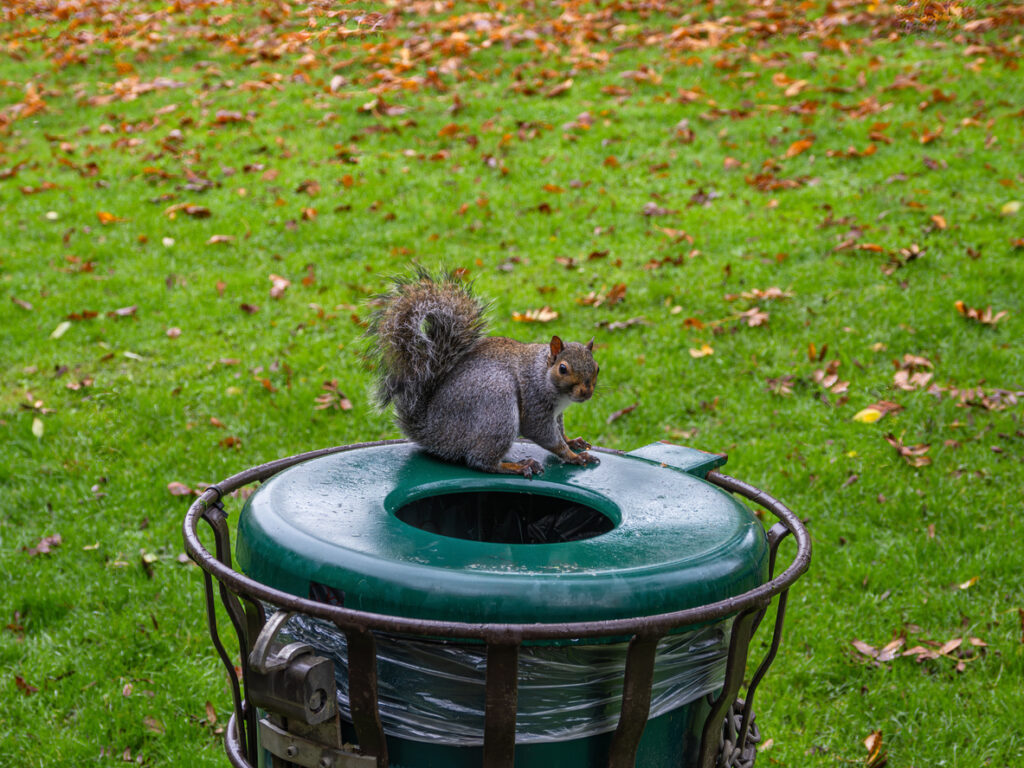
There’s no magic bullet for squirrel problems. Success comes from combining several methods and maintaining them consistently. These creatures are persistent and intelligent, so your efforts need to match their determination.
Start with the most practical solutions for your situation, then layer on additional deterrents. Physical barriers for valuable plants, squirrel-proof feeders, plus scent deterrents and motion devices create multiple discouragement levels. With patience and the right combination, you can win this furry war.
Time your efforts right.
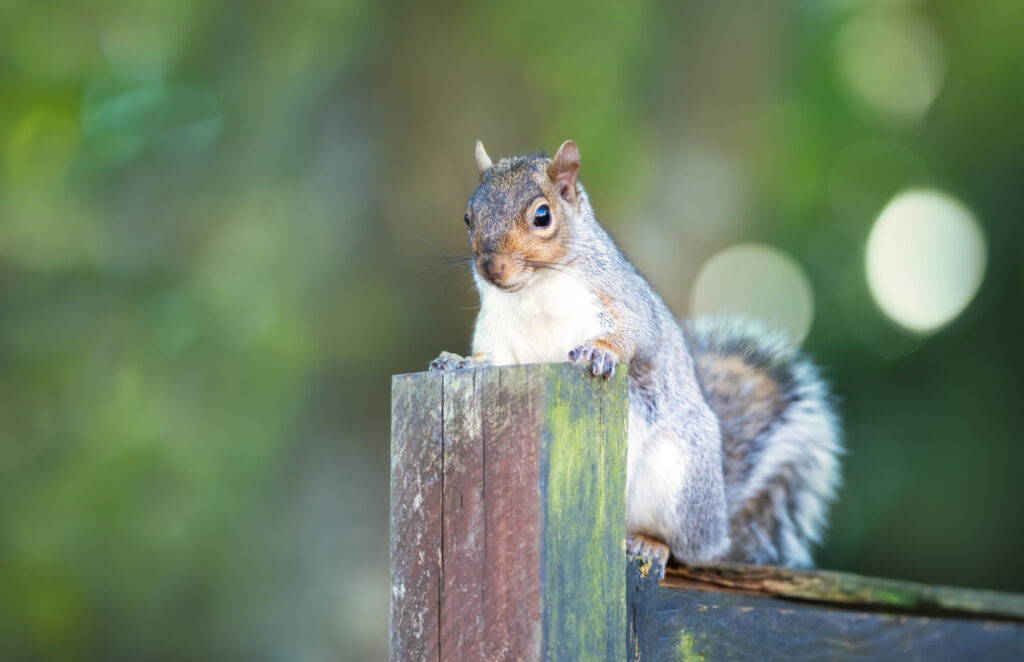
Squirrel activity peaks during mid-morning and mid-afternoon, when they’re actively foraging. This is when deterrent methods work best and when you should check traps if using them. They’re also most active during autumn when preparing for winter.
If you find nests in autumn, act quickly to encourage squirrels to prepare winter nests outside rather than in your buildings. The colder months drive them to seek shelter indoors, so seal entry points before winter arrives rather than trying to evict them once they’re settled in.