If you have a greedy dog, you know that any ol’ garbage off the streets is fair game for their appetite.
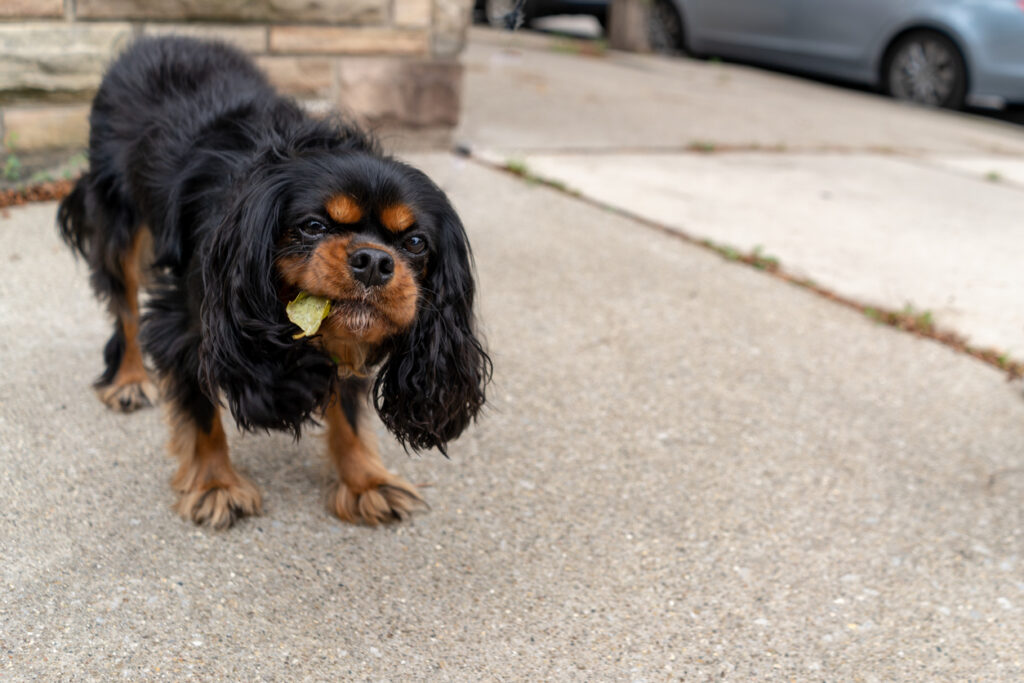
Of course, your pup’s annoying habit of hoovering up every disgusting morsel they find on the pavement isn’t just them being awkward or trying to embarrass you in public. There are actually loads of fascinating reasons why even the most well-fed pups turn into street food scavengers, and understanding these reasons is the key to finally stopping this behaviour for good.
1. Their scavenging instincts are hardwired from thousands of years ago.
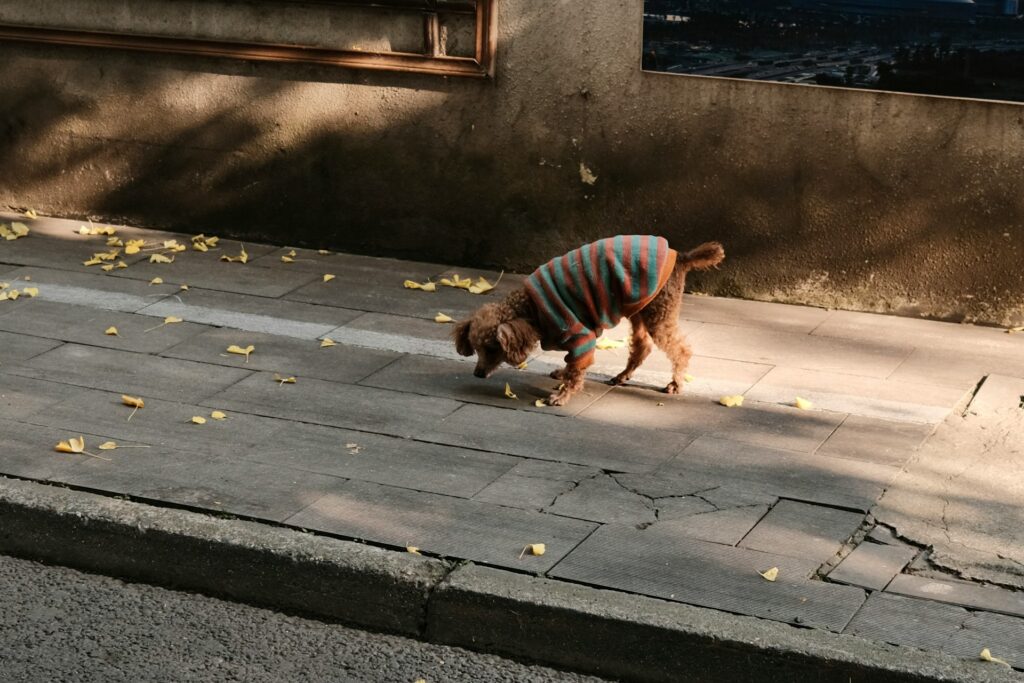
Dogs evolved from wolves who had to find food wherever they could, which means your pampered pooch still has ancient survival programming telling them to grab any available food. Even though they get regular meals, their brains are still wired to think “food equals survival” whenever they spot something edible.
This instinct is so strong that it overrides logical thinking about whether they actually need the food or not. Your dog isn’t being greedy, they’re responding to thousands of years of evolutionary programming that says, “Eat it now before someone else does.”
2. Street food smells absolutely incredible to their super-powered noses.
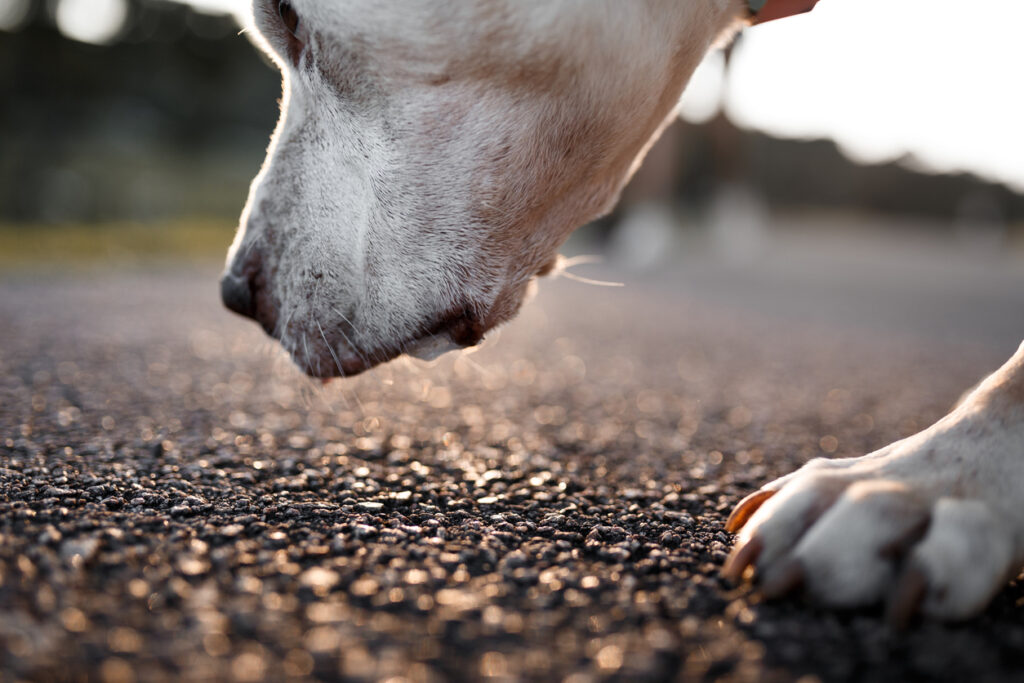
Dogs have roughly 300 million scent receptors compared to our measly 6 million, which means that a dropped kebab or discarded sandwich smells like the most amazing feast imaginable to them. What we might barely notice, they experience as an overwhelming sensory explosion of deliciousness.
The combination of different human foods, cooking smells, and fermentation creates complex scent profiles that are irresistible to dogs. It’s like walking past the world’s most tempting restaurant when you’re absolutely starving, except the temptation is about 50 times stronger.
3. They’re bored out of their minds on walks.
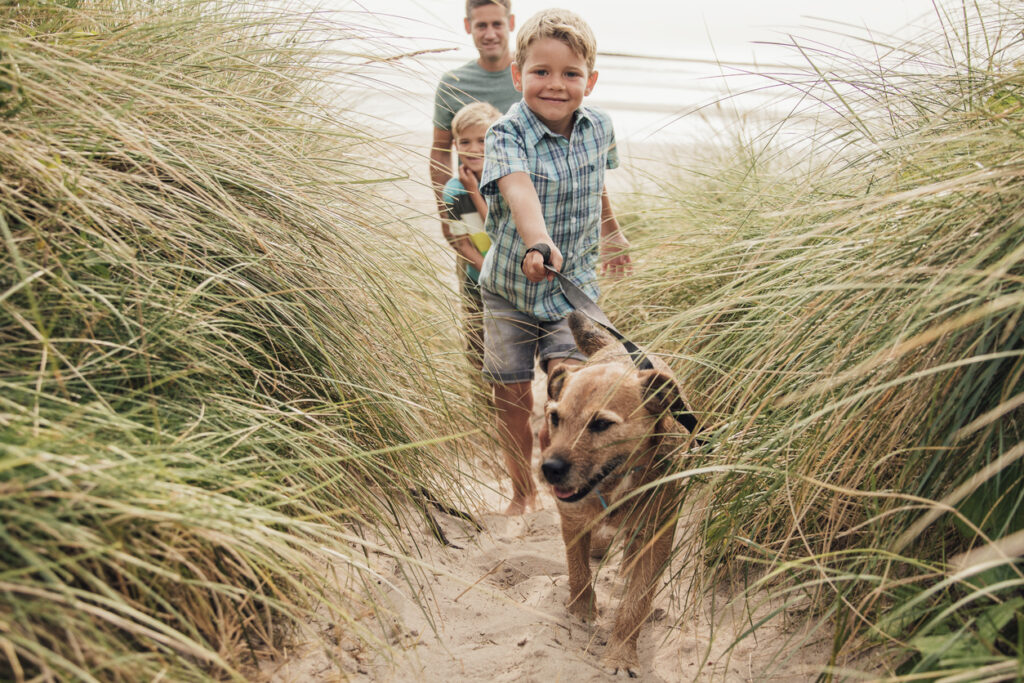
If your walks consist mainly of you checking your phone while your dog plods along the same route every day, they’re probably looking for any kind of mental stimulation they can find. Investigating street food provides excitement, novelty, and a mental challenge that their routine walk isn’t giving them.
Sniffing and eating random stuff breaks up the monotony of boring walks where nothing interesting ever happens. Your dog might be looking for adventure and stimulation rather than just being hungry or naughty.
4. You’ve accidentally trained them that finding food gets attention.
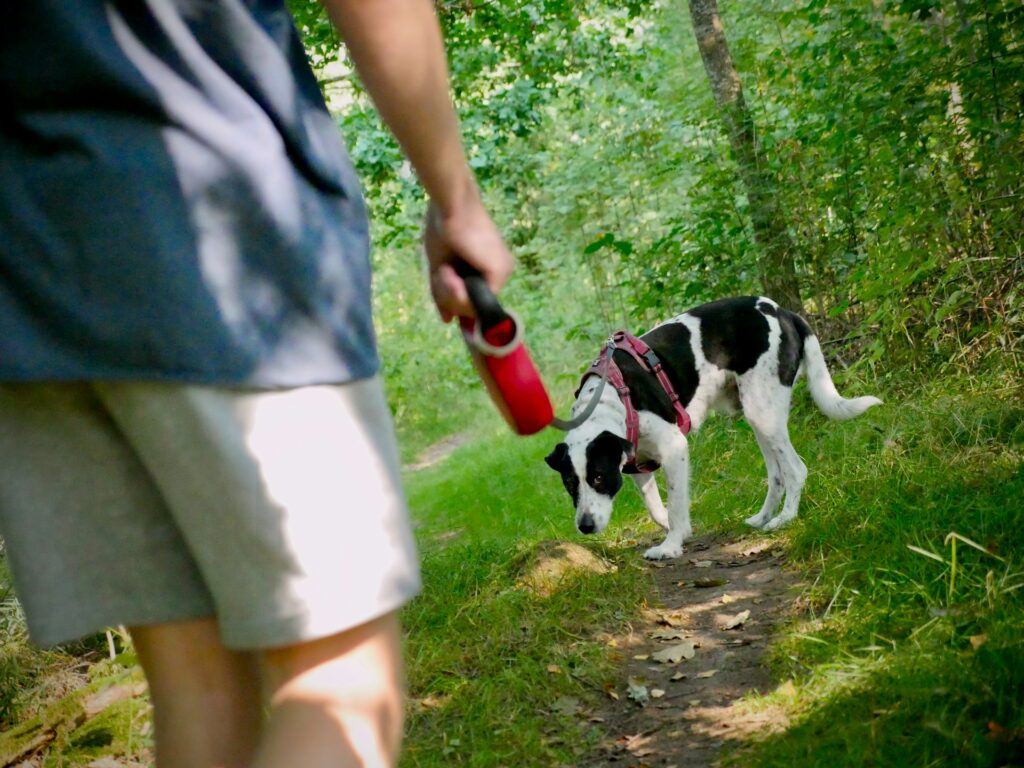
Every time your dog grabs something gross, and you react with shouting, chasing, or dramatic attempts to get it away from them, you’re actually rewarding the behaviour with attention. Even negative attention feels like a fun game to many dogs, especially if their regular life is pretty dull.
The more frantically you react, the more exciting and rewarding the behaviour becomes for your dog. They’ve learned that eating street food is a guaranteed way to make boring walks suddenly very interesting and get you completely focused on them.
5. Their regular food might be nutritionally lacking something.
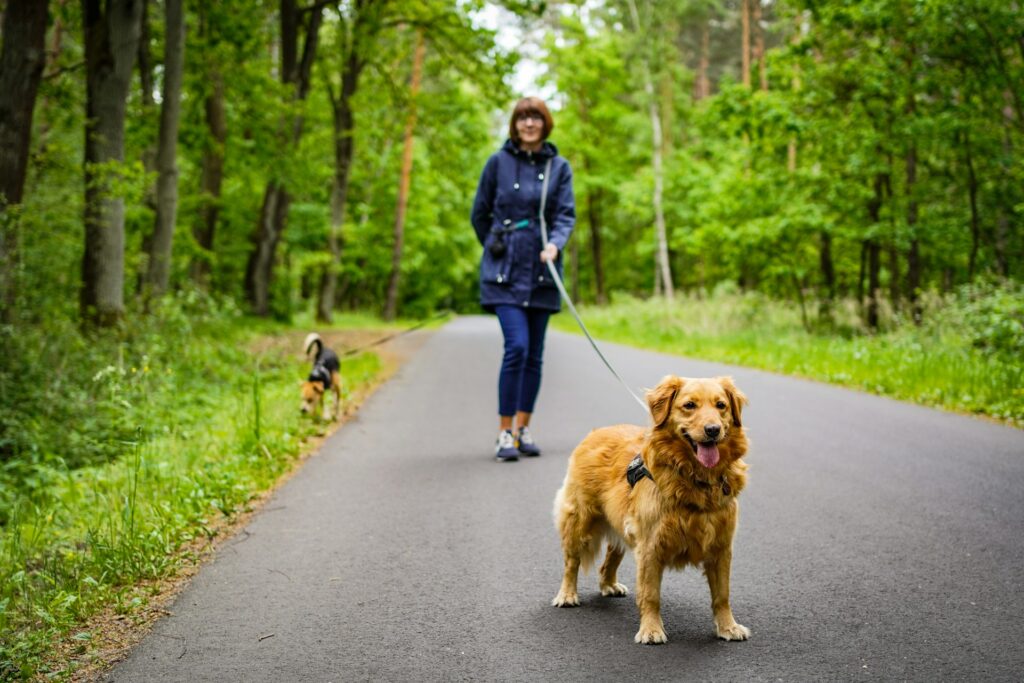
Sometimes dogs seek out weird street food because their bodies are craving nutrients or flavours that aren’t in their regular diet. This is especially common with dogs who eat the same kibble every single day without any variety or fresh additions to their meals.
Wild dogs eat incredibly varied diets that include different proteins, vegetables, and even some plant matter, but domestic dogs often eat the same processed food constantly. Street scavenging might be their attempt to balance their nutrition naturally.
6. They’ve learned that humans drop the most delicious food.
Dogs quickly work out that the best street food appears in areas where lots of people eat and drink because human food is generally much more exciting than dog food. They start targeting these areas specifically because experience has taught them that’s where the good stuff is.
Your dog has basically mapped out all the best scavenging spots in your neighbourhood based on past successes. They remember exactly where they found that amazing chicken bone or dropped chips, and they’re hoping lightning will strike twice.
7. Start carrying really high-value treats on every walk.
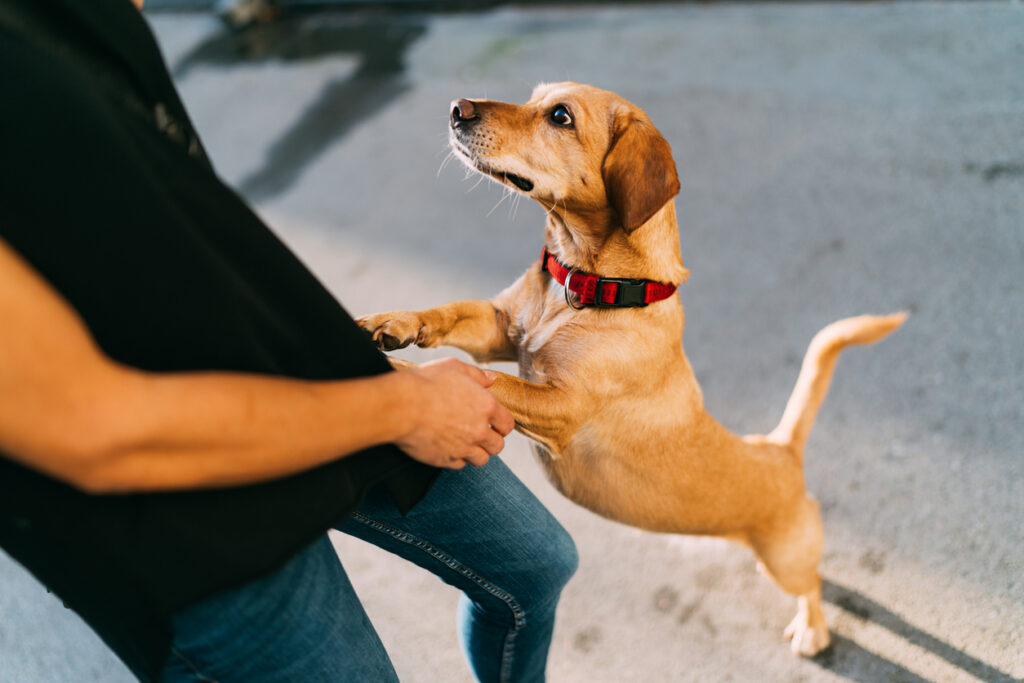
Bring along something your dog finds absolutely irresistible, like tiny pieces of cooked chicken, cheese, or special training treats that they only get on walks. The key is making sure your treats are more appealing than whatever revolting thing they might find on the street.
Practice the “leave it” command at home first using these special treats, rewarding them heavily when they ignore food and focus on you instead. Once they’re reliable indoors, you can start using the same technique on walks when they spot street food.
8. Make your walks mentally stimulating rather than just exercise.
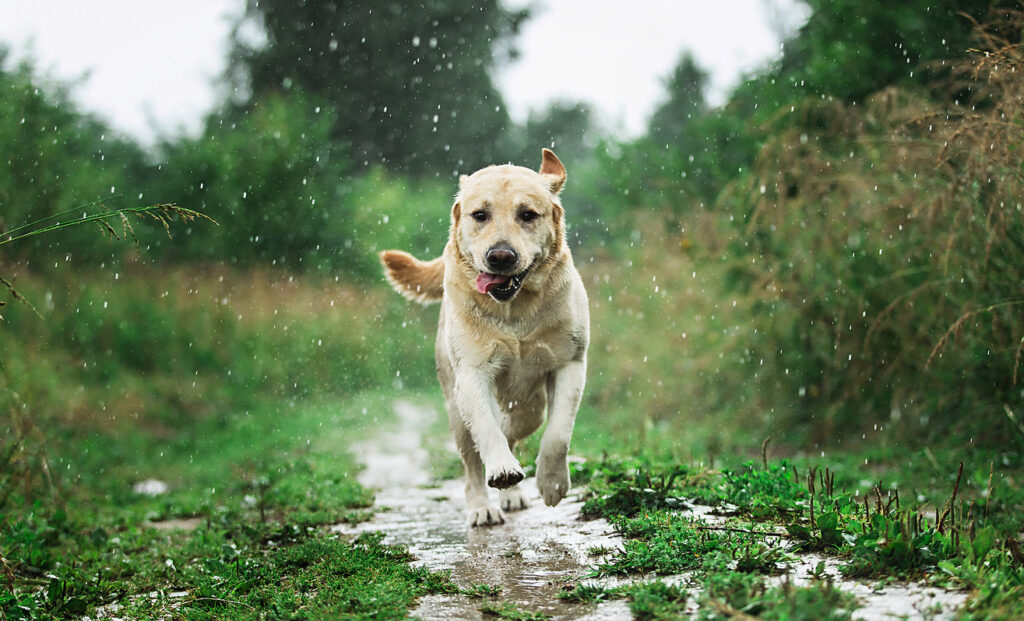
Change your route regularly, let your dog sniff interesting (safe) areas for longer periods, and engage with them during walks rather than just walking in silence. A mentally tired dog is much less likely to seek entertainment through eating random rubbish.
Try incorporating training games, different walking speeds, or even hiding treats along your route for them to find legitimately. When walks become interesting and engaging, your dog won’t need to create their own entertainment through street scavenging.
9. Teach a rock-solid “leave it” command using positive reinforcement.
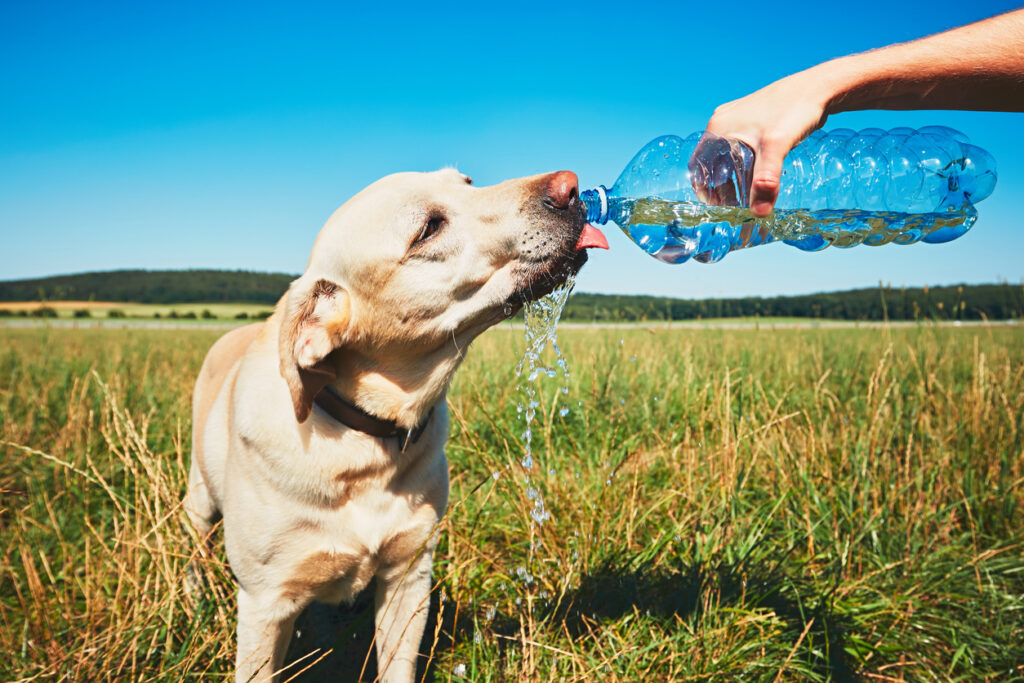
Start training at home with low-temptation items, rewarding your dog heavily when they ignore things you tell them to leave alone. Gradually increase the difficulty by practicing with more tempting items until they can reliably leave alone even their favourite treats.
The key is making ignoring the forbidden item more rewarding than taking it, which means your reward needs to be better than whatever they’re being asked to leave. Consistent practice makes this command automatic, even when they’re excited or distracted.
10. Keep them on a shorter lead in high-risk areas.
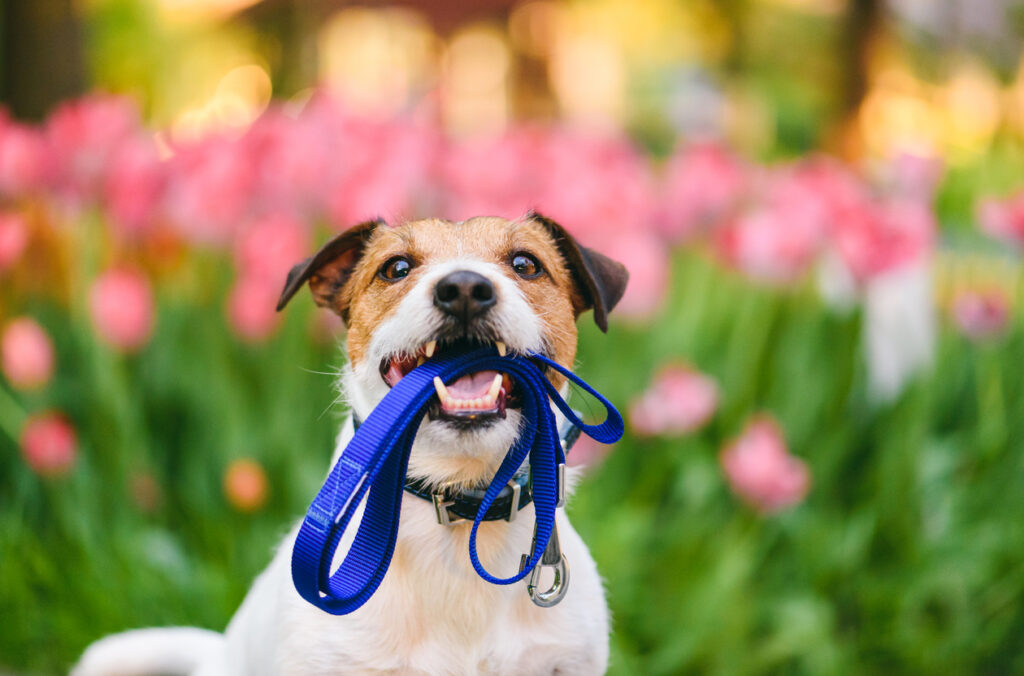
In places where you know there’s likely to be dropped food like outside pubs, near takeaways, or in busy shopping areas, keep your dog closer to you so they can’t reach potential street snacks before you notice them.
This isn’t about restricting their freedom permanently, it’s about managing the environment while you’re still training them to make better choices. Once their “leave it” command is reliable, you can gradually give them more freedom again.
11. Redirect their attention before they spot the food.

Learn to scan ahead for potential street food hazards and call your dog’s attention to you before they notice the tempting morsel. Use your high-value treats to reward them for focusing on you instead of investigating everything on the ground.
Prevention is much easier than interruption once they’ve already spotted something delicious. By keeping them engaged with you, they’re less likely to be constantly scanning the ground for interesting things to eat.
12. Consider adding variety to their regular diet.

If your dog is always eating the same food, try adding safe fresh ingredients like carrots, green beans, or small amounts of cooked meat to make their regular meals more interesting and nutritionally varied.
A more satisfying and varied diet at home might reduce their desire to seek out exciting flavours on the street. Just make sure any additions are dog-safe and don’t make up more than 10% of their total daily food intake.