Sea turtles are basically the ocean’s coolest ancient mariners.
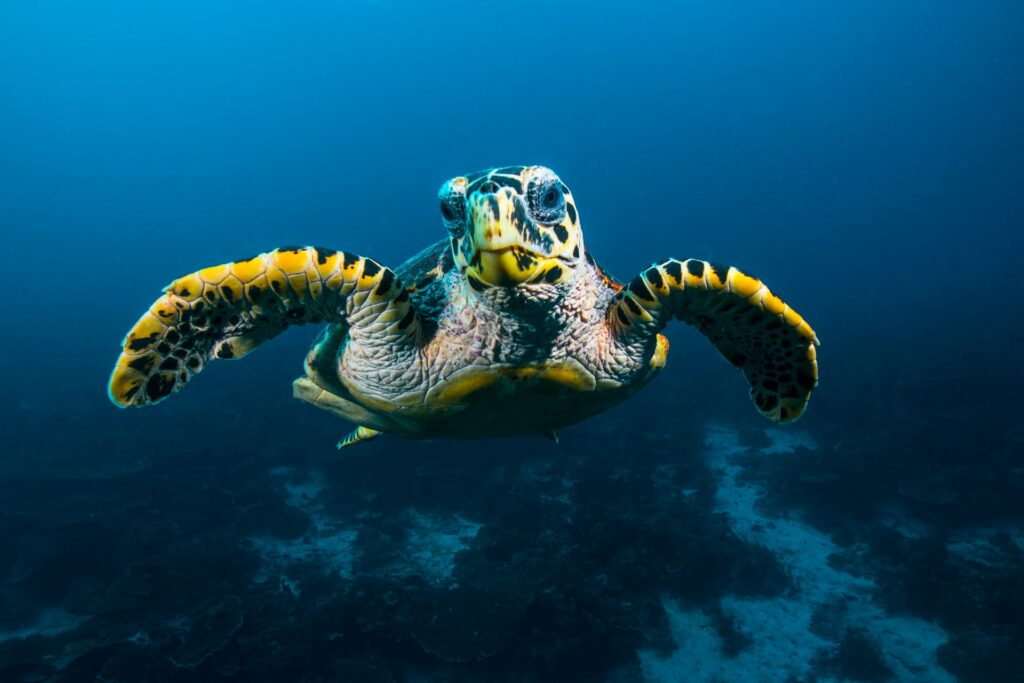
They’ve been swimming around for over 100 million years while barely changing their excellent design. These amazing creatures have conquered every ocean except the Arctic, and each species has developed its own personality and preferred hangout spots that make them fascinating to learn about.
1. Green sea turtles — the vegetarian giants
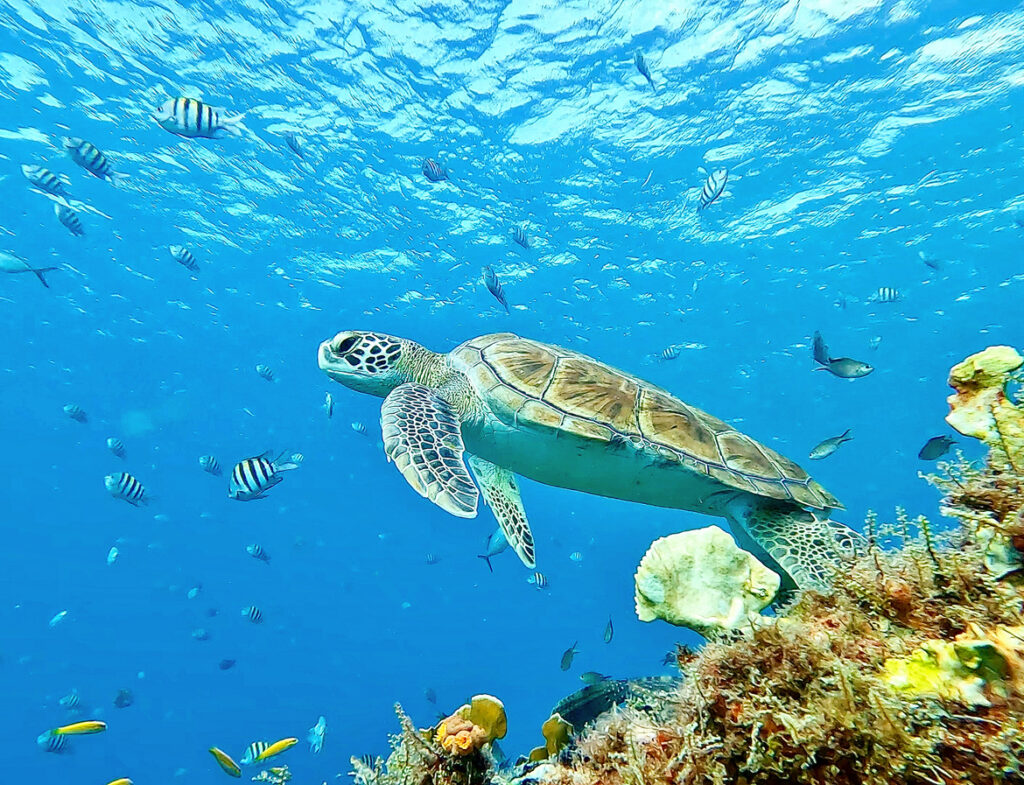
Despite their name, green sea turtles aren’t actually green on the outside but get their name from the greenish colour of their fat, which comes from eating loads of seagrass and algae. These gentle giants can weigh up to 190 kilograms and are the only adult sea turtles that are proper vegetarians.
You’ll find green sea turtles cruising around tropical and subtropical waters worldwide, with major nesting beaches in places like Costa Rica, Australia’s Great Barrier Reef, and various Pacific islands. They love hanging out in shallow coastal waters, where the seagrass buffets are most abundant.
2. Loggerhead sea turtles — the big-headed explorers
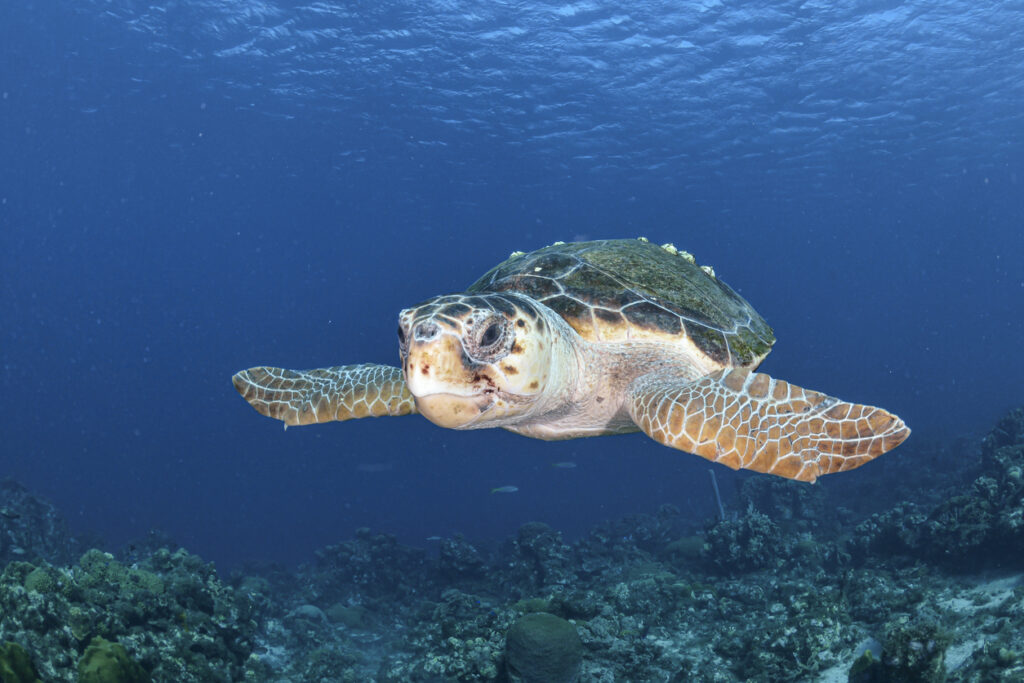
Loggerheads have absolutely massive heads compared to their body size, which houses powerful jaw muscles perfect for crushing crabs, shellfish, and other crunchy marine snacks. These impressive turtles are champion ocean travellers who can migrate thousands of miles across entire ocean basins.
These hardy explorers live throughout the Atlantic, Pacific, and Indian Oceans, with some of the most important nesting sites in places like Florida, Greece, and Oman. Loggerheads are proper globetrotters who think nothing of swimming from Japan to Mexico for dinner.
3. Hawksbill sea turtles — the coral reef beauticians

Hawksbills are the fashionistas of the turtle world, with their gorgeously patterned shells that unfortunately made them targets for the tortoiseshell trade. These smaller turtles have pointed beaks perfect for reaching into coral reef crevices to munch on sponges, which helps keep reefs healthy.
You’ll spot hawksbills around coral reefs in tropical waters throughout the Caribbean, Indo-Pacific, and parts of the Atlantic. They’re like underwater gardeners who help maintain reef ecosystems by preventing certain sponges from taking over and crowding out corals.
4. Kemp’s ridley sea turtles — the rarest ocean nomads
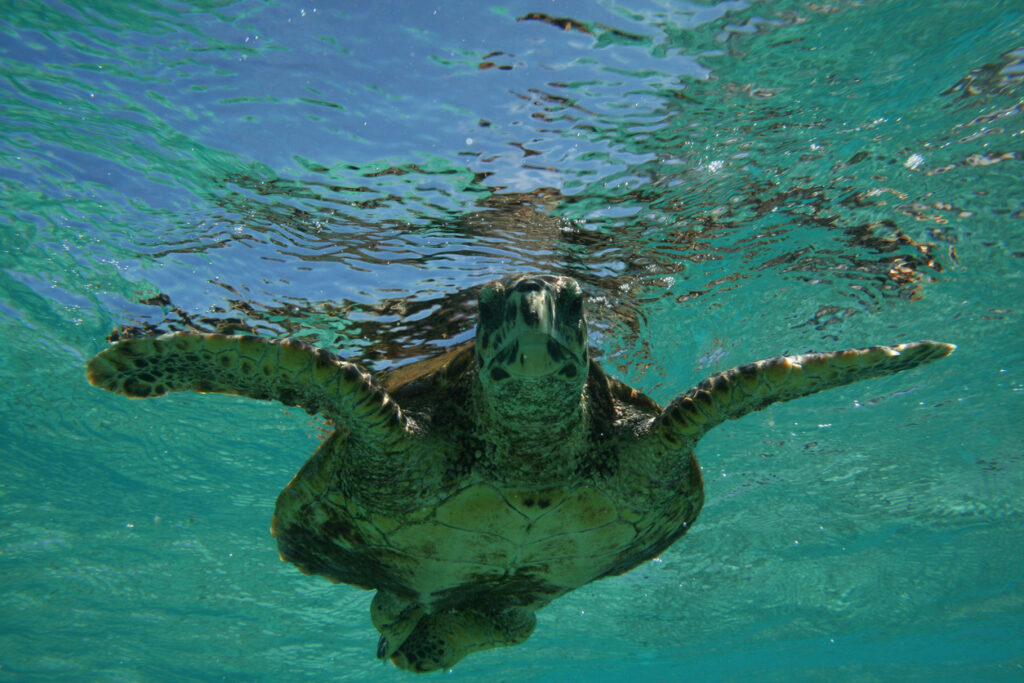
Kemp’s ridleys are the smallest and most endangered sea turtles, with a population so critically low that every individual turtle genuinely matters for the species’ survival. These grey-green turtles have an unusual synchronized nesting behaviour called arribada, where hundreds arrive at beaches simultaneously.
Almost all Kemp’s ridleys nest on a single beach in Mexico called Rancho Nuevo, though they spend their lives swimming around the Gulf of Mexico and up the US Atlantic coast. Their entire species depends on protecting one stretch of beach, which makes conservation efforts incredibly focused but also precarious.
5. Olive ridley sea turtles — the party nesters
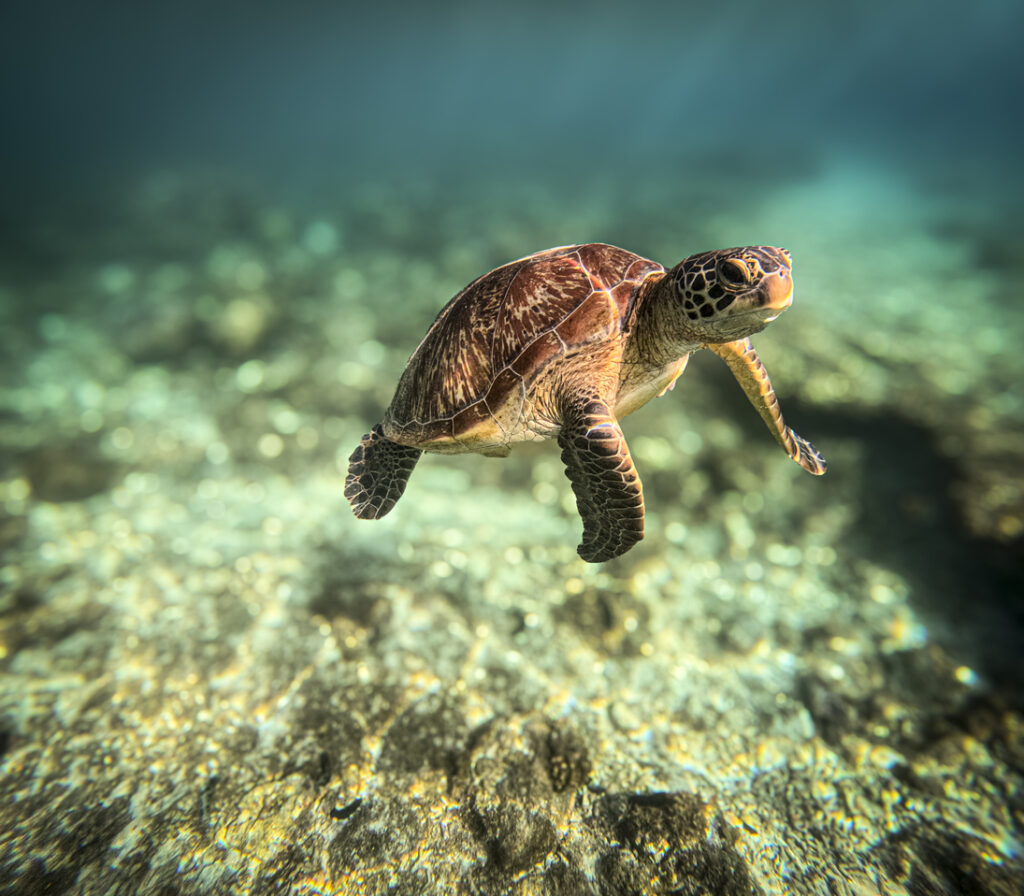
Olive ridleys are famous for their massive synchronised nesting events where thousands of female turtles arrive at beaches on the same nights, creating an absolutely incredible wildlife spectacle. These medium-sized turtles are the most abundant sea turtle species globally, which is brilliant news.
They’re social nesters who prefer tropical waters in the Pacific and Indian Oceans, with major arribada sites in Costa Rica, Mexico, and India. When they’re not participating in these epic beach parties, olive ridleys cruise the open ocean eating jellies, crabs, and small fish.
6. Leatherback sea turtles — the ocean’s giants
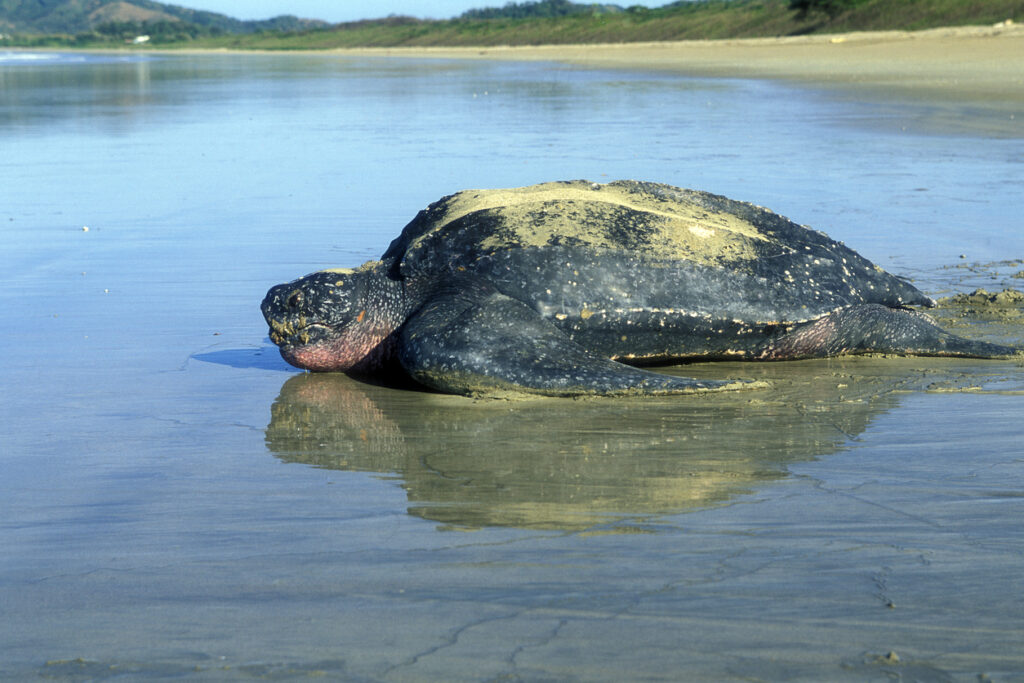
Leatherbacks are absolutely enormous turtles that can reach over 2 meters long and weigh as much as a small car, making them the largest turtles on Earth. Instead of hard shells, they have flexible, leathery carapaces that help them dive incredibly deep while chasing their favourite food: jellyfish.
These massive ocean wanderers travel further than any other sea turtle, swimming across entire oceans and diving deeper than 1,000 meters to hunt jellyfish in the deep sea. Leatherbacks nest on beaches throughout the tropics, but spend most of their lives in the open ocean, including surprisingly cold waters.
7. Flatback sea turtles — Australia’s homebodies
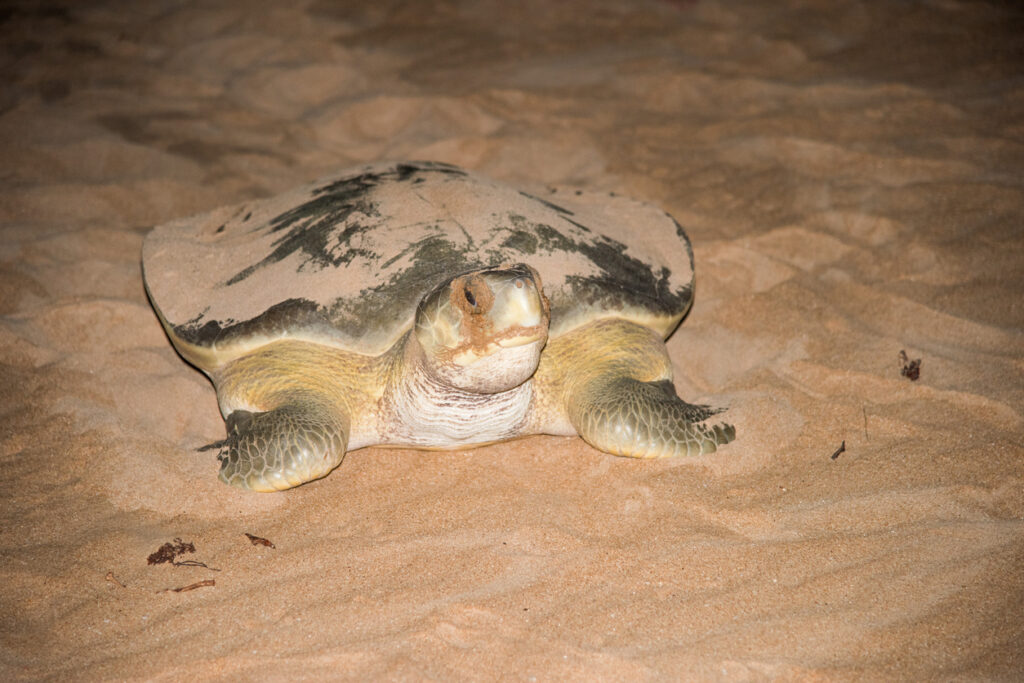
Flatbacks are the only sea turtle species that stays close to home, living exclusively around northern Australia and southern New Guinea. These medium-sized turtles have flatter shells than other species and prefer the shallow coastal waters of the Australian continental shelf.
Unlike their globe-trotting relatives, flatback turtles are proper homebodies who rarely venture far from Australian waters. They nest on beaches across northern Australia and spend their lives in the relatively shallow waters between Australia and New Guinea, making them the most geographically limited sea turtle species.
Each of these incredible species faces different challenges from climate change, plastic pollution, and coastal development, but conservation efforts worldwide are working to protect their nesting beaches and ocean habitats. Seeing any sea turtle in the wild is always magical because you’re looking at creatures that have been perfecting their ocean lifestyle since before the dinosaurs disappeared.