Autumn is one of the most important times to look after your garden.
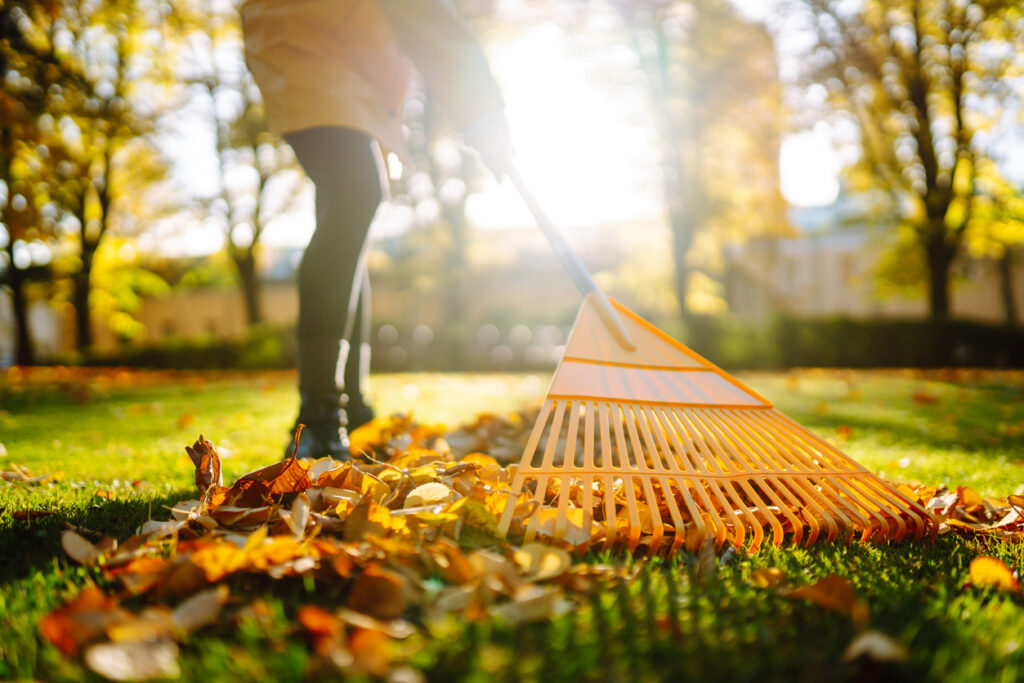
That’s because how you prepare it now sets the stage for winter survival and spring growth. While you won’t have to do much active upkeep throughout the cold season, you’ll need to start setting yourself up for success now. With the cooler months creeping in, here are the most effective steps to keep your garden thriving.
1. Clear away fallen leaves.
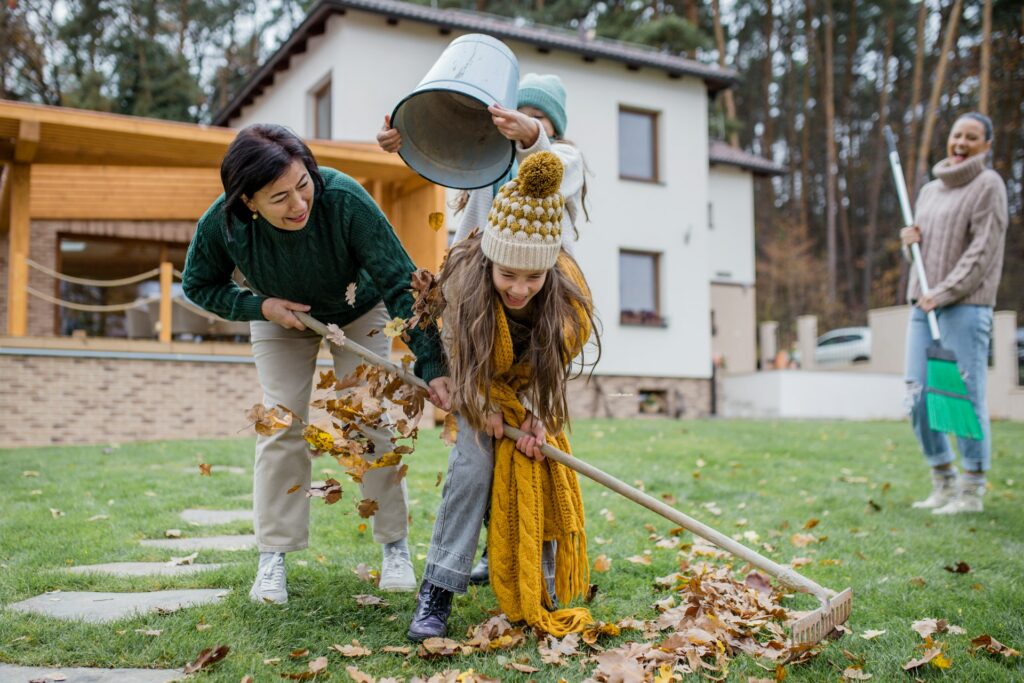
While autumn leaves look beautiful at first, leaving them to pile up can suffocate grass, block light, and encourage damp that attracts pests. Wet leaves also create a slippery mess that makes your garden harder to manage, especially on paths and patios. Over time, that build-up can cause moss and algae to spread, leaving behind patches that are difficult to fix.
Make time to rake regularly and compost what you collect, so the effort pays off later. Adding leaves to a compost heap creates rich organic matter that improves soil health for the next season. If you don’t compost, bagging them up for council collection is still better than letting them smother your garden.
2. Give your lawn a final mow.
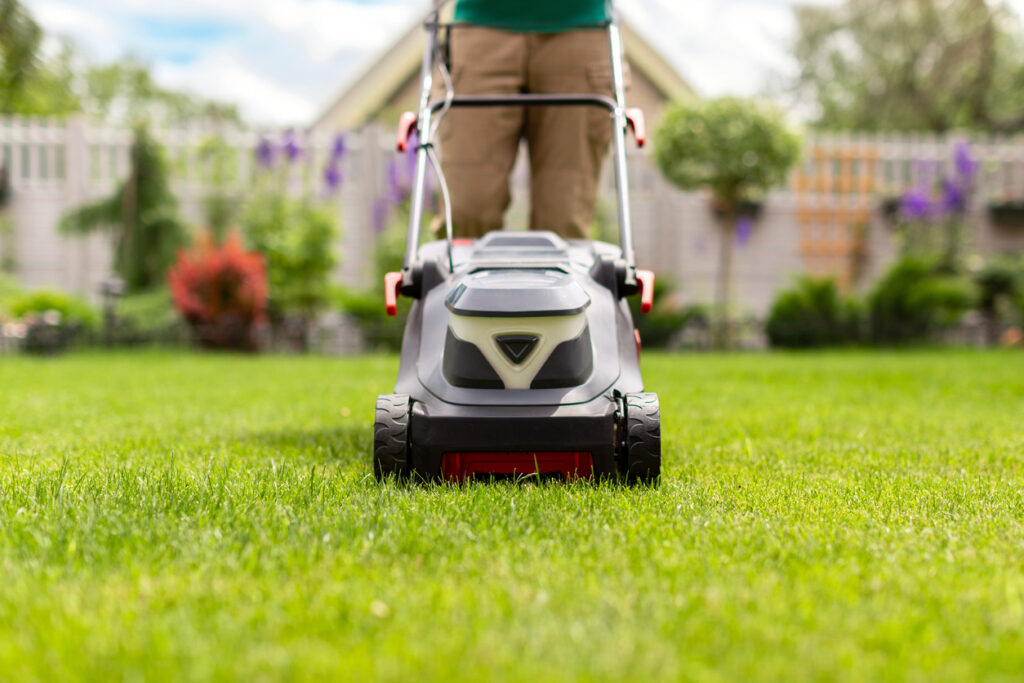
Grass growth slows down as temperatures drop, but it doesn’t stop completely. If you let it grow too long, it can become patchy and weak once the frost arrives, leaving it prone to moss and bare spots. A shaggy lawn also takes longer to recover when spring returns, which means more work later.
Set your mower on a higher setting and cut the grass one last time before winter so you don’t leave it scalped. This keeps it neat without leaving it too short, giving the blades a better chance of surviving frost and damp. You can also edge around paths and borders for a tidier look that will hold through the cold months.
3. Prune shrubs and hedges.
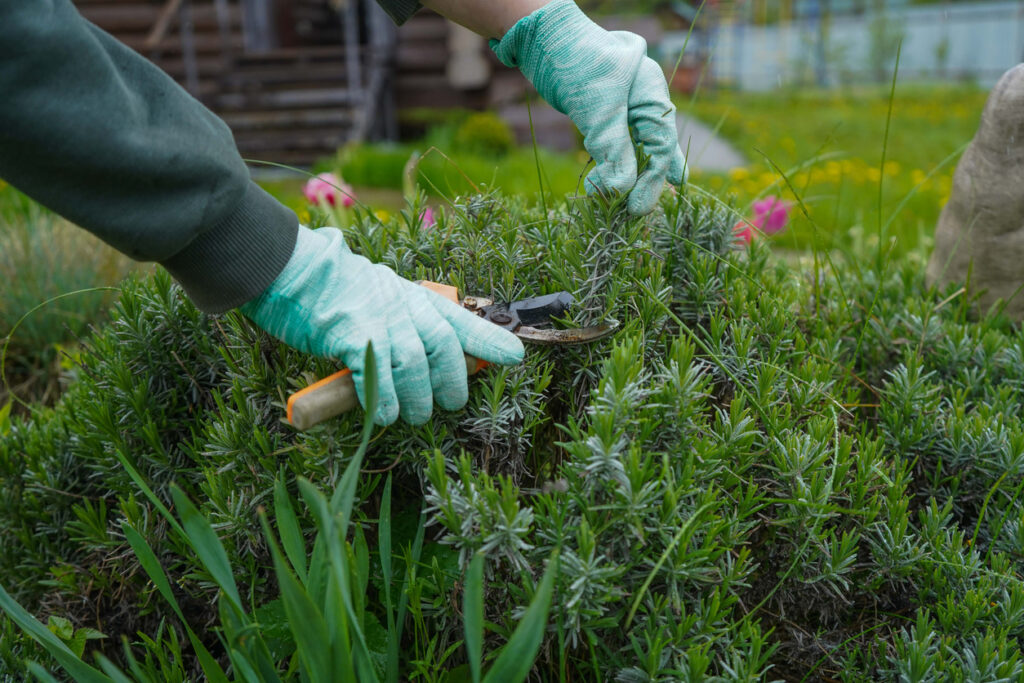
Unpruned plants often become tangled and messy during autumn, which makes them more vulnerable to disease. Dense growth also blocks out light and air circulation, which encourages fungal issues to spread. By leaving them untrimmed, you risk starting the next season with unhealthy shrubs.
Trim shrubs, bushes, and hedges before the cold sets in, but avoid cutting too harshly as this can expose them to frost damage. Light pruning helps maintain shape, removes dead branches, and allows healthier regrowth in spring. It also gives your garden a neater look going into the winter.
4. Protect delicate plants.
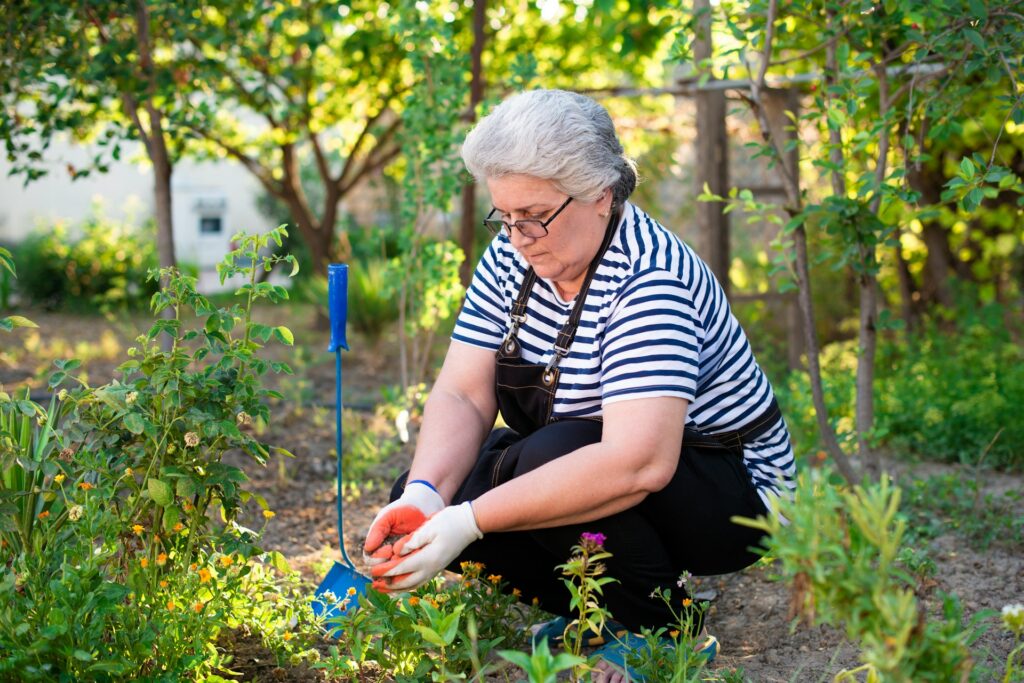
Tender plants struggle in colder months, and sudden frosts can quickly damage leaves and stems. Plants like dahlias, geraniums, and citrus trees often suffer the most because they are not built for low temperatures. If you don’t act early, you may find them wilted or dead by the first hard frost.
Move pots into sheltered spots like greenhouses, porches, or even indoors if necessary. For plants you can’t move, use fleece, cloches, or even upturned plastic bottles for extra protection. Taking a little time now keeps those favourites alive and ready to bloom again when the weather warms up.
5. Add mulch to beds.
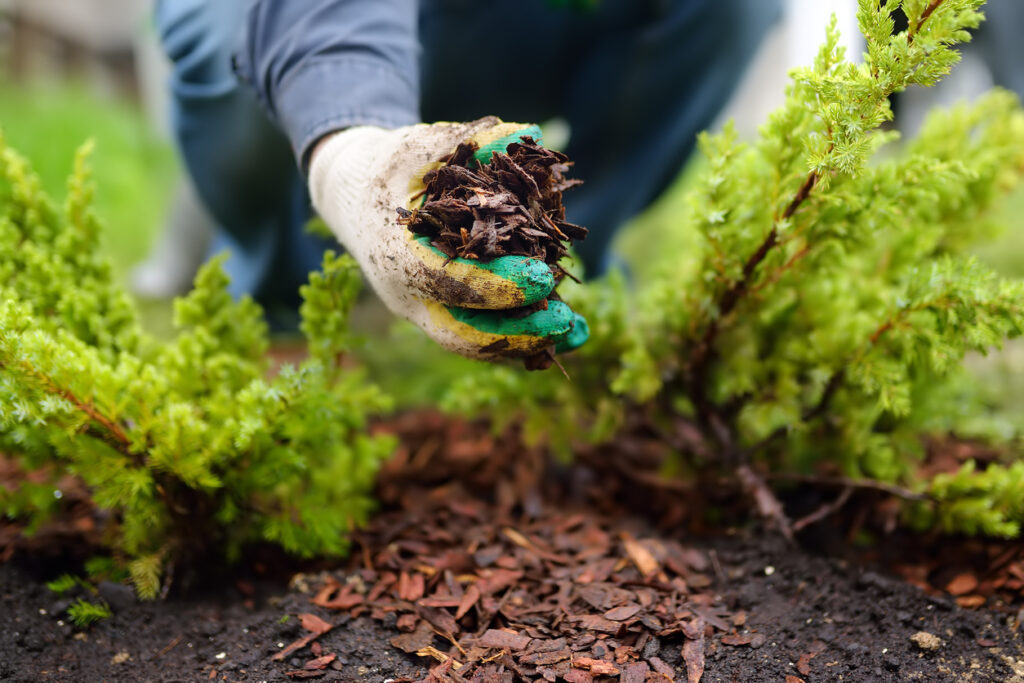
Soil can easily dry out or become compacted during the colder months, leaving roots exposed and nutrients depleted. Frost can penetrate unprotected soil, causing damage to tender root systems. Without a barrier, many plants struggle to survive until spring.
Spread a generous layer of mulch over your borders and around shrubs so the soil stays insulated. Organic mulch such as bark chips, compost, or leaf mould also feeds the soil as it breaks down. It’s a simple step that protects your garden now and sets it up for a strong growing season later.
6. Plant spring bulbs.
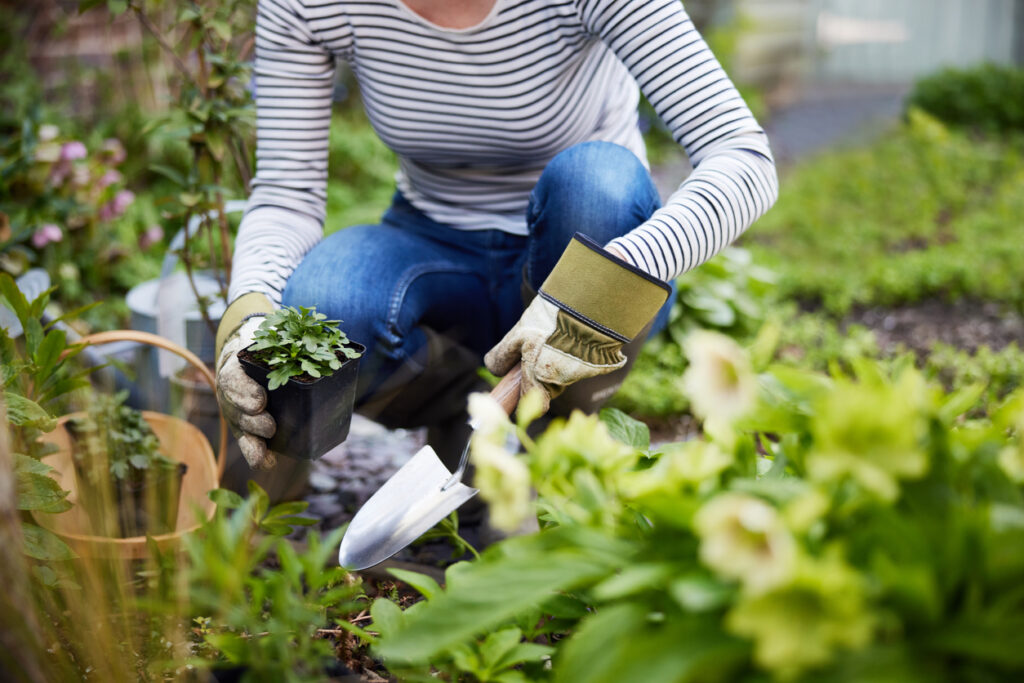
It might feel too early to think about spring, but autumn is the ideal time to plant bulbs. If you delay, the soil becomes too cold and wet, which reduces their chance of blooming. Planting early gives them the time they need to establish roots before winter sets in fully.
Choose daffodils, tulips, or crocuses and plant them before the first frost to guarantee colourful displays. Mixing different varieties ensures a longer season of blooms, brightening your garden just when you need it most. A little forward planning now pays off with stunning results after months of bare ground.
7. Tidy up borders.
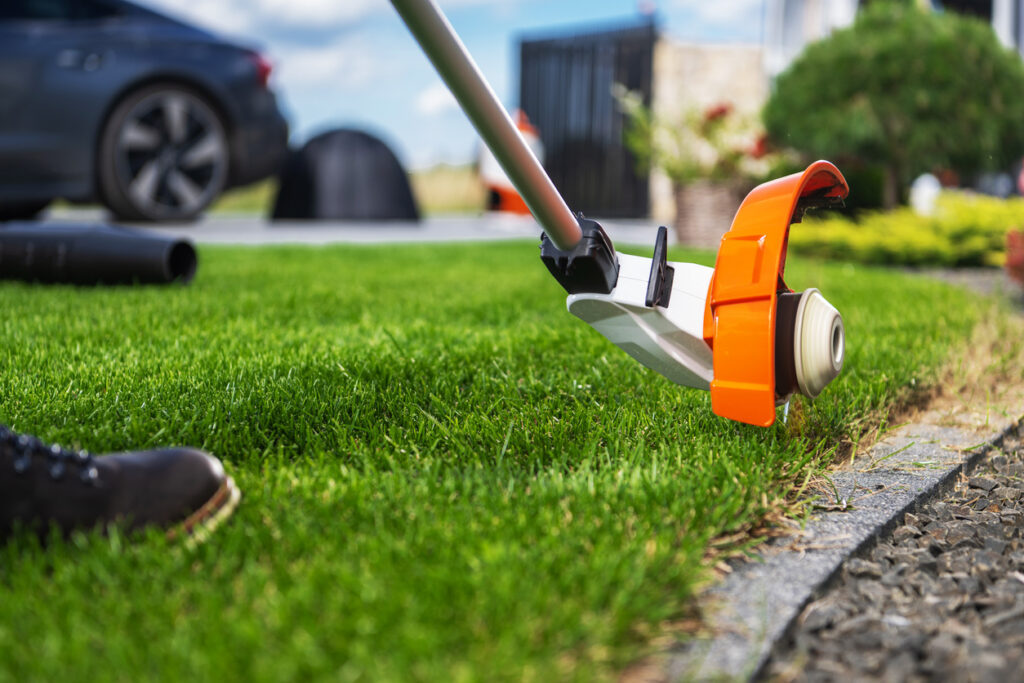
Messy borders not only look untidy, but they also provide hiding places for pests and diseases. Dead stems and weeds can spread quickly in damp autumn conditions, which makes the problem harder to tackle later. If left alone, you may find yourself fighting an uphill battle in spring.
Cut back perennials that have finished flowering and pull up unwanted weeds before they seed. Add any healthy clippings to your compost heap, but dispose of diseased material separately. With borders cleared, your garden will be more organised and easier to manage through winter.
8. Clean and store garden furniture.
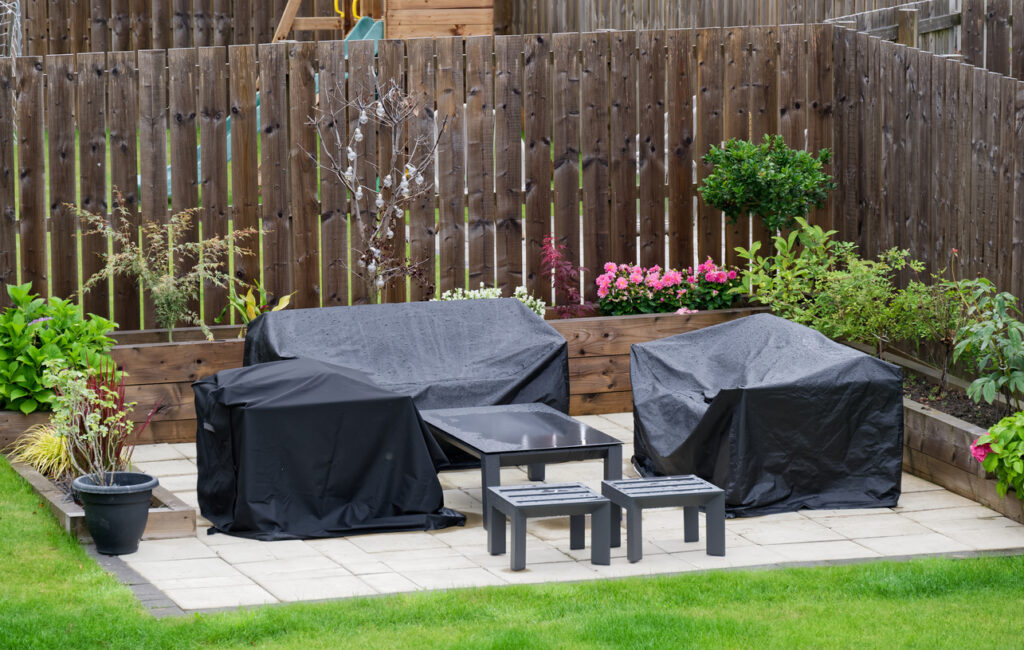
Leaving outdoor furniture exposed during autumn and winter often leads to rust, rot, or mildew. Cushions can absorb damp and become ruined, while wooden furniture quickly loses its finish. Replacing damaged pieces each year becomes expensive and unnecessary with the right preparation.
Wipe everything down thoroughly and store furniture in a shed, garage, or under waterproof covers. Taking this step keeps your furniture looking good and ready to use as soon as spring arrives. It’s a simple job that saves money and hassle later on.
9. Harvest late crops.
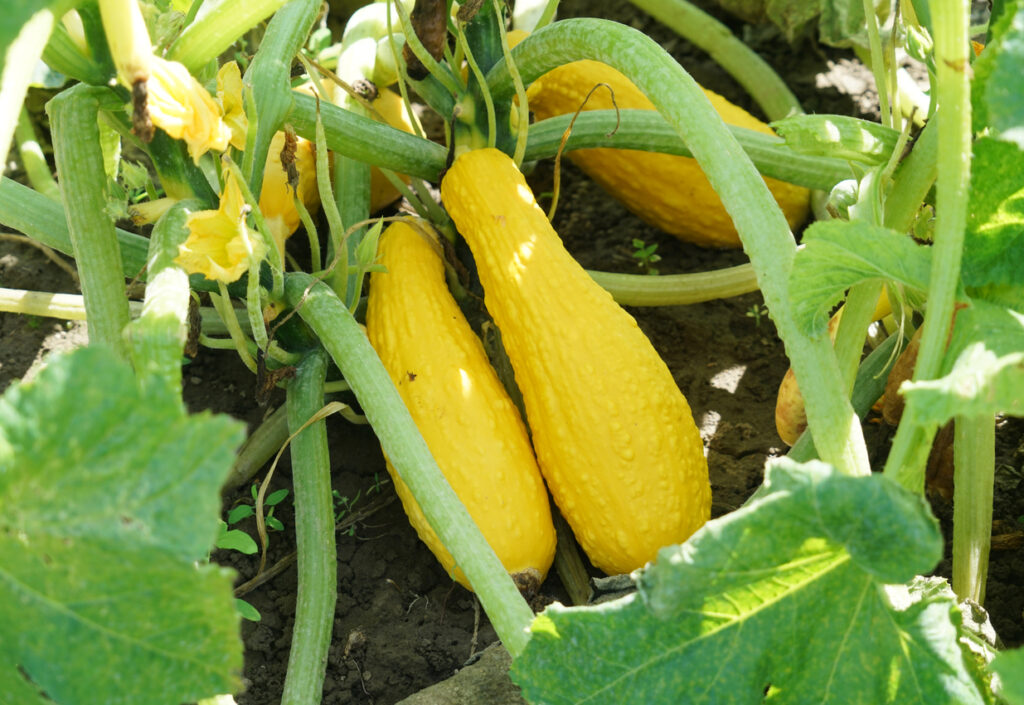
Many vegetables, like pumpkins, squashes, and root crops, reach their peak just before the frost sets in. Leaving them in the ground too long risks spoilage, reduced flavour, or damage from freezing conditions. A sudden cold snap can wipe out weeks of hard work.
Gather ripe produce and store it in a cool, dry place where it lasts longer. Root crops like carrots and parsnips can also be left in the soil if covered with straw for insulation. Either way, harvesting in time ensures you get the best return from your planting efforts.
10. Check your compost heap.
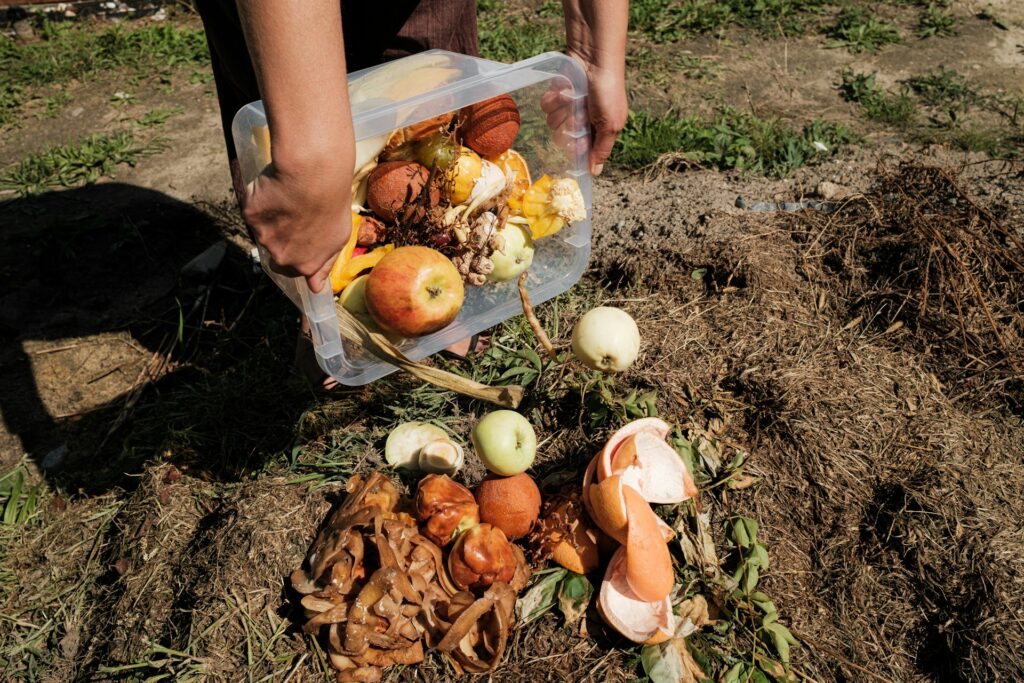
Autumn creates an abundance of material for compost, from grass cuttings to fallen leaves. If you don’t balance it properly, the heap can become too soggy and break down slowly. A neglected compost pile is more likely to smell and attract pests.
Turn the pile to add air and mix in “brown” materials such as shredded cardboard or dried twigs. Doing so balances out wet material and keeps decomposition working efficiently. By keeping compost healthy, you’ll have nutrient-rich soil improver ready for use in spring.
11. Clean tools before storage.

Gardening tools pick up soil, sap, and rust over the growing season. Storing them dirty often means they wear out quicker and perform poorly when you need them most. Blunt blades and stiff handles only make gardening more difficult.
Wash, dry, and oil tools before putting them away to extend their lifespan. Sharpening secateurs and shears now means they’ll be ready for pruning next year. Caring for tools properly saves money and makes your work much easier.
12. Install water butts.
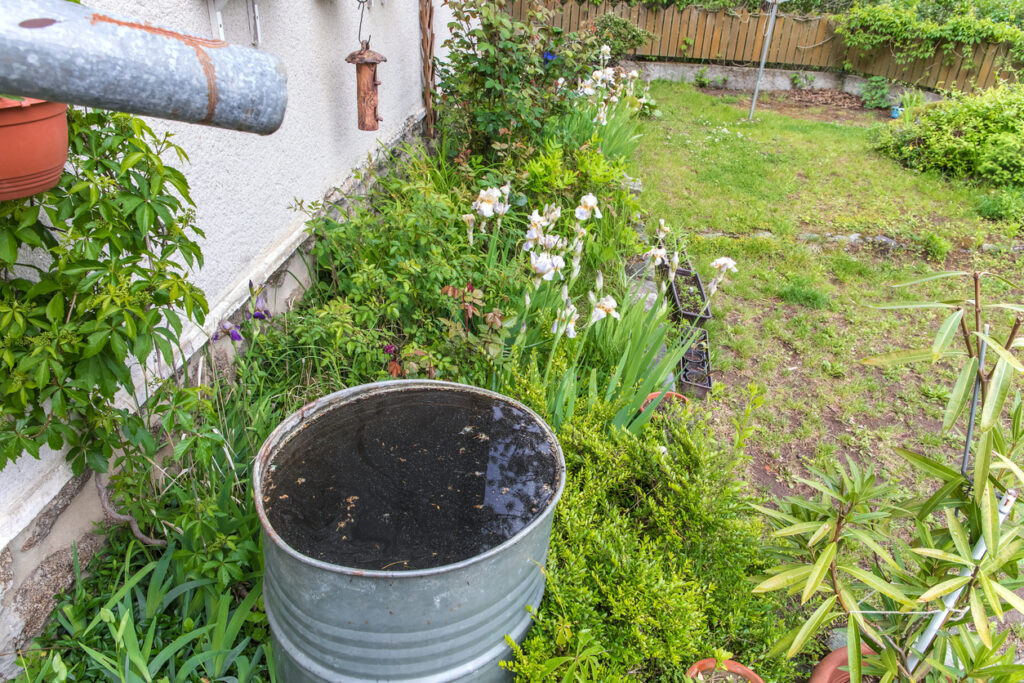
Rainfall increases during autumn, and if you don’t collect it, that resource goes to waste. Buying water during dry spells in spring and summer can be costly, especially with rising utility bills. Collecting your own supply makes your garden more resilient to dry periods.
Setting up water butts now ensures you capture rainwater for later use. Position them under downpipes to collect the maximum amount. Having a supply ready means you can water plants sustainably without relying on mains water.
13. Aerate your lawn.

Heavy autumn rain compacts the soil under your lawn, which reduces drainage and starves grass roots of oxygen. This often leads to weak growth, moss build-up, and waterlogged patches that linger into spring. Without treatment, lawns take longer to recover and may need expensive fixes.
Use a garden fork to create small holes across the surface, improving airflow and drainage. You can also brush in sand or topdressing to further support the process, which gives your lawn the strength to withstand the worst of the winter weather.
14. Prepare wildlife shelters.

As temperatures drop, wildlife looks for safe places to shelter. Hedgehogs, insects, and birds all benefit from extra cover in your garden. Without it, they are left vulnerable to harsh conditions and predators.
Leave some leaf piles or install bug hotels and bird boxes to provide safe havens. Supporting wildlife creates a balanced ecosystem and helps your garden thrive in the long term. Encouraging birds and insects also means natural pest control when the growing season begins again.