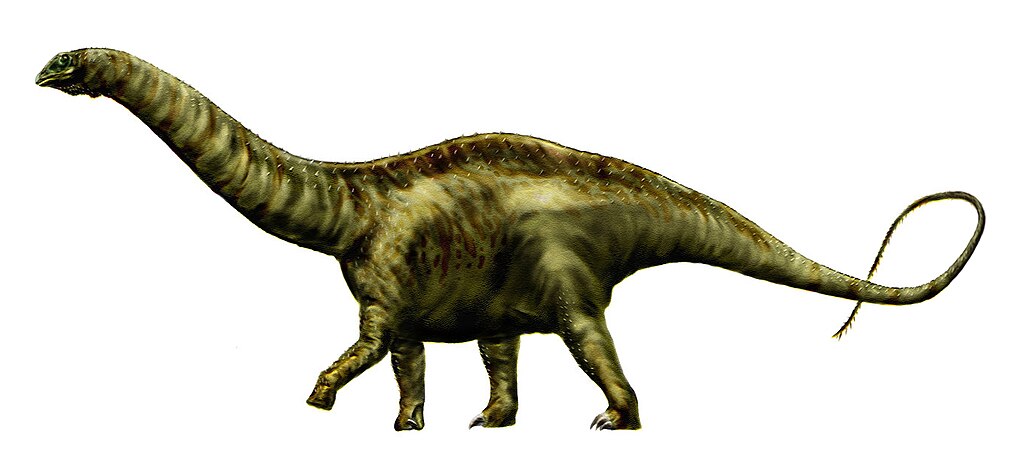
Apatosaurus is one of the most recognisable dinosaurs, with its towering neck, massive body, and long sweeping tail.

Known as one of the giants of the Jurassic world, it has captured imaginations for well over a century. However, there’s far more to this dinosaur than its size alone. From how it lived to the role it played in shaping our understanding of prehistory, here’s everything you need to (or at least should!) know about Apatosaurus.
Its name means “deceptive lizard.”
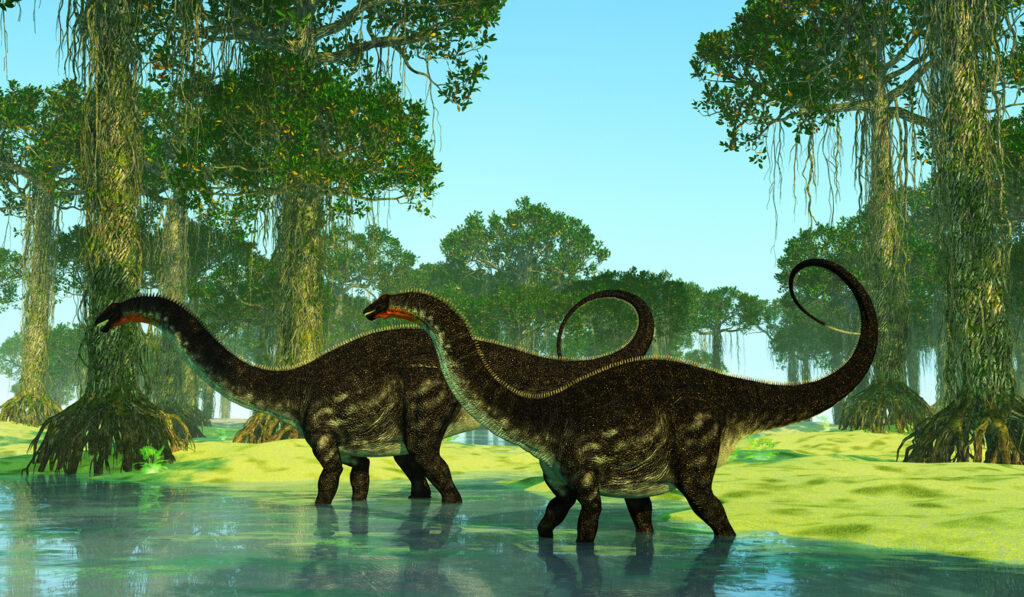
Apatosaurus was named in 1877 by the American palaeontologist Othniel Charles Marsh. The name means “deceptive lizard” because its bones looked similar to those of other dinosaurs, which made classification tricky at the time. Although the name sounds a little odd for such a giant, it stuck and has been used ever since. The choice reflects the confusion scientists faced when trying to separate Apatosaurus from close relatives like Brontosaurus.
It was a Jurassic giant.
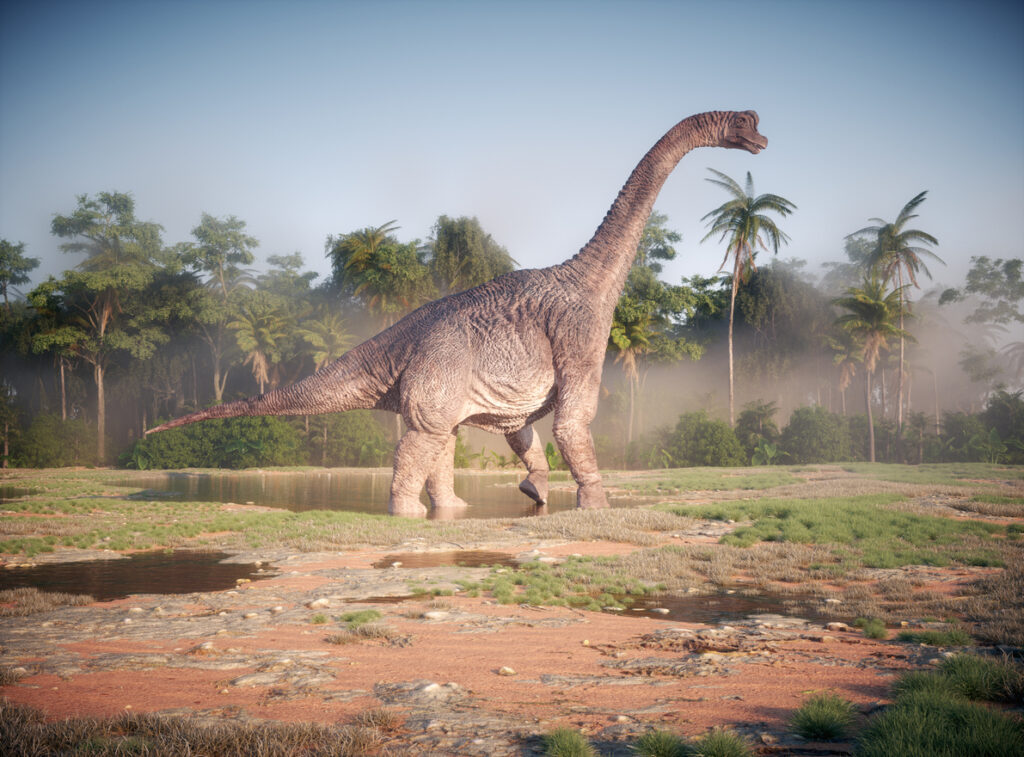
Apatosaurus lived during the Late Jurassic period, around 150 million years ago. It was one of the largest land animals of its time, roaming what is now North America. Reaching lengths of up to 23 metres and weighing more than 15 tonnes, it would have towered over most creatures in its environment. Its sheer size alone made it a dominant presence in prehistoric landscapes.
It belonged to the sauropod group.
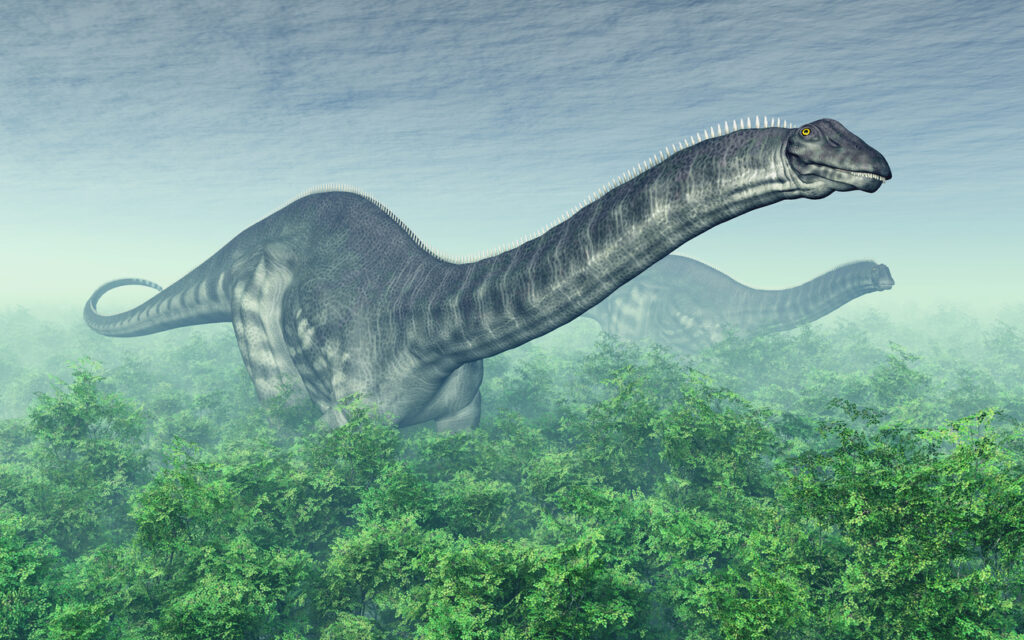
Apatosaurus was part of the sauropod group, a family of long-necked, plant-eating dinosaurs. Other members included Diplodocus, Brachiosaurus, and Brontosaurus, all famous for their enormous size. Sauropods were known for their specialised adaptations that let them eat vast amounts of vegetation. Apatosaurus fit this pattern perfectly, with a long neck designed for browsing and a huge body to process large quantities of food.
Its neck was thick and powerful.
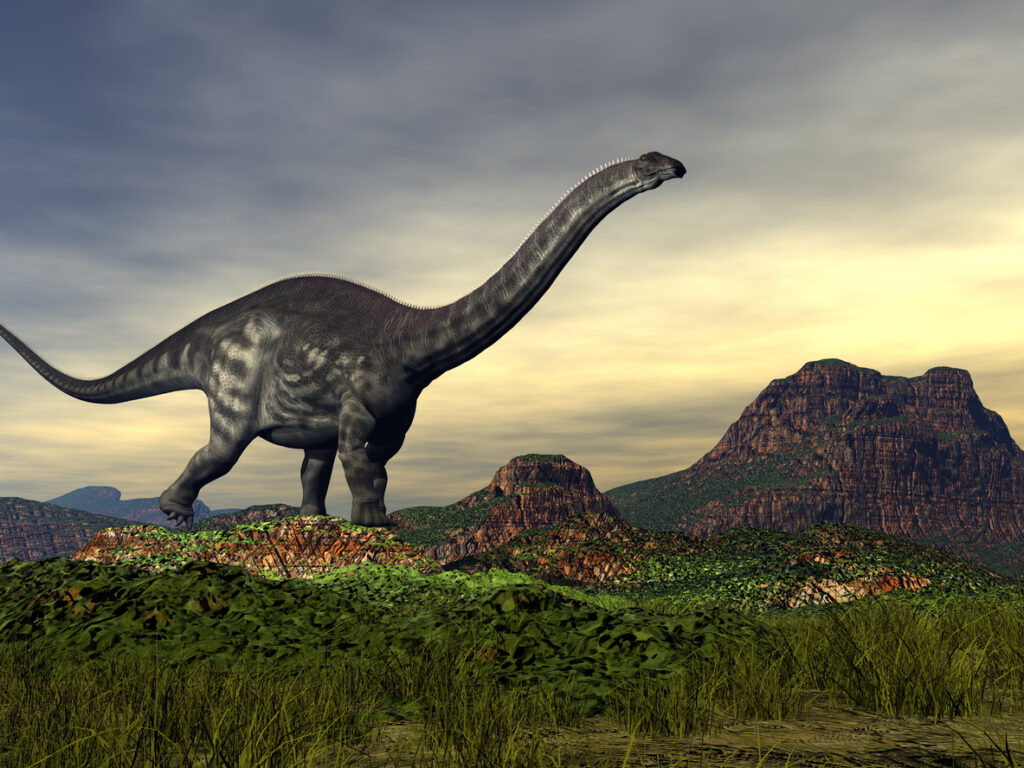
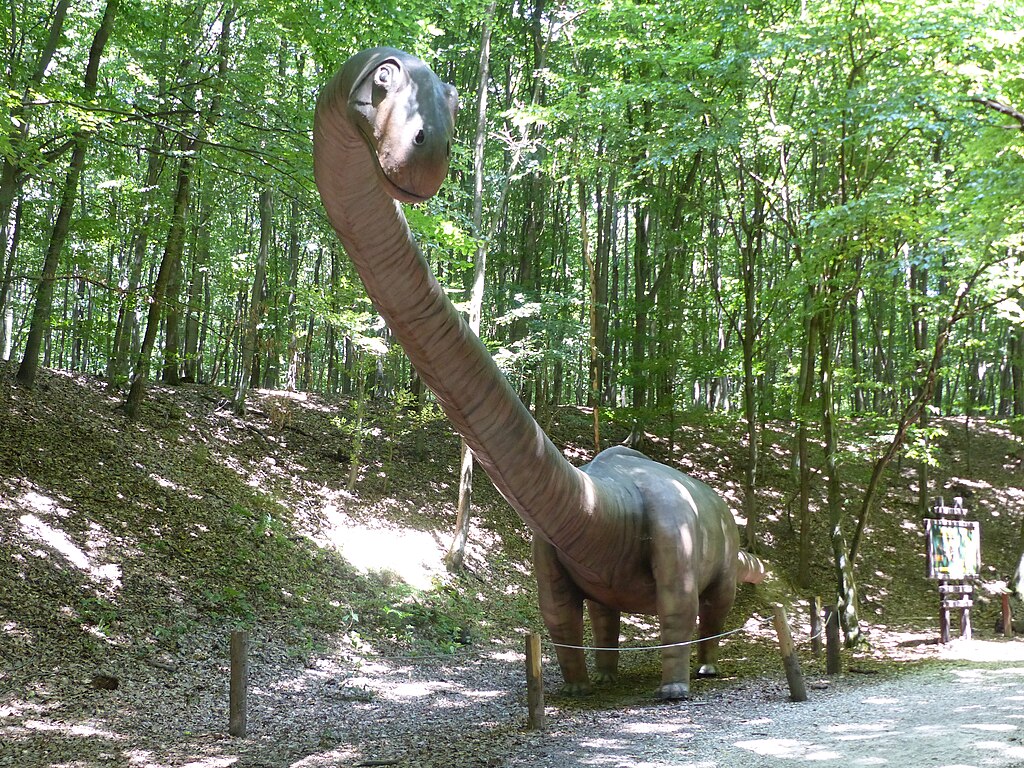
Compared to some of its relatives, Apatosaurus had a shorter but thicker neck. Its neck vertebrae were large and strong, giving it the ability to reach vegetation close to the ground as well as higher up. This neck structure may have helped it push aside trees or strip plants in bulk. While it was less elegant than the neck of Diplodocus, it was built for power rather than flexibility.
It had a whip-like tail.

The tail of Apatosaurus was long, thin, and whip-like, with estimates suggesting it could move at incredible speeds. Some scientists believe it may even have been able to produce a cracking sound like a whip. The tail could have been used as a defence against predators or as a way to communicate with others. Its unique shape set Apatosaurus apart from many other sauropods of its time.
It was a plant eater.
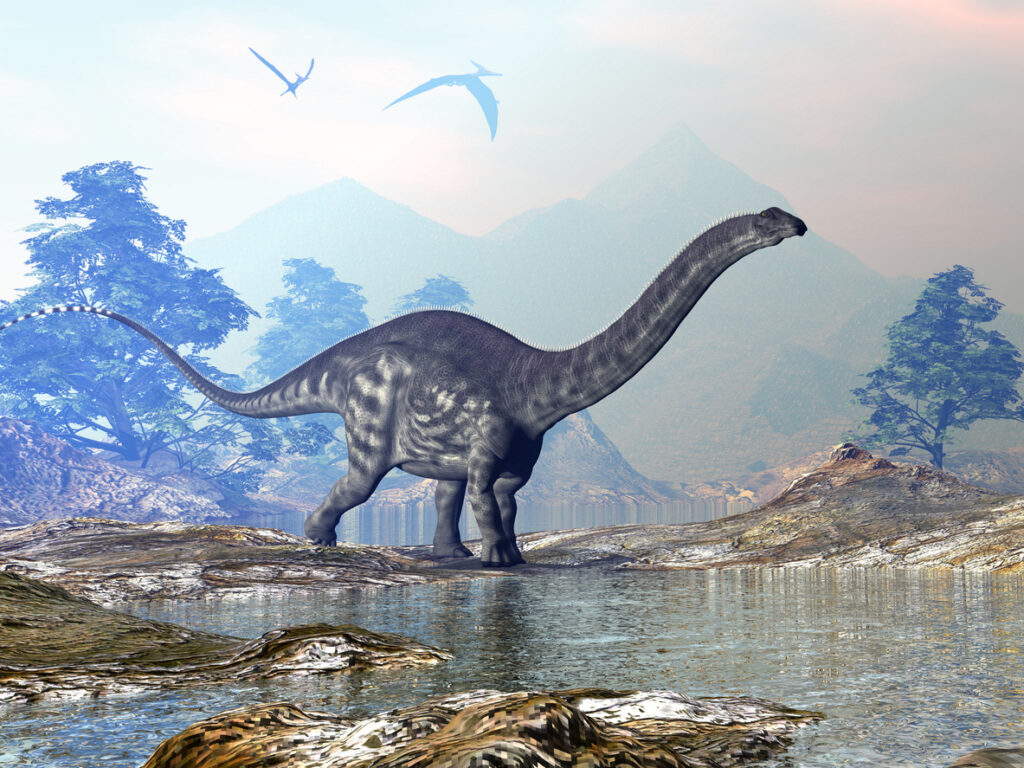
Apatosaurus was a herbivore, feeding on ferns, conifers, and cycads that grew during the Jurassic period. With peg-like teeth designed for stripping leaves, it couldn’t chew food in the way mammals do today. Instead, it swallowed vegetation whole and relied on large guts to break it down. Some scientists think it may have swallowed stones to help grind food, a behaviour known as gastrolith use.
It grew continuously.
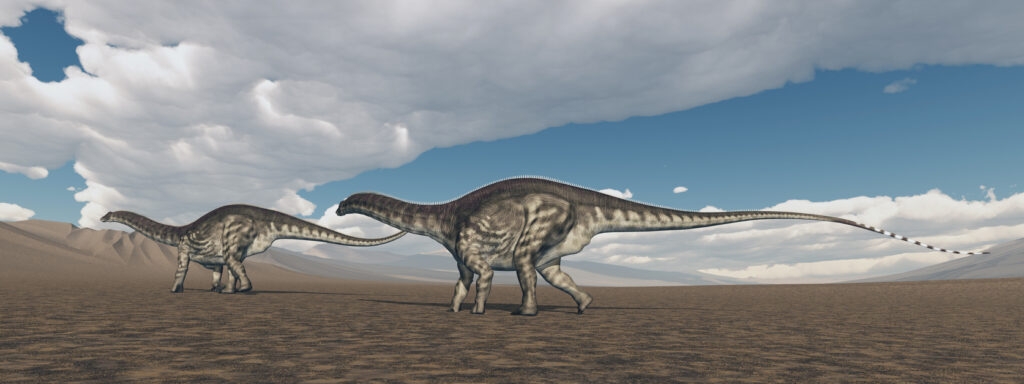
Like many dinosaurs, Apatosaurus didn’t stop growing when it reached maturity. Instead, it grew rapidly when young and then continued to grow slowly throughout its life. This meant older individuals could reach incredible sizes if they lived long enough. Their long lifespans gave them the chance to keep building mass over many decades.
Fossils have been found in North America.
The first Apatosaurus fossils were discovered in the western United States, particularly in Wyoming, Utah, and Colorado. These areas were rich in dinosaur remains from the Jurassic period. The Morrison Formation, a famous fossil bed, has yielded some of the best Apatosaurus skeletons. This region provides much of what we know about how Apatosaurus lived and moved through its world.
Its identity was confused with Brontosaurus.
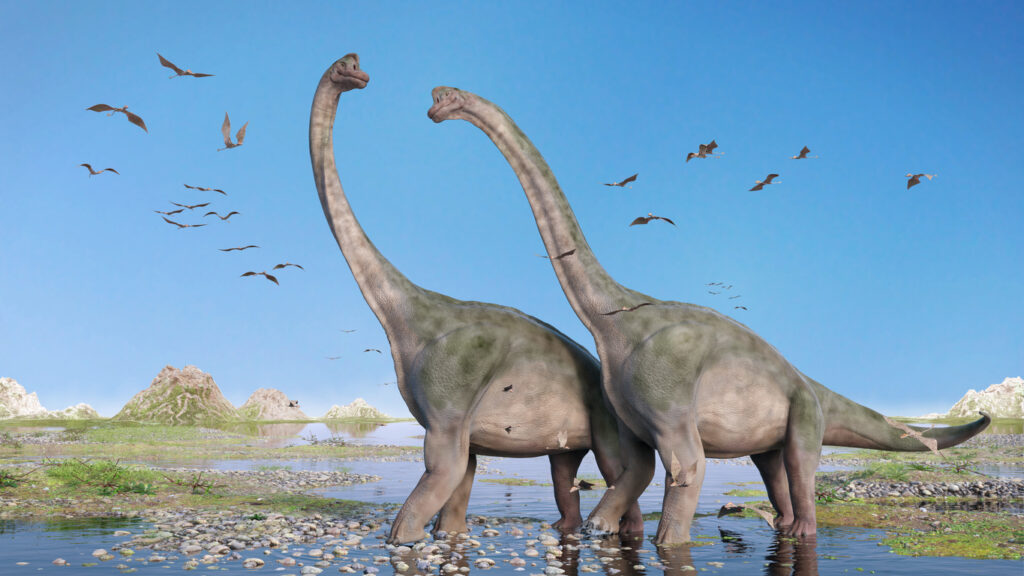
For many years, Apatosaurus and Brontosaurus were thought to be the same animal. Brontosaurus was named shortly after Apatosaurus, and their skeletons were so similar that scientists merged them. Brontosaurus was dropped as an official name for decades, even though it remained popular in culture. Recent research has confirmed that they’re separate, with differences in neck and body structure.
It inspired early museum displays.
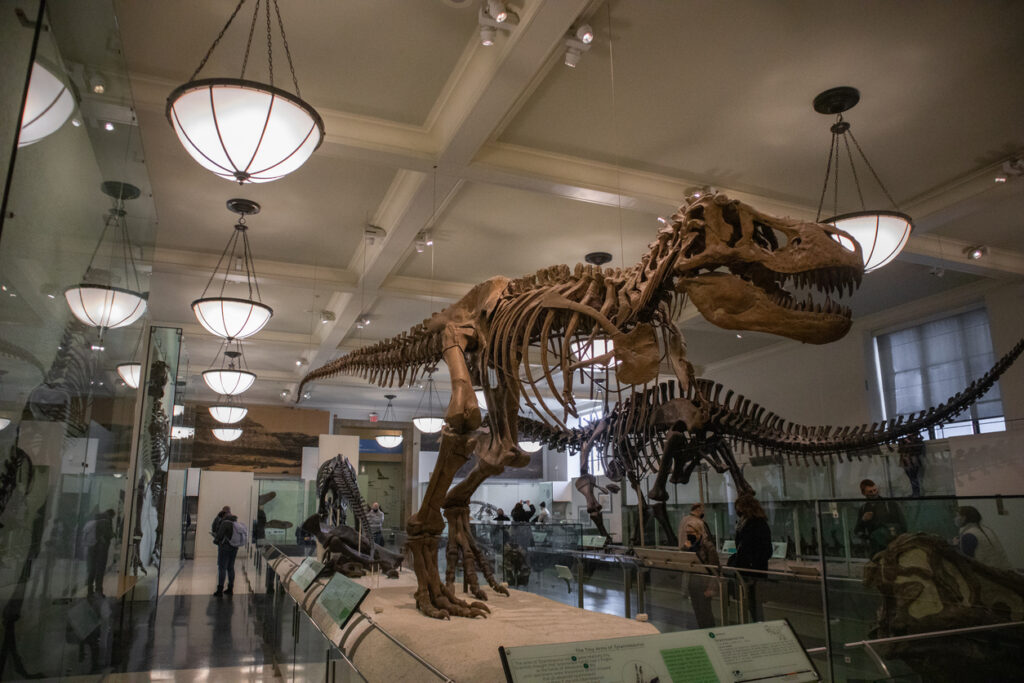
Apatosaurus was one of the first dinosaurs to be mounted in large museum exhibits. Its towering skeletons captured public attention in the late 19th and early 20th centuries. Even with some mistakes, such as being paired with the wrong skull, these displays cemented Apatosaurus as one of the most iconic dinosaurs. For many people, it was their first introduction to the scale of prehistoric life.
It lived in herds.
Evidence from fossil sites suggests Apatosaurus may have lived in groups rather than alone. This herd behaviour would have offered protection from predators and made feeding more efficient. Living in herds also allowed them to travel together to find enough vegetation to sustain their massive bodies. The sight of dozens of these giants moving together would have been incredible.
It faced fearsome predators.
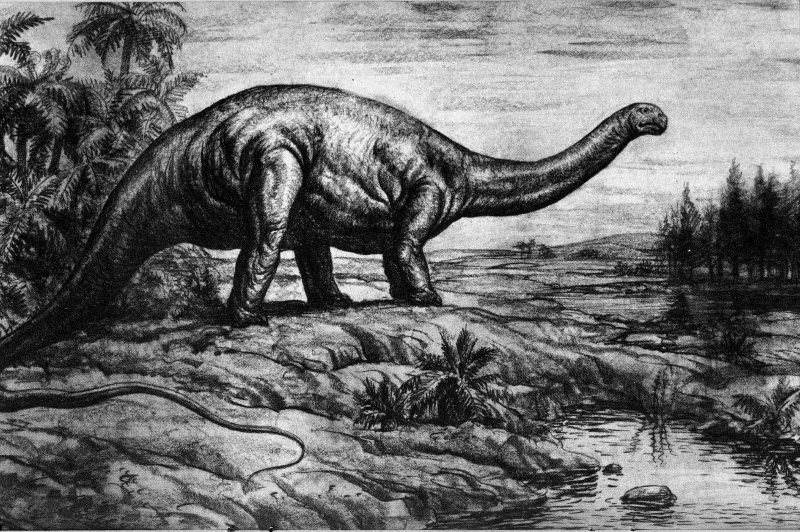
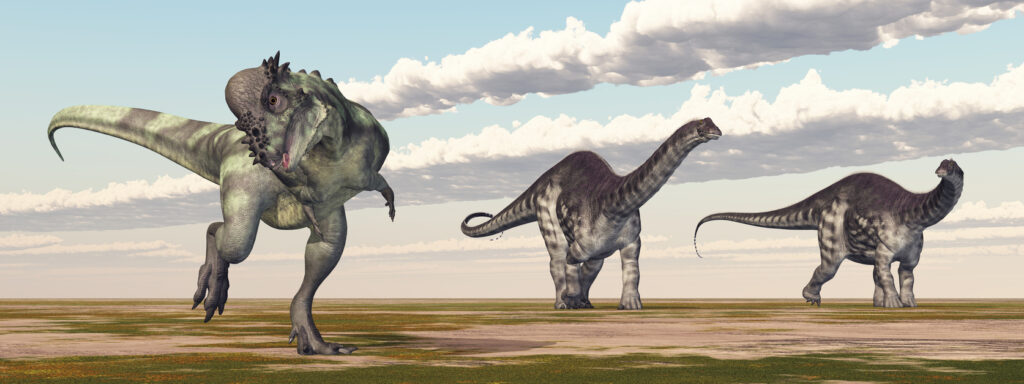
Apatosaurus lived alongside large predators such as Allosaurus. These carnivores may have targeted young or weak individuals, as a full-grown Apatosaurus would have been a dangerous opponent. Its size, strength, and whip-like tail made it difficult prey, but predators always posed a threat. Living in groups may have helped reduce those dangers.
It shaped popular culture.
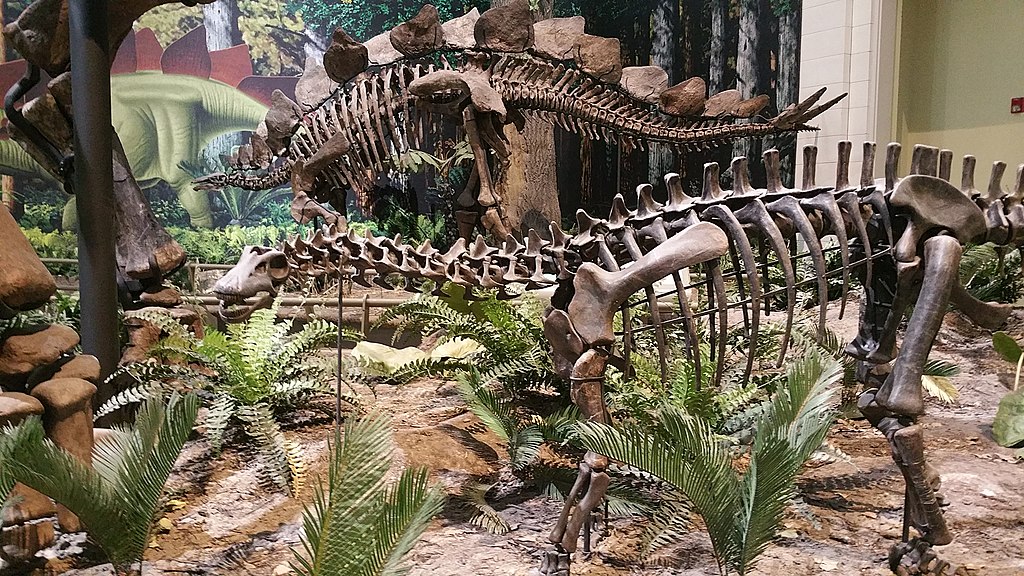
Apatosaurus has appeared in countless books, films, and documentaries. Even when its name was confused with Brontosaurus, it was often the model for the gentle, giant dinosaur in children’s stories. Its image as a slow but peaceful plant eater has made it a lasting symbol of dinosaurs in general. For many, the silhouette of a long-necked sauropod is the picture they think of when they hear the word dinosaur.
It shows how science evolves.
The story of Apatosaurus reflects the way science changes over time. From naming confusion to skull mistakes, the history of its study has been full of revisions. Each new discovery has added clarity, showing how research continues to refine our picture of prehistoric life. Apatosaurus is more than just a giant; it’s also a reminder of how knowledge grows and changes.