Dogs can’t tell us how they feel with words, so they rely on body language to communicate. Every wag, stretch, and tilt of the head says something about what is going on inside their mind. Learning to read these signals makes it easier to understand your dog and helps strengthen the bond you share. These are some of the key signs to look out for and what they really mean.
1. Tail wagging
A wagging tail is often read as a sign of happiness, but the meaning depends on speed and position. A relaxed, sweeping wag usually means your dog is friendly and content, while a stiff, fast wag can indicate tension or excitement that may tip into stress. Pay attention to the rest of their body to get the full picture. If their tail wag comes with a relaxed face and loose posture, it’s happiness, but if their body looks rigid, they may be on edge.
2. Ears forward or pinned back
Ears are one of the clearest indicators of a dog’s mood. When ears are forward, they’re usually alert or curious about something. When pinned flat against the head, it often shows fear, submission, or discomfort. Different breeds have different ear shapes, so context matters. Watch what else is happening, such as tail position or eye contact, to work out whether your dog is feeling playful or nervous.
3. Eye contact and expression
Soft, relaxed eyes usually mean a dog is calm, while wide eyes with visible whites, sometimes called whale eye, suggest stress or unease. A hard stare can also be a warning that they feel threatened or protective. Gentle blinking and soft focus are good signs of trust. If your dog avoids eye contact altogether, it may mean they’re uncomfortable or trying to calm a tense situation.
4. Body posture
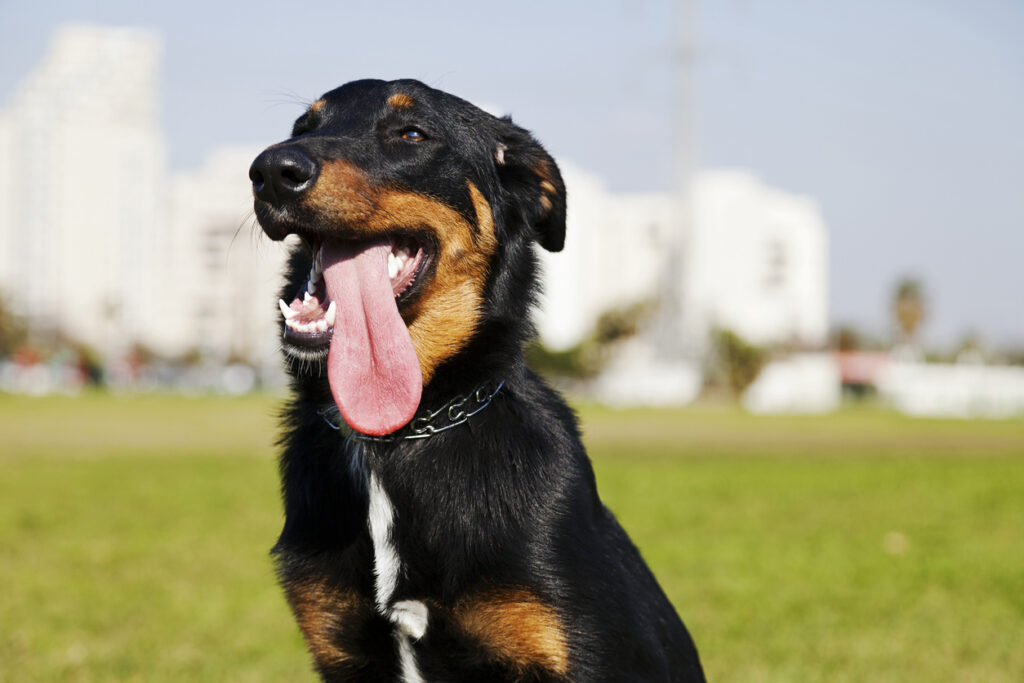
When a dog stands tall and confident, it often shows they feel secure and in control. A crouched or hunched posture signals fear, stress, or submission. Noticing these changes helps you respond appropriately. Offering reassurance when they look small or stepping back when they stand stiff and tall shows you’re listening to what they’re communicating.
5. Play bow
When a dog lowers their front legs while keeping their rear end up, they’re inviting play. This bow is a classic sign of excitement and friendliness, and it’s their way of saying they want to interact. It’s one of the clearest signs you can see, and responding with play reinforces their trust. Recognising this gesture also helps avoid confusion with other postures that might look tense at first glance.
6. Raised hackles
Raised fur along the back and neck is often a sign of arousal, but it doesn’t always mean aggression. It can be a sign of fear, excitement, or alertness depending on the situation. Looking at the whole body is key. If raised hackles come with growling and stiff posture, your dog may feel threatened, but if it’s paired with wagging or playfulness, it may just be high excitement.
7. Lip licking and yawning
Dogs often lick their lips or yawn when they’re feeling uneasy. These are calming signals that show they’re trying to soothe themselves or defuse tension in a situation. If your dog does this frequently in stressful environments, it may be a sign they need more space. Recognising these signs helps you step in before their stress builds too high.
8. Growling
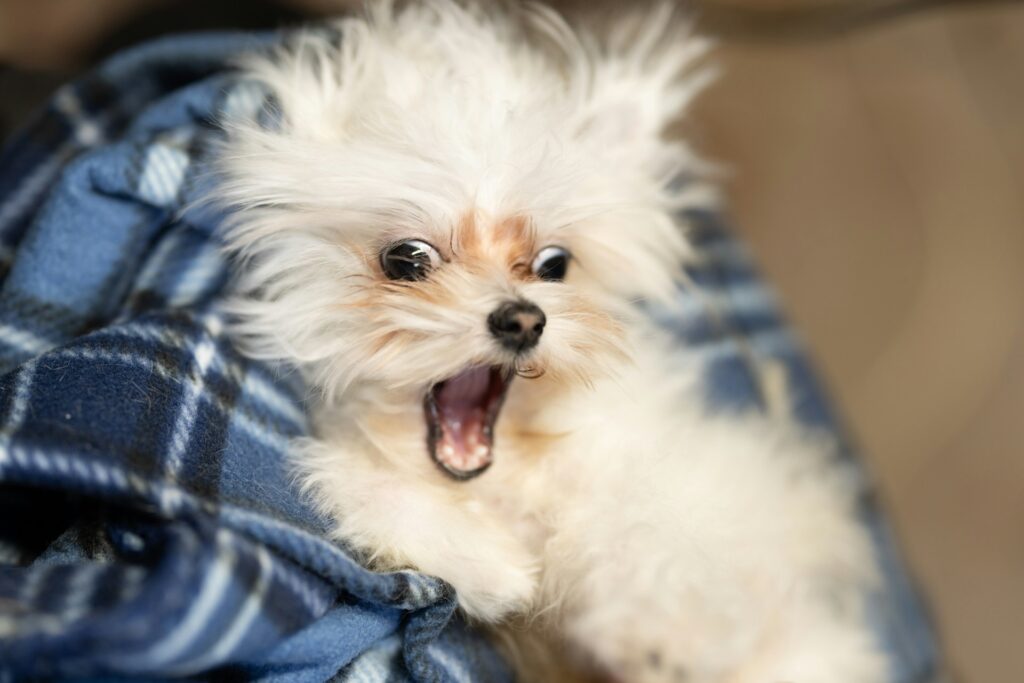
Growling isn’t always about aggression. It’s a vocal way of communicating discomfort, fear, or warning that they want space. Many dogs growl before snapping, which makes it an important sign to respect. Instead of punishing a growl, pay attention to why it happened. Listening to that warning lets you change the situation and keeps trust intact between you and your dog.
9. Panting
While panting is normal after exercise or in hot weather, it can also be an indicator of stress. Rapid panting without obvious cause often means your dog is anxious or overwhelmed. Checking for other stress signs, like pacing or wide eyes, helps confirm what is going on. If it’s linked to fear, calming the environment or removing triggers can help them settle.
10. Paw lifting
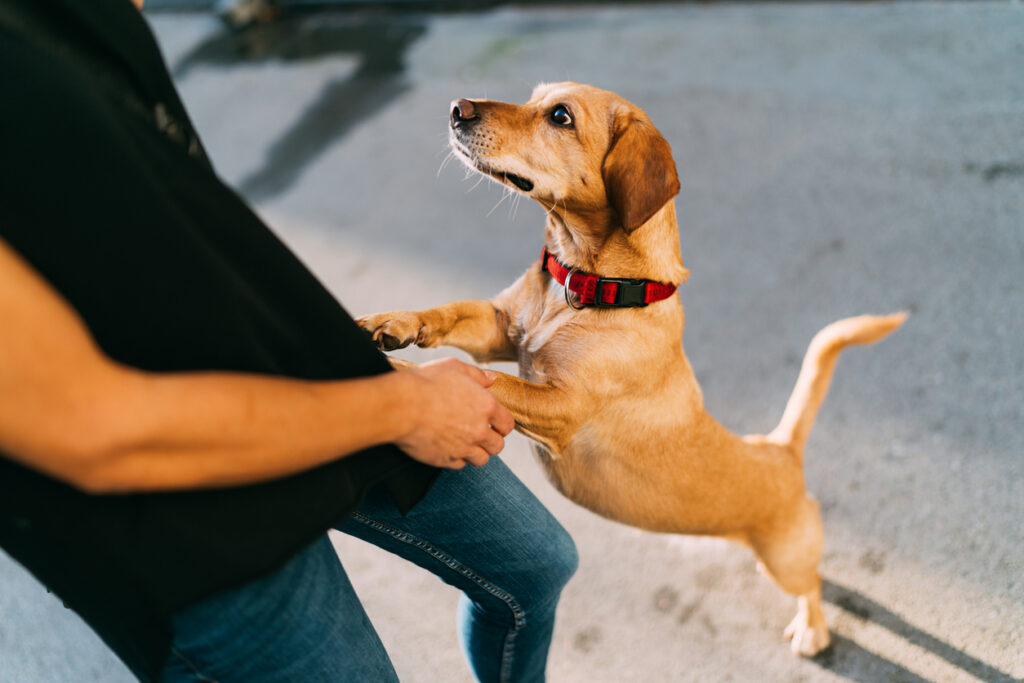
A raised paw can mean different things depending on context. Some dogs lift a paw as a sign of uncertainty or hesitation, while others use it in play or to ask for attention. Observing what is happening around them helps you interpret it correctly. If they’re in a new environment, it likely signals nervousness, but if they’re wagging and playful, it’s probably a request for interaction.
11. Rolling onto their back
When a dog rolls onto their back, it can show submission or a request for belly rubs. The difference depends on their overall body language and how relaxed they appear. If they’re loose and happy, it’s a friendly invitation. If they look stiff and tense, it may be a sign they’re trying to show they’re not a threat in a stressful moment.
12. Barking
Barking is one of the most common ways dogs communicate, but it has many meanings. High-pitched barks often signal excitement, while deeper, repetitive barks can mean alarm or a call for attention. Paying attention to tone, frequency, and context helps you tell the difference. Understanding the type of bark makes it easier to respond in the way your dog actually needs.
13. Sniffing the ground
Dogs often sniff the ground as a way to gather information, but it can also be a calming signal. If your dog suddenly sniffs during a tense encounter, they may be trying to defuse the situation. Encouraging this behaviour can be helpful, as sniffing is soothing and mentally stimulating. Walks that allow time for sniffing often reduce stress and give your dog a sense of control.
14. Head tilting
That charming head tilt usually shows curiosity. Dogs do it when they’re trying to understand something, whether it’s a sound, a movement, or your words. It’s a sign they’re engaged and paying close attention. Responding positively when they tilt their head helps reinforce communication and deepens your connection with them.