When you think of dangerous flying animals, your mind might go to exotic jungles or vast savannahs, not the British countryside.

However, the UK does have its fair share of winged creatures that can sting, bite, or startle in ways that should not be ignored. While few are truly life-threatening, several carry risks that make them worth treating with caution. These are just some of the flying animals in the UK that can be more dangerous than you might expect.
1. Wasps
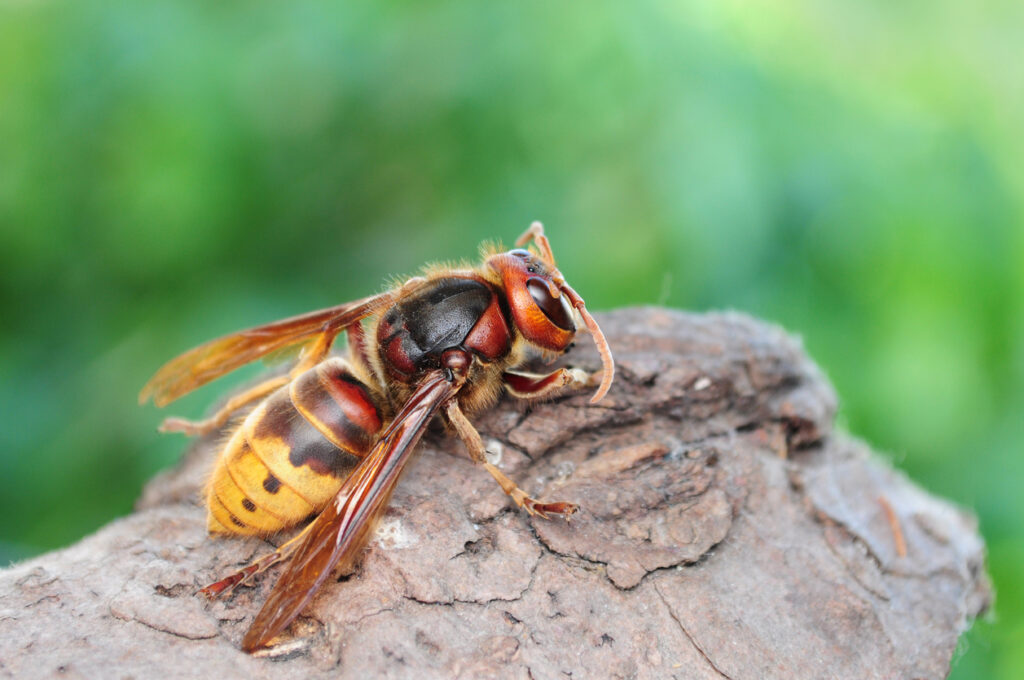
Wasps are among the most disliked flying insects in the UK, and for good reason. Their sting is sharp, painful, and unlike bees, they can sting multiple times. For those with allergies, a wasp sting can cause serious reactions that require immediate medical attention.
Even if you’re not allergic, wasp stings are still unpleasant and can leave swelling that lasts for days. Keeping food and drinks covered outdoors during late summer helps reduce the chance of attracting them, as they become particularly aggressive when searching for sugary treats.
2. Hornets
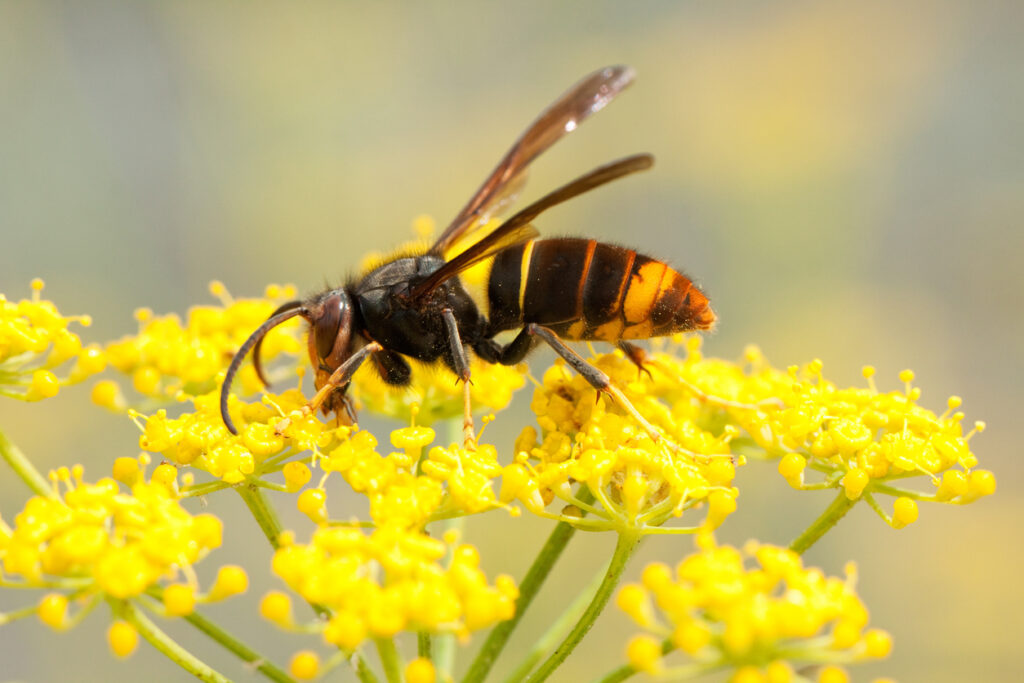
Hornets are larger relatives of wasps, and their sting is even more painful. Although native European hornets are less aggressive than wasps, they’ll defend themselves fiercely if they feel threatened. Stumbling across a nest can be particularly dangerous because they will swarm quickly if disturbed. While not common everywhere in the UK, their size and sting make them one of the more intimidating flying insects you could encounter.
3. Horseflies
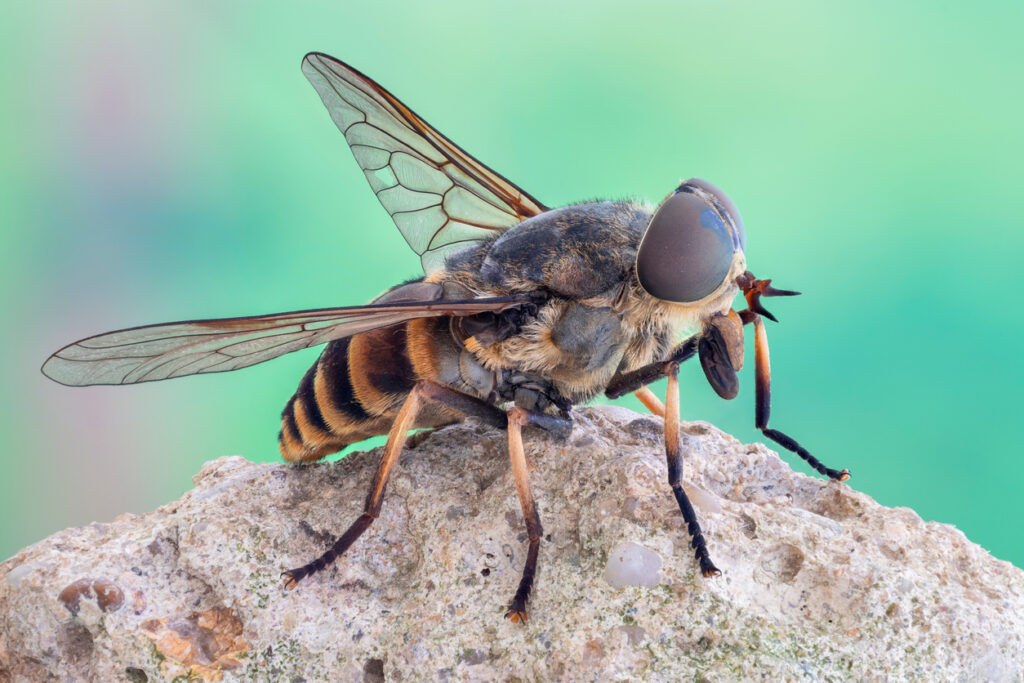
Horseflies are persistent biters, and unlike mosquitoes, they actually tear the skin to feed on blood. Their bite is painful and often leaves large, itchy welts that can last for days. The main danger lies in their persistence and the fact that they’re active during summer when people spend more time outdoors. Their bites can also become infected if scratched, so they’re more than just a nuisance.
4. Bees

Bees are generally not aggressive, but their sting can still be dangerous, particularly to those who are allergic. Unlike wasps, bees lose their stinger when they sting, which makes the act deadly for them but painful for the person involved.
Most stings result in short-term swelling, but for people with severe allergies, they can be life-threatening. The best approach is to stay calm around bees and let them go about their work without interference.
5. Seagulls
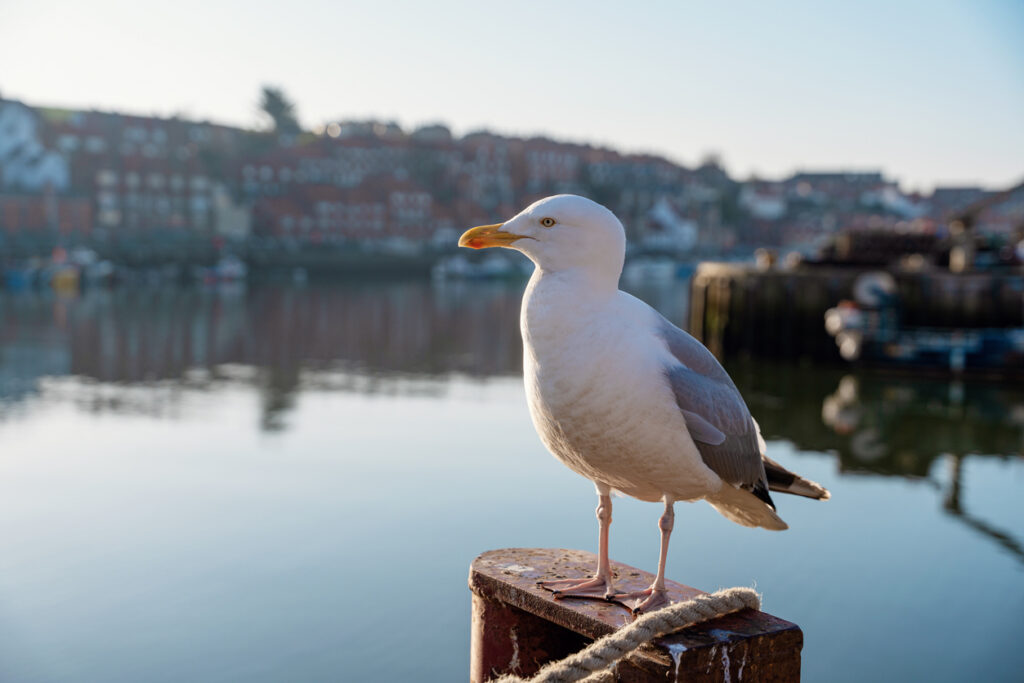
Seagulls aren’t often thought of as dangerous, yet they can become aggressive, especially around food. In coastal towns, they’re known to swoop down and snatch food directly from people’s hands, sometimes causing injury in the process.
Beyond their boldness, their sharp beaks and powerful wings make them capable of delivering painful pecks or scratches. The best way to avoid conflict is to resist feeding them, since once they associate humans with food, their aggression increases.
6. Pigeons
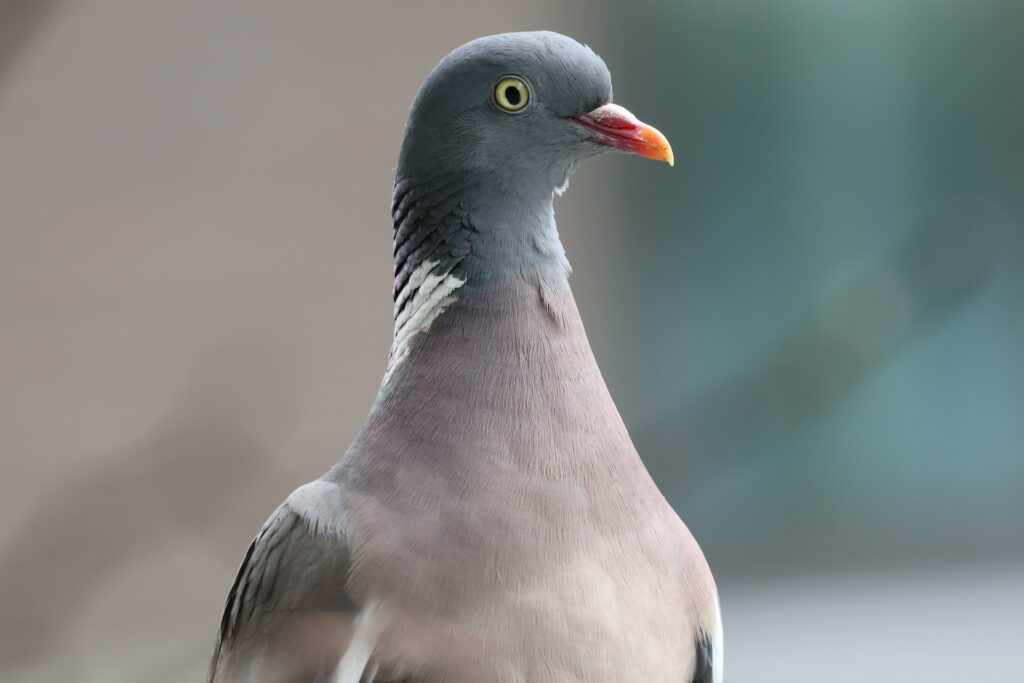
Pigeons might seem harmless, but large populations in cities pose health risks. Their droppings can carry bacteria and fungi that, while rare, are capable of causing illness in humans if inhaled or touched. Although they’re not directly aggressive, the risks come from close contact with areas heavily populated by pigeons. Keeping spaces clean and discouraging feeding reduces the chance of these problems arising.
7. Midges
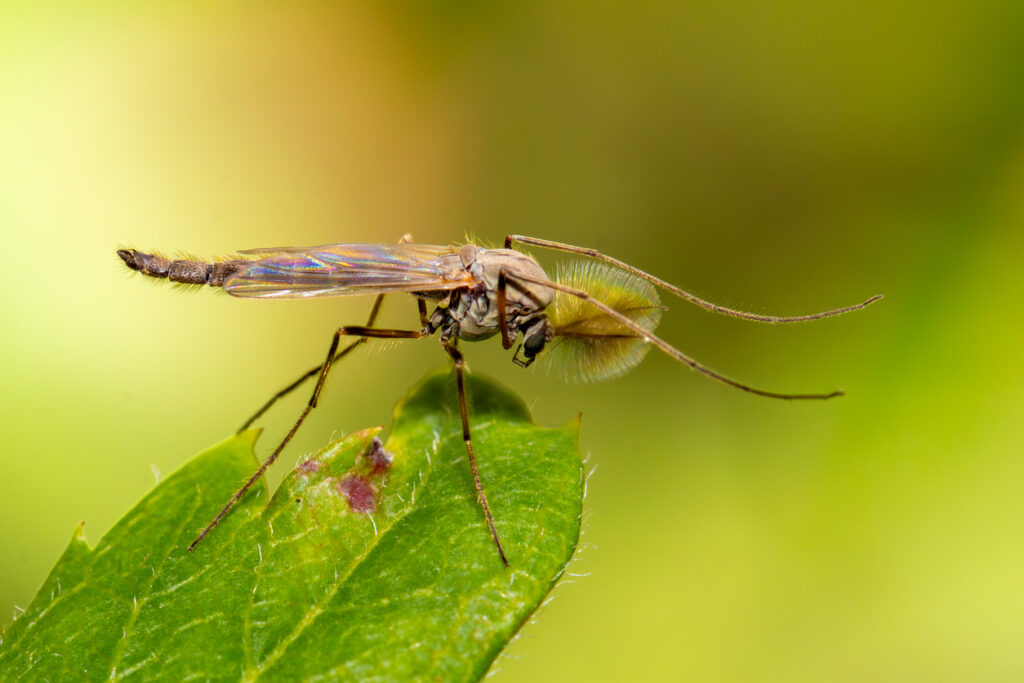
Scotland in particular is famous for its swarms of midges, which are small but relentless. Their bites cause itching, swelling, and irritation that can ruin outdoor activities. Although they do not carry diseases in the UK, the sheer numbers and persistence of midges can make them feel overwhelming. Repellents and protective clothing are the best defences when spending time in midge-heavy areas.
8. Mosquitoes
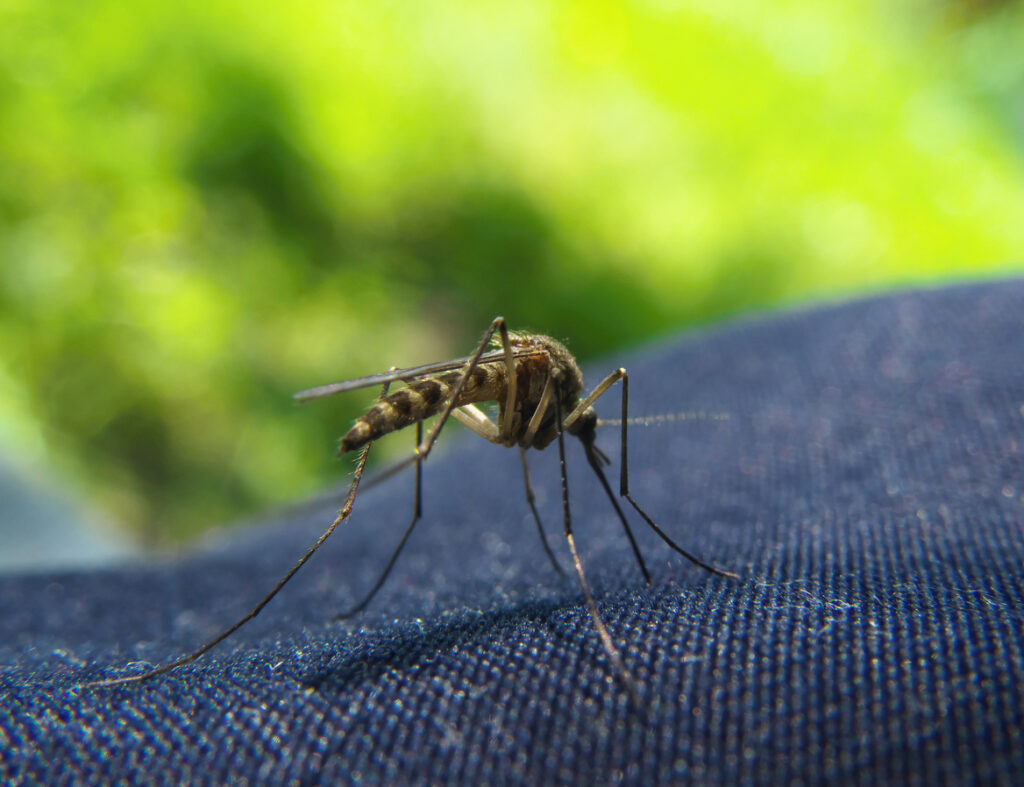
Mosquitoes aren’t yet as dangerous in the UK as in warmer regions of the world, but their presence is increasing. Their bites cause itching and swelling, and there is growing concern that climate change could allow them to carry diseases here in the future.
Even without disease risk, their bites are uncomfortable and can become infected if scratched. Standing water in gardens and outdoor spaces is a common breeding ground, so reducing it helps cut their numbers.
9. Bats
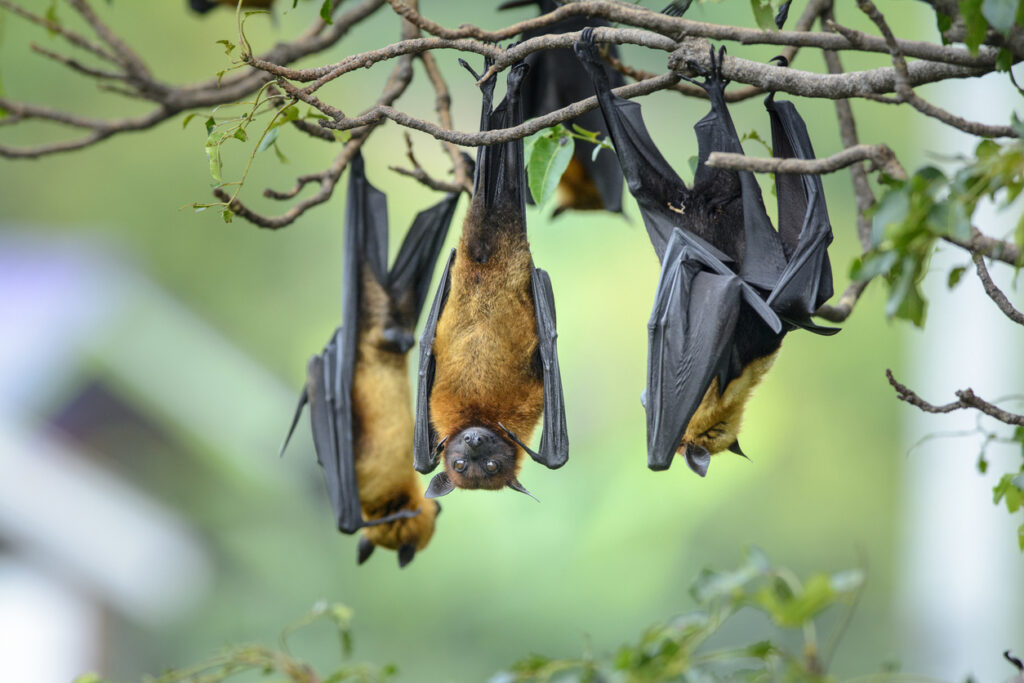
Bats are protected species in the UK, and while they rarely interact with humans, they can pose risks if handled. Their bites, though uncommon, can transmit infections such as rabies in rare cases. Because of this, it’s important never to touch or handle a bat directly, even if it looks injured. Calling a wildlife professional ensures safety for both the bat and the person who finds it.
10. Owls
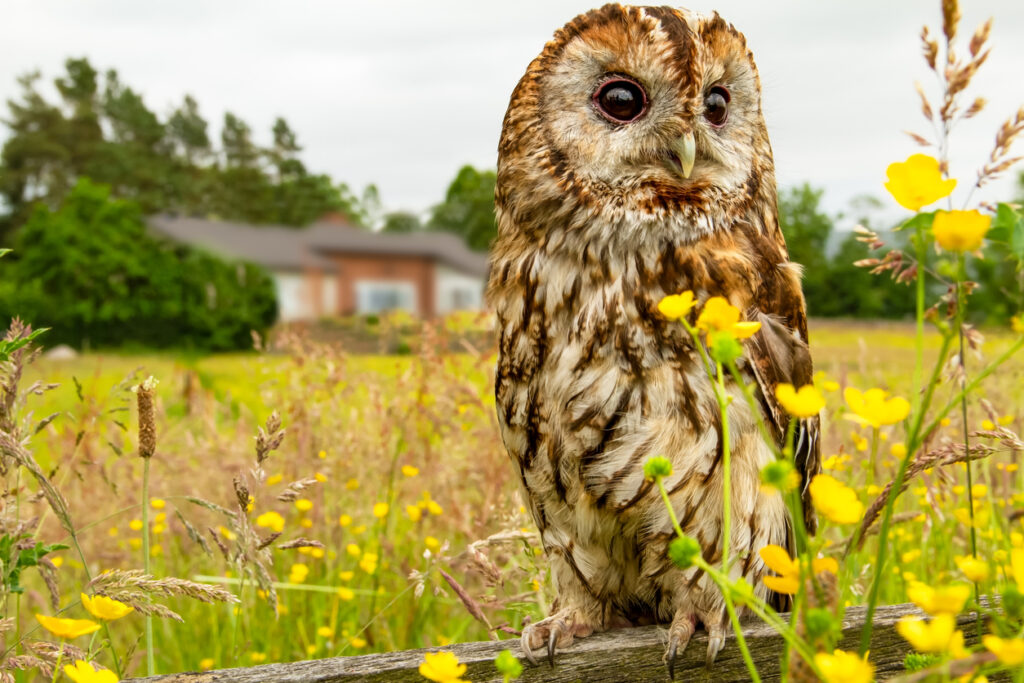
Owls aren’t usually seen as dangerous, but their sharp talons and strong beaks make them capable of injuring humans if threatened. Farmers and bird handlers sometimes experience this when disturbing nests. In the wild, they’re unlikely to attack unless provoked, but it is still wise to respect their space. Owls may look calm and majestic, but they’re skilled hunters that should not be underestimated up close.