Lighting a bonfire in your garden is generally legal, but there are a few warnings to consider.

You can’t just chuck anything you’d like onto the flames—there are rules you’ll need to follow. It’s much smarter and legally safer to know what’s allowed, what’s not, and what could land you in trouble. Here’s what you need to know to stay on the right side of the law.
1. You can have a bonfire, but don’t go rogue.
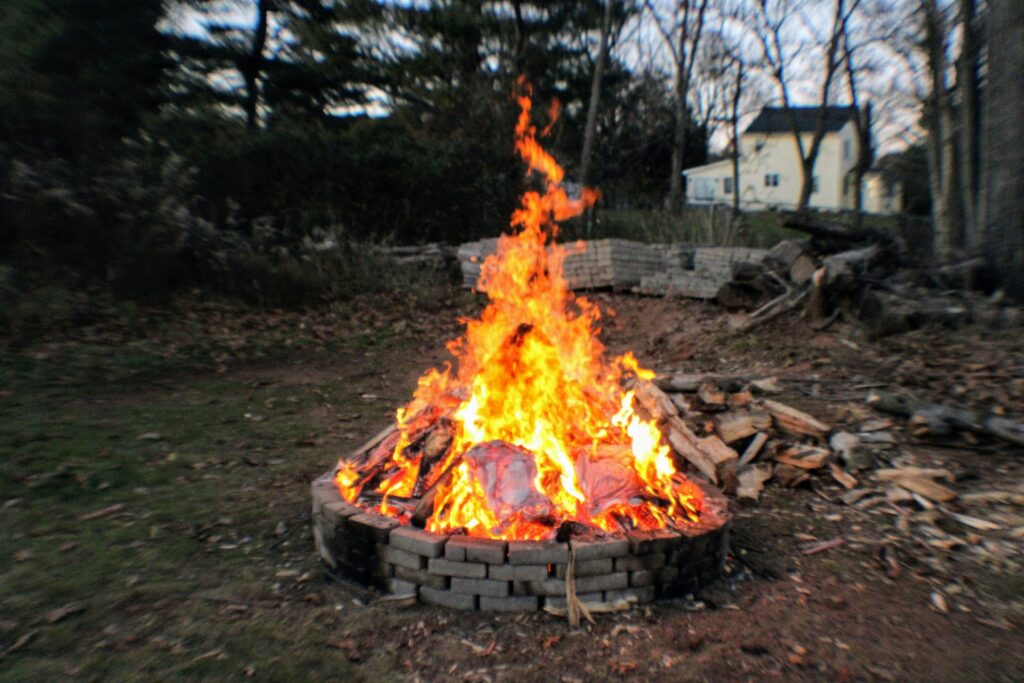
There’s no law banning garden bonfires outright. If it’s done thoughtfully, they are perfectly legal. However, if smoke drifts into the road or becomes a regular annoyance, councils can step in under nuisance laws and potentially fine you. A one-off bonfire is usually fine, but consistent smoke affecting other people is where legal action comes into play.
2. Only burn clean, dry garden waste.
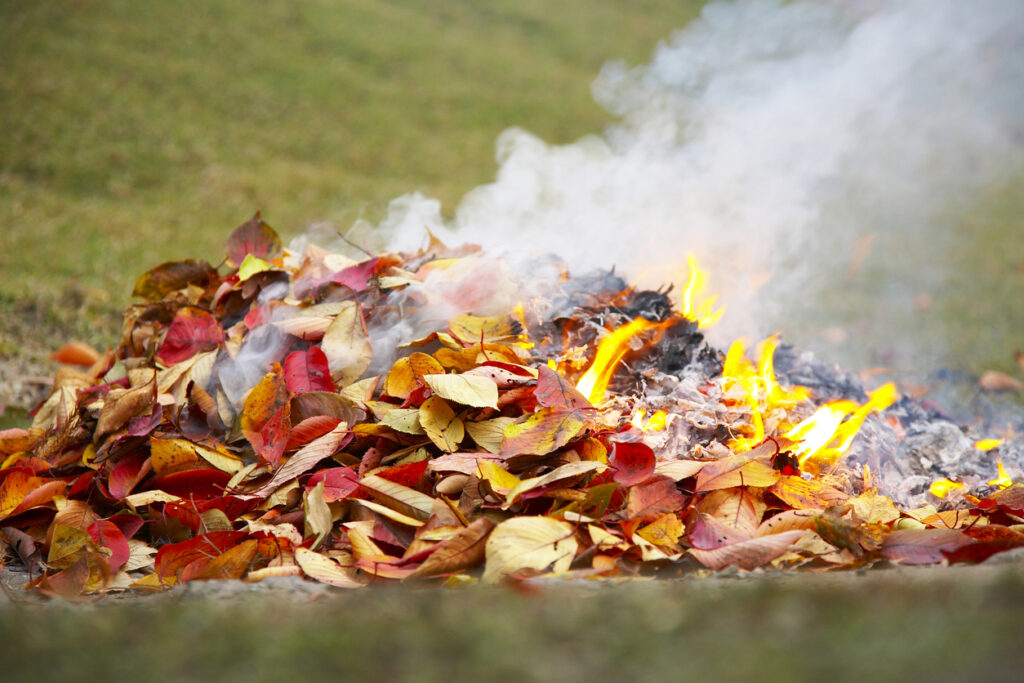
Stick to dry plant material such as sticks, leaves, and prunings. Burn anything damp and you will create heavy smoke. Wet rubbish not only hurts visibility but also triggers complaints from neighbours and councils. Dry wood means a cleaner burn with less smoke, and it keeps you off the radar when pollution is being monitored by authorities.
3. Absolutely avoid burning household rubbish.

Burning treated, painted or synthetic materials like plastic, rubber, or foam is a clear violation of environmental regulations. It releases toxic fumes and breaks both the Environmental Protection Act and Clean Air Act. These materials belong in your bin or recycling. Protecting air quality starts with avoiding what you put on the fire.
4. Avoid repeat bonfires that become a pattern.
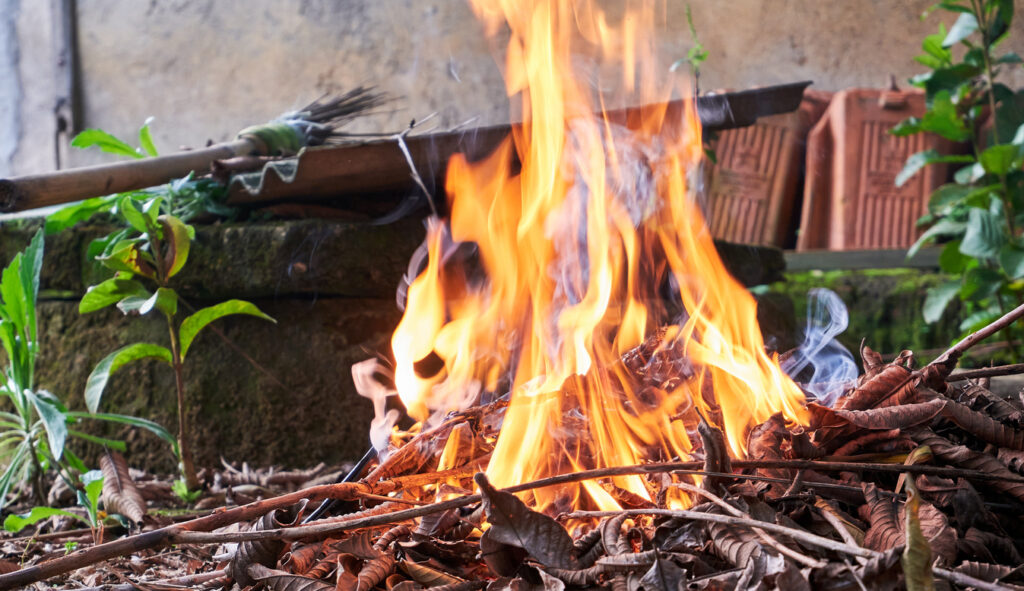
Bonfires may be legal, but lighting them frequently, especially if they cause issues, can turn into a statutory nuisance. Councils take these cases seriously and you could face fines or warnings. The more often you light one, the more likely you are to attract attention. Occasional burning is manageable, but regular smoke isn’t.
5. Smoke affecting traffic is a hazard.
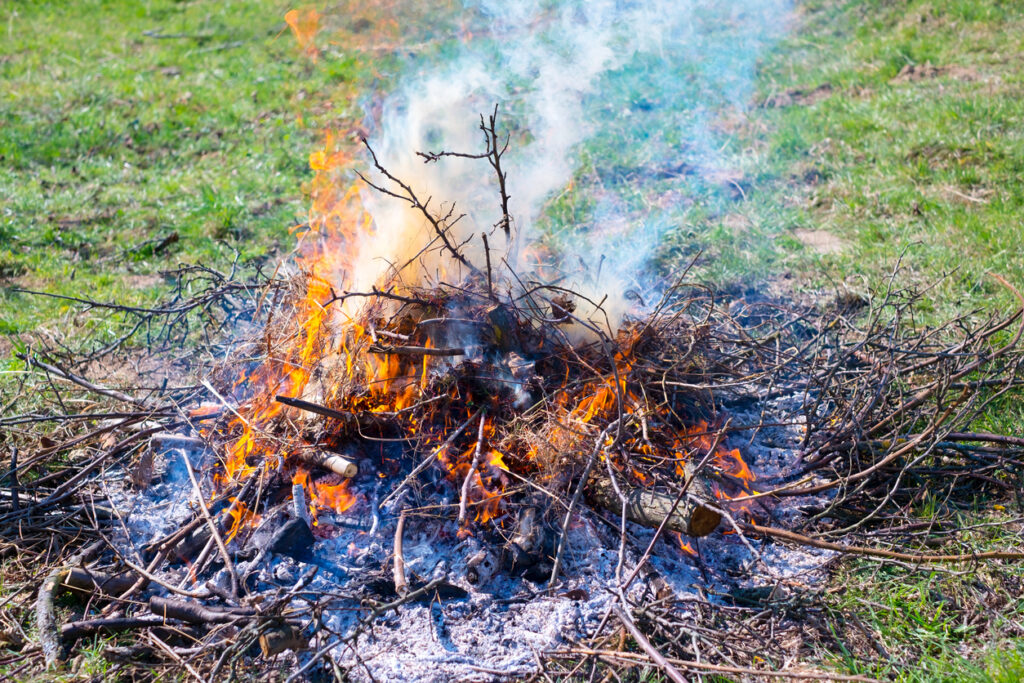
If your fire’s smoke drifts onto a road and reduces visibility, it becomes a danger. This can be illegal under the Highways Act and could lead to serious consequences. Even a single careless moment can cause an accident. Check the wind direction and keep fires well away from roads.
6. Councils can issue abatement notices.
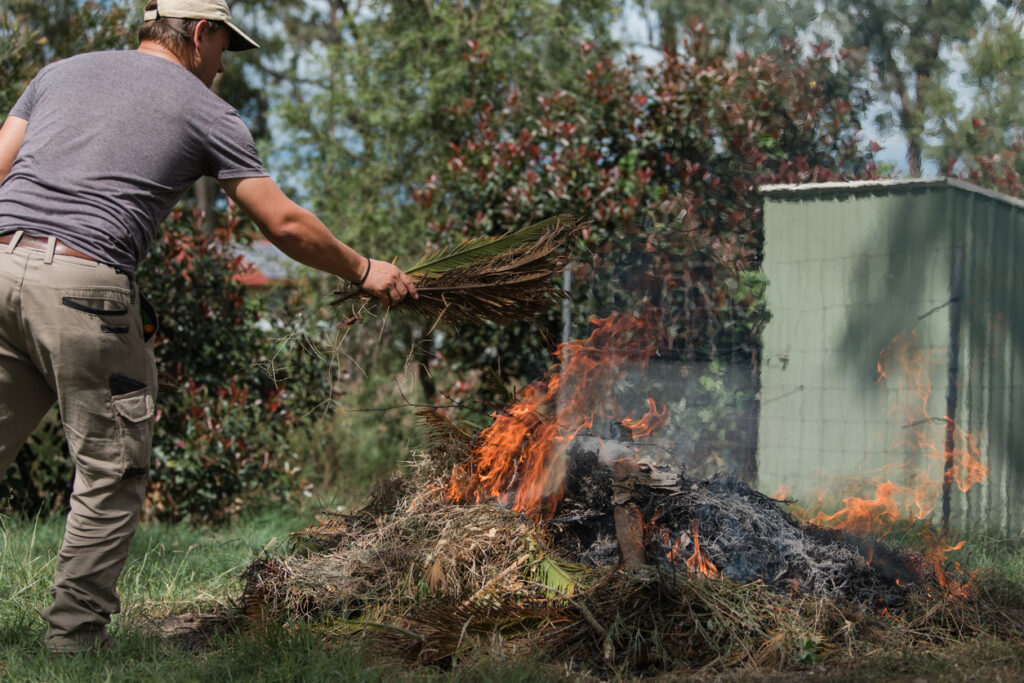
If a bonfire is officially classed as a nuisance, your council might issue an abatement notice requiring you to stop burning or change your behaviour. Ignoring that can lead to significant fines. Even if the issue starts small, councils will act if it continues. It’s far easier to prevent problems than deal with penalties later.
7. Public fires need permissions.

If you want a bonfire in a public place such as a park or beach, you will need permission from the council or landowner first. Public fires without consent can lead to legal trouble. Always check before lighting a fire anywhere other than your own garden.
8. Fire safety isn’t optional.

Stay responsible by keeping a bucket of water or a hose nearby, clearing the area of flammable materials, and never leaving the fire unattended. Careless fires are a common cause of garden accidents. Safe fires are smart fires. Taking basic precautions helps prevent damage, injury and unnecessary stress.
9. Avoid bonfires in smoke control areas.
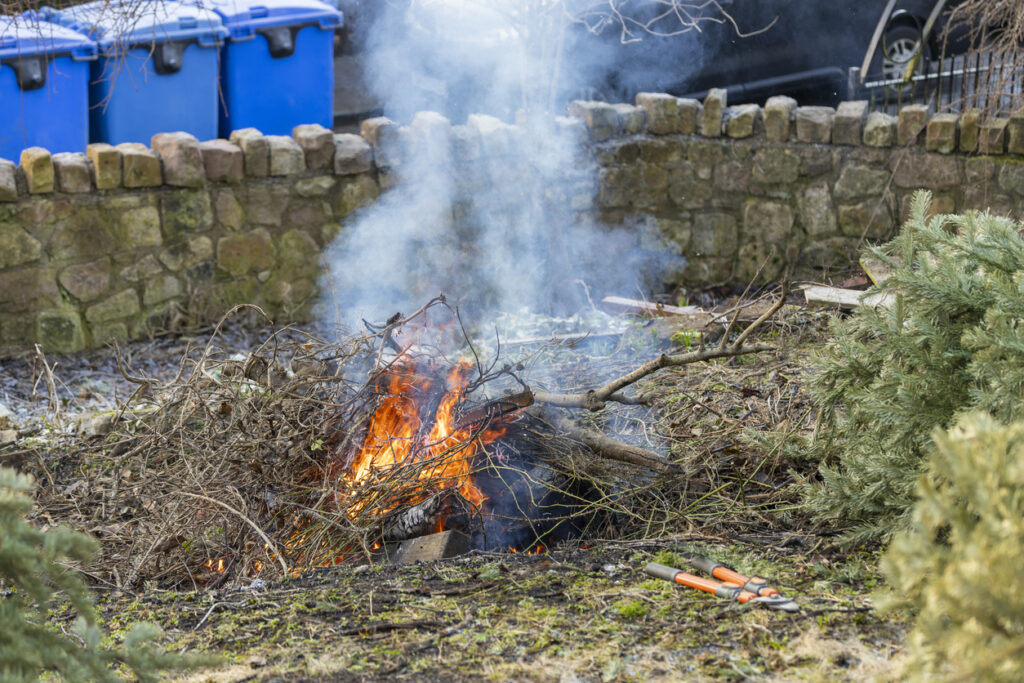
Some areas have strict emission rules. Even if wood burning is usually allowed, in smoke control zones you may need authorised equipment or cleaner alternatives to reduce pollution. Check if you are in one of these zones using your local council website or GOV.UK before lighting a fire.
10. Be aware of your neighbours.
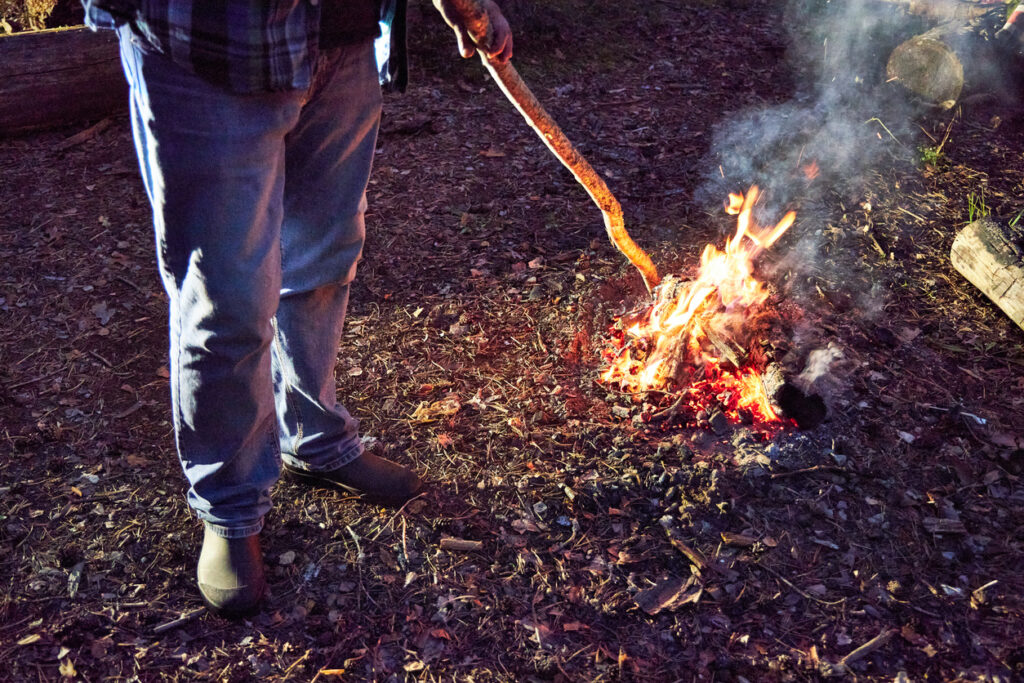
A single fire that is well-timed and considerate of wind direction usually doesn’t spark complaints. People are more understanding if you give them a heads-up and avoid filling their space with smoke. Communication can go a long way. A quick message or choosing a time when neighbours are not using their gardens helps keep relations positive.
11. Limit fire frequency and timing.
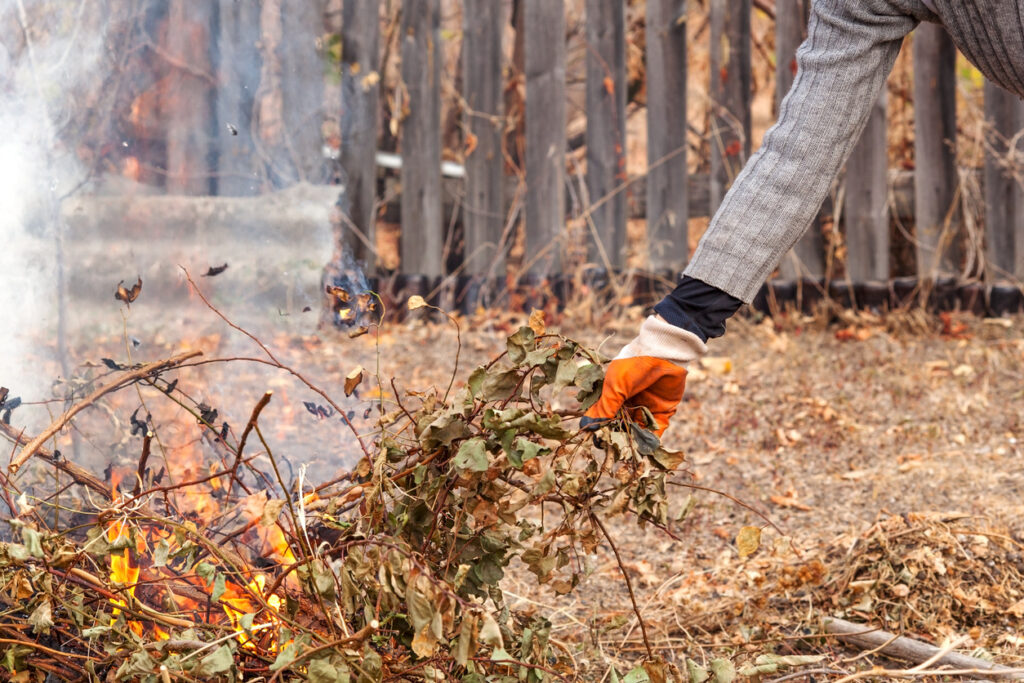
Avoid lighting fires on weekends, bank holidays or warm evenings when people are likely to have windows open or be enjoying their gardens. Smoke at those times can escalate complaints quickly. Thoughtful timing is about being considerate of other people and keeping the peace, not about hiding your activities.
12. Compost or recycle instead of burning.
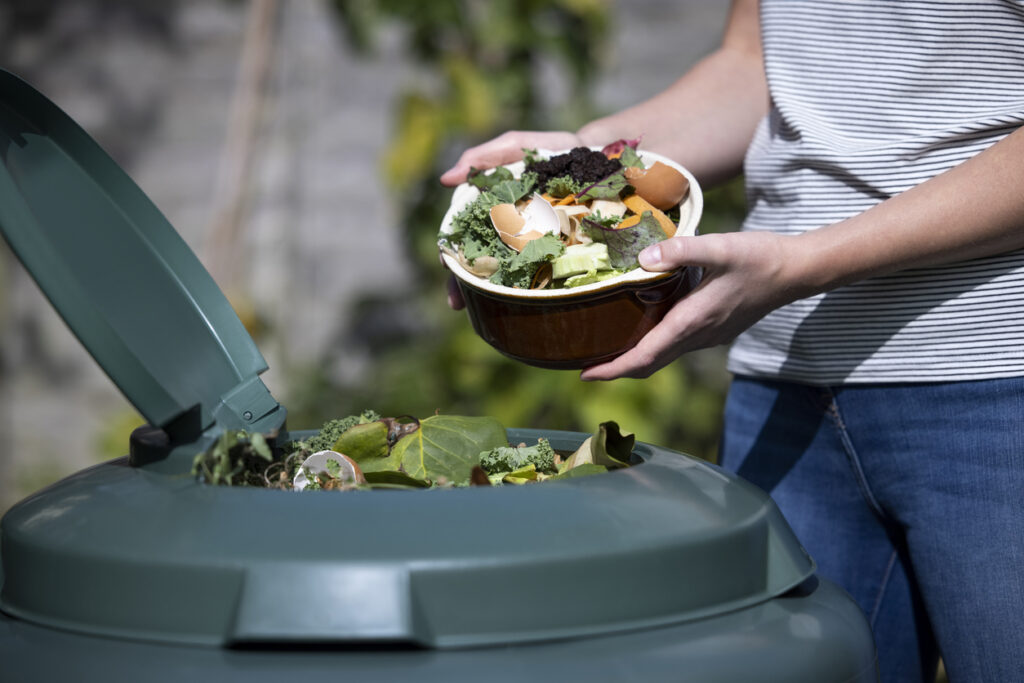
If you want a cleaner and more eco-friendly option, composting and using council garden waste collections are far better than bonfires. Compost enriches soil, while bonfires only create smoke. Most councils offer garden waste bins or drop-off points. Using them gives you healthier soil, cleaner air and a calmer conscience.