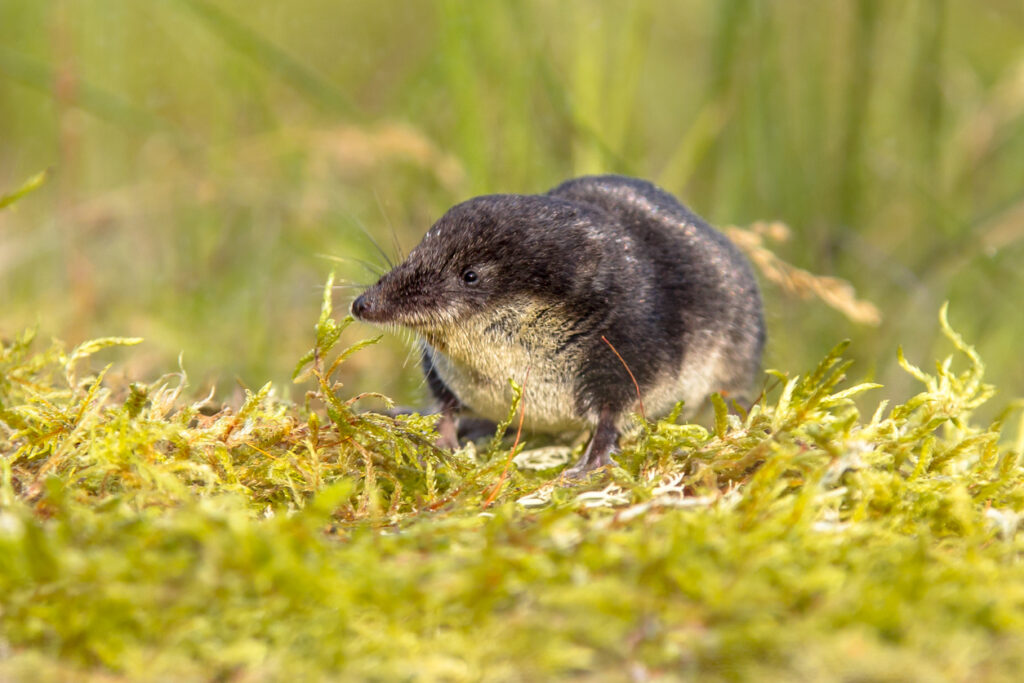
The water shrew is one of Britain’s most elusive mammals, rarely seen despite living quietly along our rivers, streams, and ponds. Spotting one is a real stroke of luck, but it helps to know what makes them so unusual. Here’s why they’re worth watching out for, and why you should feel a big smug should you see one in the wild.
1. They’re surprisingly rare.
Water shrews are widespread across the UK, but they’re not spotted very often because of their secretive habits. They spend much of their lives hidden under banks, in dense vegetation, or beneath the water’s surface. This makes them one of those animals people may live near for years without realising. Seeing one in action is a reminder of how much wildlife goes unnoticed.
2. They’re expert swimmers.
Despite their small size, water shrews are highly skilled in the water. Their fur traps air, helping them float and keeping them warm as they dive for food. They use their back feet to paddle quickly, darting under the surface with surprising speed. This makes them fascinating to watch, if you’re lucky enough to catch them swimming.
3. They use venom to hunt.
Water shrews are among the very few venomous mammals in the world. Their saliva contains toxins that help them subdue prey such as small fish, aquatic insects, and even frogs. While harmless to humans, this venom gives them an advantage in capturing meals much larger than you would expect for their size. It’s one of their most unusual traits.
4. They’re tiny but fierce.
At just a few inches long, water shrews may look delicate, but they’re bold predators. They punch above their weight, taking on prey nearly as big as themselves without hesitation. Their fearless nature is what allows them to thrive in tough environments. For such a small animal, they’re remarkably self-assured hunters.
5. They need constant food.
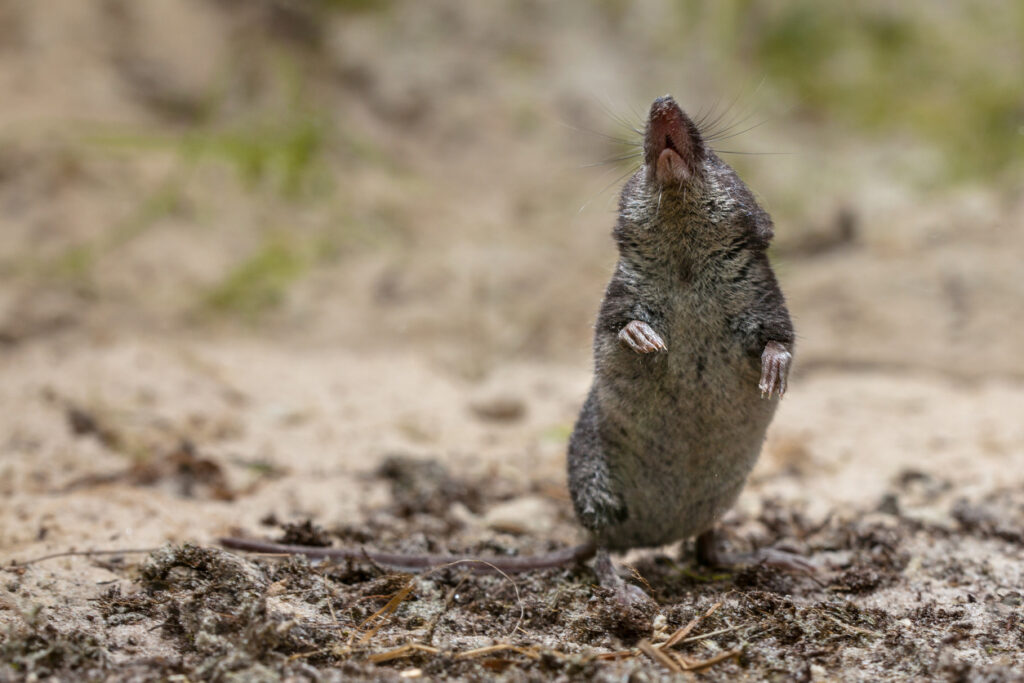
Like other shrews, the water shrew has a very high metabolism. They must eat almost constantly, consuming their own body weight in food every day just to survive. This means they’re often busy hunting whenever they’re active. Their frantic energy makes them one of the most demanding mammals in terms of food requirements.
6. Their eyesight is pretty poor.
Water shrews rely less on vision and more on touch and sound to navigate. Their whiskers are highly sensitive, helping them detect movement and shapes underwater. This adaptation makes them excellent hunters even in dark or murky water. It also explains why they’re so elusive to human observers.
7. They leave behind distinctive clues
Even if you don’t see a water shrew directly, you may find signs of their presence. Their droppings often contain shiny fragments from insect shells, making them easy to identify once you know what to look for. Another giveaway is small piles of leftover prey near water edges. These subtle clues are sometimes the only evidence of their existence in a given area.
8. They’re very territorial.
Water shrews defend their chosen stretch of riverbank fiercely. They won’t tolerate intruders and use scent-marking to signal ownership of their patch. This behaviour means they’re not seen in large groups. If you spot one, chances are you’re looking at the sole ruler of that small territory.
9. Their lifespan is very short.
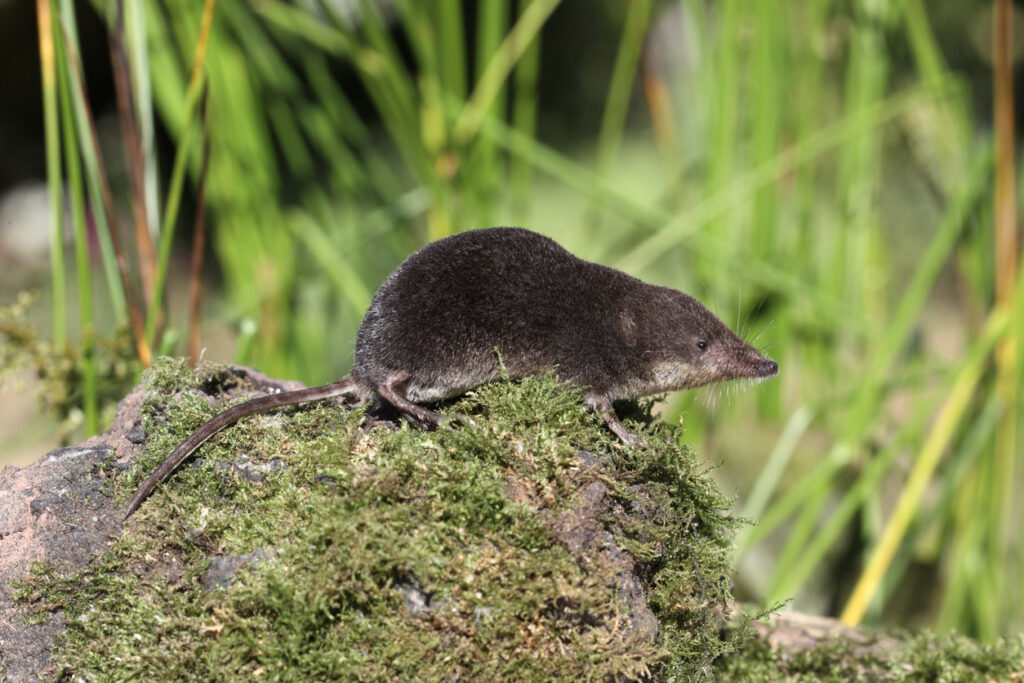
Water shrews typically live for only about a year or so in the wild. Their high-energy lifestyle and constant need for food mean they burn out quickly. Because of this, every sighting feels even more special. Each individual has such a brief time in which to leave its mark on the ecosystem.
10. They play an important ecological role.
Despite their size, water shrews are key predators of aquatic insects and other small invertebrates. By keeping populations in check, they help maintain a healthy balance in freshwater habitats. Their role highlights how even the smallest mammals contribute to the wider natural system. Losing them would disrupt the chain of life along rivers and ponds.
11. They’re sensitive to pollution.
Because they rely on clean water for food and shelter, water shrews are highly vulnerable to pollution. Declines in water quality directly affect their numbers and survival rates. This makes them an important indicator species. Where water shrews are thriving, it’s usually a sign of a healthy freshwater environment.
12. They’re most active at night.
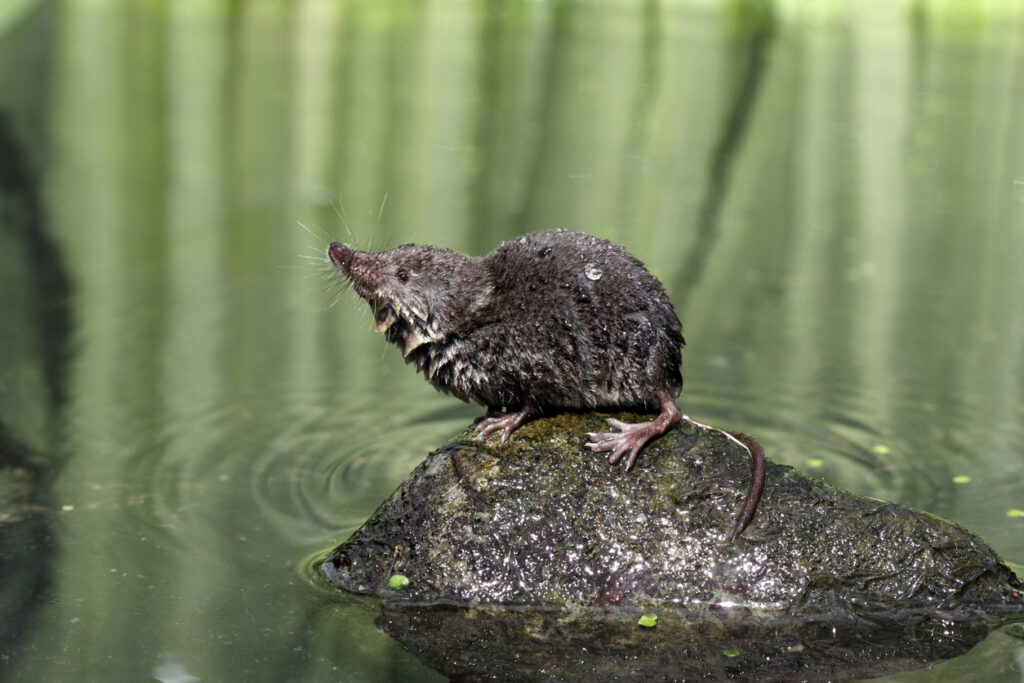
Water shrews are largely nocturnal, which makes spotting them even harder. They tend to hunt under the cover of darkness, reducing their risk of being seen by predators. Occasionally, they can be seen in daylight, especially near quieter waters. But for the most part, their lifestyle keeps them hidden from view.
13. Spotting one is a rare treat.
Because they’re small, fast, and secretive, catching sight of a water shrew is far from common. Most people will never knowingly see one in their lifetime, even if they live near suitable habitats. If you do get lucky, it’ss worth pausing to appreciate the moment. These little mammals are a reminder of how much hidden life still exists around us in the UK countryside.