The UK’s wildlife isn’t just badgers and robins anymore—we’ve got far more exotic animals than most people would expect.
From tropical parrots building nests in London to venomous spiders surviving British winters, some surprising creatures have made themselves at home in places they definitely weren’t meant to be. Here are the most unexpected residents thriving in Britain today, believe it or not.
1. Ring-necked parakeets are taking over London.
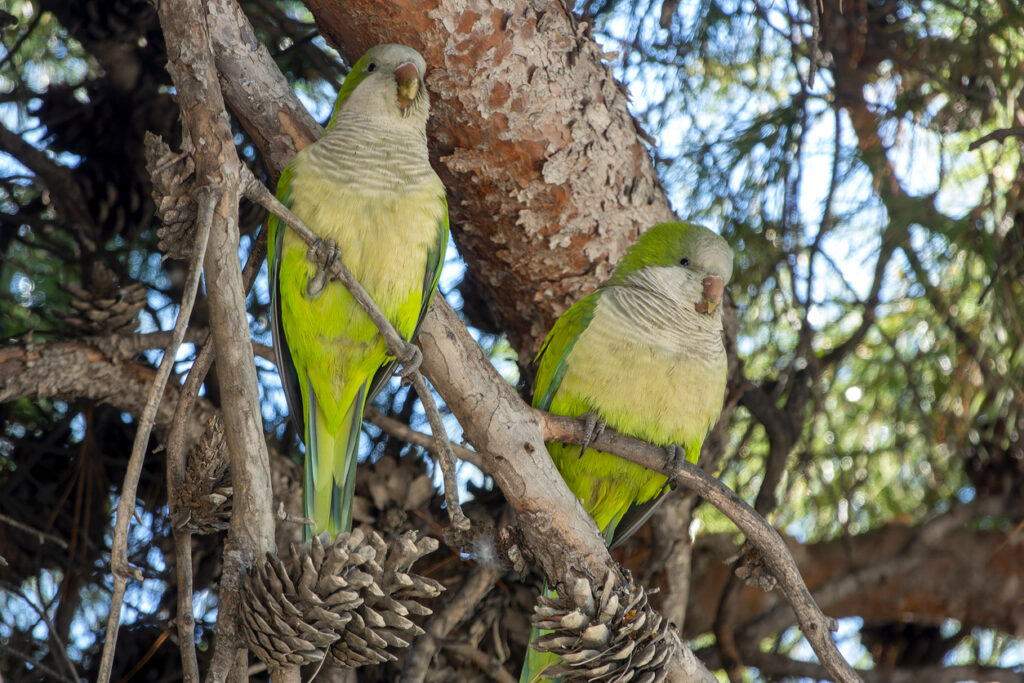
Bright green ring-necked parakeets now live wild across London and southern England, with populations exceeding 50,000 birds. These tropical parrots originally escaped from aviaries and pet shops, but have adapted remarkably well to the British climate.
The parakeets compete with native birds for nesting holes and can damage fruit crops, but they’ve become a permanent part of the urban landscape. You can spot flocks of them in most London parks, especially around Kew Gardens and Hampstead Heath.
2. Wallabies are hopping around the countryside.
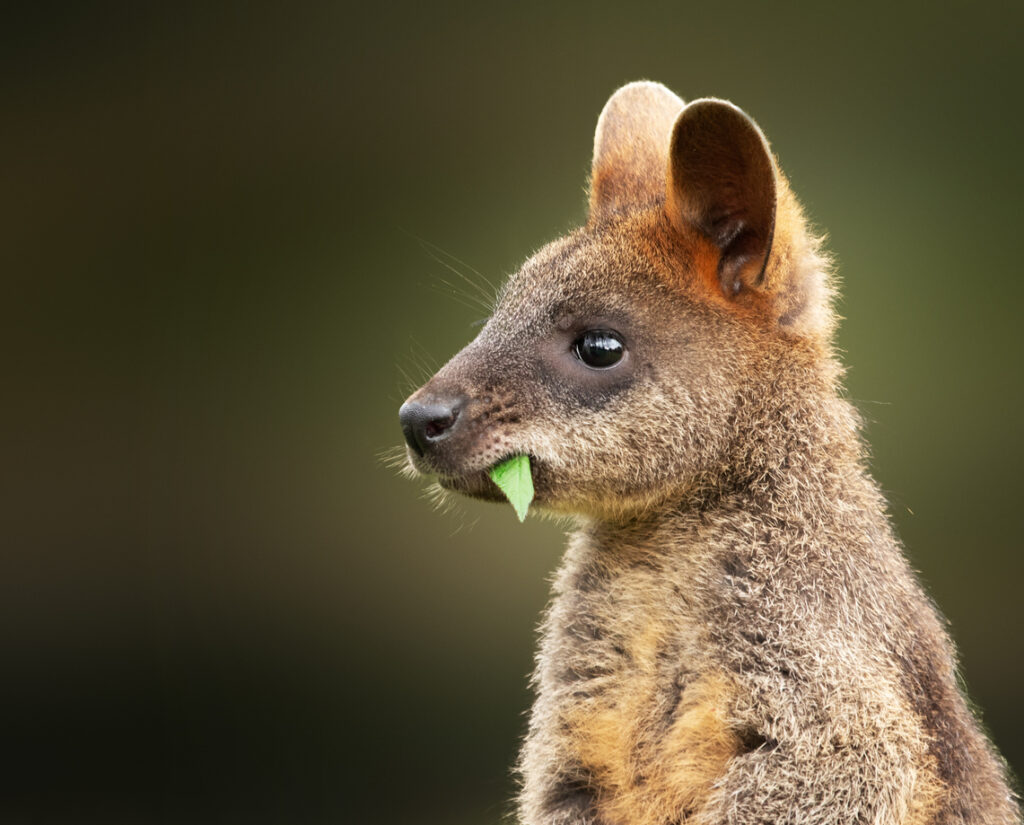
Small populations of red-necked wallabies live wild in several locations across Britain, including the Peak District, Scotland, and the Isle of Man. These Australian marsupials were introduced to private collections, but established breeding populations after escapes.
The wallabies have survived British winters for decades and show no signs of disappearing. The most famous colony lives on the Isle of Man, where they’ve become a tourist attraction despite being completely out of place.
3. Giant African land snails are invading gardens.
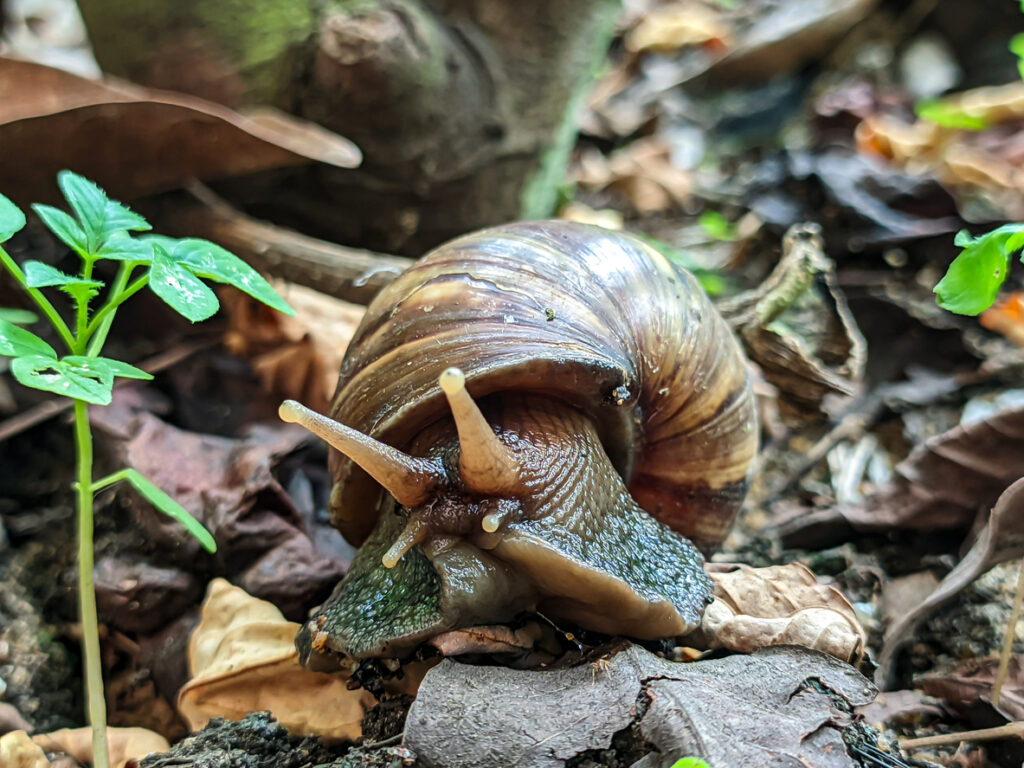
These massive snails can grow up to 20 cm long and eat over 500 different plant species. Originally from Africa, they’ve arrived in the UK through the illegal pet trade and careless importation of plants and vegetables. Giant African land snails reproduce rapidly and can carry diseases harmful to humans and plants. When discovered, they’re usually destroyed immediately to prevent them from establishing permanent populations in the wild.
4. False widow spiders are spreading across the country.
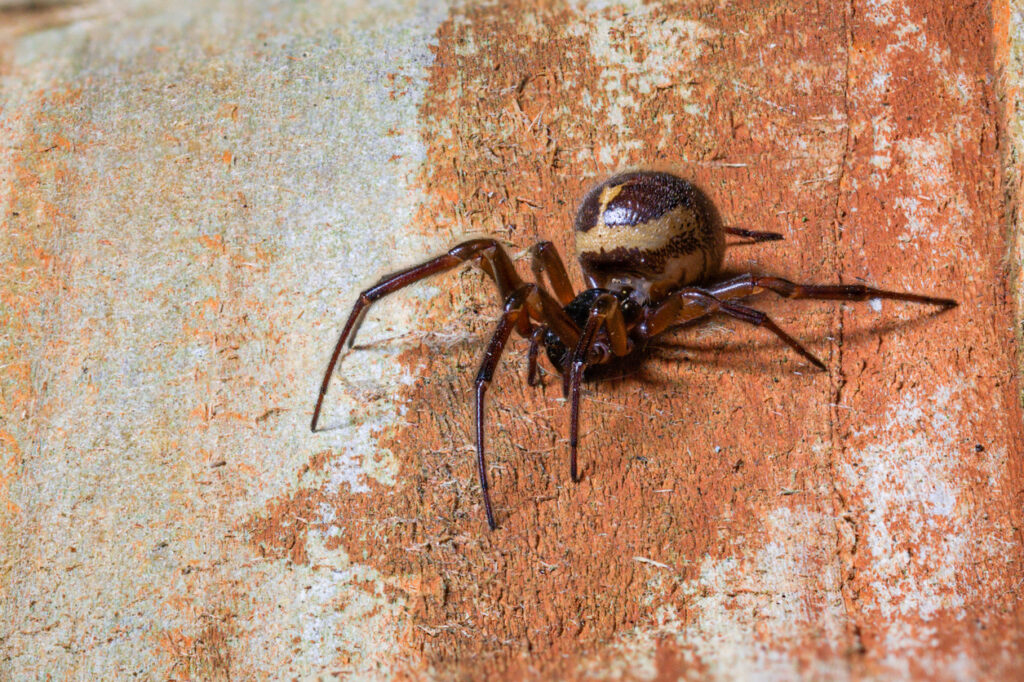
Several species of false widow spiders have colonised Britain over the past century, with populations growing rapidly in recent years. These Mediterranean spiders can deliver painful bites and have adapted well to the British climate. The noble false widow is now found across southern England and parts of Wales, while other species continue to spread northwards. Their bites rarely require medical treatment but can cause significant pain and swelling.
5. Terrapins are surviving in British waterways.
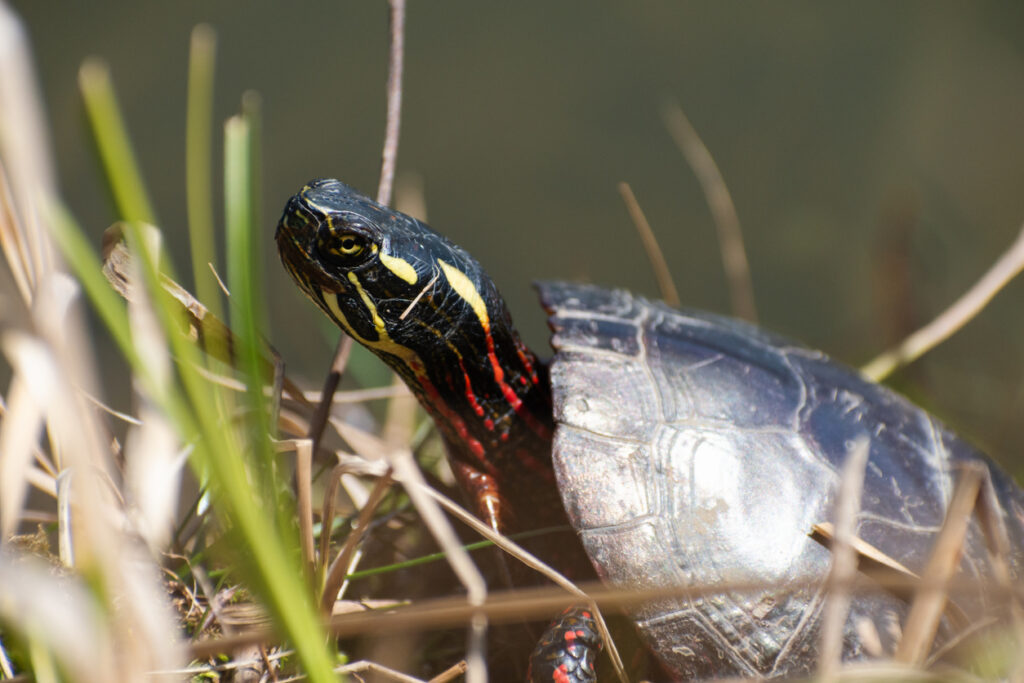
Red-eared slider terrapins, originally from North America, live wild in many British rivers, lakes, and canals. Most were released by pet owners who didn’t realise how large and long-lived these reptiles become. These terrapins compete with native wildlife for food and basking spots, and can carry diseases harmful to native species. Cold British winters limit their breeding success, but established populations persist in warmer urban areas.
6. American mink are dominating river systems.
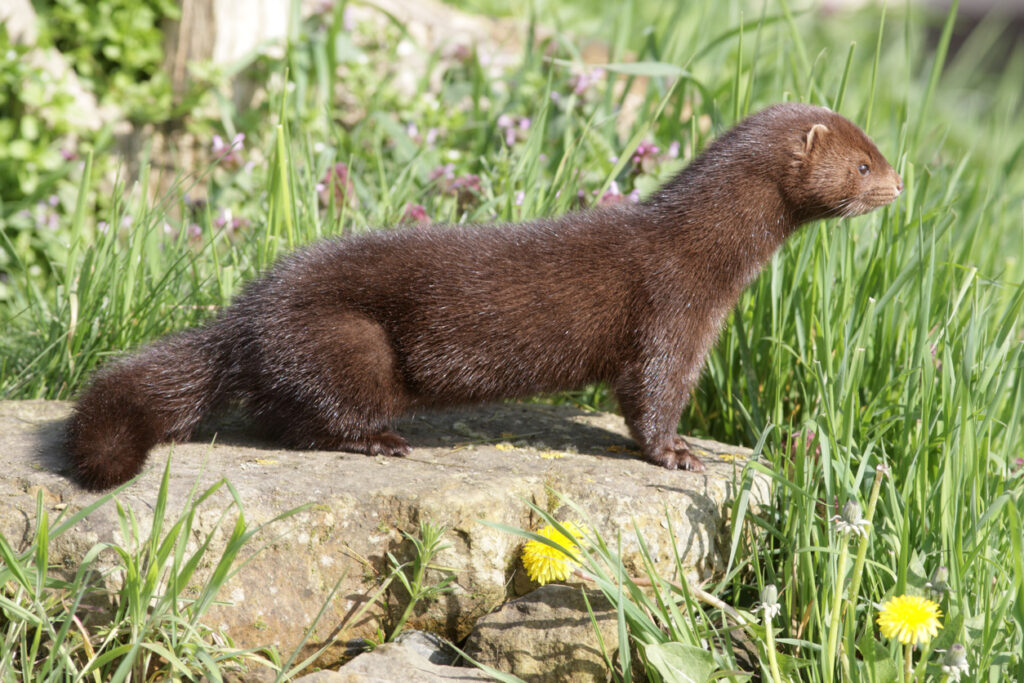
American mink escaped from fur farms decades ago and now live throughout Britain’s waterways. These aggressive predators have devastated populations of water voles, ground-nesting birds, and fish in many areas. Mink are excellent swimmers and climbers who adapt to various habitats from rivers to coastal areas. Their impact on native wildlife has been so severe that extensive control programs operate across the country.
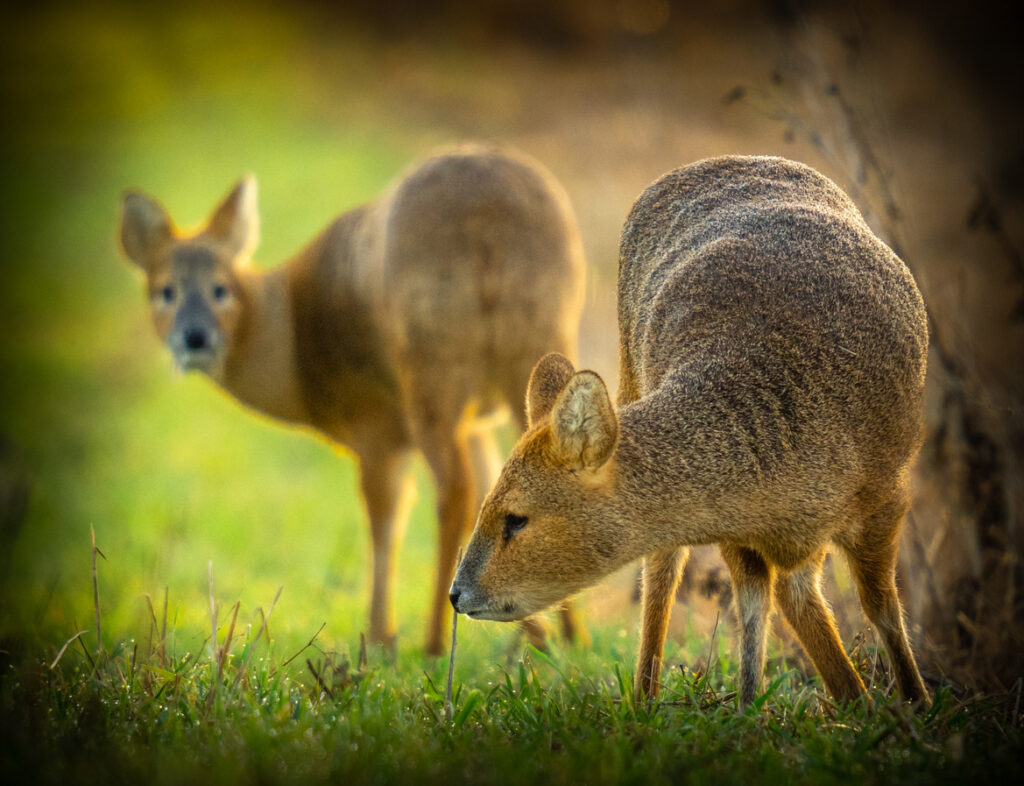
7. Chinese water deer are flourishing in East Anglia.
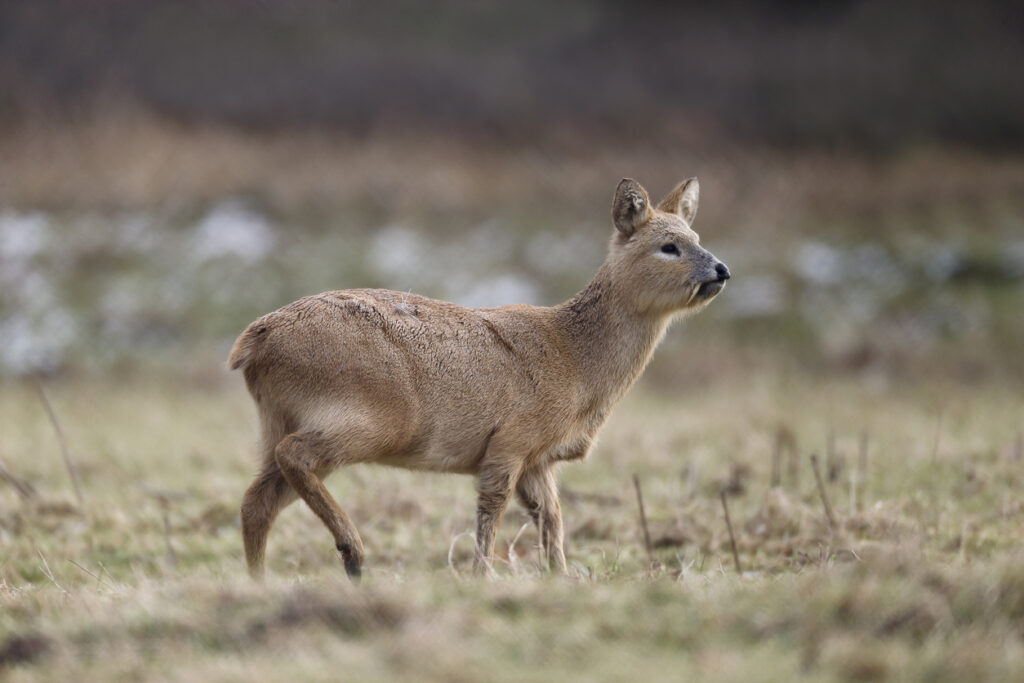
These small, tusk-bearing deer escaped from Woburn Park in the 1940s and now have stable wild populations in eastern England. China’s political situation means the British population might be more secure than those in their native range. Chinese water deer prefer wetland habitats and are excellent swimmers. They’re now considered an established part of British wildlife, though they occasionally damage crops and compete with native deer species.
8. Signal crayfish are taking over freshwater habitats.
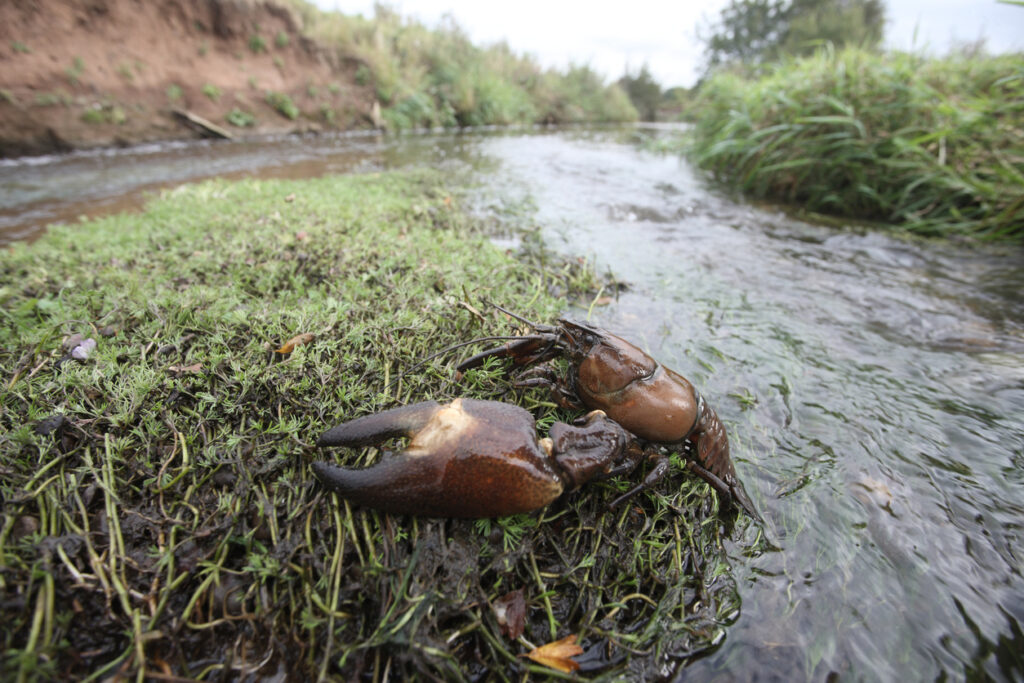
American signal crayfish were introduced for commercial farming but escaped to colonise British rivers and streams. They carry crayfish plague, which has decimated native white-clawed crayfish populations across the country. Signal crayfish are larger and more aggressive than native species, outcompeting them for food and shelter. They also damage riverbanks by burrowing and can affect fish populations by eating eggs and young fish.
9. Harlequin ladybirds are replacing native species.

Asian harlequin ladybirds arrived in Britain in 2004 and spread rapidly across the country. These larger, more aggressive ladybirds outcompete native species and can bite humans when threatened. Harlequin ladybirds have significantly reduced populations of native ladybird species and also eat beneficial insects that control garden pests. They’re now one of the most common ladybird species in many areas.
10. Sika deer are spreading from ancient introductions.
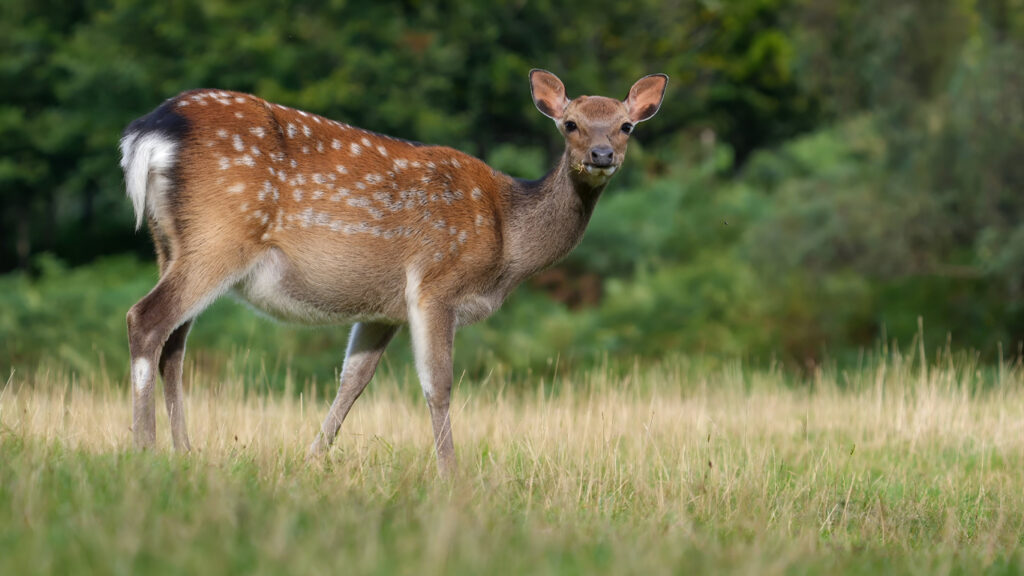
Japanese sika deer were introduced to British deer parks in the 1800s, but many populations now live completely wild. They hybridise with native red deer, potentially threatening the genetic integrity of red deer populations. Sika deer are smaller than red deer but can thrive in similar habitats. Their distinctive calls and spotted coats make them easily recognisable, though hybrids can be difficult to identify without genetic testing.
11. Edible dormice are established in the Chilterns.
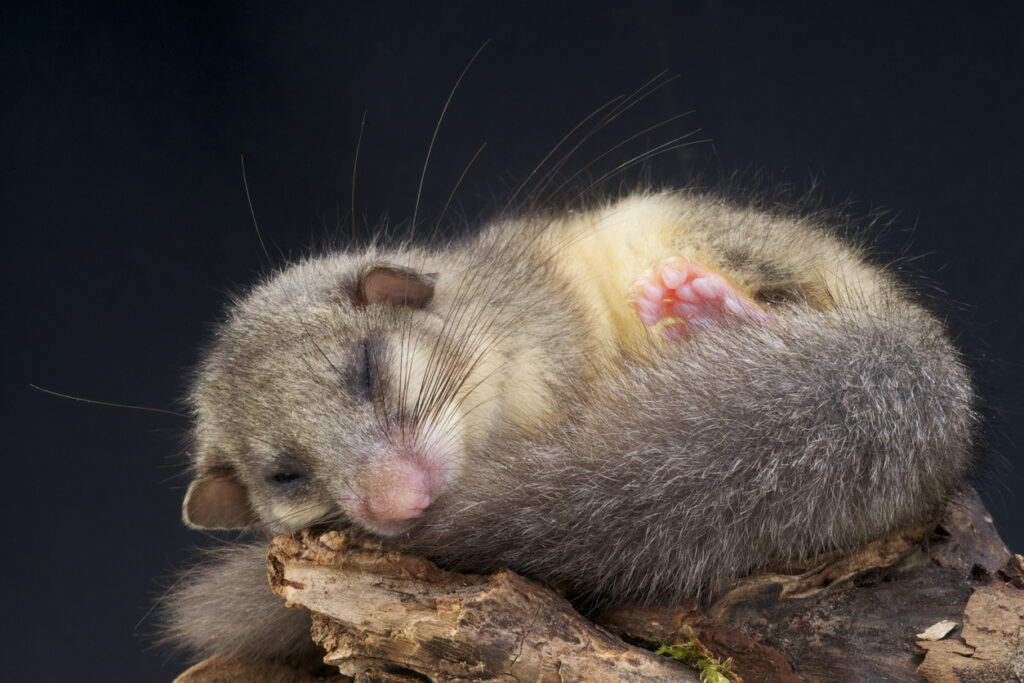
These large European rodents were introduced to Hertfordshire in 1902 and have maintained a stable population in the Chiltern Hills ever since. Edible dormice can damage buildings and eat bird eggs, but they’re also fascinating nocturnal creatures. The British population represents the only wild edible dormice in the country, making them both an invasive species and a unique part of local wildlife. They hibernate for up to seven months each year.
12. Muntjac deer escaped to become widespread.
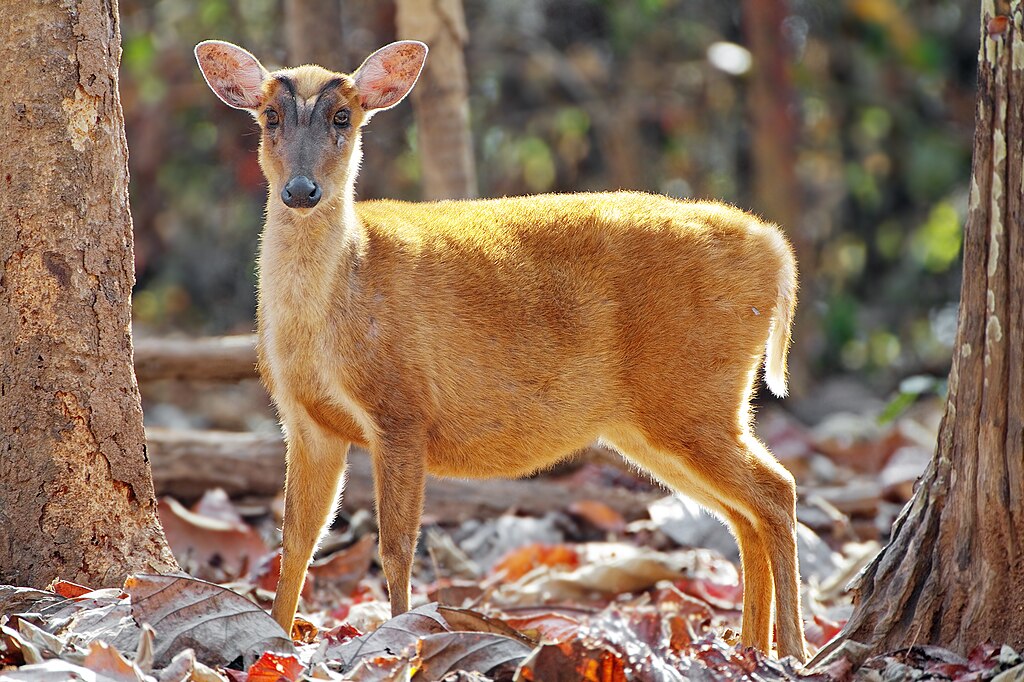
Small muntjac deer escaped from Woburn Park in the early 1900s and now live throughout southern and central England. These Asian deer have no natural predators in Britain and can breed year-round. Muntjac deer cause significant damage to woodland plants and crops, and their sharp tusks can injure dogs. Despite their small size, they’re surprisingly hardy and have adapted well to British conditions.
13. Goliath stick insects are surviving British summers.
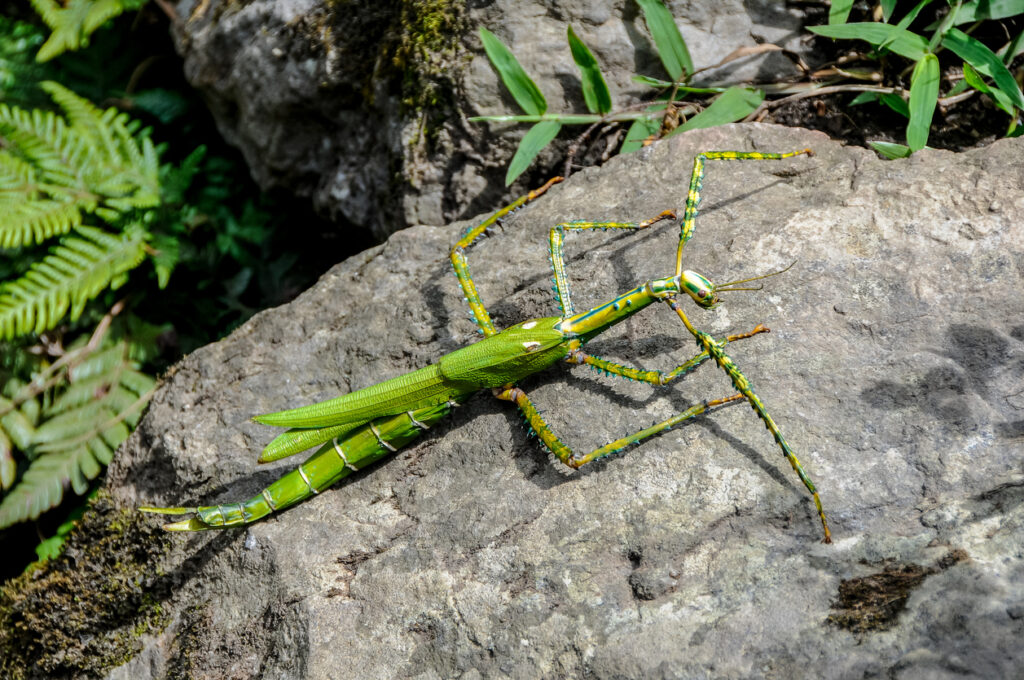
These massive insects occasionally establish temporary populations when escaped pets survive mild British summers. Goliath stick insects can reach 25 cm in length and reproduce without mating, allowing single females to start colonies. Cold winters usually kill off any outdoor populations, but climate change might allow these tropical insects to establish permanent colonies in southern England. Several sightings occur each year in urban areas.
14. Killer shrimp are invading waterways.
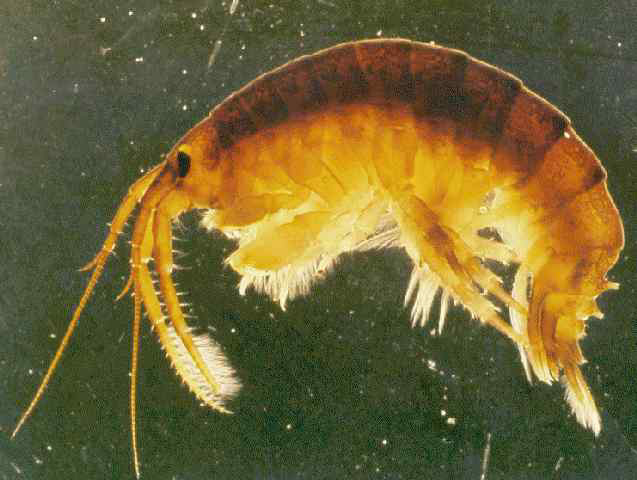
Dikerogammaris villosus, known as killer shrimp, arrived from Eastern Europe and are spreading through British canals and rivers. These tiny but aggressive crustaceans kill native shrimp and small fish for sport rather than food. Killer shrimp can survive in various water conditions and reproduce rapidly once established. They’re particularly problematic in the Thames basin and continue spreading through boat movements and natural waterway connections.
15. Sacred ibis are attempting to colonise.
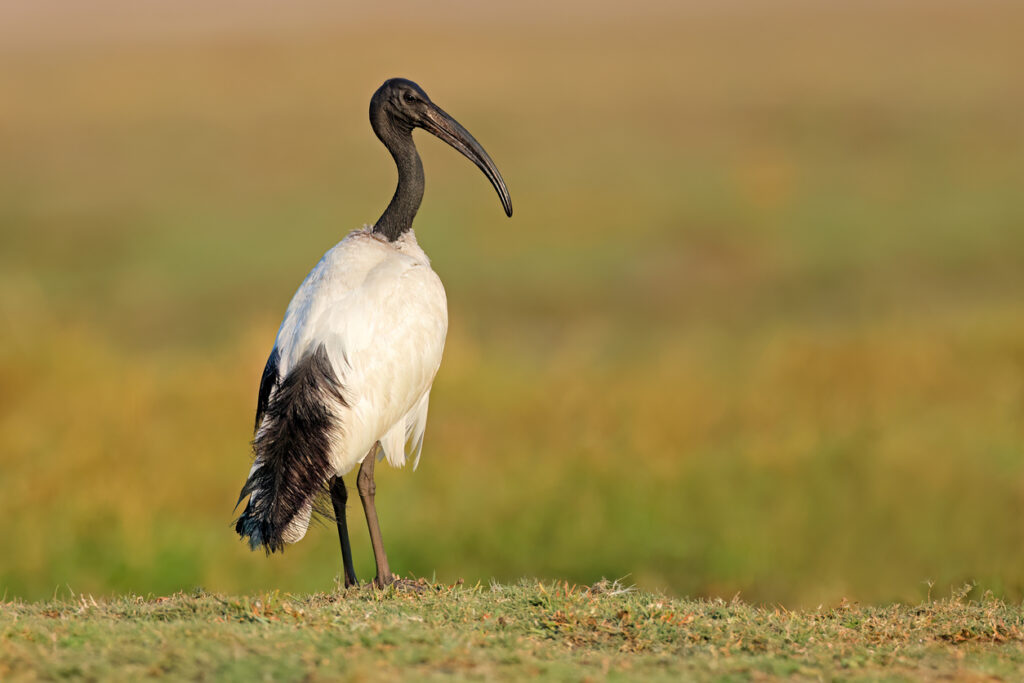
Small numbers of sacred ibis, originally from Africa, occasionally establish breeding colonies in Britain after escaping from collections. These large wading birds can impact native wildlife and have successfully colonised other European countries.
Most sacred ibis sightings result in immediate removal to prevent establishment, but their ability to survive British conditions means continued vigilance is necessary. They pose particular threats to ground-nesting birds and amphibians.